
2027 Is Security Management a Hard Major? What Students Should Know

Co-Founder and Chief Data Scientist
Security management is often perceived as a demanding major due to its interdisciplinary nature, combining elements of criminal justice, risk analysis, and technology. In the U.S., enrollment in security management programs has grown by over 20% in recent years, reflecting both rising interest and expanding career opportunities. This growth also highlights increasing academic rigor as programs evolve to meet industry needs.
This article examines the course difficulty, workload, required skills, and factors that influence student experiences in security management. Understanding these aspects helps prospective students gauge how challenging the major may be based on their background, learning style, and professional goals.
Key Benefits of Security Management as a Major
- Security management offers practical skills in risk assessment and crisis response, benefiting career changers seeking applicable expertise in diverse industries.
- Flexible course formats support full-time workers returning to school, facilitating career advancement without overwhelming schedules.
- Traditional undergraduates gain specialized knowledge and confidence through challenging coursework, with 78% reporting increased readiness for security-related roles.
Where Does Security Management Rank Among the Hardest College Majors?
Security management is generally rated as a moderately challenging major in national difficulty rankings, often positioned in the middle to lower tiers alongside related fields such as criminal justice and fire protection. These assessments typically consider factors like workload intensity, the degree of technical or analytical coursework, and the presence of practicums or internships.
Most security management programs combine law, emergency planning, and risk assessment classes without heavy lab or fieldwork requirements. For instance, students in this field typically spend about 12 hours per week studying, and average GPAs hover around 3.1, reflecting a balanced level of academic demand compared to STEM or business disciplines.
The difficulty of security management can vary significantly depending on the college and the student's own background. Compared to highly technical majors like engineering or chemistry, security management is usually less rigorous, but it often requires more effort than subjects like business administration or communications, which are ranked easier overall.
Individual strengths in analytical skills or interest in law enforcement and emergency planning also influence how challenging a student finds the curriculum. Ultimately, while national rankings offer useful guidance, the perceived difficulty is subjective and shaped by personal aptitude and the specific program structure.
What Factors Make Security Management a Hard Major?
Security management is challenging for many students due to the demanding combination of academic and practical skill requirements. The discipline requires learners to balance theoretical knowledge with hands-on experience while meeting strict academic standards.
One reason behind the difficulty is the academic rigor in security management programs, which often include advanced coursework in risk analysis, threat assessment, security technologies, legal frameworks, and crisis response. These complex subjects require a strong analytical mindset and consistent effort to master.
The multidisciplinary workload in safety and security studies means that students must complete between 120 to 135 credit hours covering general education, major-specific classes, electives, and specialized tracks like cybersecurity or disaster management. This broad curriculum demands students to acquire diverse skillsets and manage heavy coursework simultaneously.
- Heavy workload: Students face high credit hour requirements combined with practical components like internships and capstone projects, which increase the overall time and effort needed.
- Technical and analytical complexity: Courses involving cybersecurity, threat modeling, and security policy require solid analytical thinking and mastery of technical principles.
- Field-specific requirements: Background checks, adherence to ethical standards, and professional conduct are mandatory, adding an extra layer of responsibility.
- Capstone and internship obligations: These experiences require independent research, project management skills, and significant time, further intensifying the major's demands.
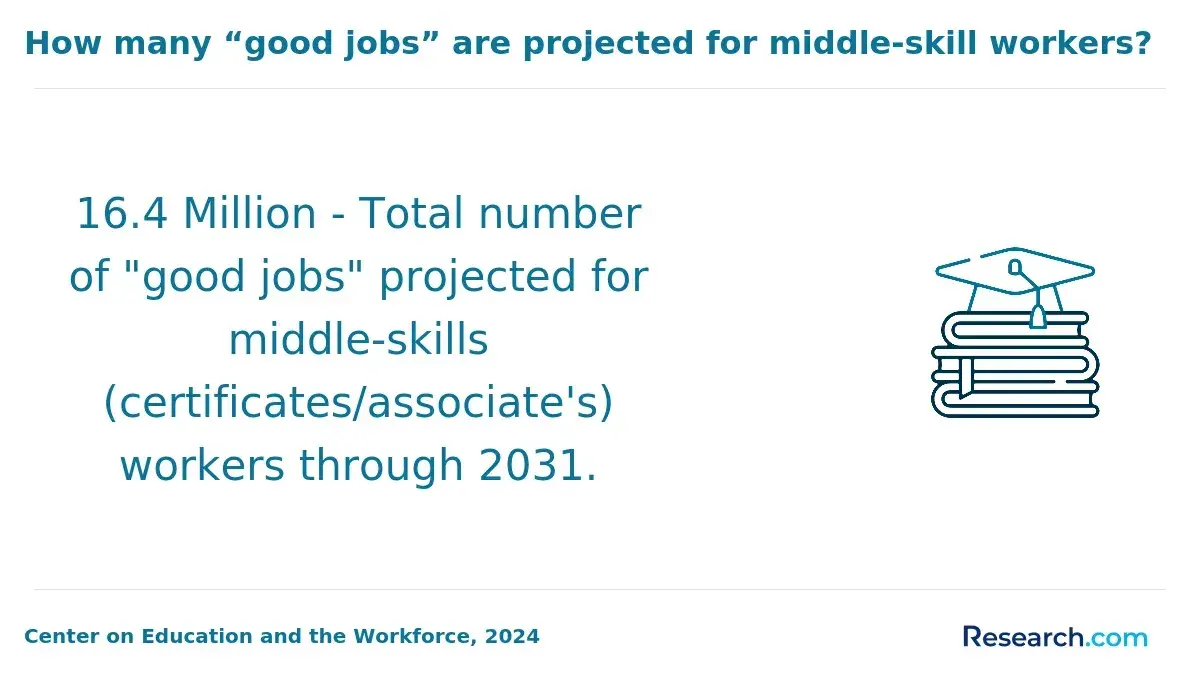
Students interested in shorter specialized training may explore 6 month certificate programs that pay well, but the comprehensive nature of security management coursework remains rigorous and challenging.
Who Is a Good Fit for a Security Management Major?
Identifying who should major in security management helps students align their strengths with the field's demands, improving their chances of success. The best personality traits for security management degree candidates combine analytical and interpersonal skills to manage complex security challenges effectively.
- Analytical Thinkers: Students who excel at evaluating risks and threats thrive in this major. Their problem-solving skills allow them to break down complex security issues and develop practical solutions, which is critical for coursework and real-world applications.
- Strong Communicators: Effective communication is necessary to coordinate with diverse teams and implement emergency planning and legal frameworks. Those who are adaptable and detail-oriented handle the demanding workload and internship scenarios more efficiently.
- Leadership-Oriented: Leadership abilities empower students to manage security teams and guide projects, giving them an advantage when working on multidisciplinary challenges involving human and technological factors.
- Detail-Focused: Attention to detail aids in identifying vulnerabilities during risk assessments and information security analysis. This focus helps in developing thorough protection strategies essential to the major.
- Resilient and Organized: The ability to multitask and respond swiftly to emerging security issues is vital. Such students manage the rigorous demands of the program and benefit from practical experiences that enhance their skill set.
Students interested in how to combine these qualities with technical knowledge might explore the best certificate programs that pay well as a supplement to their major.
How Can You Make a Security Management Major Easier?
Many students find security management demanding due to its blend of technical knowledge and strategic thinking. Employing focused strategies can help reduce stress and improve comprehension throughout the major.
- Build a solid foundation: Early mastery of key concepts like risk assessment and information security fundamentals simplifies advanced coursework later on.
- Establish consistent study routines: Regularly setting aside time for assignments and critical readings prevents overwhelm and enhances long-term retention.
- Engage actively with materials: Participating in simulations, case analyses, and practical exercises deepens understanding and better prepares students for professional challenges.
- Tap into academic support: Utilizing advisement, tutoring, and targeted workshops helps clarify difficult topics and connects students with knowledgeable mentors.
- Collaborate with peers: Joining study groups promotes diverse perspectives and effective problem-solving in complex security scenarios.
When speaking with a recent graduate who majored in security management, she emphasized how isolating the coursework initially felt. "There were nights when the volume of case studies and technical jargon was overwhelming," she recalled. She found that breaking down content into manageable pieces and consistently reviewing foundational theories made a significant difference. Collaborating with classmates not only alleviated pressure but also provided invaluable insights into real-world applications. She noted, "Having a support system and actively engaging with the material transformed what seemed like an impossible workload into achievable steps." Reflecting on her experience, she stressed patience and steady effort as keys to navigating the major successfully.
Are Admissions to Security Management Programs Competitive?
Admissions to security management programs in the United States vary from moderately competitive to highly selective depending on the institution. Factors such as the number of applicants, limited program capacity, and specific admission requirements contribute to competition. Undergraduate programs often require a minimum GPA around 2.0 and a high school diploma, making them more accessible, while many graduate programs look for stronger academic records and relevant qualities, making entry more competitive.
Selectivity is influenced by each school's reputation and the program's focus. Competitive programs typically expect higher GPAs, completion of STEM-related courses, and sometimes prior work or internship experience. Acceptance rates can range widely, from as low as about 15% at top programs to as high as 80% at less competitive schools. Increasing demand for security management professionals also raises standards, with some programs requiring essays and recommendations to evaluate candidates thoroughly.
When speaking with a security management professional who graduated recently, he shared that the application process felt rigorous yet fair. "I had to carefully prepare my resume and essays since I knew others had strong backgrounds," he recalled. The competitive nature pushed him to highlight relevant experience and academic achievements, but the process also motivated him to improve his personal profile and confidence in pursuing this field.
Is an Online Security Management Major Harder Than an On-Campus Program?
The difficulty of pursuing an online security management degree versus on-campus programs can be seen as roughly equivalent, though the experiences differ notably. Variations in structure, interaction, and personal accountability shape how each mode challenges students. To clarify the nuances in whether online security management is harder, consider these key differences:
- Academic Expectations: Both online and on-campus programs maintain consistent curricula and rigor, ensuring students gain foundational knowledge in risk management and threat analysis.
- Workload and Pacing: Online security management programs often require more self-direction, with students managing deadlines independently, which may feel more demanding for those new to self-paced learning.
- Interaction and Support: On-campus students have easier access to face-to-face engagement with professors and peers, while online students rely on virtual discussions and remote resources that can sometimes feel less engaging.
- Learning Environment: On-campus settings offer structured schedules and collaborative labs, whereas online learners balance studies amid home distractions and technical challenges.
- Unique Challenges: Online students face potential technical issues and must maintain high motivation, whereas on-campus students benefit from immediate facility access but must adhere to fixed campus hours.
Ultimately, for prospective students weighing online security management degree vs on-campus options, personal learning style and self-discipline are critical factors. Those curious about programs that balance affordability and accessibility may explore a cheap online doctorate for related insights. The question of is online security management harder depends largely on adapting to the distinct demands each format presents.
Are Accelerated Security Management Programs Harder Than Traditional Formats?
Accelerated Security Management programs are generally harder than traditional formats due to their condensed timelines, faster pacing, and more intense workload demands. Students must quickly absorb material and manage heavier responsibilities with less downtime, which significantly impacts their overall experience.
Here is a comparison of accelerated vs traditional Security Management degree workload comparison highlighting key differences:
- Course pacing and content density: Accelerated programs compress coursework into shorter periods (5-8 weeks per course), requiring mastery of complex concepts swiftly, whereas traditional formats spread content over longer semesters.
- Workload management for different students: Adult learners and professionals may prefer accelerated programs for flexibility but face sustained high stress and need strong time-management skills, while traditional students enjoy more balanced deadlines.
- Academic expectations and skill demands: Accelerated formats assume self-direction and independent study, raising stress and sometimes lowering retention rates, particularly for newcomers to the field.
- Learning retention and stress levels: Traditional programs typically allow deeper engagement and better material retention due to more reflective time, while accelerated studies often lead to higher stress and faster burnout.
- Flexibility and daily structure: Accelerated schedules suit those balancing work and family by offering condensed timelines but limit opportunities for support and peer collaboration found in traditional settings.
For those exploring options, resources like best accredited non-profit online schools can provide additional information. Choosing between traditional vs accelerated Security Management program difficulty should consider personal learning style, time availability, and stress tolerance.
Can You Manage a Part-Time Job While Majoring in Security Management?
Students can realistically hold a part-time job while majoring in security management, but success largely depends on factors like the rigor of coursework, weekly academic demands, flexibility of class schedules, and individual study habits. Security management programs often require 120 to 135 credit hours involving core courses, electives, and specialized classes such as risk analysis and legal frameworks. The availability of online or evening classes can improve flexibility, though students must still manage project cycles and substantial technical assignments that vary by institution.
Those who balance work and study successfully typically use effective time management and limit their course loads each semester to maintain focus. Many opt for part-time roles with flexible or remote hours that accommodate unpredictable academic tasks, such as lab sessions and intensive reading loads.
Utilizing campus or online academic support services helps students maintain consistent study routines and GPA requirements, which usually range from 2.0 to 2.5. However, students facing demanding terms - especially those involving capstone projects or multiple technical courses - often find juggling work and academics more challenging.
What Jobs Do Security Management Majors Get, and Are They as Hard as the Degree Itself?
Career paths for security management graduates vary widely in difficulty, responsibility, and required skill sets. While some roles maintain the analytical rigor and strategic demands of the degree, others may be less challenging or require different competencies, offering a broad spectrum of job complexity.
- Cybersecurity Manager: These professionals test systems to identify vulnerabilities and apply counterintelligence techniques to prevent breaches and data theft. The role demands continuous technical learning and critical decision-making, making it generally as challenging as the degree itself, especially in terms of problem-solving complexity and the stakes involved.
- Asset Protection Manager: Working in environments like retail, banking, and casinos, asset protection managers identify high-theft areas and investigate both internal and external theft. This position is less demanding than the major regarding theoretical complexity but requires strong investigative skills and interpersonal abilities, emphasizing practical execution.
- Risk Manager: Risk managers evaluate financial, safety, and security risks for organizations and devise strategies to mitigate them through careful analysis and planning. This job matches the difficulty of the major by requiring strategic thinking, data analysis, and communicating effectively with executives.
- Compliance Officer: These experts ensure regulatory standards are met across sectors such as finance and healthcare. Their role is demanding, less theoretical than the major, but involving meticulous attention to detail and comprehensive regulatory knowledge.
- Security Director: Senior security directors develop and oversee broad security strategies, leading teams across multiple departments. This position often exceeds the difficulty of the major due to its need for extensive experience, leadership skills, and business acumen.
Prospective students exploring careers with a security management degree may find it valuable to review a list of nationally accredited online colleges offering relevant programs. Understanding whether a security management job is challenging helps set realistic expectations about the professional demands in this dynamic field.
Do Security Management Graduates Earn Higher Salaries Because the Major Is Harder?
There is no direct link between security management graduates earning more solely due to the major's difficulty. While security management demands academic rigor through its focus on risk analysis, law, technology, and crisis response, salary differences mainly arise from industry demand, specialized skills, and certifications rather than coursework difficulty.
Rigorous studies may sharpen critical thinking and problem-solving, qualities employers appreciate, but higher pay reflects market needs more than the major's challenge. Thus, mastering in-demand skills and staying updated with industry trends plays a greater role in salary growth than the perceived hardness of the program.
Several factors influence security management salaries, including job title, location, and experience. For example, U.S. security managers earn between $85,213 and $119,890 on average as of 2025, with senior or specialized roles often paying more.
Geographic regions with heightened security risks or large metropolitan areas typically offer higher wages. Additionally, professionals holding certifications like CompTIA Security+ or CISSP tend to secure better compensation. Therefore, focusing on relevant credentials and career advancement opportunities is key to boosting earnings in this field.
What Graduates Say About Security Management as Their Major
- Otto: "Pursuing security management was definitely challenging, but the hands-on learning made every tough assignment worth it. Despite the average annual cost being around $15,000, I believe the investment paid off as it opened doors to meaningful career opportunities in cybersecurity. I'm really glad I stuck with it and developed skills that are in high demand."
- Colsen: "Reflecting on my time majoring in security management, I realize it demanded a lot of critical thinking and time management, which was sometimes overwhelming. The financial aspect was a concern since the total cost approached a significant amount, but having a clear career path in risk assessment helped me stay motivated throughout. This major has truly transformed my understanding of organizational safety."
- Isaiah: "Security management isn't an easy major, especially with the complex theories and technological components involved. The cost to attend was steep, yet the professional discipline I gained justifies it, given how it sharpened my capability to lead security operations. For anyone serious about a career in this field, the effort and expense are well worth it."
Other Things You Should Know About Security Management Degrees
In 2027, Security Management exams focus on both theoretical knowledge and practical application, rather than strict memorization. While foundational concepts need to be remembered, assessments often emphasize problem-solving skills and real-world scenarios, requiring students to apply their understanding to dynamic security environments.
Security Management does involve technical knowledge, such as understanding cybersecurity basics and surveillance technologies. However, the program balances these with management, legal, and ethical topics, so it is not solely focused on technical expertise. Students with a willingness to learn technology find this mix approachable.
Assessments in Security Management require both memorization of key concepts and critical thinking to solve security challenges. Students must understand laws, regulations, and operational strategies rather than just recall facts. Case studies and project work are common evaluation methods.
In 2027, teamwork plays a significant role in Security Management majors as students often engage in group projects and collaborative case studies. This approach helps develop essential skills needed for real-world scenarios where cross-functional team cooperation is vital for effective security solutions.
References
- Best Bachelor's in Cybersecurity Management and Policy | CyberDegrees.org https://www.cyberdegrees.org/listings/best-bachelors-security-management-degree/
- Security job part time at while uni https://www.thestudentroom.co.uk/showthread.php
- Security Management Degree Guide | D All Bachelor Degrees https://allbachelordegrees.com/degrees/comprehensive-guide-to-getting-a-security-management-degree/
- First Steps into Security Management: Your Guide to a Successful Career in the Security Industry https://www.get-licensed.co.uk/get-daily/first-steps-into-security-management-your-guide-to-a-successful-career-in-the-security-industry/
- Understanding Cyber Security Salary UK: Key Factors and Insights - Bristow Holland https://www.bristowholland.com/insights/industry-insights/understanding-cyber-security-salary-uk-key-factors-and-insights/
- CISSP vs CISM: Which Security Certification Should You Get? https://destcert.com/resources/cissp-vs-cism/
- 9 Reasons Why Security Management is a Good Major https://careeralley.com/9-reasons-why-security-management-is-a-good-major/
- Bachelors in Security Management | Online Security Management Degree https://www.aiu.edu/program/bachelors-in-security-management/
- Integrated Safety and Security Management https://www.hcw.ac.at/en/studies/study-courses/integrated-safety-and-security-management


