
2027 Best Software Development Degrees for Working Adults

Co-Founder and Chief Data Scientist
Many working adults struggle to balance full-time jobs with advancing their careers through education. For example, earning a software development degree online can be challenging when juggling family and work responsibilities. According to the National Center for Education Statistics, adult learners now make up nearly 40% of all undergraduate students, highlighting the demand for flexible programs.
This article explores the best software development degrees tailored for working professionals, focusing on accredited programs that offer flexibility without compromising quality. It aims to guide readers in choosing degrees that align with their schedules and career goals, ensuring practical advancement within the tech industry.
Key Things to Know About Software Development Degrees for Working Adults
- Flexible scheduling and asynchronous online courses enable working adults to balance full-time jobs while pursuing software development degrees, with over 60% of programs offering part-time enrollment options.
- Hybrid formats combine in-person labs and online lectures, providing practical coding experience critical to meeting employer demands in a rapidly evolving tech industry.
- Accelerated pacing and dedicated support services like career advising increase graduation rates, with 75% of working adult students finishing within four years compared to traditional timelines.
What Are the Best Software Development Degrees for Working Adults?
Determining the best software development degrees for working adults depends on factors such as schedule flexibility, career alignment, and return on investment. Many adult learners now benefit from part-time enrollment and online education, which allow them to manage job and personal commitments while advancing their skills. This shift has opened access to programs that accommodate busy professionals without compromising educational quality.
Here are some software development degree options well suited for working adults:
- Online Bachelor's in Software Development: Offers flexible pacing and asynchronous learning, allowing students to integrate study into their schedules. The project-based curriculum emphasizes real-world applications, enhancing career relevance.
- Part-Time Master's in Computer Science with Software Focus: Designed for professionals seeking advanced knowledge while maintaining full-time employment. The program balances depth with practical skills aligned to industry demands.
- Certificate Programs in Software Development: Short-term commitments that sharpen core competencies quickly, making them ideal for career changers and professionals seeking rapid enhancement in software development roles.
- Bachelor's Degree in Information Technology with Software Concentration: Combines fundamental IT concepts with software specialization, offering versatility for various industries and adapting to different career paths.
- Applied Software Engineering Degrees: Emphasize hands-on experience and problem solving, delivering immediate workplace applicability for adult learners focused on skill acquisition and job readiness.
These flexible degree paths support working professionals balancing full-time jobs, and many programs emphasize affordability and accessibility, a key consideration among best online software development degrees for working adults. For those interested in specialized fields, exploring options such as ai degrees can complement software development expertise and boost career opportunities.
What Are the Admission Requirements for Working Adults in Software Development Degree Programs?
Admission requirements for working adults in software development degree programs often differ from traditional students due to the unique needs and experiences of part-time and non-traditional learners. Recent data shows that nearly 45% of graduate students enroll part-time, reflecting the increasing preference for adaptable education paths that support balancing work and study. If you are wondering how to apply for software development degree as a working professional, several considerations come into play.
Key admission factors commonly include:
- Prior Work Experience: Many programs recognize relevant professional experience as a valuable substitute for some academic prerequisites, acknowledging the skills adults acquire on the job.
- GPA Expectations: While GPA remains important, schools often implement holistic reviews or offer flexibility for adult learners, understanding diverse educational backgrounds.
- Standardized Test Waivers: Requirements such as the GRE are frequently waived for applicants demonstrating strong work experience or previous academic success, reducing barriers to admission.
- Professional Recommendations: Letters from employers or colleagues help highlight an applicant's technical skills, work ethic, and potential for career advancement.
- Flexible Scheduling: To accommodate full-time employment, many programs offer part-time or online options tailored for working adults seeking an accredited software development degree.
For those interested in exploring engineering online degree opportunities, it's useful to research programs that combine affordability with flexibility, ensuring a good fit for busy professionals.

What Coursework Is Required in Software Development Degree Programs for Working Adults?
Coursework in software development degree programs for working adults is tailored to balance career relevance, practical skills, and flexible learning schedules, enabling students to progress without compromising job commitments. Currently, over 40% of software development students in the U.S. are adult learners managing work alongside study, emphasizing the need for adaptable coursework. These programs equip students with industry-demanded skills through targeted classes designed for professionals. Below are common coursework areas in software development coursework for working adults:
- Programming Languages: Focuses on mastering languages such as Java, Python, and C#, essential for creating software solutions and solving programming challenges in professional environments.
- Database Management: Teaches students how to design, develop, and maintain databases, supporting critical data-driven business decisions across sectors.
- Software Engineering Principles: Covers software design, testing, and maintenance methodologies, enabling efficient management of complex development projects.
- Web and Mobile Development: Prepares learners to build responsive and user-friendly applications, addressing increasing demand for digital solutions in the marketplace.
- Cybersecurity Fundamentals: Introduces techniques to safeguard applications and data, a vital skill as cyber threats continue to rise globally.
Each course is crafted to offer immediately applicable skills that bolster career advancement and professional growth. Students exploring flexible degree options may also consider accredited marriage and family therapy programs online as alternative fields of study, available through options highlighted at accredited marriage and family therapy programs online.
How Long Does It Take to Complete a Software Development Degree While Working?
Completion times for software development degrees vary widely among working adults due to the need to juggle education with job and personal responsibilities. On average, working students take around five to six years to finish their bachelor's degree, which is longer than the usual four years for full-time students. Several factors contribute to this extended timeline.
Key considerations that affect how long it takes include:
- Program format: Many working adults prefer online or part-time programs for their flexibility, but these options often lengthen the time to degree completion compared to full-time or accelerated courses.
- Course load: Limiting the number of classes per semester helps balance work and study but stretches out the overall duration of the degree.
- Prior credits: Transfer credits from earlier coursework or relevant certifications can significantly decrease the number of required courses, helping students finish sooner.
- Work schedule: Irregular or intense job hours reduce available study time, potentially slowing academic progress.
- Accelerated options: Some programs offer condensed terms that enable faster completion but demand a heavier workload, which may not suit everyone.
When I asked a professional who completed an online software development degree while working full time about his experience, he shared how challenging yet rewarding the journey was. "Balancing late-night coding assignments with early morning meetings tested my endurance," he said. Managing deadlines felt like "a constant push and pull," especially during busy periods at work. However, he found that setting strict schedules and leveraging online resources allowed him to steadily progress despite obstacles. "It wasn't easy, but seeing my skills grow alongside my career made the effort worthwhile," he reflected.
How Much Does a Software Development Degree Cost for Working Adults?
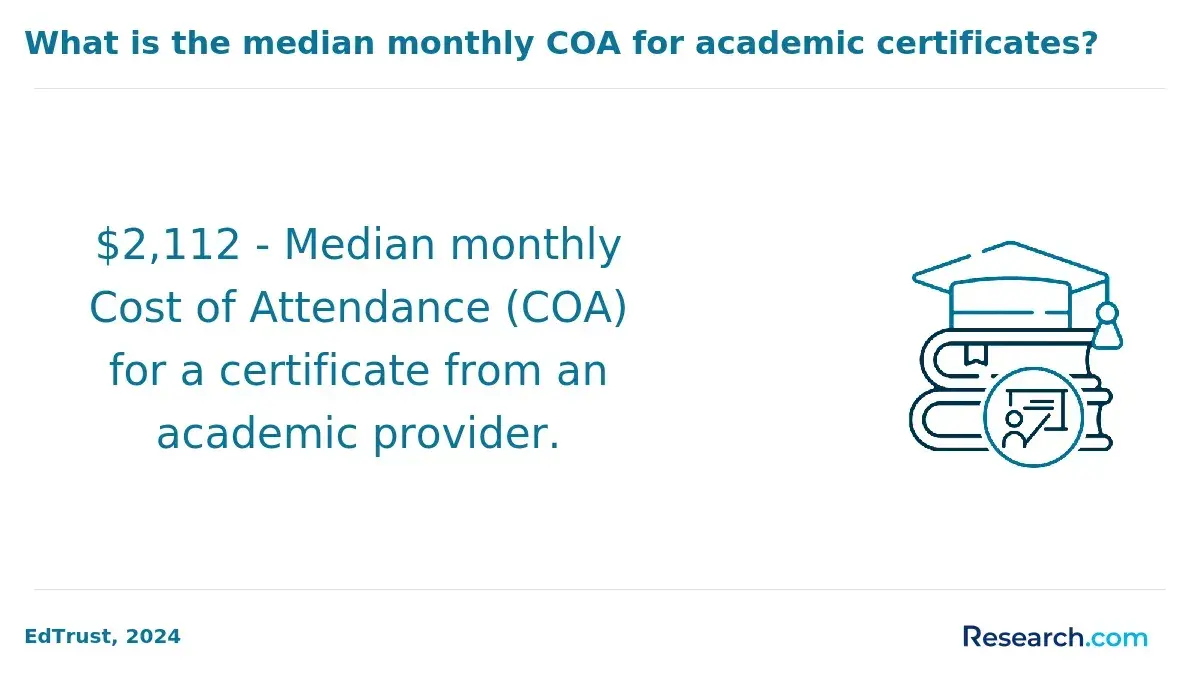
Balancing tuition costs is essential for working adults pursuing a software development degree, especially as part-time enrollment in these programs has increased by around 20% recently. Managing education expenses alongside full-time jobs requires careful consideration of several cost factors.
Key elements affecting the overall price include:
- Tuition Per Credit: This often represents the largest financial commitment. Rates differ between online and on-campus programs and depend on whether the institution is public or private, as well as its reputation.
- Program Length: The duration impacts total expenses; accelerated courses may cost more upfront but shorten the timeline, while part-time options spread costs over a longer period.
- Additional Fees: Beyond tuition, costs like enrollment fees, technology requirements, and textbooks vary by program delivery format and add to the overall budget.
- Online Versus On-Campus: Online formats frequently lower indirect expenses such as commuting and housing, making them more affordable for many working students.
- Cost-saving Approaches: Financial aid options including employer tuition reimbursement, scholarships, and grants can substantially reduce out-of-pocket payments for adult learners.
What Financial Aid Options Are Available for Working Adults in Software Development Degree Programs?
Financial aid plays a vital role for adults juggling work, school, and personal life while studying software development. It helps ease financial burdens, allowing students to concentrate on their studies without overwhelming stress. Below are some common financial aid options tailored to meet the needs of working professionals in these programs.
- Federal Financial Aid: This includes Pell Grants and federal loans designed to accommodate different financial circumstances and enrollment statuses. These resources often offer flexible repayment terms, making them a practical choice for those balancing employment and education.
- Employer Tuition Assistance: Many companies provide tuition reimbursement or assistance to encourage continuing education. Eligibility typically depends on the coursework relating to the employee's job, and some programs may limit the amount of financial support available.
- Scholarships for Adult Learners: Various foundations and organizations award scholarships specifically for non-traditional students who are pursuing software development, helping reduce overall costs without requiring repayment.
- Grants: Usually based on financial need, these funds do not have to be repaid. Adults should explore grant opportunities at federal, state, and institutional levels that are designed for working students.
- Payment Plans and Tax Benefits: Institutions often offer installment payment options to spread tuition expenses over time, while tax credits like the Lifetime Learning Credit can decrease the financial impact of education costs by lowering tax obligations.
When discussing these options, a professional who earned a software development degree while working shared how challenging it was to manage time and finances simultaneously. "It wasn't easy coordinating my work schedule around classes and then figuring out how to pay for everything," she said. By utilizing her company's tuition reimbursement program and a flexible payment plan, she reduced upfront costs and stayed motivated. "Knowing that some of my expenses would be reimbursed helped me stay focused during the toughest semesters," she reflected. Her experience highlighted the importance of exploring all financial aid avenues and planning carefully to make such degrees attainable for working adults.
What Support Services Help Working Adults Succeed in a Software Development Program?
Working adults pursuing a software development degree often juggle the demands of coursework alongside full-time jobs and family obligations, making it essential for institutions to provide targeted support to help them succeed.
- Academic Advising: Tailored guidance assists students in selecting courses that fit their schedules and academic goals, helping to balance workload while maintaining steady progress toward graduation.
- Flexible Scheduling: Offering classes during evenings, weekends, or fully online enables students to integrate their education seamlessly with work and personal responsibilities.
- Online Learning Support: Access to technical help and instructional resources ensures that students can navigate digital platforms effectively, minimizing disruptions and enhancing their learning experience.
- Career Services: Resume reviews, interview coaching, and professional networking opportunities help students align their studies with career advancement and job placement.
- Tutoring and Peer Cohorts: Collaborative study groups and tutoring sessions provide academic reinforcement, foster motivation, and create a sense of community among working adult learners.
These comprehensive support systems alleviate stress, improve time management skills, and promote consistent engagement, ultimately empowering working adults to complete their software development programs successfully.
Are Software Development Degrees for Working Adults Accredited?
Accreditation in software development programs represents a thorough evaluation by an independent agency to verify that the curriculum meets established academic and industry standards. For working adults, attending an accredited program ensures that the education they receive is comprehensive and current, which employers value when considering candidates. Accreditation also plays a crucial role in qualifying students for federal financial aid, a vital support for those balancing employment with study. Recent statistics reveal that nearly 45% of graduate students are over 30, highlighting the increasing need for quality, flexible programs tailored to adult learners.
The lasting benefits of choosing an accredited software development program are significant. Credits from these programs are more likely to be accepted for transfer if a student pursues additional education later, maintaining educational continuity. Accreditation is often essential for eligibility in certain certifications and professional licensing within the technology sector. Furthermore, holding a degree from an accredited institution can enhance career prospects by boosting a graduate's professional credibility and opportunities for promotion over time.
Does a Software Development Degree Increase Salary for Working Adults?
Salary growth is a significant motivator for working professionals considering a Software Development degree, with annual salaries for degree holders typically ranging from $65,000 to over $100,000 depending on experience, location, and role. Pursuing such a degree often leads to measurable career growth with software development degree holders benefiting from higher earning potential and improved job prospects.
- Industry Demand: The technology sector's rapid expansion drives a strong need for skilled developers, pushing salaries upwards. Professionals with a software development degree are well-positioned to meet this demand, which can translate to better compensation.
- Role Advancement: Earning a degree frequently qualifies individuals for higher-level or specialized roles, such as team leadership or project management, that offer increased pay. Career growth with software development degree completion is often linked to these advanced opportunities.
- Employer Policies: Organizations may offer financial incentives, tuition reimbursement, or promotions tied to formal education achievements. These policies can significantly influence whether a software development degree salary increase occurs for working adults.
- Years of Experience: Combining practical experience with a degree creates a stronger profile, as employers value proven skills alongside academic credentials. This blend often results in more competitive salary offers.
- Specialization: Specializing in fields like cybersecurity, mobile development, or data science can raise salary potential by aligning with high-demand niches. Focused expertise enhances the value of a software development degree.
Flexible and accredited programs are essential for working adults who balance full-time employment and studies. Institutions offering such options allow learners to improve their skills and financial outlook without compromising their current jobs. Additionally, those interested in advancing their education might consider pursuing a doctorate in organizational leadership online to enhance leadership capabilities alongside technical knowledge.
What Jobs Can Working adults Get With a Software Development Degree?
A software development degree enables working adults to qualify for higher-level positions that go beyond entry-level roles. It equips professionals with advanced programming, systems analysis, and project management skills essential for career advancement in technology.
Experienced professionals often pursue the following advanced roles that reflect upward mobility and specialization:
- Senior Software Developer: This role requires designing complex software systems and mentoring junior developers. The degree provides the technical expertise to lead challenging projects and support team growth.
- Software Architect: Focusing on high-level design and scalable frameworks, software architects apply analytical skills nurtured by the degree to create maintainable solutions that align with business needs.
- Development Manager: Combining technical knowledge with leadership, development managers oversee teams and manage projects, ensuring efficient resource allocation and meeting deadlines. A software development degree strengthens both managerial and technical capabilities for this role.
- Quality Assurance Lead: Managing testing strategies to maintain product quality, this position benefits from a deep understanding of the software lifecycle and testing methodologies gained through the degree.
- DevOps Engineer: By integrating development and operations, DevOps engineers use automation and infrastructure skills. The degree supports proficiency in programming and system administration vital to this role.
Choosing flexible, accredited software development programs can greatly assist adult learners balancing full-time employment and educational goals. For those researching options, visiting online degree programs offers insight into accessible paths. Aspiring professionals should consider how these credentials align with the highest paying software development jobs for working adults, as well as career opportunities with a software development degree.
What Graduates Say About Their Software Development Degrees for Working Adults
- Harley: "Choosing an online software development degree while working full time was challenging but absolutely worth it. The average cost was reasonable compared to traditional programs, making it a smart investment in my future. Since graduating, I've landed a promotion and expanded my skill set-definitely a game changer for my career. "
- Max: "I took a part-time software development program to balance work and study, knowing the typical cost falls between $15,000 and $30,000. Reflecting back, the financial commitment was significant but manageable and opened doors I hadn't anticipated. Completing the degree has allowed me to transition smoothly into more technical roles with greater responsibility and confidence."
- Angelo: "Enrolling in an online software development degree while maintaining a job was a strategic move for me, especially considering the cost savings compared to full-time programs. The flexibility and affordability meant I could upskill without financial strain. Professionally, finishing the program boosted my credibility and led to exciting new projects and leadership opportunities."
Other Things You Should Know About Software Development Degrees
Online software development degree programs offer working adults flexibility to study at their own pace while balancing work commitments and personal responsibilities. Such programs typically provide access to learning materials 24/7, enabling individuals to fit learning around their schedules, making education more accessible without compromising career progress.
Time management and prioritization are critical skills for balancing studies and work. Many degree programs accommodate this by offering part-time options or evening and weekend classes. Employers sometimes support continuing education through flexible hours or tuition assistance, which can ease the challenge of managing both responsibilities.
Certifications in specific technologies or programming languages can complement a software development degree and improve job prospects. Working adults often pursue certifications in cloud computing, cybersecurity, or specific development frameworks to stay competitive. While not mandatory, these credentials demonstrate up-to-date skills to employers.
References
- Software Development Benefits for Degree Holders https://online.maryville.edu/online-masters-degrees/software-development/resources/software-development-benefits/
- Best Software Development Courses in Germany (2026 guide) | WBS CODING SCHOOL https://www.wbscodingschool.com/blog/best-software-development-courses/
- Software engineer: 27 professions & job opportunities https://www.advans-group.com/en/software-engineer/
- TripleTen: Online Tech Bootcamps | Part-Time & Full-Time https://tripleten.com/
- Online Computer Science & Engineering Degrees | Coursera https://www.coursera.org/degrees/computer-science
- Become a Software Developer Through an Associate Degree Program https://sdgku.edu/blog/how-to-become-a-software-developer-through-an-associate-degree-program/
- Home - Ada Developers Academy https://adadevelopersacademy.org/
- 2025 Most Affordable Online Software Engineering Degrees https://www.onlineu.com/most-affordable-colleges/software-engineering-degrees
- 5 Software Jobs You Should Apply For to Progress Your Career https://www.spectrumit.co.uk/resources/blog/software-jobs-to-progress-your-career/
- CourseCareers https://coursecareers.com/course/software-dev-fundamentals


