
2027 Is a 2-Year Software Development Degree Worth It: Accelerated Bachelor's ROI & Time Trade-Offs

Co-Founder and Chief Data Scientist
Choosing an accelerated 2-year software development degree involves evaluating trade-offs between time invested and career benefits. With the tech industry expecting a 22% growth in software developer jobs through 2030, faster degree completion stands to significantly reduce opportunity costs. However, compressed programs demand high dedication and may limit comprehensive learning.
This article analyzes the return on investment of accelerated bachelor's degrees in software development, comparing salary outcomes, skill acquisition, and long-term career impact to traditional pathways. Readers will gain evidence-based insights to decide if the accelerated degree aligns with their professional goals and financial priorities.
Key Benefits of a 2-Year Software Development Degree
- Completing a 2-year accelerated software development degree reduces time-to-employment by up to 50%, enabling faster career entry with competitive starting salaries averaging $65,000 annually.
- Lower tuition costs compared to 4-year programs improve ROI, often leading to less debt and stronger financial stability during early career stages.
- Focused coursework equips graduates with practical, in-demand skills valued by employers, enhancing job placement rates by approximately 20% over non-degree holders.
How Do 2-Year Software Development Programs Work?
Two-year software development programs offer an intensive, accelerated path to prepare students for entry-level roles quickly. These programs are structured to save time compared to traditional degrees, making it important for prospective students to understand the unique pacing and expectations involved.
Below is a breakdown of how these programs typically operate to help those considering an accelerated degree path:
- Accelerated pacing: Coursework is compressed into shorter academic terms, often lasting 8 to 12 weeks, allowing students to complete the program in roughly half the time of traditional degrees.
- Year-round enrollment: Continuous study through multiple terms per year eliminates long breaks, enabling faster progression and steady credit accumulation.
- Condensed course terms: Instead of two semesters, students may experience quarters or trimesters, requiring adaptability to frequent course turnover and consistent workload intensity.
- Credit load expectations: Students often carry a heavier credit load, commonly 15 to 18 credits per term, to meet graduation requirements within the shortened timeframe.
- Instructional format: A combination of lectures, labs, and online components offers flexibility but demands disciplined time management to balance hands-on projects and theoretical study.
- Assessment methods: Evaluations include coding assignments, exams, team projects, and capstone activities, designed to test practical skills and academic understanding.
- Curriculum progression: Advancement requires meeting credit and competency milestones each term, with a focus on core knowledge areas like programming languages, data structures, and software design.
Students seeking alternatives, particularly those with an interest in nursing, can explore options like RN to BSN online with no clinicals programs, which similarly leverage flexible formats.
What Are the Admission Requirements for a 2-Year Software Development Degree?
Knowing the admission requirements is crucial for students considering an accelerated bachelor's in software development, as it sets clear expectations for the academic and practical skills needed to succeed. These criteria help ensure candidates are prepared for the intensity and pace of a condensed program.
Below is a breakdown of typical prerequisites and considerations to guide prospective applicants.
- Prior Education: Most programs require a high school diploma or equivalent as a foundational credential. This baseline confirms the student has general academic readiness for postsecondary study, an essential step for meeting 2-year software development degree admission criteria.
- GPA Expectations: Many accelerated software development program applications set a minimum GPA, often between 2.5 and 3.0 on a 4.0 scale. This benchmark signals sufficient academic achievement to handle accelerated coursework effectively.
- Standardized Testing: While less commonly required, some institutions may request SAT or ACT scores to assess aptitude. However, because of the focus on working adults and career changers, these scores often carry less weight.
- Prerequisite Coursework: Candidates typically need foundational skills in algebra and introductory computer science or programming. This ensures they can keep pace with technical classes from the start of the program.
- Work or Volunteer Experience: Although not universally required, prior exposure to technology or coding through work or volunteering can strengthen an application. It reflects practical readiness, a key focus for accelerated programs aiming at workforce demands.
What Does a Typical Week Look Like in a 2-Year Software Development Program?
Grasping the weekly demands of a two-year accelerated software development program helps prospective students gauge the intensity and structure of their commitment. This is critical to balancing personal, professional, and academic responsibilities effectively.
Below is a breakdown of the typical rhythm and workload you can expect each week:
- Class Sessions and Lectures: Students spend several hours weekly attending focused lessons that blend essential theories with practical coding exercises, covering topics like algorithms, programming languages, and system design.
- Assignments and Assessments: Regular projects, quizzes, and exams reinforce learning and assess progress. These tasks often require consistent preparation to keep pace with the accelerated curriculum.
- Group Work: Collaboration is emphasized through team projects aimed at solving complex coding challenges, fostering communication and cooperative problem-solving skills.
- Independent Study: Outside of class, students dedicate time to reviewing concepts, writing code, and completing assignments. Self-discipline here is crucial due to the compressed timeframe of the program.
- Instructor Interaction: Engagement with professors and mentors occurs through office hours and discussion forums, providing opportunities for clarification and personalized feedback.
- Time Management: Balancing lectures, hands-on coding, group activities, and self-study requires a disciplined routine, as falling behind is difficult to recover from in such a fast-paced environment.
When asked about his experience, a graduate who completed his bachelor's in software development within two years shared, "The busiest weeks felt like juggling multiple jobs—you're coding late into the night and constantly switching between projects."
He recalled moments of frustration when deadlines clashed, but emphasized that "the steep learning curve forced me to quickly develop effective study habits and rely on my peers for support." His reflection highlights how managing stress and collaboration were just as critical as technical skills during the program.
Are 2-Year Software Development Programs Available Online?
The format of a two-year software development program greatly impacts a student's ability to manage time, access resources, and maintain flexibility. Online delivery, in particular, offers options that can accommodate working adults or those with family obligations, making accelerated degrees more attainable.
Below are key aspects to consider about online formats for such programs:
- Fully online vs. hybrid models: Programs may be entirely online or combine remote coursework with occasional in-person sessions. Hybrid models often include hands-on labs or meetings to supplement virtual learning.
- Asynchronous and synchronous learning: Many programs mix recorded lectures for self-paced study with scheduled live classes, allowing interaction with instructors and peers while fitting diverse schedules.
- Technology requirements: Students need a dependable internet connection, a capable computer, and access to development tools like IDEs. Institutions generally support students with technical assistance and resources to ensure smooth online participation.
- Student support services: Online learners typically have access to tutoring, academic advising, and career counseling tailored for remote formats to enhance retention and success.
- Impact on pacing and engagement: Online delivery offers greater scheduling flexibility, enabling faster degree completion for motivated students. Engagement is maintained through virtual labs, projects, and discussion forums, though personal discipline remains essential.
How Much Does a 2-year Software Development Degree Cost?
Evaluating the total cost of an accelerated software development degree is essential to determine if the investment aligns with your career goals. Costs can differ significantly from traditional four-year programs due to the condensed timeframe and intensity.
Here are several points to consider:
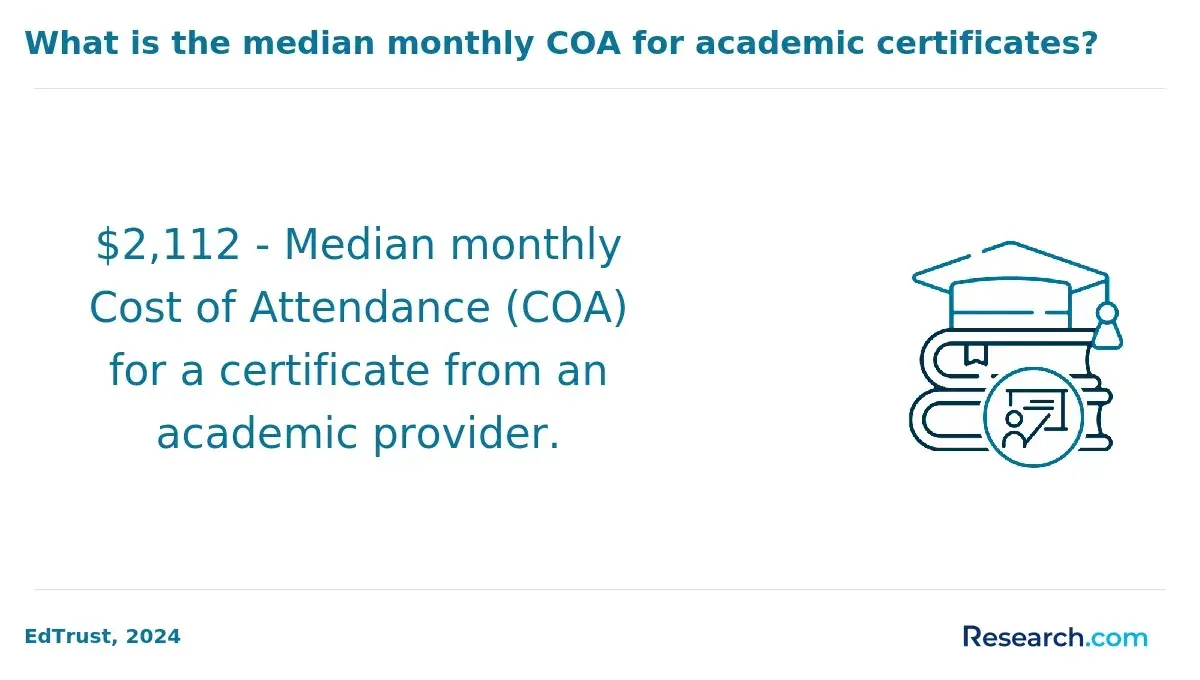
- Tuition structure: Tuition in accelerated programs is typically charged per credit hour, but more credits per term are required to complete the degree in a shorter period. This faster-paced schedule may lead to a more intense payment timeline compared to traditional programs while potentially reducing overall tuition duration.
- Additional fees: Besides tuition, registration, technology access, and lab fees add to the total cost of accelerated software development programs. These fees ensure access to necessary resources but can increase overall expenses beyond just tuition.
- Textbooks and learning materials: Rapidly evolving technology fields demand up-to-date textbooks and materials, which can be costly. This is often a significant portion of expenses and should be factored into budgeting for a software development degree tuition cost.
- Technology and equipment costs: Students may need specialized hardware, software licenses, or other tools that are sometimes more expensive in accelerated programs due to the need for advanced technology within compressed timelines.
- Comparative savings: Accelerated degrees typically reduce tuition and fees by about 1 to 2 years compared to traditional programs, potentially lowering total costs. However, the intensive pace may impact part-time working opportunities, indirectly affecting overall affordability.
For aspiring nurses balancing study with work or seeking streamlined education paths, researching options like easiest nursing schools to get into can provide insight into accelerated program structures and cost factors applicable across fields.
Can You Get Financial Aid for 2-Year Software Development Programs?
For many considering accelerated software development programs, understanding financial aid options is essential. Since these programs condense learning into shorter timeframes, affordability and funding flexibility become key factors in deciding if the investment aligns with personal and professional goals.
Below is an overview of common financial aid resources and how the program's pace can influence them:
- Federal student aid eligibility: Students enrolled in accredited accelerated programs typically qualify for federal aid options like Pell Grants and Direct Loans. However, because accelerated programs have compressed terms, disbursements may be divided into smaller, more frequent payments to match the program's schedule.
- Scholarships and grants: Targeted scholarships often exist for technology and STEM students, provided by private foundations or industry associations. These awards can supplement federal aid and help reduce out-of-pocket costs.
- Employer tuition assistance: Many employers offer reimbursement or tuition support programs, which can be especially beneficial for working students. These programs vary widely, so checking with a human resources department is important.
- Flexible payment plans: Colleges may provide options to spread tuition payments over time, helping students manage expenses without needing additional loans. Payment plans can ease budget strain during the accelerated course load.
When I spoke with a professional who recently completed an accelerated bachelor's in software development, she shared how navigating financial aid was both challenging and rewarding. "The compressed semesters meant paperwork and applications had to be submitted quickly," she explained.
Although coordinating federal aid disbursements with the faster schedule required extra attention, leveraging employer tuition assistance was a game-changer for her budget. "Balancing work and studies was tough, but the flexible payment plan helped me stay afloat. Knowing there was financial support made completing the degree in two years feel achievable instead of overwhelming," she reflected.
This perspective underscores how planning and using all available resources can make accelerated software development degrees financially viable.
What Jobs Can You Get With a 2-Year Software Development Degree?
When evaluating the value of an accelerated software development bachelor's degree, understanding potential career outcomes is crucial for aligning your time commitment with your long-term goals. Knowing what entry-level opportunities await can help you make informed decisions about whether this faster educational path suits your professional ambitions.
Here is a detailed overview of career possibilities for graduates:
- Junior software developer: Graduates often begin as junior developers, focusing on coding, debugging, and collaborating with senior staff. This role offers a practical introduction to software lifecycle management and real-world application of programming languages.
- Web developer: Many find work creating and maintaining websites, applying skills in HTML, CSS, JavaScript, and content management systems. This position balances creative design and technical problem-solving.
- Quality assurance tester: Early career roles often include testing software for bugs and performance issues, requiring attention to detail and knowledge of automated testing tools to ensure product quality before release.
- Technical support specialist: Some graduates provide technical assistance and troubleshoot software issues for end-users, developing communication skills alongside technical expertise.
- Industry versatility: Career opportunities with a 2-year software degree span various sectors such as information technology services, finance, healthcare, and e-commerce. This broad applicability enhances employment prospects.
- Accelerated format benefits: The condensed curriculum in accelerated programs emphasizes workforce readiness, focusing on practical skill application like version control and agile methodologies. This prepares students for immediate entry-level software developer jobs while laying a foundation for future certification or advanced study.
Meanwhile, exploring options like cheap NP programs demonstrates the broader trend toward accelerated health and technology education pathways that reduce time and costs without compromising essential skills, particularly for aspiring nurses.
How Do Salaries Compare for 2-year Software Development Degree vs. Traditional Bachelor's Degrees?
Salary outcomes are a critical factor when evaluating the return on investment (ROI) of accelerated versus traditional degree paths in software development. Understanding how earnings differ can help prospective students gauge whether the faster completion time of a two-year program offsets potential salary advantages of a traditional bachelor's degree.
Below is a detailed comparison of the salary trajectories of both program types:
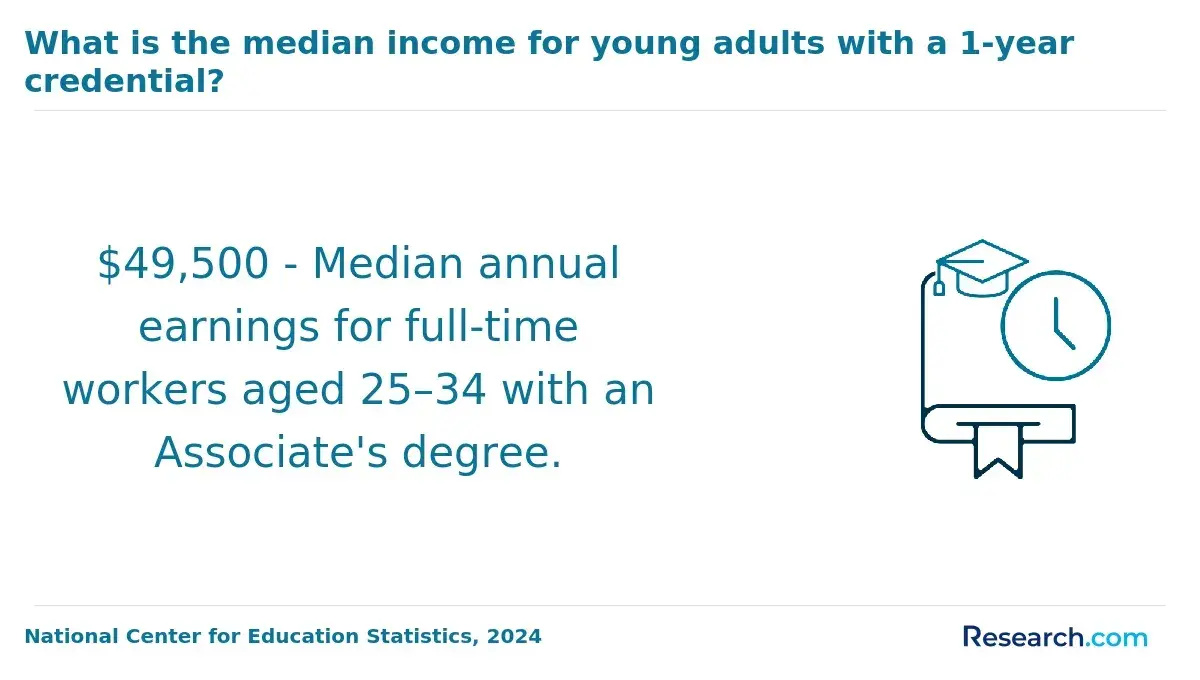
- Early-Career Earnings: Graduates with a 2-year software development degree often start working sooner, with early salaries typically ranging from $55,000 to $70,000 annually. In contrast, traditional bachelor's degree holders generally begin their careers with salaries between $65,000 and $85,000, benefiting from a broader curriculum and greater perceived expertise.
- Long-Term Earning Potential: While 2-year degree holders can advance with experience, bachelor's degree recipients tend to reach higher salary ceilings, frequently earning $110,000 or more in senior roles as a result of deeper foundational knowledge and professional networks.
- Employer Perception: Employers often view traditional bachelor's degrees as a sign of more comprehensive training, which can influence promotion decisions and access to specialized or management positions, thereby impacting salary increases and career stability.
- Career Progression Timelines: Traditional degree holders may experience faster promotion trajectories due to the credential's influence, while 2-year degree graduates might need to build credentials through certifications or work experience to keep pace, affecting overall salary growth.
- Faster Workforce Entry and Lifetime Earnings: The accelerated nature of a 2-year program allows earlier entry into the job market, potentially increasing total lifetime earnings, especially if supplemented by relevant certifications and continuous skill development. For students weighing options, reviewing the 2-year software development degree salary comparison alongside traditional bachelor's degree software developer earnings can clarify realistic expectations.
For those considering cost-effective pathways to boost their qualifications, particularly learners with an interest in nursing, exploring the cheapest RN to BSN might provide insight into other accelerated degree options relevant to various fields.
Which Factors Most Affect ROI for Accelerated Software Development Degrees?
Calculating the ROI is essential for anyone considering an accelerated software development degree, as it helps gauge whether the time and money spent align with future career and financial benefits. Accelerated programs offer unique advantages and challenges that impact long-term value.
The following factors play crucial roles in determining this ROI:
- Time-to-completion: Accelerated degrees shorten the path to graduation, often cutting a traditional four-year timeline to two or three years. This allows students to start earning wages sooner and reduces the costs associated with prolonged study.
- Tuition and total cost: While the per-credit price of accelerated courses can be higher, the compressed timeline generally lowers the overall tuition burden. This reduction can range from 25% to 50%, depending on the program format and institution, making faster completion financially advantageous.
- Opportunity cost savings: Finishing earlier means graduates can enter the workforce and take advantage of salary progression sooner. Software development roles typically offer strong starting salaries that increase with experience, which can more than offset initial education expenses.
- Employment outcomes and salary growth: The software development field is projected to grow significantly faster than average, creating robust job opportunities. Accelerated programs that integrate internships and practical training enhance graduates' readiness, improving their ability to secure desirable roles.
- Transferability and applicability of skills: Gaining expertise in widely used programming languages and frameworks ensures adaptability in a fast-evolving industry. This flexibility strengthens both immediate job prospects and long-term career growth.
How Do You Decide If a 2-year Software Development Degree Is Right for You?
Choosing whether a 2-year software development degree fits your needs requires reflecting on several factors. Consider how well you handle a fast-paced, intensive learning environment and if you have the discipline to keep up with accelerated coursework. Assess your available time, especially if you juggle work or family commitments, as condensed programs demand significant focus.
Your urgency in entering the workforce also matters; shorter degrees can provide quicker access to tech jobs compared to traditional four-year paths. Understanding your learning preferences and professional goals will help determine if this route aligns with your expectations.
Financially, shorter programs often cost less overall, lowering tuition and living expenses while potentially boosting your short-term return on investment. The tech industry shows promising growth, with software developer roles expanding rapidly and offering median salaries near $110,000 annually.
However, some employers may prioritize candidates with full bachelor's degrees or more extensive experience. Consider how a 2-year degree supports your long-term career flexibility and advancement, as well as local job market demand, to ensure it meets both immediate and future professional ambitions.
What Graduates Say About Their 2-Year Software Development Degree
- Hallie: "Choosing the 2-year accelerated bachelor's degree in software development was a no-brainer for me because I wanted to enter the job market quickly without sacrificing quality education. Balancing an intensive schedule was challenging, but with careful time management and determination, I stayed on track. Now, earning this degree has opened doors to positions I only dreamed of before graduation. "
- Marcus: "I opted for the 2-year software development program largely because the average cost of attendance was more affordable compared to traditional four-year options, allowing me to minimize student debt. The rigorous pace demanded constant focus, which taught me valuable discipline. Today, reflecting on my career growth, I see how this accelerated path gave me a competitive edge in landing a role at a top tech firm. "
- Emma: "The intense schedule of the 2-year software development program pushed me in ways I didn't expect, but I embraced the challenge because I needed to switch careers quickly and efficiently. It was a demanding experience, balancing studies with part-time work, but the real-world skills I gained have been indispensable. Professionally, this degree transformed my opportunities and helped me transition seamlessly into software engineering. "
Other Things You Should Know About Software Development Degrees
In 2027, a 2-year software development degree can be a valuable investment if it offers robust practical experience and industry connections. The ROI largely depends on tuition costs, career support, and the tech demand at graduation. Assess these factors to determine worth.
In 2027, job prospects for those with a 2-year software development degree depend on industry demand, technical skill proficiency, and the ability to demonstrate practical experience through projects or internships. Networking and understanding current technology trends can also greatly influence employability.
A 2-year software development degree may be enough to secure an entry-level job in 2027, depending on the job market and industry needs. Employers often value practical experience, so pairing the degree with internships or projects can improve job prospects.
References
- ROI of Online Degrees in 2025: Cost, Benefits, Career Impact https://www.pwmedharthi.com/blogs/guide/roi-of-online-degrees
- Coding Bootcamp Grads Earn More Than College Grads: Developer Salary Report https://arc.dev/talent-blog/developer-starting-salaries/
- BEng (Hons) Software Engineering - 18 months https://courses.lsib.co.uk/course_details.aspx
- Software Development Applied Bachelor’s Degree in Software Development https://www.ciat.edu/programs/software-development/BASD
- Is a two year degree in computer science enough https://forum.level1techs.com/t/is-a-two-year-degree-in-computer-science-enough/115056
- Do Developers Need College Degrees? - Stack Overflow https://stackoverflow.blog/2016/10/07/do-developers-need-college-degrees/
- Software developer https://nationalcareers.service.gov.uk/job-profiles/software-developer
- How Much Does It Cost to Become a Software Engineer? https://www.springboard.com/blog/software-engineering/how-much-does-it-cost/
- What I’ve learned after 2 years in Software Engineering | by Ed Putans | Medium https://edunceputans.medium.com/what-ive-learned-after-2-years-in-software-engineering-d1ac23469a52


