2027 Best Value Online Library Science Degree Programs: Affordable Accredited Options with the Strongest ROI

Co-Founder and Chief Data Scientist
Choosing an online library science degree is a cost, credibility, and career decision. The right program can help working adults move into library, archives, records, digital information, or knowledge management roles without leaving their jobs. The wrong program can create avoidable debt, transfer-credit problems, or a credential that does not carry the employer recognition students expected.
This guide explains how to compare affordable, accredited online library science programs with a practical lens: total cost, accreditation, scheduling format, financial aid, transfer policies, student support, career fit, and salary potential. With median librarian salaries around $60,820 annually, students should evaluate not only tuition but also whether a program can realistically support their professional goals, timeline, and return on investment.
Key Things to Know About the Best Value Online Library Science Degree Programs
- The best value online library science programs reduce costs through competitive tuition, financial aid, transfer credit options, and flexible online formats that fit working students' schedules.
- Accreditation, graduation rates, student support, program pacing, and career outcomes must be compared to assess educational value and ensure strong ROI potential.
- Students should examine hidden fees, residency rules, credit transfer policies, salary prospects, and employer recognition to confirm career advancement opportunities and financial stability.
What Are the Best Value Online Library Science Degree Programs?
The best value online library science degree programs combine recognized accreditation, reasonable total cost, flexible delivery, and coursework that matches real information-sector jobs. A low tuition rate matters, but it should not be the only filter. Students also need to ask whether the program accepts transfer credits, offers reliable online support, and prepares graduates for the type of library or information role they want.
For many students, “best value” means the lowest realistic net cost after financial aid, scholarships, transfer credits, employer benefits, and time-to-completion savings. A program that looks inexpensive per credit may cost more if it has high fees, limited course availability, or rigid sequencing that delays graduation.
- Low-cost public universities: Public institutions often provide the strongest price-to-credential balance, especially when online students qualify for in-state or reduced distance-learning tuition. They may also have established advising, library partnerships, and career services.
- Competency-based models: These programs can work well for experienced adults who can move quickly through material they already understand. The savings depend on whether students can maintain a faster pace while balancing work and personal obligations.
- Transfer-friendly schools: Programs that accept prior college credit, professional coursework, or associate degree credits can reduce both tuition and time in school. Students should request an official transfer evaluation before committing.
- Career-aligned programs: Strong value programs teach practical skills such as cataloging, metadata, archives, digital collections, reference services, information organization, and user services. Students should compare course lists against the job postings they plan to pursue.
- Regionally accredited institutions: Regional accreditation supports financial aid eligibility, transferability, and employer confidence. It is a baseline requirement for students who want a credential with broad recognition.
Students comparing graduate pathways may also want to review the best online mlis programs to understand how affordability, accreditation, and program structure differ across master’s-level options. For a broader view of value-focused online education in another high-demand field, students can also compare AI degrees online.
How Do You Choose an Affordable Accredited Online Library Science Degree?
To choose an affordable accredited online library science degree, start by confirming accreditation, then compare the full cost of attendance, online format, transfer policy, graduation timeline, and career support. A program should be affordable without requiring students to compromise on credibility or job readiness.
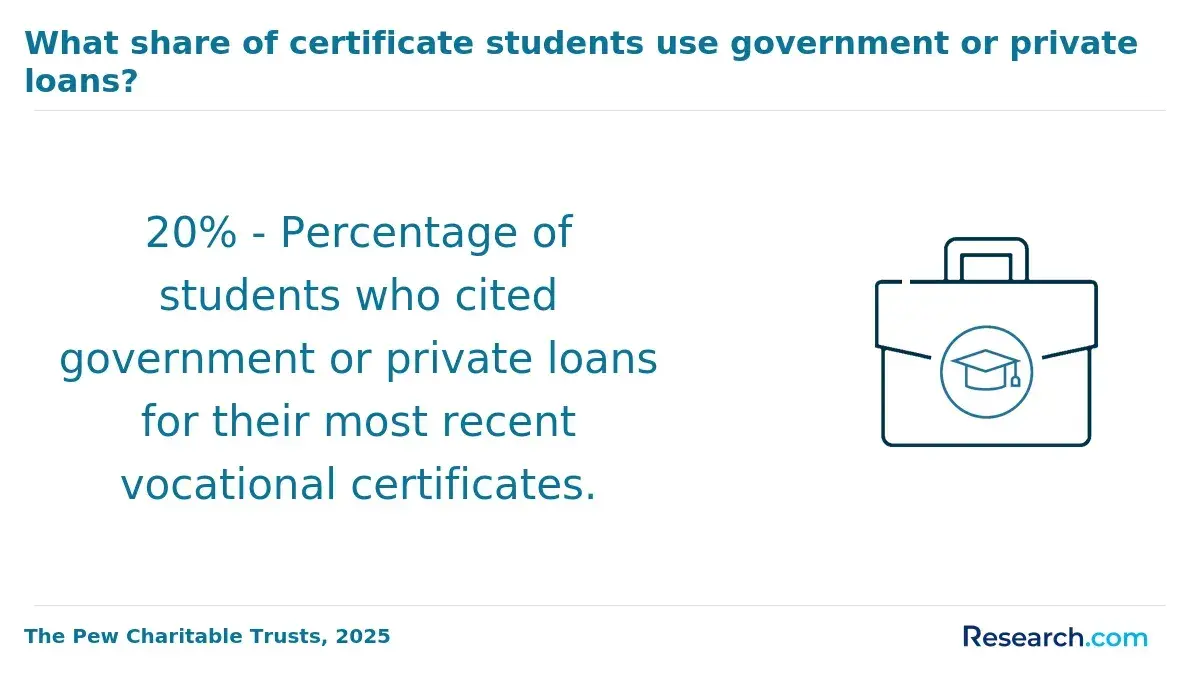
Because average student debt reaches over $30,000 nationwide, students should make the decision with a written cost plan rather than relying on advertised tuition alone. The most useful comparison looks at what students will actually pay, how long they will be enrolled, and what support they will receive while completing the degree.
| Factor | What to Check | Why It Matters |
| Accreditation | Confirm regional accreditation recognized by the Council for Higher Education Accreditation or the U.S. Department of Education. | It affects credibility, aid eligibility, credit transfer, and employer recognition. |
| Total cost | Review tuition, fees, books, technology charges, residency rules, and expected program length. | The lowest per-credit price is not always the lowest total cost. |
| Online format | Check whether courses are asynchronous, synchronous, accelerated, part-time, or cohort-based. | The format must fit work schedules, caregiving demands, and learning preferences. |
| Transfer credits | Ask for a written estimate of accepted credits before enrolling. | Accepted credits can shorten the degree and reduce tuition. |
| Student support | Evaluate advising, tutoring, library access, technical help, and career counseling. | Support services can affect persistence, graduation, and job search outcomes. |
- Prioritize accreditation first: Do not treat accreditation as a minor detail. It is one of the strongest signals that a school meets recognized academic standards.
- Compare net cost, not sticker price: Include scholarships, grants, employer reimbursement, transfer credits, and required fees in your calculation.
- Match format to your life: Working adults often benefit from asynchronous courses, but some students prefer live sessions for structure and instructor access.
- Look for practical coursework: A strong program should connect theory with applied skills in information organization, digital systems, archives, reference, or community services.
- Avoid vague outcome claims: If a school advertises strong career results, look for published graduation rates, placement information, alumni roles, or employer partnerships.
Students still exploring adjacent helping or education-related fields can compare a 2-year psychology degree online as an alternative pathway, but library science candidates should focus first on accreditation and career fit within information services.
Which Online Library Science Degree Programs Offer the Highest ROI?
The online library science programs with the highest ROI are usually those that keep debt low, help students graduate on time, and connect directly to employable skills. ROI is not just a salary calculation. It also includes the opportunity cost of time in school, the flexibility to keep working, and the likelihood that the credential will be respected by employers.
Students should be especially careful when comparing programs because graduate debt averages over $30,000 nationally. A program with a slightly higher tuition rate may still offer better ROI if it provides stronger advising, faster completion options, or better alignment with the student’s target role.
- Transparent tuition: Programs with clear pricing allow students to plan accurately and avoid surprises. Master’s degrees costing under $15,000 can help students limit borrowing, but students should still review fees and required materials.
- Efficient graduation pathways: Institutions with online graduation rates above 70% may indicate stronger student support, better course availability, and formats that work for adult learners. Part-time and accelerated options can both improve ROI depending on the student’s schedule.
- Job-market alignment: Coursework tied to licensure requirements, emerging library technologies, and professional standards can improve employment readiness. Credentials recognized by employers often correlate with early-career salaries 10-15% higher than average.
- Relevant specialization options: Students interested in digital archives, records management, school libraries, academic libraries, or public services should choose electives and field experiences that support those goals.
- Low friction for working adults: Flexible pacing, predictable course rotations, and responsive advising can prevent delays that increase cost and postpone career benefits.
One professional who earned an online library science degree described the ROI decision as both financial and practical: “Balancing work and study was challenging, especially managing deadlines around business trips,” he explained. “Choosing a program with flexible pacing and transparent costs gave me control over my finances and schedule. It wasn’t just about graduating-it was about entering the job market ready and confident.” His experience highlights a key point: the best return often comes from a program that fits the student’s life well enough to finish.
What Is the Average Cost of an Online Library Science Degree Program?
The average cost of an online library science degree depends on institution type, residency status, number of required credits, fees, and transfer-credit acceptance. Tuition at public universities typically ranges from $10,000 to $30,000, while private nonprofit schools may exceed $40,000. Scholarships, tuition discounts, and transfer credits can change the final price substantially.
Students should calculate the full cost before enrolling. The most useful number is not the per-credit tuition rate but the estimated total amount needed to graduate, including fees and any courses that cannot be transferred.
- Institution type: Public universities often provide the lowest tuition, especially for residents. Some online programs reduce or waive residency-based pricing differences for distance learners.
- Flat-rate tuition: A fixed term price can save money for students who can take a heavier course load. It may be less useful for students who need to study slowly while working full time.
- Transfer credit savings: Transfer-friendly programs can reduce the number of required courses. Students should confirm limits on transfer credits, minimum grade requirements, and whether older credits are accepted.
- Technology fees: Online platform fees and related charges may add several hundred dollars per term. These costs should be included in the budget from the start.
- Accelerated pathways: Faster programs can reduce the number of terms enrolled, but students should make sure the pace is realistic. Dropping or repeating courses can erase expected savings.
A practical budget should include tuition, mandatory fees, books, equipment, internet access, application fees, graduation fees, and any travel required for in-person components. Students researching the cheapest criminal justice degree online will find that the same cost-comparison habits apply when evaluating online library science programs.
Are Affordable Online Library Science Degrees Respected by Employers?
Affordable online library science degrees can be respected by employers when they come from accredited institutions with credible curricula and relevant skill development. Employers generally care less about whether a program was inexpensive and more about whether the school is legitimate, the coursework is rigorous, and the graduate can perform the work required.
Recent surveys reveal that over 70% of HR professionals place considerable trust in degrees issued by regionally accredited schools. That makes accreditation one of the strongest protections against choosing a low-cost program with limited market value.
- Regional accreditation: A degree from a regionally accredited institution signals that the school has passed recognized academic quality review.
- Institutional reputation: Public universities and established nonprofit schools may benefit from stronger name recognition, alumni networks, and employer familiarity.
- Transparent outcomes: Programs that publish graduation, retention, and employment information make it easier for students to assess whether graduates are succeeding.
- Employer collaboration: Internships, practicums, field experiences, and partnerships can show that the program is connected to current workplace needs.
- Applied skill development: Employers value graduates who can use library systems, manage records, support users, organize digital materials, and communicate effectively.
A professional who moved into a library career after completing an affordable online library science degree said that skepticism was a real concern at first. She spent time verifying accreditation and researching employer attitudes before enrolling. Over time, her practical skills and networking mattered more than the program’s lower cost. “It wasn’t just about choosing an affordable option,” she reflected, “but finding one respected enough to open doors and support long-term growth.”
What Accreditation Should You Look for in an Online Library Science Program?
Students should first look for institutional accreditation recognized by the U.S. Department of Education or the Council for Higher Education Accreditation. Accreditation affects financial aid eligibility, transfer options, graduate school acceptance, and employer confidence. Studies show that over 70% of employers prioritize degrees from accredited institutions, making this a nonnegotiable part of the selection process.
- Regional accreditation: This is a widely recognized mark of institutional quality. It indicates that the school has met standards related to curriculum, faculty qualifications, student services, governance, and academic integrity.
- Programmatic accreditation: In library science, specialized accreditation from organizations such as the American Library Association can add value by showing that a program aligns with professional expectations. Students should confirm whether their target jobs require or prefer this credential.
- Nonprofit or public governance: Public and nonprofit institutions often have stronger accountability structures, clearer policies, and more transparent reporting. This does not automatically guarantee quality, but it is one useful factor in a broader review.
- Federal financial aid eligibility: Accreditation recognized by the U.S. Department of Education is typically required for access to federal aid. Students who plan to use grants or federal loans should verify eligibility before applying.
- Outcome transparency: Strong programs make it easier to find information about graduation rates, student support, licensure-related outcomes when applicable, and career paths.
Students should verify accreditation through official databases rather than relying only on marketing language. If a school uses vague phrases such as “recognized,” “approved,” or “certified,” ask which accrediting agency granted the status and whether it is recognized by the appropriate federal or higher education authority.
Which Online Library Science Programs Are Best for Working Adults?
The best online library science programs for working adults offer flexible scheduling, predictable course access, strong advising, and policies that respect prior learning. Over 40% of adult learners enrolled in online courses to balance work and family demands, so program design matters as much as tuition.
Working students should look beyond the phrase “online.” Some online programs still require live attendance, group work at fixed times, intensive short courses, or occasional campus visits. These details can determine whether a program is truly manageable.
- Asynchronous learning: Courses that do not require live attendance are often the easiest fit for shift workers, parents, caregivers, and students in different time zones.
- Competency-based pathways: These can benefit students with professional experience who can demonstrate mastery quickly. They require self-discipline and may not suit students who need frequent structure.
- Transfer-friendly policies: Adult learners often bring prior college credits. A generous transfer policy can prevent students from paying twice for similar coursework.
- Employer-aligned programs: Programs that connect with libraries, schools, archives, public agencies, or information-sector employers may offer more relevant assignments and networking opportunities.
- Part-time flexible formats: Part-time enrollment can make the degree sustainable for full-time workers, even if it extends the timeline. Students should confirm how part-time status affects financial aid.
- Reliable support services: Evening advising, responsive technical support, online library access, and career counseling are especially important for students who cannot visit campus during business hours.
A good working-adult program should make expectations clear before enrollment: weekly workload, required login times, fieldwork requirements, course rotation, and deadlines. The more predictable the structure, the easier it is to plan around employment and family responsibilities.
What Financial Aid Options Are Available for Online Library Science Students?
Online library science students may be able to use federal aid, institutional scholarships, employer tuition assistance, transfer credits, and military or veteran education benefits. Nearly 60% of college students fill out FAFSA to access federal aid, and online students in eligible accredited programs can often use the same major funding sources as campus-based students.
- Federal grants and loans: Accredited online library science programs may qualify for federal Title IV funding. Students can apply for Pell Grants, which do not have to be repaid, and Direct Subsidized or Unsubsidized Loans, which may offer lower interest rates and more flexible repayment options than private loans.
- Employer tuition assistance: Working professionals should ask whether their employer reimburses tuition or pays directly for approved coursework. Some employers require the program to relate to the employee’s current role or require continued employment after reimbursement.
- Institutional scholarships: Schools may offer merit-based, need-based, diversity-focused, adult learner, transfer student, or program-specific awards. Students should ask whether scholarships are renewable and whether part-time students qualify.
- Transfer-credit optimization: Applying prior credits can reduce the number of courses needed to graduate. This is one of the most direct ways to lower total cost.
- Military and veteran benefits: Veterans and active duty service members may use benefits such as the GI Bill for eligible online programs. Additional tuition assistance and housing-related support may also apply depending on the benefit and enrollment status.
Students should compare aid packages carefully. A school with higher tuition may become more affordable after scholarships, while a lower-cost school may offer fewer grants. It is also important to understand loan limits, repayment obligations, satisfactory academic progress rules, and whether dropping below part-time enrollment affects aid.
Those considering other accelerated professional pathways can compare the top accelerated MBA programs, but library science students should prioritize funding options that reduce debt without forcing an unrealistic course load.
What Careers Can You Pursue With an Online Library Science Degree?
An online library science degree can lead to roles in libraries, archives, records management, digital collections, information services, and knowledge management. The U.S. Bureau of Labor Statistics projects librarian employment growth of 9% through 2030, but career outcomes still depend on degree level, specialization, work experience, location, and employer requirements.
- Entry-level roles: Graduates may pursue librarian, archives assistant, library associate, information specialist, or records support positions in public, academic, school, government, or corporate settings.
- Specialized industry careers: Library science training can support work in digital asset management, records administration, taxonomy, metadata, data curation, and information governance in healthcare, government, legal, nonprofit, and corporate environments.
- Management and leadership: With experience or advanced credentials, professionals may move into roles such as library director, knowledge manager, branch manager, program coordinator, or archives manager.
- Remote and hybrid positions: Digital libraries, online reference services, metadata projects, and records systems can create remote or hybrid opportunities, though availability varies by employer and role.
Students should research job postings before choosing electives. Public library roles may emphasize community programming and patron services, while academic or digital roles may require stronger skills in metadata, research support, archives, or technology systems. Military-connected students can also review resources for online college for military students when comparing flexible and benefits-friendly education options.
What Is the Salary Potential for Graduates of Online Library Science Programs?
Salary potential for online library science graduates varies by role, sector, location, experience, and specialization. Median starting salaries for related roles often range from $35,000 to $45,000 annually, while graduates entering public, academic, or specialized library sectors typically start between $55,000 and $75,000. Niche roles in digital archiving or information technology often command salaries closer to $70,000 due to technical expertise requirements.
- Industry specialization: Public libraries, academic libraries, school settings, archives, corporate information teams, and government agencies can have different pay structures. Technical specializations may improve earning potential.
- Geographic location: Urban centers and technology hubs may offer higher wages, but students should compare compensation with local cost of living before judging financial value.
- Experience and advancement: Administrative or leadership roles can boost earnings beyond $85,000. Supervisory experience, project management, and advanced credentials can support progression.
- Accreditation and workforce alignment: Employers are more likely to trust degrees from accredited programs that teach current skills in digital literacy, data management, user services, and information systems.
- Flexible work options: Remote and hybrid roles may improve work-life balance and expand the job search beyond a local market, though competition for those positions can be strong.
Students should treat salary figures as planning tools, not guarantees. Before enrolling, compare program cost with realistic job outcomes in the region and sector where you plan to work. The strongest financial case usually comes from keeping debt manageable while building skills that employers clearly request.
What Graduates Say About Best Value Online Library Science Degree Programs
- : "As a budget-conscious student, finding the best value online library science degree was crucial for me. I prioritized affordable accredited programs that also offer strong career prospects and ROI, which helped me avoid unnecessary debt. Now, I feel confident that the education I'm receiving aligns perfectly with the careers I want to pursue in digital archiving and information management. — Emmanuel"
- : "Working full-time made me really value online library science degree programs that balance cost and return on investment. I looked for programs with good accreditation and flexible schedules, and that investment has already started to pay off with opportunities in records management and data curation. Choosing a degree that fits both my budget and career goals has truly been a game changer. — Gage"
- : "As a career-focused adult learner, I was drawn to online library science degree programs that offered the highest ROI and practical career paths. The affordable accredited options I found empowered me to transition into roles like information analyst without sacrificing quality education. Reflecting on this journey, it's clear that selecting a program with strong industry connections and reasonable tuition made all the difference. — Isaac"
Other Things You Should Know About Library Science Degrees
Yes, many online library science degrees are designed to prepare students for professional certification, such as the American Library Association (ALA) accreditation standards. Programs that follow ALA guidelines often align their curriculum with competencies required for certification. This alignment gives graduates a better chance to meet eligibility requirements for certification exams and professional advancement.
While core subjects like cataloging, information retrieval, and digital librarianship are common, affordable programs may differ in elective offerings and specialization options. Some programs might emphasize public libraries, archives, or information technology more than others. Investigating curriculum details will help students find programs that match their career goals and interests.
Reputable online programs often provide access to virtual professional communities, webinars, and alumni networks. These platforms enable students to connect with peers, faculty, and industry professionals despite geographic distances. Such support enhances career opportunities and keeps graduates informed about trends and innovations in the library science field.
References
- Best Online Library Science Master's Degree Programs, Jobs, and Salaries https://careerkarma.com/blog/masters-library-science-online/
- Choosing the Right Library Science Program: Factors to Consider https://www.librariancertification.com/choosing-the-right-library-science-program-factors-to-consider/
- Career Paths after Master of Library and Information Sciences (M. Lib. I. Sc.) https://www.lpu.in/blog/career-paths-after-master-of-library-and-information-sciences-m-lib-i-sc/
- Most Affordable MLIS Programs Online, Updated for 2025 https://www.librarysciencedegrees.org/programs/online/most-affordable-mlis
- Accreditation Matters when Choosing Your MLIS Degree https://online.usm.edu/blog/accreditation-matters-choosing-mlis-degree/