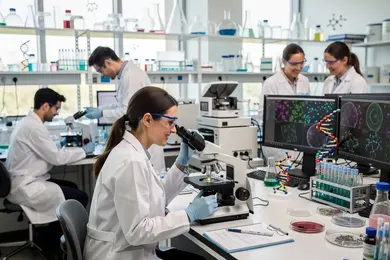
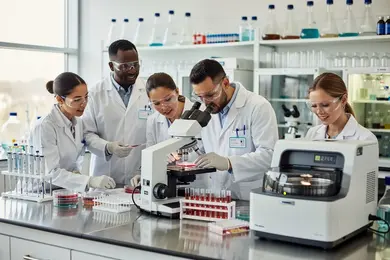
2027 Biology Internship Requirements: Hours, Placements, and Supervision

Co-Founder and Chief Data Scientist
Many students entering biology degree programs find themselves uncertain about the exact internship commitments required. Balancing academic coursework with practical experience often challenges schedules and expectations. Recent data shows that 72% of biology graduates secure positions that required at least 120 hours of internship experience.
These internships frequently take place in clinical labs, research institutions, or environmental organizations, and students typically work under the direct supervision of experienced professionals. Understanding the required hours, the placement process, and supervision standards is crucial for successful completion. This article clarifies these key internship requirements to guide students through their biology degree journey.
Key Things to Know About Biology Internship Requirements
- Internship hours typically range from 120 to 200, requiring careful scheduling to balance academic coursework and practical experience without delaying graduation.
- Placement depends on site availability and competitive application processes, often prioritizing research institutions and environmental organizations aligned with student interests.
- Supervision must meet accreditation standards, with mentors providing regular evaluations that significantly influence skill development and final internship grades.
Do All Biology Degrees Require an Internship?
Internships play a key role in many biology degree programs by offering students practical experience that complements academic learning. According to a survey by the National Association of Colleges and Employers, about 68% of science majors, including biology students, complete at least one internship before graduation.
Whether an internship is mandatory varies based on several factors outlined below.
- Program Type: Bachelor's biology programs often require internships as part of their curriculum, whereas many master's or doctoral programs may prioritize research or thesis work over internships. The biology internship requirements for degree completion thus differ significantly by degree level and program objectives.
- Accreditation Expectations: Some programs adhere to accrediting bodies like the American Society for Microbiology, which may mandate internships to ensure hands-on skills and workplace readiness. These external standards influence whether internships are compulsory components of a biology degree.
- Specialization Tracks: Biology fields such as environmental biology, biotechnology, or wildlife conservation may have distinct expectations. Certain specializations require internships to build specific skill sets, while others accept alternative experiential learning methods.
- Alternative Experiential Learning: In programs where internships are not required, students might fulfill practical requirements through guided research, lab practicums, or capstone projects. This flexibility accommodates diverse career goals and learning styles within many biology curricula.
Students wanting to know, "Do all biology programs require internships?" should review their specific degree guidelines and consult academic advisors. Those seeking additional flexible education options in healthcare might also explore information about easy nursing schools to get into, which sometimes offer alternative practical experiences.
What Requirements Must Be Met Before Starting a Biology Internship?
Internship programs establish prerequisites to ensure students are academically prepared and able to gain meaningful experience. A 2022 National Association of Colleges and Employers survey found that 78% of internship programs require specific coursework or a minimum GPA, emphasizing academic readiness.
The following are common eligibility criteria students must meet before starting a biology internship.
- Minimum GPA: Students typically must maintain a GPA between 2.5 and 3.0 on a 4.0 scale. This standard helps confirm they have grasped essential biology concepts necessary for lab and field research involvement.
- Completed Coursework: Successful completion of foundational courses such as cell biology, genetics, or ecology is usually required. These classes provide essential background knowledge to support hands-on internship activities.
- Application and Approval: Many programs require students to submit an application or proposal outlining their goals. Faculty or program approval ensures interns are placed in roles that align with their academic progress and skill levels.
- Health and Safety Clearances: Background checks or immunization verification are often mandated, especially for internships involving clinical environments, animal handling, or external organizations. These measures protect both students and host institutions.
How Many Internship Hours Are Required for Biology Degrees?
Internship hours are a vital part of biology degree programs to ensure students gain practical experience alongside academic learning. Most programs require between 100 and 300 hours, with a common benchmark near 120 hours.
This requirement often aligns with credit hours, helping maintain educational consistency across institutions. Below are key factors that influence these hour expectations.
- Credit Hour Conversion: Many biology programs correlate internship hours with academic credits, typically equating one credit to 40-50 hours of work. This means a 3-credit internship may demand 120 to 150 hours of hands-on experience, integrating application with theory.
- Program Structure: Courses focusing heavily on research or lab skills often require more extensive internships, sometimes nearing 300 hours to build proficiency. Conversely, accelerated or part-time tracks might allow for reduced or more flexible hour commitments based on student needs.
- Accreditation Standards: STEM accreditation bodies recommend substantial practical engagement, which supports the requirement for documented, supervised internship hours. These standards help guarantee that students develop essential competencies relevant to professional biology careers.
- Curricular Integration: Some institutions mandate internships as a core graduation requirement, while others offer them as elective components. Regardless, hours must be verifiable and supervised to count toward degree completion.
A biology degree graduate shared his experience navigating internship hour requirements, describing it as both rewarding and occasionally overwhelming. He recalled that, "Balancing classwork with completing over 130 hours of lab and field internships pushed me to manage time carefully."
He also emphasized how securing a placement was challenging initially, but having structured supervision helped him "transition smoothly from academic settings to real-world biology work." This hands-on involvement ultimately shaped his understanding and boosted confidence heading into his career.
Where Do Biology Students Complete Internships?
Experiential learning in biology benefits greatly from diverse internship settings, which expose students to various career directions and skill applications. Nearly 40% of these internships occur within research institutions, highlighting their prominence in shaping student experiences.
Below are typical environments where biology students complete their internships.
- Corporate Organizations: These internships often involve projects in biotechnology, pharmaceuticals, or environmental consulting. Students gain hands-on experience applying biological principles within industry contexts, enhancing professional skills relevant to commercial and scientific sectors.
- Government Agencies: Placements in departments related to public health, wildlife management, or environmental regulation offer opportunities to contribute to public policies and programs. This setting helps students understand regulatory frameworks and governmental roles in biology fields.
- Nonprofit Organizations: Working with nonprofits, students engage in conservation, environmental education, and community health initiatives. These internships emphasize applying biology knowledge to support social and ecological well-being.
- Research Institutions: Many biology internship placements in research labs provide exposure to experimental design, data analysis, and advanced biological research techniques. This venue remains key for students interested in academic or scientific research careers.
- Campus Opportunities: On-campus biology student internship opportunities on campus also allow practical experience in university-affiliated labs or projects, often complementing academic coursework while fostering research skills.
For those seeking specialized education paths, exploring the cheapest online acute care nurse practitioner programs may offer additional training options aligned with healthcare and biological sciences.
How Are Internship Placements Assigned in Biology Programs?
Internship placements in biology programs are carefully structured to align students with opportunities that closely fit their interests and academic goals. Many institutions use a variety of approaches to ensure placements are both meaningful and well-coordinated.
Research shows that nearly 75% of biology students find internships through a combination of institutional support and their own involvement in the process.
- Faculty Guidance: Professors often recommend students for positions based on academic performance, research interests, and established networks with external organizations, helping to match candidates with suitable placements.
- Student Preferences: Many programs allow students to submit ranked lists of preferred internships, creating a mutual selection process that considers both student aspirations and site availability.
- Centralized Matching: Some biology departments use formal systems to coordinate applications and placements, ensuring fair distribution by balancing demand and internship capacity.
- Partnership Agreements: Schools often maintain formal ties with research institutions, hospitals, or environmental centers, enabling streamlined placement where partner organizations reserve spots for program students.
A biology degree student described her experience as a blend of excitement and uncertainty. She noted that while her faculty mentors were pivotal in connecting her to an internship site, much of the process required patience, especially during application reviews and waiting for placement confirmations.
"It felt reassuring knowing professors had my interests in mind, but there was also a lot of back-and-forth communication with different offices," she explained. This hands-on navigation of the placement system ultimately helped her secure an opportunity that matched her passion for ecological research, making the process feel rewarding despite its complexities.
Are Virtual or Remote Internships Available?
Remote work has become a significant part of internship experiences across various fields, including biology. A 2022 survey by the National Association of Colleges and Employers highlighted that nearly 58% of internships offered that year had virtual or hybrid components.
This shift reflects growing acceptance of flexible internship formats, allowing students to gain practical experience without being confined to a physical location. Such changes provide new opportunities for biology students to engage with diverse research environments.
Virtual biology internships typically leverage digital tools like cloud-based data platforms, video calls, and shared online lab notebooks to maintain communication and supervision. These programs offer flexibility that suits students balancing multiple commitments, while also expanding access to institutions that might otherwise be geographically unreachable.
However, the presence and structure of remote internships vary depending on how biology degree programs integrate them and the capacity of host organizations to oversee students from a distance. This hybrid approach often combines remote data work with occasional in-person sessions to ensure essential hands-on skills are acquired.
Are Part-Time Internships Allowed for Working Students?
Many students pursuing biology degrees balance part-time or full-time jobs alongside their studies, making flexible internship options essential. Data from the National Survey of Student Engagement shows that about 70% of undergraduates work while enrolled, illustrating the demand for adaptable learning experiences.
The following points explain how part-time internships can be structured to support working students in biology programs.
- Scheduling Flexibility: Students can often arrange internship hours around their work and class schedules, enabling them to gain practical experience without compromising other responsibilities.
- Employer Accommodations: Many organizations offering academic internships recognize students' dual roles and provide part-time opportunities, fostering supportive environments for balancing commitments.
- Academic Workload Balance: Part-time internships usually require 10 to 20 hours weekly, allowing students to maintain focus on coursework while engaging in guided, hands-on experience.
- Program-Specific Restrictions: Some biology internships may mandate full-time participation due to intensive or specialized learning goals, so students should verify options with academic advisors early.
What Supervision Is Required During a Biology Internship?
Supervision is a vital aspect of biology internships, ensuring students develop both practical skills and professional insight. Research shows that about 70% of students with effective mentorship report greater confidence and clearer career direction.
The supervision framework combines faculty oversight with workplace mentoring to foster student growth. Key supervision elements include:
- Faculty Oversight: An assigned professor or coordinator guides academic alignment of internship activities, monitors progress, and facilitates communication between the student and host organization. Regular check-ins help track development and provide needed feedback.
- Workplace Mentors: Experienced scientists or professionals offer direct daily supervision, assisting interns with lab protocols, safety, and organizational practices. They provide real-world expertise and constructive performance feedback to support skill advancement.
- Progress Monitoring: Structured meetings allow discussion of challenges and achievements, promoting continuous improvement. This regular evaluation maintains accountability and helps tailor learning to the intern's interests, meeting supervision requirements for biology internships.
- Performance Feedback: Mentor evaluations deliver specific insights into task completion and professional standards. Such feedback encourages responsibility and reinforces workplace readiness, a key component of effective mentorship during biology internship programs.
These combined elements form an integrated support system essential for a successful internship. Students interested in accelerated education options can explore a fast track program to complement their internship experience.
How Are Biology Internships Evaluated?
Evaluating biology internships is crucial to ensure students gain practical experience and meet academic standards. According to a 2021 survey by the National Association of Colleges and Employers, over 70% of biology programs combine direct supervisor feedback with academic evaluations to assess internship performance.
Below are common methods used to assess biology internship evaluation criteria and student success.
- Supervisor Reviews: Workplace mentors provide detailed evaluations of an intern's technical skills, professionalism, and independent work. These reviews focus on real-world laboratory techniques, data collection, and scientific analysis, offering valuable insight into practical performance during the internship.
- Reflective Assignments: Interns often complete written reflections analyzing their experiences, challenges, and lessons learned. This method connects theoretical knowledge with applied practice, enhancing critical thinking and deeper understanding of biological concepts.
- Performance Benchmarks: Specific learning outcomes guide evaluation, such as completing research projects, demonstrating proficiency in experimental procedures, or reaching skill-based milestones. These benchmarks help quantify progress and ensure meaningful internship results.
- Faculty Assessments: Academic supervisors assess internship reports, presentations, and portfolios to verify that educational objectives are met. This academic oversight ensures the internship aligns with overall curriculum goals and student development.
- Comprehensive Assessment: Combining these methods offers a multi-faceted view of student growth, balancing practical application and intellectual engagement. This approach supports biology students in preparing for professional scientific careers and contributes to their academic records.
Students seeking additional educational pathways may find value in exploring the top online MHA programs for complementary career options beyond biology internship performance and assessment methods.
What Challenges Do Biology Students Face During Internships?
Internships offer biology students important hands-on experience but often come with significant demands. A 2022 study revealed that over 60% of biology interns experience moderate to high stress due to workload and time management challenges.
The following common difficulties highlight why these placements can be so tough.
- Balancing Schedules: Managing internship hours alongside academic work and personal commitments can be overwhelming, causing stress as students juggle competing demands.
- Adapting to Workplace Expectations: Meeting professional standards such as punctuality, effective communication, and teamwork often requires quick adjustment, which many students find challenging.
- Transportation and Financial Barriers: Travel to distant or unpaid internships can be a serious obstacle, especially for those facing budget constraints, limiting placement options and adding stress.
- Handling Professional Responsibilities: First-time tasks like adhering to lab protocols or managing sensitive data require attention and rapid learning, increasing pressure on interns.
- International Biology Internship Placement Difficulties: Students pursuing placements abroad frequently face additional logistical and cultural challenges, complicating the internship experience.
Despite these hurdles, internships remain essential for building career skills. For students seeking flexible options within related fields, programs offering an online degree in nutrition can also complement biology career pathways.
What Graduates Say About Biology Internship Requirements
- Otto: "During my biology degree, I completed over 200 internship hours split between research labs and environmental agencies, which gave me a vivid picture of the field's diversity. The supervised internships really helped me gain confidence, as mentors provided consistent feedback and guidance. I truly believe these experiences paved the way for my smooth transition into a professional role in conservation biology."
- Colsen: "I reflect often on how my biology internships shaped my academic and career trajectory. The practical placements were thoughtfully organized, allowing me to apply classroom knowledge in real-world settings, from hospitals to wildlife reserves. Supervision was always thorough, ensuring both learning and professional growth, which has been essential for my current role in biomedical research."
- Isaiah: "My biology degree internships stood out because they were not just about putting in hours but about meaningful engagement. The structured supervision ensured I was challenged and supported simultaneously, which helped develop critical skills. These internships have been instrumental in shaping my path, affirming my passion for genetic research and giving me a professional edge."
Other Things You Should Know About Biology Degrees
Some biology programs allow prior research experience to partially fulfill internship requirements, but this depends on the institution's policies. Typically, the research must be supervised and relevant to the curriculum. Students should verify with their academic advisor whether their research qualifies.
Most biology internship programs require students to submit a learning agreement, regular time logs, and a supervisor evaluation. Additionally, a final report or presentation summarizing the work done during the internship is often mandatory. These documents help confirm the student met all academic and practical expectations.
Biology internships focus on developing laboratory techniques, data analysis, scientific communication, and fieldwork skills. Interns gain hands-on experience with equipment, learn to follow research protocols, and improve critical thinking. These skills prepare students for both graduate study and careers in biological sciences.
References
- Remote internship programme https://big-data-biology.org/remote-internships
- Peer review in Development and assessment of a sustainable PhD internship program supporting diverse biomedical career outcomes | eLife https://elifesciences.org/articles/91011/peer-reviews
- Internships FAQs | Biology Department https://ngwpbiology.mystagingwebsite.com/undergraduate/internships-faqs/
- Internships: Maximizing Summers During College — Rooted in STEM https://www.rootedinstem.com/lablife/i8f1pve0g05av0nhy5j18m3qy5i4na
- BioLim Pre-Industrial Internship Programmes https://www.biolim.org/programmes/internship-programmes/online/
- Biology Internships Abroad | Go Overseas https://www.gooverseas.com/internships-abroad/biology
- 7 Online Biology Internships for High School Students https://www.lumiere-education.com/post/online-biology-internships-for-high-school-students
- Guide to Biology Internships | Higherin https://higherin.com/career-guides/science-research/biology-internships
- IIMCB https://www.iimcb.gov.pl/en/career-education/internships