
2027 Can You Complete an Online Dental Assistant Degree Program While Working Full-Time?

Co-Founder and Chief Data Scientist
Many full-time professionals face the challenge of managing demanding work schedules and family responsibilities while pursuing additional education. For those interested in an online dental assistant degree program, finding time for coursework can seem overwhelming. Studies show that nearly 40% of online adult learners in the U.S. juggle both work and study commitments, illustrating the commonality of this issue.
This article will explore practical strategies and considerations for working adults weighing the feasibility of completing an online dental assistant program. The goal is to provide clear insights, helping busy individuals assess if such programs can fit into their daily lives effectively.
Key Benefits of Completing an Online Dental Assistant Degree Program While Working Full-Time
- Flexible scheduling allows full-time workers to balance study and job, making it feasible to complete coursework evenings or weekends without interrupting work hours.
- Online programs offer practical, video-based training simulating dental procedures, ensuring hands-on skills development alongside theoretical learning, essential for dental assistant competency.
- Distance learning reduces commuting time and costs, enabling workers to invest saved resources into education, enhancing exam readiness and certification success rates.
How Long Does It Take to Complete an Online Dental Assistant Degree While Working Full-Time?
The time required to complete an online dental assistant degree varies significantly based on several key factors. For those working full-time, program duration typically ranges from about 7 to 12 months, depending on individual circumstances and program structure.
Several elements influence how long to finish dental assistant school while employed full-time.
- Enrollment Status: Part-time enrollment often extends completion time as students balance work commitments. Full-time study allows for a faster finish but may be challenging for those with a busy job.
- Course Format: Asynchronous classes provide the most flexibility, enabling students to study on their own schedule. Accelerated or intensive courses shorten duration but require more focused weekly commitment.
- Prior Credits: Transfer credits or previous relevant coursework can reduce total program length by bypassing some class requirements.
- Work Schedule and Study Hours: Most programs recommend 10-15 hours of study per week. Full-time workers often study fewer hours weekly, which can stretch an otherwise 7-month program closer to a year.
- Program Requirements: Capstone projects, internships, practicum hours, and clinical externships often require in-person attendance. Scheduling these experiences around a job may add weeks or months to completion.
For many professionals, completing an online dental assistant program is feasible with careful planning and a flexible curriculum. Programs like Penn Foster offer self-paced options finishing in as little as 3 months on a fast track, while U.S. Career Institute reports 5-10 months on average.
To explore more options tailored for employed learners, consider reviewing the best accelerated online degree programs for working adults.
Is an Asynchronous or Synchronous Online Dental Assistant Program Easier for Students Working Full-Time?
Asynchronous online dental assistant programs are generally easier for students working full-time because they offer the flexibility to study at any time that fits their schedule. Course formats play a crucial role in balancing professional and personal responsibilities, making asynchronous dental assistant courses for full-time professionals a preferred option.
This allows learners to complete assignments, review materials, and access lectures without the pressure of attending live sessions, which is often challenging for those with demanding work hours or family commitments.
In contrast, synchronous programs require students to participate in live lectures or discussions at set times, which can complicate time management for full-time professionals, especially those with variable shifts. However, synchronous programs provide immediate interaction with instructors and peers, benefiting students seeking real-time feedback and a structured learning environment.
Both formats usually include hands-on clinical components that must be completed in person. For example, a student working in a dental office can review infection control modules at night in an asynchronous program, while synchronous formats demand attendance during scheduled sessions.
When exploring the best online dental assistant program for working adults, consider how each format aligns with your personal work-life balance. Programs like easy AA degrees are viable examples.
What Time Management Strategies Help Online Dental Assistant Students Working Full-Time?
Managing time effectively is vital for online dental assistant students balancing a full-time job, as they face rigorous coursework alongside work duties. Strong organizational techniques help prevent overwhelm and improve chances of success.
Here are five proven time management strategies tailored for these students:
- Create a schedule: Use digital calendars or project tools to block out dedicated periods for studying, working, and personal life, keeping commitments visible and manageable.
- Prioritize tasks: Focus daily on the top three to five urgent academic or work-related responsibilities to maintain steady progress and avoid last-minute pressure.
- Break down projects: Divide assignments into smaller, actionable steps with clear deadlines to simplify complex tasks and enhance motivation.
- Reduce distractions: Establish a quiet workspace, mute notifications, and plan short breaks to sustain concentration during study sessions.
- Leverage peak energy times: Schedule intensive learning when alertness is highest, adjusting study hours to suit individual rhythms such as early mornings or evenings.
A student who completed an online dental assistant program while working full-time reflected that "staying flexible was key."
She described how some days demanded longer hours but planning buffer time helped ease stress. She emphasized the emotional ups and downs, stating, "It wasn't easy to juggle everything, but breaking tasks into smaller goals made the workload less intimidating."
Using a planner and digital reminders, she tracked assignments and clinical hours, which gave her a sense of control amid chaos. Ultimately, persistence and realistic scheduling enabled her to finish the accelerated course without sacrificing job performance or personal energy.
What Are the Biggest Challenges Full-Time Workers Face in Online Dental Assistant Programs?
Balancing a full-time job alongside the coursework of an online dental assistant program poses significant difficulties due to competing demands on time and energy. Professionals often find it challenging to keep up with academic requirements while managing their work schedules and personal lives.
Key obstacles faced by these students include:
- Time management challenges: Full-time employees must allocate hours for lectures, assignments, and skill practice, often extending their day well beyond work hours. This struggle to carve out consistent study periods can reduce learning efficiency and increase stress.
- Insufficient hands-on training: Many online programs emphasize theory but offer limited opportunities for supervised, practical experience with dental instruments and patient care. Without adequate clinical exposure, students may lack confidence and readiness for real-world dental settings.
- Limited instructor interaction: The self-paced nature of online courses restricts immediate access to expert guidance and detailed feedback. This lack of real-time support can hinder comprehension of complex dental procedures and office protocols, potentially impacting skill development and job preparedness.
How Do Online Dental Assistant Programs Handle Internships for Full-Time Workers?
Balancing a full-time job while completing clinical internship hours can be a major hurdle for students in online dental assistant programs. Despite this, internships remain vital because they provide essential practical experience that online coursework alone cannot offer.
Online dental assistant programs have developed various methods to ease this challenge for working students, such as:
- Flexible Scheduling: Programs often enable students to plan their clinical hours during nights or weekends, accommodating those who cannot attend traditional daytime shifts. This flexibility is key for maintaining employment while completing training.
- Student-Led Site Selection: Learners usually find local dental offices for their internships, allowing them to pick convenient locations and times. Instructors may help by providing recommendation letters to support this process.
- Credit for Prior Experience: Those already employed in dental or healthcare roles might present work documentation to reduce or waive internship hours, speeding up completion and lessening time pressures.
- Condensed Internship Blocks: Programs may offer short, intensive clinical sessions lasting a few weeks, enabling students to adjust their work schedules temporarily rather than spreading hours over months.
- Remote Coursework, In-Person Clinicals: Theoretical classes are completed online, while only clinical training requires physical presence, which minimizes disruption to students' full-time jobs.
When asked how online dental assistant programs manage internships for full-time workers, one student shared his experience. He found coordinating clinical hours daunting initially but appreciated how his program allowed him to secure a local clinic nearby with flexible evening shifts.
"It wasn't easy juggling a 40-hour workweek and the internship, but having condensed blocks meant I could request time off in advance without too much hassle," he reflected. He also valued the support from instructors who provided letters to help him find placement.
The program's design allowed him to gain vital hands-on skills without sacrificing his job, making the demanding process feel achievable and rewarding.
What Technology Do You Need for an Online Dental Assistant Degree While Working Full-Time?
Having the right technology is crucial for full-time professionals balancing work responsibilities with online coursework in a dental assistant program. Efficient, reliable tech tools enable students to maximize study time and maintain steady progress despite busy schedules.
Below are key technology requirements to support success in an online dental assistant degree while working full-time:
- High-speed internet connection: A stable broadband connection is essential for streaming expert-led video training, attending live or recorded lectures, and submitting assignments promptly. Uninterrupted internet access ensures smooth participation in virtual labs and timely communication with instructors, which is vital for those managing work alongside studies.
- Modern computer or laptop: Updated hardware and operating systems guarantee compatibility with learning management systems, e-textbooks, and dental simulation software. These dental assistant online program computer requirements help students complete interactive exercises or use practice management tools like Dentrix effectively.
- Webcam and microphone: Quality audiovisual equipment supports active engagement in video conferences, virtual tutoring, and oral competency assessments. Clear communication through these tools is imperative for group projects, live demonstrations, and instructor feedback in online dental assistant courses.
- Dental-specific software and applications: Access to specialized programs such as Dentrix Practice Management software or digital radiography simulators enhances hands-on learning virtually. These best software for online dental assistant courses bridges the gap between theory and clinical skills, preparing students for real-world dental office tasks.
- Mobile device or tablet: Smartphones or tablets with course app compatibility provide flexibility for reviewing lectures, managing schedules, or completing quizzes during breaks or commutes. Mobile-friendly platforms help busy students stay engaged and up to date even away from their primary computer.
Working adults considering online education may also explore related insights such as the answer to "How much does an online PhD cost?" to better understand the broader landscape of affordable, flexible degree options.
Can You Qualify for Financial Aid If You Study Online and Work Full-Time?
Financial aid is often a critical factor for full-time professionals who want to advance their careers by pursuing an online dental assistant degree. Balancing work and study expenses requires a clear understanding of the financial support available.
Several factors influence the ability to qualify for federal financial aid for online dental assistant programs while maintaining full-time employment.
- Program accreditation: Only accredited online dental assistant programs qualify for federal financial aid. Confirming accreditation through the U.S. Department of Education is essential before enrolling, ensuring eligibility for grants and loans. Many students consult directories of accredited online colleges free to apply for to find suitable programs.
- FAFSA and federal aid: Completing the Free Application for Federal Student Aid is the primary step to access Pell Grants, Stafford Loans, and other aid. Eligibility depends on financial need, household size, and income, not employment status, making it feasible for working students to qualify for essential support.
- Enrollment status: Most aid programs require at least half-time enrollment. While full-time professionals might prefer part-time study due to work commitments, it is crucial to verify that the chosen program's enrollment policies maintain eligibility. Pell Grants and some state aid adjust payments for part-time attendance.
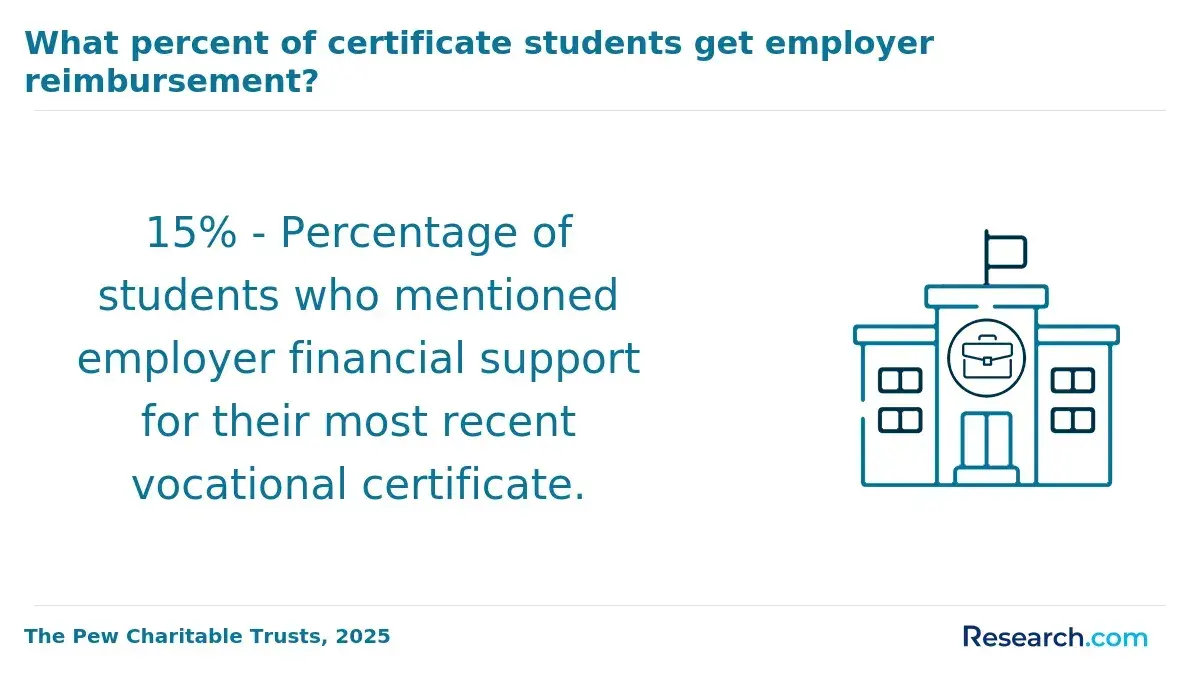
- Employer tuition assistance: Some employers offer tuition reimbursement or education benefits for career-related studies. Dental offices may provide tuition support if employees agree to stay post-graduation, supplementing or sometimes replacing federal financial aid options.
- Scholarships and alternative aid: A variety of scholarships are available for dental assistant students, targeting working professionals as well. Organizations like the PDS Health Foundation award grants up to $5,000. Additional merit- or need-based aid, private scholarships, and work-study programs enhance financial aid eligibility for working students pursuing this degree.
Do Employers Support Employees Pursuing Online Dental Assistant Degrees in 2027?
Employer support is increasingly crucial for full-time professionals pursuing an online dental assistant degree, as balancing work and academic demands requires significant time and effort. Workplace policies that offer flexibility or financial help can greatly influence a student's ability to manage both responsibilities effectively.
Below are key insights into how employers typically respond to employees advancing their education in this field:
- Tuition Assistance: Some employers provide tuition reimbursement or education stipends, easing the financial burden of dental assistant programs. This employer tuition assistance for online Dental Assistant programs is more prevalent in larger clinics or organizations with formal HR policies.
- Flexible Scheduling: Allowing shift swaps, reduced hours during exam weeks, or flexible start times helps employees juggle work and study commitments. Flexible scheduling is vital for online learners who need to complete coursework alongside clinic hours.
- Career Advancement Incentives: Employers often tie completing a dental assistant degree to promotions, pay raises, or expanded roles. These incentives motivate employees by linking education to tangible workplace benefits.
- On-the-Job Training and Externships: Offering in-house training or support for externship placements helps students gain clinical experience without leaving their job, facilitating hands-on learning required for certification boards.
- Limited Support or Concerns: Some employers hesitate to provide accommodations due to fears of decreased productivity or scheduling conflicts. In these cases, employees must rely on personal resources, facing challenges balancing full-time work with academic demands.
Researching workplace support for dental assistant degree students is essential before enrollment to ensure achievable success. For potential students exploring options, identifying employers that encourage education through benefits or flexible policies can make a decisive difference in completing the program.
Meanwhile, for alternatives on affordable education options, consider the cheapest bachelors degree options available.
Does Completing an Online Dental Assistant Degree While Working Full-Time Improve Your Salary?
Completing an online dental assistant degree while working full-time can positively impact salary, though outcomes depend on several factors. The demand for dental assistants remains strong, with projected job growth faster than average through 2034.
Credentials like the DANB Certified Dental Assistant (CDA) certification can boost pay by about 15% per hour, reflecting the value employers place on formal education and certification. Additionally, relevant work experience gained during study often enhances starting salaries and increases opportunities for advanced roles.
Employer attitudes toward degrees and certifications also shape salary prospects, sometimes prioritizing experience alongside education. Continuing full-time employment during an online program may accelerate career growth by enabling quicker promotions, fostering greater job stability through ongoing professional connections, and allowing immediate application of new skills.
This often makes employees more valuable to their employers. However, salary improvements vary depending on the dental specialty, individual employer policies regarding education and advancement, and broader economic factors. While education and experience together offer advantages, the precise impact on salary will differ based on these influences.
What Should Full-Time Workers Look for When Choosing an Online Dental Assistant Program?
Choosing the right online dental assistant program is vital for full-time workers, as a program's flexibility and support can significantly impact their ability to complete coursework while managing job obligations. Without a suitable structure, balancing study and work may become overwhelming, risking delayed credentials.
The following elements are key for working adults to consider when selecting a program:
- Flexible Scheduling: Programs offering asynchronous or self-paced classes allow students to progress during evenings or weekends, fitting learning around work demands. This flexibility reduces stress and helps maintain consistent progress.
- Clinical Requirements: Knowing whether local or remote externships are available is essential. Flexible clinical options enable students to gain hands-on experience without disrupting work schedules.
- Accreditation and Certification Preparation: Enrollment in accredited programs that prepare for recognized exams like the DANB's RHS and ICE certifications ensures eligibility for licensure and enhances job prospects.
- Support Services: Access to instructors, tutoring, and career guidance provides critical assistance, helping students overcome challenges and transition smoothly into dental assisting careers.
- Mobile-Friendly Platforms: Mobile access to coursework permits studying during brief breaks or commutes, maximizing limited free time.
What Graduates Say About Completing an Online Dental Assistant Degree While Working Full-Time
- Shane: "Balancing a full-time job while pursuing my online dental assistant degree was a challenge, but the flexible pacing really made it manageable. The program's cost was reasonable compared to traditional programs, which eased my financial concerns. Now, I feel more confident in my skills and am already seeing new career opportunities opening up. "
- Matthew: "Enrolling in the online dental assistant program allowed me to learn at my own speed, which suited my hectic work schedule perfectly. Reflecting on the entire experience, I appreciate how the affordable tuition made it possible to advance my career without incurring overwhelming debt. It truly felt like a smart investment in my future as a dental professional. "
- Ellen: "The professionalism and structure of the online dental assistant degree suited my mindset as a working individual eager to grow. Despite my full-time job, I was able to complete courses without rushing, and the cost was competitive compared to on-campus options. This program has not only enhanced my knowledge but also increased my earning potential and job satisfaction. "
Other Things You Should Know About Dental Assistant Degrees
In 2027, online dental assistant programs typically offer flexible clinical training options, such as weekend or evening labs and local partnerships with dental clinics, ensuring that full-time workers can gain necessary hands-on experience without disrupting their professional schedules.
Full-time workers can successfully complete an online dental assistant degree program in 2027 by choosing programs with flexible scheduling, seeking robust support services, and leveraging online resources and forums for networking and peer interaction, maximizing their study time effectively.
Students working full-time often have access to academic advising, technical support, and tutoring services tailored to their schedules. Programs may also provide career counseling and time management resources. Support is designed to help students balance responsibilities and succeed in their studies.
References
- Dental Assistant Training Program Clinical Sites | School of Dental Medicine https://www.dental.pitt.edu/dental-assistant-training-program/dental-assistant-training-program-clinical-sites
- Guide to Choosing the Right Assistant Program | Blog https://gdap.net/kickstart-your-dental-career-the-insiders-guide-to-choosing-the-right-assistant-program/
- Balancing School And Life For Dental Assistant Students | Pacific Northwest Dental Assisting School https://www.schoolofdentalassisting-vancouver.com/tips-for-dental-assistant-students-balancing-school-life/
- Undergraduate Graphic Design Major - Elms College https://www.elms.edu/online-dental-assistant/
- 3 ways to advance your dental assisting career in 2025 | DANB https://www.danb.org/news-blog/detail/blog/3-ways-to-advance-your-dental-assisting-career-in-2025
- Picking the right Dental Assistant Program https://www.dorsey.edu/blog/picking-the-right-dental-assistant-program/
- What to Look for in a Dental Assistant School https://www.lincolntech.edu/news/health-sciences/dental-assistant/what-look-dental-assistant-school
- 6 Benefits to Remote Dental Assistant Education | Health Tech Academy https://www.healthtechacademy.org/dental-assistant/benefits-to-remote-dental-assistant-education
- Online Dental Assistant Program | Stepful https://www.stepful.com/dental-assistant
- Online Dental Assistant Certificate Program | Self-Paced Course https://www.uscareerinstitute.edu/online-dental-assistant-school


