2027 Can You Complete an Online Media Arts Degree Program While Working Full-Time?

Co-Founder and Chief Data Scientist
Working full-time while pursuing an online media arts degree presents notable challenges, particularly when juggling demanding job schedules and family responsibilities. Nearly 70% of online adult learners in the U.S. balance work and study, making time management a critical skill.
This article explores how full-time professionals can realistically manage media arts coursework alongside their careers. It offers practical insights on workload expectations, flexibility of online learning, and strategies to succeed without sacrificing personal or professional commitments.
Key Benefits of Completing an Online Media Arts Degree Program While Working Full-Time
- Flexible scheduling allows full-time workers to access lectures and assignments anytime, accommodating varied work shifts common in media arts roles like video editing and graphic design.
- Online platforms often offer project-based learning that aligns with real-world media arts tasks, helping professionals build portfolios while continuing their careers.
- Networking opportunities through virtual forums connect students with industry experts, facilitating mentorships and job leads without sacrificing work hours.
How Long Does It Take to Complete an Online Media Arts Degree While Working Full-Time?
The time it takes to complete an online media arts degree varies based on several important factors, especially for students balancing full-time work. These factors influence whether the degree can be completed closer to the typical four-year mark or if it extends beyond this timeline.
Below are the key factors that affect how long it takes to complete an online media arts degree while working full-time:
- Enrollment Status: Most working professionals enroll part-time, taking one or two courses per term, which significantly extends the time to degree completion compared to full-time study.
- Course Format: Programs offering asynchronous or accelerated courses, often 7-8 weeks long, provide flexibility that can help students increase their yearly credit load and potentially reduce total completion time.
- Transfer Credits: Acceptance of prior academic credits, sometimes up to 75% of the degree, can greatly shorten the timeline, allowing students with previous college work to complete their degree faster.
- Work Schedule and Study Hours: Managing a full-time job limits the number of courses a student can take per semester, directly impacting how quickly they can finish their studies.
- Program Requirements: Additional elements like capstone projects, internships, or practicums may extend completion time, especially if these must be done sequentially or require on-site presence.
Most full-time professionals can expect to complete their online media arts degree in 5-7 years through part-time enrollment. However, students able to take a more aggressive pace or utilize transfer credits may finish sooner.
For those interested in a quick degree, accelerated formats are a viable option to consider. Understanding these factors helps in planning realistic timelines when you want to complete media arts degree part time.
Is an Asynchronous or Synchronous Online Media Arts Program Easier for Students Working Full-Time?
For students working full-time, an asynchronous online media arts program is generally easier to manage due to its greater flexibility. This format allows learners to access course materials and complete assignments on their own schedule, which is crucial for balancing work and personal commitments.
Course format can significantly impact a professional's ability to stay on track, especially when work hours are irregular or demanding. Choosing a flexible asynchronous online media arts degree often helps full-time professionals maintain steady progress without sacrificing job performance.
Asynchronous programs enable students to watch lectures and submit projects anytime, making it ideal for those juggling work like graphic design or digital content creation.
In contrast, synchronous online media arts programs for working professionals require attending live sessions, fostering real-time interaction and immediate feedback but limiting scheduling flexibility. While synchronous courses can replicate in-person critiques and boost engagement, they may cause conflicts for those with inflexible hours.
Ultimately, asynchronous formats offer superior time management and autonomy, whereas synchronous courses suit students who value direct, live interaction.
Prospective students can explore options among online open enrollment colleges to find the best fit for their professional lifestyle.
What Time Management Strategies Help Online Media Arts Students Working Full-Time?
Effectively managing time is vital for online media arts students balancing full-time work, as juggling job tasks, coursework, and personal life increases the risk of stress and exhaustion.
Below are five practical, research-supported strategies tailored to help these students thrive.
- Create a structured weekly schedule: Utilize digital calendars or planners to allocate dedicated work, study, and rest times, ensuring all deadlines are clear and achievable.
- Prioritize assignments: Focus first on urgent and high-impact projects to avoid last-minute pressure, enhancing productivity and quality.
- Use productivity techniques like the Pomodoro Method: Break tasks into 25-minute focused intervals with short breaks, maintaining creative energy and concentration.
- Plan for distractions: Establish a quiet workspace and employ apps to block social media, minimizing interruptions during study periods.
- Communicate proactively: Inform employers and family about study schedules to set boundaries that protect dedicated learning time.
When asked about managing her time while completing an online media arts degree alongside a full-time job, one graduate reflected, "It was overwhelming at first-deadlines, projects, work demands, all felt like too much."
She shared that embracing flexibility was key: on hectic days, she shifted study blocks to early mornings or weekends, which helped maintain progress without burnout. She also noted how setting clear expectations with her employer and loved ones reduced interruptions and guilt.
"Knowing when to say no and giving myself permission to pause made all the difference," she added, underscoring that effective time management involves both planning and self-compassion.
What Are the Biggest Challenges Full-Time Workers Face in Online Media Arts Programs?
Balancing full-time employment with the demands of an online media arts degree poses a significant challenge for many professionals. The need to manage work responsibilities alongside intense academic requirements often leaves little room for creativity and technical skill development.
Key difficulties full-time workers face include:
- Time management demands: Managing a full work schedule while completing time-intensive assignments can be overwhelming. Media arts coursework involves creative tasks and technical learning that require focused, uninterrupted periods, which are hard to secure and may lead to missed deadlines or compromised work quality.
- Access to equipment and resources: Hands-on experience with cameras, audio devices, and specialized software is essential but often restricted by limited lab hours and conflicting work schedules. Without steady access to these tools, students may struggle to reach the proficiency levels expected by industry employers.
- Maintaining creative energy: Sustaining artistic motivation alongside job-related fatigue is challenging. Creative burnout can reduce the originality and vitality of projects, affecting not only grades but also the strength of a student's portfolio, which is vital for career progress.
How Do Online Media Arts Programs Handle Internships for Full-Time Workers?
Internships present scheduling difficulties for full-time employees in media arts, yet they remain a vital part of online media arts education. These internships provide essential hands-on industry experience that complements academic learning.
To accommodate busy professionals, programs have adopted flexible internship models.
- Flexible scheduling: Interns often arrange hours directly with their placement sites, enabling part-time or off-hours shifts. This flexibility helps balance internship duties with existing full-time jobs.
- Remote and virtual internships: Many programs enable students to complete internships online, gaining experience in digital production or social media without commuting, which reduces interference with work responsibilities.
- Credit hour customization: Internship credits correspond to time invested, allowing students to select between 1 and 6 credits. This system lets students adjust workload according to their professional availability.
- Departmental support and approval: Faculty guide students in securing internships that align academically and accommodate work schedules, ensuring meaningful and manageable placements.
- Online preparation workshops: Virtual workshops prepare students before starting internships and can be completed anytime, fitting into a working professional's schedule.
A student pursuing an online media arts degree while working full-time described his internship experience as "challenging but manageable" thanks to these program features. He appreciated negotiating evening hours, which allowed him to "gain real industry skills without sacrificing my day job."
The online workshops provided valuable preparation at his own pace, helping him feel ready and supported. Faculty involvement made finding a relevant internship less stressful, as "they understood the struggles of balancing work and school."
Overall, he viewed the internship process as a critical, flexible bridge between education and career advancement in media arts.
What Technology Do You Need for an Online Media Arts Degree While Working Full-Time?
Having the right technology is essential for busy working students balancing job responsibilities with online coursework in media arts. Specialized software and powerful hardware help professionals keep pace with both academic demands and industry standards.
Below are five key technology requirements that support full-time workers pursuing an online media arts degree.
- High-Performance Computer: A Windows desktop or laptop equipped with at least an Intel Core i7 processor, 16 GB RAM, and a graphics card with minimum 4 GB VRAM is vital. This setup enables smooth handling of intensive tasks like 3D modeling, video editing, and motion graphics, which are common in media arts assignments and real-world projects.
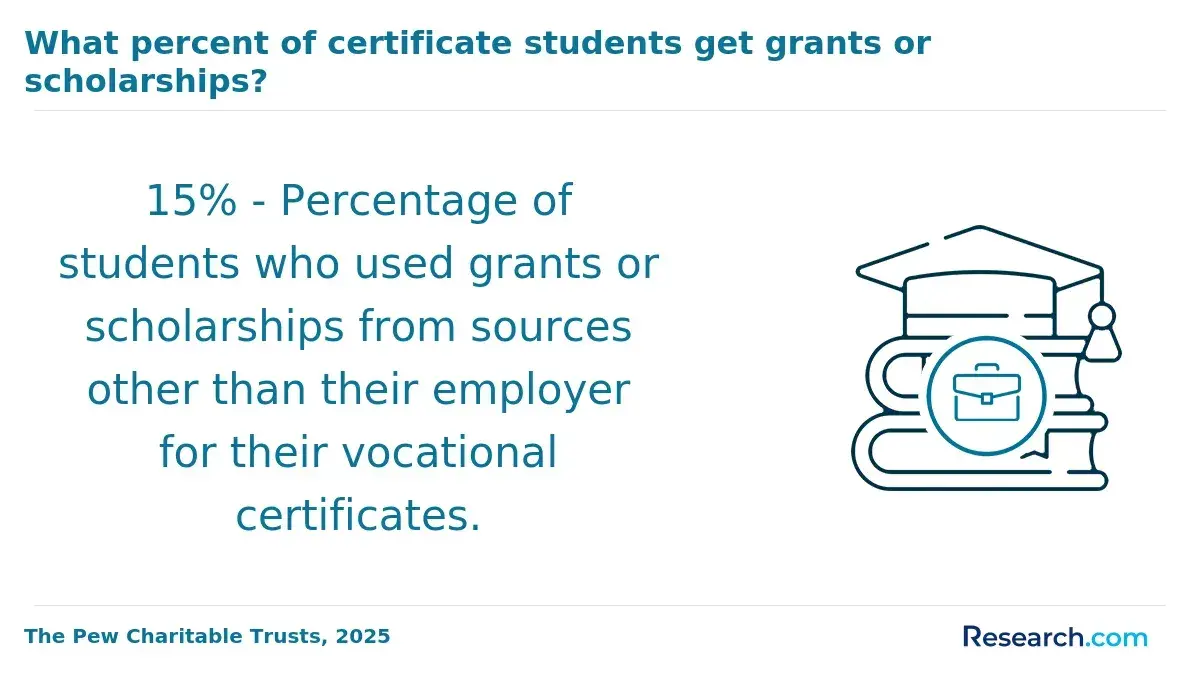
- Adobe Creative Cloud Subscription: Access to Adobe Creative Cloud applications, including Photoshop, Illustrator, Premiere Pro, and After Effects, is necessary for coursework and professional-quality projects. Many students find educational discounts available, reducing costs while using industry-standard software.
- Reliable Internet Connection: A stable connection with at least 1 Mbps upload/download speed allows seamless participation in live video classes, submission of large media files, and access to cloud resources. Reliable internet is crucial for full-time professionals juggling work and study.
- Video Communication Tools: A functional webcam and microphone are essential for virtual class attendance, group collaboration, and digital portfolio presentations. These tools also foster networking opportunities with instructors and peers within the media arts community.
- Cloud Storage and Backup Solutions: Using cloud services like Google Drive, Dropbox, or iCloud helps securely store and share large design files, videos, and project documents. Regular backups prevent data loss and ensure continuity when managing multiple priorities.
For professionals looking for the best laptop for online Media Arts degree while working full-time, focusing on these technology essentials will streamline both study and career demands.
Prospective students may also consider exploring a fast online master's degree to align with their career timelines.
Breakdown of All 4-Year Online Title IV Institutions

Can You Qualify for Financial Aid If You Study Online and Work Full-Time?
For full-time professionals, financial aid is often a critical factor when deciding to pursue an online media arts degree, as balancing tuition costs alongside living expenses and work obligations can be challenging.
The following key considerations clarify how full-time workers can qualify for financial aid while studying online in media arts programs.
- FAFSA Eligibility: Accredited online media arts programs typically allow students to apply for federal aid via the Free Application for Federal Student Aid (FAFSA). Working full-time doesn't automatically disqualify you, but your income influences the Expected Family Contribution, which affects the total aid you may receive.
- Enrollment Status: Both full-time and part-time students can access financial aid, though amounts vary. For instance, federal Pell Grants are prorated for part-time enrollment, so professionals reducing their course load should consult their school's aid office about potential impacts.
- Employer Tuition Assistance: Many employers offer tuition reimbursement or assistance programs for relevant degrees, which can supplement federal aid. However, significant employer contributions might reduce need-based eligibility, making it important to report this aid on your FAFSA.
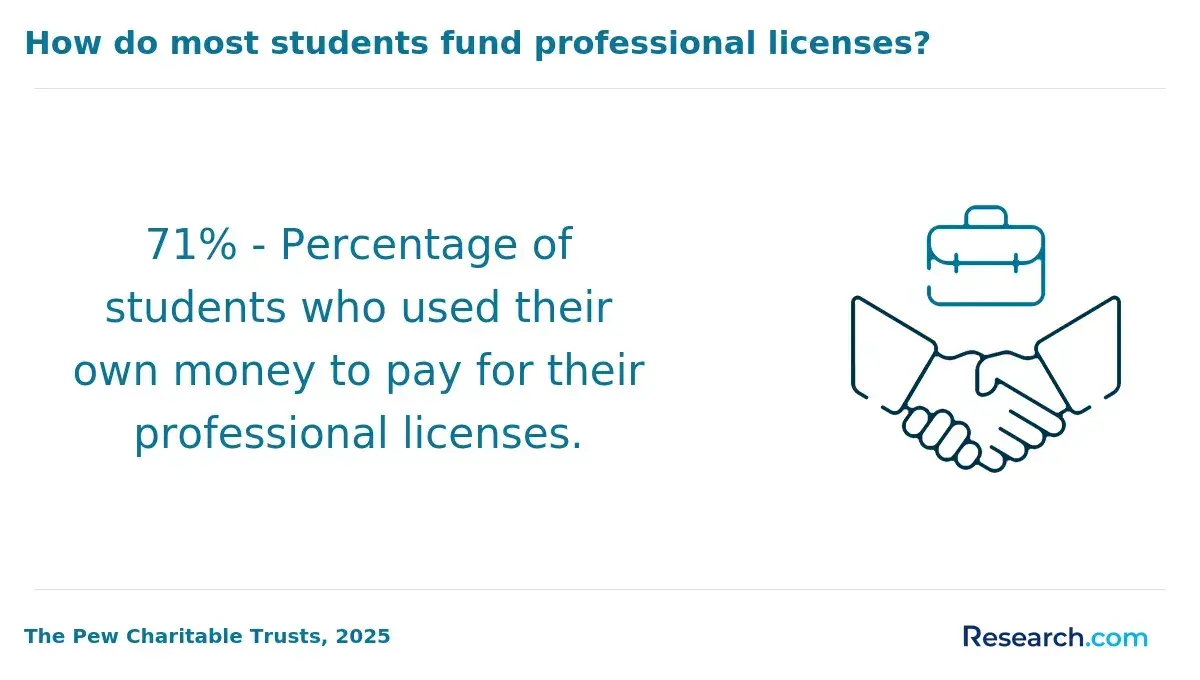
- Private Scholarships and Grants: Numerous scholarships target online students, including working adults advancing their media arts careers. These awards may supplement or replace federal aid depending on the terms and your eligibility.
Only accredited programs qualify for federal financial aid, including loans, grants, and work-study opportunities. Verify your program's accreditation status in advance to ensure aid accessibility, especially if you want to see what online schools accept FAFSA.
Do Employers Support Employees Pursuing Online Media Arts Degrees in 2027?
Employer support has become increasingly important for full-time professionals pursuing online media arts degrees, as balancing academic demands with job responsibilities poses significant challenges.
Below are key ways employers typically support or hesitate to support employees seeking to earn online media arts degrees.
- Tuition Assistance Programs: Many employers offer tuition reimbursement or scholarships targeting job-relevant degrees, easing financial burdens for employees. This employer tuition reimbursement for online media arts degree supports workers in managing often high program costs and fosters skill development useful in digital media roles.
- Flexible Work Schedules: Adjusted hours or remote work options enable employees to attend live classes or meet assignment deadlines. This flexibility is vital for media arts students juggling project deadlines and collaborative tasks within tight timelines.
- Career Advancement Opportunities: Employers who value digital media skills often promote or realign roles for employees gaining media arts credentials. This encourages professional growth and better alignment of skillsets with evolving business needs.
- Access to Technology: Supportive workplaces sometimes provide company software and equipment for academic projects. Since media arts coursework often requires professional-grade tools, this access significantly aids portfolio development and quality output.
- Performance Concerns: Some employers hesitate to support educational pursuits, fearing job performance may suffer during intensive coursework or peak periods. As a result, employees might face scheduling restrictions or be discouraged from enrolling in rigorous programs despite interest.
For those exploring affordable and efficient programs, pursuing the cheapest fastest bachelor's degree options can also complement employer support in achieving educational goals.
Does Completing an Online Media Arts Degree While Working Full-Time Improve Your Salary?
Completing an online media arts degree can boost salary prospects, influenced by factors like industry demand, degree level, employer attitudes, and relevant work experience.
Positions such as digital designers and special effects artists typically earn median salaries ranging from $58,910 to $99,060, with top professionals exceeding $169,500 annually.
Higher degrees often unlock better-paying roles, while employers increasingly value online credentials, especially when paired with hands-on experience. Graduates with both education and practical skills tend to be more competitive for jobs in broadcasting, digital media, and creative production, where salaries fall between $58,920 and $73,690.
Continuing full-time employment while studying can positively impact career advancement by demonstrating initiative and enabling immediate use of new skills.
This often results in promotions, increased job security, and development of a strong portfolio showcasing tangible achievements. However, outcomes depend heavily on the specific industry, employer policies, and the broader economy. Freelance or gig-based roles may present less stability, though they can offer higher earnings for top performers.
Overall, balancing work and study can enhance professional growth, but individual experiences will vary.
What Should Full-Time Workers Look for When Choosing an Online Media Arts Program?
Choosing the right online media arts program is critical for full-time workers, as program flexibility and design directly influence their ability to juggle job duties alongside academic goals.
A well-structured program can empower busy adults to advance efficiently without compromising work or personal commitments. Consider these key elements when evaluating options:
- Flexible Scheduling: Programs with asynchronous classes or multiple enrollment periods let students manage coursework on their own time. This adaptability is essential for media arts students, whose learning often involves project-based assignments that demand varied time commitments.
- Credit for Prior Learning: Accepting transfer credits, professional certifications, or portfolios enables faster degree progress by valuing existing skills and experience. This reduces repetitive coursework and overall time to completion, benefiting working professionals.
- Support Services: Access to academic advising, technical help, and career counseling is crucial for overcoming challenges unique to online learning. These services guide students through time management and mastering the software tools typical in media arts.
- Industry-Recognized Accreditation: Accredited programs ensure the degree holds value with employers and qualifies students for financial aid. Accreditation also reflects adherence to media arts educational standards.
- Project-Based Curriculum: Hands-on courses focused on portfolio development prepare students for immediate entry into the evolving digital media workforce. Real-world assignments help apply theoretical knowledge effectively.
What Graduates Say About Completing an Online Media Arts Degree While Working Full-Time
- Agnes: "Balancing a full-time job while pursuing my online media arts degree was challenging, but the flexible learning pace really helped me stay on track. The coursework was engaging and practical, which immediately boosted my skills and confidence at work. Considering the cost was reasonable compared to traditional programs, investing in this degree was well worth it."
- Hugh: "Enrolling in the online media arts program while maintaining a demanding job gave me invaluable time management skills. The cost was a significant consideration, yet the career advancements I've gained since graduating have made every dollar worthwhile. Reflecting on my journey, the experience has been transformative both professionally and personally."
- Aaron: "Juggling a full-time career and online studies required discipline but the structured yet flexible pace of the media arts program made it manageable. The affordability of the program eased my financial concerns, and now I'm seeing real impact through expanded job opportunities and creative projects. This degree truly opened doors I hadn't imagined before."
Other Things You Should Know About Media Arts Degrees
Yes, most online media arts programs offer various platforms for communication, such as discussion boards, video conferencing, and email. These tools enable students to engage with professors and peers despite a full-time work schedule.
While interactions may not be as frequent as in traditional settings, students can often participate during evenings or weekends.
Many online media arts programs recognize the need for flexibility and offer asynchronous course options so students can complete work at their own pace.
Some institutions also provide extended deadlines or allow part-time enrollment. It is advisable to check with the specific school beforehand to understand available accommodations for working students.
Yes, many online media arts programs in 2027 are designed to accommodate full-time workers by offering flexible schedules. Courses often provide asynchronous learning options, allowing students to access materials and complete assignments at times that fit their personal and professional commitments.
References
- Are online degrees respected by employers? https://onlineprograms.uic.edu/news-stories/are-online-degrees-respected-by-employers/
- Getting Your Employer to Pay for Your Online Masters https://www.onlinemastersdegrees.org/financial-aid/employer-tuition-assistance/
- Digital Content Internship - The Metropolitan Museum of Art https://www.metmuseum.org/opportunities/internships/digital-content-internship
- What Do Employers Think About Your Online Degree? | OnlineMBA.com https://www.onlinemba.com/resources/employers-thoughts-on-online-degrees/
- Find creative jobs and internships | UAL https://www.arts.ac.uk/students/student-careers/find-creative-jobs-and-internships
- An Artist Guide To Managing Time — Serena Archetti https://www.serenaarchetti.com/blog/an-artist-guide-to-managing-your-time
- Pros? Cons? What You Need to Know About Earning a Degree Online | MVNU https://mvnu.edu/blogs/7-benefits-of-earning-an-online-degree/
- Asynchronous vs. Synchronous Learning: Which Is best? https://www.articulate.com/blog/asynchronous-vs-synchronous-e-learning-which-is-best/
- Benefit of Earning a Online Degree While Working Full-Time https://amityonline.com/blog/advantages-earning-degree-while-working-full-time