
2027 Can You Complete an Online Philosophy Degree Program While Working Full-Time?

Co-Founder and Chief Data Scientist
Working full-time while pursuing an online philosophy degree presents significant challenges, especially when managing job demands and family obligations. According to the National Center for Education Statistics, nearly 58% of online learners in the U.S. are working adults, highlighting the growing need for flexible education options that accommodate busy schedules.
This article explores how full-time professionals can realistically approach philosophy programs online. It offers practical insights to help you evaluate whether combining work and study in this field fits your lifestyle and goals, ensuring you make informed decisions about your academic journey.
Key Benefits of Completing an Online Philosophy Degree Program While Working Full-Time
- Flexible scheduling allows full-time workers to study philosophy at their own pace, improving retention and critical thinking skills without compromising job duties.
- Access to recorded lectures and online discussions supports diverse learning styles, helping professionals engage deeply with complex ethical theories amid busy routines.
- Online programs often offer asynchronous coursework, enabling learners to balance work deadlines with philosophy assignments, fostering consistent progress and degree completion.
How Long Does It Take to Complete an Online Philosophy Degree While Working Full-Time?
Completion time for an online philosophy degree while working full-time varies significantly depending on multiple factors related to enrollment, course structure, and personal commitments. Understanding these factors helps set realistic expectations for degree completion timelines.
Several key influences affect the duration; the following list outlines the main considerations:
- Enrollment Status: Full-time philosophy students typically finish in about four years, but those enrolled part-time-common for working professionals-often take five to six years or longer depending on how many courses they take per semester.
- Course Format: Many programs use asynchronous courses, allowing flexibility for students to complete assignments on their schedule. Although this aids steady progress, actual pace depends heavily on available study time.
- Transfer Credits: Students with prior credits or associate degrees can reduce their time to completion, sometimes by a year or more, since fewer courses remain to graduate.
- Work Schedule and Study Hours: Balancing a full-time job generally limits students to about 6-9 credit hours per semester, versus the 12-15 credits typical of full-time study, prolonging the overall completion period.
- Program-Specific Requirements: Some philosophy programs require capstone projects or theses that must be completed in the final semester and could potentially add to the timeline if delayed.
Overall, for those investigating online philosophy degree completion time for working professionals, it is common to expect five to six years to finish a bachelor's online while employed full-time unless accelerated options or significant credit transfers apply. Additionally, exploring shorter options such as 6 month online courses that pay well may be of interest for supplementary education or career advancement.
Is an Asynchronous or Synchronous Online Philosophy Program Easier for Students Working Full-Time?
For students working full-time, asynchronous online philosophy programs are generally easier to manage than synchronous ones. The flexibility offered by asynchronous courses allows students to engage with lectures and assignments according to their own schedules, making it easier to balance professional and personal responsibilities. This format suits full-time professionals who may face variable work shifts or family demands.
Choosing the right course format significantly impacts a student's ability to succeed when pursuing an asynchronous online philosophy degree for working professionals.
Asynchronous programs let students study philosophy topics, such as ethical theories or logic, at any time, providing maximum flexibility but requiring strong self-motivation. In contrast, synchronous online philosophy programs require attending scheduled live sessions, fostering real-time interaction and immediate feedback on complex subjects like metaphysics.
While synchronous learning can enhance engagement and community feeling, fixed class times may be challenging for those with demanding work schedules. For full-time workers seeking to advance their education while managing time effectively, understanding these differences is key.
For additional guidance on balancing work and online studies, exploring certificate programs online that pay well may help inform career decisions.
What Time Management Strategies Help Online Philosophy Students Working Full-Time?
Balancing a full-time job with the demanding workload of an online philosophy degree requires excellent time management to keep pace with readings, essays, and discussions. Effective strategies enable students to maintain consistent progress without burnout.
Here are five practical approaches proven helpful for full-time working philosophy students:
- Structured Weekly Scheduling: Designate fixed study times each week to engage deeply with philosophical texts, treating these periods as non-negotiable appointments akin to work meetings.
- Task Prioritization and Milestones: Break down complex assignments and readings into smaller steps, setting clear goals for each session to avoid last-minute rushes and manage workload effectively.
- Minimizing Distractions with Dedicated Spaces: Create a quiet study environment free from interruptions to foster concentration and critical analysis of philosophical arguments.
- Using Productivity Tools: Employ digital calendars and task managers to track deadlines and monitor progress, which helps maintain organization and motivation.
- Active Learning Techniques: Participate in online study groups, annotate readings, and seek peer feedback to deepen understanding and retention.
When asked about time management, a graduate who juggled full-time work and an online philosophy program described initial struggles with unpredictably long workdays and mental fatigue. She found that setting micro-goals each evening, such as drafting a paragraph or reviewing key thinkers for 30 minutes, created manageable milestones that kept her engaged despite a hectic schedule.
Developing a habit of consistent evening reflection and prioritizing tasks daily allowed her to stay on track. "It felt overwhelming at times, but breaking everything into small, achievable steps made graduating possible without sacrificing my job," she reflected. This focused, adaptive approach was essential for her success.
What Are the Biggest Challenges Full-Time Workers Face in Online Philosophy Programs?
Balancing a full-time job with the demands of an online philosophy degree can be particularly challenging for professionals. The nature of philosophy, requiring deep analysis and reflection, often clashes with the time and mental energy available after work hours. Below are some key obstacles these students frequently encounter:
- Time management pressures: Managing work duties alongside the extensive reading and writing assignments in philosophy programs can be daunting. The field's emphasis on critical thinking and composing thoughtful arguments requires significant time investment, which is tough to allocate amid a busy professional schedule.
- Mental fatigue and cognitive overload: Engaging constantly in rigorous argumentation after a full workday can lead to exhaustion. This mental strain may impair both academic achievements and job performance, making it difficult for students to perform well in either area.
- Limited access to academic support: Full-time employment often restricts participation in live classes, office hours, and group discussions. This barrier can reduce opportunities for feedback and collaboration, which are vital in philosophy for refining ideas and building a strong academic network.
How Do Online Philosophy Programs Handle Internships for Full-Time Workers?
Internships pose scheduling difficulties for full-time employees, especially when hours are fixed or require on-site presence. Despite this, internships remain crucial in many online philosophy programs to develop practical skills and professional readiness.
To accommodate working students, these programs often implement strategies such as:
- Flexible Scheduling: Internships can be spread over longer periods with options for evenings and weekends, allowing students to meet hour requirements-like BYU's 8-week, 126-hour benchmark-without conflicting with their jobs.
- Remote or Hybrid Opportunities: Many programs accept internships performed remotely or through hybrid models, enabling tasks such as research or nonprofit work to be completed outside traditional hours, ideal for professionals balancing employment.
- Credit for Related Experience: Certain programs grant internship credit for current jobs that align with philosophical study, provided the work is supervised and focused on relevant projects, thereby recognizing existing professional expertise.
- Custom Placements and Independent Projects: Students unable to find conventional internships may engage in faculty-approved independent studies or research, though these alternatives often require early coordination and departmental consent.
- Support for Paid and Unpaid Internships: Given that many internships lack compensation, some departments offer financial assistance or scholarships to ease economic burdens for working adults taking part in experiential learning.
When asked about how online philosophy programs manage internships for full-time workers, one student shared his experience balancing employment and study. He described initial anxiety over fitting the internship into his demanding schedule, but found reassurance through personalized guidance from faculty. His program allowed him to tailor an independent research project related to his work, which not only satisfied credit requirements but deepened his engagement with philosophical concepts.
He recalled thinking, "The flexibility was a game changer, and having a supervisor who understood my constraints made all the difference." Though challenging, this approach helped him maintain professional responsibilities while progressing academically, illustrating how well-structured online philosophy internships can work for busy adults.
What Technology Do You Need for an Online Philosophy Degree While Working Full-Time?
Balancing a full-time job while pursuing an online philosophy degree requires reliable and efficient technology to stay organized and engaged. Having the right devices and tools ensures students can access resources, communicate with peers and instructors, and complete assignments despite a busy schedule. To support these efforts, here are the essential technology requirements for online philosophy degree students working full-time.
- Reliable Computer or Laptop: A dedicated device with updated hardware and software is crucial for accessing lectures, submitting essays, and participating in virtual seminars. Philosophy students benefit from a machine with a comfortable keyboard, webcam, and microphone for effective communication and productivity.
- High-Speed Internet Connection: Fast, stable internet is necessary for streaming video lectures, attending live discussions, and downloading reading materials. Professionals with limited study time especially need an uninterrupted connection to stay engaged during online philosophy classes and group debates.
- Learning Management System (LMS) Access: Platforms like Canvas, Blackboard, or Moodle centralize course materials, assignments, and communication. Being familiar with the LMS helps students track deadlines, join forums, and interact efficiently with professors and classmates. For example, Oregon State University's eCampus is integral to managing course activities.
- Document Collaboration Tools: Software such as Google Docs or Microsoft Office 365 allows students to draft essays, participate in peer reviews, and work on group projects collaboratively. These tools are particularly useful for analyzing philosophical texts and providing feedback on arguments.
- Reference Management Software: Tools like Zotero or Mendeley help organize scholarly articles, cite sources accurately, and build bibliographies essential to philosophy research papers. Managing multiple assignments efficiently is key for full-time workers juggling coursework and job responsibilities.
For those considering accelerated study options, exploring a quick online masters degree can also streamline progress without sacrificing quality. Selecting the best devices for studying philosophy online while working full-time is fundamental to maintaining productivity and success throughout the program.
Can You Qualify for Financial Aid If You Study Online and Work Full-Time?
Financial aid can be a crucial consideration for full-time professionals pursuing an online philosophy degree, as managing tuition alongside work and personal expenses can be challenging. Many financial assistance options are tailored to accommodate the unique needs of working adults balancing study and employment. Below are key considerations that influence financial aid eligibility for full-time workers enrolled in online philosophy degree programs.
- FAFSA and Federal Aid: Completing the Free Application for Federal Student Aid (FAFSA) is essential for accessing federal grants, loans, or work-study programs. Working full-time does not disqualify candidates, but a higher income could reduce eligibility for need-based grants, typically limiting aid to loans instead.
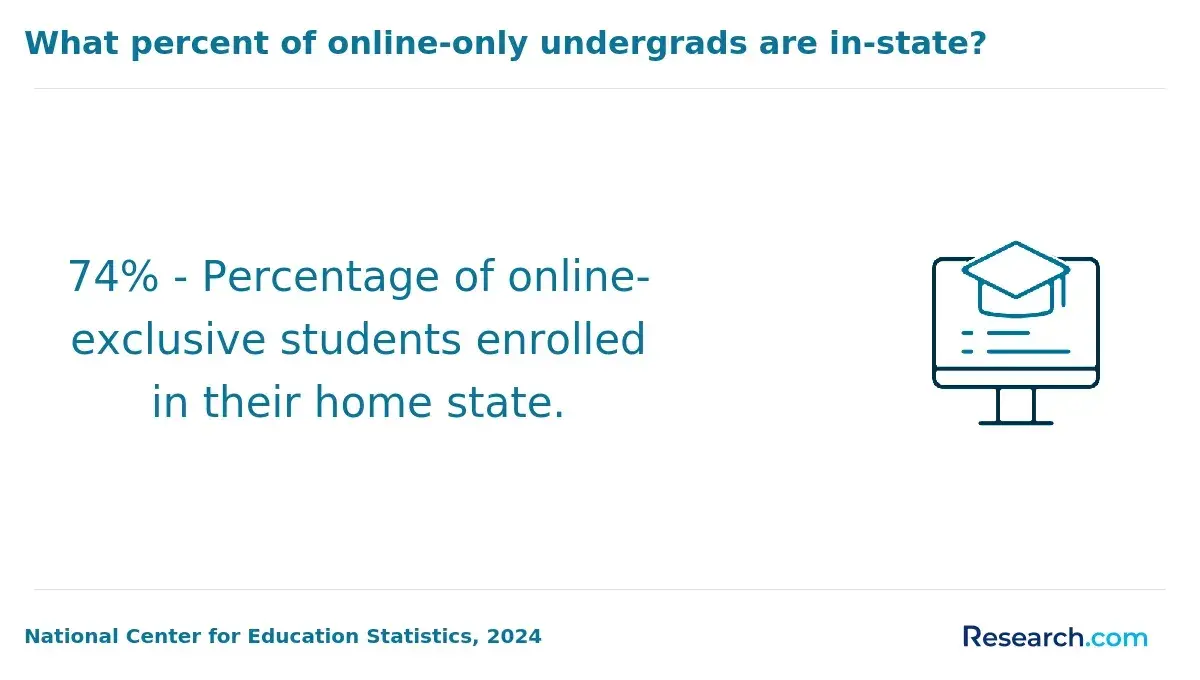
- Enrollment Status: Aid eligibility can depend on whether students enroll full-time or part-time. Some programs offer financial support regardless of credit load, while specific scholarships or grants may require full-time status. Certain universities even provide in-state tuition rates for all online students, making partial enrollment more affordable.
- Employer Tuition Assistance: Many employers offer tuition reimbursement or assistance plans for employees pursuing degrees related to their career. This aid is independent of federal funding and can significantly lower tuition costs, with an IRS tax-free limit of $5,250 annually for educational benefits.
- Academic Progress Requirements: Maintaining satisfactory academic progress, usually a minimum GPA (2.0 undergraduate, 3.0 graduate), is necessary to continue receiving financial aid. Falling below these standards may lead to suspension of funding, even for full-time working students.
- Scholarships and Private Aid: Merit-based scholarships and fellowships are often available to online philosophy students, including working professionals. These awards may not depend on financial need. For example, the University of New Orleans grants a $1,000 scholarship to philosophy majors at graduation, regardless of enrollment status.
For full-time workers wondering can you get financial aid while working full-time, these factors are critical to understand. Additionally, exploring online degrees for high paying jobs can help align educational goals with future career prospects, especially when balancing work and study commitments.
Do Employers Support Employees Pursuing Online Philosophy Degrees in 2027?
Employer support has become crucial for full-time professionals pursuing online philosophy degrees, as balancing work and studies demands both flexibility and resources. Workplace policies significantly influence whether students can manage academic workload alongside job responsibilities, making employer backing a key factor in feasibility. Below are important insights into common forms of employer support and limitations encountered by online philosophy students.
- Tuition Assistance: Employers may offer tuition reimbursement for philosophy degrees if employees can show how the coursework benefits their role. This kind of employer tuition assistance for online Philosophy degree programs is vital given the rising costs of education, although support often hinges on how relevant the degree is to the job.
- Flexible Scheduling: Flexible work hours or remote options help students accommodate class schedules or study time. For example, roles that allow core-hour adjustments enable easier attendance of synchronous online philosophy classes, reflecting essential workplace support for online Philosophy students.
- Professional Development Incentives: Some companies promote degree completion by linking it to career advancement or pay raises. This is especially common in policy, ethics, or communication roles, where philosophy's critical reasoning skills directly contribute to job performance.
- Limited Application of Degree: Certain employers are reluctant to provide support when they perceive philosophy degrees as having little direct job impact. This can result in fewer incentives or even subtle discouragement, especially in highly technical or specialized industries.
- Performance Monitoring: While employers may support educational efforts, they sometimes condition this on maintaining job performance benchmarks. Such monitoring can create pressure on full-time students to carefully balance their academic and professional duties.
For those exploring educational options, it's also useful to learn what are some certifications that pay well to complement philosophy studies or career goals.
Does Completing an Online Philosophy Degree While Working Full-Time Improve Your Salary?
Completing an online philosophy degree while working full-time can positively impact salary, but several factors influence how much. Industry demand plays a crucial role; sectors like law, management, and technology ethics often offer higher pay, with lawyers earning a median salary near $128,000 and management roles ranging between $74,000 and $133,000 annually. Degree level is also important, as master's degree holders typically command better starting salaries than those with bachelor's degrees.
Employer acceptance of online degrees continues to improve, especially when programs are accredited and graduates show strong analytical and communication skills. Additionally, having relevant work experience enhances salary potential since employers value practical skills alongside academic qualifications.
Continuing full-time employment while studying can support career growth by offering job stability and opening doors for promotions or raises, particularly when new skills are applied on the job. Employers often appreciate employees who balance work with education, viewing them as disciplined and self-motivated.
However, outcomes vary widely depending on the industry, employer policies regarding tuition reimbursement or advancement, and overall economic conditions. For example, nonprofit roles typically yield smaller salary increases compared to law or business sectors.
What Should Full-Time Workers Look for When Choosing an Online Philosophy Program?
Choosing the right online philosophy program is crucial for full-time workers, as the program's design directly impacts their ability to manage both work and study effectively. A well-structured program promotes consistent progress and keeps motivation high despite a busy schedule. Consider these key factors when evaluating your options:
- Flexible Course Structure: Programs offering asynchronous classes with no mandatory live sessions enable students to study at their own pace, fitting coursework around professional commitments. This flexibility is essential to maintain balance without sacrificing academic quality.
- Accreditation and Faculty Expertise: Selecting regionally accredited institutions staffed by philosophy instructors with advanced degrees and active research strengthens educational value and future career opportunities.
- Program Length and Pacing: Options for part-time enrollment or accelerated courses, such as shorter terms or modular scheduling, help students customize their loads and stay on track despite demanding work hours.
- Support Services: Access to academic advising, technical help, and career counseling specifically tailored to online learners supports persistence and success when juggling multiple responsibilities.
- Cost and Financial Aid: Assess tuition affordability and availability of scholarships, employer tuition reimbursement, or other financial assistance to ease the monetary burden during studies.
What Graduates Say About Completing an Online Philosophy Degree While Working Full-Time
- Dan: "Balancing a full-time job with my online philosophy degree was challenging but incredibly rewarding. The flexible pace allowed me to absorb complex theories without feeling overwhelmed, and the investment felt worthwhile given the average cost of attendance was reasonable. This degree has truly opened doors for personal growth and new career opportunities."
- Henry: "Enrolling in an online philosophy program while working full-time gave me a unique chance to reflect on both my professional and personal life. The thoughtful curriculum and manageable coursework made the cost, which aligned well with most online programs, feel justified. It was less about quick advancement and more about meaningful insight. "
- Eloise: "The online philosophy degree fit perfectly with my full-time schedule, enabling me to advance at my own pace without sacrificing quality. Despite initial concerns about cost, I found the tuition to be fair for the depth of knowledge and critical thinking skills gained. This journey has enhanced my analytical abilities significantly in my career. "
Other Things You Should Know About Philosophy Degrees
Many online Philosophy programs offer dedicated support services such as academic advising, tutoring, and counseling tailored for working students. These services accommodate flexible hours to fit diverse schedules, helping students manage course load and maintain progress. Access to faculty through virtual office hours is also common, providing specialized guidance when balancing work and study.
Yes, peer interaction is an integral part of many online Philosophy programs, even for students working full-time. Courses often include discussion boards, group projects, and virtual seminars scheduled at various times to encourage engagement. This interaction fosters critical thinking, collaborative learning, and a sense of community despite physical distance.
References
- What Can You Do With A Philosophy Degree? Top Career Choices https://www.immerse.education/career-exploration/philosophy/philosophy-careers/
- Can I Work Full-Time While Earning an Online Degree? https://www.athens.edu/online-degree-completion-programs-working-adults/can-i-work-full-time-while-earning-an-online-degree/
- Philosophy Courses Distance Learning https://www.domuni.eu/en/philosophy-courses-distance-learning
- Online B.A. Program https://www.uno.edu/academics/colaehd/la/philosophy/online
- Bachelor of Philosophy (BPhil) Online Degree — European Center for Accreditation https://www.ecaonline.eu/landingbachelorsphil
- Managing Study Time for a Working Adult https://www.geneva.edu/blog/online-degree-programs/online-program-time-management
- Unlock the Benefits of Earning a Philosophy Degree Online » Newlane University https://newlane.edu/benefits-earning-philosophy-degree-online/
- 9 Exciting Perks to Earning a Doctor of Philosophy in Business Degree Online https://www.ucumberlands.edu/blog/9-exciting-perks-earning-doctor-philosophy-business-degree-online
- Philosophy | Study https://www.uottawa.ca/study/career-experiential-learning/career-development/what-can-i-do-with-my-studies/philosophy
- How to Get Employer Funding for 100% Online Postgraduate Programmes & Courses | UoA Online https://www.online.auckland.ac.nz/2023/12/14/employer-funded-education/


