2027 Career Paths with a Biology Master's Degree Explained

Co-Founder and Chief Data Scientist
The career landscape for professionals holding a Biology master's degree is increasingly defined by employers' demand for advanced technical skills, strategic leadership, and analytical problem-solving within regulated and technologically sophisticated environments. Graduates often step into roles requiring expertise in molecular techniques, bioinformatics, or environmental compliance, while managing cross-departmental projects and ensuring adherence to evolving regulatory standards.
The Bureau of Labor Statistics projects a 9% growth rate in biological science occupations through 2032, reflecting expanding opportunities tied to innovation and interdisciplinary collaboration. This article outlines key career paths linked to a Biology master's degree, helping readers assess their alignment with long-term goals across diverse sectors.
Key Things to Know About Career Paths With a Biology Master's Degree
- Advanced specialization in biology enables access to niche sectors like environmental genetics and biotech, but this narrows job mobility, making strategic focus crucial for long-term career adaptability.
- Employers increasingly seek biology master's graduates with applied data analysis skills, reflecting broader industry shifts toward interdisciplinary competency beyond traditional lab research.
- While online biology master's programs have grown 18% since 2022 per NCES data, prospective students must weigh potential tradeoffs in lab experience quality versus improved schedule flexibility.
What Can You Do With a Biology Master's Degree?
The decision to pursue a master's degree in biology shapes not only immediate job eligibility but also determines one's trajectory within highly specialized and evolving sectors. Employers often seek candidates who can integrate rigorous scientific methods with practical applications, a balance that this degree aims to deliver. The reality for many graduates is that the degree facilitates access to technical roles yet frequently requires supplementary experience or certifications to reach leadership or higher-paying positions. Understanding how these nuances affect career mobility is critical for those evaluating a biology master's degree for workforce transition or advancement.
- Research Specialization: Graduates equipped with strong experimental design and analytical skills typically enter roles such as research scientists or laboratory managers. While these positions offer technical challenges and focused expertise, they often demand continuous upskilling to keep pace with innovations in molecular biology or ecology, influencing long-term employability and funding opportunities.
- Biotechnology and Pharma Roles: Many biology master's holders find employment as biotechnologists or regulatory affairs specialists, where understanding complex compliance frameworks adds value. These careers often provide above-average compensation but require navigating stringent regulatory changes, which can affect job stability and the scope of responsibilities over time.
- Environmental and Conservation Careers: In environmental monitoring or sustainability consulting, the degree provides foundational biological knowledge but success also hinges on interdisciplinary skills like policy interpretation and data science. This hybrid skillset increases flexibility but may entail a steeper learning curve outside traditional biology curricula.
- Healthcare-Related Pathways: Although the biology master's does not directly qualify graduates for clinical roles, it opens doors to public health, genetic counseling (with certification), and biomedical informatics. Positions in these fields, which are increasingly supported by online healthcare programs, leverage translational science, yet progression often depends on integrating additional credentials or hands-on experience in healthcare systems with high competition for these niche roles.
- Career Advancement and Networking: In practical workforce scenarios, combining a biology master's degree with targeted internships or industry-specific certifications significantly enhances career advancement. Employers frequently prioritize candidates who demonstrate adaptability alongside technical mastery, making professional connections and real-world project involvement critical to long-term success.
What Are the Highest-Paying Careers With a Biology Master's Degree?
Compensation within biology-related careers reflects a complex interplay of technical expertise, leadership responsibility, industry demand, and the regulatory environment. Those who pivot toward specialized roles or industries with strong commercial drivers, such as pharmaceuticals or biotech, generally access higher salaries. However, graduates must weigh these financial prospects against geographic job markets and the incremental advantage of additional credentials or experience beyond a master's degree.
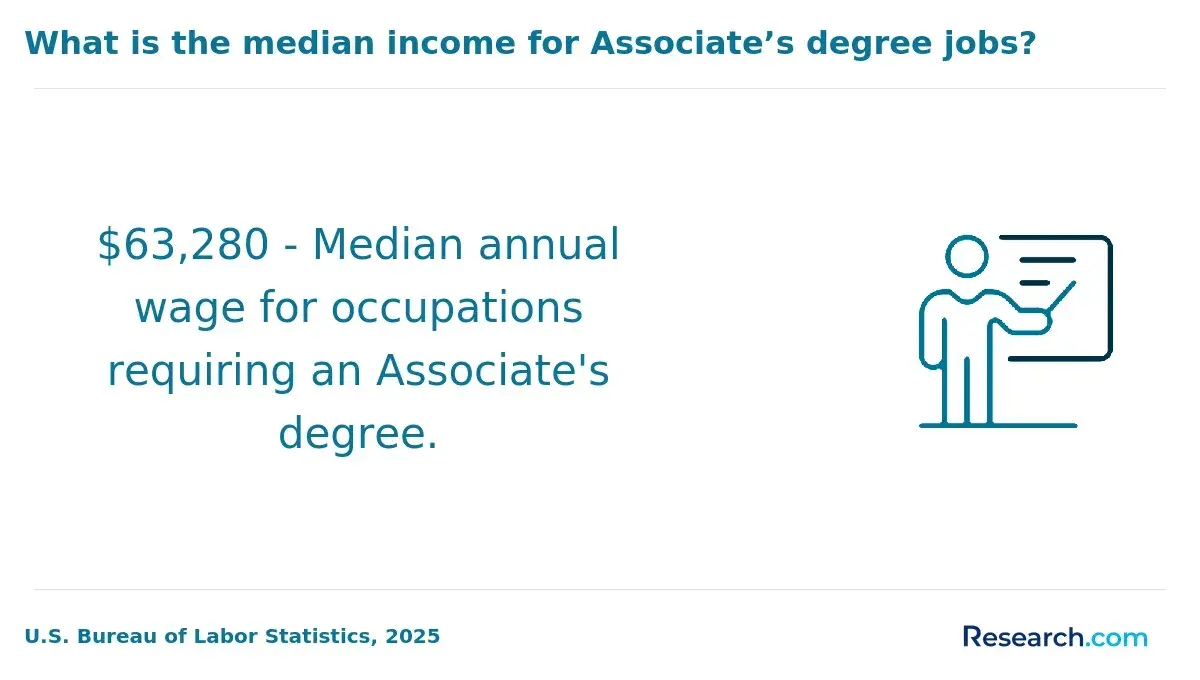
- Biochemists and Biophysicists: These professionals command top pay due to their critical role in drug development and biotech innovation, with median wages near $106,000, according to the U.S. Bureau of Labor Statistics 2024 data. Positions often require mastery of advanced lab techniques and contribute directly to high-value R&D projects.
- Medical Scientists: While some roles demand doctoral qualifications, master's holders working in research institutes or private sector labs can earn between $85,000 and $110,000. Careers tied to clinical trials or specialized drug development tend to offer the most rapid wage growth because of the increasing investment in biomedical innovation.
- Environmental Scientists: Professionals in this field leverage biology knowledge alongside regulatory and consulting skills, earning median salaries around $80,000 to $95,000. These roles reflect the growing complexity of environmental compliance and resource management, which increases the premium on interdisciplinary expertise.
- Data Scientists in Biology-Related Roles: The integration of computational methods with biological expertise drives salaries upward, often starting above $75,000. This niche requires a blend of biology and technical skills increasingly sought by agriculture, biotech, and genomic industries.
These career paths exemplify how mastery in biology combined with sector-specific skills can unlock some of the highest-paying opportunities for graduates, but geographic and credential-related factors remain critical in shaping actual earnings. Urban biotech hubs and pharmaceutical centers typically provide more lucrative options versus academic or rural positions, underscoring the practical tradeoffs professionals face when choosing roles and developing expertise.
Which Industries Hire Graduates With a Biology Master's Degree?
Employers hiring graduates with a master's degree in biology typically leverage their advanced expertise to address complex scientific and regulatory challenges unique to each sector. In pharmaceutical and biotechnology firms, such graduates are often embedded in teams developing novel therapeutics or precision diagnostics, where they apply both experimental design and bioinformatics to accelerate drug pipelines. These roles frequently demand proficiency in interdisciplinary methods, including programming or data analytics, beyond foundational biology knowledge. Conversely, healthcare organizations integrate biology master's holders within clinical trial management or epidemiological research units, expecting adeptness in data interpretation and compliance with evolving regulatory standards. Environmental and agricultural agencies, which prioritize sustainability and resource management, tend to engage these graduates in applied roles like ecological monitoring or genetic crop improvement, where direct field experience and technical certifications may influence hiring and advancement trajectories.
The choice of industry profoundly impacts not only the nature of work but also career progression and salary ceilings. For instance, academic and postsecondary teaching positions accessible to biology master's graduates are limited and competitive, often requiring supplementary qualifications or adjunct experience, which may delay long-term financial returns. In contrast, roles in biotech companies potentially offer earlier entry to leadership tracks and higher compensation but can also demand adaptability to rapid technological shifts and project management responsibilities.
Furthermore, biology professionals moving into science policy or communication must augment their scientific acumen with skills in stakeholder engagement and regulatory frameworks, underscoring the importance of soft skills in some verticals. Understanding these operational and organizational nuances is critical when evaluating the strategic fit of a biology degree within a given industry landscape.
One graduate recalled initially targeting academia but soon recognized the scarcity of tenure-track opportunities and the necessity of additional credentials, which prompted a pivot toward environmental consulting. She described the transition as challenging but ultimately rewarding, requiring her to rapidly develop project management skills and regulatory knowledge while applying her biology expertise in ecosystem assessments. This shift illustrated the often nonlinear path biology graduates face, where aligning personal interests with sector-specific demands and growth potential requires ongoing reconsideration and resilience.
What Is the Job Outlook for Careers Requiring a Biology Master's Degree?
The labor market for careers requiring a biology master's degree shows differentiated growth influenced by sector-specific dynamics and regional factors. Employment in areas such as biotechnology, pharmaceutical research, and environmental science is expanding, partly due to increased investment in innovation and regulatory oversight. However, opportunities can be uneven; for example, roles in academia and government research tend to be more competitive and often favor candidates with doctoral qualifications. Employers in applied fields like quality control or biomanufacturing place greater emphasis on technical skills and relevant experience, making continuous upskilling critical for job stability and advancement. The 8% growth projection for biological scientists from 2022 to 2032 by the U.S. Bureau of Labor Statistics reflects this nuanced but overall positive demand trajectory.
Career prospects for biology master's degree holders depend heavily on industry alignment and geographic location, with healthcare and pharmaceutical sectors showing stronger, more consistent expansion compared to traditional academic tracks. Entry-level salaries may start below expectations, requiring strategic decisions about skill acquisition-such as bioinformatics or project management-to gain leverage in hiring and promotions. A practical approach involves targeting sectors that integrate emerging technologies and regulatory needs, which often translates to better salary growth and job security.
Candidates exploring pathways may also benefit from resources like self paced online colleges to enhance competitive technical credentials while navigating a complex and evolving job landscape.
What Entry-Level and Advanced Jobs Can You Get With a Biology Master's Degree?
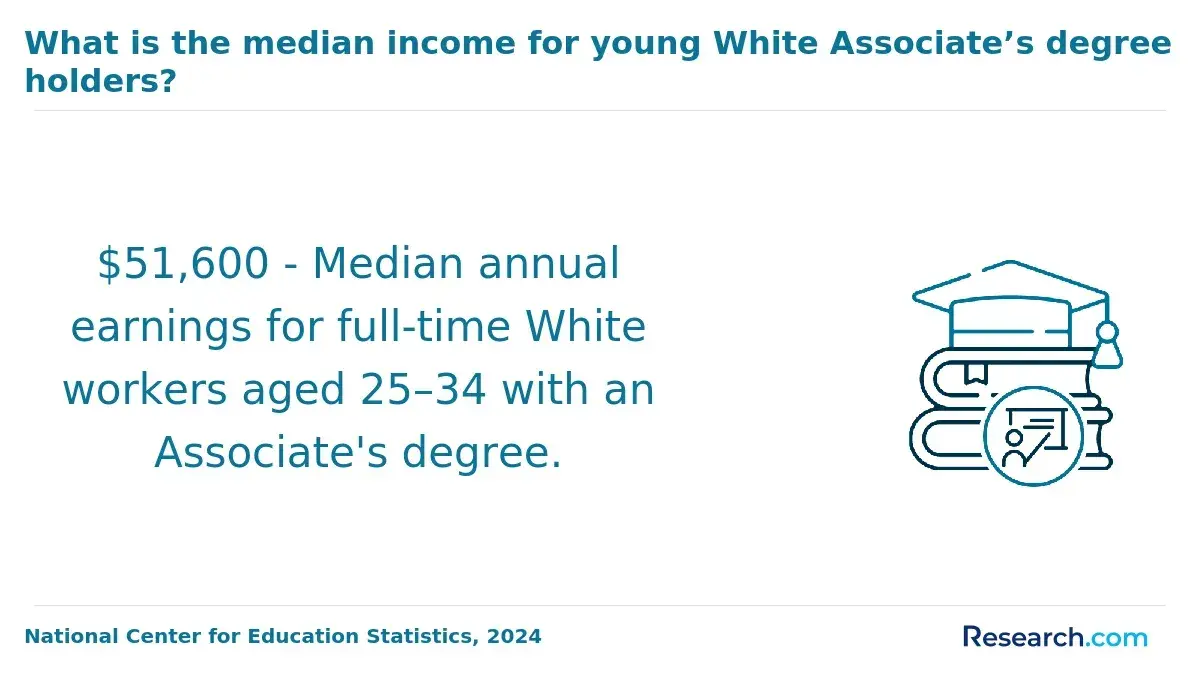
Holding a master's degree in biology often positions graduates for entry-level roles that prioritize hands-on technical and laboratory competencies, such as biological technician or environmental consultant. These roles typically demand proficiency in experimental protocols and analytical skills but generally offer limited autonomy and lower compensation compared to advanced positions. For instance, a recent graduate may start as a research assistant, relying heavily on supervision while building foundational expertise. However, variability in employer valuation means some industries, like pharmaceuticals or environmental services, may require additional certifications before candidates can bypass these initial steps. According to U.S. Bureau of Labor Statistics data from 2024, technician roles are projected to grow around 8%, underlining steady demand but also emphasizing the necessity for adaptability and technical versatility at this stage.
Transitioning into advanced or leadership roles-such as clinical research coordinator or biostatistician-typically involves increased responsibility, including project oversight, regulatory compliance, and data-driven decision-making. These positions often reward candidates with stronger compensation, ranging significantly higher, reflecting expectations for interdisciplinary collaboration and specialized skills frequently augmented by certifications in bioinformatics or related fields. The path to these roles is rarely immediate; considerable practical experience, publications, or further credentials usually influence eligibility. Moreover, employers in academia, government, and industry weigh master's degrees differently, impacting mobility and leadership opportunities. Consequently, graduates aiming for senior roles must strategically navigate sector-specific expectations and invest in complementary expertise to fully leverage their degree's value over the long term.
Can a Biology Master's Degree Help You Change Careers?
A master's degree in biology serves as a calculated tool for career changers seeking to reposition professionally, though its value is highly context-dependent. This advanced credential helps bridge gaps in direct industry experience by signaling specialized competencies in scientific reasoning, technical methods, and domain knowledge, which can be crucial for entry or transition into biotech, pharmaceutical research, or environmental consulting. Importantly, outcomes vary widely; prior experience, chosen specialization, and labor market demand influence whether graduates secure roles aligned with their level of education or must accept junior-level positions, often entailing salary reset risks. Many biology master's programs with rolling admissions charge tuition between $20,000 and $35,000 annually, a financial investment that underscores the necessity for applicants to align educational choices with realistic career repositioning goals. The capacity to engage in internships or practicums within these programs further shapes employability by providing applied experience and professional networking opportunities.
In the context of transitioning to new careers with a biology master's, the degree also facilitates advancement into leadership or regulatory roles where scientific expertise supplements existing skills. However, candidates targeting regulated sectors must consider additional certifications or licensure, as the biology master's alone rarely suffices for compliance. Employer perceptions vary significantly: some highly value the research orientation of graduate degrees, while others prioritize cross-disciplinary skills or direct industry experience, making it critical for candidates to adopt a holistic strategy integrating further professional development. Career changers reentering the workforce benefit when the program updates them on current lab techniques or data analysis standards.
For professionals exploring healthcare-related fields, exploring options such as accelerated PMHNP programs online reflects a broader trend of specialized graduate credentials facilitating targeted industry entry rather than broad, generalized repositioning.
What Leadership and Management Roles Can You Pursue With a Biology Master's Degree?
Leadership roles accessible with a master's in biology extend beyond traditional science expertise to encompass substantial organizational and strategic responsibilities. In biotech firms and research institutions, for instance, those with this degree frequently manage teams, budgets, and regulatory compliance, requiring a blend of scientific acumen and operational oversight. Career paths diverge notably by sector: healthcare leadership demands familiarity with complex regulatory frameworks like FDA protocols and cross-department collaboration, while environmental biology management often involves navigating political and funding constraints alongside stakeholder negotiation. These positions reveal a common tradeoff-balancing deep technical knowledge with broader managerial skills such as conflict resolution and resource allocation, which are essential when moving into supervisory or directorial roles.
The trajectory and nature of biology leadership vary significantly with industry, organizational structure, and tenure. Some employers prioritize advanced technical expertise for project managers, while others emphasize cross-functional decision-making capabilities for department heads. Importantly, leadership roles typically come with higher accountability and require certification or demonstrated experience, directly impacting promotion prospects and salary growth. For example, a 2024 workforce survey in life sciences found that 61% of senior biology managers held advanced certifications in addition to their degrees, reflecting employer expectations for management readiness. Consequently, professionals must anticipate adapting to both increasing organizational influence and the administrative demands of leadership, which differ widely between sectors such as pharmaceutical development, government agencies, and nonprofit advocacy.
One biology master's graduate recalls applying to programs during a rolling admissions cycle, initially hesitating to submit materials early due to uncertain funding and unclear career goals. After months of delay, the applicant accelerated preparation and submission in response to a competitive labor market emphasizing leadership skills, feeling relief upon securing admission just as programs began filling. This experience underscored the importance of timing and strategic decision-making when planning a biology career with leadership aspirations, where early commitment can influence access to key resources and networking opportunities critical for management pathways.
What Skills Do Employers Expect From Graduates With a Biology Master's Degree?
Employers hiring graduates with a master's degree in biology typically prioritize a combination of advanced technical and analytical skills tailored to their sector's specific demands. Mastery in laboratory techniques like molecular cloning, chromatography, or bioinformatics software is critical for immediate contributions in research-intensive roles, particularly in pharmaceutical and biotechnology firms. Beyond bench skills, the ability to synthesize large datasets from genomics or environmental sampling enhances decision-making and process optimization. For instance, in environmental consulting firms, a biologist adept at navigating regulatory frameworks like OSHA or EPA standards while managing complex project workflows can command salaries toward the upper range of $70,000 to $90,000 annually, reflecting the premium placed on operational competence combined with scientific expertise.
Leadership and communication skills become increasingly essential as professionals move beyond entry-level roles. Employers across healthcare, environmental, and industrial sectors value candidates who can lead interdisciplinary teams and translate technical findings into strategic narratives for stakeholders or funding bodies. Not all organizations weigh these skills equally; for example, mid-level positions in clinical research emphasize regulatory compliance and data interpretation, while senior roles require mentorship and operational oversight, often linked with salary increments reaching 20% above baseline industry pay. Graduates must also remain agile, adapting to evolving technologies and blending biological insight with computational tools to sustain career growth. Those lacking regulatory experience or interdisciplinary coordination abilities may find advancement stalled, highlighting how skill development affects not only initial employability but long-term professional trajectory.
Are Remote and Flexible Careers Available With a Biology Master's Degree?
Remote and flexible careers for professionals holding a master's degree in biology are largely contingent on the role's operational demands and employer infrastructure rather than being universally accessible. Positions emphasizing lab-based research or fieldwork typically require on-site presence due to the need for hands-on experimentation and equipment access. In contrast, roles involving data analysis, bioinformatics, scientific writing, or grant management increasingly accommodate remote or hybrid work, especially within organizations equipped with robust digital collaboration platforms. Notably, compliance-driven fields like regulatory affairs and clinical trial monitoring tend to restrict fully remote work because of secure data handling mandates, although some hybrid flexibility is often possible. This variability underscores that remote opportunities for biology master's graduates are sector- and task-specific, with employers balancing productivity expectations, team coordination, and data security when defining flexibility.
Remote and flexible career options with a biology master's degree offer meaningful work-life integration potential but may involve tradeoffs such as reduced visibility for advancement or adjustments in compensation linked to geographic location. For example, mid-career specialists and independent consultants often secure hybrid or contract-based arrangements, whereas entry-level biologists rarely access such flexibility due to onboarding and supervision requirements. Environmental consulting and conservation biology often feature unpredictable schedules with field commitments, limiting remote work but allowing some temporal adaptability. Enrollment data from early 2024 indicates increasing interest in hybrid-friendly graduate programs, mirroring employer demand for digitally adept, remotely capable talent.
For professionals considering alternatives or complementary credentials, pathways like the 6 month RN to BSN program illustrate how accelerated, flexible programs in related health fields respond to evolving workforce needs.
What Certifications or Licenses Complement a Biology Master's Degree?
Credentials that complement a biology master's degree often decisively influence career trajectories by delineating specialization and ensuring compliance with professional standards. For example, licenses required for clinical laboratory scientists legally authorize sensitive diagnostic testing, creating indispensable pathways in healthcare sectors where regulatory oversight is stringent. Optional certifications, while not mandatory, demonstrate expertise valued by employers in niche areas such as environmental biology or biotechnological quality control. Many employers explicitly require these certifications as part of job qualifications, reflecting practical needs for compliance, technical precision, and leadership readiness. Graduates without such credentials might face salary limits or restricted responsibility, especially in regulated or highly specialized biology fields where a professional license or certification signals trustworthiness and competence to stakeholders and regulatory agencies.
Variation across industries means not all biology careers weigh certifications equally. Those aiming for research management or regulatory compliance roles often benefit from certifications that validate regulatory knowledge or advanced technical skills, thereby expanding eligibility for senior positions. Professionals who bypass acquiring relevant certifications risk diminished market mobility and exclusion from critical projects, which can halt progression at entry or mid-career levels. The strategic pursuit of certifications, aligned with regulatory expectations and employer preferences, therefore directly affects employability and advancement potential. Prospective master's graduates should consider how these professional licenses and optional credentials integrate with their career goals rather than treating them as mere credentials.
For those interested in healthcare adjacent roles, programs comparable to nurse practitioner programs with easy admission demonstrate how credentialing influences both access and advancement within regulated health professions.
What Graduates Say About Career Opportunities With a Biology Master's Degree
- Raul: "Balancing my part-time job with the master's workload was tough, but I decided to prioritize a program that offered strong lab-based courses despite time constraints. While it delayed my graduation by a semester, it gave me technical skills that landed me an internship in environmental biology, which employers seemed to value more than just a degree. Ultimately, this hands-on experience opened doors to a research assistant role even though I initially had no plans for a career in academia."
- Elisha: "I was cautious about the program's cost and length, so I chose one offering remote learning to fit around my family commitments. This flexibility let me complete the degree faster, but I found employer interest shifted heavily toward candidates with fieldwork experience. I had to supplement my portfolio with volunteer research projects after graduating. While I didn't immediately secure a salaried position, this approach eventually helped me pivot into a consulting role focused on conservation biology."
- Michael: "After finishing my undergraduate degree in a different field, I faced a steep learning curve entering biology. I selected a program with a strong focus on internships to make up for my limited background, but the intense workload meant sacrificing some coursework depth. The decision paid off when one internship led directly to a job offer, though I later realized that without licensure, salary growth in certain specialized roles was restricted. This pushed me to seek additional certifications to stay competitive."
Other Things You Should Know About Biology Degrees
Specialization can significantly shape your career trajectory, but it can also narrow your options if chosen prematurely. For example, focusing on molecular biology might open doors in biotechnology research, yet limit roles in ecological consulting. Prioritize programs that offer flexibility or interdisciplinary exposure if you want to keep multiple career paths open-especially since many employers value transferable skills alongside technical expertise.
A thesis route typically requires more rigorous research skills and can be critical if you plan to pursue doctoral studies or research-intensive roles. Conversely, a non-thesis option often emphasizes coursework and practical skills, which might expedite entry into industry but could be less respected in academic or research hiring contexts. Weigh your long-term goals carefully: if research leadership or PhD programs are your target, investing in a thesis track is advisable despite increased workload.
In 2027, part-time and online biology master's programs offer flexibility, accommodating diverse student needs. While online degrees are more accepted now, employability might vary depending on the employer's view of remote learning. Quality depends on program accreditation and resources, so students should research thoroughly before enrolling.
Deciding between industry connections and academic prestige depends on your career focus. Programs with solid industry ties can facilitate internships and direct employment pathways, which is often more beneficial for applied biology careers in biotech or environmental firms. In contrast, a program with a strong research reputation may better position you for roles in academic research or federal labs but might offer fewer immediate job placements. For most working professionals seeking practical outcomes, prioritizing industry engagement tends to yield clearer return on investment.
References
- American Institute of Biological Sciences. (2024). Careers in the biological sciences: Educational requirements and workforce trajectories. https://www.aibs.org/careers/
- Bureau of Labor Statistics. (2026). Occupational outlook handbook: Zoologists and wildlife biologists. U.S. Department of Labor. https://www.bls.gov/ooh/life-physical-and-social-science/zoologists-and-wildlife-biologists.htm
- Centers for Disease Control and Prevention. (2025). Laboratory science careers: Guidelines for biosafety and public health laboratory workforce excellence. U.S. Department of Health and Human Services. https://www.cdc.gov/lab-training/index.html
- National Association of Environmental Professionals. (2024). Career pathways in environmental consulting, ecological assessment, and resource management. https://www.naep.org/career-center
- National Institutes of Health. (2025). NIGMS strategic plan: Advancing clinical research, cellular biology, and health sciences workforce training. U.S. Department of Health and Human Services. https://www.nigms.nih.gov/about/strategic-plan
- National Science Foundation. (2024). Diversity and STEM: Women, minorities, and persons with disabilities in science and engineering (Special Report NSF 24-300). National Center for Science and Engineering Statistics. https://nces.ed.gov/programs/digest/
- The American Society for Cell Biology. (2025). The non-academic career handbook for graduate-level cell and molecular biologists. https://www.ascb.org/careers/
- U.S. Department of Agriculture. (2025). Animal and Plant Health Inspection Service (APHIS) career pathways: Protecting American agriculture and natural resources. https://www.aphis.usda.gov/aphis/banner/careers
- U.S. Environmental Protection Agency. (2024). Strategic plan for protecting ecosystems: Careers in environmental biology, toxicology, and ecological risk assessment. https://www.epa.gov/careers/biologist-careers-epa
- U.S. Fish and Wildlife Service. (2025). National conservation training center: Core competencies for federal wildlife biologists and ecologists. U.S. Department of the Interior. https://www.fws.gov/program/national-conservation-training-center