2027 Career Paths with a Nursing Education Master's Degree Explained

Co-Founder and Chief Data Scientist
The career landscape for professionals holding a nursing education master's degree is marked by increasing employer demand for specialized skills in leadership, analytical problem-solving, and sector-specific technical knowledge. Employers in healthcare systems, academic institutions, and regulatory bodies seek graduates equipped to manage complex instructional technologies, oversee clinical training programs, and navigate evolving accreditation standards. Nursing education master's programs cultivate competencies essential for roles that blend curriculum development with operational oversight, often requiring coordination across interdisciplinary teams.
According to the National Center for Education Statistics, flexible online graduate enrollments rose by 12% in 2023, reflecting shifting preferences toward adaptable learning paths that support working professionals. This article examines varied career trajectories linked to a nursing education master's degree, aiding readers in assessing how these paths correspond with their professional objectives.
Key Things to Know About Career Paths With a Nursing Education Master's Degree
- Master's in nursing education often leads to leadership roles in academic or clinical settings, but candidates should weigh the slower salary ramp-up compared to clinical specializations due to differing employer reimbursement models.
- Employers increasingly seek educators skilled in digital instruction and curriculum development, reflecting healthcare's shift toward technology integration and requiring ongoing skill adaptation beyond degree completion.
- Rising online enrollment, noted in 2024 by the National Center for Education Statistics, improves access for working professionals but may extend program duration, influencing cost and time-to-advancement calculations.
What Can You Do With a Nursing Education Master's Degree?
Career decisions following a nursing education master's degree critically shape one's professional trajectory, with each option demanding distinct skill sets and offering varying degrees of influence over nursing workforce development. Understanding these nuances is essential for professionals weighing roles that balance clinical expertise, pedagogical responsibilities, and administrative oversight. The tradeoffs between academic positions, clinical leadership, and policy consulting reflect how the degree's application differs by setting and long-term impact.
- Nurse Educator Roles: These positions focus on curriculum design and student mentorship in academic or clinical teaching environments. They typically require robust instructional skills combined with practical nursing experience, and success often hinges on the ability to integrate evidence-based practices into education.
- Clinical Staff Development: Graduates moving into healthcare organizations manage staff training programs, ensuring that nursing personnel remain compliant with evolving healthcare standards. This path demands a balance of leadership acumen and educational strategy to effectively translate clinical knowledge into workforce competence.
- Policy and Advocacy: Working with nursing associations or regulatory bodies allows professionals to influence continuing education standards and certification processes. This route often involves less direct teaching but expands impact by shaping systemic improvements in nursing education and workforce quality.
- Consulting Expertise: Specialists advise institutions on curriculum accreditation, technology integration, or program evaluation. This role leverages deep content knowledge and an understanding of institutional needs, often offering flexible engagements across multiple healthcare or education entities.
- Compensation Considerations: Salaries vary widely depending on setting and specialization, with academic roles generally offering stable but moderate pay, whereas administrative and consulting positions may provide higher earning potential tied to specialized expertise and leadership scope. Prospective students looking into leadership roles can also check out fast online master's in healthcare management.
What Are the Highest-Paying Careers With a Nursing Education Master's Degree?
Compensation within nursing education careers is highly contingent on the intersection of clinical expertise, leadership roles, and the complexity of educational responsibilities. Those who combine advanced teaching skills with administrative oversight or consultative functions typically unlock the most lucrative opportunities, reflecting the premium employers place on multifaceted roles that impact both academic and healthcare delivery outcomes. Choosing a path that balances teaching with strategic program development or clinical specialization can mean the difference between median and above-market salaries in this field.
- Senior Nurse Educator: Positions at universities or large health systems that involve curriculum design, research management, and leadership can command salaries exceeding $120,000 due to their strategic influence on educational quality and clinical training standards.
- Director of Nursing Education Programs: Administrative roles overseeing nursing education initiatives tend to offer compensation in the $95,000 to $130,000 range, reflecting the demands of aligning workforce development with institutional goals and regulatory compliance.
- Clinical Training Coordinator: Managing complex training programs in hospital systems requires specialized knowledge of nursing practice and education policy, resulting in higher pay driven by operational impact and clinical integration.
- Advanced Nurse Educator with Clinical Practice: Professional roles that blend teaching with ongoing clinical work or consulting allow professionals to leverage dual expertise for salaries near or above six figures, depending on institutional size and regional demand.
While urban and academic centers typically provide the strongest salary prospects, these roles often entail higher competition and expectations for additional certifications or advanced specialties. Graduates must weigh these tradeoffs carefully, understanding that maximizing income frequently requires career decisions that blend teaching, administration, and clinical insight in settings with demanding operational complexity and accountability.

Which Industries Hire Graduates With a Nursing Education Master's Degree?
The demand for nursing education graduates varies significantly across sectors, shaped by how each industry applies their expertise in clinical knowledge, pedagogy, and leadership. Higher education primarily leverages these graduates to develop curricula and conduct research while preparing nursing students, with advancement closely tied to scholarship productivity and institutional prestige. In contrast, healthcare organizations integrate nurse educators into operational roles that focus on staff competency, compliance adherence, and continuous clinical training-prioritizing hands-on instructional ability and program management over academic output. Public health and government agencies value nursing education professionals who can craft adaptable training programs for diverse populations and support policy implementation, demanding strong communication skills and cultural competence. Private sector positions, such as in medical technology or pharmaceuticals, demand specialized content creation skills to translate complex clinical information into usable training products, often offering higher compensation but requiring niche expertise and less focus on traditional education models.
Choosing between these career paths involves weighing tradeoffs in role scope, work environment, and professional growth. Academic roles offer tenure potential and intellectual freedom, appealing to those oriented toward research and systemic educational innovation, but they may come with stringent publishing and grant requirements. Health system educators often operate within hierarchical structures emphasizing protocol standardization and may experience less autonomy but greater immediate impact on clinical outcomes. Government and public health roles demand adaptability to evolving health priorities and often require balancing educational outreach with regulatory demands. Private companies, while lucrative, expect educators to rapidly assimilate technical developments and translate them into training without the academic support structures found elsewhere. Specializations and certifications can mediate access and advancement within these varied settings, reinforcing the importance of aligning one's expertise with institutional priorities and market trends.
A graduate recounted their initial uncertainty after completing a nursing education master's degree, torn between pursuing a community college faculty position and a clinical educator role at a regional hospital. Despite the academic appeal, the pressure to publish and secure funding felt daunting, while the hospital role promised direct involvement with clinical staff but less curricular control. Ultimately, they chose the healthcare system to hone practical teaching skills and navigate hospital accreditation demands, recognizing this path's clearer operational impact and immediate workflow integration. This decision underscored how industry-specific expectations and day-to-day realities shape professional identities beyond the degree itself, illustrating that a nursing education-focused career often requires ongoing adaptation to the demands and cultures of one's chosen sector.
What Is the Job Outlook for Careers Requiring a Nursing Education Master's Degree?
The job outlook for careers requiring a nursing education master's degree reflects growing demand tied to an aging population and expanding healthcare needs. Institutions from universities to clinical settings are increasing nursing program capacity, but the supply of qualified nurse educators remains tight. This mismatch creates opportunities yet raises hiring standards, often requiring advanced clinical experience or specialty certifications beyond the master's degree. Employment growth varies by geographic region and facility type, with some urban centers facing intense competition due to higher candidate pools, while rural areas report persistent faculty shortages. However, salary increases for nursing education roles generally lag behind clinical nursing positions, highlighting an important tradeoff between educational and patient-care career paths.
Projected labor statistics indicate a roughly 12% employment growth for nurse educators over the next decade, outpacing many fields but tempered by fluctuating institutional budgets and evolving healthcare regulations. Many employers now emphasize continuous professional development and digital proficiency as technology transforms nursing curricula. For prospective graduates, this context means navigating differentiation through additional credentials or pursuing online PhD nursing programs to improve advancement potential. Overall, the career outlook and salary trends for nursing education graduates suggest steady demand but require strategic planning around credentialing and setting realistic expectations about compensation and workload in academic versus clinical environments.
What Entry-Level and Advanced Jobs Can You Get With a Nursing Education Master's Degree?
Holding a nursing education master's degree often positions graduates for initial roles centered on direct student interaction and curriculum design, such as clinical instructors or nurse educators within hospitals and academic settings. These entry-level positions prioritize educational delivery combined with clinical familiarity, but typically involve limited administrative authority and narrower scope compared to leadership roles. Advancement into higher-level posts-like director of nursing education or program director-usually requires accumulating relevant clinical experience, additional certifications, or demonstrated leadership capacity. Not all employers equally value the master's credential for immediate placement into senior roles, so graduates may need to navigate progressive steps through mid-level positions before accessing broader decision-making responsibilities and higher compensation.
In practical terms, transitioning from entry-level educator to administrative leader implies expanding from instructional tasks to strategic planning, regulatory oversight, and faculty development. This career trajectory also shifts the primary skill set from hands-on teaching towards organizational management and interdisciplinary coordination. Salary potential grows notably with this shift, although it varies by geography and institution type. Employment projections showing strong demand for nurse educators-estimated to grow 25% through 2034 by the U.S. Bureau of Labor Statistics-reflect the increasing emphasis on qualified instructors within healthcare systems. However, prospective students should consider how their clinical background and willingness to pursue ongoing certification or leadership training influence their ability to capitalize on these opportunities and maintain competitiveness in a specialized workforce.
Can a Nursing Education Master's Degree Help You Change Careers?
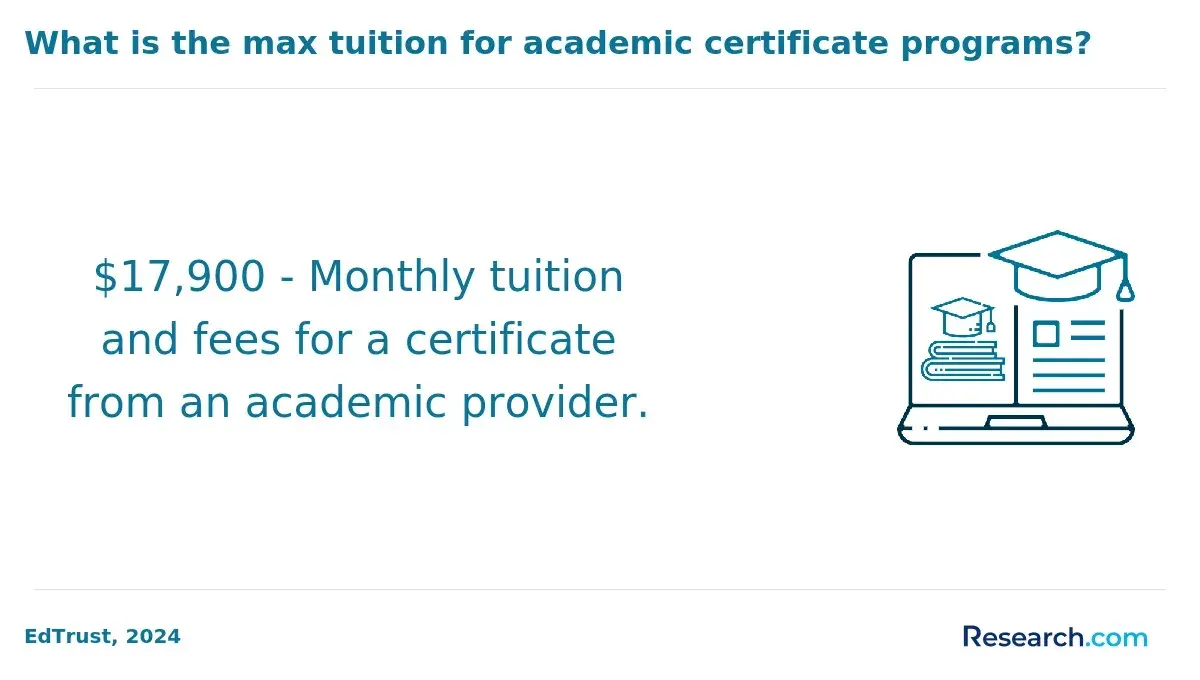
A nursing education master's degree serves as a strategic credential for career changers by bridging clinical expertise and pedagogical skills, but its effectiveness depends heavily on the individual's background and labor-market positioning. For healthcare professionals seeking roles in faculty, staff development, or curriculum design, this degree formalizes a valued blend of subject-matter expertise and instructional capability. However, transitioning from unrelated industries often requires supplementing the degree with practical experience or certifications, since many employers mandate clinical familiarity or state-specific teaching licenses. That said, many employers recognize the degree as a meaningful investment in educational competence, particularly when combined with practicum experiences that build networks and applied teaching skills. Tuition for nursing education master's programs with rolling admissions typically falls between $13,000 and $27,000, reflecting a moderate cost that demands strategic weighting against potential income resets and time commitments during career shifts.
Career transitions supported by nursing education master's degrees vary based on specialization, licensing requirements, and demand across healthcare systems. Individuals moving from clinical nursing into administrative or education-focused roles can overcome experience gaps by gaining leadership, educational assessment, and evidence-based teaching methodologies through their programs. A practical tradeoff involves often accepting lower initial salaries in education compared to clinical roles, as well as navigating credential competition in tightly regulated sectors. Internship or practicum components are central to improving employability, as hands-on teaching experience demonstrates competence beyond academic achievement. For those exploring adjacent or corporate health education roles, the degree can enhance credibility and open doors to leadership or technical positions. Professionals evaluating career change opportunities with a nursing education master's degree should carefully consider how transferable expertise, industry accessibility, and network opportunities interplay with their long-term mobility within or beyond traditional nursing education paths. Additionally, individuals interested in healthcare leadership might also explore complementary credentials like an MBA healthcare to broaden managerial prospects.
Employer Confidence in Online vs. In-Person Degree Skills, Global 2024

What Leadership and Management Roles Can You Pursue With a Nursing Education Master's Degree?
A master's degree in nursing education positions graduates to assume leadership and management roles that require both strategic oversight and operational accountability, which often extend beyond clinical or instructional duties. For example, those entering academic administration might supervise curriculum design and accreditation processes while balancing faculty needs and budget constraints. In healthcare organizations, leadership roles frequently involve coordinating continuing education efforts for clinical staff, aligning training with evolving regulatory standards and patient safety goals. These responsibilities necessitate strong skills in regulatory compliance, interdisciplinary collaboration, and resource allocation, differentiating leadership paths between educational institutions and healthcare providers.
Advancement trajectories vary considerably depending on organizational size, sector, and specialization. Early management roles might emphasize staff supervision and scheduling, but mid- and senior-level positions demand proficiency in cross-departmental initiatives, financial stewardship, and stakeholder engagement. Many employers link higher compensation and promotion eligibility to demonstrated leadership effectiveness in both operational management and strategic planning. However, this can present tradeoffs as professionals weigh the loss of direct clinical involvement against greater administrative responsibility and accountability. Notably, the 2024 Healthcare Workforce Report highlights an increased demand for nurse educators who combine clinical expertise with leadership capabilities, underscoring the career value of a nursing education master's degree in emerging leadership roles.
One graduate recalls the unpredictability of applying through rolling admissions, balancing the urgency of advancing her career with the pressure of incomplete application materials. She hesitated to submit until she had obtained updated clinical certifications, fearing delays might cost her a timely review. Ultimately, her careful preparation paid off, as securing admission mid-cycle allowed her to start leadership coursework aligned with a job promotion timeline, illustrating the importance of strategic decision-making during the admissions process in managing career transitions.
What Skills Do Employers Expect From Graduates With a Nursing Education Master's Degree?
Employers commissioning graduates with a nursing education master's degree prioritize a nuanced blend of technical, analytical, leadership, interpersonal, and operational skills directly relevant to healthcare education settings. Mastery of digital learning platforms, electronic health record integration, and simulation technologies is essential not only for curriculum delivery but also for compliance with increasingly stringent accreditation standards. For example, a graduate managing a clinical education program must balance the demands of data-tracking student outcomes with evolving healthcare regulations, underscoring the value of technical fluency combined with operational expertise in scheduling and quality assurance. Analytical abilities extend beyond data interpretation to include program evaluation and curriculum effectiveness, equipping graduates to refine training approaches that align with shifts in clinical practice and educational best practices.
Leadership expectations vary across healthcare systems, academic institutions, and certification agencies, each emphasizing different competencies from strategic planning and fiscal oversight to faculty team management. Interpersonal skills, especially in mentorship and conflict resolution, critically impact collaborative environments and student success, affecting retention and institutional reputation. Salary data from 2024 indicates that professionals in these roles often command a 10-15% premium over comparable nursing positions without education specialization, reflecting the value placed on their ability to integrate educational innovation with compliance and operational efficiency. Graduates who fail to demonstrate these multi-faceted skills risk stagnation in non-leadership roles or limited access to senior positions, particularly as digital transformation and regulatory complexity heighten demands on clinical education programs.
Are Remote and Flexible Careers Available With a Nursing Education Master's Degree?
Remote and flexible careers in nursing education master's degree fields are distinctly shaped by the nature of the role and employer expectations, rather than by broad industry trends. Academic and research-oriented nursing educators, particularly those focused on curriculum development or program administration, often find greater eligibility for remote or hybrid work due to the reliance on digital content delivery and virtual collaboration tools. Conversely, clinical instructors and simulation coordinators must maintain regular on-site presence to ensure compliance with hands-on training requirements, limiting their flexibility. Hybrid roles blend these demands, requiring professionals like nursing education managers to balance remote policy work with periodic in-person audits or staff training, creating a nuanced tradeoff between autonomy and collaboration effectiveness.
Such differentiated access to remote work affects workforce dynamics and compensation, as geographic salary variations persist even among virtual roles. Entry-level professionals typically face more onsite constraints while mid-career specialists may leverage experience for contract-based or flexible positions, though these opportunities are competitive and often hinge on employer comfort with oversight and digital security standards. Enrollment data from 2024 indicates a growing share of nursing education programs incorporating flexible learning models, reflecting rising demand for 3-year accelerated PharmD programs as a parallel example of compressed, adaptable healthcare education. Professionals considering a nursing education master's degree should weigh these operational realities alongside their long-term career goals and preferred work-life balance frameworks.
What Certifications or Licenses Complement a Nursing Education Master's Degree?
Licensure and certifications serve distinct but complementary roles in shaping career outcomes for nursing education master's graduates. A registered nurse (RN) license remains a non-negotiable baseline due to regulatory requirements, especially in clinical and academic instruction settings where direct oversight of patient care or simulation-based training occurs. However, beyond licensure, certifications such as the Certified Nurse Educator (CNE) represent industry-preferred credentials that are technically optional but increasingly influential in academic hiring, promotion, and tenure decisions. These certifications validate specialized pedagogical expertise, making candidates more competitive in faculty roles and leadership positions within nursing program administration. Employers in academia and healthcare often weigh these credentials as markers of professional credibility and teaching effectiveness, reflecting compliance with evolving standards in education quality and regulatory oversight. This dynamic shapes workforce pathways and salary differentiation, as those holding relevant certifications typically access a broader array of opportunities and compensation scales.
In clinical education sectors or simulation instruction roles, targeted certifications tied to specialties like wound care or critical care further distinguish nurses, enabling them to fill niche teaching positions that command higher pay and professional recognition. Not all sectors value credentials equally, which creates strategic decisions for professionals balancing the time and cost of certification maintenance against tangible career benefits. For instance, early-career graduates may prioritize certifications that simultaneously establish clinical authority and teaching credentials, smoothing the transition into faculty roles, while mid-career professionals often pursue advanced credentials to signal leadership readiness and specialized expertise. The complex landscape surrounding certification and regulatory compliance within advanced nursing education programs, including relevant advanced nursing education license requirements in the United States, distinguishes qualified educators and impacts employability. For those exploring complementary credentials or alternative pathways, resources like a fast track ABA masters online program offer accelerated options that can intersect with broader education portfolios in healthcare training environments.
What Graduates Say About Career Opportunities With a Nursing Education Master's Degree
- Lawrence: "Balancing a full-time job while pursuing my master's in nursing education was a major challenge, but I chose this program because it offered evening classes that fit my schedule. The real turning point came during my final internship, which allowed me to build a practical portfolio that employers valued more than just licensure alone. Now, I'm working in a clinical training role, though I quickly learned that without additional certifications, salary growth is somewhat limited."
- Hazel: "After considering a complete career change from bedside nursing, the flexibility of a remote nursing education master's program was crucial since I needed to maintain family commitments. I decided on this program because it emphasized internships and hands-on experience, which helped me secure a teaching assistantship early on. However, I noticed that some employers still prioritize people with extensive clinical experience over academic credentials, so I'm supplementing my degree with certification courses."
- Cameron: "Time and financial constraints meant I had to be very selective about my nursing education master's program, ultimately choosing one with a focus on innovative teaching strategies and workforce readiness. The decision paid off when my application stood out due to a portfolio developed through project-based assignments and clinical simulations. Still, the practical reality is that competing for high-level educator roles can be tough without licensure, prompting me to plan a phased approach toward full credentialing while working in adjunct faculty positions."
Other Things You Should Know About Nursing Education Degrees
While the degree itself is important, employer expectations often include preference for candidates from well-known or regionally respected programs with strong clinical and educational partnerships. Graduates from lesser-known schools may need to demonstrate additional practical experience or pursue supplementary certifications to be competitive. Prioritize programs that provide robust practicum placements and connections with academic institutions or health systems to enhance real-world teaching experience and hiring prospects.
Specializing in areas like simulation training, curriculum development, or interprofessional education can differentiate you but may narrow your job opportunities to institutions valuing those skills. Broad-based programs offer flexibility to work in various settings but may leave you competing with candidates who hold targeted competencies employers increasingly seek. A balanced approach is often best: choose a program that allows elective specialization while ensuring a comprehensive foundation in teaching methodologies and adult learning theory.
The quality and quantity of supervised teaching practicums significantly affect your preparedness and confidence as a nurse educator. Programs that incorporate diverse clinical settings and involve mentorship by seasoned faculty tend to produce graduates who transition more smoothly into academic roles. When evaluating programs, prioritize those with defined practicum components embedded in real educational environments rather than purely theoretical or simulated assignments to maximize employer readiness and skill development.
References
No references available.