2027 What Is a Nursing Education Master's Degree? Definition, Curriculum & Career Paths

Co-Founder and Chief Data Scientist
Healthcare institutions face persistent challenges in effectively preparing nurses for increasingly complex clinical environments. A nursing education master's degree addresses this by equipping professionals with pedagogical expertise tailored to health sciences, bridging gaps between clinical practice and instructional methodologies.
The role of nurse educators has expanded due to evolving accreditation standards and rising demands for evidence-based teaching strategies, as highlighted by the 2024 National League for Nursing report. This shift underscores the need for specialized graduate training focused on curriculum design, assessment, and leadership within academic or clinical settings. This article examines the nature of nursing education graduate programs, their core coursework, and potential career trajectories.
Key Benefits of Nursing Education Master's Degree
- Advanced pedagogical training in nursing education enhances curriculum design but often requires balancing clinical practice hours, impacting timelines for seasoned clinicians transitioning into academia.
- Employers increasingly value nurse educators with master's degrees for integrating evidence-based teaching, reflecting a shift toward measurable student outcomes and institutional accreditation demands.
- Data from 2024 indicate rising tuition and extended program durations pose financial and scheduling challenges, influencing candidate decisions on enrollment and workforce reentry timelines.
Who Should Pursue a Nursing Education Master's Degree?
Graduate education delivers the greatest strategic benefit when aligned with a well-defined professional goal rather than pursued as a default progression after a bachelor's degree. The decision to pursue a nursing education master's degree hinges on clear career objectives, existing skill gaps, employer demands, and the nature of targeted advancement opportunities.
Understanding how this specialized degree fits within one's broader trajectory helps ensure that the time and financial investment yield meaningful returns in employability and professional influence.
- Registered Nurses Transitioning to Educator Roles: Nurses with several years of clinical experience seeking to shift into academic or clinical teaching positions often find this degree particularly valuable. It equips them with pedagogical expertise and curriculum design skills necessary to translate clinical knowledge into effective instruction, addressing challenges like student engagement and regulatory requirements.
- Healthcare Education Leaders and Program Developers: Professionals aiming to lead staff development, continuing education, or workforce training programs benefit from the degree's focus on adult learning theory and program evaluation. These competencies are essential to remain current in rapidly evolving healthcare environments and to ensure educational initiatives meet accreditation and institutional standards.
- Career Changers Pivoting from Clinical Practice to Academia: Nurses motivated by a passion for teaching or nursing curriculum innovation can use the master's coursework as a bridge from bedside care to academic settings. The degree supports both the development of educational theory expertise and deeper insight into instructional design, helping to navigate the complex balance between teaching, research, and administrative responsibilities.
- Clinical Training Coordinators and Continuing Education Facilitators: Those already involved in clinical training or certification roles may pursue this degree to formalize and expand their instructional skill set, thereby enhancing program quality and professional stature within healthcare education networks.
- Early-Career Nurses Targeting Specialization in Nursing Education: New graduates seeking to differentiate themselves in competitive academic job markets or specialized training roles can leverage this degree to demonstrate advanced mastery of educational technologies and assessment methodologies. This specialization meets growing demand highlighted by a 15% projected growth in nursing instructors and teachers reported by the U.S. Bureau of Labor Statistics in 2024.
For those uncertain about the path from a nursing education master's degree to doctoral studies or other advanced credentials, exploring options like the MSN to DNP programs online may provide additional clarity on long-term career planning and degree stackability.
What Are the Core Courses in a Nursing Education Master's Curriculum?
Core courses in a nursing education master's program establish the essential knowledge and skills required to function effectively in diverse teaching and leadership roles within nursing. While course titles and structures vary by institution, most programs emphasize subject areas that develop both clinical credibility and pedagogical expertise, ensuring graduates can navigate academic and practice-based settings.
These foundational courses prepare students to address complex educational challenges and align nursing instruction with evolving workforce demands.
- Advanced Health Assessment: This course sharpens clinical evaluation skills and ensures nurse educators remain current with evidence-based practice. It underpins credibility in academic and clinical teaching roles, as employers prioritize faculty who can integrate real-world patient care insights with instructional responsibilities.
- Curriculum Development and Instructional Strategies: Students engage with adult learning theories and technology-enhanced teaching methods here. The course fosters the ability to design responsive, flexible curricula and lesson plans that accommodate diverse learning styles and shifting healthcare education standards.
- Evaluation and Measurement: Focused on assessment design, this course trains students in creating reliable tools to gauge learner outcomes. Mastery in formative and summative evaluations directly impacts patient safety by ensuring incoming nurses meet competency benchmarks, a priority cited by accrediting bodies and employers alike.
- Leadership in Nursing Education: This area covers skills essential for faculty governance, policy interpretation, and interprofessional collaboration. It equips graduates to act as change agents capable of influencing curriculum reforms and institutional improvements, a role increasingly valued in a competitive academic labor market.
The common thread across these courses is the dual emphasis on maintaining clinical expertise while cultivating advanced educational methodologies. This balance reflects shifting employer requirements, where nurse educators must be adept at both mentoring staff and innovating teaching practices.
According to recent data from the National League for Nursing, demand for nurse educators is growing faster than many other nursing roles, highlighting the importance of these competencies at entry-level and beyond.
One recent graduate recalled the uncertainty of waiting for program admission decisions amid rolling admissions deadlines. They had prepared extensively for the advanced health assessment prerequisites but hesitated to accept a preliminary offer due to pending funding questions. This delay caused a stressful overlap with clinical employment commitments, ultimately resolved only after repeated follow-ups and clarifications with the admissions office.
Their experience underscores how prospective students must navigate timing challenges and strategic planning before starting these rigorous core courses.

What Specializations Are Available in Nursing Education Master's Programs?
Master's programs in nursing education commonly offer multiple specialization paths to help students target their studies toward distinct professional roles. While foundational coursework builds core pedagogical and clinical knowledge, specialization tracks provide a focused lens through which students develop specific competencies, aligning their skills with labor market expectations.
This differentiation is critical given that nearly 60% of nurse educator job openings increasingly seek candidates with specialized expertise, according to the 2024 National Center for Health Workforce Analysis.
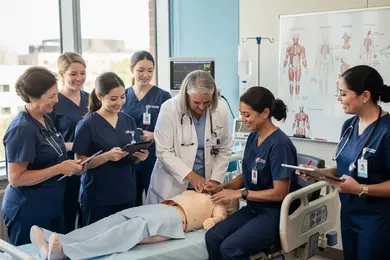
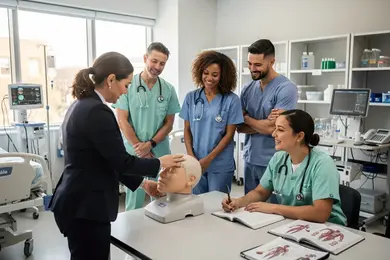
- Clinical Nursing Education: This track emphasizes teaching methodologies designed for clinical environments, sharpening students' capabilities to instruct nursing skills at bedside or simulation labs. Graduates typically find roles in hospitals or health systems where direct supervision of learners and competency-based training frameworks are paramount, maintaining strong clinical ties while advancing their educational skills.
- Curriculum Development and Instructional Design: Focused on the theory and practice of constructing nursing education programs, this specialization equips graduates to design, evaluate, and refine curricula that meet accreditation and evolving pedagogic standards. Careers often lead to academic administration or educational consulting, where influencing program quality and compliance is a core responsibility.
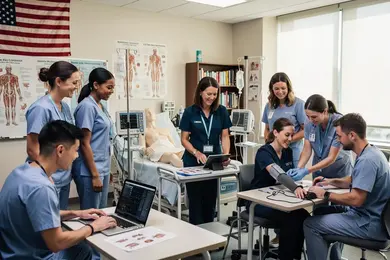
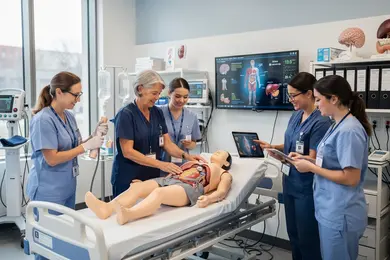
- Simulation and Technology in Nursing Education: Students learn to integrate advanced simulation tools and digital resources into nursing instruction, supporting experiential learning without patient risk. Increasing adoption of virtual and augmented reality in healthcare training means specialists in this area command unique technical proficiency, which can differentiate them in academic and clinical education markets.
- Leadership and Administration in Nursing Education: Preparing nurse educators for policy development, faculty management, and organizational leadership, this pathway targets graduates aspiring to institutional leadership roles. These positions involve strategic decision-making and often prioritize administrative skills over direct teaching, appealing to those interested in shaping education delivery systems at a macro level.
- Specialized Population Education: Addressing the needs of particular patient groups such as pediatrics, gerontology, or mental health, this track fosters expertise in tailoring educational content for specialized clinical care areas. Specialists in this stream typically work in settings that require deeply contextualized teaching approaches, enhancing their marketability within niche healthcare domains.
The choice of specialization profoundly influences one's employability and career trajectory by defining the specific expertise a graduate brings to the workforce. Employers, especially in academic and healthcare sectors, increasingly expect nurse educators to combine clinical understanding with pedagogical proficiency aligned to their specialization.
Balancing these demands alongside continuing certification requirements is essential for maintaining relevancy, particularly in technically oriented tracks such as simulation technology.
How Long Does It Take to Complete a Nursing Education Master's Degree?
Completing a nursing education master's degree typically requires between 18 and 24 months for full-time students, aligning with the average duration of nursing education master's programs in the United States.
Part-time enrollment, common among working professionals balancing employment and family obligations, generally extends this timeframe to two or three years. These distinctions reflect not only course load differences but also student availability and program responsiveness to diverse learner needs.
Recent figures from the American Association of Colleges of Nursing (2024) confirm that most full-time candidates finish close to the two-year mark, illustrating a relatively consistent standard across accredited programs.
The variability in completion time stems from several interconnected factors. Program design plays a significant role: curricula that incorporate rigorous clinical practicum, research theses, or capstone projects will typically demand additional semesters beyond coursework alone.
Delivery format also matters, with purely online or hybrid models offering flexible pacing options that can either condense or prolong study periods based on student choice. Enrollment status intersects with these elements, as individuals juggling professional responsibilities often opt for part-time study, consequently stretching their timeline.
Prior credits can further influence duration by enabling transfer or accelerated progression, but prerequisites and specific institutional requirements create variability in how quickly students can engage with master's-level content. Understanding these complexities is vital for prospective students assessing how long it realistically takes to complete a nursing education master's degree in their unique situations.
Many candidates strategically weigh their timelines against career objectives and personal circumstances, sometimes electing to extend study for financial reasons or to maximize experiential learning through internships and clinical engagements. Conversely, those targeting rapid workforce reentry might intensify their course loads or seek programs with streamlined curricula.
While faster completion appeals to some, the depth of specialized nursing education and leadership training typically acquired in these programs suggests that an extended timeframe may better accommodate thorough preparation for the expanding demands of academic and clinical teaching roles. For those exploring related pathways, resources like the cheapest RN to BSN online programs offer complementary options tuned to different professional timelines and goals.
Do Nursing Education Master's Programs Require Internships or Practicums?
Requirements for internships or practicums in nursing education master's programs differ significantly depending on the program's focus, institutional priorities, and alignment with professional accreditation standards. Some programs mandate clinical teaching practicums to meet licensing or certification guidelines, ensuring that graduates possess hands-on instructional experience before entering the workforce.
Others may offer these experiential components optionally or emphasize research, policy, or curriculum development over direct clinical education. This variation reflects the diverse pathways within nursing education-from practice-based preparation to academic scholarship-which shape how practical experiences integrate with theoretical coursework.
Experiential learning serves a critical role beyond fulfilling credit requirements; it allows students to translate pedagogical theories into practice within realistic healthcare education settings. Internships and practicums facilitate the development of communication skills, adaptability to evolving clinical protocols, and familiarity with digital teaching tools, all crucial for effectiveness in contemporary academic and clinical environments.
Additionally, these placements foster professional networking and signal to employers that candidates have demonstrated readiness to manage classroom and clinical education challenges. For many employers, verified practicum experience is a key differentiator when evaluating early-career nurse educators entering competitive markets.
One graduate recalled navigating admissions during a period of rolling deadlines, expressing relief when a practicum requirement was clarified late in the process. Initially uncertain about whether they needed to arrange clinical placements independently or if the program provided structured support, the delay in obtaining this information complicated decision-making.
Ultimately, once confirmed, the graduate strategically timed course registration to align with practicum availability-highlighting how practical components' timing and program communication can influence not only academic planning but also financial and professional readiness considerations.
What Skills Do Students Gain From a Nursing Education Master's Degree?
A nursing education master's degree cultivates advanced, specialized skills that extend significantly beyond undergraduate nursing knowledge. These competencies emerge through rigorous academic instruction, research projects, and practical assignments focused on real-world teaching challenges within healthcare contexts.
The integration of theoretical study with applied learning environments equips graduates to navigate complex educational roles that demand both clinical insight and pedagogical expertise. This blend of experience-informed skill development is a defining feature of nursing education master's degree skills development.
- Curriculum Design and Implementation: Graduate coursework emphasizes the creation of evidence-based curricula aligned with accreditation standards. Through assignments requiring the development of instructional modules and outcome assessments, students gain practical expertise in tailoring educational content to diverse learner needs. Employers prioritize this skill, as it directly impacts program quality and learner success, crucial for both academic institutions and clinical education settings. Over time, mastery in this area supports roles in program coordination and educational leadership.
- Leadership and Management: Nursing education programs integrate conflict resolution exercises, team-based projects, and administrative decision-making simulations to prepare graduates for faculty and coordinator roles. This skill set enables effective management within complex healthcare education ecosystems, where balancing institutional policies and learner needs is essential. Employers often evaluate leadership capacity through demonstrated experience in facilitating collaboration and driving educational initiatives, making it vital for sustained career growth in academic leadership.
- Research and Scholarship: Students engage with nursing education literature critically and undertake evidence-based research projects to contribute to nursing pedagogy advancements. This research competency is essential for adapting teaching practices to evolving healthcare trends and satisfies employer demand for educators who can integrate new knowledge into curriculum development. A strong foundation in scholarship enhances opportunities for specialization and participation in academic discourse over the long term.
- Communication and Advocacy: Effective teaching requires the ability to translate complex clinical concepts into clear, accessible language. Programs incorporate mentoring and advocacy assignments, fostering cultural competence and adaptability, which are increasingly important in diverse learning environments. Employers value these communication skills for improving learner engagement and for advocating institutional resources and policy development.
- Technology Integration: Proficiency in digital tools-from simulation technologies to online learning platforms-is cultivated through hands-on projects and the application of student performance analytics. This technical skill is increasingly indispensable amid shifts to hybrid and remote education formats. Employers assess technology integration capabilities as a marker of readiness to enhance teaching effectiveness and innovation.
These skills are fundamental within the scope of essential teaching competencies for nursing education graduates and reflect a growing demand across healthcare systems for educators who combine clinical insight with pedagogical mastery. Additionally, for prospective students interested in healthcare-related educational pathways, complementary opportunities exist, such as pursuing a medical assistant course online, which can expand employment options in clinical settings.
What Careers Can You Pursue With a Nursing Education Master's Degree?
A master's degree in nursing education provides access to a spectrum of specialized roles that blend clinical expertise with pedagogical skills. Career outcomes hinge on factors such as the chosen focus within the field, the depth of skill acquisition-ranging from curriculum design to assessment strategies-and prior clinical or academic experience.
Labor market demand, particularly amid ongoing faculty shortages and healthcare training needs, further influences professional opportunities and advancement.
- Nurse Educator in Academic Settings: This role centers on developing and delivering nursing curricula at colleges or universities, requiring mastery of instructional design and evidence-based teaching techniques. Graduates apply graduate-level nursing education skills to prepare the future nursing workforce, often engaging in scholarly research to improve educational outcomes. Growth prospects typically involve ascending to leadership or administrative positions within educational institutions.
- Clinical Nurse Educator or Staff Development Specialist: Professionals in this capacity serve healthcare organizations by coordinating hands-on training and continuous professional development programs, ensuring staff proficiency and compliance with evolving clinical standards. A nursing education master's equips these educators to translate complex medical protocols into effective learning interventions, a role with increasing relevance given rapid technological changes in healthcare.
- Curriculum Developer for Nursing Programs: Focused on creating, revising, and evaluating coursework and training materials, curriculum developers leverage advanced pedagogical knowledge to align program content with accreditation standards and workforce requirements. Many work within academic or regulatory environments, where their expertise drives program quality and responsiveness to healthcare trends.
- Healthcare Training Coordinator or Administrator: These roles involve managing educational initiatives within hospitals, clinics, or larger healthcare systems, balancing administrative responsibilities with clinical training oversight. Master's-level education enhances competencies in program evaluation, resource management, and strategic planning, which are essential for sustaining effective staff development operations.
- Researcher in Nursing Education Methodologies: Engaging in studies that assess and innovate teaching practices, researchers contribute to the evidence base underpinning nurse training. Employment often spans universities, think tanks, or policy organizations, where analytical skills developed in graduate programs support career growth in academic or applied research leadership.
How Much Can You Earn With a Nursing Education Master's Degree?
Earning potential for graduates with a nursing education master's degree varies significantly depending on how graduates apply their expertise across different industries and roles. This variation reflects the diverse settings where such qualifications are valued, including academic institutions, healthcare facilities, and corporate training environments.
Rather than a fixed salary expectation, compensation aligns closely with the level of responsibility, scope of influence, and the nature of the employer. For example, nurse educators at universities typically earn more than those working in smaller clinical or community settings, highlighting how organizational scale and mission impact pay.
Key drivers influencing compensation include the industry's financial health, the degree of specialization within nursing education, and the balance between technical skills and leadership competencies. Positions requiring advanced curriculum design, digital learning integration, or program administration tend to attract higher salaries due to increased demand for expertise supporting workforce development amid healthcare's digital transition.
Additionally, employers in urban regions or high-cost states often offer elevated wages to remain competitive, reflecting geographic labor market disparities. Skill scarcity in specialized fields, such as simulation-based instruction or interdisciplinary collaboration, further enhances earning capacity.
Long-term earnings progression typically depends on initial role placement, accumulated experience, and specialization trajectory. Early-career nurse educators who expand into administrative or policy-influencing roles often see accelerated salary growth compared to those remaining in strictly instructional positions.
Ongoing professional development and acquiring additional certifications can open paths to executive-level educational leadership, which commands compensation surpassing standard clinical educator roles. Overall, salary trajectories reflect not just credentials but evolving responsibility, sector demand, and effective alignment with healthcare education's strategic priorities as reported by sources like the U.S. Bureau of Labor Statistics and industry data from 2024.
What Are the Disadvantages of Pursuing a Nursing Education Master's Degree?
While a nursing education master's degree offers specialized skills and access to roles in clinical education or healthcare administration, it carries several trade-offs that merit careful consideration. The degree demands a considerable time and financial investment, often extending over multiple years and potentially disrupting income streams, especially for working professionals.
The practical value and long-term benefits depend heavily on individual goals, the program's structure, and labor market conditions. Understanding the disadvantages of pursuing a nursing education master's degree can help candidates make balanced decisions aligned with their career expectations and financial situations.
- Opportunity Cost and Financial Strain - Graduate nursing education programs often require full- or part-time commitment for two or more years, limiting both time available for employment and earning potential. Without consistent employer tuition reimbursement, this can create significant financial pressure, affecting debt levels and overall return on investment.
- Niche Job Market With Moderate Growth - Nursing education roles are less abundant than direct clinical positions, reflecting a specialized and competitive segment of the healthcare workforce. According to 2024 labor market analyses, growth in nursing education jobs remains moderate, which may limit job availability and mobility for graduates seeking academic or institutional training roles.
- Salary Disparities Compared to Clinical Roles - Salaries for nursing educators tend to lag behind those in clinical nursing specialties, particularly advanced practice roles. This wage gap, combined with the costs of student loan repayment, can diminish the financial advantages expected from transitioning to teaching-focused careers.
- Ongoing Credentialing and Skill Adaptation - Beyond earning a master's degree, maintaining a career in nursing education typically requires continuous professional development, including new certifications and curriculum development expertise. The shift away from direct patient care to education entails acquiring different competencies, which may not align with every nurse's professional preferences.
- Variability in Program Quality and Outcomes - The diversity across nursing education programs in curriculum focus and accreditation impacts graduate employability and educational effectiveness. Navigating this variability can complicate career planning and affect long-term professional success.
For prospective students evaluating the challenges of a nursing education master's degree program, comparing these factors against career goals is essential. Additionally, understanding related workforce segments, such as health information management salary entry-level positions, can provide broader context on potential financial and professional trajectories in healthcare education and administration roles.
This comprehensive perspective supports informed choice-making grounded in realistic expectations and labor market data.
How Should Students Compare Nursing Education Master's Programs?
Not all nursing education master's programs deliver equivalent value or career outcomes despite often sharing similar titles. Prospective students should evaluate programs based on how well they align with their specific career goals, the design and depth of curriculum, faculty expertise, opportunities for applied learning, and connections with healthcare employers. A rigorous comparison framework can clarify meaningful distinctions that impact employability and long-term professional success.
- Accreditation and Quality Assurance: Accreditation by bodies like the CCNE or ACEN ensures programs meet established standards, which employers recognize. Students should prioritize accredited programs to avoid coursework that may not transfer or be respected, impacting career mobility and licensure prospects.
- Curriculum Structure and Experiential Learning: Programs combining robust theoretical foundations with practical teaching experiences-such as clinical instruction or simulation labs-better prepare graduates for dynamic educational roles. Depth and relevance of content, including integration of current pedagogical technologies, differentiate programs in readiness for evolving workforce demands.
- Labor Market Alignment and Network Connections: Despite steady growth in nurse educator roles per 2024 U.S. Bureau of Labor Statistics data, demand is competitive. Programs offering strong employer partnerships or residencies can provide a tangible hiring advantage and insight into regional employment trends.
- Flexibility and Delivery Format: Working professionals should assess scheduling options and online versus in-person formats to ensure program accessibility without compromising academic rigor. Flexibility influences completion rates and real-world applicability.
- Faculty Expertise and Research Engagement: Faculty active in nursing education research can provide mentorship and expose students to emerging challenges and innovations, enriching the learning experience and professional network.
- Graduate Outcomes and Financial Considerations: Evaluating certification pass rates, job placement statistics, and alumni career trajectories offers concrete measures of a program's effectiveness. Balancing tuition expenses against financial aid availability and return on investment is critical, as higher cost does not automatically translate to better results.
Systematic comparison using these factors enables prospective students to identify the best nursing education graduate programs for career goals while understanding real-world tradeoffs. For those exploring related fields, considerations similar to those guiding nursing education choices apply when researching options like the easiest SLP programs to get into.
What Graduates Say About Nursing Education Master's Degree
- Lawrence: "When I finished my nursing education master's degree, I quickly realized that having the degree alone wasn't enough to secure certain academic roles. Many employers I interviewed with emphasized the importance of a well-rounded portfolio, including teaching assistantships and clinical internships. It pushed me to seek diverse experiences during my studies to stand out, which shaped my career trajectory more than just coursework. Preparing for these expectations took additional time but ultimately gave me a more comprehensive skill set for educator positions."
- Yitzchok: "I approached my nursing education program knowing I wanted flexibility and a smoother transition into teaching. The online and part-time options allowed me to keep working in clinical roles while studying. After graduation, I found opportunities in remote education programs that other nurses without advanced degrees couldn't access. However, I noticed salary growth was somewhat limited in purely educational tracks unless I pursued additional licensure or certification. It's a trade-off between work-life balance and financial advancement, which I had to weigh carefully."
- Cameron: "Starting the nursing education master's program, I expected a linear path into academia, but reality was more nuanced. Post-graduation, competition for full-time faculty roles was steep, and many institutions preferred candidates with a PhD or prior teaching experience. I pivoted to curriculum development and simulation training within a hospital, which leveraged my new knowledge but wasn't the straightforward teaching role I envisioned. This experience underscored the importance of flexibility and being open to alternative career paths within education."
Other Things You Should Know About Nursing Education Degrees
In 2027, a Nursing Education Master's Degree program typically includes courses on educational theory, curriculum development, assessment strategies, and clinical practice. Students may engage in both classroom instruction and hands-on clinical experience to prepare for roles as nurse educators.
Employers often expect nurses with education master's degrees to possess specific competencies aligned with institutional needs, such as curriculum development or clinical teaching expertise. Prioritizing specializations that match regional workforce shortages or healthcare system priorities improves job placement odds.
Students should research potential employers' needs carefully to avoid investing in niche areas with limited demand, as mismatch may constrain practical career progression despite educational credentials.
Research-focused programs emphasize scholarly inquiry and may better suit those interested in academic careers or doctoral studies, but often involve heavier theoretical work and less immediate application.
Practice-oriented programs prioritize pedagogical techniques and clinical teaching skills, offering hands-on experience at the expense of deep academic research training. Prospective students should align their choice with long-term career goals-prioritize practice-oriented tracks if aiming for educator roles in clinical settings, while research tracks fit those targeting faculty or policy roles.
Career changers must weigh the intensive academic workload against existing professional and personal commitments, as nursing education master's programs often demand substantial reading, assignments, and practicum elements. Underestimating this can lead to delays or dropout, undermining initial career strategy.
It's advisable to select programs with structured support services and realistic pacing, ensuring the workload matches the student's capacity to learn effectively while managing transitional challenges.
References
- Master's Education https://www.aacnnursing.org/students/nursing-education-pathways/masters-education
- Career Paths in MSN https://www.allnursingschools.com/msn/career-paths/
- Career Outlook for Nurse with MSN | Sacred Heart University https://onlineprograms.sacredheart.edu/programs/masters-nursing/nursing-education-specialization/what-is-the-career-outlook-for-a-nurse-with-an-msn/
- 10 Great Master's Degrees for Nurses in 2026 https://credenzahealth.com/career-advice/10-great-masters-degrees-for-nurses
- Nursing Education (MS) https://www.iona.edu/academics/explore-majors-programs/nursing-education-ms
- Comprehensive Guide to Nursing Education | NEIT https://www.neit.edu/blog/nursing-education-comprehensive-guide
- Online MSN Program https://www.chamberlain.edu/academics/nursing-school/master-of-science-in-nursing
- Master of Science in Nursing Education https://www.niagara.edu/programs/ms-ed-nursing-education/