2027 Remote Jobs You Can Get With an Environmental Science Master's Degree

Co-Founder and Chief Data Scientist
Consider a mid-career professional with a master's degree in environmental science seeking remote, flexible work that leverages their expertise without demanding constant travel or hybrid commitments. Despite growing interest in telecommuting, a 2024 survey from the Environmental Careers Organization reveals that only 28% of remote environmental science roles fully exclude fieldwork or on-site presence.
This signals a critical challenge: many employers still expect technical fluency, licensure, or periodic travel, limiting purely location-independent opportunities. Understanding which remote roles align with these realities can prevent costly detours.
This article explores realistic remote job options specifically attainable with an environmental science master's degree and highlights practical considerations for each.
Key Things to Know About Remote Jobs You Can Get With an Environmental Science Master's Degree
- Many remote environmental science roles emphasize data analysis and modeling, requiring proficiency in GIS and statistical software; lacking fieldwork limits some job types but broadens employer options in consulting and policy sectors.
- Recent 2024 surveys report 42% of environmental organizations offer remote roles only for analytical or reporting positions, indicating hybrid roles predominate and full remote work often excludes regulatory or compliance tasks.
- Master's programs focusing on remote-applicable technical skills reduce on-site training costs and time but may restrict early-career field experience, impacting long-term advancement in ecologically intensive specializations.
What Remote Jobs Can You Get With an Environmental Science Master's Degree?
Remote job opportunities available to graduates with a master's degree in environmental science are largely concentrated in analytical, advisory, and policy-driven capacities rather than hands-on field roles due to the intrinsic nature of environmental work. Employers increasingly seek candidates who demonstrate advanced technical proficiencies such as statistical software, environmental modeling, and virtual collaboration tools, which are skills critical for remote environmental consulting and data analysis.
For instance, remote environmental consultants often manage risk assessment and regulatory compliance through extensive data interpretation and client interaction conducted online, but these roles typically require candidates to accumulate several years of practical experience and sector-specific knowledge before remote positions are widely accessible. Navigating these expectations influences how graduates prioritize their early career choices, balancing initial on-site experience against eventual remote work flexibility.
Sector hiring patterns also reveal distinct remote-versus-hybrid divides that affect career planning for environmental science graduates. Recent workforce data from the National Association of Environmental Professionals emphasizes that about 60% of roles incorporating advanced data analytics and GIS functions now offer some form of remote arrangement, largely driven by widespread adoption of cloud computing and geographic information systems technology.
Conversely, policy advising roles, often found within government agencies or NGOs, demand strong written communication and regulatory expertise and tend to blend virtual and occasional in-person stakeholder engagement. Graduates exploring remote career opportunities for environmental science graduates should account for these variations, carefully matching their skill acquisition and job search strategies to industries and roles that realistically support off-site work.
Supplementing environmental science expertise with online courses in data analysis or policy evaluation can further optimize employability within these evolving remote career pathways.
Which Industries Hire Remote Professionals With an Environmental Science Master's Degree?
Remote employment opportunities for professionals holding a master's degree in environmental science are concentrated in sectors that balance data-driven tasks with occasional fieldwork or client engagement. Consulting firms have expanded remote roles by around 25% in recent years, capitalizing on project-based workflows centered on data modeling and environmental planning that often do not require physical presence.
Conversely, government agencies, while offering some remote flexibility, generally impose hybrid work expectations due to regulatory site visits and policy oversight demands, with only about 18% of relevant positions providing full or partial remote options according to a 2024 Environmental Careers Organization report.
Nonprofits and renewable energy companies prioritize remote hiring for research, grant management, and advocacy, but the variance in industry specialization influences how degrees are leveraged, the extent of remote work allowed, and the strategic value placed on advanced analytical or policy skills.
The choice of industry significantly affects not only the availability of remote roles but also long-term career trajectories for environmental science graduates. Positions within government or regulatory bodies may offer stability and gradual advancement but come with tighter constraints on remote flexibility, often requiring in-person compliance activities.
In contrast, renewable energy and consulting sectors tend to reward skills in sustainability analytics and digital collaboration with broader geographic mobility, though these may demand rapid adaptation to evolving client needs and tight project cycles. Nonprofits might emphasize communication expertise alongside scientific credentials, shaping remote work around outreach and virtual stakeholder engagement rather than purely technical functions.
These sector-specific nuances require prospective remote job seekers to evaluate how each setting aligns with their professional priorities and willingness to navigate tradeoffs between remote autonomy and field-based responsibilities.
A remote environmental science professional recounted navigating job applications across sectors and being struck by the differing expectations around remote work. While consulting roles allowed comprehensive remote arrangements, positions in government agencies often required hybrid schedules, which complicated logistics for someone seeking full flexibility.
The professional adjusted their applications accordingly, emphasizing data analysis skills and remote communication experience for consulting and nonprofit roles, while preparing to discuss onsite commitments for government openings. This process underscored that a master's degree alone does not uniformly translate to remote work eligibility; understanding industry-specific demands and tailoring one's profile accordingly proved essential to securing suitable positions.
What Are the Highest-Paying Remote Jobs for Environmental Science Master's Degree Graduates?
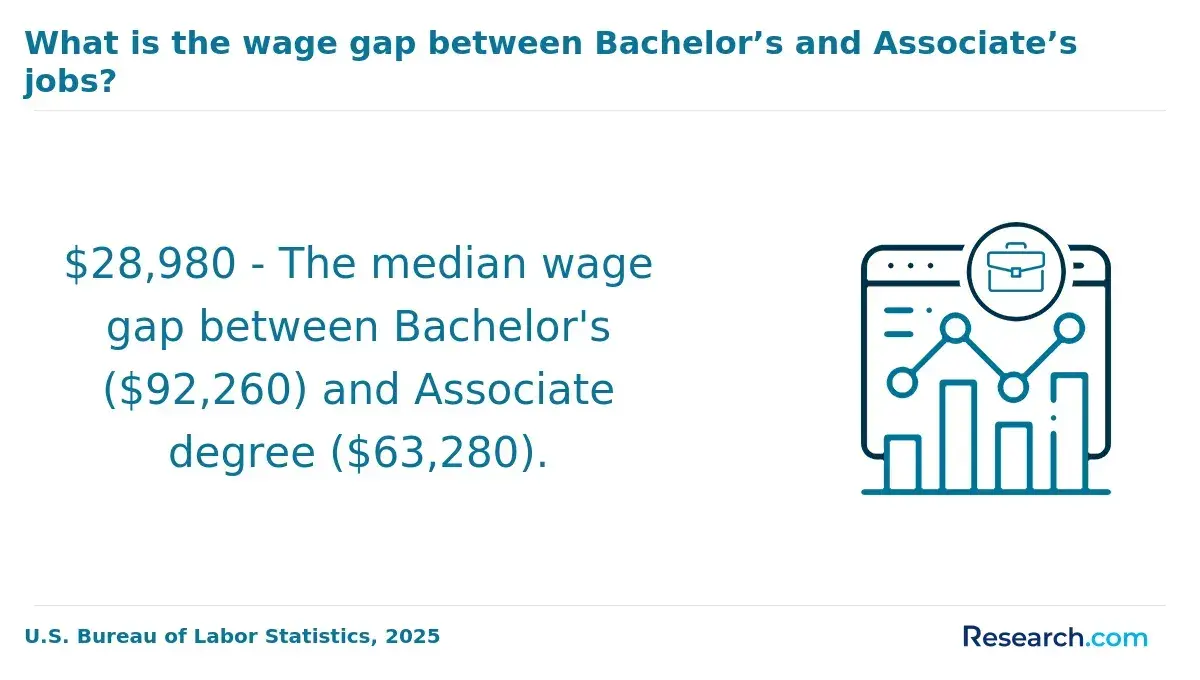
The highest-paying fully remote positions for graduates with a master's degree in Environmental Science typically require a blend of specialized skills, including data analytics, policy expertise, and technical proficiency in tools like GIS. Roles such as environmental consultants focusing on remote data interpretation, sustainability analysts managing corporate emissions reporting, and environmental data scientists stand out for their compensation potential.
However, many of these positions remain competitive due to their niche skill sets and the necessity of demonstrating advanced expertise beyond foundational degree requirements. For example, sustainability managers commanding the top remote salaries often combine environmental knowledge with leadership capabilities and cross-sector experience in energy or technology.
Fully remote opportunities are more attainable in desk-based functions like policy advisement and grant writing, where fieldwork and on-site responsibilities are minimal. Yet, the tradeoff is that many high-paying jobs with field inspection requirements often limit remote flexibility, underscoring the importance of evaluating whether hybrid or travel-heavy roles fit long-term career and lifestyle goals.
According to the U.S. Bureau of Labor Statistics 2024 data, the top 10% of environmental scientists and specialists earn significantly more than the median, illustrating how experience, credentialing, and industry sector deeply affect earning potential within remote settings. Employers increasingly expect candidates to integrate interdisciplinary skills, such as combining environmental science with business strategy or regulatory compliance, to meet evolving organizational demands and justify premium pay in remote roles.
Job seekers should also weigh credential requirements and the evolving labor market when targeting remote environmental science roles. While private sector positions tend to offer higher compensation, they often demand continuous skills updating and proficiency in emerging analytical software.
Government or nonprofit roles may be more stable but less likely to provide full remote flexibility or top-tier compensation. Navigating these variables requires strategic planning to secure remote positions that align with one's technical strengths, willingness to engage in client-facing work, and acceptance of the limited but increasing availability of fully remote opportunities within the environmental science labor market.
Can You Get a Remote Job With an Environmental Science Master's Degree and Little or No Experience?
Securing remote entry-level environmental science jobs with a master's degree but minimal direct experience often hinges on demonstrating applied skills beyond academic credentials. Many employers, according to the 2024 U.S. Bureau of Labor Statistics, favor candidates who supplement their degree with internships, portfolio projects, or practical exposure, as purely academic qualifications rarely suffice for remote roles that demand technical proficiency, such as data analysis or environmental reporting.
For instance, a recent graduate might find better opportunities by showcasing experience in GIS software or remote teamwork gained through volunteer consulting projects, which can offset the lack of full-time employment history.
Employers hiring remotely typically expect not only solid technical capabilities but also strong communication and project management skills, with certifications and knowledge of environmental compliance often serving as gatekeepers. A 2024 survey by the Environmental Workforce Alliance highlights that over 60% of remote employers prefer candidates possessing some form of applied experience, imposing realistic entry barriers for newcomers.
Career changers and recent graduates should therefore critically assess how skill-building opportunities, including internships or freelance work, align with role requirements and progression pathways in remote settings. Practical decision-making also involves understanding that licensing or state-specific certifications may restrict access to certain remote positions, underscoring the importance of targeted preparation.
Those exploring how to start a remote career with environmental science master's training may also consider complementary skill development or even areas adjacent to the field, such as construction management courses, to broaden remote employability prospects.
Identifying and developing niche competencies can enhance competitiveness, given that remote environmental roles often prioritize candidates who present quantifiable project outcomes or documented contributions to research or compliance efforts. This nuanced reality steers job seekers toward strategic experience acquisition rather than reliance on degree credentials alone.
What Skills Do Employers Look for in Remote Candidates With an Environmental Science Master's Degree?
Remote roles for candidates with a master's degree in environmental science require a nuanced skill set beyond core academic knowledge. Employers prioritize demonstrated proficiency in independent problem-solving and the capacity to manage multiple projects autonomously, as direct supervision is often limited.
Written communication skills are critical, replacing many in-person interactions with clear, concise reporting and documentation. Digital collaboration tools and data visualization platforms such as ArcGIS and R programming are frequently essential, with real-world evidence of applied expertise through portfolios, capstone projects, or certification standing out during hiring. Stakeholder management and professional judgment are similarly valued, as remote decision-making often lacks the immediate feedback common in onsite roles.
According to recent data from the U.S. Bureau of Labor Statistics, over 65% of environmental scientists cited technology fluency as a key factor in securing telecommuting opportunities in 2024.
Relying solely on a master's degree can obscure crucial gaps affecting remote readiness. Many candidates arrive with theoretical knowledge but limited hands-on experience using specialized software or asynchronous communication tools vital for virtual teamwork.
Employers often seek context-specific competence that aligns with regulatory environments and organizational needs, which a degree program may not fully address. Licensing or compliance requirements can further narrow viable opportunities, favoring those with relevant field experience.
Candidates who have not demonstrated clear project ownership or remote collaboration skills may face stiff competition from those with direct telework backgrounds, making it risky to assume the graduate credential alone signals hireability for location-independent roles.
One environmental science graduate recounted uncertainty during a remote job interview when asked about managing conflicting priorities without in-person oversight. Although confident in technical skills from their master's curriculum, they realized their practical experience coordinating digital workflows was less robust than expected.
The employer's scenario-based questions pressed for examples of sustained virtual collaboration and delivering results amid shifting deadlines. This candidate's eventual emphasis on a remote practicum project helped bridge the gap, illustrating adaptability and accountability essential to the hiring team.
The experience highlighted how demonstrating applied remote-work competencies often influences hiring decisions more than educational background alone.
How Can an Environmental Science Master's Degree Help You Qualify for Remote Leadership and Management Roles?
Holding a master's degree in environmental science can distinctly position professionals for remote leadership roles by blending technical expertise with critical soft skills needed to manage projects and teams across diverse locations.
Unlike traditional in-person supervision, effective remote management in this field demands strong capabilities in asynchronous communication, measurable outcomes, and digital collaboration—areas emphasized in graduate training through coursework on data analysis, policy development, and interdisciplinary coordination.
For example, a project lead overseeing environmental compliance for a multinational NGO must not only interpret complex regulations but also synchronize efforts of remote specialists and stakeholders, ensuring accountability without direct oversight.
Employers increasingly favor candidates with a proven ability to lead distributed teams, particularly those familiar with remote project management technologies and cross-functional decision-making under evolving environmental standards. This reality shapes hiring preferences for environmental science master's degree remote leadership roles, where balancing sustainability goals with regulatory compliance necessitates strategic judgment and nuanced communication.
Practical experience managing virtual teams can outweigh purely technical qualifications, underscoring the importance of internship or remote project components within graduate programs to prepare candidates for this complex dynamic.
Career-minded professionals should weigh the distinct advantage of advanced environmental science training against the need for targeted experience in remote management. To navigate this tradeoff, candidates often complement their degree with specialized skills, such as proficiency in digital collaboration tools.
Those exploring flexible options might benefit from online courses for stay at home moms, which can support continuous learning amid personal commitments. Ultimately, a master's degree in environmental science can serve as a meaningful credential for advancing into remote managerial or consultant roles, provided it is augmented by practical expertise in remote team coordination and compliance.
Can You Work as a Freelance Consultant With an Environmental Science Master's Degree?
Success as a freelance consultant with a master's degree in environmental science hinges on more than academic credentials.
It requires carefully navigating credibility, client trust, and the regulatory framework specific to the field. For example, a consultant providing remote sustainability assessments for municipal clients must demonstrate a portfolio of relevant projects and often secure certifications that substantiate expertise beyond the degree.
Without recognized credentials or documented experience, especially in areas like environmental audits or regulatory compliance, freelancers face limitations in scope and may be excluded from contracted work governed by state licensing requirements.
The independent consulting path also demands managing income volatility and proactive client acquisition, as nearly two-thirds of scientific freelancers report inconsistent earnings. Strategic specialization, such as focusing on environmental impact reports or policy advisories deliverable remotely, can mitigate risk but narrows market opportunities.
Consultants must also define clear service boundaries, distinguishing advisory roles from those requiring formal licensure, to avoid legal complications and maintain professional reputation. These practical considerations often make traditional employment or contract roles, with their predictable workflows and regulatory support, comparatively less precarious for many environmental science master's graduates.
Where Can You Find Legitimate Remote Jobs for Environmental Science Master's Degree Holders?
The landscape for remote jobs accessible to environmental science master's degree holders remains nuanced, with only about 25% of related roles offering partial or full remote work as reported by the U.S. Bureau of Labor Statistics in 2024. This means graduates must navigate a field where remote opportunities often coexist with site-dependent responsibilities like fieldwork or laboratory tasks.
Credible remote positions frequently emerge through industry-specific employers such as government agencies, nonprofit organizations, and consulting firms that have clear policies and well-established roles suitable for remote formats.
However, competition for these roles remains strong, requiring applicants to demonstrate relevant credentials and often pass vetting processes that verify not just degree qualifications but also compliance with licensure or geographic requirements where applicable.
Locating legitimate remote jobs often depends less on popular generic job boards and more on tapping into specialized recruiting channels, professional associations, and alumni networks that focus on environmental science careers. For example, candidates leveraging membership in associations like the Ecological Society of America or connecting through virtual forums and conferences gain access to positions that are vetted and targeted to advanced degree holders.
This approach mitigates exposure to vague "remote" job definitions and low-quality postings, which can dilute search efforts and hamper long-term career outcomes. Ultimately, employers' expectations for applied expertise and measurable impact mean that remote job seekers must balance flexibility with proven ability to deliver in roles increasingly integrated into broader sustainability and regulatory frameworks.
What is the Salary Potential for Remote Professionals with an Environmental Science Master's Degree?
Remote roles for professionals holding a master's degree in environmental science present varied salary potential shaped by the interplay of specialization, industry, and experience rather than offering uniformly high pay. According to the U.S. Bureau of Labor Statistics in 2024, environmental scientists earn a median wage near $79,000, yet master's degree holders frequently command between $80,000 and $110,000 depending on their niche and employer.
For example, an environmental policy analyst working remotely for a federal agency in a high-cost urban center may earn toward the upper range, reflecting employer adjustments for both credential relevance and regional economic conditions. This highlights how average earnings with a master's degree in environmental science remote jobs are contingent not only on degree attainment but also on market context and role-specific demands.
Experience significantly influences income, with those surpassing five years often moving into senior or managerial positions that exceed $100,000 annually. Employers in consulting, energy, and government contracting generally offer higher remote salaries compared to nonprofits or academia, underscoring the importance of aligning career trajectories with sectors offering substantial compensation for remote work.
Candidates should also account for credentialing requirements like Certified Environmental Scientist (CES), which can act as a wage multiplier in competitive markets. Practical job-seekers often weigh the tradeoff between fully remote status and geographic salary differentials, especially since many employers calibrate pay in response to cost-of-living disparities despite the work-from-anywhere model.
For those exploring flexible education, programs listed under the cheapest online environmental science degree options can offer accessible entry points, but understanding these salary dynamics is crucial for realistic expectation setting.
What is the Long-Term Career Outlook for Remote Jobs Requiring an Environmental Science Master's Degree?
The long-term viability of remote jobs requiring a master's degree in environmental science depends heavily on balancing technological advances with the persistent need for onsite expertise.
While remote work opportunities with a master's degree in environmental science have expanded due to better digital tools and widespread GIS software adoption, about 35% of employers offer hybrid or fully remote roles, reflecting ongoing constraints tied to fieldwork, laboratory access, and face-to-face stakeholder engagement.
This statistic underscores a critical workforce implication: environmental science professionals must navigate a mixed model where episodic in-person duties remain essential, limiting fully remote career paths but enhancing flexibility in job location.
Employers increasingly expect remote candidates to possess not only advanced scientific knowledge but also complementary skills like data science and environmental policy expertise to succeed in decentralized, interdisciplinary teams. The evolving regulatory landscape drives demand for professionals versed in compliance and sustainability standards, which influences who advances into leadership roles in remote or hybrid settings.
For those exploring long-term career prospects for remote environmental science jobs, realistic planning includes anticipating hybrid work dynamics and pursuing certifications and technical proficiencies that boost competitiveness in a field shaped by geographic and operational tradeoffs.
Graduate degree holders weighing remote roles must also consider regional environmental challenges that necessitate local presence and practical experience despite rising telecommuting trends. The field's future depends on hybrid adaptability and continuous skill acquisition rather than purely location-independent options.
Those seeking flexibility might also examine unconventional pathways intertwined with other disciplines, such as GIS or environmental policy. For wider context on flexible educational routes supporting career adaptability, see resources like the online Spanish bachelor degree for veterans.
What Do Graduates Say About Working Remotely With an Environmental Science Master's Degree?
- Veronica: "After completing my master's in environmental science, I quickly realized that tangible experience mattered more than licenses when applying for remote roles. Employers often looked for a solid portfolio demonstrating practical projects or internships. I focused on building that body of work, which ultimately helped me land a position where I could work flexibly, though I've noticed salary growth can plateau without further certifications."
- Casen: "Transitioning into a remote career with my environmental science degree wasn't as linear as I expected. While the program offered a strong foundation, I had to pivot towards data analysis to stay competitive. Most companies valued technical skills and certifications alongside the degree, so investing time in those was crucial. Overall, the flexibility of remote work has been a key advantage despite some trade-offs in traditional career advancement."
- Zuri: "The environmental science master's program prepared me well, but the hiring landscape reminded me that licensure isn't always the golden ticket for remote roles. Many employers prioritized candidates with hands-on experience or specialized certifications over formal credentials. I found myself strategically choosing internships and contract work early on, which eased the entry into the workforce and aligned better with my goal of maintaining location independence."
Other Things You Should Know About Environmental Science Degrees
Not all environmental science master's programs prepare students equally for remote work. Programs emphasizing practical data analysis, remote sensing, GIS skills, and independent project management tend to better develop competencies directly transferable to remote positions. When choosing a program, prioritize those with components like virtual lab work, real-world consulting projects, or independent research that mimic the self-directed nature of remote jobs. Without this, graduates may face a steeper learning curve adapting to remote workflows despite having a relevant degree.
Employers increasingly expect remote environmental scientists to excel in virtual communication tools and to proactively manage dispersed teamwork, which can be a significant adjustment for those new to remote roles. The ability to independently track project progress, share timely updates, and participate effectively in virtual meetings is often as critical as technical expertise. Early-career remote workers should therefore prioritize gaining familiarity with collaborative platforms and clear communication protocols to meet these expectations.
Given the competitive nature of remote environmental science positions, supplementing a master's degree with certifications in data analytics, GIS, or environmental compliance can meaningfully increase marketability. While not always necessary, targeted credentialing signals a practical skill set aligned with remote job demands and can differentiate candidates. Students should consider their target job's technical requirements and employer preferences before investing time and resources into additional credentials.
References
- Top 10 skills to highlight on your resume for Environment and Sustainability jobs https://www.isepjobs.org/article/top-10-skills-to-highlight-on-your-resume-for-environment-and-sustainability-jobs
- Greener Careers https://greenercareers.co.uk/blog/remote-environment-jobs-work-green-from-anywhere
- Remote Climate Jobs - Find remote environmental & sustainability jobs! https://www.remoteclimatejobs.com/
- 16 Innovative Environmental Science Careers https://www.collegeadvisor.com/resources/environmental-science-careers/
- Online Master's Degree: Environmental Management https://www.umgc.edu/online-degrees/masters/environmental-management
- How to Find Entry Level Jobs with an Environmental Science Degree https://facs.com/blog/how-to-find-entry-level-jobs-with-an-environmental-science-degree/