2027 Industries Hiring Graduates With an Environmental Science Degree

Co-Founder and Chief Data Scientist
Where can graduates with an environmental science degree find meaningful and stable employment? This common question arises amid a shifting labor market increasingly focused on sustainability and regulatory compliance. In fact, employment for environmental scientists is projected to grow 8% from 2022 to 2032, reflecting heightened demand across various sectors.
Jobs for environmental science degree holders extend beyond traditional roles, spanning industries such as government, consulting, renewable energy, and manufacturing. Understanding where graduates typically work can clarify career opportunities and pathways. This article explores the key industries hiring environmental science graduates, helping readers navigate current hiring trends and identify promising job prospects.
Key Benefits of Industries Hiring Graduates With a Environmental Science Degree
- Industries hiring graduates with an environmental science degree offer diverse career options, enabling employment flexibility across sectors such as government, private, and nonprofit organizations.
- Growing demand for environmental science skills supports long-term career growth, with the environmental consulting market expected to grow by over 10% annually through 2030.
- Working across varied industries helps graduates develop transferable skills, enhancing professional experience and adaptability in roles ranging from policy analysis to field research.
What Industries Have the Highest Demand for Environmental Science Majors?
Employer demand for environmental science majors varies significantly across multiple industries, reflecting growing priorities in sustainability, compliance, and natural resource management. A 12% increase in environmental science-related job postings across key sectors highlights the expanding opportunities for graduates in this field. Below are several industries with particularly strong demand for environmental science professionals.
- Government and Public Sector: This sector frequently hires environmental science graduates to assist with policy development, environmental monitoring, and regulatory compliance. Professionals in this field evaluate environmental risks and manage natural resources to ensure adherence to laws at various government levels.
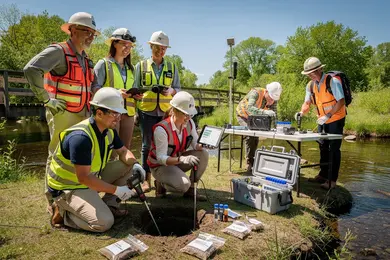
- Environmental Consulting Firms: These firms recruit environmental science experts to advise businesses and agencies on minimizing environmental impacts during projects such as construction and mining. Graduates contribute to environmental impact assessments, site evaluations, and remediation strategies.
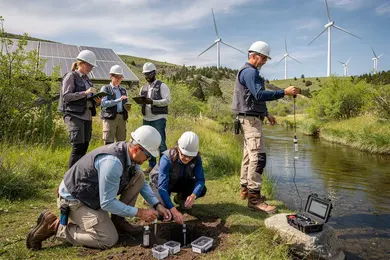
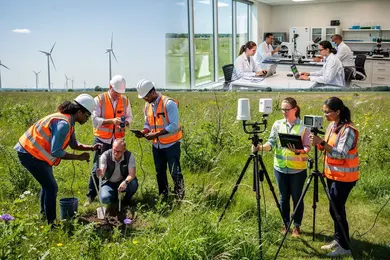
- Energy Sector: Especially within renewable energy companies, environmental science majors support the development of sustainable energy projects including wind, solar, and bioenergy. Their role involves assessing ecological impacts and ensuring compliance with environmental standards to advance clean energy initiatives.
- Manufacturing and Industrial Companies: Environmental science professionals help these companies manage pollution control, waste reduction, and resource conservation efforts. Their work enables industries to meet regulatory requirements while promoting corporate sustainability.
Prospective students looking to enhance their qualifications for these industries might explore the best online certificate programs that pay well and complement an environmental science degree.
Which Industries Have the Strongest Job Outlook for Environmental Science Graduates?
Job outlook for environmental science graduates is shaped by factors such as industry growth trends, workforce demand, and projected hiring needs. The U.S. Bureau of Labor Statistics projects employment in environmental science and protection roles to grow by about 8% from 2022 to 2032, which is faster than the average growth rate for all occupations. This growth reflects rising awareness of sustainability, climate change, and tightening environmental regulations. Several industries stand out for their strong demand for environmental science expertise.
- Renewable Energy: As the world transitions away from fossil fuels, solar, wind, and other renewable sectors require environmental scientists to evaluate ecological impacts and help comply with regulations. Growth in clean energy technologies drives steady workforce expansion.
- Environmental Consulting: Private consulting firms play a key role advising businesses and governments on environmental risk assessments, impact studies, and sustainability strategies. Increasing regulatory complexity fuels demand for these specialized services.
- Government Agencies: Federal, state, and local agencies employ environmental science professionals to enforce laws, manage natural resources, and craft policies addressing pollution and habitat protection. Government emphasis on climate action supports job growth in this sector.
- Water Resources Management: Rising concerns over water scarcity and contamination heighten the need for experts to protect water quality and oversee sustainable resource management. This sector's importance is growing alongside global environmental challenges.
What Entry-Level Jobs Are Available for Environmental Science Graduates?
Entry-level positions enable environmental science graduates to apply their academic knowledge while acquiring essential skills for their professional journey. About 20% of these graduates secure entry-level roles within their first year, highlighting the importance of foundational work experience. The following roles exemplify common starting points for those entering the environmental science field.
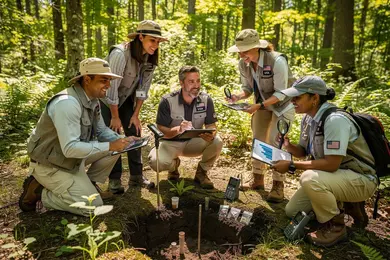
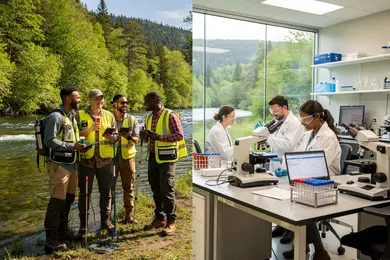
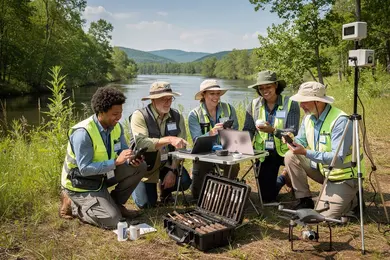
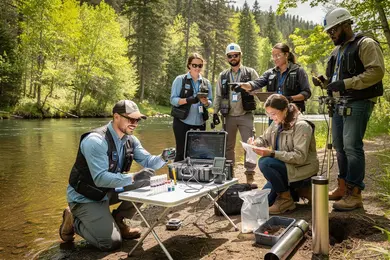
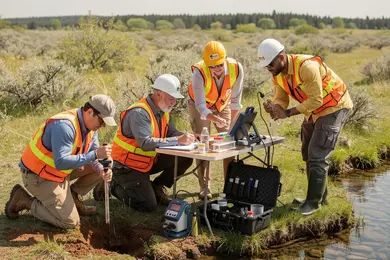
- Environmental Technician: This role involves assisting with sample collection in the field, performing laboratory tests, and documenting data to assess environmental conditions. It offers hands-on experience with monitoring equipment and regulatory procedures critical for future work in assessment or cleanup projects.
- Environmental Consultant Assistant: Graduates in this position support senior consultants by compiling environmental data, conducting site inspections, and helping prepare impact assessment reports. The role exposes graduates to project workflows and compliance requirements within consulting services.
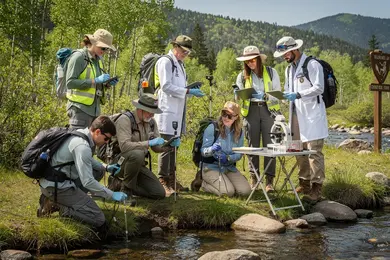
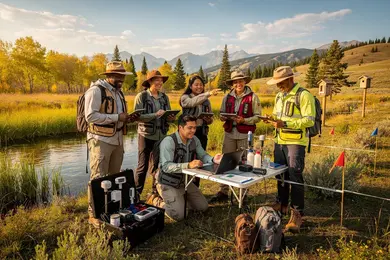
- Field Surveyor or Natural Resource Technician: These jobs require conducting surveys of ecosystems, including wildlife and vegetation, to support conservation planning. Participation in fieldwork builds expertise in ecological observation, habitat assessment, and data reporting.
- Regulatory Compliance Assistant: Individuals in this role help organizations meet environmental law requirements by reviewing permits, assisting with audits, and maintaining regulatory documentation, fostering knowledge of environmental governance and policy frameworks.
A graduate with an environmental science degree shared that starting out was both exciting and overwhelming. They recalled their first environmental technician job involved mastering complex sampling protocols while learning to navigate stringent regulations. "There were moments I felt unsure if I was doing everything correctly, but the hands-on experience was invaluable," they said. The supportive team environment helped ease the learning curve, and each project added confidence in their ability to contribute meaningfully to environmental protection efforts.
What Industries Are Easiest to Enter After Graduation?
Industries considered easy to enter generally have high volumes of entry-level hiring, accept a broad range of degrees, and require minimal specialized credentials. Recent labor statistics show that about 45% of employers in environmental-related fields prioritize candidates with versatile skills over extensive experience. The following sectors commonly offer accessible opportunities for environmental science graduates.
- Consulting Services: This sector demands adaptable graduates capable of supporting diverse projects involving research, data analysis, and environmental assessments. Consulting firms often value transferable skills, making it easier for recent graduates to contribute across multiple client needs.
- Government Agencies: Federal, state, and local governments routinely recruit for entry-level roles focused on compliance, monitoring, and policy support. These positions emphasize foundational knowledge and offer a welcoming environment for those eager to develop their expertise.
- Environmental Nonprofits: Organizations focused on sustainability and community engagement frequently seek passionate candidates without extensive prior experience. These roles often involve education, advocacy, and conservation work suitable for new graduates.
- Renewable Energy: Rapid industry growth drives demand for graduates to assist with project coordination and environmental evaluations. Employers in this field appreciate teamwork and analytical abilities, facilitating easier access for entry-level hires.
- Natural Resource Management: Fields like forestry and wildlife conservation generally accept new graduates for practical tasks such as fieldwork and resource planning. The hands-on nature of these roles reduces barriers for those entering the workforce.
What Industries Offer the Best Starting Salaries for Environmental Science Graduates?
Starting salaries for environmental science graduates vary significantly by industry, influenced by demand for specialized expertise, sector funding, and workforce shortages. Entry-level roles in certain fields can earn 10-20% more than the overall average for environmental science positions. Below are key industries offering the highest initial pay for those holding an environmental science degree.
- Oil and Gas: This sector typically offers the most lucrative starting salaries, ranging from $60,000 to $75,000 annually. The complexity of resource extraction and environmental management coupled with the industry's high revenue enables competitive compensation for entry-level professionals.
- Engineering and Environmental Consulting: Firms focused on environmental compliance, impact studies, and sustainable design pay between $55,000 and $70,000 at the entry level. The specialized technical skills demanded in these roles contribute to their above-average salaries.
- Government and Regulatory Agencies: Entry-level positions in federal and state environmental bodies usually offer starting salaries between $50,000 and $65,000. These roles often require technical enforcement of policies and environmental monitoring, rewarding expertise despite public sector salary perceptions.
- Renewable Energy: Growing emphasis on clean energy has led to starting wages of $55,000 to $70,000, driven by innovation and technical know-how in sustainability projects. This sector's rapid expansion fuels competitive pay rates for qualified graduates.
Graduates exploring these top-paying sectors can strategically position themselves for better compensation in environmental science careers. For those interested in accelerating their career path with flexible education options, consider pursuing an associates degree online to enhance your credentials in this competitive field.
Which Skills Do Industries Expect From Environmental Science Graduates?
Employer expectations for environmental science graduates can differ by sector, but most emphasize a blend of technical skills and practical workplace abilities. According to a recent industry survey, more than 70% of organizations prioritize strong data analysis and related competencies when hiring early-career environmental scientists. Below are key skills that consistently rank highly across various fields.
- Data Analysis: Precise interpretation of environmental data is vital for evidence-based recommendations. Graduates must confidently assess information from lab results, field observations, or geographic information systems to guide policy decisions and project planning.
- Technical Expertise: Proficiency with tools like GIS, remote sensing, and statistical software enables graduates to monitor and report environmental conditions accurately. These capabilities are essential for roles in consulting firms, government agencies, and research institutions.
- Effective Communication: Conveying scientific findings clearly to different stakeholders, including policymakers and community members, is crucial. Environmental science professionals need to produce concise reports and present information in ways that foster collaboration and informed action.
- Problem Solving: Innovative thinking to tackle complex environmental issues is highly valued. Graduates apply scientific principles creatively to develop practical solutions that address resource management, pollution reduction, and climate adaptation.
- Project Coordination: Managing timelines, resources, and teams ensures projects achieve their objectives within regulatory frameworks and budgets. Experience in this area helps graduates contribute efficiently to multidisciplinary efforts.
Reflecting on these expectations, a professional with a Environmental Science degree shared that early career challenges involved balancing technical detail with clear communication. "I realized quickly that understanding complex datasets wasn't enough," she explained. "I had to learn how to translate that information into actionable insights for non-expert colleagues and community stakeholders." She described the process as initially daunting but ultimately rewarding, helping her build confidence in navigating diverse team dynamics and enhancing environmental outcomes through collaboration.
Which Industries Require Certifications for Environmental Science Graduates?
Certifications are increasingly valued across multiple industries employing environmental science graduates, as they verify technical competence and adherence to regulatory requirements. Studies show that over 60% of environmental professionals hold at least one specialized credential, reflecting employer preferences for validated expertise. These credentials enhance trust and ensure compliance in roles critical to environmental protection and management. Below are some key industries where certifications are commonly expected or required.
- Environmental Consulting: Certifications in environmental site assessments, hazardous waste handling, and pollution control are vital due to the complex regulatory environment and client demands. These credentials demonstrate an ability to navigate compliance challenges and provide credible technical advice, improving employability and project leadership opportunities.
- Government Agencies: Professionals in regulatory and environmental protection departments often need certifications related to environmental compliance, risk analysis, and resource management. These credentials support consistent enforcement of laws designed to safeguard public health and natural ecosystems, bolstering a candidate's credibility in policymaking and oversight roles.
- Energy and Natural Resources: Certifications focusing on sustainable resource use, environmental impact mitigation, and occupational safety are preferred to align with legislation and industry best practices. Such qualifications signal a commitment to responsible development and enhance competitiveness in roles involving environmental assessment and safety management.
- Occupational Health and Safety: Given the potential hazards in environmental work, credentials in health and safety protocols are frequently required. They ensure understanding of workplace risks and regulatory compliance, which is critical for project and site management positions.
Which Industries Offer Remote, Hybrid, or Flexible Careers for Environmental Science Graduates?
Flexible and hybrid work arrangements have become a significant part of many industries, driven by advances in digital collaboration tools and changing workforce expectations. Recent data shows that nearly 60% of professionals now engage in some form of remote or hybrid work, illustrating a strong shift toward flexible employment. Several sectors commonly offer remote environmental science job opportunities, reflecting this growing trend.
- Consulting: Environmental consulting firms rely on client-driven projects that combine fieldwork with extensive data analysis and report writing. This project-based structure naturally supports hybrid schedules, enabling consultants to perform much research remotely while attending site visits as needed.
- Technology and Data Analysis: Companies specializing in environmental modeling, GIS, and remote sensing enable graduates to work predominantly online. Their reliance on digital data processing and cloud platforms facilitates fully remote roles or hybrid models coordinated through virtual teamwork.
- Nonprofit Organizations: Environmental nonprofits embrace distributed workflows for advocacy and research, often coordinating campaigns and policy research through virtual networks. This flexibility allows employees to engage with global stakeholders without fixed office hours or locations.
- Government Agencies: Federal, state, and local environmental departments increasingly enact hybrid and remote policies. While some on-site fieldwork remains essential, many administration and policy roles are adaptable to flexible scheduling aligned with project timelines.
For prospective students exploring career paths that enable balanced lifestyles, these industries highlight flexible and hybrid careers for environmental science graduates informed by evolving work norms. To explore educational options supporting such career goals, consider reviewing the best associates degrees to get.
What Industries Have the Strongest Promotion Opportunities?
Promotion opportunities for environmental science graduates often depend on industry growth, organizational structure, and the demand for experienced professionals. According to recent studies, about 70% of employees in expanding sectors report clear internal promotion pathways. Recognizing industries with the strongest promotion opportunities can guide graduates toward sustainable career advancement.
- Government And Public Sector: This industry offers structured career advancement through established civil service systems and leadership programs. Agencies at multiple levels focus on environmental regulation, providing well-defined paths for experienced professionals to move into supervisory and policy-influencing roles.
- Environmental Consulting Firms: Rapidly evolving environmental regulations and corporate sustainability initiatives fuel growth in consulting firms. Employees gain diverse project and client management experience, creating multiple avenues for promotion into senior consultancy and managerial positions.
- Renewable Energy Industry: As a fast-growing field prioritizing innovation, companies in solar, wind, and clean energy technologies emphasize scalable operations. This supports growth into leadership, technical, and environmental compliance roles, offering strong career advancement potential in environmental science sectors.
- Nonprofit And Advocacy Organizations: Mission-driven groups focused on environmental protection nurture leadership development. With ongoing campaign needs, skilled staff often advance into strategic and executive roles, fostering meaningful professional growth.
- Manufacturing And Industrial Sector: Firms increasing environmental compliance and sustainability efforts create internal training and career ladders. These pathways enable environmental science graduates to rise into oversight and leadership positions shaping corporate environmental strategies.
Exploring career advancement potential in environmental science sectors involves understanding these clear pathways in thriving industries. Prospective students may also consider complementary programs such as a hotel and restaurant management degree online to broaden interdisciplinary skills that enhance promotion opportunities.
How Do You Choose the Best Industry With a Environmental Science Degree?
Choosing the best industry with an environmental science degree involves considering several key factors including career interests, preferred work environment, long-term growth potential, and alignment with personal strengths. For example, industries that emphasize fieldwork may appeal to hands-on learners, while those centered on research suit analytical minds. The Bureau of Labor Statistics projects an 8% job growth for environmental scientists from 2022 to 2032, highlighting dynamic opportunities in certain sectors. Graduates should also assess how their passions intersect with industry demands to enhance job satisfaction and career longevity.
Comparing industries requires evaluating advancement opportunities, industry stability, workplace flexibility, and potential for professional development. Some sectors offer structured career paths but may face uncertainty due to policy shifts, while others provide quicker promotions with less job security. Researching technical skills and certifications required helps align choices with personal career goals. Networking and informational interviews, along with exploring programs such as ASHA approved SLP programs online, can offer insider insights and support informed decision-making about the environmental science degree job market and salary potential.
What Graduates Say About Industries Hiring Graduates With a Environmental Science Degree
- Louie: "Starting my career in environmental science opened doors to various industries, but I found that focusing on renewable energy gave me the best platform to grow. This field sharpened my analytical skills and taught me how to approach complex problems with sustainable solutions. Working in this industry feels rewarding because I can directly contribute to reducing environmental impact on a global scale."
- Zamir: "Reflecting on my journey, the environmental science industry provided invaluable opportunities for hands-on experience and networking. Early in my career, I realized how crucial adaptability and communication skills are, especially when interacting with policymakers and communities. This career path has not only developed my professional expertise but also deepened my commitment to driving meaningful environmental change."
- Matthew: "Entering the environmental science profession broadened my understanding of how diverse and interconnected the job market really is, from conservation to consulting firms. I quickly learned that problem-solving and critical thinking are essential skills nurtured on the job. Having a background in environmental science has profoundly shaped my career by allowing me to contribute to projects that balance human and ecological needs."
Other Things You Should Know About Environmental Science Degrees
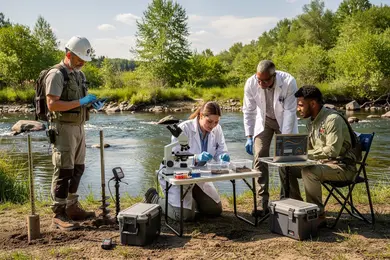
Fieldwork experience is highly regarded across industries that employ environmental science graduates, including conservation, environmental consulting, and resource management. Hands-on experience collecting data, conducting site assessments, and performing environmental monitoring builds practical skills that are critical to many roles. Employers tend to prefer candidates who demonstrate the ability to work in diverse outdoor settings and apply theoretical knowledge in real-world contexts.
Understanding environmental regulations is essential for graduates entering industries such as industrial manufacturing, government, and environmental compliance consulting. These sectors require adherence to laws designed to protect air, water, and land resources. Graduates who are familiar with regulatory frameworks can help organizations maintain legal compliance and reduce environmental risks, which adds significant value to employers' operations.
Many industries that hire environmental science graduates encourage continuing education to keep up with evolving scientific knowledge and regulatory changes. Employers may offer training programs, tuition reimbursement, or professional development workshops. This support helps professionals stay current with new technologies, methodologies, and policies, ensuring they remain effective and competitive throughout their careers.
References
- Best Entry Level Jobs for Environmental Science Majors https://www.gradsiren.com/career-advice/best-environmental-science-jobs/
- Certification Guide for Young Professionals - Board for Global EHS Credentialing https://gobgc.org/professional-environmental-certifications-professionals/
- What skills do you need to succeed in environmental careers? | ECO Canada https://eco.ca/blog/essential-skills-for-environmental-jobs/
- 16 Innovative Environmental Science Careers https://www.collegeadvisor.com/resources/environmental-science-careers/
- Environmental Science Jobs https://unity.edu/careers/environmental-science-jobs/
- 10 Compelling Reasons Why an Environmental Career is For You https://www.nrep.org/blog/environmental-careers-compelling-reasons
- How to hire Environmental Scientist: 2025 Guide https://ehscareers.com/employer-blog/how-to-hire-environmental-scientist-2025-guide/
- How to Find Entry Level Jobs with an Environmental Science Degree https://facs.com/blog/how-to-find-entry-level-jobs-with-an-environmental-science-degree/
- Graduate careers advice: you and your environmental science degree https://gradireland.com/careers-advice/engineering/graduate-careers-advice-you-and-your-environmental-science-degree
- Early careers - Environment Agency https://environmentagencycareers.co.uk/early-careers/