2027 Which Environmental Science Specializations Have the Best Job Outlook?

Co-Founder and Chief Data Scientist
Choosing an environmental science specialization with strong job prospects poses a challenge. Candidates must weigh not only employment volume but also advancement potential, compensation growth, and geographic opportunities. For example, graduates in sustainable resource management report a median salary 15% higher than general environmental science majors nationally, reflecting industry demand and ROI.
Additionally, professional certifications like the Certified Environmental Professional credential significantly boost hiring chances across top concentrations. This article explores which environmental science specializations lead in career growth and wages, providing evidence-based guidance on credentials, networking, and strategic moves that convert specialization choices into sustainable professional success.
Key Things to Know About the Environmental Science Specializations With the Best Job Outlook
- Specializations in environmental policy and sustainable development show strong job volume growth, projected at 10% through 2030, reflecting increasing regulatory and corporate demands.
- Environmental engineering roles offer superior compensation trajectories, with median salaries rising nearly 15% over five years due to critical infrastructure and climate adaptation projects.
- Graduates holding advanced GIS and remote sensing credentials gain measurable hiring advantages, enhancing geographic accessibility to roles across diverse industries and regions.
Which Environmental Science Specializations Are Currently Showing the Strongest Employment Growth in the United States?
Data from the U.S. Bureau of Labor Statistics (BLS) reveals strong momentum in environmental science job growth in the United States, highlighting several specializations with above-average employment increases driven by evolving economic priorities and policy initiatives. These fastest-growing environmental science careers in the USA promise not only expanding job volume but also a favorable salary and advancement potential.
- Environmental Engineers: Leading growth, this specialization benefits from increasing demand for sustainable infrastructure and pollution control. Stricter environmental regulations and contamination challenges drive the need for engineers designing systems to improve air, water, and soil quality. Technological advances like renewable energy integration and waste reduction further boost openings.
- Environmental Scientists and Specialists: Focused on assessing environmental impacts, this group grows alongside rising government and private investments in monitoring and compliance. Heightened climate change awareness and policies affecting land use and resource management fuel demand.
- Hydrologists: Facing water scarcity, quality, and flood-related challenges, hydrologists see increased opportunities as population pressures mount. Their expertise in water resource planning and disaster mitigation is enhanced by advances in modeling technologies.
- Renewable Energy Analysts and Consultants: The transition toward cleaner energy sources spurs demand for specialists evaluating environmental impacts and the feasibility of solar, wind, and bioenergy projects. Energy policy shifts and corporate sustainability goals accelerate hiring.
- Environmental Health and Safety Specialists: Ensuring workplace and community safety, these professionals support compliance with standards related to environmental hazards. Industrial growth and regulatory frameworks underpin steady employment expansion.
These trends illustrate significant structural shifts in societal valuation of environmental stewardship and resource management. Students and professionals aiming to position themselves competitively within these expanding fields may benefit from pursuing relevant credentials and skills.
Networking strategically and understanding regional job market nuances will also prove advantageous. For those exploring interdisciplinary moves, examining related credentials, such as those found among top-ranked AI degrees online, can offer an additional edge.
What Does the Bureau of Labor Statistics Project for Environmental Science Specialization Employment Over the Next Decade?
The Bureau of Labor Statistics (BLS) projects steady growth in employment for various environmental science specializations over the next decade, with several fields outpacing the national average growth rate of approximately 5% for all occupations. These projections underscore the growing societal emphasis on sustainability, regulatory compliance, and natural resource management.
Demand drivers such as climate change initiatives, pollution control measures, and land conservation form the backbone of this expanding job market.
- Environmental Scientists and Specialists: Expected to grow 8% through 2032, surpassing the overall average growth, which is propelled by tightening government regulations, heightened public interest in environmental health, and corporate emphasis on sustainability initiatives and compliance.
- Geoscientists: Anticipated to increase 6%, slightly above the national average, driven by resource exploration, environmental consulting, and hazard analysis; ongoing retirements also create new opportunities.
- Hydrologists: Projected growth of 9% reflects escalating concerns about water quality and availability tied to climate change, with roles available in both public agencies and the private sector research.
- Environmental Engineers: Expected to grow 3%, somewhat below average due to automation and efficiency gains, yet demand remains steady in waste treatment and environmental remediation.
- Foresters: Job growth near 5%, matching the national average, stems from public sector retirements and increased forest resource management activities.
These national averages provide a useful benchmark, although regional job markets influenced by environmental regulations, resource projects, or conservation efforts may experience variation in demand. Obtaining additional credentials such as GIS certifications, environmental modeling expertise, or professional engineering licensure can significantly enhance hiring potential and pay scales.
Strategic networking and internships aligned with regulatory bodies or environmental consultancies further bolster career development. Those exploring pathways to growth in environmental science might also consider programs that blend affordability and relevance, such as a library degree with environmental archives specialization, for interdisciplinary skill sets valuable in sustainability research and documentation.
Projected employment growth for environmental science specializations in the US shows promising trajectories for individuals seeking both stability and advancement across diverse geographic and sectoral contexts.
How Do Emerging Technologies and Industry Disruptions Shape Job Demand Across Environmental Science Specializations?
New technologies and shifting business risks continue to reshape hiring priorities across specialized fields, changing which technical skills employers value most. As organizations adapt to evolving digital systems, demand often rises for professionals who can respond to rapidly changing industry needs.
- Clean Energy Transition: The move toward renewable energies like solar, wind, and bioenergy is reshaping environmental science careers. This shift favors experts in environmental chemistry and renewable energy systems, while rising roles such as energy analyst and sustainability consultant focus on evaluating environmental impacts, boosting efficiency, and designing sustainable infrastructure. The World Economic Forum's Future of Jobs Report identifies clean energy as one of the fastest-growing sectors globally. Environmental science graduates, with their solid understanding of ecological systems, gain an edge by integrating digital tools like data modeling and geographic information systems (GIS) to enhance resource management and address industry demands.
- Artificial Intelligence Adoption: AI's integration into environmental monitoring and resource management opens new paths for those specializing in environmental data science and remote sensing. Job titles such as environmental data analyst and AI-driven conservation technologist show how AI helps interpret vast satellite and sensor data. McKinsey research highlights how ecological forecasting and pollution control increasingly rely on AI, demanding a blend of environmental expertise and advanced analytical skills. Graduates who contextualize AI findings within ecosystem dynamics become highly competitive in these innovative roles.
- Digital Health and Environmental Epidemiology: The digital evolution of public health surveillance, particularly concerning air and water quality risks, is driving demand for environmental epidemiologists and health risk assessors. These professionals develop predictive models linking exposures to health outcomes using real-time data and digital tools. Their collaboration with healthcare systems and policymakers facilitates evidence-based interventions, advancing risk management and prevention amid mounting environmental health challenges.
A professional who successfully graduated with an environmental science degree described the early challenges of navigating these evolving fields: "At first, balancing core environmental knowledge with emerging digital skills felt overwhelming. Learning to use complex software and interpret AI-driven analyses was tough, but it made me more marketable.
Being able to explain AI results within ecological contexts earned me key opportunities. Embracing these technologies transformed what I thought was a traditional career path into something dynamic and full of potential."
Which Environmental Science Specializations Offer the Most In-Demand Entry-Level Positions for New Graduates?
Targeting precise job titles tied to environmental science specializations can significantly enhance recent graduates' success in securing roles with strong entry-level career opportunities. These roles not only provide practical experience but also foster clear paths to advancement with attractive salary growth.
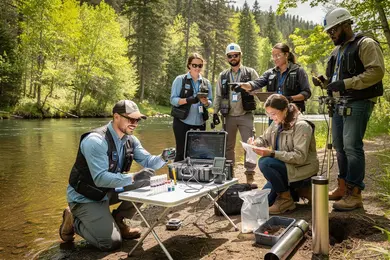
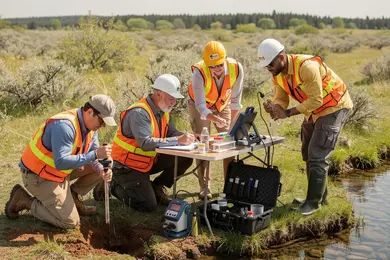
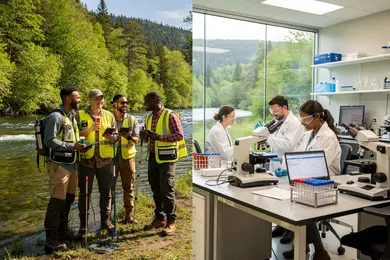
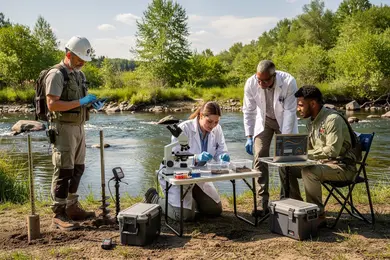
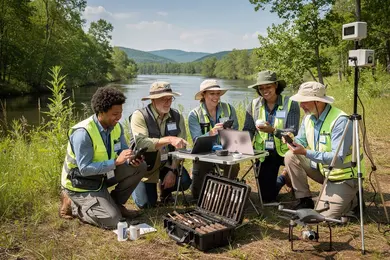
- Environmental Technician: Focused on environmental monitoring and compliance, this position involves collecting and testing soil, water, and air samples for regulatory adherence. It is common in government, consulting, and manufacturing sectors and often leads to careers in quality assurance or environmental consulting.
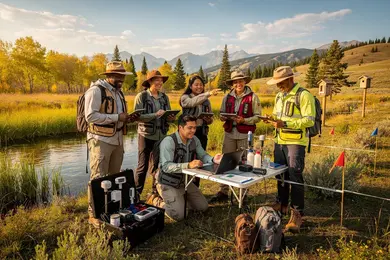
- Wildlife and Fisheries Technician: Ideal for graduates specializing in wildlife biology and conservation, this role includes field data collection and species population assessments. Opportunities are typically found in federal or state wildlife agencies and conservation nonprofits, offering a foundation for advanced research or habitat management positions.
- Environmental Health and Safety (EHS) Coordinator: Suitable for those concentrating on occupational health, safety, or industrial environmental management, this job requires ensuring workplace compliance and conducting safety audits. Prominent in manufacturing, construction, and energy industries, it opens pathways to senior safety or compliance roles.
- GIS Analyst (Entry-Level): Graduates with geospatial analysis skills often start in this role, mapping environmental data and aiding land-use planning. Employers include urban planning firms, government offices, and environmental consultants. This experience sets the stage for careers in spatial data science or environmental planning.
- Environmental Policy Assistant: For those focused on policy analysis and environmental law, this role involves research support, report drafting, and developing regulatory frameworks. Common employers are government agencies, think tanks, and advocacy groups, with progression potential toward policy analyst or regulatory affairs roles.
Using these specialized job titles in your search enhances targeting and application precision, which is crucial for accessing the best-paying environmental science entry-level jobs in the United States. Early strategies such as pursuing a well-chosen easiest associate degree concentration aligned with these roles can provide measurable advantages in hiring competitiveness and career momentum.
What Salary Trajectory Can Graduates Expect From the Top Five Highest-Growth Environmental Science Specializations?
Salary growth in environmental science specializations reflects rising demand and increasing role complexity over a decade to fifteen years. Data from the BLS Occupational Employment and Wage Statistics alongside platforms like NACE and PayScale reveal how earnings expand as professionals gain experience, sharpen expertise, and pursue advanced credentials. Location and industry choice further influence take-home pay, with cost-of-living adjustments discussed elsewhere.
- Environmental Engineering: Delivers strong initial compensation fueled by infrastructure and remediation needs. Starting salaries generally range from $60,000-$75,000, with mid-career professionals earning around $85,000-$105,000, and senior-level salaries often exceeding $110,000-$140,000+.
- Wildlife Biology and Conservation: Begins with modest pay but experiences steady rises tied to field expertise and leadership roles. Entry-level salaries usually range from $45,000-$55,000, while mid-career earnings rise to approximately $65,000-$80,000, and senior-level professionals may earn between $85,000-$110,000.
- Environmental Health and Safety: Often commands higher starting salaries due to regulatory demands and corporate compliance pressures. Professionals commonly earn between $55,000 and $70,000 at the entry level, with mid-career salaries ranging from $80,000-$100,000 and senior-level compensation reaching about $105,000-$135,000.
- Renewable Energy Science: Shows rapid salary growth reflecting sector expansion and skill scarcity. Entry-level salaries generally fall between $50,000-$65,000, increasing to roughly $75,000-$95,000 during mid-career stages and reaching approximately $110,000-$145,000 at senior levels.
- Environmental Policy and Planning: Offers moderate early pay with notable increases depending on policy expertise and leadership attainment. Starting salaries often range from $48,000-$60,000, while mid-career earnings typically reach $70,000-$90,000 and senior-level professionals may earn around $95,000-$125,000.
Among these, environmental engineering and environmental health and safety rank highest for robust entry salaries, reflecting technical and regulatory complexity. Renewable energy science, while starting somewhat lower, features the steepest salary escalation due to rapid industry growth and technical specialization. Wildlife biology and environmental policy provide steadier, experience-driven increases.
One professional who built her career after earning an environmental science degree shared how the journey unfolded. "Starting out, I faced the challenge of translating academic knowledge into real-world problem solving," she recalled. "It took persistence to secure my first role, which paid modestly but offered invaluable hands-on experience."
Over time, she pursued certifications that opened doors to higher-paying positions and leadership responsibilities. Reflecting on her path, she emphasized the importance of continuous learning and networking, noting that "each step forward felt like a solid investment in my long-term career, and the salary increases gradually reflected that commitment."
How Does Geographic Location Influence Job Outlook and Earning Potential Across Environmental Science Specializations?
Geographic location can significantly affect both employment opportunities and salary potential across specialized career fields. Location shapes demand and can help students and professionals identify where specific specializations may offer stronger job growth.
- Industry Clusters: Major coastal metros such as San Francisco and Boston lead in demand for marine ecology and environmental consulting roles due to dense tech, federal lab, and agency presence.
- Population Trends: Expanding urban centers in the Sun Belt, including Austin and Raleigh, drive growth in urban sustainability and water management jobs as infrastructure development accelerates.
- University Research Infrastructure: Locations like Seattle and Boulder, home to top environmental science programs, foster innovation and create openings in environmental data analysis, climate science, and restoration fields.
- State Policy Incentives: Regions with aggressive renewable energy targets and environmental regulations, such as California and New York, boost employment opportunities in clean energy and pollution control sectors.
- Remote and Hybrid Work: Specializations like environmental policy and GIS increasingly allow for remote work, yet many positions, particularly in field assessments or laboratory research, still necessitate proximity to key natural or institutional sites.
- Salary Variations: Median wages fluctuate with regional cost of living and demand, with environmental engineers earning above-average salaries on the West Coast and Northeast compared to emerging southern markets.
- Location Strategy: Align your chosen specialization with regions showing robust demand while weighing lifestyle factors such as commute, climate, and community to enhance long-term career satisfaction and advancement potential.
Which Industries Are Hiring Candidates With Environmental Science Specializations at the Highest Rates Right Now?
Several industries today lead in hiring candidates with environmental science specializations, driven by both structural shifts, including climate policy changes, and cyclical demands, such as regulatory updates and infrastructure growth. Graduates and professionals who align their skills with these sectors gain access to accelerated career growth and competitive salaries.
- Renewable Energy: Driven by global climate initiatives, this sector, covering solar, wind, and bioenergy, has expanded rapidly. Roles such as environmental compliance specialists, energy analysts, and sustainability coordinators dominate the landscape. Entry-level jobs focus on data collection and regulatory reporting, progressing to project management or policy advisory positions. Salaries here often exceed the environmental science median due to specialized technical expertise and growing budgets.
- Environmental Consulting: Consulting firms actively seek ecologists, toxicologists, and remediation experts. Starting with field data and client reports, professionals move to senior consultant or project lead roles. The sector's cyclicality, tied to regulations and infrastructure developments, demands adaptability. Compensation is competitive, often including performance bonuses linked to project success.
- Government and Regulatory Agencies: Public roles focus on policy enforcement, conservation, and pollution control. Junior analysts typically engage in monitoring, advancing to program management or advisory roles. Salaries tend to be around or slightly below private sector medians, but stability and benefits remain strong draws.
- Natural Resource Management: Forestry, wildlife, and water resource sectors offer varied career paths. Early-career work involves field surveys and habitat assessment, leading to stewardship leadership or research coordination. Salary growth depends on technical and management expertise.
- Corporate Sustainability: Increasing corporate emphasis on sustainability drives hiring for specialists who manage initiatives, conduct supply chain audits, and analyze carbon footprints. Compensation frequently surpasses traditional roles, reflecting corporate priorities on environmental risk and social responsibility, with career paths often leading to director-level leadership.
Building expertise across these industries buffers environmental science professionals against sector downturns while expanding skillsets, from technical assessment to strategic planning. Evaluating industries based on demand and personal values is crucial; meaningful engagement with chosen sectors often correlates with sustainable career advancement. Credentials and networking tailored to high-demand areas significantly boost hiring prospects and long-term earnings potential.
What Advanced Certifications or Graduate Credentials Strengthen Job Prospects in Environmental Science Specializations?
Advanced certifications and graduate credentials significantly enhance job prospects in environmental science specializations by signaling expertise and dedication, qualities highly prized by employers. Credentials widely respected across multiple fields, such as the Certified Environmental Professional (CEP) credential from the Academy of Board Certified Environmental Professionals, often result in higher salaries and leadership opportunities.
Likewise, earning a master's degree in environmental science or related areas generally unlocks supervisory roles and specialized research positions, creating a solid return on investment when comparing tuition and time commitments to career advancement. These credentials are essential for boosting environmental science career growth.
More targeted certifications benefit specific career tracks. For instance, environmental engineers often pursue the Professional Engineer (PE) license, a state-regulated credential critical for advanced roles. Wetland specialists may earn the Wetland Professional Certification (WPC). These niche credentials typically offer the greatest salary uplift and career progression within their particular domains, though their cross-disciplinary value may be limited.
When weighing advanced certifications and graduate credentials boosting job prospects in environmental science specializations, consider cost, time requirements, and recognition in your targeted employment market. Many certifications demand ongoing education or renewal, so long-term planning is vital. Graduate degrees with strong technical or management components also create valuable networking opportunities that enhance job placement and career momentum.
Always confirm credential and licensure requirements with official accrediting bodies or state licensing authorities, as standards vary by location and employer expectations. For those considering a strategic pivot or added credentials, exploring online MBA entrepreneurship programs may offer relevant skills and broaden career options within environmental science and allied fields.
How Do Remote and Hybrid Work Trends Affect the Job Outlook for Environmental Science Specialization Graduates?
Remote and hybrid work trends have reshaped the job outlook for environmental science specialization graduates, especially in fields where digital workflows and independent research dominate. Workforce studies from Buffer and Owl Labs reveal that roles in environmental data analysis, Geographic Information Systems (GIS), and environmental consulting have the highest share of remote-eligible positions.
This shift reflects employers' strategic response to talent scarcity and productivity imperatives within these specializations. Key drivers behind flexible work availability include:
- Talent Scarcity: Specialized areas like climate modeling and environmental risk assessment face tight labor markets, encouraging remote opportunities to access wider candidate pools beyond local geographies.
- Workflow Digitization: Cloud-based modeling tools, remote sensing data, and digital communication streamline tasks traditionally requiring onsite presence, benefiting GIS analysts and environmental data scientists focused on monitoring.
- Productivity Research: SHRM studies show remote and hybrid environmental workers report increased focus and output, motivating permanent adoption of flexible models.
Location-independent environmental science professionals gain a financial edge by earning salaries benchmarked to costly urban markets while living in lower-cost areas. For instance, a remote environmental consultant employed by a San Francisco-based firm can preserve a substantial portion of their earnings by residing in smaller cities with lower living expenses.
Graduates and professionals exploring the remote and hybrid work impact on environmental science specialization jobs should use keywords like "remote," "telecommute," or "flexible" in their job searches. Positioning application materials to highlight self-management, remote collaboration experience, proficiency with digital tools, and strong written communication is critical for standing out in today's competitive market.
Those seeking to deepen their knowledge and credentials might consider pursuing an online environmental engineering degree, a pathway aligned with emerging remote-friendly roles and growth areas in the environmental science job outlook, with remote and hybrid work trends.
What Role Does Specialization Depth Play in Long-Term Career Growth for Environmental Science Professionals?
Specializing in environmental science, rather than remaining a generalist, can greatly boost career earnings, job security, and advancement opportunities by aligning skills with high-demand fields. Data from the U.S. Bureau of Labor Statistics and industry groups highlight certain areas where expertise commands premium salaries and rapid employment growth.
- High-Demand Specializations: Roles such as environmental engineering, conservation science, renewable energy, toxicology, and climate science stand out for strong market expansion and compensation advantages. Environmental engineers are sought after due to infrastructure projects and compliance regulations. Conservation scientists benefit from increasing efforts in sustainability and land management. Experts in renewable energy are propelled by shifting policies toward green technology deployment. Toxicologists respond to rising concerns over chemical safety and environmental health. Climate scientists gain urgency as climate adaptation initiatives multiply globally.
- When to Commit: Early-career individuals should solidify their specialization by pursuing targeted graduate studies, certifications, or focused professional roles as soon as they identify their core interests and market viability.
- Trade-Offs: Deep specialization offers competitive advantages but may limit versatility across broader environmental domains, whereas generalists maintain adaptability but might face slower progression.
- Alignment with Strengths: The most sustainable career trajectories balance market trends with authentic passion and academic talents, ensuring ongoing motivation and employer appeal.
How Do Public Sector and Private Sector Career Paths Compare in Growth Potential for Environmental Science Specializations?
Careers in the public sector, spanning government, nonprofits, and academia, typically show consistent, steady expansion fueled by regulatory demands and sustainability efforts. Private sector roles in technology, healthcare, and finance often experience more dynamic shifts, growing rapidly around cutting-edge environmental technologies and corporate social responsibility initiatives.
- Compensation: Private sector positions usually offer higher entry salaries along with significant performance incentives. BLS QCEW data reveal that salary ceilings tend to be more elevated in private industries, especially in specialized consulting and tech-driven roles. Public sector pay increases are incremental but balanced by defined benefit pension plans and other long-term perks.
- Advancement Timelines: Public sector progression is structured and predictable, with formal grade levels guiding promotions around budget cycles. Private sector advancement is less formulaic, often accelerating quickly for employees who demonstrate impact and align with business goals.
- Job Security and Benefits: Public sector jobs offer stronger stability due to civil service protections and union representation, plus comprehensive healthcare and retirement packages. Conversely, private sector roles may lack this security but typically provide flexible hours, stock options, and other incentives.
- Hybrid Opportunities: Emerging government programs foster public-private partnerships that blend mission-driven work with entrepreneurial flexibility, especially in areas like renewable energy and climate resilience.
- Professional Values: Selecting a sector comes down to weighing priorities, whether favoring steady mission-focused roles or higher earning potential and autonomy. This personal alignment often outweighs any sector-wide advantage.
Graduates and professionals should carefully evaluate these factors alongside market trends and their own career aspirations to strategically position themselves in environmental science specializations with the strongest long-term outlook.
What Graduates Say About the Environmental Science Specializations With the Best Job Outlook
- Louie: "Completing the online environmental science degree opened my eyes to the incredible geographic accessibility of top jobs in this field. Professionals can work virtually anywhere, which is perfect for someone like me who loves to travel. I was also impressed by the compensation trajectories; many roles offer significant salary growth within just a few years. Finally, the quality of opportunity is outstanding, with meaningful roles that align with my passion for sustainability and real-world impact."
- Zamir: "Reflecting on my journey through environmental science, one insight that stands out is the strong advancement potential the specializations provide. Dedicated graduates can quickly rise to leadership positions. The credentials and competencies I gained truly gave me a measurable hiring advantage, helping me stand out in a competitive job market. Additionally, the job volume in fields like environmental consulting and resource management offers diverse options, ensuring steady employment opportunities."
- Matthew: "From a professional standpoint, the environmental science program highlighted the importance of credentials that validate specialized skills, which employers highly value. I also realized how the geographic accessibility of jobs allows for flexible living arrangements without sacrificing career prospects. Lastly, the compensation trajectories for those in niche areas like climate analysis are promising and motivate continuous learning and growth."
Other Things You Should Know About Environmental Science Degrees
Hiring managers in high-growth environmental science fields value strong analytical skills and problem-solving abilities above all. Effective communication, both written and verbal, is essential for collaborating with diverse teams and conveying technical information to non-specialists. Adaptability and proficiency with data analysis tools and geographic information systems (GIS) also give candidates a competitive edge.
Internships offer invaluable hands-on experience and industry exposure that strengthen a student's resume. Early career roles help build technical skills and professional networks, which are critical for entering specialized fields such as environmental consulting or renewable energy. These experiences also provide practical insights into workplace culture and employer expectations, improving job readiness.
Joining professional associations like the Ecological Society of America or the Society of Environmental Toxicology and Chemistry helps students and professionals access industry resources and job boards. Attending conferences and local chapter meetings fosters networking with experts and potential employers. Leveraging online platforms focused on environmental science careers also enhances visibility and connection opportunities.
References
- Public or private sector: who has the most important role in driving climate action? - CIWEM https://www.ciwem.org/news/public-or-private-sector-who-has-the-most-important-role-in-driving-climate-action
- Greener Careers https://greenercareers.co.uk/blog/what-can-you-do-with-an-environmental-science-degree-job-opportunities-explained
- 2,000+ Water Jobs (Updated Today) – Free to Apply https://jobs.watertechintel.com/blog/environmental-scientist-career-path
- 10 Compelling Reasons Why an Environmental Career is For You https://www.nrep.org/blog/environmental-careers-compelling-reasons
- How Emerging Technologies Change the Future of Work | Soundview Executive Book Summaries https://www.summary.com/magazine/how-emerging-technologies-change-the-future-of-work/
- Working as an Environmental Scientist - MKO https://mkoireland.ie/insights/grad-careers-day-in-the-life-as-an-environmental-scientist-joye/
- Indicator: Hybrid Work https://www.gallup.com/401384/indicator-hybrid-work.aspx
- Emerging Technologies: Shaping the Future of Innovation and Society https://www.globalmediajournal.com/open-access/emerging-technologies-shaping-the-future-of-innovation-and-society.php
- 20 Highest-Paying Environmental Science Jobs in 2025 https://internshala.com/blog/highest-paying-environmental-science-jobs/