
2027 Credit Requirements for a Management Degree Explained

Co-Founder and Chief Data Scientist
Many students pursuing a management degree struggle to understand credit requirements, causing delays in graduation and increased tuition costs. In 2023, 34% of management undergraduates reported confusion over credit transfer policies, impacting their academic progress. As the demand for qualified managers grows by 7% annually in the U. S. workforce, timely degree completion becomes crucial for career readiness. This article clarifies key credit requirements, explains transfer regulations, and offers strategic academic planning advice. By improving credit management, students can avoid unnecessary setbacks and graduate on time, aligning their education with workforce expectations and employment trends.
Key Things to Know About Credit Requirements for Management Degrees
- Management degrees typically require a substantial number of credits, influencing program length and intensity, which directly affect students' academic pacing and overall time to graduation.
- Many programs accept transfer credits or recognize prior learning, enabling students to reduce required coursework and potentially shorten duration and costs associated with earning the degree.
- The credit structure shapes academic progression by determining course load each term, impacting tuition expenses and aligning graduation timelines with career and workforce demands in management fields.
How Many Credits Are Required for a Management Degree?
Knowing credit expectations is essential for effective academic planning and managing the total time required to complete a management degree. This clarity helps students balance course loads and anticipate their educational trajectory. The following outlines typical credit requirements by degree level for management programs.
- Undergraduate management degree: typically requires approximately 120-130 credits. These are distributed among general education courses, core management subjects like organizational behavior and marketing, plus electives that deepen specialized knowledge. This credit structure supports a broad foundation alongside management principles.
- Graduate management degree: generally involves about 30-60 credits focused on advanced study areas such as strategy, research methods, and leadership development. This smaller credit load centers on specialized and analytical coursework designed for leadership roles.
The total credits needed for management degree completion vary by program but consistently reflect a structured approach balancing foundational learning with core and elective courses. Efficient academic planning using these benchmarks can reduce time-to-degree and educational costs.
Students interested in complementary certification or credential programs may also explore BCBA programs online, which can support career advancement through specialized training in behavior analysis.
How Many Core and Elective Credits Are Required for a Management Degree?
Successfully managing your academic plan requires a clear grasp of how core and elective credits in a management degree align with career goals. Nearly 60% of undergraduate programs emphasize a substantial core curriculum to ensure foundational knowledge. This balance directly influences how students approach transfer credits, prioritize courses, and meet graduation benchmarks efficiently.
Consider these key aspects of credit distribution in management degree core course credits and elective credit requirements in management programs:
- Core courses: Typically, students complete between 30 to 45 credit hours of core courses, accounting for about 50% to 70% of total credits. These courses cover essential topics such as organizational behavior, strategic management, marketing principles, finance, and operations management, building crucial leadership and decision-making skills.
- Electives: Elective credits usually range from 15 to 30 credit hours, allowing students to specialize or explore areas like entrepreneurship, human resources, international business, or business analytics. This flexibility helps tailor education to specific career paths while broadening expertise.
For those considering affordability alongside program quality, it may be helpful to explore options such as the cheapest CACREP-accredited programs online, which can provide guidance on economical pathways to degree completion and related academic planning strategies.
Do Online Management Programs Require the Same Number of Credits?
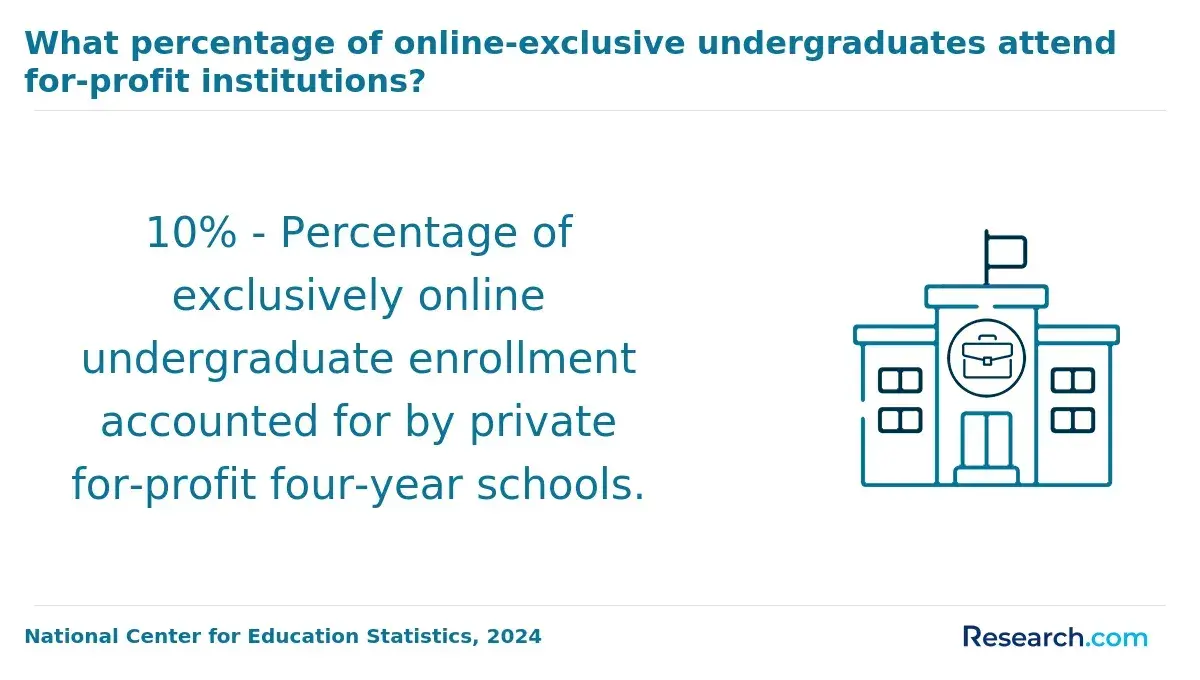
Knowing the credit requirements for online versus on-campus management programs is vital for effective academic planning and making informed comparisons between formats. With enrollment in online undergraduate management courses rising more than 30% over the last five years, understanding these details helps students optimize their education path.
Several key factors influence how credit needs align across delivery methods:
- Standard Credit Range: Most management bachelor's degrees, whether online or in-person, require between 120 and 130 credit hours, maintaining consistency with traditional U.S. higher education standards.
- Course Structure and Interaction: Online programs often vary in format, offering more flexible scheduling and asynchronous learning, which can impact pacing without altering the total credits required.
- Workload and Term Schedules: Differences in semester length or the use of accelerated terms may exist, but they typically do not change the overall credit hour demands needed for graduation.
- Credit Transfer Policies: Transferable credits from previous study or associate degrees are important for efficiency, helping students avoid unnecessary repetition and adhere to expected graduation timelines.
- Career Readiness Alignment: Credit requirements are designed to ensure students gain both foundational knowledge and applied management skills that meet industry expectations upon completion.
How Many Credits Are Required in Accelerated Management Programs?
Knowing the credit requirements in accelerated management programs is essential for students who want to graduate faster while maintaining academic standards. Clear insight into these requirements helps manage course planning and workload effectively. Below is an overview of key credit-related factors in accelerated management degrees.
- Credit Requirements: Accelerated undergraduate management degrees usually demand 120 to 135 credits, closely matching traditional programs but completed on a shortened timeline. Graduate-level accelerated programs typically require 30 to 48 credits, varying by specialty and degree type.
- Course Structure: Credits are generally split between core management classes focused on leadership, finance, and operations, and elective courses that enable concentration in specific areas. Elective options may be more restricted in accelerated formats to emphasize essential skills.
- Workload Intensity: Due to the condensed schedule, students often take heavier credit loads each term or participate in continuous semesters, increasing the academic intensity but enabling quicker degree completion.
- Transfer Credit Considerations: Many programs accept transfer credits, which can reduce the total number of credits required and shorten the time needed to graduate. Understanding an institution's policy on this is vital for planning an accelerated path.
How Many Transfer Credits Are Accepted Toward a Management Degree?
Transfer credit policies play a vital role in helping students save time and money when pursuing a management degree. With approximately 38% of undergraduate management students transferring credits, knowing how many credits will be accepted can streamline academic planning and reduce redundant coursework.
Below is an overview of typical transfer credit acceptance by degree level.
- Associate Degree: Usually accepts 15 to 30 credit hours, focusing primarily on general education requirements. These credits help establish a foundation before moving into specialized management courses.
- Bachelor's Degree: Commonly allows transferring between 60 and 90 credits, including core management classes and electives. This substantial credit acceptance can significantly shorten the time needed to graduate.
- Master's and Professional Programs: Tend to be more selective, often accepting 6 to 12 graduate-level credits related directly to the program's learning outcomes. Transfer credits here must align closely with advanced coursework.
- Doctoral Programs: Rarely permit transfer credits due to the emphasis on original research and unique dissertation requirements. Most doctoral candidates begin entirely new course sequences.
- Accelerated Programs: Offer more flexibility but maintain rigorous evaluation standards to ensure transferred credits meet academic expectations and degree requirements.
Can Work Experience Count Toward Management Degree Credits?
Prior learning assessment (PLA) allows students to earn college credits by validating relevant work experience related to their academic program, especially within management degree programs. This process typically requires that the work experience aligns with core management concepts such as leadership, project management, or organizational behavior.
The following highlights some common categories of qualifying experience.
- Supervisory and Leadership Roles: Universities often evaluate documented evidence like job descriptions and performance reviews to verify leadership experience. Credit limits usually restrict PLA to a portion of total degree requirements to maintain academic rigor.
- Project and Team Management: Managing budgets or leading projects is frequently accepted, with assessments including portfolios or exams to ensure alignment with course objectives and standards.
- Strategic Planning Participation: Documented involvement in developing organizational strategies supports credit recognition, though students must still complete essential coursework beyond PLA credits.
- Operations and Human Resources Experience: Hands-on roles in these areas are considered relevant when substantiated with employer training records and accomplishments during the PLA evaluation process.
Applying work experience credit for management degree programs through prior learning assessment can reduce time-to-degree and overall tuition costs, offering important flexibility for adult learners balancing education with career demands. However, PLA requires careful preparation and documentation, and insufficient or unrelated experience may result in credit denial, potentially delaying graduation.
Prospective students should review their program policies thoroughly before pursuing PLA to maximize benefits and mitigate risks. For students interested in similar flexible options, exploring MFT programs can offer additional pathways.
Do Licensure Requirements Affect Credit Hours in a Management Degree?
Licensure requirements can significantly impact management degree licensure credit requirements, often increasing the total number of credit hours needed to complete a program. Specialized fields within management-such as human resources, project management, or financial management-may require additional coursework, internships, or practicum hours that go beyond the standard curriculum. Accreditation bodies and licensing boards set educational standards to ensure candidates develop the necessary expertise, sometimes mandating clinical or practical experiences that extend the time-to-degree and raise tuition costs.
This alignment between licensure and degree credits ensures graduates meet industry expectations but can complicate academic planning and transfer policies. Online and campus-based programs differ in how they accommodate these licensure demands, with online options occasionally offering more flexibility in completing required practical components. However, state licensing boards can impose varying criteria, creating differences in credit requirements depending on location and intended profession. Students must research these nuances carefully to avoid unexpected credit hour obligations.
Proactive academic advising is essential for managing course loads efficiently and minimizing delays. For those exploring their options, consulting resources like best bachelor degrees can provide valuable insights into program outcomes and requirements within the broader landscape of management education.
How Do Universities Calculate Credits for a Management Degree?
A credit hour defines the amount of classroom or direct faculty instruction time a student receives weekly over a semester, usually equating to one hour per credit. Understanding credit calculations is essential for students planning a management degree to effectively manage their course load and ensure timely progress toward graduation.
- Lectures: Typically, lecture courses award one credit per hour of weekly instruction. These form the core of management degree credit calculation process, providing foundational knowledge through direct teaching.
- Labs, Practicums, and Clinicals: These hands-on or experiential learning courses may assign credits differently, often requiring more time per credit due to their practical nature. They contribute vital real-world experience to management programs.
- Capstone or Project-Based Courses: Generally, these courses carry a set number of credits that reflect the workload and expected outcomes, often culminating the application of knowledge gained during the degree.
Credit calculations may vary between undergraduate and graduate programs; graduate courses often consider total workload rather than just contact hours. Online management degree programs typically maintain similar credit standards but allow flexible pacing, while still meeting accreditation requirements. Accreditation agencies ensure consistent credit standards across institutions, facilitating transfer policies and national degree recognition.
For prospective students exploring credit frameworks, reviewing the credit requirements in associate degrees can be helpful. More details about similar processes can be found when researching an associates degree, which shares parallels in credit assignment with bachelor-level management degrees.
How Do Management Degree Credit Requirements Affect Graduation Timelines?
Total credit requirements specify the number of academic credits students must earn to complete a management degree, typically ranging from 120 to 128 credits. These requirements directly impact how long it takes to graduate and are essential for effective academic planning.
Several important elements influence the duration of management degree programs:
- Core credits: These mandatory classes form the foundation of the program and usually account for a large portion of the credits needed. Completing core courses on schedule is crucial to maintaining steady progress toward graduation.
- Electives: Elective classes offer flexibility in course selection but can also affect the total credits required. Choosing more or fewer electives may speed up or delay degree completion depending on the course load.
- Transfer credits: Accepting credits earned at other accredited institutions can reduce the number of courses left to complete. This can significantly shorten the time to graduate, especially for students entering with previous college-level coursework.
- Accelerated formats: Some schools provide fast-track or condensed semester options that allow students to accumulate credits more quickly. These formats enable both online and on-campus students to finish their degree faster than traditional schedules.
- Prior learning assessment (PLA): Recognizing professional experience, certifications, or other learning outside the classroom can replace certain course credits. PLA options offer an avenue to reduce credit requirements and accelerate graduation.
Each of these factors can either shorten or extend the timeline to earn a management degree, depending on how students leverage them. Those who strategically use transfer credits, accelerated courses, and PLA often graduate sooner, while part-time enrollment or extensive elective requirements may prolong their studies.
Do More Credits Lead to Better Career and Salary Outcomes for Management Graduates?
Completing additional credits beyond a management degree's core requirements can enhance career progression, leadership roles, and qualification for specialized or higher-paying positions in select industries. However, the impact of extra credits varies depending on focus and industry expectations.
- Advanced Concentrations: Earning credits in specialized areas like finance, marketing, or human resources can improve competitiveness for niche roles and targeted career paths.
- Licensure and Certification Preparation: Coursework aligned with professional licensure or certifications boosts eligibility for regulated professions with higher salary potential.
- Technical and Analytical Skills: Additional classes in data analysis, project management, or similar fields strengthen practical skills valued by employers, aiding leadership and advancement.
- Unfocused Credit Accumulation: Taking extra credits without relevance to career goals rarely leads to meaningful salary growth or job opportunities.
- Basic Degree Fulfillment: Once degree requirements are met, employers prioritize experience, soft skills, and leadership over the sheer number of credits earned.
- Traditional Academic Degrees: Extra coursework in broad academic programs may not translate directly to higher pay compared to targeted professional degree pathways.
Labor market data indicate employers value credentials indicating foundational knowledge but tend to focus more on relevant experience and demonstrated skills. Professional degrees often integrate more practical credits geared toward workplace readiness, whereas academic management degrees emphasize comprehensive understanding.
Students should carefully select courses that align with their intended career direction to optimize the benefits of additional academic credits.
What Graduates Say About The Credit Requirements for Their Management Degree
- Aldo: "The flexibility of the online management degree allowed me to complete credits at my own pace, which was perfect for balancing work and study. Considering the average cost per credit, it was quite affordable compared to traditional programs, saving me both time and money. Earning those extra credits really opened doors in my career, leading to a management promotion within a year of graduation."
- Fenn: "Reflecting on my time completing a traditional management degree, the cost per credit was substantial but justified by the comprehensive curriculum offered. The option to take some courses online helped me manage my schedule more efficiently and accelerate my credit completion. Those additional credits significantly enhanced my skill set, allowing me to transition smoothly into leadership roles. "
- Carden: "From a professional standpoint, the cost of earning extra credits in an online management program was a strategic investment. The flexibility to fulfill program requirements without compromising job responsibilities was invaluable. This advantage translated directly into career growth, as the additional knowledge and credentials strengthened my qualifications for competitive positions. "
Other Things You Should Know About Management Degrees
Most management programs set a maximum credit load between 12 and 18 credits per semester for full-time students. Taking more credits than this often requires special approval, as it can impact a student's ability to maintain academic performance and meet program guidelines. Managing credit loads ensures students balance coursework with other responsibilities.
Yes, many management programs require that courses counting toward the degree be completed with a minimum grade, often a C or higher. Courses that do not meet this minimum may need to be retaken to fulfill credit requirements. This policy helps maintain academic standards within the discipline.
References
- MBA Coursework Explained: Your Guide to Program Requirements https://bemoacademicconsulting.com/blog/mba-coursework
- Tracking CPA licensure paths: Removing the 150-hour-rule hurdle https://www.cfodive.com/news/broadening-cpa-licensure-paths-marching-beyond-150-hour-rule-accounting-talent-shortage/745282/
- How Colleges Award Credits For Work Experience https://www.affordablecollegesonline.org/college-resource-center/college-credit-for-work-experience/
- New paths to the CPA beyond 150 credit hours https://www.becker.com/blog/cpa/150-credit-hours-cpa-a-tale-of-courses-and-creative-counting
- Management (WZiE) https://ects.pg.edu.pl/en/courses/17482
- Not Every MBA Program is Made Equal–An Overview of the Program Structures of Top Business Schools | Leland https://www.joinleland.com/library/a/program-structures-of-top-business-schools
- How Many Credits Do You Need to Graduate College? | SNHU https://www.snhu.edu/about-us/newsroom/education/how-many-credits-to-graduate-college
- What Are University Credits and How Do They Transfer? - Cyprus West University https://www.cwu.edu.tr/what-are-university-credits-and-how-do-they-transfer/
- What Are College Credits? A Complete Guide for Students https://collegevidya.com/blog/what-are-college-credits-complete-guide-for-students/
- Top Graduate Schools That Accept Transfer Credits 2025 https://www.gradschools.com/get-informed/student-guide/transferring-graduate-schools


