
2027 Credit Requirements for an Audio & Music Degree Explained

Co-Founder and Chief Data Scientist
Many students pursuing an audio & music degree face challenges understanding the specific credit requirements needed to graduate on time. With over 60% of music graduates working freelance or part-time in the industry, inefficient academic planning often delays entry into the workforce. Understanding how credits transfer, especially practical and studio courses, is critical for timely completion. This article clarifies typical credit load expectations, transfer policies, and course sequencing unique to audio & music programs, helping students develop effective academic plans that align with graduation goals and industry demands.
Key Things to Know About Credit Requirements for Audio & Music Degrees
- Total credit requirements for audio & music degrees generally determine program length, influencing time to degree completion and student workload expectations.
- Transfer credits or recognition of prior learning can significantly reduce required coursework, accelerating academic progress and lowering overall expenses.
- Credit structures affect progression pace, impacting tuition costs and graduation timelines, with efficient credit management improving workforce entry opportunities in competitive audio and music fields.
How Many Credits Are Required for a Audio & Music Degree?
Effective academic planning and understanding the credits needed to graduate in audio and music programs are essential for managing the duration and success of the degree. Clear knowledge of credit expectations helps students balance general education and specialized courses without extending their time to graduation.
The typical credit requirements vary significantly by degree level, summarized as follows.
- Associate degree: Usually requires about 60 to 70 credits. This level focuses on foundational general education combined with introductory audio and music coursework to prepare students for further study or entry-level positions.
- Bachelor's degree: Typically requires approximately 120 to 130 credits. These credits include 30 to 40 percent general education in subjects like communication, math, and science, with the remainder devoted to core major courses such as sound engineering, music theory, production techniques, and electives tailored to student interests.
- Master's degree: Requires around 30 to 60 credits. Graduate programs emphasize advanced coursework, research, and practical projects in areas like audio technology and sound production to deepen specialization in the field.
Students aiming to find cost-effective options while pursuing these programs may consider exploring the cheapest online MBA programs for general guidance on balancing affordability and quality. With this approach, prospective students can efficiently navigate their audio and music degree credit requirements and plan their academic paths accordingly.
How Many Core and Elective Credits Are Required for a Audio & Music Degree?
Balancing core and elective credits in an audio & music degree is crucial for effective academic planning and preparing for diverse career paths. This balance allows students to build technical expertise while exploring creative and specialized areas aligned with their interests. Recent trends show that about 65% of audio & music students focus on developing technical skills through core coursework, highlighting industry demands for well-rounded professionals.
Here is a breakdown of the typical credit distribution between core courses and electives in audio & music programs:
- Core courses: These usually account for 40 to 50 credits out of a standard 120-credit bachelor's degree, representing around 60-70% of total credits. Core courses cover fundamental topics such as music theory, audio engineering, production techniques, and music history, providing essential skills for technical proficiency. Understanding core course credit requirements for audio music degrees helps students ensure they meet essential graduation criteria and build a solid foundation for their careers.
- Electives: Elective credits typically range from 35 to 45 credits, making up about 30-40% of the degree. Electives allow students to delve into specialized fields like electronic music, sound design for media, or music business. This elective credits versus core courses in music programs balance fosters creative expression and broadens career versatility.
Properly managing this credit distribution can facilitate efficient progress toward graduation and align studies with specific professional goals, especially for those interested in flexible study options such as an engineering degree online.
Do Online Audio & Music Programs Require the Same Number of Credits?
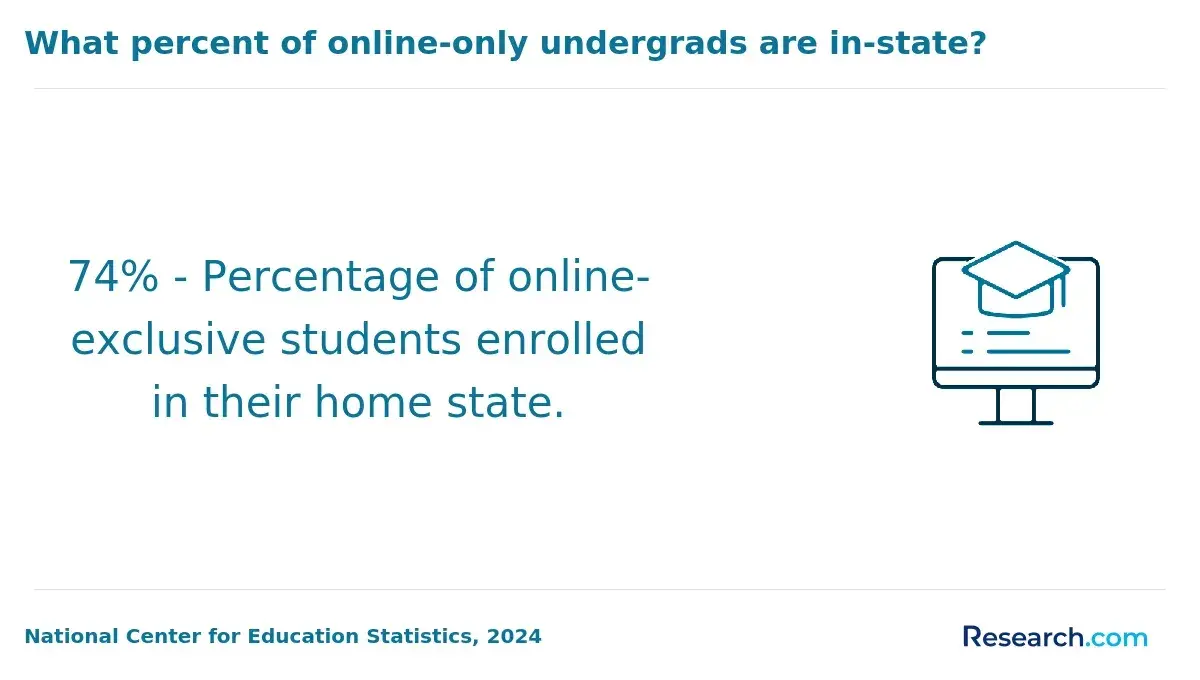
Knowing the credit requirements for both online and on-campus audio & music programs is essential for effective academic planning and making informed program comparisons. This helps students anticipate time-to-degree and understand how courses translate across formats. Notably, online enrollment in music-related fields has surged by more than 20% over the last five years, reflecting a shift toward flexible education options.
Here are important points to consider:
- Credit requirements: Most bachelor's degrees, whether online or on campus, demand between 120 and 130 credits, ensuring consistent academic standards.
- Course delivery: Online classes may be synchronous or asynchronous, affecting how and when students engage with material and instructors.
- Flexibility and pacing: Online students often enjoy more control over their schedule but must manage time independently to meet deadlines.
- Graduation timeline: While credit totals align with traditional programs, individual pacing can accelerate or extend the time to completion.
How Many Credits Are Required in Accelerated Audio & Music Programs?
Students aiming to finish accelerated audio & music programs quickly need to carefully consider credit requirements to avoid delays in graduation. This planning ensures they can balance course loads effectively while maintaining academic quality. Here is an overview of what these programs typically entail:
- Typical Credit Ranges: Accelerated undergraduate audio & music degrees generally require 60 to 90 credits, which is less than the 120 credits typical of standard programs. Graduate or professional accelerated programs are often shorter, covering 30 to 45 credits focused on specialized, advanced topics.
- Core Courses and Electives: Credit hours combine foundational classes in audio & music theory, production, and performance with electives tailored to specific interests such as sound design or composition. This ensures students get a well-rounded education within a compressed timeframe.
- Accelerated Pacing and Workload: Students usually take heavier credit loads each semester or attend year-round sessions, demanding strong time management. While intense, this approach allows for faster graduation and earlier career entry.
- Transfer Credit Policies: Many programs accept transfer credits, reducing total credit requirements. Early consultation about transfer policies is essential to maximize accepted credits and streamline the path to degree completion.
How Many Transfer Credits Are Accepted Toward a Audio & Music Degree?
Knowing how many transfer credits count toward an audio & music degree can help students plan their education, save time, and reduce expenses. Nearly 40% of students in music programs transfer credits from other institutions, making it essential to navigate policies clearly.
Below is a breakdown of typical credit acceptance by degree level.
- Associate Degrees: Most programs accept 15 to 30 semester credits from previous studies. This usually covers about half the coursework, enabling students to focus on specialized classes.
- Bachelor's Degrees: Schools generally allow 60 to 90 transfer credits, often covering general education and some introductory music courses. This can shorten the time needed to graduate, especially for students transferring from community colleges.
- Master's Degrees: Transfer credit acceptance is more limited, commonly ranging from 6 to 12 graduate-level credits. Many core subjects still require completion at the new institution to maintain program integrity.
- Professional and Doctoral Programs: These levels rarely accept transfer credits for core or research-intensive courses. The focus remains on original work done within the awarding institution, with few exceptions.
- Course Applicability: Transfer credits typically apply to electives or general education requirements but can be restricted when related to specialized core music classes. This distinction is crucial for academic planning.
- Accelerated Programs: Programs designed for faster completion may have stricter transfer policies to guarantee mastery of essential skills, limiting accepted external credits.
Can Work Experience Count Toward Audio & Music Degree Credits?
Prior learning assessment (PLA) allows students to earn academic credit toward an audio & music degree based on relevant professional work experience instead of traditional coursework. Typically, qualifying experience includes hands-on roles in sound engineering, music production, live event management, studio recording, or audio technology.
Here are common types of work experience that often qualify for credit:
- Sound Engineering: Universities assess documented work that demonstrates technical proficiency with audio equipment and mixing consoles. Students usually submit portfolios or employer letters verifying responsibilities, though credit awarded may be capped to ensure balanced coursework.
- Music Production: Experience producing or arranging music is evaluated through practical exams or sample projects. Prior learning assessment for audio degree credits often requires clear alignment with course competencies and may limit the percentage of degree credits earned.
- Live Event Management: Managing or coordinating concerts or performances can count toward credits when detailed work records and endorsements are provided. This helps reduce time-to-degree while confirming real-world skills match academic standards.
- Studio Recording: Documented roles in recording sessions or audio editing are reviewed to measure skill levels against curricula. Limits on credit through work experience prevent excessive substitution for in-depth study.
- Audio Technology: Hands-on knowledge of audio software and hardware is verified through portfolios and interviews. Applying PLA credits successfully can lower tuition costs, beneficial for students balancing work commitments.
Students should carefully explore PLA policies as requirements and credit limits vary, particularly for those seeking work experience credit for music degree programs. Both campus-based and online options commonly offer PLA routes, and researching these pathways alongside academic planning can optimize progress.
For broader adult education options, some students also consider EMBA online programs, which similarly leverage professional experience toward academic achievement.
Do Licensure Requirements Affect Credit Hours in a Audio & Music Degree?
Licensure requirements can significantly influence the number of credit hours required for an audio and music degree, particularly for students pursuing careers that demand professional certification. While not all audio and music programs lead to licensure, certain specialized fields, such as audio engineering or music therapy, may require students to complete additional credit hours to meet state or national board standards. Accreditation plays a key role here, as programs accredited by recognized bodies often align their curriculum to fulfill licensure guidelines.
This alignment can add courses focused on practical skills, ethics, or industry regulations, increasing the total credit load beyond a standard degree and impacting how credit hours are structured in relation to licensure demands.
For example, some licensure processes mandate supervised clinical hours or internships, integrating practical experiences into the credit framework that may extend time-to-degree and tuition costs. Both campus and online programs must accommodate these requirements, though online offerings might provide more flexible scheduling options. Variations exist between states or licensing boards, which affect how credits translate to licensure eligibility. Students should research relevant licensure agencies early to plan effectively.
Aligning degree credits with licensure requirements supports career readiness but can also create challenges in balancing study duration and expenses. Those interested in exploring further options might also consider online doctoral programs in leadership as a complementary pathway in education fields related to audio and music degree licensure impact.
How Do Universities Calculate Credits for a Audio & Music Degree?
A credit hour represents one hour of classroom or direct faculty instruction plus two hours of out-of-class student work per week during a semester. Understanding credit calculations matters for students planning an audio & music degree because degree completion depends on earning a specified number of total credits that demonstrate progress and meet academic standards.
- Lectures: Typically, one credit hour is granted per hour spent in class weekly over a semester. These form the core of theoretical and music history courses, contributing substantially to total credit requirements.
- Laboratory or studio sessions: Common in music programs, these hands-on courses usually provide fewer credit hours per contact hour. They emphasize skill development and practice essential for musicianship.
- Clinicals and practicums: Credits vary based on supervised practice hours in real-world settings, such as performance or teaching experiences. These practical credits are vital for professional readiness.
- Capstone or project-based courses: These credits depend on the scope and time commitment of a final project, often integrating learned skills into a comprehensive demonstration of competence.
Credit calculation methods for transfer and core credits in music degree programs differ between undergraduate and graduate levels. Graduate programs usually require fewer credits but focus more on advanced research or performance projects. Online programs adhere to the same credit hour standards but may allocate contact and practice hours differently to accommodate digital formats.
Throughout their degree, students accumulate credits toward typical 120-credit undergraduate or 30-60 credit graduate requirements, ensuring their coursework aligns with institutional and accreditation benchmarks. Prospective students exploring accelerated options might consider 1 year master's programs that maintain rigorous credit standards while offering streamlined completion timelines.
How Do Audio & Music Degree Credit Requirements Affect Graduation Timelines?
Audio & music degree programs typically require a total of around 120 credits to graduate, combining core subjects, electives, and practical experience. These credit requirements are crucial for students to map out their semester schedules and estimate their time needed to complete the degree.
Several key factors directly impact how quickly students can finish their studies:
- Core credits: These essential courses cover fundamental skills, music theory, and industry practices. Because they represent the majority of the curriculum and often need to be taken in a specific sequence, they can dictate a steady pace toward graduation.
- Electives: Optional classes allow exploration of personal interests but may prolong degree completion if not selected thoughtfully or if they add excessive credits.
- Transfer credits: Credits earned at other accredited institutions can count toward degree requirements, potentially reducing the time and courses needed to graduate.
- Accelerated and part-time formats: Students choosing accelerated paths can finish sooner due to faster course completion, while part-time study generally extends the overall timeline but offers greater flexibility.
- Prior learning assessment (PLA): Some schools award credit for relevant work experience, certifications, or portfolios, enabling students to bypass certain courses and graduate earlier.
Both online and on-campus audio & music programs incorporate these elements, with online programs often providing added flexibility to tailor pacing according to a student's work-life balance and credit accumulation goals. Understanding these aspects helps students optimize their academic progression and manage expectations regarding graduation timelines.
Do More Credits Lead to Better Career and Salary Outcomes for Audio & Music Graduates?
Taking additional credits can sometimes enhance career growth, leadership chances, and access to specialized or higher-paying roles in certain segments of the audio & music industry. However, the impact often depends on how those extra credits align with job market demands and employer priorities.
Students should weigh credit loads carefully, considering long-term career goals and whether extra academics complement practical experience or professional qualifications important to their desired field.
- Advanced concentrations: Completing more credits can unlock specialized areas like sound engineering or music technology, making graduates more competitive for niche roles.
- Licensure and certifications: Extra coursework often satisfies prerequisites for industry certifications, which can boost earning potential and professional recognition.
- Technical skill development: Additional academic focus on technical subjects signals deeper expertise valued in leadership or specialized technical positions.
- Hands-on experience prioritized: Many employers value practical work, portfolios, and networking over the number of academic credits completed.
- Creative roles emphasize accomplishments: Fields like performance and composition often reward demonstrated creativity and output more than extra coursework.
- Extended study may delay workforce entry: Accumulating excessive credits without strategic focus can increase time and cost without corresponding salary benefits.
Labor market data reveals that focused study aligning with industry needs typically enhances career prospects, especially in areas such as audio software development and post-production. In contrast, pursuing additional credits beyond core degree requirements without connection to specific job skills may not translate into higher incomes.
What Graduates Say About The Credit Requirements for Their Audio & Music Degree
- Nilo: "The flexibility of my online audio & music degree allowed me to complete additional credits at my own pace without compromising my job. Considering the average cost per credit was significantly lower online, it made financial sense to invest in those extra classes. Since earning these additional credits, I've secured several freelance opportunities that directly relate to the advanced skills I gained. "
- Solace: "Reflecting on my experience, the ability to accumulate credits through an online audio & music program was invaluable, especially with my unpredictable schedule. The cost per credit was manageable, and those extra credits deepened my technical knowledge and broadened my creative range. These advancements have truly enhanced my credibility in the industry over time."
- Keelan: "Completing extra credits in my traditional audio & music degree program helped me stand out professionally, but it was the cost-effective options available online that truly caught my attention. The online courses offered a flexible way to fulfill all requirements and the pricing per credit was noticeably less than on-campus alternatives. Earning these additional credits has opened doors for me to collaborate on high-profile projects."
Other Things You Should Know About Audio & Music Degrees
In 2027, audio & music degree programs typically recognize practicum and internship credits as part of the total credit requirements. These practical experiences are integral, often providing hands-on industry skills, which are essential for completing the degree.
Many audio & music programs mandate a minimum cumulative GPA, commonly around 2.0 or higher, for credits to count toward graduation. Failing to maintain this threshold can result in forfeiture of credit count or require repeating courses. This policy promotes consistent academic performance across all relevant subjects.
Elective courses provide students in a 2027 Audio & Music degree the flexibility to explore diverse music interests or specialized topics outside core requirements. They often account for a portion of the total credits, allowing for personalized degree pathways and skill development in niche areas.
References
- For Transfer Applicants https://www.digipen.edu/admissions/how-to-apply/for-transfer-applicants
- How to know if online music certifications are right for you https://www.interlochen.org/stories/how-to-know-if-online-music-certifications-are-right-for-you
- What to Expect – Do You Want to Major in Music? https://iastate.pressbooks.pub/majoringinmusic/chapter/what-to-expect/
- Bachelor of Music Degrees | Undergraduate Programs | Musicians Institute https://www.mi.edu/bachelor-of-music/
- College Pathways https://www.wlu.ca/programs/music/undergraduate/music-bmus/college-pathways.html
- What Can You Do with a Music Degree? https://majoringinmusic.com/what-can-you-do-with-a-music-degree/
- Audio Engineering & Music Production Degree at SAE UK https://www.sae.edu/gbr/courses/ba-bsc-hons-audio-production/
- BA Hons Music Enrolment Form https://www.oca.ac.uk/courses/ba-music/
- Do Music Graduates Really Benefit From Their Degrees? Here Are The Stats! - Merriam Music https://www.merriammusic.com/blog/music-school/do-music-graduates-really-benefit-from-their-degrees-here-are-the-stats/
- pointblank music school | Short/Accelerated degrees https://www.pointblankmusicschool.com/pages/accelerated-degrees/


