
2027 Different Types of Criminology Degrees and Their Salaries

Co-Founder and Chief Data Scientist
The demand for skilled professionals in criminology continues to rise as public safety and justice sectors expand nationwide. Recent data shows employment in this field growing significantly faster than the average for all occupations, reflecting an increased need for expertise in crime analysis, law enforcement, and rehabilitation. Selecting the right educational pathway plays a crucial role in preparing graduates to meet the challenges and opportunities within this evolving workforce. This article provides a detailed overview of the various criminology degree options available and what graduates can generally expect regarding their earning potential, helping prospective students make informed decisions grounded in current industry trends and academic insight.
Key Points About Different Types of Criminology Degrees and Their Salaries
- An associate degree in criminology typically opens entry-level opportunities such as correctional officer or security roles with an average salary ranging from $30,000 to $40,000 annually, but further advancement often requires higher education.
- A bachelor's degree in criminology significantly enhances career prospects, leading to positions like criminal investigator or probation officer with median salaries around $55,000 to $65,000, reflecting stronger job growth in law enforcement and social services.
- Master's degrees in criminology or related fields provide access to specialized roles such as forensic analyst or policy advisor, where salaries commonly range from $70,000 to over $90,000, and career growth is supported by increased expertise and leadership opportunities.
What Are the Different Types of Criminology Degrees Available?
Understanding the different types and levels of criminology degrees is crucial for students as it helps align their academic pursuits with career objectives and existing educational backgrounds. Each degree option is designed to cater to a specific focus, whether it is foundational knowledge or advanced research, allowing students to select a path that best fits their goals.
Below is an overview of the main types of criminology degrees and what distinguishes each one:
- Associate Degree in Criminology: This degree introduces students to the basics of criminal behavior, justice systems, and social science concepts. Coursework typically covers crime theory, policing, and corrections, providing a broad foundation for further study or entry-level roles.
- Bachelor of Arts (BA) in Criminology: A BA emphasizes a liberal arts perspective by combining criminology with subjects like sociology, psychology, and philosophy. It encourages critical thinking about social justice and crime through electives in social sciences and humanities.
- Bachelor of Science (BS) in Criminology: The BS degree focuses on scientific and quantitative methods, stressing research techniques and statistical analysis in criminology. This structured approach offers fewer electives but deepens discipline-specific knowledge.
- Master's Degree in Criminology: Graduate-level programs provide advanced study in areas such as law, punishment, and sociological perspectives on crime. Students engage with data analysis, research methods, and specialized topics while often completing a thesis or research project.
- Doctoral Degree (Ph.D. or DCJ) in Criminology: Doctoral studies focus heavily on research and theory, involving complex qualitative and quantitative methods. Students produce dissertations or major research projects, preparing for careers in academia, policy, or high-level research.
The variety of degree types means prospective students can find a program aligned with their educational background and aspirations, whether they are seeking introductory knowledge or highly specialized expertise.
For those interested in expanding their qualifications quickly, it can be helpful to explore options such as best 6 month certifications that pay well online to complement or enhance criminology education.
What Specializations Are Available in Criminology Degrees?
Specialization is a critical factor when choosing a criminology degree because it allows students to tailor their education according to their specific career goals and interests. By focusing on a particular area, students gain targeted skills and knowledge that enhance their employability and professional growth.
Below are some common criminology specializations that offer diverse career paths and skill development opportunities.
- Criminal Investigations: Focuses on evidence collection, interrogation techniques, and case management. Students develop analytical thinking and attention to detail, preparing them for roles such as police detective, homicide investigator, and federal agent.
- Corrections: Prepares students for managing offender rehabilitation and institutional operations. It emphasizes psychology, social work, and legal theory, leading to careers as correctional officers, probation managers, or prison administrators.
- Criminology: Examines social and environmental causes of crime. This specialization builds skills in research, data analysis, and policy evaluation, opening career options like crime analyst, criminologist, or policy advisor.
- Forensic Science: Combines laboratory sciences with investigative methods. Students learn evidence analysis, lab techniques, and scientific reasoning, qualifying them for positions such as forensic scientist, crime lab manager, or evidence technician.
- Criminal Psychology: Explores psychological factors influencing criminal behavior. Graduates gain expertise in assessment, counseling, and profiling, suitable for careers as clinical psychologists, forensic counselors, or behavioral analysts.
- Cybersecurity/Computer Forensics: Focuses on preventing and investigating digital crimes, including hacking and identity theft. Key skills include digital evidence recovery and cyber threat analysis, leading to roles like cybersecurity analyst, digital forensics investigator, and FBI cyber agent.
- Forensic Accounting: Specializes in uncovering and preventing financial crimes. Students master auditing, fraud detection, and regulatory compliance, with career paths such as forensic accountant, financial investigator, and bank fraud analyst.
Choosing the right specialization helps students align their studies with market demands and personal interests, which can maximize job satisfaction and earning potential. For those interested in exploring education options further, resources like best college degrees for older adults online offer guidance on pursuing criminology and related fields at various stages of life.

How Long Does It Take to Complete Each Type of Criminology Degree?
Understanding the duration of each criminology degree is essential for students to plan their education and career paths effectively. Knowing how long a program typically takes helps manage expectations and align academic goals with personal and professional timelines.
Here is an overview of common criminology degree types and their typical completion times.
- Associate Degree in Criminology: Typically takes about two years of full-time study to complete. Part-time students or those without transfer credits may need longer, while some community colleges offer accelerated or online options to finish sooner.
- Bachelor's Degree in Criminology: Usually requires four years of full-time enrollment. Students can reduce this time by transferring credits from an associate degree or taking summer courses. Many programs now offer online or accelerated tracks to accommodate different schedules.
- Master's in Criminology: Generally completed in one to two years post-bachelor's degree. The duration depends on whether the student attends full- or part-time. Online and accelerated programs are increasingly available, allowing for more flexibility.
- Doctorate (PhD) in Criminology: Often takes four to six years beyond the master's level, including coursework, comprehensive exams, and dissertation research. The timeline varies significantly based on research progress and whether the student studies full- or part-time.
Are There Accelerated Criminology Degree Programs?
Accelerated criminology degree programs do exist in the United States, offering students the opportunity to complete their studies in a shorter time frame than traditional programs. These accelerated pathways are commonly available at both undergraduate and graduate levels. For example, "4+1" programs combine a bachelor's and a master's degree in criminology or criminal justice, allowing completion in about five years instead of the standard six or more.
Accelerated bachelor's degree programs often use degree-completion tracks tailored for students with transfer credits, prior training, or police academy experience. This can shorten the timeline to as little as 12 to 24 months. Key features of these programs include condensed courses delivered in 7- or 8-week sessions rather than a full 16-week semester, year-round enrollment, and heavier course loads. Some online programs also permit students to study during summer sessions, facilitating faster progress.
While accelerated programs provide a compelling option for students eager to enter the workforce or reduce tuition, prospective students must carefully consider the demands involved. Eligibility often requires a strong academic record, with minimum GPA thresholds-typically around 3.0 or higher-and completion of prerequisite courses such as research methods and statistics with at least a B grade.
Degree-completion tracks for working professionals may also require graduation from approved police academies and can award credit for prior professional experience. The intensity of the coursework is significantly increased, with little downtime between classes, requiring a strong commitment and effective time management skills.
Therefore, while accelerated criminology programs can be cost-effective and time-saving, students should realistically assess their readiness to handle the rigorous pace and the transfer credit policies of their chosen school before enrolling.
Are Online Criminology Degrees as Credible as Traditional Ones?
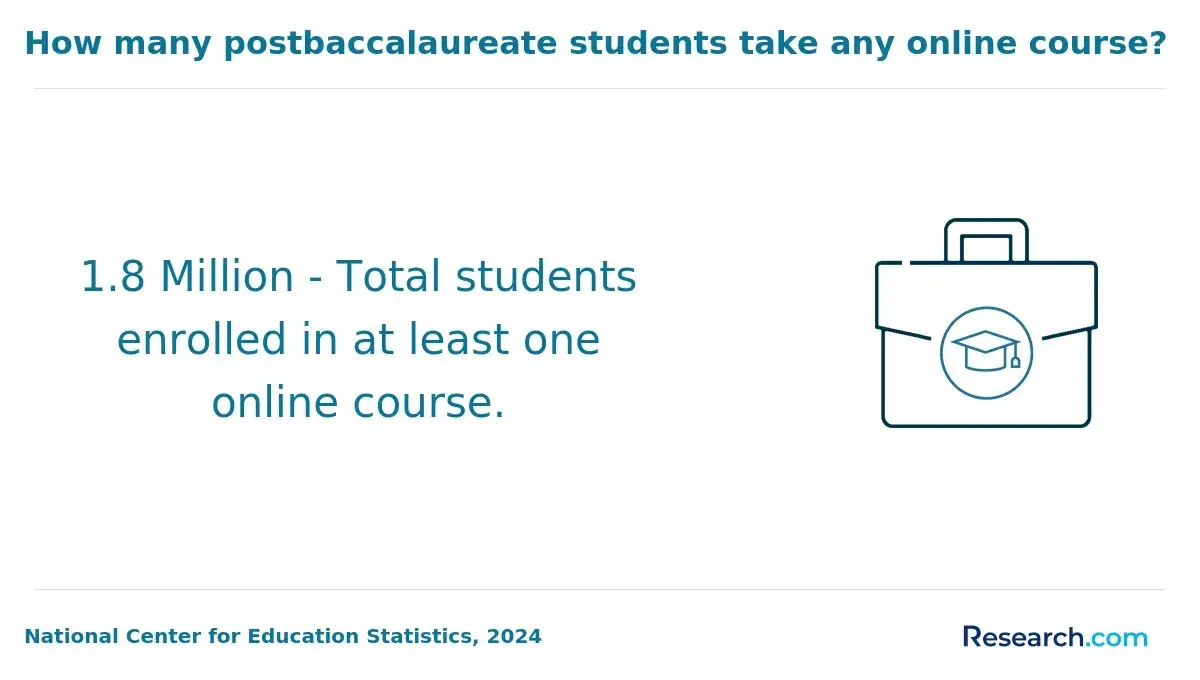
Both online and traditional campus-based criminology degree programs maintain high academic standards primarily through regional accreditation, which is the recognized benchmark for quality higher education in the U.S. Accreditation confirms that the curriculum, faculty qualifications, and assessment methods meet rigorous criteria regardless of whether instruction is delivered online or in person.
Many reputable universities now offer online criminology programs that mirror their on-campus counterparts in terms of content, faculty expertise, and practical skills training, often involving partnerships with local facilities for hands-on experience. While traditional programs may provide more direct access to specialized campus resources like forensic labs, online degrees commonly arrange equivalent practical opportunities to ensure students develop necessary job-ready skills.
Recent trends show growing employer acceptance of online criminology degrees, especially when earned from regionally accredited institutions recognized for their academic quality. The flexibility of online programs appeals to working professionals and those with family commitments, and many employers now view online credentials as equally credible compared to traditional degrees.
According to industry observations, the key factors influencing employer respect are accreditation and the institution's reputation, rather than the mode of delivery. For prospective students, this means that credibility and future career prospects in criminology depend more on the standing of the institution offering the degree than on whether the learning experience is online or on campus.
How Much Does Each Type of Criminology Degree Typically Cost?
Understanding tuition differences across criminology degree levels is essential for effective budgeting and financial planning. Knowing these cost ranges allows prospective students to make well-informed decisions and explore potential financial aid opportunities.
Below is an outline of the typical tuition ranges for each type of Criminology degree:
- Associate Degree in Criminology: An associate degree usually costs between $6,000 and $12,000 at public community colleges, while private institutions may charge up to $20,000 for the entire program. Online options tend to be more affordable, sometimes under $7,000. Students can often supplement costs with Pell Grants and scholarships available for eligible applicants.
- Bachelor's Degree in Criminology: The average tuition for a bachelor's degree hovers around $12,815 annually, but prices vary widely from approximately $10,412 at in-state public schools to $31,662 at out-of-state or private universities. Online programs often provide competitive rates, and grants or scholarships can significantly lower the net price, sometimes to near $6,144.
- Master's in Criminology: Master's programs generally range from $22,000 to $35,000 overall, with public universities offering the more affordable end and private institutions charging higher tuition. Flexible payment plans through online or accelerated formats are common, and many students reduce expenses via graduate assistantships or employer tuition reimbursement programs.
- Doctoral Degree in Criminology: Doctoral studies in criminology can cost between $30,000 and $60,000 or more, depending on the school's public or private status. Most doctoral candidates obtain funding through research or teaching assistantships, fellowships, or grants, which help offset these higher costs.
What Jobs Can You Get with Each Type of Criminology Degree?
The level of criminology degree you earn significantly affects the career opportunities available, as well as the types of roles and responsibilities graduates can expect. Higher degrees usually open doors to more specialized, leadership, or research-focused positions.
Below is a list outlining common jobs associated with each type of criminology degree to help you understand the typical paths for each educational level.
- Associate Degree in Criminology: Graduates often enter entry-level positions such as correctional officer, security guard, or police dispatcher. These roles usually involve facility monitoring, maintaining public safety, and assisting law enforcement agencies. Most work settings include police departments, correctional institutions, or private security firms. For those looking for the fastest way to get your associate's degree, this can be a practical start.
- Bachelor's Degree in Criminology: This degree qualifies graduates for roles like police officer, probation or parole officer, forensic science technician, crime scene investigator, and case manager. Responsibilities involve investigating crimes, supervising offenders, or analyzing forensic evidence. Graduates often work in local, state, or federal law enforcement agencies, courts, and nonprofit organizations with a median salary for police and detectives reported at $69,160 in 2022.
- Master's Degree in Criminology: Advanced roles accessible with this degree include forensic psychologist, criminal profiler, police supervisor, correctional administrator, and victim advocate. These professionals might oversee teams, conduct psychological evaluations, or develop crime prevention programs. Employment settings typically include government agencies, research institutions, or specialized law enforcement units.
- Doctoral Degree (Ph.D.) in Criminology: Graduates pursue careers as university professors, researchers, policy analysts, or high-level consultants. Some also qualify for federal agent positions in entities like the FBI, NSA, or DEA. Their responsibilities focus on research, policy development, and teaching. Postsecondary criminology educators earned a median salary of $80,560 in 2022 according to BLS data.
How Do Salaries Differ by Criminology Degree Type?
Degree level often plays a crucial role in influencing earning potential for students pursuing careers in criminology. Understanding how salaries differ by degree type can help students make informed educational and career decisions.
Below is a summary outlining typical salary ranges for each criminology degree level.
- Associate Degree in Criminology: Graduates with an associate degree usually qualify for entry-level positions such as security guard or correctional officer. Median salaries for these roles vary, with security guards earning around $38,370 annually and correctional officers making about $57,970. Factors like years of service and additional training can impact pay progression over time.
- Bachelor's Degree in Criminology: A bachelor's degree opens opportunities for roles including probation officer, police officer, detective, or private investigator. Starting salaries average near $39,500 yearly, but many positions offer higher pay as experience grows. For example, police officers and detectives have median earnings of $76,290 and $93,580 respectively, with location and agency type influencing actual compensation.
- Master's Degree in Criminology or Criminal Justice: Master's graduates often move into specialized or supervisory roles like forensic psychologist or criminologist. Forensic psychologists average $112,787 per year, while criminologists make about $92,910. Advanced degrees also qualify individuals for academic, policy, or research careers, which may offer higher salaries depending on experience and institution. Students interested in academic advancement might also explore options such as 1 year PhD programs online to accelerate their educational timeline.
- Doctoral Degree (PhD) in Criminology: The highest level degree prepares graduates for faculty positions or advanced research roles. Criminology professors earn between $57,516 and $81,250 annually based on rank and institution. Some federal or specialized research positions may provide higher salaries, especially when supported by grants or expertise.
Is There High Demand for Criminology Degree Holders in the Job Market?
There is notable demand for criminology degree holders in the US job market, influenced by several key factors. Emerging technologies such as artificial intelligence and digital forensics have heightened the need for professionals with strong quantitative, analytic, and research skills. Employers particularly value competencies in critical thinking, teamwork, and data analysis, alongside familiarity with statistical software like R, Stata, or SPSS.
Workforce demands are also shaped by social justice reforms, policy changes, and public health trends, which have increased opportunities in corrections, social services, and law enforcement. Regional differences further affect demand, with some states, including Florida, offering financial bonuses and recruitment incentives to attract qualified law enforcement candidates.
For those interested in accessible education paths, exploring low cost online bachelor degree programs can be a strategic starting point for entering this evolving field.
The job outlook for criminology graduates is broad, spanning sectors like cybersecurity, forensic science, crime analysis, community corrections, and legal services. Positions such as forensic science technicians, clinical social workers, and forensic psychologists demonstrate competitive median salaries and above-average job growth projections.
Approximately 34.5% of workers in criminal justice hold a bachelor's degree, underscoring the value of formal education. This wide range of career paths allows graduates to engage in roles that contribute positively to public safety and community well-being. Overall, the field is considered recession-resilient, offering promising employment prospects for those with advanced skills in technology, analytics, and policy.
What Factors Should You Consider When Picking a Type of Criminology Degree?
Choosing the right criminology degree level is a critical decision because it shapes your academic journey and influences your future career opportunities. Aligning your education with both your professional goals and personal circumstances ensures you make the most valuable investment in your studies.
Consider these key factors when selecting which type of criminology degree to pursue:
- Career Goals: The degree level you choose impacts the range of jobs available and potential salary. For example, a bachelor's degree often leads to entry-level roles such as police officers or investigators, while advanced degrees like a master's or PhD open doors to research, policy, and academic positions that typically pay more.
- Personal Interest and Self-Efficacy: Genuine curiosity about criminal behavior and confidence in your academic abilities are important for success. Those interested in specialized areas or motivated by a desire to impact crime prevention may benefit from pursuing higher education levels.
- Time Commitment: Different degrees require varying durations of study-associate degrees typically take two years, bachelor's four years, and graduate programs can add two to six years. Reflect on your capacity to dedicate time alongside other responsibilities.
- Job Prospects and Earning Potential: Research the employment landscape corresponding to each degree. Higher degrees generally lead to more advanced and better-paying positions, so consider where you want to be professionally and the expected earning outcomes.
- Specialization Opportunities: Some programs offer concentrations like forensic criminology or policy studies. Specializing may enhance your expertise and employability but often requires pursuing a higher degree.
- Program Structure and Support: Evaluate if the program offers internships, experiential learning, and faculty mentorship, as these resources can greatly improve your educational experience and job readiness.
What Criminology Graduates Say About Their Degree and Salary
- Torin: "Completing my Bachelor of Science in criminology opened doors I never imagined possible. The curriculum's blend of theory and real-world application prepared me thoroughly for the demanding environment of law enforcement. I especially appreciate the program's focus on community policing, which inspired me to work actively toward meaningful change in neighborhoods facing adversity. Thanks to this degree, I now have a stable career where I feel I make a tangible difference every day."
- Aria: "My Master's in forensic criminology challenged me intellectually and fueled my passion for analytical problem-solving. This advanced degree gave me access to cutting-edge technology and research opportunities that enhanced my professional development significantly. I was able to join a multidisciplinary team investigating complex cases, which sharpened my skills and broadened my perspectives. Pursuing this path has been both a rigorous and rewarding journey toward becoming a leader in the criminal justice field."
- Diego: "Studying criminology with a focus on juvenile justice transformed the way I see the potential in young people who have made mistakes. The program's emphasis on rehabilitation and community engagement deeply influenced my approach to social work. I've grown not only professionally but also personally by fostering hope and resilience in underserved populations. This degree empowered me to advocate for positive change and support youth in rebuilding their lives."
Other Things You Should Know About Criminology Degree Programs & Salaries
In 2027, criminology master's graduates typically earn more than bachelor's graduates. A bachelor's degree might lead to roles with salaries averaging around $50,000, while a master's degree can unlock higher-paying positions, often ranging from $65,000 to $80,000, depending on experience and specialization.
In 2027, master's graduates in criminology typically earn more than bachelor's graduates. While salaries vary by location and employer, master's degree holders can expect an average annual salary increase of approximately 20-25% over their bachelor's counterparts due to the advanced skills and expertise they bring to the field.
In 2027, criminology degrees range from bachelor's to doctoral levels. Bachelor’s graduates can expect salaries around $45,000 to $58,000 annually. Master’s degree holders might earn between $55,000 and $75,000. Doctoral graduates have the highest earning potential, with salaries typically starting at $80,000 or more. Compensation can vary based on role and experience.
References
- Best Online Criminology Degrees Of 2025 https://www.forbes.com/advisor/education/law/best-online-criminology-degree-programs/
- Criminology Degree https://universitycompare.com/guides/subject/criminology-degree
- 15 Highest-Paying Criminology Jobs https://legalcareerpath.com/highest-paying-criminology-jobs/
- Criminology Salary Guide - Pays, Job Types & Education https://tallo.com/careers/job-search/criminology-salary-guide/
- The 21 Cheapest Criminology Bachelor's Programs Online https://www.geteducated.com/online-college-ratings-and-rankings/online-criminology-degree/
- 2025 Most Affordable Online Degrees in Criminology https://www.onlineu.com/most-affordable-colleges/criminology-degrees
- Bachelor of Criminology https://programsandcourses.anu.edu.au/program/bcrim
- Home https://www.husson.edu/online/blog/2023/01/criminal-justice-vs-criminology
- Evaluating The Credibility Of Online Law Schools: Are You Compromising Your Education? https://elearningindustry.com/evaluating-the-credibility-of-online-law-schools-are-you-compromising-your-education
- Criminal Justice and Criminology MA https://gpem.luc.edu/portal/abm


