2027 Different Types of Native American Leadership Degrees and Their Salaries

Co-Founder and Chief Data Scientist
Choosing a Native American leadership degree is not just a question of major or format. It is a decision about the kind of work you want to do for tribal governments, Native-led nonprofits, cultural programs, education systems, health organizations, economic development offices, or policy groups.
These programs are designed for students and working professionals who want to combine leadership training with a grounded understanding of tribal sovereignty, Indigenous governance, community priorities, cultural preservation, and public administration. The right degree level can affect how quickly you enter the workforce, what roles you qualify for, how much you spend, and whether you are prepared for management, policy, research, or community-facing work.
This guide explains the main types of Native American leadership degrees, common specializations, typical completion timelines, online and accelerated options, costs, job paths, and salary expectations. It also highlights the practical trade-offs students should weigh before committing to a program.
Key Points About Different Types of Native American Leadership Degrees and Their Salaries
- Individuals with an associate degree in Native American leadership often find entry-level positions in tribal administration or community outreach, earning an average annual salary between $40,000 and $50,000.
- Bachelor's degrees in Native American leadership open doors to managerial roles within tribal governments or nonprofit organizations, with median salaries ranging from $55,000 to $70,000.
- Advanced degrees such as a master's in Native American leadership significantly enhance long-term earning potential and job prospects, often leading to senior leadership or advisory positions with salaries exceeding $85,000 annually.
What Are the Different Types of Native American Leadership Degrees Available?
Native American leadership degrees are offered at several academic levels, from short certificate programs to graduate degrees focused on tribal governance, administration, policy, business, and Indigenous studies. The best choice depends on whether you want an entry-level community role, a management position in tribal government, a policy-focused career, or advanced academic and research work.
Most programs combine leadership development with coursework in tribal history, sovereignty, Indigenous governance, law, community development, and cultural values. However, the depth and career outcomes vary by degree level.
- Associate Degree in Native American Leadership: This option gives students a foundation in tribal history, government, Native studies, introductory leadership, and community engagement. It can support entry-level work in tribal offices, community programs, or nonprofit settings, and it may also serve as a transfer pathway into a bachelor's degree.
- Bachelor's Degree in Native American Leadership or Indigenous Studies: A bachelor's program offers broader preparation for professional roles in tribal administration, education, cultural programming, social services, and community advocacy. Students typically study tribal sovereignty, policy, leadership theory, Indigenous social issues, and the relationship between cultural values and contemporary governance.
- Master of Tribal Administration and Governance (MTAG): This applied graduate degree is built for students who want to work in or advance within tribal government. Coursework often emphasizes tribal law, public administration, finance, policy analysis, leadership, and the practical realities of managing government programs.
- Master of Science in American Indian Studies (Tribal Leadership and Governance): This degree blends theory and practice, with attention to the political, cultural, legal, and ethical contexts of tribal nations. Students may study Indigenous research methods, community development, governance, and leadership models shaped by Native communities.
- MBA in Native American Leadership: This option applies business administration to Native nations and tribal enterprises. It is most relevant for students interested in economic development, organizational leadership, entrepreneurship, finance, and nation-building through an Indigenous perspective.
- Certificates in Native American Leadership: Certificate programs provide focused training in areas such as tribal law, leadership development, governance, or community building. They are often useful for working professionals who already have a degree or experience but need targeted knowledge for a specific role.
Salary potential varies by degree level, employer, location, and years of experience. Specialized master's graduates may qualify for higher-level leadership roles, while some tribal government management positions offer earnings between $50,000 and $90,000. Students comparing this field with other academic paths may also want to review broader options in college majors and careers.
What Specializations Are Available in Native American Leadership Degrees?
Specializations matter because Native American leadership is not a single career track. One student may want to manage a tribal department, another may want to lead cultural revitalization work, and another may be preparing for policy, legal advocacy, research, or education. A concentration helps align coursework with those goals.
Common specializations include the following:
- Tribal Administration and Governance: This specialization focuses on how tribal governments operate. Students study planning, departmental management, human resources, budgeting, conflict resolution, and decision-making in tribal contexts. It is a strong fit for aspiring tribal administrators, program directors, council staff, managers, and government operations professionals.
- Community Development and Revitalization: This track prepares students to strengthen Native communities through cultural, social, and economic initiatives. Coursework may address cultural revitalization, grant-funded programs, social services, project management, and community engagement. Graduates often pursue work as community development officers, program managers, nonprofit leaders, or coordinators of local initiatives.
- Indigenous Research and Methodologies: This specialization is designed for students interested in research, evaluation, education, advocacy, or data-informed policy. It emphasizes Indigenous-centered research methods, ethics, community accountability, and responsible use of information. Career paths may include researcher, policy analyst, educator, evaluator, or advocacy professional.
- Legal and Policy Studies: This track examines the legal and policy frameworks affecting tribal sovereignty, federal Indian law, treaty rights, governance, and jurisdiction. It can support careers in policy advising, legal advocacy, tribal government affairs, and public-sector work. Students who want to become attorneys should remember that a leadership degree alone does not replace the legal education and licensure required to practice law.
When comparing specializations, look beyond the title. Review required courses, faculty expertise, fieldwork options, tribal partnerships, and whether the curriculum reflects Indigenous perspectives rather than treating Native governance as a narrow policy topic. Students seeking flexible study options may also compare online bachelor's programs that offer relevant coursework in Native American leadership, Indigenous studies, public administration, or community development.
How Long Does It Take to Complete Each Type of Native American Leadership Degree?
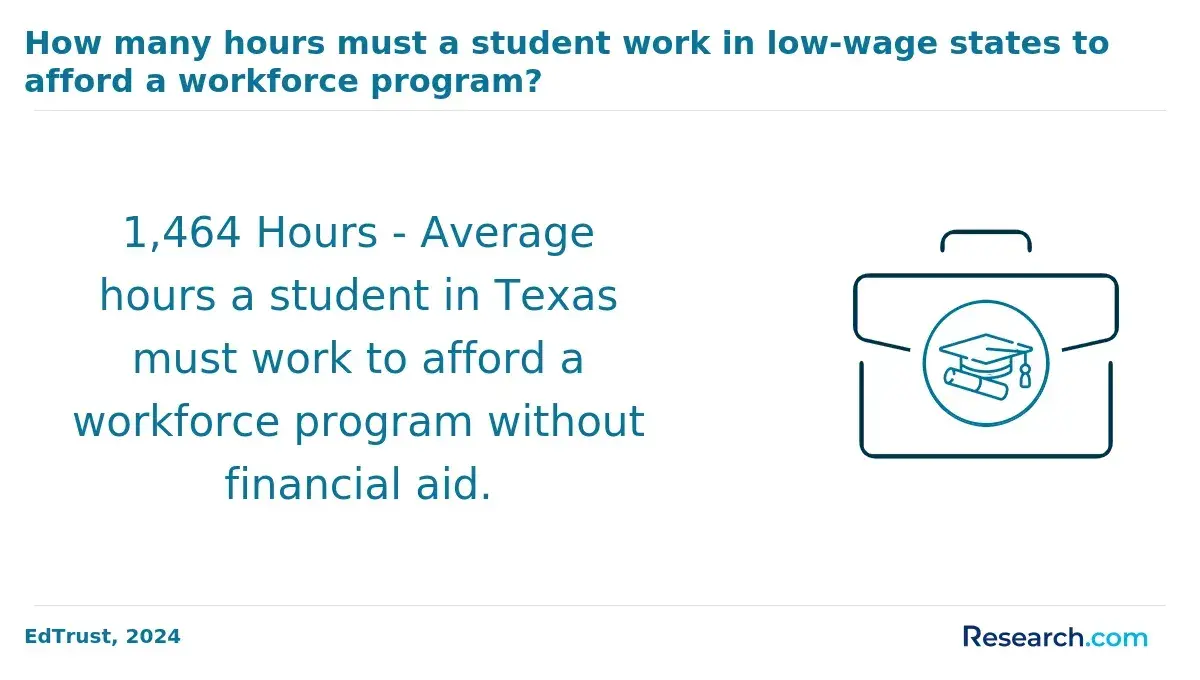
Program length depends on the degree level, enrollment status, transfer credits, academic calendar, and whether the program is offered online, on campus, or in a hybrid format. Students who work full time, support family members, or serve in community roles should compare timelines carefully before enrolling.
The typical completion times are:
- Associate Degree in Native American Leadership: An associate degree is typically completed in about two years. Full-time students may finish on that schedule, while part-time students may need longer. Transfer credit, prior college coursework, online classes, and accelerated terms can shorten the path for some students.
- Bachelor's Degree in Native American Leadership: A bachelor's degree usually requires four years of full-time study. Students who transfer from an associate program or bring previous college credits may reduce the time required. Online and accelerated formats can also help students move through requirements more efficiently.
- Master's Degree in Native American Leadership: A master's degree generally takes two years of full-time study after a bachelor's degree. Part-time enrollment, capstone work, internships, or research requirements can extend the timeline. Many graduate programs use online or hybrid delivery to support working adults.
- Doctorate in Native American Leadership: Doctoral study often includes three to five years of work beyond the master's level, depending on the research focus, dissertation, and institutional requirements. Some programs may include online coursework, but doctoral students should expect substantial research expectations and possible residency requirements.
Before choosing a program, ask how many credits are required, whether summer courses are available, how often required courses are offered, and whether fieldwork or research requirements can be completed near your community or workplace.
Are There Accelerated Native American Leadership Degree Programs?
Yes. Accelerated Native American leadership degree programs are available at some institutions, usually through shorter academic terms, year-round enrollment, transfer-friendly policies, or combined bachelor's-to-master's pathways. These formats can help students finish sooner, but they are not easier. They compress the same academic expectations into a faster schedule.
Some accelerated programs use eight-week terms instead of the usual sixteen weeks. Others require students to continue through summer semesters rather than taking long breaks. Combined pathways may allow students to earn both a bachelor's and master's degree in as little as five years by applying selected credits toward both credentials.
Transfer credits and prior learning assessments can also reduce time to completion for students who already have college coursework, an associate degree, military training, professional experience, or relevant community leadership experience. Some online master's programs enable completion in as little as twelve months, depending on the institution, course load, and student eligibility.
Who should consider an accelerated program?
An accelerated format may work well for students who have strong time-management skills, reliable internet access if studying online, a stable work schedule, and a clear reason to finish quickly. It can be especially useful for working professionals who need a credential for promotion or for students who already know they want to move into graduate-level leadership preparation.
What are the trade-offs?
- Higher weekly workload: Short terms mean readings, assignments, discussions, and projects move quickly. Falling behind for even one week can be difficult to recover from.
- Less downtime: Year-round enrollment can reduce breaks between courses, which may affect work, family responsibilities, and community obligations.
- Stricter eligibility: Applicants may need completed general education courses, an associate degree, relevant experience, or junior-year standing for combined bachelor's and master's options.
- Reduced flexibility once enrolled: Because courses are sequenced tightly, dropping or delaying one course may affect the entire completion timeline.
A graduate of an accelerated Native American leadership program described the early experience as "a whirlwind" because overlapping assignments and limited breaks forced quick adjustments. He said that "every week counted," especially in compressed semesters. Transfer credits helped him skip some introductory courses and maintain momentum, but the continuous schedule often blurred the line between school and personal time. He also noted that the fast pace created a close cohort, with peer and faculty relationships becoming an important source of support. His advice was straightforward: the format can be rewarding, but only for students who are ready for a rigorous and sustained commitment.
Are Online Native American Leadership Degrees as Credible as Traditional Ones?
Online Native American leadership degrees can be as credible as campus-based programs when they come from properly accredited institutions and offer a serious curriculum, qualified faculty, and meaningful engagement with Native communities. The delivery format matters less than the quality of the institution and the strength of the program.
Accredited universities like East Central University and Southeastern Oklahoma State University offer online coursework in areas such as tribal sovereignty, Indigenous governance, cultural resource management, and legal studies. Strong online programs may also include internships, applied projects, community partnerships, or work connected to tribal organizations, so students can build practical experience rather than completing only classroom assignments.
Employer acceptance of online degrees has improved, particularly when the school is established and the transcript does not suggest a lower academic standard. Tribal governments, nonprofits, schools, and cultural organizations generally care about whether graduates understand governance, policy, community needs, communication, budgeting, and culturally grounded leadership. They may also consider the institution's reputation, faculty expertise, and the student's direct experience.
How to evaluate credibility before enrolling
- Check accreditation: Confirm that the institution is accredited by a recognized accreditor. Accreditation affects transfer credit, financial aid eligibility, employer confidence, and graduate school options.
- Review faculty and curriculum: Look for courses that address tribal sovereignty, governance, Indigenous methodologies, ethics, and community-based leadership, not just generic management.
- Ask about applied learning: Internships, capstones, policy projects, and partnerships with tribal organizations can make an online degree more practical.
- Consider student support: Online learners should have access to advising, library resources, technology help, career services, and faculty communication.
- Compare outcomes and cost: A respected online master's in Native American leadership may be completed in as little as 12 months, but students should still compare tuition, workload, completion rates, and career relevance.
In short, an online degree is not automatically weaker, and an on-campus degree is not automatically better. Credibility depends on accreditation, academic rigor, cultural relevance, faculty quality, and the student's ability to connect coursework to real leadership practice.
How Much Does Each Type of Native American Leadership Degree Typically Cost?
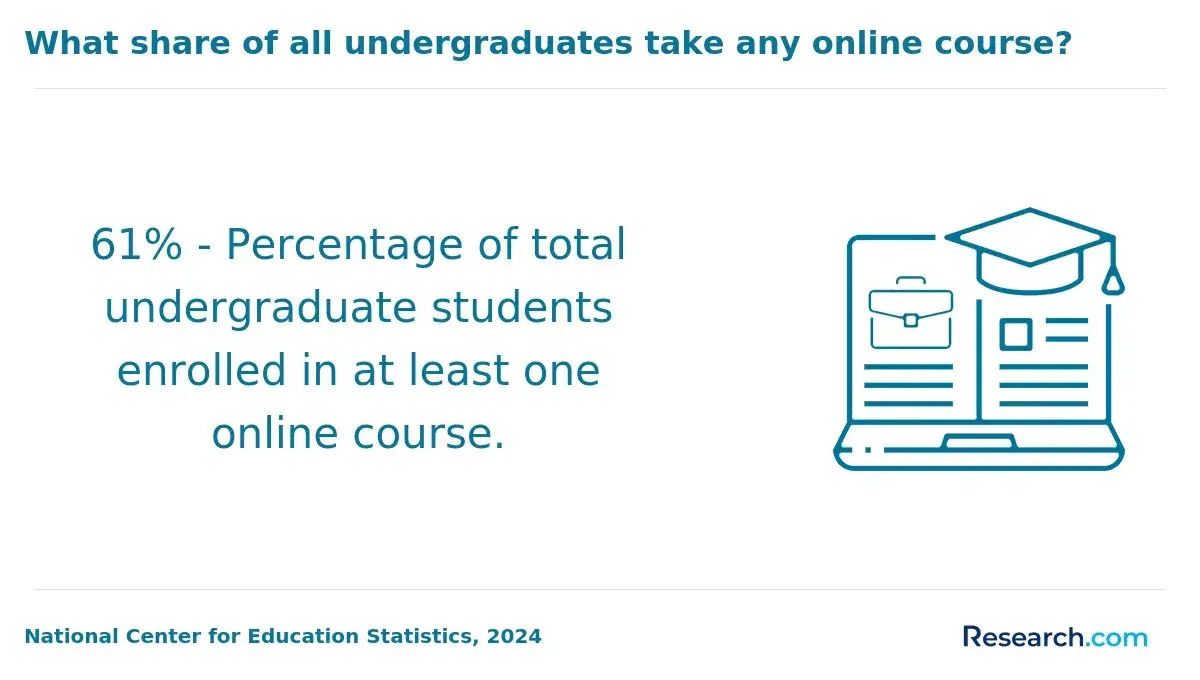
The cost of a Native American leadership degree depends on the institution, degree level, residency status, delivery format, fees, and available aid. Students should compare the full cost of attendance, not tuition alone. Books, technology, travel, housing, childcare, lost work hours, and residency requirements can change the true price of a program.
Typical tuition ranges include:
- Associate Degree in Native American Leadership: Tuition usually ranges from $3,000 to $6,000 per year at tribal colleges and public community colleges. Tribal colleges may be among the more affordable options, especially for students who can access tribal, institutional, or local support.
- Bachelor's Degree in Native American Leadership: Annual tuition typically ranges from $7,000 to $20,000. Costs vary based on whether the school is public or private and whether the student pays in-state or out-of-state rates. Some states and institutions offer Native American tuition waivers or reduced rates, and qualifying students may pay very little or no tuition.
- Master's in Native American Leadership: Graduate tuition ranges from about $10,000 to $25,000. Online programs can reduce relocation or commuting expenses, but students should still check per-credit tuition, fees, and any required campus visits.
- Certificate and Leadership Academy Programs: Short-term programs typically cost between $1,000 and $2,650 and may include lodging and meals. These programs are often subsidized through scholarships, tribal grants, or philanthropic funding.
How to plan for affordability
- Apply for aid early: Scholarship and tribal funding deadlines may fall well before the academic term begins.
- Ask about Native American tuition waivers: Eligibility rules differ by state, tribe, institution, and documentation requirements.
- Compare online and campus costs carefully: Online tuition may be lower, but some programs charge technology fees or require travel for residencies.
- Use transfer credits strategically: Completing lower-division coursework at a community or tribal college can reduce bachelor's degree costs.
- Check whether employer or tribal sponsorship is available: Some students receive support because their degree directly benefits a tribal department, school, clinic, or community program.
A graduate of a Native American leadership degree program described the financial side as manageable only after careful planning. She said, "There were moments when I worried about how I'd afford my tuition, but the support from tribal scholarships and flexible payment plans made a real difference." She also emphasized that the degree expanded her professional network and opened career opportunities she had not expected. Her experience points to a practical lesson: start funding conversations early, document eligibility carefully, and compare aid packages before committing.
What Jobs Can You Get with Each Type of Native American Leadership Degree?
Career options depend on degree level, experience, location, employer type, and specialization. Native American leadership graduates may work in tribal government, education, nonprofit administration, cultural preservation, healthcare administration, social services, research, policy, or economic development. A degree can help, but many leadership roles also require community trust, relevant experience, grant management skills, communication ability, and knowledge of tribal systems.
- Associate Degree in Native American Leadership: Graduates may qualify for entry-level positions such as community outreach coordinator, administrative assistant in tribal offices, or program support specialist. These jobs often involve assisting with community programs, supporting tribal government operations, coordinating services, maintaining records, or helping residents access resources.
- Bachelor's Degree in Native American Leadership or American Indian Studies: A bachelor's degree can support mid-level roles such as cultural program manager, social worker, community welfare worker, preservation and conservation researcher, education program coordinator, or nonprofit program staff member. Responsibilities may include managing cultural initiatives, developing educational programs, coordinating social services, and supporting community-based projects. According to the U.S. Bureau of Labor Statistics, social workers earned a median salary of $55,350 in 2023.
- Master's Degree in Native American Leadership (such as MSNAL): A master's degree may prepare graduates for leadership and management roles such as tribal leader, director of education programs, healthcare administrator, director of cultural preservation, policy manager, or senior program administrator. These roles often involve strategic planning, budgeting, policy development, staff supervision, intergovernmental communication, and advocacy for Indigenous communities. Salary potential can increase with responsibility; education administrators earned a median salary of $101,320. Some students considering advanced academic routes may compare options such as a no dissertation PhD program, depending on their career goals.
- Doctoral or Advanced Research Degrees in Native American Leadership or Indigenous Studies: Doctoral graduates may pursue work as university professors, senior policy advisors, researchers, executives, or high-level administrators. Their work can include teaching, conducting research on Indigenous issues, advising on tribal policy, leading major cultural institutions, or shaping long-term strategy. University professors in related fields earned an average of $80,840 per year, with some policy advisors and administrators earning higher salaries.
Students should read job postings before choosing a degree level. Some positions require a bachelor's degree, while others prefer a master's degree plus years of experience. Roles involving law, licensed counseling, social work, healthcare, or education may also require separate licensure or certification beyond a Native American leadership degree.
How Do Salaries Differ by Native American Leadership Degree Type?
Salaries in Native American leadership vary widely because graduates work across many sectors, including tribal government, education, social services, healthcare, nonprofits, research, cultural programs, and policy. Degree level can influence pay, but it is not the only factor. Location, employer budget, grant funding, management responsibility, years of experience, and specialized skills can matter just as much.
Typical salary expectations by degree level include:
- Associate Degree in Native American Leadership: Entry-level positions for associate degree holders typically start around $41,000 per year. These roles may involve community outreach, administrative support, program assistance, or service coordination within tribal or Native-serving organizations.
- Bachelor's Degree in Native American Leadership: Graduates often qualify for roles such as program associate, policy coordinator, educator, cultural program staff member, or community services professional. Starting salaries range from $53,000 to $75,000 annually, with compensation affected by employer type, geography, and experience.
- Master's Degree or Higher in Native American Leadership: Advanced degrees may lead to director, administrator, leadership, or policy advocacy roles in tribal governments, educational organizations, healthcare programs, or nonprofits. Salaries in these positions range from $55,000 to nearly $93,000 per year, with tribal government leadership and senior administrative positions often closer to the upper end.
Students who want to improve long-term earning potential should think strategically. A lower-cost program, relevant internships, budgeting experience, grant-writing skills, policy knowledge, and strong community relationships can improve career outcomes as much as the credential itself. Salary should also be weighed against mission fit, community impact, location, benefits, job stability, and opportunities for advancement.
Is There High Demand for Native American Leadership Degree Holders in the Job Market?
Demand exists, but it is uneven. Native American leadership degree holders are needed in tribal governance, education, economic development, healthcare, cultural preservation, nonprofit leadership, and policy work. At the same time, job availability depends heavily on region, tribal infrastructure, local funding, grant cycles, and the size of Native-serving organizations.
As tribal nations expand governmental, business, educational, and community programs, employers need professionals who understand both traditional values and modern management practices. Programs such as the Native American Leadership master's at Southeastern Oklahoma State University are designed to prepare graduates for roles in tribal governance, education, and economic development.
However, students should approach the job market realistically. Persistent employment barriers remain, including higher unemployment rates among Native Americans, up to 10.5% on reservations and much higher in some rural areas. A leadership degree can improve preparation and credibility, but it does not eliminate structural challenges such as limited local openings, transportation barriers, underfunded programs, or fluctuating public funding.
Several areas may create demand for graduates with strong leadership and cultural competency:
- Digital infrastructure: Tribal and rural communities need leaders who can manage planning, partnerships, and implementation.
- Renewable energy: Energy projects often require governance, environmental, legal, and community engagement skills.
- Healthcare: Native health organizations need administrators who understand culturally competent care and community priorities.
- Education: Schools and colleges need leaders who can support Native students, curriculum development, and community partnerships.
- Economic development: Tribal enterprises and development offices need professionals skilled in strategy, finance, operations, and nation-building.
Federal and state funding programs can support workforce development, but funding availability may shift because of policy and budget changes. Regions with strong tribal economies or active self-governance tend to show more robust demand for leadership roles. Salaries can range from $33,000 to $135,000 annually depending on location and experience. Students who want broader career flexibility may also compare online dual degree programs that combine leadership preparation with fields such as public administration, business, education, law-related studies, or healthcare administration.
What Factors Should You Consider When Picking a Type of Native American Leadership Degree?
The right Native American leadership degree should match your career goal, current education level, budget, schedule, and connection to the communities you hope to serve. A degree that is ideal for a future tribal administrator may not be the best fit for someone focused on research, cultural preservation, education, or policy advocacy.
Consider these factors before enrolling:
- Career Goals: Associate and bachelor's degrees can support entry- and mid-level roles in tribal administration, community services, education, cultural programming, and nonprofit work. Master's and doctoral degrees are more relevant for advanced leadership, policy-making, executive administration, research, and academic careers.
- Time Commitment: Program length can range from about two years for an associate degree to up to six years for advanced graduate degrees. Accelerated bachelor's-to-master's pathways may reduce total study time, but they require a heavier workload and consistent enrollment.
- Salary Prospects: Higher degrees can improve access to leadership roles and better pay, although salary outcomes depend on employer, location, experience, and job responsibilities. Data specific to Native American leadership is limited, but nationally fewer than 10% of Native American adults hold a bachelor's degree and under 5% have graduate degrees, credentials that can help open doors to higher-paying leadership roles.
- Cultural Relevance and Community Impact: Look for programs that address tribal sovereignty, Indigenous governance, language and cultural preservation, community accountability, and Native-centered research or leadership methods. A culturally grounded program is more likely to prepare students for ethical and effective work in tribal contexts.
- Access and Support: Tribal colleges and universities may provide culturally grounded education and strong student support, but options can be limited by location or degree level. Online and hybrid programs can expand access for students in remote areas or those working full time.
- Accreditation and Transferability: Accreditation affects financial aid, transfer credits, graduate school eligibility, and employer confidence. Students planning to continue from an associate to a bachelor's degree should confirm transfer agreements before enrolling.
- Applied Experience: Internships, capstones, community projects, and tribal partnerships can be especially valuable. These experiences help students build a record of practical leadership, not just academic knowledge.
- Financial Fit: Compare tuition, fees, aid, living costs, and potential debt. A less expensive program with strong support and relevant field experience may be a better investment than a higher-cost program with limited community connection.
A practical approach is to start with the job you want, then work backward. Review job postings, speak with tribal departments or Native-led organizations, ask what credentials they value, and choose the degree level that matches those requirements.
What Native American Leadership Graduates Say About Their Degree and Salary
-
: "
My degree in Native American leadership helped me move from wanting to serve my community to understanding how governance decisions are actually made. The program connected cultural knowledge with practical leadership skills, and that combination gave me the confidence to contribute to policy work that protects our heritage while supporting economic growth. The salary stability mattered, but the larger value was gaining mentors, credibility, and a clearer role in strengthening tribal sovereignty.
Kai
"
-
: "
The program pushed me to think more critically about advocacy, education, and youth empowerment. I learned how to approach complex social issues without separating them from culture, family, language, and community responsibility. After graduation, I felt better prepared to support Native students and work with partners who may not fully understand tribal priorities. The degree changed both my career direction and the way I define leadership.
Dyani
"
-
: "
Focusing on Native American leadership gave me access to advancement opportunities I had not been able to reach before. The coursework in conflict resolution, strategic planning, and tribal organizations helped me work more effectively with community leaders and outside agencies. For me, the degree was not only about earning more. It was about building the skills to support sustainable development in a way that honors our ancestors and strengthens future generations.
Kele
"
Other Things You Should Know About Native American Leadership Degree Programs & Salaries
In 2027, salaries for those with a Native American leadership degree typically range from $45,000 to $85,000 annually. Factors affecting salary include the level of education, experience, and the specific role within Native American organizations or governmental agencies.
In 2027, Native American Leadership degrees can range from bachelor's to doctoral programs. They typically focus on Indigenous governance, cultural preservation, and community development. Each program may offer unique specializations, such as Tribal Administration or Native American Education, emphasizing leadership roles within Indigenous communities.
References
- Our Value Equation | Haskell Indian Nations University https://haskell.edu/financial-aid/our-value-equation/
- Native Studies https://www.indian-affairs.org/nativestudies.html
- What Can You Do With a Native Studies Degree? | SJC https://www.sanjuancollege.edu/blog/what-can-you-do-native-studies-degree/
- Native-Focused Student Services and Degree Programs - Map | American Indian College Fund https://collegefund.org/cre/explore-careers/native-focused-student-services-and-degree-programs-map/
- Careers at Indian Affairs https://www.bia.gov/as-ia/ohcm
- 10 best career options for Native American college students https://careercenter.fresnostate.edu/blog/2024/12/02/10-best-career-options-for-native-american-college-students/
- Degree and Certificate Programs – The College of the Muscogee Nation https://cmn.edu/degrees/
- Bridging the Gap in Native American Attainment in Higher Education: The Role of Native American-Serving Nontribal Institutions - Race and Ethnicity in Higher Education https://www.equityinhighered.org/resources/ideas-and-insights/bridging-the-gap-in-native-american-attainment-in-higher-education-the-role-of-native-american-serving-nontribal-institutions/