
2027 Do Employers Pay for Gender & Sexuality Studies Degrees: Tuition Reimbursement and Sponsorship Options

Co-Founder and Chief Data Scientist
Many working professionals eyeing a gender & sexuality studies degree face a significant financial hurdle. The average cost of tuition and fees for such programs often exceeds $20,000 annually, with student debt for humanities graduates averaging over $30,000 nationwide. Employers sometimes offer tuition reimbursement or sponsorship programs that can alleviate this burden, but eligibility varies widely by industry and company size.
This article explores which employers are likely to pay for gender & sexuality studies degrees, details common reimbursement structures, and highlights strategies to secure financial support. Readers will gain a clearer understanding of how to reduce education costs through employer assistance.
Key Benefits of Employers Paying for Gender & Sexuality Studies Degrees
- Employers offering tuition reimbursement for gender & sexuality studies help reduce the average $30,000+ student debt, promoting workforce diversity and inclusion expertise.
- Sponsorship programs incentivize employees to pursue specialized degrees, enhancing organizational cultural competence and sensitivity training capabilities.
- Funding such degrees supports retention by demonstrating employer investment in social equity knowledge valuable for evolving corporate social responsibility goals.
Do Employers Pay for Gender & Sexuality Studies Degrees?
Employer tuition reimbursement for gender studies degrees is not universally available, but about 44% of employers in the U.S. offer some form of tuition reimbursement generally. Companies that prioritize diversity, equity, and inclusion (DEI) initiatives may be more inclined to invest in employees pursuing gender & sexuality studies degrees because these programs provide valuable expertise that can improve workplace culture, influence policy development, and enhance community engagement.
This growing recognition leads certain sectors such as nonprofit organizations, educational institutions, and government agencies to support employees in gaining advanced knowledge in these areas.
Corporate sponsorship options for sexuality studies programs vary significantly depending on industry, job role, and relevance to an organization's goals. Human resources professionals or diversity officers are likelier to receive employer funding when their education aligns closely with workplace needs and social justice efforts.
Larger companies with established DEI frameworks often have better resources for tuition support. Students exploring degrees in gender & sexuality studies should carefully consider whether their target roles intersect with DEI efforts and investigate potential employer support to reduce education costs.
For individuals interested in related academic paths, exploring options like the cheapest online pharmacy school can also provide insight into affordable professional degrees.
What Types of Tuition Assistance Do Employers Offer for Gender & Sexuality Studies Degrees?
Employer tuition assistance is a valuable option for professionals pursuing a gender & sexuality studies degree, as it helps reduce out-of-pocket costs and lowers the financial risk of higher education. These benefits create a pathway to advance educational goals while maintaining financial stability, making it an important consideration for those balancing work and study.
Common types of employer tuition reimbursement for gender studies degrees and related fields include:
- Tuition reimbursement: Employers refund a portion or the full amount of tuition fees after successful completion of courses. These programs often set annual maximum reimbursements between $3,000 and $10,000, covering accredited gender & sexuality studies programs to support career and personal growth.
- Direct tuition payment: Some organizations pay tuition directly to the educational institution, eliminating the need for upfront payment by the student. This method is particularly helpful for those enrolled in sexuality studies programs who prefer minimal financial disruption during their studies.
- Scholarships or grants: Occasionally, employers offer scholarships or grants internally to employees pursuing degrees that align with workplace diversity goals or social justice initiatives, including gender & sexuality studies. These opportunities supplement traditional tuition assistance programs.
- Education stipends: Fixed monthly or yearly sums provided to help cover study-related expenses such as books, software, or technology fees. These stipends offer flexibility and additional support alongside tuition reimbursement or payment plans.
Those exploring tuition assistance programs for sexuality studies should also consider alternative educational paths like online DNP programs without dissertation that some employers might support as part of their professional development offerings.
Who Is Eligible for Employer Tuition Reimbursement for Gender & Sexuality Studies Degrees?
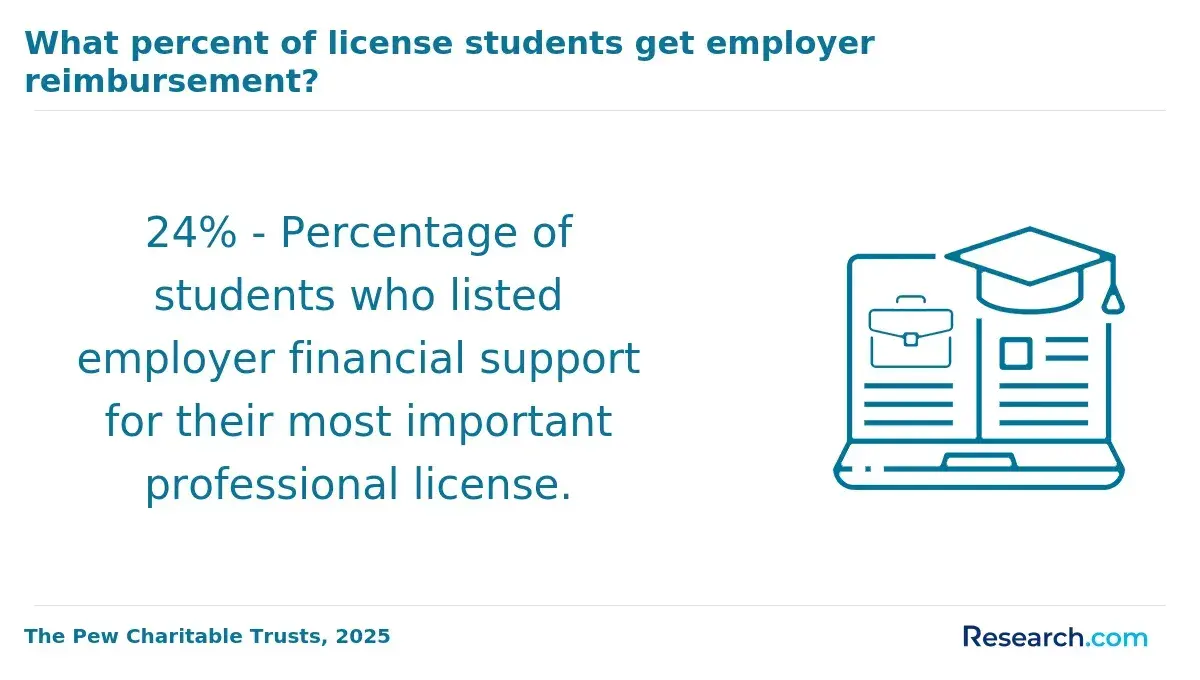
Employer tuition reimbursement for gender & sexuality studies degrees can significantly reduce educational costs, but eligibility requirements play a key role in determining who qualifies and when. These criteria influence not only the timing of enrollment but also the choice of program, directly impacting the potential return on investment (ROI) for students.
Careful attention to these factors helps prospective students optimize employer education aid for sexuality studies degrees.
- Employment status: Most employers require full-time employment to qualify, ensuring candidates have a stable position before investing in their education.
- Tenure requirements: A minimum period of employment, often several months to a year, is usually necessary to demonstrate commitment and eligibility for tuition reimbursement.
- Job relevance: The gender & sexuality studies degree must typically relate to the employee's current role or career trajectory within the company, highlighting its relevance to professional growth.
- Academic performance: Maintaining a satisfactory GPA or meeting other performance standards is often required to continue accessing funding throughout the program.
- Approval processes: Securing prior authorization from supervisors or human resources ensures alignment with company policies and confirms that the program fits organizational objectives.
- Continued employment: Employees may need to remain with the employer during and after completing the degree for a specified duration to protect the employer's educational investment.
Since specific policies vary widely, prospective students should evaluate these eligibility criteria carefully. Those considering related fields may also explore alternative pathways, such as a medical billing and coding certification online, which sometimes offer different funding options and faster return on investment.
Understanding who qualifies for employer education aid for sexuality studies degrees and how to meet those requirements supports strategic decision-making and financial planning in higher education.
How Do Employer Tuition Reimbursement Programs Work for Gender & Sexuality Studies Degrees?
For working professionals considering a gender & sexuality studies degree, knowing how employer tuition reimbursement programs operate can greatly impact educational expenses and financial planning. These programs often have detailed requirements that influence eligibility and reimbursement scope.
Below is a concise breakdown of common features to help students navigate these benefits effectively.
- Approval Process: Employees usually must obtain prior authorization by submitting a formal application describing their academic plan and its relevance to current or future job roles.
- Payment and Reimbursement: Reimbursement is typically issued after employees pay tuition upfront, not before, ensuring out-of-pocket expenses are covered retroactively.
- Required Documentation: Proof of payment combined with evidence of course completion, such as official transcripts or grade reports, must be provided to secure reimbursements.
- Reimbursement Limits: Annual caps are common and vary widely; some employers cover full tuition while others reimburse only a portion, depending on the specific policy.
- Academic Performance Expectations: Maintaining a minimum grade-often a C or higher-is essential; falling below this threshold can nullify reimbursement eligibility or lead to repayment obligations.
Are Online Gender & Sexuality Studies Degrees Eligible for Company Sponsorship?
Employer willingness to sponsor online gender & sexuality studies degrees has grown in tandem with broader acceptance of online education's quality and legitimacy.
While traditionally degrees in more technical or business-related fields have attracted more frequent sponsorship, nearly 70% of organizations now offer tuition reimbursement programs, according to a survey by the Society for Human Resource Management. However, full support for online social science disciplines like gender & sexuality studies remains less common, reflecting ongoing employer caution about program relevance and rigor.
When deciding on sponsorship, employers often assess whether the program is accredited by a recognized body and whether its curriculum demonstrates clear academic rigor. They also consider how the degree aligns with the employee's current responsibilities or future roles, especially regarding company goals such as diversity and inclusion initiatives.
Employers prefer to fund education that directly enhances workforce skills or supports business objectives, alongside evaluating the employee's commitment to completing the program. One professional who completed an online gender & sexuality studies degree through employer sponsorship shared that navigating the approval process was complex.
"I had to build a strong case showing how the program's content was valuable to our organization's inclusion efforts," he explained. He described multiple discussions with HR and supervisors, emphasizing persistence and clear communication about the degree's applicability.
Despite initial uncertainty, his experience showed that demonstrating relevance and dedication can help secure sponsorship even for less conventional fields.
How Much Tuition Reimbursement Can You Get for Gender & Sexuality Studies Degrees?
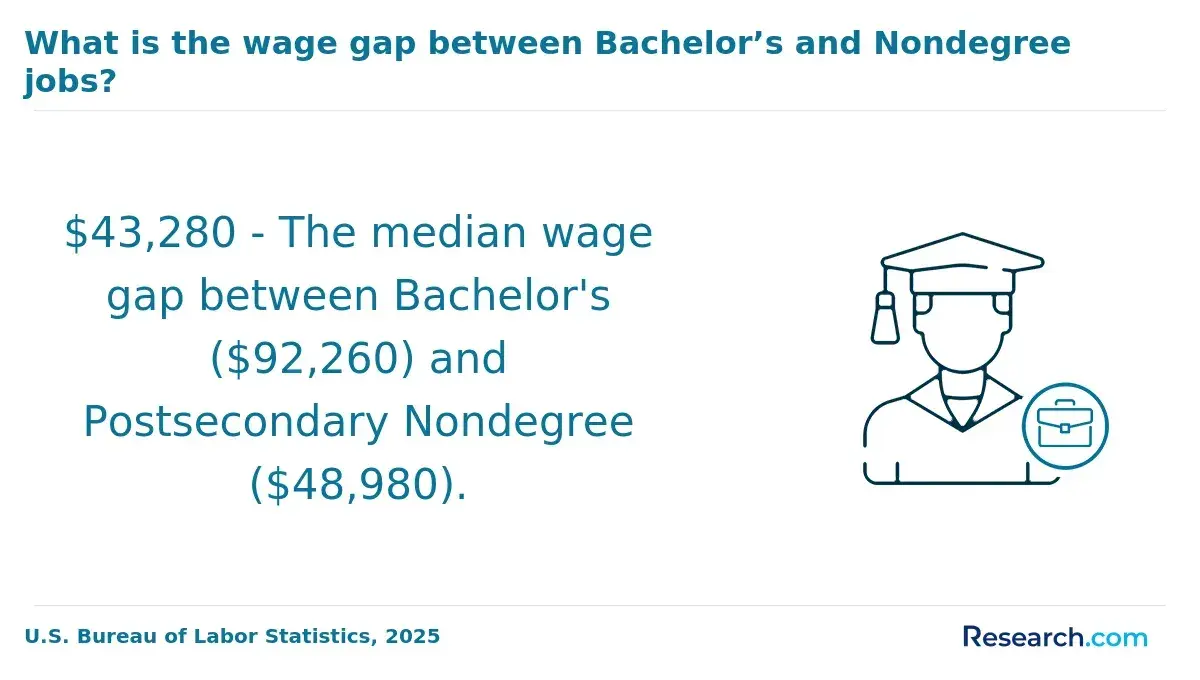
Tuition reimbursement limits directly affect how affordable pursuing a gender & sexuality studies degree can be and influence the potential return on investment. Since many employers offer annual education benefits capped at certain amounts, understanding these restrictions helps gauge the actual financial relief available.
For example, a survey by the Society for Human Resource Management found that 57% of U.S. employers provide tuition assistance, highlighting its increasing role in supporting employee education costs.
Typically, employers reimburse between $3,000 and $5,250 per year for gender & sexuality studies, aligning with the federal tax exclusion limit of $5,250 annually in tax-free educational assistance. Most companies also set lifetime caps ranging from $10,000 to $30,000.
Larger organizations, especially in education or nonprofit sectors, often offer higher limits due to the relevance to the employee's position, while smaller firms generally set lower thresholds. Federal tax rules help define these maximums but can vary by employer policies and industry standards.
Are There Penalties for Leaving an Employer-Sponsored Gender & Sexuality Studies Program Early?
Knowing potential penalties for leaving an employer-sponsored gender & sexuality studies degree program early is crucial for employees weighing their educational options. About 40% of companies with tuition reimbursement plans enforce repayment policies for those who exit prematurely, making it important to grasp the possible financial and professional consequences before committing.
These ramifications often include repayment demands and restrictions on future benefits, such as:
- Repayment obligations: Employees who leave before fulfilling contract terms usually must return all or part of the tuition already reimbursed. This amount can be calculated in full or reduced proportionally based on the time spent in the program.
- Prorated payback schedules: Some agreements use a sliding scale, dividing reimbursed tuition by the length of the required employment period. The longer the employee stays, the smaller the repayment required if they leave early.
- Early termination clauses: These specify how long an employee must remain with the company after completing degree milestones to avoid penalties, often ranging from one to two years.
- Future benefit restrictions: Leaving the program prematurely may disqualify employees from accessing further tuition assistance or other educational benefits within the employer's offerings.
A professional who pursued a gender & sexuality studies degree through an employer-sponsored tuition assistance program shared her perspective after completing the program. She recalled feeling uncertain about the long-term commitment initially but recognized the importance of weighing those terms carefully.
"Knowing I had to stay for a set period made me question if the investment was worth it," she explained. Yet, the structured timeline also provided motivation to persist, and she appreciated the company's support throughout. Reflecting back, she expressed that maintaining the relationship with her employer helped her career growth and made the degree more valuable.
"The experience taught me how crucial it is to fully understand and embrace the terms upfront, but in the end, it was definitely rewarding to stay the course."
Can Employer-Paid Gender & Sexuality Studies Degrees Improve Long-Term Earning Potential?
Evaluating the impact of employer-paid education on career earnings is essential for professionals considering a gender & sexuality studies degree. Studies show that employees receiving employer-sponsored education often experience a significant salary increase after completing their degrees.
This financial support can shift the cost-benefit balance and improve long-term career outcomes, making it a key factor in educational planning.
- Increased Promotion Opportunities: Employer tuition reimbursement for gender studies degrees signals recognition of an employee's potential, often leading to higher chances of promotion within an organization.
- Faster Career Progression: Sponsorship reduces financial barriers, enabling employees to pursue relevant education without accumulating debt, which can accelerate their advancement timeline.
- Access to Higher-Paying Roles: Degrees in gender & sexuality studies provide specialized knowledge that qualifies individuals for leadership and specialist positions focused on diversity and inclusion, which tend to offer better compensation.
- Enhanced Skills and Qualifications: The focused education develops key competencies valued by employers, such as understanding equity principles and social justice, making graduates competitive candidates for career growth.
- Return on Investment: Research indicates that employees who benefit from employer-paid gender and sexuality studies often see a measurable increase in earnings, confirming the financial advantages of such support.
Supporting employees through employer tuition reimbursement for gender studies degrees not only reduces upfront educational costs but also aligns learning outcomes with market demands. This alignment helps workers build competitive skill sets while focusing on career goals without the burden of debt.
For those exploring options, it may also be worthwhile to compare funding possibilities alongside program affordability. For example, exploring affordable NP programs and similar resources can provide insight into balancing educational expenses with benefits.
How Do You Ask Your Employer to Pay for a Gender & Sexuality Studies Degree?
Proactive communication and preparation are crucial when requesting employer support to pay for a gender & sexuality studies degree. With about 55% of companies offering some form of tuition reimbursement, knowing how to approach the discussion can make a significant difference.
This guide provides key strategies to help you effectively apply for employer sponsorship for a sexuality studies program or related fields.
- Research company tuition policies: Review your employer's education benefits carefully to understand eligibility, coverage limits, and application procedures. This knowledge ensures your request aligns with company guidelines and avoids unnecessary delays.
- Prepare a tailored business case: Explain how the gender & sexuality studies degree directly benefits your current job performance or professional growth. Highlighting alignment with your employer's diversity initiatives or corporate goals strengthens your proposal.
- Schedule a formal meeting: Request a dedicated meeting with your supervisor or HR representative instead of bringing it up informally. This shows your commitment and allows for a focused discussion about your educational goals and funding options.
- Demonstrate program relevance: Connect the degree's curriculum to your role or career path, emphasizing skills and knowledge you will gain. For instance, applying insights from the degree to foster inclusive workplace policies can be a persuasive point.
- Follow up with documentation: After your meeting, promptly provide necessary documents such as course outlines, tuition costs, and timelines to help expedite the approval process.
For those looking beyond employer funding, exploring affordable options can also lower educational expenses. Consider checking available resources like the cheapest DNP programs as examples of accessible degree paths.
Understanding how to request employer tuition reimbursement for gender studies degree courses can open doors to meaningful academic and career advancement while minimizing financial burdens.
What To Do If Your Employer Doesn't Pay for a Gender & Sexuality Studies Degree?
When employer funding is unavailable, securing alternative financial resources becomes vital for students pursuing a gender & sexuality studies degree. Nearly 60% of U.S. undergraduates depend on financial aid, emphasizing the necessity of exploring diverse funding pathways.
Here are practical approaches to managing educational expenses effectively.
- Federal and State Financial Aid: Completing the Free Application for Federal Student Aid (FAFSA) opens access to grants and low-interest loans offered by government programs, which can significantly offset tuition costs without immediate repayment requirements.
- Scholarships and Grants: Target scholarships aimed at humanities, social sciences, or social justice initiatives, as these awards do not require repayment and can greatly reduce financial burden.
- Personal Savings and Loans: Utilizing savings can help minimize debt, but if loans are necessary, carefully evaluate interest rates and repayment terms to avoid excessive financial strain post-graduation.
- Income-Share Agreements (ISAs): These innovative agreements let students pay a percentage of their future income instead of upfront tuition, easing financial pressure during their studies while aligning repayment with earning potential.
- Part-Time and Online Programs: Enrolling in flexible course formats can lower costs by extending the duration of study and reducing expenses such as transportation or housing. This also allows students to work concurrently, balancing income with educational commitments.
What Graduates Say About Employers Paying for Their Gender & Sexuality Studies Degrees
- Lane: "Completing my gender & sexuality studies degree felt financially daunting at first, as the average program cost can easily exceed $20,000. Thankfully, my employer's tuition assistance program covered a significant portion of these expenses, alleviating the financial pressure and allowing me to focus entirely on my studies. This support not only made the education accessible but directly enhanced my professional qualifications, opening doors to roles in diversity and inclusion that I'm truly passionate about. "
- Eddie: "The cost of pursuing a gender & sexuality studies degree was a major concern for me, given that many programs average around $15,000 to $25,000. Fortunately, my employer's sponsorship was crucial in helping me afford the tuition fees, which otherwise would have been a huge barrier. This investment in my education empowered me to approach my career with deeper insights and credibility, strengthening my work in human rights advocacy. "
- Kelly: "When I started my gender & sexuality studies program, I was worried about the financial strain since the tuition was quite steep, often ranging above $18,000. Employer tuition assistance was a game-changer, effectively covering a big chunk of these costs and motivating me to excel academically. The degree, supported by this sponsorship, significantly boosted my career trajectory, allowing me to become a respected consultant on equity and inclusion initiatives. "
Other Things You Should Know About Gender & Sexuality Studies Degrees
In 2027, restrictions on employer sponsorship for gender & sexuality studies degrees often include limits on tuition amounts and choice of institution. Companies may require attending accredited schools or focus on skills paralleling company goals. Eligibility usually mandates good academic standing and full-time employment.
Some employer tuition reimbursement programs do include coverage for certification courses or continuing education related to gender & sexuality studies. However, eligibility varies widely depending on the employer's policy. Employees should confirm if short courses, workshops, or certificate programs qualify under their reimbursement plan.
References
- Illinois Gender Violence Act to Specifically Apply to Employers https://www.fordharrison.com/illinois-gender-violence-act-to-specifically-apply-to-employers
- Penalties for Not Providing Sexual Harassment Training https://coggno.com/blog/sexual-harassment/penalties-for-not-providing-sexual-harassment-training/
- A Guide to Employer Sponsorship for Postgraduate Study https://www.findamasters.com/guides/postgraduate-employer-sponsorship
- Gender Jobs - Find Job Opportunities To Work On Gender Equality and LGBTQI+ rights https://genderjobs.org/
- Enforcement Guidance on Harassment in the Workplace https://www.eeoc.gov/laws/guidance/enforcement-guidance-harassment-workplace
- What Can I Do with My Women's and Gender Studies Major? - Cawley Career Education Center https://careercenter.georgetown.edu/major-career-guides/what-can-i-do-with-my-major/georgetown-college/womens-gender-studies/
- What kind of job can you get with a degree in gender studies? https://medium.com/indian-thoughts/what-kind-of-job-can-you-get-with-a-degree-in-gender-studies-41c727565a7c
- Career outlook https://clas.wayne.edu/gender-studies/programs/career-outlook
- Gender and Sexuality Studies https://www.bbk.ac.uk/courses/postgraduate/gender-and-sexuality-studies
- MA Gender, Sexuality in Global Politics (Online) https://www.soas.ac.uk/study/find-course/ma-gender-sexuality-global-politics-online


