
2027 Does a Geoscience Degree Require Internships or Clinical Hours?

Co-Founder and Chief Data Scientist
Many students pursuing a geoscience degree wonder if internships or clinical hours are mandatory components of their education. This uncertainty complicates planning, especially as the U. S. Bureau of Labor Statistics projects a 5% growth in geoscience jobs through 2031, emphasizing practical experience for competitiveness. Approximately 68% of geoscience programs recommend or require internships to enhance real-world skills and professional networking. Without clarity, students risk misallocating time or missing crucial career opportunities.
This article examines internship and clinical hour requirements across geoscience programs, clarifying how these experiences influence time commitment and employment prospects in the field.
Key Things to Know About Geoscience Degree Internships or Clinical Hours
- Many geoscience degrees require hands-on internships or fieldwork as graduation prerequisites, crucial for licensure and practical skill development.
- Internships in online programs are often completed locally with approved supervisors, while campus programs usually provide structured field sites and direct faculty oversight.
- These practical experiences enhance career readiness, typically extending study time by 3-6 months but significantly improving employment rates-over 70% within six months post-graduation.
Does a Geoscience Degree Require Internships or Clinical Hours?
A geoscience degree does not universally require internships or clinical hours, but requirements vary by program. While clinical hours are not typical within geoscience programs, many institutions encourage or mandate internships to enhance practical learning. These experiences are designed to provide hands-on application of classroom knowledge, often focusing on real-world problem solving and technical skills. Students should investigate specific geoscience degree internship requirements as they can influence time commitments and program structure.
Internships in geoscience generally take place during the final year or summer breaks, lasting about 8 to 12 weeks, and involve work with employers in environmental consulting, government agencies, or research organizations. Such placements help students develop essential skills like geological mapping and data analysis while offering valuable networking opportunities. Prospective students are advised to pursue internships even if optional, since practical experience is a key factor in launching careers according to labor statistics.
For those exploring further education opportunities, fields like bcba master's programs online also emphasize the importance of hands-on training.
Are Internships Paid or Unpaid in Geoscience Programs?
Internships in geoscience programs vary widely; some are paid while others are unpaid depending on the organization and internship structure. This distinction is important for students managing education costs and planning their career paths effectively. About 60% of geoscience internships in the U.S. offer some form of payment or stipend.
Key points to consider regarding paid versus unpaid geoscience internships include:
- Payment formats: Paid internships often provide hourly wages or fixed stipends, which help students cover living or educational expenses during the internship period.
- Influencing factors: Whether an internship is paid depends on the employer's budget, internship location, and the role's responsibilities, reflecting the diversity of geoscience internship compensation policies.
- Unpaid internships benefits: Despite the lack of direct financial compensation, unpaid internships frequently offer academic credit, hands-on field experience, and key networking opportunities within the geoscience community, all of which enhance a student's professional resume.
- Strategic decision-making: Understanding the difference between paid and unpaid internships helps prospective students align their financial needs with career preparation goals and time commitments.
- Complementary education paths: For those exploring alternative or supplementary options, programs offering affordable online counseling degrees can provide additional skills relevant to managing workplace stress and professional development.
What Is the Difference Between Internships or Clinical Hours in Geoscience Degree Levels?
Recognizing how internships and clinical hours differ across geoscience degree levels helps students align their academic and career goals effectively. These variations influence practical training, time investment, and future professional opportunities. Below is an overview of internship and clinical hour expectations by degree level.
- Associate degree: Internships typically involve short-term placements focused on basic geoscience skills like fieldwork assistance and data gathering, often under close supervision. The goal is to build foundational experience suitable for entry-level roles.
- Bachelor's degree: Internship requirements generally last several weeks to a few months, emphasizing applied skills and workplace familiarity. Supervision remains direct, and these experiences prepare students for early career positions in geoscience or related fields.
- Graduate degree: Clinical hours or internships are more intensive and longer in duration, involving complex tasks such as independent research and advanced data analysis. Students operate with greater autonomy and these experiences catalyze access to advanced career opportunities or academic research roles.
Understanding geoscience degree internship requirements is crucial for those deciding between programs offering clinical hours versus internships in geoscience programs, ensuring time and effort are invested wisely. For students comparing options in related fields, exploring the cheapest online degree in psychology may also provide perspective on program flexibility and costs.
How Do Accelerated Geoscience Programs Handle Internships or Clinical Hours?
Accelerated geoscience programs condense traditional degree timelines, requiring students to complete internships or clinical hours within tight schedules. To accommodate this, many programs schedule internships during summer or between intensive academic terms, allowing students to gain practical experience without hindering coursework. Flexible options such as part-time or modular internships are common, enabling students to fulfill industry-mandated hands-on hours while keeping pace with accelerated classes. The demanding nature of these programs means students must meet strict academic and clinical standards within a shorter period.
Students balance the rigorous curriculum with fieldwork through strategies like remote or project-based internships, especially when in-person opportunities are limited. Programs typically enforce minimum practical hour requirements aligned with professional licensure or certification norms, ensuring that graduates are career-ready despite a compressed timeline. Surveys indicate that around 60% of students in accelerated geoscience tracks participate in internships, underscoring the emphasis placed on applied learning. Success in these tracks often depends on strong time management skills and access to academic support.
I spoke with a recent graduate of an accelerated geoscience degree who shared his experience managing these demands. "It was overwhelming at times," he explained, "trying to juggle back-to-back courses with an internship that often required being on-site full days." He noted, "The key was constant communication with both professors and internship supervisors to stay ahead." Despite the intensity, he felt the compressed schedule fostered resilience and practical skills quickly, though admitted it left little room for downtime. "You learn fast, but you have to be ready to adapt every week."
Are Internship Requirements the Same for Online and On-Campus Geoscience Degrees?
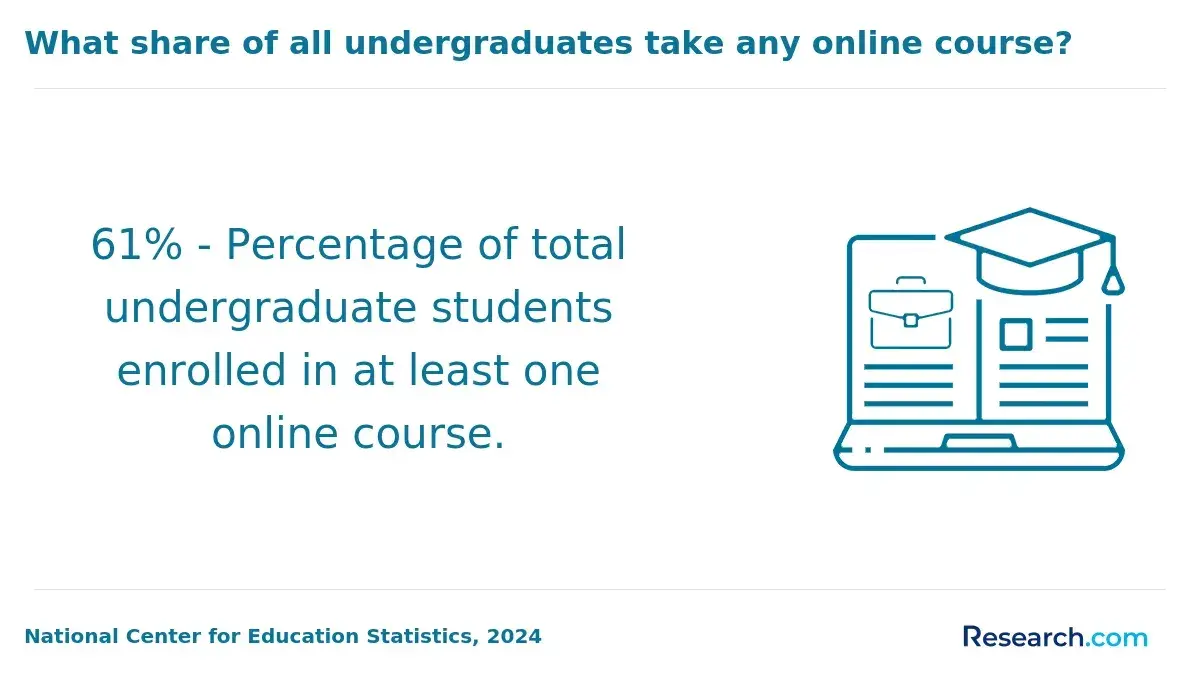
Internship and clinical hour requirements are generally consistent for both online and on-campus geoscience degrees, with similar expectations regarding practical experience and competency development. More than 40% of higher education students now engage in some form of online learning, highlighting the increasing acceptance of virtual education models in technical fields like geoscience. Both formats emphasize meeting professional standards through supervised, hands-on training that ensures students apply theoretical knowledge in real-world contexts.
However, the logistics of completing internships can differ between program types. Online students often enjoy greater flexibility in securing placements geographically closer to their homes or workplaces, which can accommodate personal and work commitments more easily. In contrast, on-campus students may have more structured internship partnerships and direct access to faculty oversight. Remote mentorship and evaluations are common in online programs, allowing internships to adapt to diverse schedules while maintaining rigorous learning outcomes aligned with national industry standards.
How Do Geoscience Degree Specialization Choices Affect Internship Requirements?
Specialization choices in geoscience degree programs significantly influence internship requirements, shaping what types of practical experiences students must complete. Approximately 65% of students in high-demand specializations report mandatory internship completion, reflecting the importance of practical training for career readiness. For instance, areas like environmental geoscience or hydrogeology often require internships involving fieldwork, lab analysis, or community engagement, which address industry needs for water quality assessment and contamination studies.
In contrast, specializations such as petroleum geology or geophysics may emphasize internships centered on advanced technological tools and data modeling, frequently within corporate or research environments. These distinctions in geoscience degree specialization internship requirements highlight how program focus aligns with workforce demands and emerging career paths.
These variations in internship formats and intensity directly affect student scheduling, workload, and overall preparation for geoscience careers. Field-based internships tend to be season-dependent and require flexible academic planning, while remote or lab-focused experiences provide more adaptability. This diversity in internship structures allows students to gain industry-relevant competencies tailored to their specialization, impacting employability and professional networking opportunities. Prospective students should consider how the impact of specialization on geoscience internships influences time commitments and skill development essential for future roles.
For those evaluating the financial outlook of related fields, resources like highest paying college majors offer valuable insight into career potentials tied to these pathways.
Breakdown of All 2-Year Online Title IV Institutions

Can Work Experience Replace Internship Requirements in a Geoscience Degree?
Work experience can sometimes substitute for internship requirements in a geoscience degree, though this varies by program. This question often arises among students balancing work and study who seek flexible ways to fulfill practical training components. Programs may accept prior or ongoing professional experience if it aligns well with the internship's educational goals, provided it meets certain criteria such as relevance to geoscience, sufficient duration, and proper employer verification. Accrediting bodies and institutional standards heavily influence whether such substitutions are permitted.
Those with mid-career backgrounds or specialized applied skills often have better chances of having their work counted toward internship credits. Conversely, internships remain compulsory in many programs to satisfy licensing or certification demands, especially for entry-level candidates. Because policies vary significantly across institutions and degree levels, students are advised to consult with academic advisors early to confirm if and how their experience might fulfill internship requirements.
When I spoke with a graduate of a geoscience degree, she shared how her professional background helped satisfy her internship obligation. She explained, "Balancing a full-time job with coursework was tough, so I hoped my work could count toward the internship." Her employer provided detailed documentation outlining her responsibilities related to fieldwork and data analysis, which aligned closely with the program's objectives. Though the process required careful negotiation with faculty to ensure all criteria were met, the validation of her experience ultimately allowed her to bypass a traditional internship. She reflected positively on how this flexibility acknowledged practical expertise and eased her path to graduation.
How Long Do Internships or Clinical Rotations Last in a Geoscience Degree?
The length of internships or clinical rotations in geoscience programs significantly affects students' ability to integrate practical experience with academic responsibilities. Approximately 70% of geoscience students engage in internships lasting 10 weeks or more, reflecting the value placed on gaining substantial field exposure. Below are common internship or rotation durations that illustrate varying program requirements and scheduling options.
- Short-term internships: These typically last 4 to 6 weeks and are designed to provide an initial introduction to geoscience work environments. They are ideal for students seeking early exposure without a major time commitment, often fitting into summer breaks or concise academic periods.
- Semester-long internships: Generally spanning 12 to 16 weeks, these internships offer a more thorough immersion into industry practices. This duration aligns with a full academic term, allowing students to balance hands-on learning with coursework while developing professional skills over an extended timeframe.
- Extended rotations: Some specialized tracks or accreditation standards require internships lasting multiple semesters or up to a full year. These longer experiences are common in areas such as environmental consulting or petroleum geology, where deeper technical proficiency and industry engagement are essential.
Program structures increasingly emphasize flexibility, enabling students to customize their internship schedules based on career goals and academic progress. Additionally, accreditation bodies often set minimum competency hours that influence how programs design these practical experiences, ensuring graduates are well-prepared for professional demands in the geoscience field.
Does Completing Internships Improve Job Placement After a Geoscience Degree?
Job placement outcomes are a critical concern for prospective students because they reflect a degree's return on investment and its relevance in a competitive job market. A 2022 survey by the National Association of Colleges and Employers found that 60% of employers are more likely to hire graduates who have completed internships related to their field. The impact of geoscience internships on job placement can be seen through multiple key factors:
- Employer preference: Employers seek candidates with practical experience, viewing internships as proof of job readiness and familiarity with industry tools. This preference can give internship participants a hiring advantage over their peers.
- Skill development: Internships allow students to apply theoretical knowledge and gain technical skills that traditional coursework may not fully provide. These hands-on experiences help develop capabilities that bolster employment prospects.
- Professional networking: Internships help students establish connections with professionals who may offer job leads, references, or mentorship. Building this network is crucial in the geoscience degree internship benefits for employment.
- Conversion to full-time roles: Many internships function as extended interviews, with some students receiving job offers from their employers upon graduation. This pathway often streamlines the transition from academia to professional roles.
While geoscience programs do not universally require internships or clinical hours, completing them greatly enhances career readiness and improves employment chances. For students seeking flexible educational paths, programs such as 1 year masters programs online may also offer relevant experiential learning options.
Do Employers Pay More for Geoscience Graduates With Hands-On Experience?
Practical experience often plays a significant role in determining starting salaries for geoscience graduates, with a 2022 National Association of Colleges and Employers survey showing those who engage in internships or related hands-on learning earn about 7% more on average than peers without such experience. This advantage stems from several key factors outlined below.
- Employer valuation: Employers tend to reward candidates who demonstrate real-world skills, viewing them as more dependable and better equipped to solve practical challenges encountered in geoscience professions.
- Negotiation leverage: Graduates with field experience often enter salary discussions with greater confidence and justification, enabling them to advocate for more competitive compensation packages.
- Industry standards: Certain specialties like environmental consulting or petroleum exploration emphasize experience heavily, often reflecting it in their pay scales to attract qualified candidates familiar with hands-on work.
- Program differences: Degree paths that incorporate internships or co-ops provide a competitive edge, while part-time or online programs lacking structured experiential components may result in lower entry-level offers.
The impact of hands-on experience on pay can also vary depending on geoscience specialization. For instance, graduates with extensive internship exposure in hydrogeology or mining sectors generally have higher earning potential compared to those whose studies focus more on theory or lab research. Overall, programs that embed practical learning not only prepare students for technical job demands but also enhance their salary prospects upon entering the workforce.
What Graduates Say About Their Geoscience Degree Internships or Clinical Hours
- Louis: "Completing the internship requirement in my online geoscience degree was surprisingly convenient and affordable, especially compared to traditional programs. The average cost was reasonable, which made balancing work and study much easier. This hands-on experience truly jumpstarted my career, giving me practical skills that employers value. "
- Huey: "The internship component of the online geoscience program challenged me to apply theoretical knowledge in real-world settings, and doing so without incurring exorbitant costs was a relief. I appreciated how the program structured affordable internship options that didn't add financial stress. Reflecting on it, that internship was a pivotal moment that helped clarify my professional goals and build valuable industry connections. "
- Matthew: "From a professional standpoint, the online geoscience internship was an essential feature of my education that justified the overall program cost. Though I was initially skeptical about an online internship's value, the experience offered me critical insights and networking opportunities that have positively influenced my career trajectory. The investment in the internship was modest relative to its long-term benefits."
Other Things You Should Know About Geoscience Degrees
In 2027, geoscience programs often integrate fieldwork, lab research, and capstone projects in their curricula to provide practical experiences. These elements are designed to enhance hands-on learning, build technical skills, and prepare students for professional roles in geoscience beyond traditional internship opportunities.
Yes, safety training is an integral part of many geoscience degree programs, especially those involving fieldwork. Students typically complete courses or modules on hazard recognition, first aid, and the use of personal protective equipment (PPE). This training ensures preparedness for potential risks in outdoor and laboratory environments.
Many programs incorporate research projects or thesis work as part of degree requirements. These experiences provide hands-on opportunities to apply scientific methods and analytical skills without being formal internships. Research can often be conducted alongside faculty or in collaboration with government or industry partners.
In 2027, geoscience students often manage their coursework alongside commitments like lab work, research projects, and part-time jobs by utilizing time management strategies, prioritizing tasks, and using academic support resources offered by universities. Balancing these responsibilities can enhance their academic and professional readiness.
References
- Shippensburg University - Geography and Earth Science Internships https://www.ship.edu/academics/cas/geo-ess/geo_student_resources/internships/
- Internships and Jobs https://www.geology.pitt.edu/undergraduate/environmental-science-bs/internships-and-jobs
- Geology Internships Abroad | Go Overseas https://www.gooverseas.com/internships-abroad/geology
- Internships - Instytut Nauk Geologicznych https://ing.uwr.edu.pl/en/internships/
- B.S. in Geoscience - Geology Concentration https://catalog.wcupa.edu/undergraduate/sciences-mathematics/earth-space-sciences/geoscience-bs-concentration-geology/
- Student Internships | EarthScope Consortium https://www.earthscope.org/education/student-internships/
- Student Internship Opportunities « Geology | Allegheny College - Meadville, PA https://sites.allegheny.edu/geology/student-internship-opportunities/
- Internships https://www.geo.txst.edu/undergraduateprograms/geography-careers/internships.html
- Geology and Environmental Science Internships and Careers https://www.byui.edu/geology-and-environmental-science/student-resources/internships-and-careers
- Internship and Voluntary Social Year https://www.gfz.de/en/career/internship-and-voluntary-social-year


