2027 Economics Degree Programs for Career Changers

Co-Founder and Chief Data Scientist
Many working professionals struggle to pivot careers due to a lack of relevant skills and credentials, especially when moving into economics-related roles. Recent data shows that nearly 40% of adult learners report improved job prospects after earning an economics degree, highlighting its value for career changers seeking new opportunities. This demand reflects growing industry needs for skills in data analysis, market evaluation, and economic policy understanding.
This article explores various economics degree programs tailored for adult learners, emphasizing flexible pathways and practical training that enable efficient career transitions and empower professionals to confidently enter economics fields.
Key Things to Know About Economics Degree Programs for Career Changers
- Many economics degree programs offer flexible scheduling, including evening and weekend classes, allowing working adults to balance studies with employment and personal responsibilities.
- Online and hybrid formats increasingly dominate economics education, with over 60% of programs providing remote learning options tailored to career changers' needs.
- Support services like career counseling and tutoring enhance success rates, as 72% of working adult economics students report improved job prospects after program completion.
What Economics Programs Accept Career Changers?
Many economics programs are tailored for working adults and professionals seeking career changes, offering the flexibility and practical focus needed to transition smoothly. Approximately 40% of graduate students in economics-related fields are adult learners, underscoring the growing demand for programs that accommodate nontraditional schedules and backgrounds.
Four common types of economics programs that often accept career changers include:
- Master's in Economics: These programs offer flexible prerequisites and emphasize applied skills, enabling students with diverse academic backgrounds to build foundational knowledge and transition effectively into economics careers.
- Part-time Graduate Programs: Allowing students to balance work, family, and studies, these programs typically provide a slower pace with fewer courses per semester and a practical curriculum designed for skill transfer.
- Accelerated Graduate Programs: Targeted at individuals with prior college credits or professional experience, these programs streamline coursework to focus on essential economic concepts and data analysis skills important for career changers.
- Bridge or Foundation Courses with Graduate Study: These courses offer refresher or introductory economics and quantitative methods, supporting professionals without formal economics education to prepare confidently for graduate-level work.
Universities accepting nontraditional students for economics degrees often incorporate flexible prerequisites and hybrid teaching formats, easing the transition into economics roles. Those considering advanced study may also explore related fields, such as online SLP master's programs, for additional career pathways.
What Economics Specializations Are Best for Career Changers?
Choosing the right economics specialization significantly impacts the skills gained and job prospects for career changers. According to the U.S. Bureau of Labor Statistics, roles in data-driven economic analysis are projected to grow by 18% over the next decade, underscoring the benefit of quantitative and applied fields. Below are four top economics specializations that align well with professional transitions.
- Applied Economics: Emphasizes solving real-world problems and public policy, making it ideal for career changers by offering practical skills such as critical thinking and data interpretation that transfer across industries. This specialization suits those looking to pivot into roles requiring policy analysis or business strategy.
- Behavioral Economics: Integrates psychology with economics, providing accessible pathways for newcomers familiar with social sciences. It opens doors to careers in marketing, finance, and consulting, leveraging insights into human behavior to inform decision-making.
- Econometrics: Focuses on statistical methods and data analysis, making it best for individuals with analytical backgrounds aiming for government or finance roles. Skills acquired are highly quantitative and relevant in many data-intensive environments.
- Development Economics: Investigates economic growth and public policy in emerging markets and is well suited for those interested in social impact or international work. This field connects career changers with opportunities in development agencies and NGOs.
Those exploring career changes might also consider related fields where skill transfer is strong, such as psychology. For instance, earning an accelerated psychology degree can complement behavioral economics knowledge, boosting employability in areas like consumer behavior and human resources.
The best applied economics fields for professional transition emphasize versatility and demand skills that align closely with current market trends, enabling confident and efficient career shifts.
What Are the Admission Requirements for Career Changers Applying to a Economics Program?
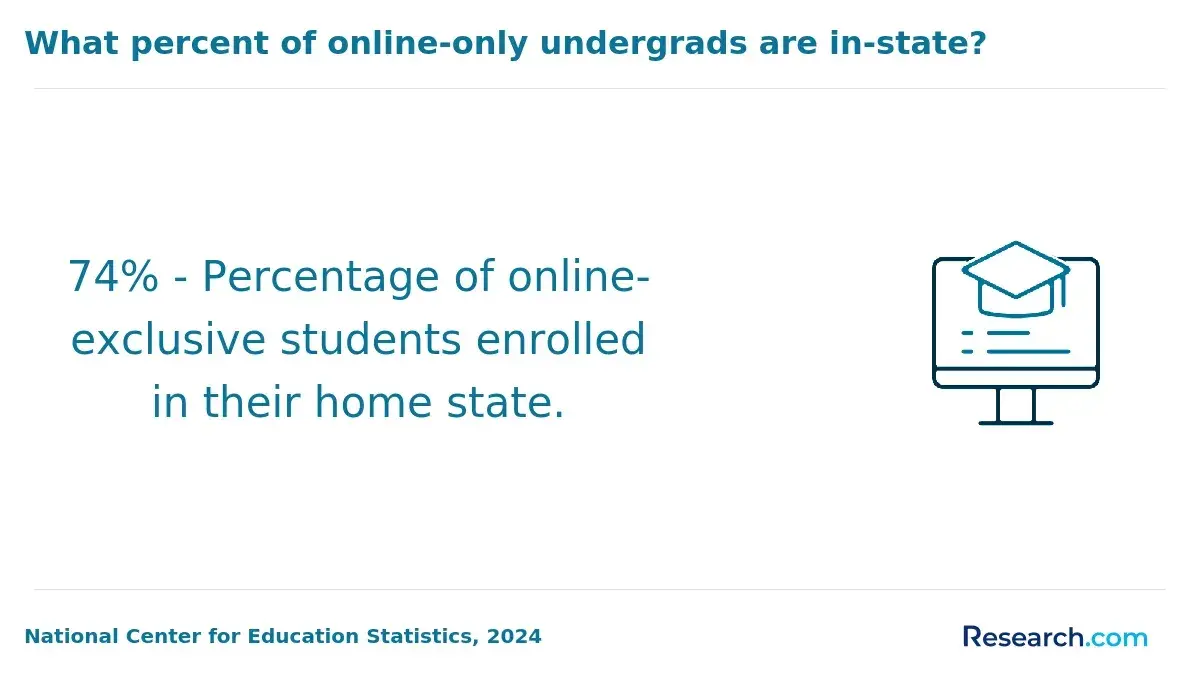
Career changers pursuing an economics program benefit greatly from understanding admission requirements to ensure their previous experience aligns with academic expectations. Nearly 40% of undergraduate enrollees in the U.S. are adult learners, showing expanding opportunities for nontraditional pathways. Below are common criteria tailored for career changers seeking admission.
- Completed Application: A detailed form capturing personal and educational backgrounds is essential, allowing admissions teams to assess readiness and motivation.
- Official Transcripts: Records from prior institutions demonstrate academic preparation, though some programs may evaluate transferable skills alongside or in place of these documents.
- Standardized Tests: Some economics programs waive exams for experienced professionals, valuing real-world expertise over test scores.
- Statement of Purpose: This essay explains the reason for the career change and interest in economics, highlighting how previous work supports future academic success.
- Letters of Recommendation: References focus on transferable skills such as analytical thinking and work ethic, which are critical for nontraditional students applying to economics degrees.
- Relevant Experience: Proof of applicable work experience or certifications can substitute traditional prerequisites, reflecting quantitative and analytical abilities.
Flexible scheduling options, including part-time, evening, and online courses, accommodate working professionals. Alternative admissions pathways, like prior learning assessments or portfolio reviews, recognize professional achievements as credit. For those exploring new career avenues, resources such as EMBA online programs can also offer valuable models of flexible education.
What Is the Coursework for a Economics Degree for Career Changers?
For those shifting careers, gaining clarity on the coursework of an economics degree is crucial to navigating study commitments and aligning learning with new professional goals. This clarity supports managing time effectively while ensuring course content is relevant and practical. Below are the key areas that typically compose such a program:
- Microeconomics and Macroeconomics: These courses dive into behaviors of individuals, firms, and entire economies. They cover topics like market dynamics, economic policies, and how supply and demand interrelate, offering a framework adaptable to many career paths.
- Quantitative Methods: Emphasizing data interpretation, this segment includes statistics and econometric techniques. It enables learners to analyze economic trends and supports decision-making grounded in real-world data.
- Applied Economics and Electives: This component focuses on practical fields such as financial markets or international trade. Electives let students customize their studies to best fit emerging career objectives, providing flexibility for diverse interests.
The professional I spoke with, who completed an online economics degree to facilitate a career transition, described the experience as both demanding and rewarding. "Balancing full-time work with classes wasn't easy," he shared, "especially when juggling deadlines and complex assignments." He found that the online format's flexibility helped him maintain progress during busy periods.
The range of electives allowed him to tailor his study plan, which made the content feel more relevant and motivating. "It was reassuring to have access to academic support when challenges arose, ensuring I stayed on track." His journey highlighted the importance of understanding coursework structure in planning an effective career change.
What Economics Program Formats Are Available for Career Changers?
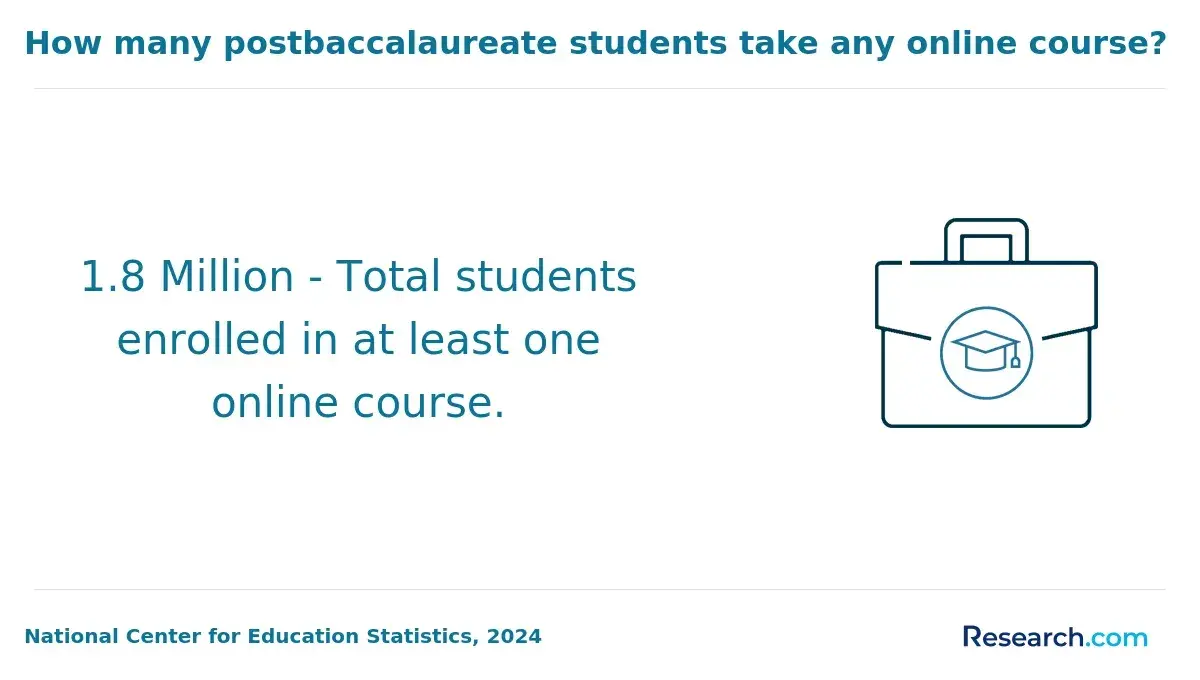
Flexible program formats are crucial for career changers balancing work and personal commitments while pursuing an economics degree. More than 40% of online students in the U.S. are aged 25 or older, reflecting the increasing demand for adaptable learning paths. Common options include:
- Online Programs: Designed for maximum convenience, these programs let students study when and where it suits them. They are perfect for professionals needing to fit education around their schedules without commuting.
- Part-Time Programs: These allow learners to enroll in fewer courses each term, spreading out degree completion over a longer period. This reduces workload intensity and supports sustained progress alongside other responsibilities.
- Evening or Weekend Classes: Offering in-person learning during non-working hours, this format suits those who prefer direct interaction but require class times outside typical business hours.
- Hybrid Programs: Combining online coursework with occasional on-site meetings, hybrid formats provide both flexibility and opportunities for face-to-face engagement with instructors and peers.
Each option is designed to help career changers acquire economics knowledge efficiently while accommodating diverse lifestyles and priorities.
What Skills Do Career Changers Gain in a Economics Program?
For professionals changing careers, refining relevant skills is vital to navigate shifting job markets and meet employer expectations. According to a 2023 Pew Research Center study, 87% of working adults view gaining new skills as essential for advancing their careers and maintaining job security. Below are five crucial competencies developed through an economics program that support career changers' progress and adaptability.
- Analytical Reasoning: Economics education cultivates the ability to dissect complex information and craft well-founded solutions, enabling career changers to approach challenges in sectors like finance, consulting, or public policy with confidence.
- Quantitative Analysis: Proficiency in statistical methods and data interpretation sharpens decision-making and is highly valued in industries driven by data insights.
- Market Insight: Understanding how supply, demand, and broader economic forces interact equips learners to assess business contexts and consumer behavior, improving their strategic planning skills.
- Clear Communication: Emphasizing the presentation of intricate concepts, economics programs prepare individuals to effectively share analyses and recommendations with colleagues and stakeholders.
- Research Skills: Developing expert data collection and evaluation techniques helps career changers adapt to evolving roles and base decisions on strong evidence.
A career changer who completed an economics degree reflected on her experience, noting the initial challenge of balancing coursework with a busy professional and family life. She described moments of self-doubt but highlighted that learning to navigate complex datasets and unfamiliar economic theories gradually built her confidence. "It wasn't just about the numbers," she explained, "but developing a mindset that thrives on curiosity and logical reasoning."
This shift helped her transition from a vague sense of wanting change to actively pursuing roles that matched her newly acquired analytical approach. She emphasized how the program's emphasis on practical application allowed her to translate academic lessons directly into workplace improvements, ultimately making her feel equipped and optimistic about future opportunities.
How Much Does a Economics Degree Cost for Career Changers?
Balancing education expenses with existing financial responsibilities makes understanding the total cost of an economics degree especially important for career changers. With the average debt for graduate degree holders nearing $71,000, exploring all financial commitments and options is essential. Below are the primary cost components to consider when pursuing an economics degree.
- Tuition: This is the largest portion of expenses and varies widely depending on whether you attend a community college, public university, or private institution. Annual tuition can range from about $5,000 at community colleges to $30,000 or more at private universities. Many institutions offer flexible payment plans, online courses, and evening classes to accommodate working adults.
- Fees: Additional mandatory fees often cover campus services, technology, and administrative costs. These fees can range from several hundred to a few thousand dollars per year and may fluctuate based on the program format and school policies.
- Books and Materials: Textbooks and other instructional materials typically cost between $1,000 and $2,000 for the full program. Opting for digital resources or used books can help reduce these expenses.
- Opportunity Costs: Career changers must consider potential lost income or reduced work hours during study periods. Some professionals mitigate this by enrolling in accelerated programs or transferring prior credits to shorten program length and overall costs.
- Financial Aid and Employer Support: Many adults benefit from employer tuition assistance programs and scholarships aimed at nontraditional students. Investigating these options is crucial to manage out-of-pocket expenses effectively.
For those seeking affordable economics programs for nontraditional students, researching flexible program structures and cost-saving opportunities can be a strategic approach. Additionally, interested individuals may explore affordable EdD programs, which often share financial aid models and support services suitable for adult learners balancing work and study.
How Does a Economics Curriculum Support Career Transitions?
For career changers, curriculum design is especially crucial because it must balance foundational theory with applied learning to help students rapidly acquire relevant competencies for new industries. An economics degree curriculum tailored for career changers supports a smooth transition by integrating prior experience with new skills.
Key curriculum features that facilitate career transitions include:
- Applied Learning: Courses focus on connecting economic theories to real-world business, policy, and financial challenges, helping students see practical applications of their studies beyond academia.
- Transferable Skills: Programs emphasize crucial skills such as data analysis, critical thinking, quantitative reasoning, and effective communication that are valuable across many professions.
- Flexible Pacing: Options like part-time and online courses accommodate working professionals' schedules, allowing learners to balance education with other commitments.
- Real-World Projects: Hands-on experiences through case studies and projects deepen understanding by situating economic concepts in everyday practical settings.
- Interdisciplinary Approach: Curricula often integrate related fields such as finance, public administration, and marketing, expanding career prospects and applicability of economics insights.
Such an approach ensures economics degree curriculums not only impart academic knowledge but also cultivate skills and experiences essential for a successful career transition. Adult learners can leverage these strengths while exploring accelerated options like 1 year masters programs designed specifically for professionals seeking rapid advancement or career shifts. These programs highlight the skills gained from economics programs for career transition, providing a solid foundation for entering new fields confidently.
What Careers Can Career Changers Pursue With a Economics?
For professionals shifting careers, recognizing potential job outcomes ensures they can effectively align their education with market needs. The U.S. Bureau of Labor Statistics forecasts a 13% increase in management and business roles by 2032, highlighting the growing demand for individuals equipped with economic expertise. Below are five common career options for those holding an economics degree.
- Financial Analyst: Evaluates investment opportunities and financial information, making this role ideal for those with strong numerical aptitude and analytical abilities. Transferable skills in data interpretation enhance decision-making effectiveness in this position.
- Market Research Analyst: Analyzes market trends and consumer behavior to assist businesses in strategic planning. Experience in research and critical thinking helps career changers quickly adapt to this role.
- Policy Analyst: Reviews and assesses public policies to provide recommendations, particularly suitable for those interested in government or nonprofit sectors. Analytical and communication skills are key assets in this profession.
- Data Analyst: Works with complex datasets to extract meaningful insights, supporting organizational decision-making. Familiarity with statistical tools and quantitative analysis makes this a natural fit for economics graduates.
- Business Consultant: Offers advice to organizations on improving efficiency and fostering growth by applying broad economic concepts and problem-solving techniques. This career benefits from strong reasoning and interpersonal competencies acquired through economics studies.
What Is the Average Salary After Earning a Economics Degree as a Career Changer?
Salary expectations play a crucial role for professionals changing careers, as they affect financial security and the overall value of educational investments. Recent research shows that reskilled individuals with new degrees experience an average salary boost of about 20% within two years after completing their programs. The following points outline typical salary trends and influencing factors for careers related to an economics degree.
- Entry-Level Roles: Starting salaries for those new to economics-related fields usually range from $55,000 to $70,000 annually, but these figures vary based on location and industry.
- Mid-Career Earnings: Professionals with several years of experience often see salaries between $75,000 and $100,000, reflecting the combination of new skills and prior work history.
- Industry Impact: Sectors like finance and consulting tend to offer salaries on the higher side of the spectrum due to the demand for specialized knowledge.
- Skill Application: Experience in areas such as data analysis, financial modeling, or policy research can enhance earning potential beyond standard pay scales.
- Geographic Variation: Employment in metropolitan regions generally leads to increased compensation, reflecting cost of living and regional market factors.
What Graduates Say About Their Economics Degrees for Career Changers
- Ellis: "Pursuing an economics degree felt like a leap into the unknown after years in marketing. I was prepared for the financial commitment-the average cost hovered around $15,000 annually-but the real investment was in reshaping my career. Now, I'm thriving in a field that challenges me daily and offers new growth opportunities."
- Amber: "Switching to economics was a thoughtful decision driven by a desire for stability. I carefully weighed the nearly $60,000 total cost and the time it demanded, reflecting deeply on whether it was worth it. Looking back, the program provided exactly the analytical foundation needed to transition successfully into finance."
- Liam: "The cost of an economics degree initially seemed daunting, especially coming from a sales background, but it was a necessary step to pivot professionally. Completing the program equipped me with critical thinking tools that have proven invaluable in my current role as a policy analyst. I'm confident this investment was pivotal for my career shift."
Other Things You Should Know About Economics Degrees
Career changers typically need a bachelor's degree in any field, basic proficiency in mathematics and statistics, and a statement of purpose. Programs may offer preparatory courses to fill any gaps in quantitative skills.
Most 2027 economics degree programs evaluate prior work experience on a case-by-case basis. Some institutions may offer credits for relevant experience through portfolio assessments or exams, but policies vary widely. Prospective students should consult with individual schools for specific guidelines.
Career changers considering an economics degree in 2027 typically need a bachelor's degree in any field. Some programs might require basic knowledge of mathematics and statistics. It's also important to check specific program requirements, as these can vary between institutions.
References
- Careers in Economics https://www.aeaweb.org/students/Careers.php
- 6 careers paths you can take with an Economics degree https://www.bcu.ac.uk/blog/accounting-finance-and-economics/6-careers-economics
- Career Transition Program - CommBank https://www.commbank.com.au/about-us/careers/institutional-banking-markets/career-transition-program.html
- What skills will Economics give you? https://whystudyeconomics.ac.uk/after-you-graduate/what-skills-will-economics-give-you/
- BA Admissions - Vancouver School of Economics https://economics.ubc.ca/undergraduate/ba-programs/ba-admissions/
- Top Economics Specializations With Careers & Salaries https://collegepond.com/economics-specializations-careers-salary/
- Top MBA Programs for Career Changers: Which Schools Offer the Best Transition Support? https://thembaedge.com/top-mba-programs-for-career-changers-which-schools-offer-the-best-transition-support/
- Career Development and Transition Funding | Coefficient Giving https://coefficientgiving.org/funds/global-catastrophic-risks-opportunities/career-development-and-transition-funding/
- Strategies for Planning a Career Change During Economic Uncertainty https://canadacareercounselling.com/navigating-career-change-during-economic-downturn/