
2027 Return on Investment (ROI) of an Economics Degree Program

Co-Founder and Chief Data Scientist
Many prospective students hesitate to pursue an economics degree due to concerns about balancing tuition costs with future earnings. With the average student debt for economics graduates reaching nearly $30, 000, the pressure to secure a well-paying job is significant. Employment projections show a 6% growth in economist roles through 2031, slightly faster than average, indicating steady demand. This article examines the return on investment of an economics degree by analyzing tuition costs, graduate salaries, and career prospects. It provides an evidence-based perspective to help readers assess whether the degree's benefits justify its financial and time commitments.
Key Things to Know About Economics Degree ROI
- Economics graduates earn a median salary approximately 15% higher than the average for all college graduates, reflecting strong earning potential across various sectors.
- Career advancement is notable, with economics skills opening leadership roles in finance, policy, and consulting industries, promoting long-term professional growth.
- Job stability is reinforced by demand for economic analysts and advisors, with projected employment growth of 8% through 2030, supporting sustained salary increases.
How Is ROI Calculated for a Economics Degree Program?
Return on investment (ROI) in higher education measures the financial benefits a student gains from completing a degree relative to the costs and time invested. It helps students compare the value of an economics degree against its expenses and duration, guiding informed decisions about educational paths.
Calculating the return on investment of economics degree programs involves considering several important factors, including:
- Tuition and Fees: Total direct costs such as tuition, mandatory fees, and additional educational expenses must be accounted for upfront to evaluate the true financial burden of the degree.
- Opportunity Cost: This reflects the income forgone while studying instead of working full-time. Since economics programs can last multiple years, the amount of lost wages during this period plays a significant role in ROI.
- Time to Completion: Shorter program durations reduce opportunity costs and allow graduates to start earning sooner, improving overall ROI.
- Post-Graduation Salary Outcomes: Median or average starting salaries and wage growth for economics graduates help estimate the financial benefits the degree can unlock over time.
- Long-Term Earning Potential: The impact on career advancement and sustained salary increases over a working lifetime shapes the full economic return of the degree.
Prospective students balancing cost and earning potential may also explore alternatives like a cheapest online mba to compare different investment outcomes. Calculating economics degree program ROI requires a clear view of expenses, time commitments, and salary prospects to make the most financially sound choice.
How Much Does a Economics Degree Program Cost?
Accurately assessing the return on investment for an economics degree requires a clear picture of the total cost, which goes well beyond tuition alone. Notably, graduate tuition rates in the U.S. have been rising around 3% each year over the last decade, contributing to a national student debt that now tops $1.7 trillion. These trends underscore how essential it is to factor in all expenses when weighing financial outcomes.
Several key costs shape the overall investment in an economics degree program:
- Tuition and fees: The largest portion of expenses, these vary widely depending on the type of school, with public universities generally offering lower rates than private institutions.
- Books and materials: Required textbooks, software, and other learning tools can total several hundred to thousands of dollars, adding to the upfront financial burden.
- Living and relocation expenses: Housing, food, and transportation costs often inflate the total cost, especially for students who move to higher-cost urban areas to attend school.
- Opportunity cost: Time spent on coursework means forgoing potential full-time earnings and career progress during those years.
- Hidden or incidental costs: Additional fees for technology, campus services, or supplies are common and may not be clearly detailed in initial cost estimates.
I spoke with a graduate of an economics degree program who shared how managing these costs felt like navigating a complex puzzle. He explained, "I underestimated how much incidental expenses-like software subscriptions and commuting-would add up over time."
He also reflected on the tough balancing act of working part-time while studying, noting, "It was challenging to keep up with coursework and job responsibilities, and I often worried about whether the investment would pay off in the long run." His experience highlights the multifaceted nature of calculating the true price and value of an economics education.
What Financial Aid Is Available for Economics Degree Programs?
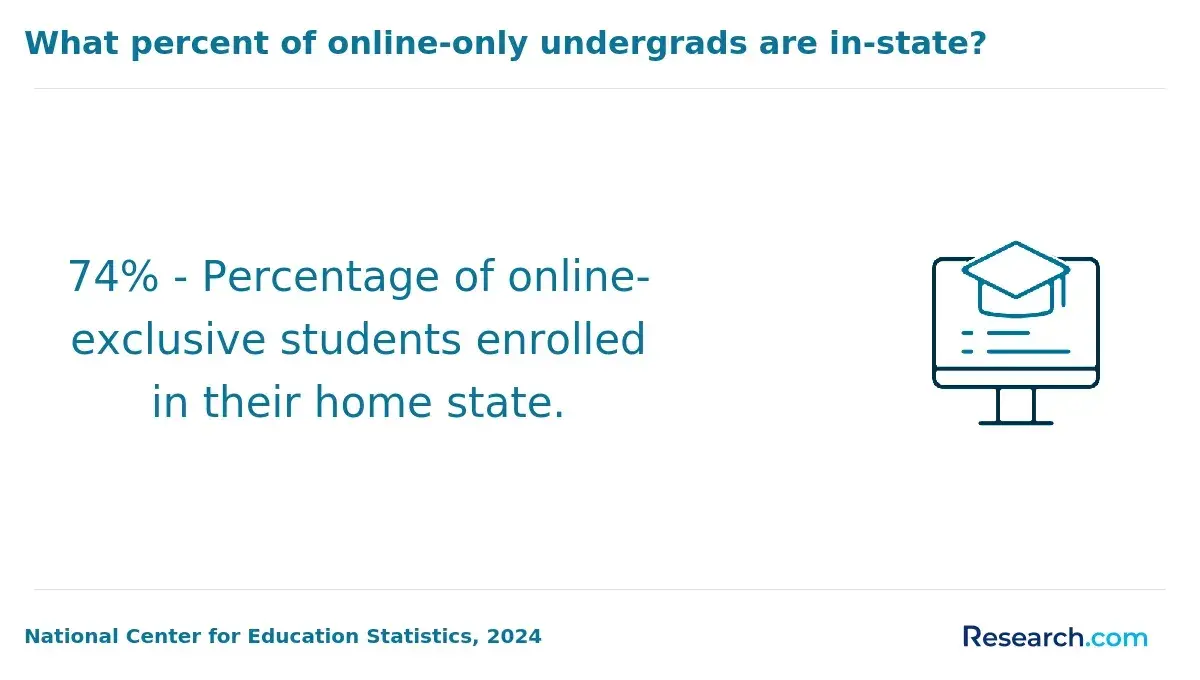
Financial aid can significantly reduce the initial expenses of pursuing an economics degree, which in turn enhances the long-term return on investment by lowering debt burdens. Approximately 60% of graduate students in the U.S. utilize some form of financial aid, underscoring its critical role in making advanced education more accessible and affordable.
Common financial aid opportunities for economics programs include:
- Scholarships: Awarded based on merit, scholarships decrease the overall cost without requiring repayment, directly improving ROI by reducing the need to borrow.
- Grants: Typically need-based, grants help lower tuition costs for students with financial need, minimizing debt accumulation and enhancing financial outcomes post-graduation.
- Fellowships: These often fund research or study while providing stipends, allowing recipients to cover living costs and reduce reliance on loans, which benefits long-term financial health.
- Employer Tuition Assistance: Many working students receive financial support from their employers, cutting down out-of-pocket expenses and opportunity costs, enabling them to pursue degrees without significant income loss.
- Federal Loans: Though they must be repaid, federal loans typically offer lower interest rates and flexible repayment options, making education financing more manageable and less detrimental to future earnings.
How Long Does It Take to Complete a Economics Degree?
The length of time needed to complete an economics degree directly impacts its return on investment by influencing opportunity costs, tuition and living expenses, as well as when graduates can start earning a salary. Finishing sooner reduces accumulated costs and opens doors to earlier career advancement.
Several important factors determine how quickly students can finish their economics studies, affecting their financial outcomes:
- Enrollment status: Full-time attendance generally allows completion in about four years. Part-time study may extend this timeline, increasing overall educational costs and delaying income potential.
- Program format: Online or accelerated programs can shorten time-to-degree by offering more flexible schedules or intensive coursework, which helps improve ROI by enabling faster entry into the workforce.
- Transfer credits: Applying previously earned college credits reduces course requirements, decreasing both time and money needed to graduate and boosting overall financial returns.
- Internship or thesis requirements: While potentially lengthening degree duration, these practical experiences often enhance employability and future salary prospects, which may increase lifetime earnings despite the longer study period.
- Scheduling flexibility: Balancing classes with work or personal commitments can extend program length, impacting total costs and delaying earning opportunities.
When I spoke with a recent economics graduate about her journey, she reflected on how balancing a part-time job while studying stretched her timeline beyond four years. She described the challenge of managing coursework alongside work hours, noting, "There were moments when I wondered if I'd ever finish on time, but the flexible schedule kept me moving forward."
Her internship in the final year not only added months to her studies but also provided critical industry connections that landed her first job. She emphasized that the extra time invested translated into richer experience and a better starting salary, underscoring how the time to completion and ROI are deeply interconnected in real-life scenarios.
Is ROI Higher for Online or On-Campus Economics Programs?
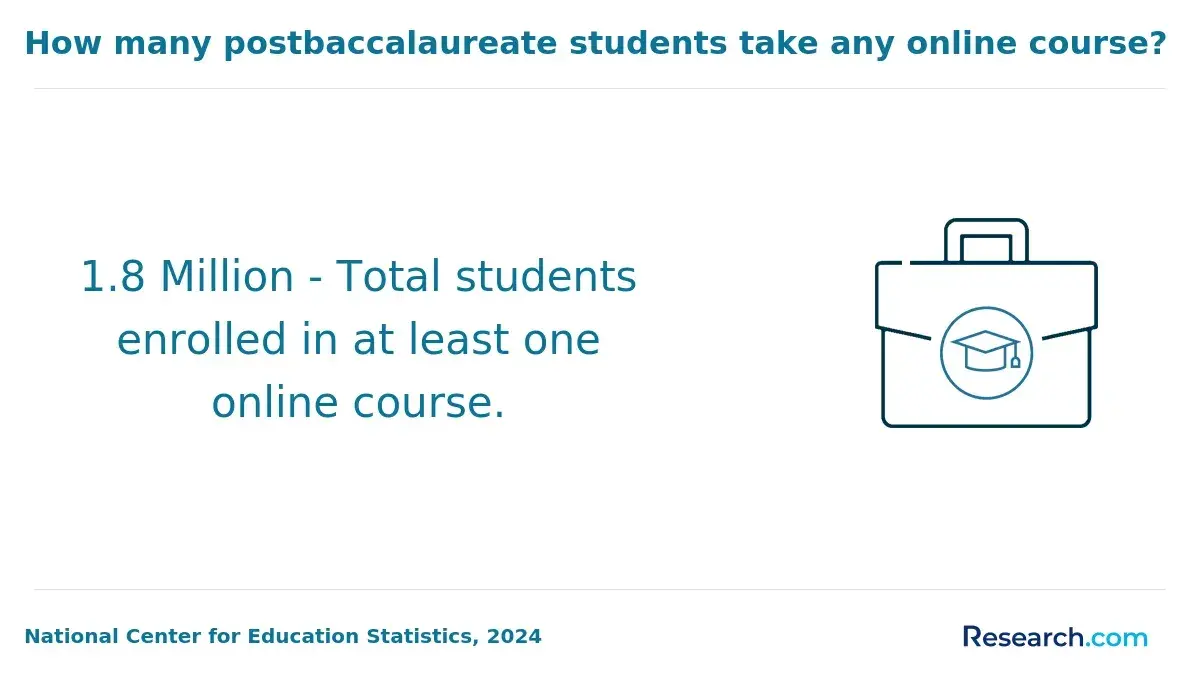
Choosing between online and on-campus economics programs can significantly influence the return on investment (ROI) due to differences in cost, flexibility, and career outcomes. Online enrollment in higher education has grown by over 30% in the last decade, highlighting the rising acceptance and accessibility of remote learning options. This trend shapes how prospective students weigh the value of online economics degree ROI comparison versus traditional pathways.
Several key factors differentiate the two formats:
- Tuition and fees: Online programs generally have lower tuition and fees, reducing upfront expenses and making them more financially accessible for many students.
- Opportunity cost: The flexibility of online programs allows students to maintain employment while studying, lowering opportunity costs associated with lost income during full-time study.
- Time to completion: Both online and on-campus programs often have similar durations, though some online degrees offer accelerated tracks that can shorten the time investment, like certain accelerated psychology bachelors degree online programs demonstrate.
- Networking and career services: On-campus programs tend to provide stronger in-person networking opportunities and more comprehensive career services, which can positively impact job placement and long-term earnings.
- Employer perception: While some employers still prefer traditional degrees, this bias is decreasing as online education gains credibility and quality improves, narrowing the gap in long-term earnings potential.
Overall, evaluating the on-campus vs online economics program value involves considering these trade-offs to determine the best fit for individual financial and career goals.
What Is the Average Salary After Earning a Economics Degree?
Post-graduation salary is a key driver of the return on investment (ROI) for an economics degree, as it directly impacts how quickly students can recover the costs of tuition, time, and other expenses. The average salary for economics degree graduates in the United States typically ranges from $50,000 to $70,000 for entry-level positions, with mid-career salaries often rising to between $80,000 and $120,000. These figures illustrate the potential financial benefits of earning this degree.
Several factors affect economics degree salary by industry and, consequently, the overall ROI of the degree. These include:
- Industry: Graduates employed in finance, consulting, or technology sectors usually command higher salaries, significantly increasing ROI.
- Geographic location: Working in large metropolitan areas or economically dynamic regions generally results in higher pay, which improves financial returns.
- Prior experience: Relevant internships or work experience can boost starting salaries and improve career trajectory, enhancing ROI over time.
- Specialization: Developing expertise in areas like econometrics or data analysis often leads to premium salaries and better job prospects.
- Career level: Progressing to senior roles tends to offer substantial salary growth, positively influencing the economic value of the degree.
For those considering broader educational options that fit their career goals, resources such as the executive mba programs can also be explored to enhance professional advancement.
Does a Economics Degree Lead to Promotions?
Promotions significantly contribute to the return on investment (ROI) of an economics degree by often leading to higher salaries, increased job responsibilities, and enhanced career mobility. These benefits combine to elevate both short- and long-term financial returns and valuable professional experience. A current workforce trend emphasizes credential-based promotion decisions, with many companies requiring advanced education-such as an economics degree-for leadership and specialized roles.
Below are key ways an economics degree can influence promotional opportunities and strengthen ROI:
- Credential requirements: Economic degree career advancement is frequently linked to meeting formal qualification criteria set by employers for managerial or expert positions. Holding such a degree signals readiness for higher-level roles.
- Leadership preparation: The curriculum provides critical skills in data analysis and strategic thinking, which are highly valued in leadership and decision-making positions, enhancing a candidate's appeal for promotion.
- Employer support: Many organizations offer tuition assistance programs to encourage degree completion, aligning educational progress with internal promotion policies, which improves the likelihood of career advancement.
- Experience and education synergy: Employers often assess candidates by combining relevant work experience with formal education, making an economics degree a strong complement to professional accomplishments.
- Demonstrated commitment: Completing an economics degree reflects discipline and dedication, qualities employers favor when selecting candidates for advanced roles, thus improving promotional prospects.
For those considering how educational investments translate to career benefits, exploring options like an accelerated bachelors degree can provide a faster path to gaining these advantages. Evaluating promotional opportunities with economics degree credentials supports making informed decisions about education and career growth.
Which Industries Offer the Best ROI for Economics Graduates?
The return on investment (ROI) for economics graduates varies significantly across industries due to differences in salary levels, career advancement opportunities, and the demand for specialized skills. These factors influence which sectors provide the highest paying industries for economics graduates and shape long-term financial outcomes. Below are some of the top industries that tend to offer strong ROI for economics degree holders.
Industries known for providing some of the best ROI careers for economics degree holders include:
- Finance and Banking: This industry offers high compensation growth supported by performance-based bonuses. Frequent promotion opportunities and the demand for analytical and quantitative skills contribute to a robust ROI.
- Consulting: Consulting firms prize economics expertise for market analysis and strategic planning, resulting in competitive salaries and rapid career progression for graduates.
- Technology: Technology companies highly value data analysis and economic modeling skills. Job stability and attractive compensation packages make this sector a lucrative choice, especially with ongoing digital transformation.
- Government and Public Policy: While starting salaries may be more moderate, this sector offers long-term job security and benefits, meeting the needs of graduates interested in economic research and impactful policy work.
- Healthcare Economics: The expanding role of cost analysis and health policy increases demand and career advancement prospects, supporting consistent financial returns for economics graduates.
For those considering advancing their credentials to enhance ROI, exploring tailored degree options like one year masters programs online can be a strategic step toward entering these highest paying industries for economics graduates.
Does Accreditation Affect ROI for a Economics Degree?
Accreditation in economics degree programs refers to an official evaluation by recognized agencies that verify the program meets specific educational standards. This process assesses the curriculum quality, faculty qualifications, and institutional resources to ensure they meet accepted benchmarks.
Accreditation matters for ROI because employers often favor graduates from accredited programs, trusting that they have received a well-rounded and thorough education. Additionally, accreditation plays a growing role in workforce trends by affecting licensure eligibility and qualifications in specialized fields such as financial analysis and economic policy advising.
Having an accredited economics degree can enhance long-term ROI by building employer confidence in the graduate's skills and knowledge, which can lead to better job prospects and higher earnings. Accreditation often determines eligibility for federal financial aid, making education more affordable and improving overall cost-effectiveness.
It also facilitates credit transfer for students pursuing further education or career changes, supporting ongoing professional growth. These combined factors-employer trust, financial aid access, transferability, and licensure pathways-can significantly boost both financial returns and career flexibility over time.
Is a Economics Degree Worth It?
The return on investment for an economics degree depends largely on the total cost of education, including tuition, fees, and the opportunity cost of time spent studying. Most undergraduate programs take around four years to complete, with some flexibility through accelerated or part-time options. Graduates typically earn competitive starting salaries, often exceeding $60,000 annually, with strong potential for growth in various sectors.
Career advancement opportunities in fields like finance, consulting, and public policy contribute significantly to the long-term financial benefits of holding an economics degree, with studies showing that about 85% of graduates find employment within six months of finishing their degree.
The value of an economics degree varies based on several factors. High industry demand, especially in financial and analytical roles, tends to enhance ROI, while alternative program formats such as online or part-time can lower costs and reduce income loss. Availability of scholarships and grants may also decrease the financial burden.
However, if graduates pursue professions unrelated to economics or enter lower-paying fields, the degree's financial returns may diminish, making it important for students to align their education with clear career objectives to maximize benefits.
What Graduates Say About The ROI of Their Economics Degree
- Luigi: "Choosing to pursue a traditional economics degree was one of the best decisions I made. Despite the average cost of attendance being around $20,000 per year, I viewed it as a valuable investment with substantial long-term ROI. Graduating opened doors to lucrative opportunities in finance and policy, validating every dollar and hour spent. "
- Alexis: "As an online student, I weighed the cost versus benefit carefully, knowing economics programs often average close to $15,000 per year. The flexibility helped me balance work and study without sacrificing quality, and completing my degree truly enhanced my credibility and career growth in consulting. Reflecting on it, the cost was absolutely justified for the doors it unlocked. "
- Eli: "Opting for a part-time economics degree was a strategic move given the general yearly cost hovering near $18,000. The pace meant slower upfront investment but allowed me to keep my job, making the overall ROI very practical. Finishing the program has had a measurable impact, elevating my role and salary in the corporate sector. Professionally, it was an indispensable step. "
Other Things You Should Know About Economics Degrees
Yes, skills gained in economics degrees, particularly analytical and strategic thinking, are highly applicable to entrepreneurial ventures. In 2027, graduates can leverage these skills to understand market dynamics, optimize financial decisions, and adapt business models to changing economic conditions, enhancing the ROI of the degree through successful entrepreneurship.
Work experience during an economics degree can significantly improve ROI by enhancing practical skills and increasing employability after graduation. Internships, research projects, or part-time roles relevant to economics help build a strong resume, often leading to higher starting salaries and better job offers.
References
- The returns to an economics degree https://www.aeaweb.org/research/returns-college-major-economics-rich
- Tuition and Fees - VIZJA University in Warsaw https://vizja.pl/en/cennik/
- The Economics of Accreditation: Costs, Benefits, ROI - Course Accreditation https://course-accreditation.com/blog/the-economics-of-accreditation-costs-benefits-roi/
- BA in Economics https://www.lazarski.pl/en/offer/admission/higher-education/ba-economics-bachelors-degree
- Career Development https://economics.cornell.edu/career-development
- Accreditation and financial ROI | Woolf News & Updates https://woolf.university/news/accreditation-and-financial-roi
- Hundreds of online grad programs yield no ROI for their students, new study says | Fortune Education https://fortune.com/education/articles/roi-of-online-graduate-programs-new-report/
- Economics Degree Timeline: How Long? | ValidGrad https://validgrad.com/blog/economics-degree-timeline/
- Analyzing the return on investment for online education https://www.insidehighered.com/news/tech-innovation/teaching-learning/2022/11/27/analyzing-return-investment-online-education
- The Bigger Shift: Student ROI for higher education…and the role of digital learning https://wcet.wiche.edu/frontiers/2021/09/29/student-roi-for-higher-ed-the-role-of-digital-learning/


