
2027 How to Compare Economics Degree Programs Effectively

Co-Founder and Chief Data Scientist
Choosing an economics degree program can overwhelm students with diverse curricula, career paths, and costs. For example, some programs emphasize theoretical models, while others focus on applied data analysis, creating confusion about which best fits individual career goals. According to the National Center for Education Statistics, over 30,000 students earned a bachelor's degree in economics in 2022, intensifying competition for desirable roles. This article examines key factors like faculty expertise, internship opportunities, class size, and alumni outcomes. It aims to equip prospective students with clear criteria to compare economics programs effectively and make informed decisions aligned with their ambitions.
Key Benefits of Comparing Economics Degree Programs Effectively
- Verify program accreditation and institution credibility to ensure quality education and employer recognition; AACSB accreditation is a strong benchmark for economics degrees.
- Assess curriculum relevance and specialization options, such as economic policy or data analysis, aligning with your career goals and market demand.
- Consider total cost against potential salary outcomes; the median entry-level salary for economics graduates is approximately $60,000, highlighting return on investment importance.
What Types of Accreditation Should a Economics Degree Program Have?
Accreditation is essential for comparing the quality, credibility, and long-term value of economics degree programs. Graduates from accredited institutions are 20% more likely to secure employment within six months, reflecting strong employer confidence in these programs. Understanding the different types of accreditation can guide prospective students in selecting programs that meet their career and academic goals.
Key accreditation types to consider include:
- Regional Accreditation: This covers overall institutional quality and ensures that credits are transferable between colleges. It also affects eligibility for federal financial aid, which is critical for students seeking financial support or planning to transfer schools. Regional accreditation agencies for economics degree quality are widely recognized throughout the United States.
- Specialized Accreditation: Specialized bodies focus on economics-related curricula and business programs, ensuring the curriculum aligns with industry standards. Accreditation from organizations like AACSB or ACBSP indicates that the program prepares students effectively for licensure readiness and advanced study.
- Financial Aid and Career Impact: Accreditation influences not only financial aid access but also employer trust and professional advancement. Programs with proper accreditation are especially valuable for career changers and working professionals looking for flexible, rigorous study options.
Students interested in flexible options may also explore resources on BCBA master's programs online that balance convenience with accreditation standards.
What Specializations Are Offered in Economics Degree Programs?
Specializations in economics degree programs enable students to tailor their academic experience to align with specific career pathways and industry demands. The U.S. Bureau of Labor Statistics reports that expertise in specialized areas such as econometrics or financial economics can boost graduate employability by up to 15% compared to general economics degree holders. Below are some common specializations that help prospective students evaluate programs based on desired career outcomes and academic focus.
- Financial Economics: Focuses on markets, investments, and financial systems, developing skills in risk assessment and portfolio management for careers in banking or corporate finance.
- Econometrics: Emphasizes statistical and mathematical techniques to analyze economic data, appealing to students interested in research or data analysis roles.
- International Economics: Covers trade policies, global markets, and currency exchange, preparing students for work in multinational corporations or governmental agencies.
- Behavioral Economics: Studies decision-making processes, combining psychology and economics, suited for careers in marketing or policy design.
Focusing on these specializations within an economics degree program career pathways can optimize job prospects in competitive markets. For students considering academic choices alongside scheduling and budget, exploring options such as engineering degrees online may provide useful comparative insights into program flexibility and affordability across disciplines.
How Can You Compare Courses Across Economics Degree Programs?
Comparing courses across economics degree programs helps prospective students evaluate program rigor, skill development, and the alignment of curriculum with career goals. Research shows that programs with comprehensive course offerings and clear skill progression achieve a 15% higher course completion rate, reflecting stronger student engagement and success. To effectively compare economics course offerings across programs, consider the following strategies:
- Review Course Descriptions: Examine detailed syllabi or descriptions to assess the depth of topics covered and determine if courses emphasize theoretical foundations or practical applications.
- Compare Course Sequencing: Understand prerequisites and course order to see how knowledge builds over time and if the curriculum is logically structured for learning progression.
- Assess Workload Estimates: Look at credit hours and expected student commitments to gauge the intensity of studies and how well they fit personal schedules and professional obligations.
- Evaluate Skill Alignment: Identify courses that focus on skills like econometrics, data analysis, or policy evaluation that align closely with individual career ambitions.
- Check Availability of Electives: Flexibility in choosing electives or specializations can significantly enhance alignment with unique professional interests and goals.
Students evaluating curriculum differences in economics degrees should also consider their overall academic and financial plans. For those exploring advanced study options, reviewing the best online masters in psychology provides a model for how course selection impacts career readiness across disciplines.
What Scheduling Options Are Available in Economics Degree Programs?
Flexible scheduling plays a crucial role for students exploring economics degree programs, especially those balancing work, family, and other commitments. Selecting a program with adaptable course options can significantly impact a student's ability to successfully complete their degree on time. The following list highlights common scheduling formats available to accommodate diverse lifestyles.
- Full-Time and Part-Time Enrollment: Full-time paths allow for faster degree completion with a heavier course load, while part-time options extend the timeline but provide manageable weekly commitments. This flexibility helps students juggle education alongside jobs or personal responsibilities.
- Day, Evening, and Weekend Classes: Traditional daytime classes suit students with daytime availability, whereas evening and weekend classes cater to those working during standard hours. These options expand access for working adults who need to study outside typical business times.
- Online Course Formats: Online classes offer maximum convenience by enabling access to lectures and assignments anytime from any location. This format supports self-paced learning and is ideal for students who require a highly flexible schedule.
- Hybrid Programs: Combining in-person and online learning, hybrid models provide interactive face-to-face experiences alongside remote coursework. This balance offers hands-on engagement without sacrificing the adaptability needed by many learners.
What Are the Pros and Cons of Online vs Campus-Based Economics Degrees?
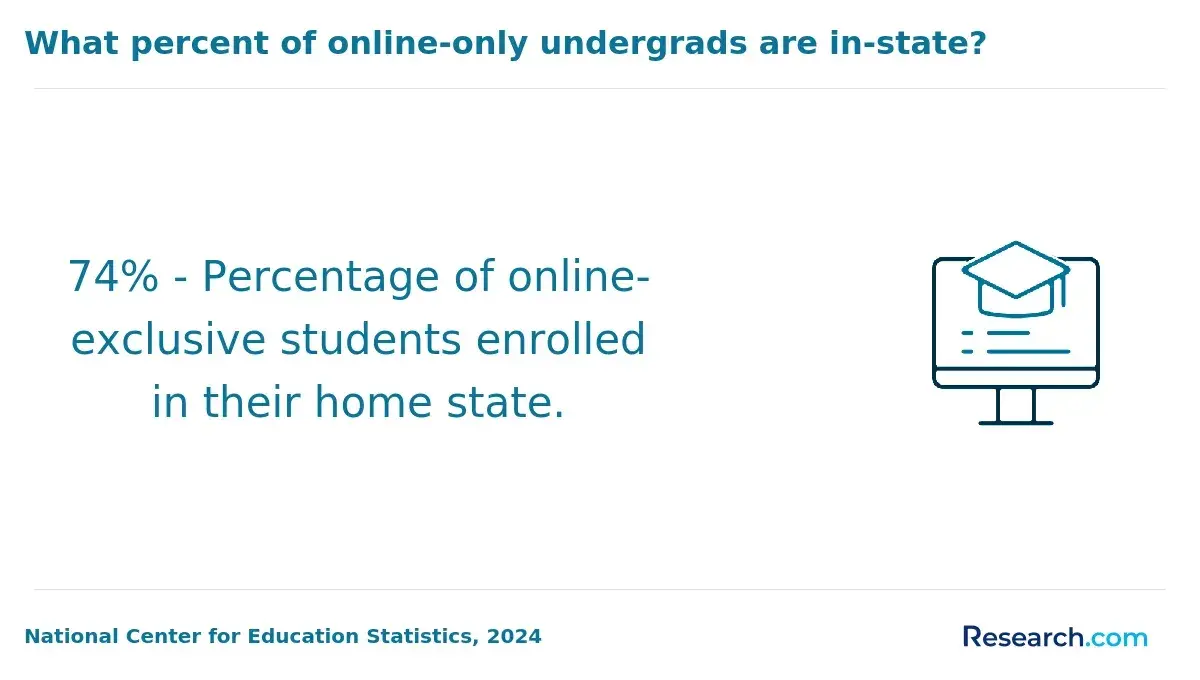
Choosing between online and campus-based economics degrees can significantly impact a student's educational experience and career prospects. Recent data shows that over 30% of U.S. undergraduates have taken at least one online course, reflecting growing acceptance of virtual learning. Below is a comparison of both formats to help weigh their benefits and drawbacks.
Online Economics Degrees
- Flexibility: Online programs allow students to access coursework anytime, supporting those balancing jobs or family obligations.
- Networking Limitations: Lack of real-time interaction can reduce chances for spontaneous networking and mentorship found on campuses.
- Learning Outcomes: When well-designed, online courses maintain academic rigor comparable to traditional settings.
- Career Preparation: Self-discipline developed in online study often translates well to remote and independent work environments.
Campus-Based Economics Degrees
- Structured Environment: Physical classrooms provide direct access to professors and peers, encouraging engagement and collaboration.
- Networking Opportunities: On-site programs naturally foster relationships valuable for internships and job placements.
- Convenience Challenges: Fixed schedules and commuting can hinder students with tight personal or professional commitments.
- Skill Development: Face-to-face learning enhances communication and teamwork skills through in-person interaction.
A graduate who completed an online economics degree shared with me how difficult it was to decide which path to follow. He recalled, "I spent weeks comparing course formats and trying to imagine myself thriving in each setting." While flexibility appealed to him due to a full-time job, he worried about missing out on campus life connections. Ultimately, he valued the independence the online format demanded, saying, "It challenged me to create my own schedule and seek out networking opportunities proactively," highlighting the personal growth such programs can foster.
How Do GPA Requirements Vary Among Economics Degree Programs?
GPA expectations play a significant role when evaluating economics degree programs, as they help gauge academic preparedness and competitiveness. The following points outline key aspects of how GPA policies can differ across programs.
- Threshold Variability: Some programs enforce a high minimum GPA, often around 3.5 or above, reflecting more selective admissions. Others may have lower or no strict cutoffs, choosing to assess candidates on a broader set of criteria.
- Flexible Evaluation: Several programs consider GPA as one element among many, including essays, recommendation letters, and relevant experience, allowing for a more comprehensive review of an applicant's potential.
- Conditional Admission: Programs sometimes offer probationary acceptance or require additional coursework for students slightly below the GPA standard, providing alternative routes to enrollment.
- Program Level Differences: GPA standards often differ between undergraduate and graduate economics degrees, with graduate programs typically demanding higher academic performance.
- Holistic Consideration: Admissions committees may weigh GPA differently depending on how it aligns with other qualifications and career objectives, emphasizing overall fit rather than just numbers.
These variations highlight the importance of understanding specific GPA policies when comparing economics programs, enabling students to identify options suited to their academic background and career aims.
How Can You Compare Tuition Across Economics Degree Programs?
Comparing tuition for economics degree programs is vital for students to plan their finances and avoid unexpected costs. In 2023, the average tuition and fees for public in-state four-year colleges was roughly $10,940, while private nonprofits charged about $39,400 annually. Here are several key factors to consider when evaluating expenses across programs:
- Total Program Cost: Look beyond per-semester tuition to include all fees, books, and living expenses. These cumulative costs provide a clearer financial picture over the entire course of study.
- Cost Per Credit: If you're studying part-time or transferring credits, comparing the price per credit hour helps identify the most cost-effective option for your schedule.
- Additional Fees: Some institutions charge extra for labs, technology, or activity fees, which can add significantly to the final bill. Make sure to factor these into your comparisons.
- Financial Aid Availability: Scholarships, grants, and work-study programs vary widely and can offset tuition substantially. Investigate what aid options each program offers.
- Employer Tuition Benefits: For working students, employer-sponsored tuition reimbursement programs can reduce costs and support continued education without financial strain.
- Long-Term Value: Assess graduation rates, employment statistics, and average salaries post-degree to ensure your investment translates into career opportunities and earnings growth.
When I asked a graduate who completed an economics degree about tuition comparisons, she reflected on her experience with honesty and insight. "I started overwhelmed, focusing solely on sticker price, until I realized there was so much more beneath the surface," she explained. "Navigating fees, aid offers, and program length took time, but it was worth the effort to find a program that fit my budget and career goals." She also mentioned how conversations with financial aid counselors and alumni shaped her understanding, advising future students to "look beyond numbers and ask lots of questions." Her journey highlighted that effective tuition comparison is as much about thorough research and patience as it is about the raw figures themselves.
Does a Economics Degree Meet Licensure Requirements?
Aligning an economics degree with licensure requirements is essential for students targeting regulated fields or career changes where certification is mandatory. Nearly 20% of occupations requiring a bachelor's degree also demand professional licensure or certification, emphasizing the need for careful program selection. Consider these critical factors when comparing degrees:
- Curriculum Alignment: Ensure the program covers core competencies such as quantitative methods, economic theory, and applied economics that licensing bodies often require for professional qualification.
- Accreditation Status: Accredited programs typically meet recognized educational standards, increasing the likelihood that the degree satisfies licensure prerequisites.
- State-Specific Requirements: Licensing rules vary; some states mandate additional supervised work experience or passing specific exams, so verify that the program supports these regional differences.
- Supervised Experience: Access to internships or practicum opportunities can be critical for fulfilling hands-on experience mandated by licensing agencies.
- Exam Preparation: Programs that incorporate preparation for professional certification exams help students successfully navigate licensure processes after graduation.
Choosing a program that clearly addresses these elements will better position students for licensure and reduce obstacles in their professional path.
Which Economics Programs Have the Best Career Placement Rates?
Career placement rates are a crucial metric for evaluating economics degree programs, as they show how well a program prepares students for the workforce. Nearly 80% of economics graduates secure full-time employment within six months of graduation, underscoring the value of programs that prioritize career readiness. Several key factors help students identify the top economics programs for employment outcomes:
- Employer Partnerships: Strong connections with industry organizations often translate into pipelines for internships and job opportunities. These partnerships indicate a program's ability to facilitate meaningful employment.
- Internship Programs: Access to internships provides hands-on experience that significantly boosts graduates' marketability. Programs offering structured internships help students bridge academic learning with real-world application.
- Alumni Outcomes: Graduates' success and engagement reflect the program's long-term value. Active alumni networks can support mentoring, referrals, and networking that extend career opportunities.
- Career Services: Comprehensive support such as resume workshops, interview training, and job fairs equips students with essential skills for the job search. These resources are vital for maximizing placement rates.
When researching economics degree programs with highest career placement rates, students should also consider how each program's support services integrate with practical experience and employer engagement. Those programs that effectively combine these elements tend to offer the strongest pathways to fulfilling careers.
For students interested in advancing beyond undergraduate studies, exploring options like a PhD organizational leadership can be beneficial in boosting career prospects and leadership skills in economic contexts.
How Do Salaries Compare Across Economics Degree Program Graduates?
Post-graduation salary outcomes are a crucial metric for comparing economics degree programs because they indicate the financial returns graduates can expect. On average, economics degree holders in the United States earn between $50,000 and $70,000 annually at the starting level. Below is an overview of how these salary ranges vary by role, industry, experience, and geographic factors.
- Entry-Level Roles: Entry-level economics graduates typically earn between $50,000 and $70,000, depending on the employer and specific job responsibilities. These positions lay the foundation for future salary growth.
- Mid-Career Economists: With several years of experience, economists can expect salaries from $75,000 up to $120,000, reflecting the increased expertise and responsibility in their roles.
- Finance and Consulting: Graduates entering finance or consulting sectors often command higher starting salaries, ranging from $70,000 to $90,000, which is above average compared to other industries.
- Government and Nonprofit: Typical salaries in government or nonprofit organizations tend to be lower, falling between $45,000 and $65,000, but may offer other career benefits such as stability and public service.
Geographic location also has a significant impact, with metropolitan areas like New York, San Francisco, and Washington D.C. offering higher compensation to offset increased living costs. These salary variations highlight why students should carefully consider industry focus, location, and experience opportunities when assessing economics programs. Many students also explore 1 year graduate programs to accelerate their education and potential earnings within this range.
Understanding these average salaries for economics degree holders in the US is essential for making informed decisions aligned with career goals and financial expectations.
What Graduates Say About Comparing Economics Degree Programs Effectively
- Esteban: "Before deciding on an economics degree, I compared various programs and was particularly mindful of affordability since the average cost of attendance could be daunting. Choosing a program that balanced quality and cost gave me peace of mind and allowed me to focus on my studies without financial stress. Completing this degree significantly boosted my career opportunities in finance, making every penny invested feel worthwhile. "
- Alexis: "When I was considering my options, the economics degree stood out because it was a practical choice with reasonable tuition compared to other disciplines. The cost factor was crucial since I wanted to avoid excessive student debt. Reflecting now, the knowledge and skills I gained opened doors to diverse roles in policy and consulting, proving the decision was both strategic and rewarding. "
- Eli: "I approached the economics degree program with a professional mindset, evaluating the return on investment amid rising education costs. The relatively moderate expenses made it accessible, and graduating gave me a competitive edge in the job market. This degree was instrumental in advancing my career in economic analysis, reinforcing that smart financial decisions in education pay off long-term. "
Other Things You Should Know About Economics Degrees
Faculty expertise is crucial because it influences the quality of education and research opportunities. Look for programs where professors have strong academic credentials, active publication records, and relevant real-world experience. Faculty who specialize in areas of economics aligned with your interests can enhance your learning and career prospects.
In 2027, internships and practical experiences are crucial for evaluating economics degree programs. They provide hands-on learning, enhance real-world problem-solving skills, and often lead to job opportunities post-graduation. Programs with strong industry connections and structured internship opportunities are highly advantageous.
Alumni networks can significantly enhance an economics degree program's quality by providing students with networking opportunities, mentorship, and career guidance. A robust alumni network can also offer valuable insights into industry trends and potential job placements, making the program more attractive to prospective students.
References
- BA Admissions - Vancouver School of Economics https://economics.ubc.ca/undergraduate/ba-programs/ba-admissions/
- Bachelor studies International Economics https://www.sgh.waw.pl/en/first-cycle-studies/bachelor-studies-international-economics
- Bachelor of Economics https://moderna.edu.pl/majors/economics/economics-bachelor/
- Online vs in-person study: which one is right for you? https://www.ube.ac.uk/whats-happening/articles/online-vs-in-person-learning/
- 5 Best Undergraduate Economics Degree Programs | OnlineMBA.com https://www.onlinemba.com/rankings/undergraduate-business/best-economics-degrees/
- Accreditations, certificates and consortia https://www.kozminski.edu.pl/en/about-university/accreditations-certificates-and-consortia
- Economics Program https://bse.eu/masters-degrees/economics-finance/economics
- Best Colleges for Economics | Best Universities for Economics https://www.collegeadvisor.com/resources/best-colleges-for-economics/
- Economics degrees & courses https://universitycompare.com/courses/degrees/economics


