
2027 Educational Policy Degree Coursework Explained: What Classes Can You Expect to Take?

Co-Founder and Chief Data Scientist
Choosing an educational policy degree can feel overwhelming without a clear idea of its coursework. Nearly 65% of graduates report that understanding policy analysis and research methods during their studies directly improved their job readiness in education administration roles.
The degree focuses on developing critical skills such as data interpretation, policy evaluation, and educational equity analysis. This article outlines typical classes within an educational policy curriculum and explains how each prepares students for challenges in education systems.
Readers will gain a practical overview, helping them confidently select programs that align with their career goals in education reform and leadership.
Key Benefits of Educational Policy Degree Coursework
- Educational policy coursework sharpens critical analysis and research skills, essential for assessing and designing effective school programs and reforms.
- Students develop policy advocacy and leadership abilities, boosting prospects for roles in administration and governmental agencies.
- Graduates often experience enhanced salary potential, with U.S. Bureau of Labor Statistics noting a 6% growth in education administration jobs through 2032.
What Types of Class Do You Take in a Educational Policy Degree?
Educational policy degree curricula are designed with a structured approach that balances theory and practical skills essential for influencing education systems.
Approximately 70% of programs emphasize this balance, preparing students for both academic research and leadership roles. The educational policy degree coursework requirements commonly include diverse classes that build critical expertise needed for creating and analyzing policy.
Students can expect the following categories of classes:
- Core Foundational Classes: These provide comprehensive knowledge of education systems, policy analysis frameworks, and the historical development of educational reforms. They help students develop a broad perspective on how policies are formulated and implemented.
- Specialization or Elective Courses: These enable students to tailor their studies toward areas such as equity, finance, administration, or technology in education, aligning their skills with specific professional goals.
- Research and Methods Coursework: Focusing on qualitative and quantitative research methods, these classes teach data analysis and evaluation techniques critical for assessing the impact of policies and crafting evidence-based recommendations.
- Practicum, Internship, or Capstone Experiences: These experiential opportunities allow students to apply theoretical knowledge in real-world settings, engage with stakeholders, and develop professional competencies vital for leadership roles.
For students weighing options beyond educational policy, exploring msw online programs can offer flexible pathways in related fields. The types of classes in educational policy programs reflect a careful blend of theory, practical skills, and specialization preparing graduates for diverse career paths.
What Are the Core Courses in a Educational Policy Degree Program?
Core coursework in educational policy degree programs forms the foundation for understanding and influencing education systems through essential knowledge and practical skills.
These core classes develop critical thinking, research proficiency, and policy analysis abilities that prepare students for leadership roles in education reform and improvement.
Emphasizing both theoretical frameworks and applied skills, the educational policy degree program core classes provide a comprehensive academic foundation.
Students gain expertise in designing studies, evaluating programs, and navigating the complexities of educational environments. This essential coursework supports career readiness for those interested in shaping effective education policies.
Here is a detailed overview of common core courses found in educational policy degree programs:
- Foundations of Educational Policy: Introduces key historical, philosophical, and social contexts shaping education policy, allowing students to grasp the underlying principles that influence current systems.
- Research Design and Quantitative Methods: Focuses on designing rigorous studies and employing statistical tools to analyze data critical for evidence-based policy decisions.
- Qualitative Research in Education: Develops skills in qualitative data collection and analysis, emphasizing the interpretation of complex educational phenomena through interviews, observations, and case studies.
- Policy Analysis and Evaluation: Equips students with methods for critically assessing education policies, measuring their effectiveness, and recommending improvements.
- Education Law and Ethics: Explores legal frameworks and ethical considerations relevant to education policy, preparing students to navigate challenges in governance and practice.
- Leadership and Organizational Theory: Provides insights into leadership strategies and organizational dynamics to effectively implement and manage education initiatives.
Students pursuing these core courses gain applied knowledge crucial for real-world success, often enhanced by experiential learning opportunities such as case studies and internships.
Prospective students exploring related programs may consider researching online business degree programs accredited as a complementary path or alternative study area.
What Elective Classes Can You Take in a Educational Policy Degree?
Elective courses in an educational policy degree allow students to customize their learning based on their unique interests and desired career paths.
Approximately 60% of students in these programs select electives that align with focused areas such as leadership or data-driven decision-making, highlighting the growing importance of specialized expertise.
Below are some common electives offered to deepen knowledge and skills in key policy domains.
- Education Law and Ethics: Concentrates on legal principles and ethical dilemmas within education, preparing students for roles in compliance, advocacy, or policy development where understanding regulations is crucial.
- School Finance and Budgeting: Covers the management of fiscal resources and budgeting strategies, key for careers in educational administration, financial planning, or district-level policy implementation.
- Data Analysis for Education: Focuses on interpreting quantitative and qualitative data to guide policy decisions, an essential skill for researchers, evaluators, and policy analysts.
- Equity and Social Justice in Education: Explores systemic barriers and strategies for inclusive policy reform, suited for professionals aiming to address diversity, access, and fairness issues in education.
- Educational Leadership and Administration: Develops leadership capabilities and organizational management techniques, ideal for those aspiring to lead schools, districts, or educational programs.
When I asked a professional who completed an educational policy degree about his elective choices, he emphasized the challenge of balancing courses that were both personally meaningful and strategically beneficial for his career.
He noted, "Choosing electives wasn't just about interest-it was about figuring out which skills would open doors in the education sector."
He described feeling a mix of excitement and uncertainty at first, but ultimately found that his selections gave him the confidence and expertise needed for his role in a nonprofit focused on education reform.
Are Internships or Practicums Required in Educational Policy Programs?
Hands-on experiences in educational policy programs allow students to apply theoretical knowledge in practical settings, enhancing their understanding of policy processes.
These internships or practicums typically involve real-world work in organizations that influence education reform, providing essential professional exposure.
About 70% of accredited educational policy programs in the U.S. require these practical experiences as part of their curriculum. The following key aspects clarify what students can expect during these placements:
- Program Requirements: Many programs mandate participation in internships or practicums, ensuring students gain direct experience in the field before graduating.
- Duration and Hours: Students usually commit between 100 and 300 hours, often spread across a semester or summer session to balance with academic workloads.
- Types of Experiences: Placements often occur in school districts, government agencies, or nonprofits where students engage in policy research, assist in drafting documents, and attend relevant meetings.
- Skill Development: These opportunities focus on enhancing policy analysis, program evaluation, communication with stakeholders, and leadership abilities through guided mentorship and practical tasks.
- Supervision and Mentorship: Experienced professionals oversee students' work, offering feedback and networking opportunities to support professional growth.
Is a Capstone or Thesis Required in a Educational Policy Degree?
Culminating projects such as capstones and theses serve to validate students' mastery of key concepts and practical applications in educational policy programs.
Around 70% of master's degree programs in this field include a final project to demonstrate synthesis of learning and readiness for professional or scholarly pursuits. These projects vary in focus and scope, offering different experiences tailored to career goals.
Consider the following differences between capstone and thesis options:
- Thesis: Involves extensive research and aims to contribute original insights to the field. It usually requires a longer commitment, often several months up to a year, and hones skills in academic writing, critical analysis, and independent study.
- Capstone: Centers on applying theory to real-world challenges through practical projects such as policy evaluations or intervention designs. Generally less time-consuming than a thesis, it promotes collaboration, problem-solving, and effective professional communication.
- Skill Development: Both projects enhance essential competencies including analytical thinking, synthesis of information, and effective presentation tailored to either academic or professional audiences.
- Career Alignment: Theses are favored by students aiming for further academic work or doctoral studies, while capstones better suit those seeking immediate advancement in policy-making or administrative roles.
A professional who completed an educational policy degree shared her perspective on choosing between a capstone and thesis. She recalled feeling apprehensive about committing to a lengthy thesis but valued the depth of inquiry it demanded.
"The process was intense-balancing original research with course deadlines tested my time management and critical thinking," she explained. Yet, that rigor strengthened her confidence in navigating complex policy debates after graduation.
Looking back, she appreciated how the thesis sharpened her ability to construct well-founded arguments, a skill that continues to benefit her career.
Her experience highlights how, despite challenges, the culminating project becomes a defining educational milestone that equips students for diverse futures.
Is Educational Policy Coursework Different Online vs On Campus?
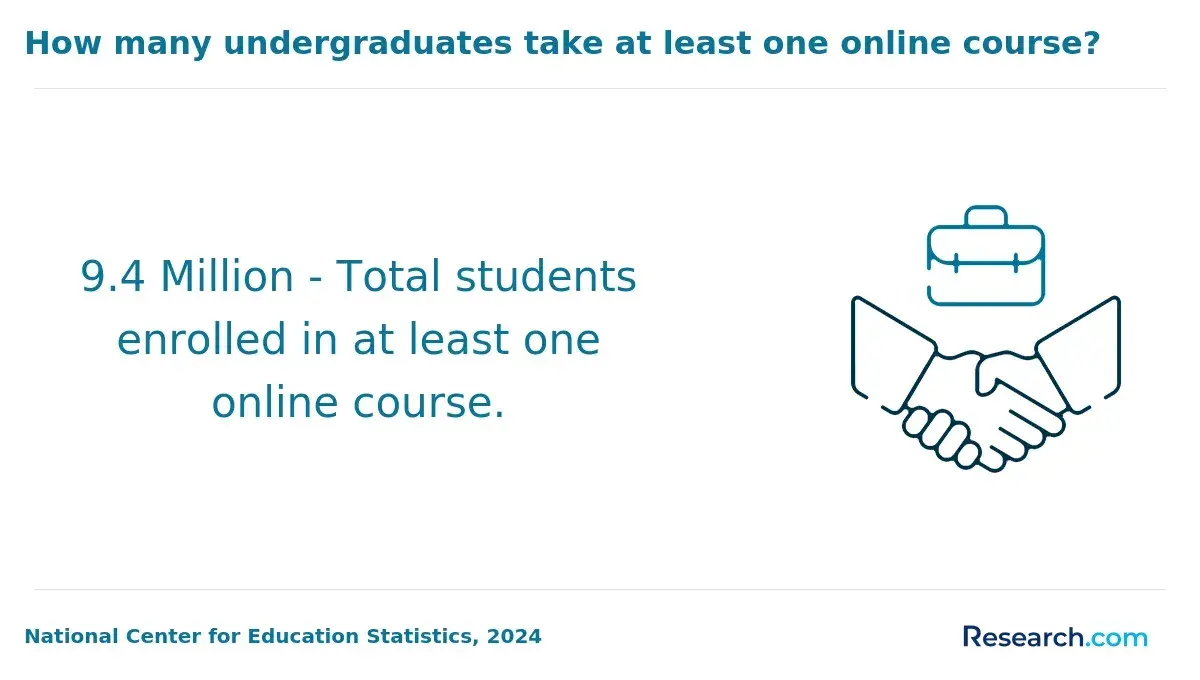
Educational policy coursework remains largely consistent whether taken online or on campus, with similar curricula, learning goals, and academic expectations.
Both formats strive to provide equivalent core knowledge and skillsets, ensuring students are equally prepared for professional or further academic pursuits.
The integrity of the degree is maintained by aligning standards across delivery modes. Differences rarely affect the substantive content or the competencies students are expected to develop.
Key differences are primarily related to course delivery and student experience. Online courses often use video lectures, forums, and digital assignments, granting students greater flexibility to manage their schedules.
In-person classes feature live discussions and spontaneous interactions with faculty and peers. Access to physical campus resources can be limited online, though many institutions offer virtual alternatives.
Assessments online may include exams and papers adapted for remote settings, while practical elements are adjusted through simulations or project-based work to suit distance learning.
Breakdown of Private Fully Online Nonprofit Schools

How Many Hours Per Week Do Educational Policy Classes Require?
Most students enrolled in educational policy classes can expect to dedicate between 12 and 18 hours per week to coursework. This time typically divides into about 3 to 5 hours attending lectures or participating in live discussions, 4 to 6 hours spent on readings, and 3 to 6 hours working on assignments, projects, or group activities.
Additionally, applied learning elements such as case studies, policy analysis, or practicums may increase weekly hours depending on the course design.
The weekly time commitment for educational policy classes varies based on several important factors. Below is a breakdown of the key influences on how many hours per week a student might need to invest:
- Enrollment status: Full-time students taking a heavier course load generally spend more hours weekly compared to part-time students enrolled in fewer credits.
- Course level: Graduate-level coursework tends to demand deeper independent research and critical engagement, often increasing study hours beyond undergraduate requirements.
- Delivery format: Online courses offer flexible scheduling but require disciplined time management, especially for live sessions and group collaborations. On-campus courses have fixed schedules that help students plan study time more predictably.
- Credits per term: Each credit hour usually corresponds to two to three hours of outside work per week, directly affecting overall time commitment.
- Practicum and projects: Hands-on components like capstone projects or practicums significantly raise time demands due to applied work and coordination with external partners.
Students interested in expanding their expertise in related fields might also explore a library science degree, which shares some interdisciplinary connections with educational policy studies.
Considering these factors helps prospective students realistically assess the hours per week required for an educational policy degree, supporting better academic planning and success.
How Many Credit Hours Are Required to Complete a Educational Policy Degree?
Credit hour requirements directly influence the length of an educational policy program, the student's academic workload, and timely graduation.
These requirements vary depending on whether students pursue undergraduate or graduate studies, as well as by individual program design. Prospective students should understand these differences to align their course planning with educational goals and career timelines.
Typical credit-hour components in educational policy degree programs generally include:
- Core coursework: Usually comprising the largest portion of required credit hours, core courses cover essential subjects such as policy analysis, education law, and research methods. Undergraduate programs often allocate around 40-60 credits to foundational coursework, while graduate studies emphasize advanced theory.
- Electives: Elective credits allow students to tailor their studies to specific interests like equity in education or program evaluation. Undergraduate degrees might offer 20-30 elective credits, while graduate programs typically include 6-12 credits of specialized electives.
- Experiential requirements: Many programs incorporate internships, practicums, capstone projects, or theses to provide practical, hands-on experience bridging theory and practice. These experiential learning components can range from 3 to 12 credits, often more intensive in graduate-level coursework.
The required credit hours for educational policy degree completion generally span from about 120 to 130 credits at the undergraduate level, reflecting approximately four years of full-time study.
Graduate programs usually demand 30 to 36 credits, completed in one to two years. This structure reflects differences in course intensity and depth between bachelor's and master's programs, with graduate studies focusing on concentrated, advanced content.
For students exploring further options in educational policy studies, including some of the cheapest online edd programs, understanding specific credit hour requirements can help optimize program selection and academic planning.
Being informed about educational policy degree credit requirements ensures a clearer path toward graduation and career preparation.
How Does Educational Policy Coursework Prepare Students for Careers?
Educational policy coursework equips students with essential skills and practical knowledge that directly enhance career readiness. Through a blend of theoretical understanding and applied learning experiences, students develop the competencies necessary to influence and lead within education systems.
Employment opportunities in education policy and administration are projected to grow by 6% from 2022 to 2032, indicating steady demand for qualified professionals in this field.
- Critical Thinking and Analysis: Coursework fosters the ability to critically assess education systems and reform initiatives. Students learn to evaluate policies based on data and evidence, a skill crucial for informed decision-making in professional roles.
- Applied Research Projects: Engaging in projects involving data analysis and policy evaluation allows students to gain hands-on experience. These projects mirror workplace tasks, helping students translate academic knowledge into practical strategies.
- Communication and Stakeholder Engagement: Programs emphasize communicating complex policy issues effectively to diverse audiences, including educators, policymakers, and community members. This ensures students can advocate for and implement change successfully.
- Designing Evidence-Based Strategies: Students acquire the ability to create actionable, research-driven solutions to improve educational outcomes, a key competency highly valued by employers seeking impact-driven professionals.
- Professional Network Development: Coursework often involves collaboration and connections with industry experts and peers, providing students valuable contacts and resources to support their career growth in educational policy.
For those exploring academic options, researching affordable opportunities such as a cheapest online college that accepts FAFSA can be a practical first step. This approach can help manage costs while gaining the skills needed for a successful career.
Integrating these competencies from educational policy degree career readiness ensures graduates are well-prepared for the challenges and opportunities within the education sector.
How Does Educational Policy Coursework Affect Salary Potential After Graduation?
Completing coursework in educational policy can enhance earning potential by providing specialized skills and knowledge valued by employers in education administration. Graduates with this training often access higher-paying roles, reflecting their preparation for leadership and strategic responsibilities.
The U.S. Bureau of Labor Statistics reports that education administrators, many holding degrees related to policy, earned a median annual wage of about $98,000 in 2022, surpassing average occupational wages.
Key ways educational policy coursework influences salary potential include:
- Development of In-Demand Skills: Coursework covers policy analysis, finance, and research methods, equipping students with abilities essential for tackling complex educational challenges, making them attractive candidates for advanced positions.
- Completion of Specialized Courses: Advanced studies in organizational theory and education law prepare students to navigate critical legal and structural aspects of education systems, positioning them for roles with greater responsibility and compensation.
- Leadership and Management Training: Programs emphasize leadership skills that qualify graduates for managerial roles, which typically offer salaries higher than entry-level teaching or support positions.
- Applied Experiences Like Practicums and Capstones: Hands-on projects showcase practical problem-solving and strategic decision-making abilities, signaling readiness to employers for leadership tasks and contributing to career advancement.
- Preparation for Certifications: Coursework often aligns with requirements for credentials in educational leadership, such as superintendent certifications, which unlock access to senior-level roles with increased financial benefits.
What Graduates Say About Their Educational Policy Degree Coursework
- Vance: "Completing the educational policy degree online was a game-changer for me, especially considering the affordable tuition compared to many other programs. The flexibility allowed me to balance work and study effectively, and the coursework deeply enhanced my understanding of education systems. This has opened doors to leadership roles in educational administration. "
- Marvin: "The cost of attending the educational policy program on-campus was a significant investment, but the immersive experience was well worth it. Engaging directly with professors and peers enriched my learning beyond textbooks. Reflecting on my career growth, the coursework has been instrumental in shaping my analytical skills for policy development. "
- Parker: "As a professional seeking advancement, the educational policy coursework offered online aligned perfectly with my budget and schedule without compromising quality. The practical insights gained have empowered me to influence policy decisions in my organization confidently. I appreciate how the program balances affordability with rigorous content. "
Other Things You Should Know About Educational Policy Degrees
In 2027, Educational Policy degree coursework typically includes classes like Foundations of Education Policy, Comparative Education Systems, Education Law and Ethics, Quantitative and Qualitative Research Methods, and Policy Analysis in Education. These courses aim to prepare students for roles in education leadership and policy-making.
Understanding research methods is crucial in Educational Policy programs as it equips students with the skills to analyze educational data, evaluate policies, and make evidence-based decisions, preparing them for real-world policy challenges in 2027.
References
- Educational Policy and Leadership Courses https://www.albany.edu/graduate-bulletin/educational-policy-leadership-courses.php
- MPP Education Policy https://www.york.ac.uk/study/postgraduate-taught/courses/mpp-education-policy/
- Education Policy, M.S.Ed. https://www.gse.upenn.edu/academics/education-policy-msed
- Charting your Course: Earnings boost after University and College - Social Mobility Commission https://socialmobility.independent-commission.uk/reports/charting-your-course-earnings-boost-after-university-and-college/
- Master’s Thesis or Capstone Project? Which One Is the Right Choice for https://research-rebels.com/blogs/how-to-write-thesis/master-s-thesis-or-capstone-project-which-one-is-the-right-choice-for-you
- The impact of undergraduate degrees on lifetime earnings | Institute for Fiscal Studies https://ifs.org.uk/publications/impact-undergraduate-degrees-lifetime-earnings
- The Importance of Career Readiness in Education https://achievementcharter.com/blog/the-importance-of-career-readiness-in-education
- Careers In Education Policy With Your Degree - Noodle.com https://resources.noodle.com/articles/education-policy-jobs/
- Capstone Project vs Thesis in University: Key Differences Explained https://www.quetext.com/blog/capstone-project-vs-thesis
- How Schools Can Support College and Career Readiness https://www.onegoal.org/about/blog/how-schools-can-support-college-and-career-readiness/


