
2027 Educational Policy Degree vs. Certificate: Which Should You Choose?

Co-Founder and Chief Data Scientist
Students and professionals today face crucial choices when considering educational policy studies. Pursuing a degree or a certificate can both enhance career prospects, but they differ in time commitment, depth of study, and professional recognition. For example, a degree often offers comprehensive training and research opportunities, while certificates provide targeted skills for quicker entry or advancement.
Both paths are valuable depending on your goals, with degrees typically requiring one to two years of full-time study and certificates completed in months. This article compares these options to help you decide which aligns best with your career ambitions and lifestyle.
Key Points About Educational Policy Degree vs. Certificate Programs
- Degree programs offer comprehensive knowledge and research skills, enhancing long-term professional growth and higher salary potential, with median earnings often 20% above certificate holders.
- Certificate programs focus on practical, specialized skills ideal for immediate job advancement or role changes, requiring less time and financial investment than degrees.
- Degrees typically require 1-2 years full-time study, offering broader networking opportunities; certificates take months, allowing faster entry or skill updating within education policy careers.
What Are the Differences Between Educational Policy Degree and Certificate Programs?
Both educational policy degrees and certificate programs offer valuable career opportunities, but they differ in several key aspects. Understanding these differences can help students select the right educational path based on their professional goals and available time. Below is a comparison of the main distinctions between the two options.
The following points highlight important factors to consider when choosing between an educational policy degree and a certificate program.
- Career Advancement: Degrees typically open doors to higher-level positions and broader roles due to their comprehensive curriculum. Certificates often serve as quick skill enhancements suited for professionals seeking specific expertise without committing to a full degree.
- Depth of Learning: Degree programs provide an in-depth exploration of theory, research, and policy analysis, ideal for those aiming for a thorough grounding. Certificates focus on targeted knowledge and practical skills, beneficial for individuals needing immediate application.
- Time Commitment: Degrees require a longer investment in terms of semesters or years, fitting those prepared for extended study. Certificates can often be completed in a shorter time frame, accommodating working professionals or those with limited availability.
- Flexibility and Format: Certificate programs frequently offer more flexible scheduling or online options, making them suitable for busy learners. Degree programs may have more structured formats and require residency or consistent attendance.
How Long Does It Take to Complete a Educational Policy Degree vs. a Certificate Program?
Completion time is a crucial factor for students deciding between an educational policy degree vs. certificate program. Understanding how long each option takes helps shape expectations around commitment and career planning.
- Typical Duration: A bachelor's degree in educational policy usually requires about four years of full-time study, while a master's degree may take one to two years beyond the bachelor's, depending on full-time or part-time enrollment. In contrast, educational policy certificate duration can be as short as a few weeks to several months, with some advanced or part-time certificates extending up to a year or more.
- Flexibility: Both degrees and certificates offer pacing options such as full-time and part-time attendance. Part-time study extends degree completion-particularly for master's degrees, which can stretch to three years part-time. Similarly, certificate timelines vary widely, potentially allowing completion from a few months to over a year based on part-time scheduling and delivery format.
- Factors Affecting Timeline: Degrees include general education alongside major-specific courses, adding to length, whereas certificates focus more narrowly on practical skills, allowing faster completion. Prior experience and transfer credits can shorten degree timelines more significantly than certificates due to the shorter curriculum. Online, hybrid, and accelerated programs may also impact how quickly students finish their program.
For those seeking a faster option, a certificate offers less time commitment, but an educational policy degree program length provides deeper study. Students interested in accelerated options might explore one year masters as a way to earn a degree more quickly.
Can You Complete a Educational Policy Degree or Certificate Entirely Online?
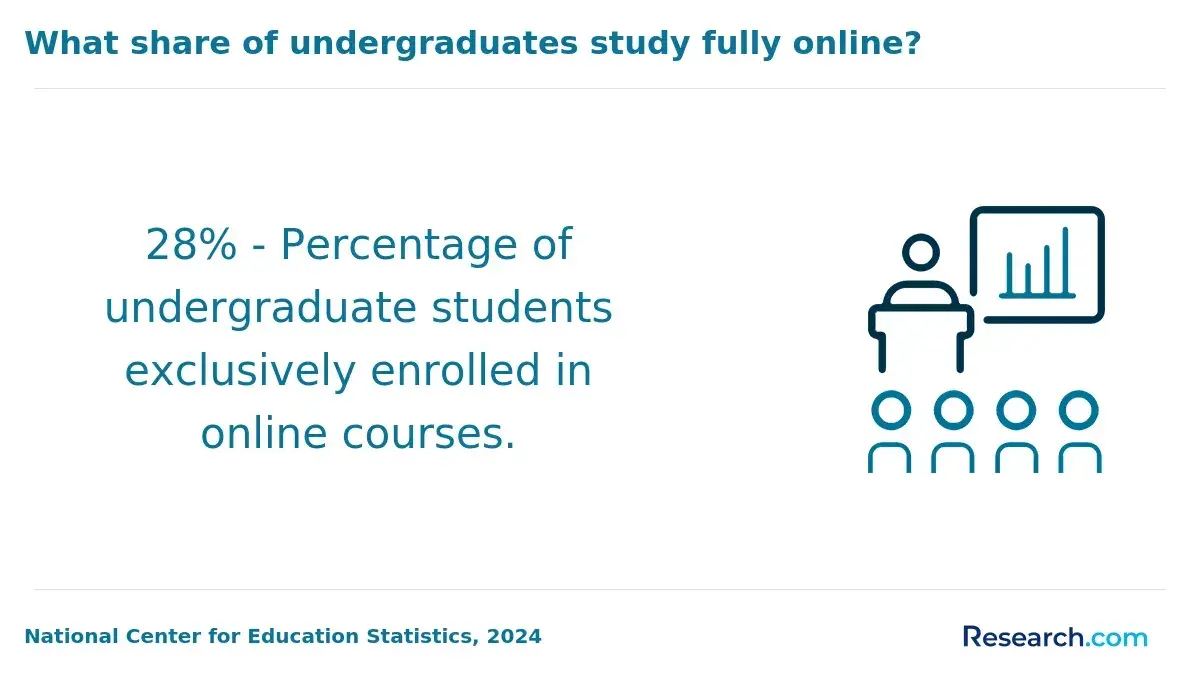
The rise of online education has greatly expanded access to advanced study in educational policy, allowing degrees and certificates to be more flexible for busy professionals. Many U.S. universities now offer online master's in education policy programs, such as Howard University's M.Ed. in Educational Leadership & Policy Studies, which is 100% online with both synchronous and asynchronous components, and Florida State University's online master's in education policy and evaluation that accommodates a part-time schedule.
Doctoral programs at institutions like the University of Illinois are also available online. Certificates in educational policy are frequently offered as educational policy certificate fully online options, often integrated with or supplementing degree programs.
However, it is important to consider hands-on training, internships, or licensure requirements that may necessitate in-person participation, especially for leadership tracks leading to administrative certification. Students aiming for policy advocacy or research roles might find fully online paths sufficient, but those pursuing state licensure should verify any hybrid or onsite obligations.
Prospective students should carefully examine each program's structure and consult admissions advisors to match the online format with their career goals and licensure regulations. For additional guidance on credential value, consider resources on online certs that pay well.
What Are the Admission Requirements for a Educational Policy Degree vs. a Certificate Program?
Admission requirements are a crucial consideration when deciding between an educational policy degree and a certificate program. These requirements affect your eligibility, time commitment, and overall career path. Understanding them side by side can help you determine which option best fits your academic background and professional objectives.
Below is a comparison of admission requirements typically found in educational policy degree programs versus certificate programs.
Admission Requirements for Educational Policy Degree Programs
- Educational Background: Most master's degree programs require a bachelor's degree from a regionally accredited institution, usually with a minimum GPA of 3.0 in the last 60 credit hours, while doctoral programs demand a master's degree with a minimum GPA of 3.5.
- Transcripts: Official transcripts from all previous undergraduate and graduate studies are mandatory to verify academic records.
- Resume or Curriculum Vitae: Applicants must submit a current resume or CV highlighting educational history and relevant professional or research experience.
- Statement of Purpose: A comprehensive statement explaining your interest in educational policy, career goals, and reasons for choosing the specific program is commonly required.
- Letters of Recommendation: Master's programs generally require one to three letters, often including at least one academic reference; doctoral programs typically request three letters with a majority from academic sources.
- Writing Sample: Some programs, especially at the doctoral level, ask for a writing sample to assess critical and analytical skills.
- Interview: Certain programs may conduct phone or video interviews to evaluate candidate fit and preparedness for graduate work.
- English Proficiency: Non-native English speakers need to provide standardized test scores proving language proficiency.
- Application Fee: Fees vary by institution and applicant status.
Admission Requirements for Educational Policy Certificate Programs
- Educational Background: Generally requires a bachelor's degree, though GPA criteria tend to be more flexible compared to degree programs.
- Transcripts: Submission of transcripts from completed degrees is typically mandatory but undergoes a less rigorous review.
- Resume or Work Experience: Some certificates prefer professional experience in education or related fields, but this is often optional.
- Statement of Purpose: A brief statement outlining your interest in the certificate and its relevance to your career may be requested, often less detailed than degree requirements.
- Letters of Recommendation: Fewer certificate programs require them; when required, usually only one letter is needed.
- English Proficiency: International applicants might be asked for proof of English language skills.
- Application Fee: Typically lower than fees for degree programs.
Degree programs, including those offering an admission process for an education policy master's degree, tend to emphasize academic excellence and scholarly potential, while certificate programs provide a more accessible route for professionals seeking targeted expertise.
For those interested in advanced doctoral studies, options like a PhD degree without dissertation may also influence program selection.
How Many Credits Do You Need to Complete a Educational Policy Degree vs. a Certificate?
Knowing how many credits are required for educational policy programs helps prospective students plan their study schedules and manage their commitments effectively. Credit requirements vary significantly between degree programs and certificate tracks, impacting duration and depth of study.
Below is a comparison highlighting typical credit expectations for each type of program.
- Degree programs: Usually demand around 120 undergraduate credits or 30 to 33 graduate credits, providing a comprehensive and in-depth curriculum over multiple years.
- Certificate programs: Typically require between 12 and 18 credits, designed for a shorter, more focused study often completed within one year or less.
What Is the Average Tuition for a Educational Policy Degree vs. a Certificate?
Tuition costs are a crucial factor when deciding between pursuing a degree or a certificate in educational policy, as they affect both initial financial commitment and long-term educational value. Comparing average tuition ranges for these options helps to clarify financial expectations and potential debt management.
Below is a detailed comparison highlighting key factors that influence the average tuition for an Educational Policy degree versus a certificate program.
Average Tuition for Educational Policy Degree Programs
- Tuition Range: Bachelor's degrees typically range from $20,000 to $80,000 or more in total tuition, while master's programs can start around $30,000 to $40,000, with prestigious institutions charging upwards of $100,000.
- Public vs. Private Schools: Average annual tuition was approximately $10,662 for in-state public schools, $23,630 for out-of-state public schools, and $42,162 for private colleges, leading to significantly higher totals over four years.
- Online vs. On-Campus: Online degree programs may be less expensive than traditional settings, but well-known online programs can still cost more than $30,000 per year.
- Program Length: Most bachelor's degrees take four years, and master's degrees one to two years full-time, increasing total tuition compared to shorter certificate options.
- Financial Aid Availability: Degree programs are generally eligible for federal financial aid, scholarships, and institutional grants, helping reduce the average tuition for an Educational Policy degree for qualifying students.
Average Tuition for Educational Policy Certificate Programs
- Tuition Range: Certificate programs usually cost between $200 and $10,000, with most community college certificates completed for under $10,000, making the educational policy certificate program cost substantially lower than degrees.
- Program Duration: Certificates typically take a few months up to 18 months to complete, resulting in less tuition outlay compared to multi-year degrees.
- Institution Type: Community colleges offer some of the most affordable certificates, while university-based graduate-level programs may cost more but remain below degree costs.
- Online vs. On-Campus: Many certificate programs are offered online, reducing fees and allowing flexible pacing.
- Financial Aid Availability: Federal financial aid is not always available for certificate programs; prospective students should consult each school on funding options.
For those exploring options, it is also helpful to review online colleges in Florida that accept FAFSA to identify programs that may offer financial support tailored to your needs.
Can You Transfer Certificate Credits Toward a Educational Policy Degree Later On?
Transferring certificate credits toward an educational policy degree is often possible but varies widely depending on institutional policies and program requirements. Credits typically must come from an accredited institution, and coursework should align closely with degree content and rigor. Transfer policies differ by school, so some institutions allow stacking certificate credits into related degrees, while others may not. Ensuring that the courses are graduate-level and meet the standards of the receiving program is crucial for credit acceptance.
Many universities set a cap on transferable credits, usually between 6 and 9 for master's level programs, and grades often need to be a B or higher. Pass/fail courses generally aren't accepted unless there are exceptional conditions, such as pandemic-related grading changes. Students should confirm transfer eligibility, necessary forms, and approval processes with their graduate school before enrolling in a certificate program. Early verification helps avoid surprises and ensures credits contribute toward future degree goals.
Are Certificate Programs Accredited the Same Way as Educational Policy Degrees?
Certificate programs in educational policy are not accredited in the same way as degree programs. Degree programs, including bachelor's and master's degrees, typically undergo institutional or specialized accreditation by recognized agencies such as the Council for Accreditation of Educator Preparation (CAEP).
These accreditors assess curriculum quality, faculty credentials, student outcomes, and professional standards compliance. Certificate programs may also be accredited, especially if aligned with state or national standards like Pennsylvania Inspired Leadership or CAEP. However, many certificate offerings, particularly shorter or non-credit ones, might only provide completion documentation without formal accreditation.
Accreditation plays a critical role in confirming academic quality, supporting credit transferability, and improving employment opportunities since many employers prefer accredited credentials. It also determines eligibility for federal financial aid, but only accredited programs qualify.
When choosing a program, students should verify that the accrediting agency is recognized by the U.S. Department of Education and check the program's alignment with relevant professional standards. Transparency regarding curriculum, faculty qualifications, and outcomes is important too. Prospective students should always confirm accreditation status through authorized bodies before enrolling in any educational policy program.
What Jobs Can You Get with a Educational Policy Degree vs. a Certificate?
Both educational policy degrees and certificates provide pathways to meaningful careers, though they often prepare graduates for different types and levels of positions. Understanding these distinctions can help you choose the credential that best fits your professional goals.
Below is a comparison of common roles associated with each qualification.
Jobs You Can Get with a Educational Policy Degree
- Education policy analyst: Conducts research and evaluates policies to improve educational systems, often working for government agencies or think tanks.
- School administrator: Oversees daily operations and manages staff at schools or districts, focusing on policy implementation and organizational leadership.
- Educational consultant: Advises schools or organizations on curriculum development, policy compliance, and strategic planning.
- Director of research: Leads research initiatives to inform education policy decisions, usually within academic or policy institutions.
- Senior policy analyst: Develops in-depth analyses of education laws and regulations, providing guidance to lawmakers or advocacy groups.
Jobs You Can Get with a Educational Policy Certificate
- Policy assistant: Supports policy development teams by gathering data and assisting with research in government or nonprofit settings.
- Education program coordinator: Manages specific education programs or projects, ensuring they align with policy goals and funding requirements.
- Education consultant: Offers targeted advice on educational initiatives and program improvements, often in advisory or support roles.
- Academic researcher: Conducts focused studies under supervision, contributing data and analysis to larger educational policy projects.
- Support roles in government or nonprofit organizations: Provides administrative and operational assistance to agencies focused on education policy implementation.
What Is the Average Starting Salary for a Certificate vs. Educational Policy Degree Graduates?
Salary potential often varies significantly between those holding a certificate in educational policy and graduates with a full educational policy degree. Understanding these differences is crucial for prospective students and professionals choosing their educational path.
A side-by-side comparison highlights key distinctions in average starting salaries and career outlooks for each group.
- Typical Salary Range for Certificate Holders: Graduates with a certificate in educational policy typically start in entry-level administrative or support roles, earning between $40,000 and $55,000 annually. These positions often include program coordinators, research assistants, or policy support staff.
- Average Salary with an Educational Policy Degree: Individuals with a bachelor's or master's degree generally command higher starting salaries, ranging from $46,800 to $78,000 per year. Roles such as policy analysts and educational consultants often report median starting salaries near $74,000 to $78,000.
- Influencing Factors: Starting salaries are influenced by relevant work experience, the type of employer (government, nonprofit, or private sector), geographic location, and the specific education policy focus. Urban centers tend to offer higher pay than rural areas.
- Career Outlook: Degree holders have access to a wider variety of roles with greater earning potential and advancement opportunities, while certificate holders may find a more cost-effective entry with limited upward mobility.
- Additional Considerations: For those seeking a good job for introvert work environments, education policy roles at different qualification levels can offer diverse paths.
Here's What Graduates of Educational Policy Programs Say About Their Degree or Certificate
- Vance: "Pursuing the educational policy certificate program was an excellent choice for me because I wanted a focused and fast-paced learning experience. The shorter duration allowed me to balance work and study without a massive financial burden, as the costs were significantly lower than a full degree. For anyone unsure whether to dive into a full degree, the certificate offers concentrated insights that can still boost your career, especially if you're testing the waters."
- Marvin: "The educational policy degree program provided a comprehensive and deep dive into the field that you just can't get from a certificate. Although it required a bigger time and financial commitment-often double or triple the cost of a certificate-the career impact was substantial, opening doors to leadership roles. Consider the degree if you want to shape policy at a systemic level and have the time to commit to rigorous study. "
- Parker: "Having completed both the educational policy certificate and degree programs, I can confidently say that the certificate gave me a quick, practical foundation, while the degree expanded on that with theory and extensive research opportunities. The combined experience made me appreciate how cost and pace affect your learning journey and career trajectory. For those weighing options, starting with a certificate can be a smart, cost-effective step before investing in the degree."
Other Things You Should Know About Educational Policy Degrees
Yes, a certificate in educational policy can often be used as a stepping stone to a graduate degree. Many universities allow credits earned from certificate programs to be transferred into a related master's program, provided the institution's specific requirements are met.
Employers generally value educational policy degrees more than certificates due to the comprehensive coursework and depth of knowledge imparted. Degrees often lead to higher-level positions and better long-term career opportunities compared to certificates, which may be suitable for specific skills or entry-level roles.
An educational policy degree typically offers in-depth knowledge and a broader understanding of the field, which can lead to more advanced career opportunities. It may also provide networking possibilities and is often valued more highly by employers compared to a certificate.
References
- Certificate vs. Diploma vs. Degree: What They Are & How They Differ https://potomac.edu/certificate-vs-diploma-vs-degree/
- Education Policy https://cehd.missouri.edu/degrees-programs/certificates-minors/education-policy/
- Average Cost of a Master's Degree: 2025 Analysis https://educationdata.org/average-cost-of-a-masters-degree
- Choose Between an Online Graduate Certificate, Degree Program https://www.yahoo.com/news/choose-between-online-graduate-certificate-degree-program-143000285.html
- Diploma, Degree, or Certification: Which One is Right For You? https://lakewood.edu/diploma-degree-or-certification-which-one-is-right-for-you/
- Education Policy Studies - Not Sure? | Penn State College of Education https://ed.psu.edu/academics/departments/department-education-policy-studies/education-policy-studies-not-sure
- Educational Policy Online Graduate Certificate https://www.umassd.edu/programs/educational-policy-graduate-cert-online/
- The Differences Between Certificates, Credentials & Degrees https://diplomasafe.com/credential-vs-certificate/
- Certificate in Education Policy & Leadership - School of Education https://drexel.edu/soe/academics/certificates/Educational-Policy/
- Certificate in Education Policy https://discover.trinitydc.edu/catalog-21-22/certificate-in-education-policy/


