2027 Entry-Level Jobs With a History Degree

Co-Founder and Chief Data Scientist
What jobs are available with a history degree for recent graduates facing a competitive job market? Nearly 30% of history degree holders enter fields beyond traditional academia, leveraging skills like research, analysis, and communication. Entry-level careers in museums, archives, education, and public policy offer practical starting points.
While salary expectations may vary, these roles provide valuable experience and transferable skills for career advancement. Understanding the beginner roles commonly accessible to history graduates helps set realistic goals. This article explores entry-level jobs with a history degree and guides graduates on effective pathways to launch their professional careers.
Key Benefits of Entry-Level Jobs With a History Degree
- Entry-level jobs with a history degree provide practical experience and help graduates develop essential research, analysis, and communication skills valued across multiple industries.
- These roles often serve as stepping stones, offering clear pathways for career advancement and long-term professional growth within cultural, educational, and archival fields.
- Graduates build professional networks early, connecting with mentors and peers while enhancing their resumes, which is crucial given that 65% of history graduates secure relevant employment within two years.
What Entry-Level Jobs Can You Get With a History Degree?
Over half of humanities graduates secure entry-level positions that build essential skills for their future careers. These roles are crucial for history graduates to gain practical experience and strengthen abilities applicable to diverse fields.
Below are some common entry-level career options for history graduates that provide valuable professional foundations.
- Research Assistant: Assists with collecting and analyzing historical data, supporting academic research projects. This role develops critical thinking and methodological skills valuable for advanced study or research-intensive professions.
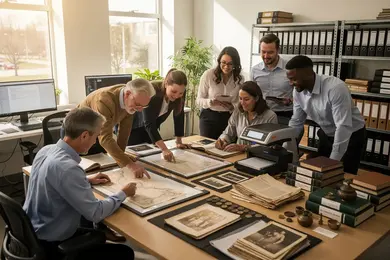
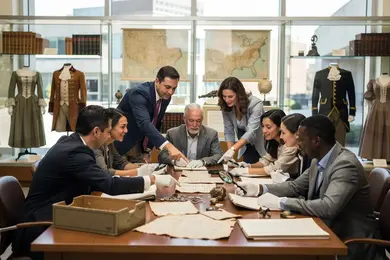
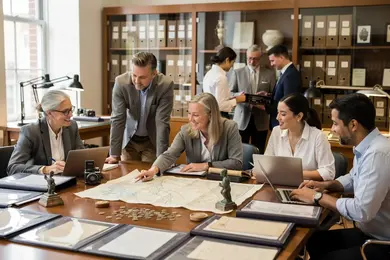
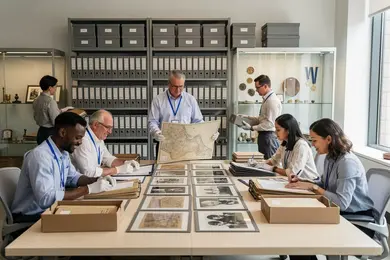
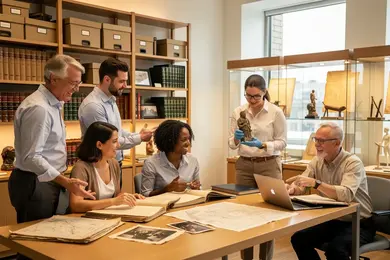
- Archival Assistant: Responsible for organizing, cataloging, and preserving historical documents and records. This position enhances expertise in information management and archival techniques, which are important for museum and library careers.
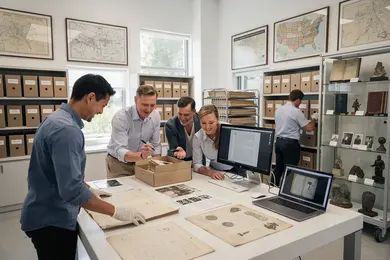
- Museum Technician/Curatorial Assistant: Helps prepare exhibits, research artifacts, and coordinate public programming. Working in this role builds knowledge of cultural heritage and public engagement, forming a path toward museum curation and education.
- Editorial Assistant/Content Writer: Produces historical articles or educational content, fostering strong writing and communication skills. This job serves as a stepping-stone to careers in publishing, media, and education sectors.
These entry-level career options for history graduates allow them to apply their education practically while acquiring transferable skills. For students considering a range of possibilities, exploring easy online college courses alongside their degree may also open additional avenues for professional growth.
Which Industries Hire the Most History Graduates?
History graduates apply their analytical, research, and communication skills across diverse industries, with roughly 17% finding roles in museum-related fields according to U.S. Bureau of Labor Statistics data. Their abilities to interpret historical contexts and craft clear narratives position them well in sectors that value detailed knowledge and critical thinking.
The following industries stand out as major employers of history degree holders.
- Education: Schools and colleges employ history graduates as teachers, academic advisors, and curriculum developers. Their skill in explaining complex historical events supports learning at both the K-12 and postsecondary levels.
- Government: Local, state, and federal agencies hire history graduates for roles such as policy analysts, archivists, and researchers. Their expertise in interpreting historical documentation aids the development of informed public policies.
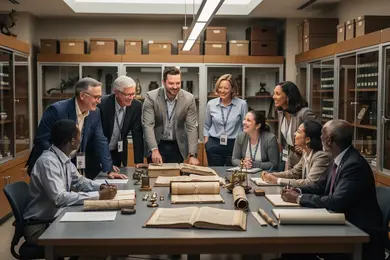
- Museums and Cultural Institutions: These organizations rely on history graduates as curators, archivists, and exhibit coordinators. They translate historical knowledge into engaging programs and displays for diverse audiences.
- Publishing and Media: History graduates work as editors, writers, and content researchers, producing well-researched, accurate narratives for books, documentaries, and articles.
- Nonprofit Organizations: Groups focused on cultural preservation, social justice, and education recruit history graduates to conduct research, advocate for causes, and coordinate programs, applying historical insight to address current social challenges.
A history degree graduate shared that breaking into these fields can feel both exciting and overwhelming. "Navigating different sectors required patience and persistence," he said. "In government, I faced long application processes, while museums valued hands-on experience.
The challenge was learning how to translate academic knowledge into practical skills relevant to each role." His reflections highlight how diverse industries capitalize on history graduates' adaptable expertise.
Which Entry-Level History Jobs Pay the Highest Salaries?
Starting salaries for entry-level jobs in the history field can vary considerably, influenced by the role's unique demands and skill requirements. Positions that blend research, analysis, and effective communication, especially those involving public engagement or data management, generally offer higher pay.
Below are some of the best-paying options for recent history graduates.
- Archivist: Archivists are responsible for preserving and organizing important documents, often in government, academic, or corporate settings. Their work requires precision and familiarity with digital cataloguing tools, leading to starting salaries typically between $45,000 and $55,000.
- Museum Curator Assistant: These professionals assist with exhibitions, artifact care, and educational programs. Entry-level pay usually falls within the $40,000 to $50,000 range, reflecting the need for expertise in historical knowledge and public interaction.
- Research Assistant: Employed by academic institutions or think tanks, research assistants gather data, conduct literature reviews, and support studies. Their salaries often range from $40,000 to $48,000 due to specialized methodological skills and sometimes grant-funded positions.
- Historical Consultant: Consultants provide expert historical insight for media productions or legal cases, enhancing accuracy and authenticity. Although rarer, these positions start near $50,000 thanks to the high value of specialized expertise.
- Government Analyst: Analysts focusing on historical data for policy or cultural projects often begin with salaries around $50,000. Their roles demand strong analytical skills and have a direct impact on decision-making, contributing to higher entry-level compensation.
What Skills Do Employers Look for in Entry-Level History Graduates?
Employers often assess entry-level candidates for history-related roles based on practical skills beyond just academic credentials. A 2023 survey by the National Association of Colleges and Employers found that 78% of employers prioritized communication skills as a top requirement, reflecting a widespread gap among new graduates.
The following outlines essential skills for entry-level history graduates that align with employer expectations.
- Research and Analytical Thinking: History graduates excel in analyzing large datasets and verifying credible sources. This capability is critical for problem-solving and interpreting complex information in various professional settings.
- Written and Verbal Communication: Strong communication enables graduates to convey ideas clearly and persuasively in reports and presentations. These skills foster teamwork and effective client interactions, making them highly sought after.
- Attention to Detail: Precise documentation and accuracy in data handling stand out as valuable skills. Employers seek candidates who maintain high standards in quality control and compliance tasks.
- Critical Thinking and Adaptability: The ability to evaluate issues from multiple angles and adjust to changing environments is increasingly important. These skills help graduates navigate dynamic workplace challenges efficiently.
- Project Management and Organization: Managing timelines and coordinating resources effectively is key for handling research projects or events. Employers value candidates who demonstrate strong organizational abilities and leadership potential.
Entry-level history graduates aiming to enhance their career prospects should focus on these key competencies employers seek in history degree holders. For those exploring affordable educational options to develop these skills, the cheapest online college programs offer viable pathways.
Do Employers Hire History Graduates With No Internships?
Employers often value internship experience when evaluating entry-level candidates, as it provides practical exposure and helps bridge academic knowledge with workplace demands. A report from the National Association of Colleges and Employers (NACE) indicates that more than 60% of employers favor graduates who have completed internships.
However, internship experience is just one factor among many that hiring managers consider when reviewing applicants. This makes it important to assess the wider picture of candidate qualifications.
History graduates without formal internships can still be attractive hires by emphasizing academic success, relevant coursework, and transferable skills such as critical thinking and research. Demonstrating involvement in independent projects, leadership roles, or volunteer work related to the field also helps showcase capability.
Since employer priorities differ and some roles prioritize intellectual foundation or potential over immediate hands-on experience, the absence of an internship does not necessarily exclude candidates from consideration.
What Certifications Help Entry-Level History Graduates Get Hired?
Certifications can significantly enhance a history graduate's job prospects by providing practical evidence of specialized expertise that complements academic degrees. Studies reveal that graduates holding relevant certifications are about 25% more likely to secure interviews in the first year after finishing their degree.
The following certifications are particularly helpful for new history graduates seeking to strengthen their applications and prove their readiness for professional roles.
- Certified Archivist (CA): This credential confirms proficiency in managing and preserving historical documents. It is highly valued for roles involving archives, libraries, and museums, helping graduates demonstrate expertise in organizing and safeguarding important records.
- Project Management Professional (PMP): Although not history-specific, PMP certification shows capability in overseeing projects, timelines, and resources. History graduates with this credential signal their ability to lead and coordinate research initiatives or curatorial projects.
- Digital Archives Specialist (DAS): Focused on digital preservation techniques, DAS equips graduates with skills to manage electronic collections. This certification addresses the growing demand for handling digital historical assets in various institutions.
- Certificate in Research Methodologies: Designed to validate advanced research skills, this certificate empowers graduates with strong data analysis and investigative techniques. Employers appreciate this proof of rigorous research capability.
- Fundamentals of Geographic Information Systems (GIS): This credential verifies expertise in spatial analysis and mapping, enhancing employability where geographic data intersects with historical study and interpretation.
A professional with a history degree shared her experience about certifications: "When I began job hunting, I found that having a CA certification opened doors that my degree alone couldn't. The preparation was intense and required a deep dive into archival standards, but it gave me confidence and credibility.
Balancing study with job applications was stressful, yet achieving that credential made me feel more marketable and prepared. Employers often asked about my certification first, which made conversations easier and helped me stand out during interviews." This insight highlights how targeted certifications can be critical in bridging academic knowledge with workforce expectations.
How Can Students Prepare for Entry-Level History Jobs While in College?
Early preparation in college significantly boosts employability for students pursuing a history degree. A survey by the National Association of Colleges and Employers found that 91% of employers favor candidates who demonstrate applied skills through projects or work experience prior to graduation.
The following strategies help build essential career readiness before entering the job market.
- Build Practical Experience: Engage in research projects and writing assignments that extend beyond standard coursework. This sharpens critical thinking and communication skills vital for many entry-level history roles.
- Develop Technical Skills: Gain proficiency with digital archives, data analysis software, and historical databases. Familiarity with digital humanities tools and content management systems is increasingly sought after by employers.
- Enhance Soft Skills: Cultivate teamwork, problem-solving, and time management by participating in group projects or holding leadership positions in student organizations. These skills improve overall workplace adaptability.
- Utilize Campus Resources: Take advantage of career centers, writing labs, and faculty mentorship programs to receive tailored advice on resume writing and interview techniques specific to history careers.
How Competitive Is the Entry-Level Job Market for History Graduates?
The entry-level job market for history graduates is moderately competitive, with employment opportunities varying significantly based on career focus and geographic location. According to data from the U.S. Bureau of Labor Statistics and other educational research sources, only about 50% to 60% of history majors find positions directly related to their field within the first year after graduation.
This reflects a balanced but challenging environment for recent graduates seeking roles such as research assistant positions or archival work. Understanding the nuances behind this competition is essential for effectively navigating the job market for entry-level history graduate roles.
Several factors influence the competitiveness of the entry-level history graduate job market. One key element is the large number of applicants, since history programs attract many students annually, yet available entry-level roles remain limited. Employers often look beyond academic credentials, valuing additional skills like critical thinking, digital archiving proficiency, and data analysis.
Competitiveness also varies across sectors; for example, museum and library roles may emphasize specialized practical experience, while education and public administration positions are more accessible but still draw numerous candidates. Regional demand shifts according to cultural interests and funding, affecting hiring rates. For students interested in combining history with other fields, pursuing a construction management online degree may offer alternative career pathways.
What Remote Entry-Level Jobs Can You Get With a History Degree?
The rise of remote work has significantly expanded opportunities for entry-level professionals with a history degree, allowing them to begin their careers beyond traditional office settings. The U.S. Bureau of Labor Statistics reports that remote work increased by over 90% between 2005 and 2021, with many employers offering fully remote early-career roles.
This shift opens doors to various flexible jobs suitable for history graduates' skill sets.
Several remote entry-level jobs align well with the analytical, research, and communication skills developed through a history degree. These roles provide foundational experience while enabling graduates to work comfortably from home or anywhere.
- Research Assistant: Responsibilities include collecting and verifying historical data, organizing sources, and compiling reports. Remote research assistants support academic studies, cultural institutions, or publication projects, strengthening their analytical and organizational capabilities.
- Content Writer or Editor: This role involves creating and editing accurate historical content for websites, blogs, or educational platforms. Remote writers use their ability to craft clear narratives and perform fact-checking within digital collaboration tools.
- Digital Archivist: Managing digital collections demands attention to detail and knowledge of archiving software. Remote archivists help libraries or museums preserve and catalog records, honing technical and archival skills.
- Social Media Coordinator: Coordinating social media accounts for history-focused organizations includes developing engaging posts, monitoring interactions, and scheduling content. This entry-level position builds communication and public engagement expertise.
- Online Tutor in History: Offering virtual tutoring sessions via video calls allows graduates to share history knowledge while developing teaching and interpersonal skills. This remote job supports academic growth for both tutors and students.
For history graduates interested in exploring remote entry-level jobs or careers where they can work from home history degree careers, understanding these options helps in making informed decisions. Related fields such as marriage and family therapy also offer online education paths; more details are available through marriage and family therapy programs online.
How Quickly Can History Graduates Get Promoted?
Promotion speed for entry-level history graduates varies greatly, influenced by individual performance, accumulated experience, and an organization's structure. On average, promotions typically occur within two to four years, with studies indicating early-career advancement for liberal arts graduates, including those with a history degree, happening near the three-year mark.
However, timelines are not fixed and depend heavily on workplace dynamics and personal development. Those aiming for faster progression should focus on excelling in their roles and adapting to company expectations.
Several key factors shape how quickly history graduates move up the career ladder. Building strong skills in research, writing, and critical thinking is essential, as is consistent high-quality performance on assignments. The complexity of the position and clarity of career pathways also affect advancement speed. Jobs in education or archives often present more predictable promotion opportunities compared to roles with less defined hierarchies.
Ultimately, promotion timelines differ widely across employers and roles, with faster growth favoring those who actively pursue new challenges and responsibilities. For those considering a shift in their professional trajectory, exploring options from teacher to speech language pathologist may provide insight into diverse career pathways post-history degree.
What Graduates Say About Entry-Level Jobs With a History Degree
- Taylor: "Starting my career in entry-level history jobs felt intimidating at first, but focusing on hybrid roles allowed me to balance research and in-person collaboration effectively. When applying, I prioritized positions that offered meaningful access to archives since hands-on experience shapes deeper understanding. These early roles have truly laid a foundation for my career growth by sharpening both my analytical and communication skills."
- Cruz: "Reflecting on my job search after graduation, I realized that the choice between remote and onsite roles depends heavily on your learning style and your goals. I chose an onsite position because I value immersive environments where you can engage directly with artifacts and colleagues. That exposure has made a significant impact on my professional development, opening doors to specialized projects I hadn't expected."
- Luka: "I approached entry-level jobs in history with a focus on long-term career impact rather than immediate perks. I found it crucial to consider how each role aligned with my interests in cultural and social history, even if the positions were largely administrative at first. This strategic approach gave me a clearer path to advance into more research-driven roles, reinforcing the importance of patience and persistence."
Other Things You Should Know About History Degrees
Entry-level positions for history graduates are usually full-time, especially in established institutions like museums, archives, and educational organizations. However, some roles such as research assistance or internship-related jobs may be part-time or temporary as candidates build experience.
Entry-level history jobs in 2027 typically do not require advanced technical skills. Positions often focus on research, analysis, and communication capabilities, with basic proficiency in digital tools being important. While some roles may benefit from technical skills like data analysis or digital archiving, they are not universally required for entry-level positions.
Yes, many entry-level history positions in 2027 involve writing and publishing. Roles such as research assistants, content creators, and museum archivists often require skills in documenting, analyzing, and presenting historical information. Effective communication skills, including writing and publishing, are frequently sought after by employers in this field.
References
- The Landscape after College: Putting Your History Skills to Work https://www.historians.org/resource/the-landscape-after-college-putting-your-history-skills-to-work/
- I'm a recent grad who studied history and can't find a job. The AI-driven job market has no place for humanities majors like me. https://www.businessinsider.com/recent-college-grad-studied-history-cant-find-job-2026-3
- 2026 Remote History Entry-level Jobs | WayUp https://www.wayup.com/s/entry-level-jobs/history/remote/
- 25 Best history degree jobs in remote (Hiring Now!) | Workopolis https://www.workopolis.com/search
- Navigating Career Progression Paths: From Entry-Level to Leadership https://careers.intuitive.com/en/employee-stories/career-growth-advice/navigating-career-progression-paths-from-entry-level-to-leadership/
- 5 Must-Have Experiences for History Graduate Students — Liz Covart https://www.lizcovart.com/blog/5-must-have-experiences-history-graduate-students
- Jobs for History Majors: 12 Career Paths That Use Your Skills | Extern https://www.extern.com/post/jobs-for-history-majors-career-guide
- The Highest Paying Jobs In History Field https://www.historydegree.net/best-paying-jobs-in-history-field/
- Impactful jobs for history degree graduates | Probably Good https://probablygood.org/degree-paths/history-jobs/