2027 Entry-Level Jobs With a Photography Degree

Co-Founder and Chief Data Scientist
What entry-level jobs can a graduate with a photography degree pursue amid today's competitive job market? With over 60% of photography graduates finding employment within the first year of graduation, many beginners secure roles such as assistant photographers, photo editors, or social media content creators. These starting positions help build practical skills in image editing, lighting, and client interaction.
Emerging industries like digital marketing and e-commerce expand opportunities beyond traditional studios. This article explores various beginner-level career options available to photography degree holders and outlines what new graduates can expect when launching their professional journey.
Key Benefits of Entry-Level Jobs With a Photography Degree
- Entry-level jobs provide essential practical experience, helping graduates develop industry-specific skills needed to meet the demands of dynamic photography roles.
- These positions often serve as stepping stones, offering career advancement opportunities and fostering long-term professional growth within the visual arts sector.
- Early employment allows graduates to build valuable professional networks and enhance their resumes, increasing competitiveness in a photography job market expected to grow by 15% through 2030.
What Entry-Level Jobs Can You Get With a Photography Degree?
Nearly 65% of photography graduates in the United States secure entry-level jobs within the first year after graduation, reflecting strong demand for foundational roles that build essential skills. These positions allow beginners to apply their technical knowledge while gaining practical experience in real-world settings.
Below are common entry-level photography jobs that provide valuable career pathways.
- Assistant Photographer: This role involves supporting established photographers by setting up equipment, managing lighting, and helping organize shoots. It offers hands-on experience with photo production and studio operations, forming a crucial step toward working independently.
- Photo Editor: Photo editors review and select images, performing basic edits to prepare photos for publication or marketing. This job enhances attention to detail and familiarity with editing software, which is vital for future photography career growth.
- Social Media Content Creator: Graduates working as social media content creators develop visual materials to promote brands through digital platforms. This position strengthens skills in visual storytelling and audience engagement, broadening opportunities in photography-related fields.
- Studio Assistant: Studio assistants maintain studio equipment, coordinate schedules, and support daily operations. This role helps graduates understand the business side of photography and improves organizational abilities.
For students seeking affordable education options before starting their careers, exploring a cheapest online college can be a strategic choice to minimize costs while acquiring photography skills.
Which Industries Hire the Most Photography Graduates?
Photography graduates find diverse career paths across several key industries where visual storytelling and technical expertise are highly valued. According to the U.S. Bureau of Labor Statistics, about 30% of these graduates work within media, advertising, and corporate communications sectors within five years of graduation.
The following industries represent the primary employers of photography degree holders.
- Media and Journalism: This industry extensively hires photography graduates to produce compelling visual content for news outlets, magazines, and online publications. Typical roles include photojournalists, editorial photographers, and social media content creators who enhance storytelling through images.
- Advertising and Marketing: Companies in this sector utilize photography professionals to create promotional materials such as advertisements and product catalogs. Entry-level roles often include junior commercial photographers and digital content creators supporting brand campaigns.
- Entertainment: Film, television, and music production industries employ photography graduates as production and stills photographers, capturing high-quality images for promotional shoots and on-set documentation. Creative and technical skills are essential for these dynamic roles.
- Wedding and Event Services: Many graduates begin freelancing or joining studios photographing weddings, parties, and corporate events. This sector values interpersonal skills paired with photography proficiency to document important moments.
- Educational and Museum Institutions: Photography professionals work here to document exhibits, campus events, and archival projects, supporting cultural preservation and academic communications.
A photography degree graduate I spoke with described the early career experience as both exciting and challenging. He shared, "Breaking into the industry meant starting with smaller freelance gigs and always being prepared to adapt to different environments-from chaotic event spaces to structured studio settings."
He emphasized the importance of patience and persistence, noting that building a diverse portfolio across several industries proved vital to securing steady work and developing a personal style that stands out. "Each industry has its rhythm, and learning to navigate those helped me grow both creatively and professionally."
Which Entry-Level Photography Jobs Pay the Highest Salaries?
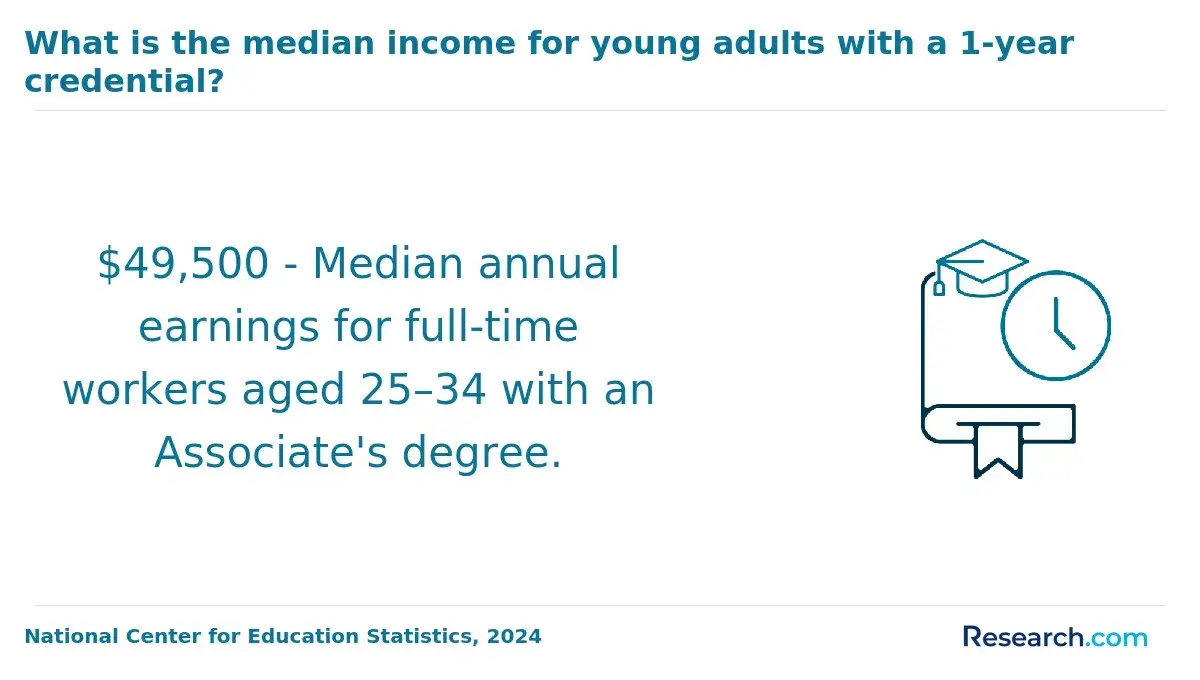
Starting salaries in entry-level photography roles differ significantly based on job function and industry demands. Certain positions that blend technical expertise with commercial or creative responsibilities tend to offer higher initial pay. Below are some of the most lucrative entry-level photography careers to consider.
- Commercial Photographer: These professionals create images for advertisements, corporate clients, and product campaigns. The high stakes of delivering polished, market-ready photos drive salaries typically between $40,000 and $55,000, reflecting the specialized skills and client expectations involved.
- Photography Assistant: Assisting top photographers, especially in fashion or editorial environments, can command entry pay from around $35,000 to $50,000. The role demands technical proficiency and supports complex shoots, offering valuable on-the-job experience with competitive compensation.
- Studio Photographer: Working in portrait studios or at events, these photographers benefit from consistent assignments and reliable client relationships. Starting salaries generally range from $35,000 to $50,000, supported by steady workflows and repeat business.
- Product Photographer: Specializing in shooting merchandise for retailers and manufacturers, these photographers earn about $38,000 to $52,000 initially. Their technical skill in lighting and composition to highlight products enhances their earning potential.
- Photo Editor: Responsible for image selection and post-processing in media or agency settings, photo editors with photography degrees can expect salaries between $37,000 and $48,000. The role combines creative judgment with software expertise, contributing to higher pay within entry-level options.
What Skills Do Employers Look for in Entry-Level Photography Graduates?
Employers assessing entry-level photography graduates look beyond formal education to practical skills that demonstrate readiness for professional work. A 2023 study by the National Association of Colleges and Employers found that 67% of employers prioritize creativity and problem-solving when hiring in creative fields.
The essential skills below highlight what photography employer expectations for entry-level graduates generally include.
- Technical Proficiency: Mastery of cameras, lighting, and editing tools is crucial. Entry-level photographers must efficiently handle various equipment and techniques to produce high-quality images under diverse conditions.
- Creative Vision: Employers seek candidates who bring original ideas and strong visual storytelling. This skill sets graduates apart by allowing them to contribute innovative perspectives that enhance projects.
- Attention to Detail: Photography requires precision in framing and post-production. Graduates who consistently deliver polished, accurate work help maintain professional standards and client satisfaction.
- Communication Skills: Clear interaction with clients and teams is vital. Being able to articulate concepts and understand project goals ensures smoother collaboration and better results.
- Adaptability: The dynamic nature of photography assignments demands flexibility. Employers value graduates who adjust quickly to changing environments without compromising quality.
For those exploring pathways to careers in visual media, pursuing associate degree online programs can provide targeted training aligned with essential skills and certifications for entry-level photography careers.
Do Employers Hire Photography Graduates With No Internships?
Employers often place significant value on internship experience when hiring entry-level photography graduates, as it provides practical exposure beyond classroom learning. Data from the National Association of Colleges and Employers shows that graduates with internships are about 15% more likely to receive job offers. This advantage reflects how hands-on experience can influence recruitment decisions in creative industries.
Graduates without internship backgrounds can still secure positions by highlighting strong academic records, specialized coursework, and relevant personal or school projects that illustrate their technical and creative abilities. Transferable skills such as digital editing, communication, and project management also play a critical role in demonstrating readiness to employers.
Hiring priorities differ depending on the company size and job role, with some emphasizing portfolios and skill sets over formal work experience. This variability means candidates should tailor their applications to the expectations of each prospective employer.
What Certifications Help Entry-Level Photography Graduates Get Hired?
Certifications can enhance a photography degree by confirming specialized skills and boosting job prospects. Studies show candidates with recognized industry credentials are 25% more likely to secure entry-level photography positions. Below are key certifications that notably improve hiring potential for recent graduates.
- Certified Professional Photographer (CPP): Provided by the Professional Photographers of America, CPP validates expertise in technical photography, ethical standards, and business practices. Employers trust CPP holders for their professionalism and technical competence in client-focused roles.
- Adobe Certified Expert (ACE): This certification proves advanced skills in Adobe Photoshop and Lightroom, critical for photo editing roles. ACE credentials make candidates stand out where strong post-production abilities are required.
- Drone Pilot Certification (Part 107): Issued by the FAA, this credential certifies legal and safe operation of drones. With drone photography growing, this certification opens doors to specialized aerial imaging jobs.
- Video Fundamentals Certification: Recognizing proficiency in video production, this certification benefits photography graduates expanding into multimedia roles. It highlights versatility in both still and motion imagery.
A professional with a photography degree shared how obtaining certifications helped overcome early career hurdles. She noted that while her academic training was solid, the industry often sought proof of applied skills and reliability. Pursuing certifications required dedication and time management but ultimately built her confidence and credibility.
"Employers appreciated seeing validated skills beyond coursework," she explained, adding that the certifications also encouraged continuous learning. These credentials felt like stepping stones that eased the transition from classroom to professional studio environments.
How Can Students Prepare for Entry-Level Photography Jobs While in College?
Early preparation during college can greatly enhance the employability of photography graduates, as 91% of employers prefer candidates demonstrating practical work readiness. Gaining relevant skills and experience before graduation positions students for smoother entry into the job market.
The following strategies help build a competitive portfolio and professional abilities.
- Build Practical Experience: Actively participate in campus photo clubs, assist with university events, or collaborate on real projects. These opportunities allow students to practice essential skills such as composition, lighting, and photo editing.
- Develop Technical and Soft Skills: Master camera equipment and software like Adobe Lightroom and Photoshop while also enhancing communication, time management, and problem-solving abilities. These soft skills improve client interactions and teamwork in professional environments.
- Engage in Academic Projects: Take on assignments that simulate real-world photography tasks, including portrait, commercial, or documentary projects. This broadens creativity and versatility showcased in a professional portfolio.
- Utilize Campus Resources: Use career center workshops on resume writing and interview techniques tailored for creative fields. Attend networking events to connect with industry professionals and gain insights into the photography profession.
How Competitive Is the Entry-Level Job Market for Photography Graduates?
The job market for entry-level photography graduates in the US is notably competitive, with many students graduating each year, yet fewer positions available. According to the U.S. Bureau of Labor Statistics, employment in photography-related fields grows more slowly than in other creative industries, increasing the challenge for new entrants. This high level of competition means that securing an initial role demands more than just a degree.
Several factors drive the competitiveness of entry-level photography jobs in the US. A large volume of applicants often submits portfolios and resumes, making it essential for candidates to stand out with strong technical skills and artistic vision. Employer expectations have risen, requiring familiarity with current photographic equipment and software even for beginners.
Competition also varies depending on the photography role; commercial and wedding photography attract many applicants, while niche areas may have limited openings. Location influences competitiveness as well, with urban centers posing greater challenges. For students interested in multiple career paths, exploring fields with expanding openings can be helpful; for example, some MSW programs still accepting applications offer alternatives worth considering.
What Remote Entry-Level Jobs Can You Get With a Photography Degree?
Remote work opportunities for entry-level professionals with a photography degree have expanded significantly, with FlexJobs reporting a 25% increase in remote job postings for creative fields in 2023. This growth reflects the rising availability of work-from-home photography jobs for beginners, allowing new graduates to launch their careers in flexible environments.
Below are some common remote-friendly entry-level positions suited to photography graduates.
- Remote Photo Editor: This role involves retouching and enhancing client or project images, sharpening technical editing skills using industry-standard software. It offers hands-on experience in a remote setting, ideal for beginners honing their craft.
- Social Media Content Creator: Photographers in this position produce, edit, and schedule images for brand social media channels. It develops digital marketing knowledge and brand communication expertise while working remotely.
- Stock Photographer: Creating and uploading photos to stock image websites supports portfolio building and teaches market trends and licensing practices. This fully remote role suits graduates aiming to monetize their photography skills independently.
- Virtual Photography Assistant: Assisting professionals remotely with tasks like image organization and presentation preparation fosters workflow management and organizational abilities. It's a stepping stone into the photography industry from home.
For students considering complementary skills to boost remote career prospects alongside photography, exploring programs such as a UI UX degree online can offer valuable expertise in digital design and user experience, crucial for many creative roles.
How Quickly Can Photography Graduates Get Promoted?
Promotion speed for photography graduates varies widely, influenced by factors such as individual performance, experience, and the structure of the employing organization. On average, entry-level photography jobs see professionals receiving their first promotion within about two to three years. However, this timeline can differ based on how quickly one develops essential skills and adapts to workplace demands.
Early-career advancement often hinges on a combination of technical ability and the value an employee brings to their role. Key elements that affect how quickly photography graduates get promoted include mastering creative and technical skills, consistent high-quality work, and managing increasingly complex responsibilities. The average promotion timeline for entry-level photography roles depends heavily on the employer.
Larger companies may offer more defined paths for career progression, whereas smaller studios might require broader versatility. Additionally, networking and contributing to significant projects can accelerate advancement. Career trajectories differ across specialties, emphasizing the importance of understanding specific industry demands and expectations.
For those interested in related fields, exploring an artificial intelligence major can offer alternative pathways complementary to photography careers.
What Graduates Say About Entry-Level Jobs With a Photography Degree
- Shane: "Starting my career with an entry-level photography role was both exciting and challenging, especially since I prioritized on-site positions to fully immerse myself in the creative environment. I found that companies valuing hands-on mentorship really helped me grow technically and artistically. This experience has been crucial in shaping my confidence and opening doors for specialized opportunities."
- Emiliano: "Reflecting on my job search, I focused heavily on remote photography roles to balance work and personal projects, which gave me a unique advantage in time management. I considered the company culture and the potential for skill development as key factors in my decision. These early roles proved impactful, setting a strong foundation for my evolving style and professional network."
- Samuel: "Approaching entry-level photography jobs with a professional mindset, I carefully evaluated hybrid roles that offered both flexibility and direct collaboration. The opportunity to interact with diverse teams enhanced my understanding of the industry's demands and client expectations. This strategic start has significantly accelerated my career advancement and broadened my creative perspective."
Other Things You Should Know About Photography Degrees
Entry-level photography graduates should have hands-on experience with various cameras, including DSLRs and mirrorless models, as well as lenses suited for different shooting conditions. Familiarity with lighting equipment such as studio strobes, softboxes, and reflectors is also important. Additionally, they should be proficient with photo-editing software such as Adobe Photoshop and Lightroom to enhance and retouch images effectively.
A strong portfolio is essential for entry-level positions in photography. It serves as tangible proof of a graduate's skills, style, and versatility. A well-curated portfolio should showcase a range of photographic work, including portraits, landscapes, and commercial projects, if possible, to give hiring managers a clear idea of the applicant's capabilities and creative vision.
Many graduates start by taking freelance assignments to build experience and a client base, but seeking full-time employment can provide more stability and structured training. Freelancing requires strong self-management and marketing skills, whereas full-time positions offer mentorship and a consistent workflow. Choosing either path depends on personal career goals and market opportunities.
References
- 25 Photography Careers You Can Make Money With https://www.creativelive.com/blog/25-photography-careers-you-can-make-money-with
- What do employers look for in creative graduates? - Access Creative College https://www.accesscreative.ac.uk/blog/what-do-employers-look-for-in-creative-graduates/
- Photographers: Salary, career path, job outlook, education and more - RaiseMe https://www.raise.me/careers/media-and-communication/photographers/
- Remote Photography Jobs: A Career That Travels https://wirestock.io/blog/remote-photography-jobs
- What can you do with a Photography degree? https://www.falmouth.ac.uk/study/undergraduate/what-can-you-do-photography-degree
- Highest Paying Photography Jobs https://store.bandccamera.com/blogs/how-to/highest-paying-photography-jobs
- Photographer Certifications: Best Credentials to Advance Your Career | Teal https://www.tealhq.com/career-paths/photographer-certifications
- How Long Does It Take to Become a Professional Photographer? https://www.mylearningonline.com.au/blog/how-long-does-it-take-to-become-a-professional-photographer/
- Benefits of a Career in Art and Photography https://theinterngroup.com/our-blog/the-benefits-of-art-and-photography-careers
- How Photography Skills will Boost your Career - Learn Photography Canada https://learnphotographycanada.com/photography-careers/