2027 Entry-Level Jobs With an Audio & Music Degree

Co-Founder and Chief Data Scientist
What entry-level jobs can graduates with an Audio & Music degree realistically pursue? With over 10% annual growth projected in audio-related professions, the field offers diverse opportunities beyond traditional musician roles. Many beginners find positions such as audio technician, assistant sound engineer, or studio assistant in industries ranging from broadcasting to live events and multimedia production.
However, competitive hiring markets require fresh graduates to leverage both technical skills and creative talents to secure positions that provide valuable experience. This article explores practical job opportunities for entry-level candidates and outlines what career starters can expect when launching their Audio & Music profession.
Key Benefits of Entry-Level Jobs With an Audio & Music Degree
- Entry-level jobs provide vital practical experience, helping graduates apply theoretical audio & music knowledge and refine technical skills essential for industry demands.
- These roles serve as stepping stones, creating pathways for career progression and fostering long-term professional development within competitive audio & music fields.
- Early employment opportunities enable graduates to build professional networks, enhancing resumes and increasing access to future job offers in the audio & music industry.
What entry-level jobs can you get with an audio & music degree?
About 59% of arts and media graduates find entry-level positions within six months of completing their degrees, showing consistent opportunities for new talent in creative fields. For those holding an audio and music degree, several beginner-level roles provide essential hands-on experience and a platform for career development.
Here are some common entry-level jobs that help graduates launch their careers effectively.
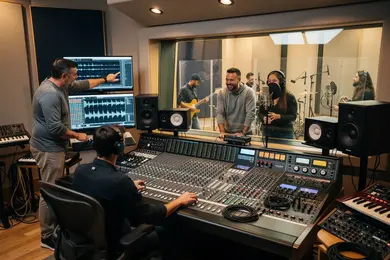
- Audio Technician: This role involves setting up, operating, and maintaining sound equipment for concerts, recordings, and broadcasts. It develops technical expertise in sound engineering while familiarizing graduates with industry-standard tools and practices crucial for career growth in audio production.
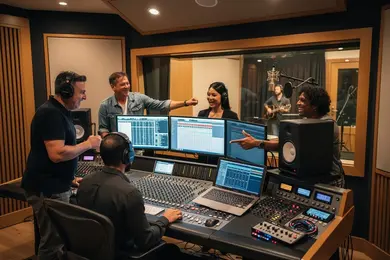
- Assistant Music Producer: Working under senior producers, assistants handle session organization, recording management, and basic editing tasks. This job offers practical insight into music production workflows and collaborative processes fundamental for advancing in production roles.
- Sound Designer: Entry-level sound designers create and manipulate audio elements for media like video games, films, and commercials. This role enhances creative storytelling skills combined with technical sound work, enriching a graduate's artistic and professional portfolio in audio and music degree career opportunities.
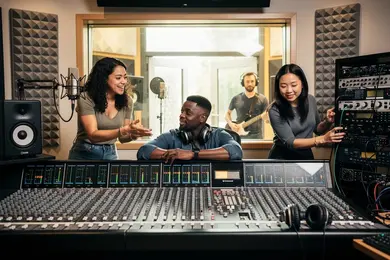
- Recording Studio Assistant: Assistants support studio operations by maintaining equipment and helping engineers during sessions. This position is instrumental for gaining knowledge of studio management and troubleshooting, providing a solid foundation for future technical roles.
- Live Sound Engineer: Handling live audio systems at events, these engineers ensure clear sound delivery to audiences. The experience builds critical real-time problem-solving and mixing skills under pressure, key for careers in live audio environments.
For graduates exploring further opportunities related to their degree, specialized certifications such as BCBA certification online may also complement their professional growth paths.
Which industries hire the most audio & music graduates?
Graduates with an audio & music degree find themselves distributed across several key sectors, reflecting their blend of technical skill and creative talent. Data from the National Association of Colleges and Employers indicates around 35% of audio & music graduates are employed in the entertainment industry, with significant numbers also entering broadcasting and related fields.
These industry concentrations highlight strong demand for audio & music professionals in media production environments. Below are the main industries that commonly hire these graduates.
- Entertainment Industry: This sector includes music production, film, and television, where graduates work as sound engineers, audio technicians, and music producers. Their expertise helps ensure high-quality soundtracks, audio mixing, and live sound experiences for various media projects.
- Broadcasting and Radio: Graduates often start in radio stations and podcast companies as audio specialists or sound editors. Their skills are crucial for live broadcast management, audio editing, and maintaining sound clarity across formats.
- Gaming and Interactive Media: Video game developers and virtual reality firms employ audio & music specialists as sound designers, composers, and programmers. Their work enhances immersive gaming experiences through dynamic soundscapes and effects.
- Education and Academia: Many graduates find roles as music instructors, technical support staff, or researchers in audio innovation. Educational institutions value their ability to support music programs and oversee recording facilities.
- Live Event Production: Concerts, theaters, and conference organizers depend on audio & music professionals to manage sound systems and deliver excellent audio quality for live audiences.
Reflecting on which industries hire the most audio & music graduates, a graduate shared his impressions: "Breaking into entertainment was exciting but challenging. You constantly juggle creative demands with technical precision, and initial roles often meant long hours behind the scenes.
The thrill comes when your work shapes what audiences hear live or on screen. It wasn't just about finding a job-it was about entering a community where passion for sound drives every project." This insight underscores how diverse opportunities and the dynamic nature of the work attract many graduates to these core industries.
Which entry-level audio & music jobs pay the highest salaries?
Entry-level salaries in the audio & music field can differ significantly depending on the specific job role. Positions that demand technical expertise and involve critical responsibilities generally offer higher starting pay.
Below are some of the best-paying entry roles for graduates aiming to maximize their early career income.
- Sound Engineer: These professionals work with live events, recording studios, or broadcast setups to ensure clear, balanced audio. Starting salaries typically range from $40,000 to $55,000, reflecting the technical skill and accountability required to maintain sound quality in various settings.
- Audio Post-Production Technician: Specializing in editing and mixing soundtracks for film, TV, and video games, these technicians earn roughly $38,000 to $52,000. The precision and industry importance of their work drive competitive pay in this segment.
- Music Programmer or Electronic Music Technician: Focused on crafting digital soundscapes for performances and media, these roles offer entry salaries from about $35,000 to $50,000. The sophisticated software skills needed make these jobs more lucrative than many other entry-level options.
- Broadcast Technician: Responsible for operating radio and TV equipment, broadcast technicians usually start at $33,000 to $48,000. Their role is technically demanding and vital for media distribution, which supports steady early earnings.
- Music Licensing Coordinator: Managing music rights and permissions, this position offers salaries between $35,000 and $45,000. While administrative, the role's involvement in legal and commercial aspects adds value that reflects in the pay offered.
What skills do employers look for in entry-level audio & music graduates?
Employers seeking entry-level audio and music graduates place strong emphasis on practical abilities and soft skills, not just academic records. According to a National Association of Colleges and Employers survey, 91% of hiring managers prioritize problem-solving skills, highlighting a gap between technical knowledge and real-world application.
Below are the core competencies valued in entry-level audio and music graduate skills employers seek.
- Technical Proficiency: Familiarity with audio technology such as digital audio workstations (DAWs), mixing consoles, and recording gear is essential. Candidates with hands-on experience can contribute effectively from day one by managing equipment and software confidently.
- Attention to Detail: High-quality audio production requires precision in editing and sound assessment. Graduates who maintain close scrutiny over audio nuances help prevent costly errors and ensure polished project results.
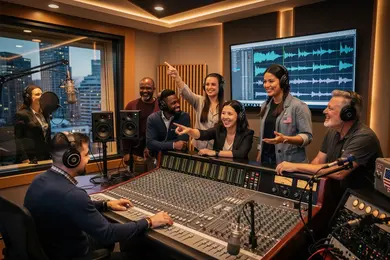
- Communication and Teamwork: Collaboration with producers, artists, and engineers is frequent in the audio and music field. Clear articulation of ideas and responsiveness to feedback foster smoother workflows and stronger team dynamics.
- Time Management: Balancing multiple projects within tight deadlines demands strong organizational skills. Efficient planning enables graduates to deliver consistent quality under pressure in fast-paced environments.
- Adaptability: The audio industry evolves rapidly with new methods and technologies. Employers favor graduates who demonstrate openness to learning and adjust quickly to innovations.
Students exploring beginner-level career options for audio and music graduates may also consider enhancing their qualifications through online classes to build these vital competencies.
Do employers hire audio & music graduates with no internships?
Employers in the audio & music field often favor candidates who have completed internships, as these opportunities provide practical experience and familiarity with industry environments. Studies indicate that about 65% of hiring managers in this sector prefer applicants with relevant internship backgrounds when recruiting for entry-level roles.
Nevertheless, employers also consider other factors beyond internships, such as academic achievements and personal projects, to evaluate a candidate's potential. This overview examines how internship experience can influence hiring decisions while recognizing alternative strengths graduates may bring.
Graduates without formal internships can still compete effectively by emphasizing strong academic records, transferable skills like communication and problem-solving, and hands-on experience from coursework or independent work. Showcasing proficiency with industry-standard tools and collaboration on freelance or creative projects can also make an application stand out.
It's important to note that hiring criteria differ widely among employers and specific job roles, with some prioritizing adaptability and creativity over direct internship experience. Ultimately, the absence of an internship does not necessarily prevent audio & music graduates from securing entry-level positions.
What certifications help entry-level audio & music graduates get hired?
Certifications can boost an entry-level audio & music graduate's resume by confirming hands-on skills and showing dedication to professional growth. Research shows that job seekers with relevant certifications are about 15% more likely to land positions early in their careers than those without.
Here are some of the key certifications that can enhance employability for new graduates in this field.
- Avid Pro Tools Certification: This credential proves competence in one of the most widely used digital audio workstations, signaling to employers a solid ability to record, edit, and mix audio efficiently.
- Certified Audio Engineer (CEA): Demonstrating foundational knowledge in audio principles and signal processing, this certification supports entry-level applicants aiming to work in both live sound and studio settings.
- Sibelius Certification: Focused on proficiency with music notation software, this certification is valuable for roles involving scoring, arranging, or music production where precise transcription is essential.
- Apple Logic Pro Certification: Recognizing expertise in a leading composition and production platform, this is favored in electronic music sectors and digital composition jobs.
- Certified Wireless Audio Engineer (CWAE): This specialized credential verifies skills in wireless audio technologies, increasingly important for live event audio and broadcast environments.
A professional with an Audio & Music degree shared her experience navigating the certification landscape early in her career. She described feeling overwhelmed initially, unsure which credentials would carry the most weight. After researching and choosing a certification aligned with her desired studio work, she found the process rigorous but rewarding.
"Earning the certification gave me confidence during interviews," she recalled, "and employers often mentioned it as a deciding factor." Her journey underscored how these credentials not only validate skills but also help to break through early career barriers by making candidates stand out in competitive job markets.
How can students prepare for entry-level audio & music jobs while in college?
Early preparation in college increases employability for audio & music graduates by helping them develop hands-on skills that employers highly value. Research shows that 78% of employers prefer graduates who demonstrate practical, work-ready abilities at hiring.
Below are key strategies for students to enhance career readiness before graduation.
- Build Practical Experience: Engage in projects involving recording, mixing, or live sound engineering to apply classroom knowledge. Participating in campus radio stations, music clubs, or student concerts offers valuable real-world practice.
- Develop Technical Skills: Gain proficiency with digital audio workstations (DAWs), editing software, and sound design tools. Mastery of these tools is essential for entry-level roles and sets candidates apart.
- Enhance Soft Skills: Cultivate communication, teamwork, and adaptability, which are crucial in collaborative production environments. These skills increase effectiveness and professionalism in the workplace.
- Engage in Academic Projects: Create original compositions, collaborate on multimedia projects, or analyze sound design for films and games. Such projects help build a diverse portfolio showcasing abilities to potential employers.
- Utilize Campus Resources: Attend career counseling, workshops, and networking events offered by your school to connect with industry professionals. Feedback on resumes and demo reels through these resources can refine your job application materials.
How competitive is the entry-level job market for audio & music graduates?
The entry-level job market for audio & music graduates in the United States is notably competitive, reflecting strong interest in the field alongside limited positions. Industry data reveals that approximately 65% of these graduates secure work related to their degree within one year of finishing school.
This rate underscores that while opportunities exist, not all new graduates find immediate placement. The hiring trends and employer expectations for new audio & music degree holders often emphasize a combination of technical skills and creativity, making the market challenging for beginners.
Several factors contribute to this competitiveness. The volume of applicants frequently surpasses the number of available entry-level roles, making it difficult for recent graduates to distinguish themselves. Employers typically seek candidates with practical experience, often gained through personal projects or portfolios, which raises the bar beyond academic qualifications.
Additionally, competition varies depending on specific roles such as audio engineering, sound design, or production assistance. To navigate these challenges, staying updated with evolving technology and media platforms remains essential for applicants.
For those considering further education to enhance their prospects, it can be useful to research topics like how much does a doctorate in education cost for insights on continuing academic paths that might complement industry experience.
What remote entry-level jobs can you get with an audio & music degree?
The landscape of remote work has expanded significantly for entry-level professionals in audio & music fields. According to a 2023 report by the U.S. Bureau of Labor Statistics, remote job openings in creative and media sectors increased by over 25% in the past two years, reflecting a growing acceptance of virtual collaboration tools. This rise in flexibility has opened more remote entry-level audio & music careers for recent graduates without geographic constraints.
Several remote roles provide practical experience and skill development early in a career path with an audio & music degree. These positions often involve digital communication, audio editing software, and sound production principles, making them well suited for work-from-home jobs for audio & music graduates.
- Audio Editor: Edits soundtracks, podcasts, or video projects remotely, focusing on audio clarity and quality. This role refines technical audio editing skills and an ear for detail crucial to music production and post-production.
- Podcast Producer: Coordinates remote recording sessions, manages audio files, and assists with sound mixing. This position develops organizational skills and familiarity with current audio content formats.
- Sound Designer Assistant: Supports creation of sound effects and audio atmospheres for games, films, or media using digital tools. It encourages creativity and helps build proficiency with industry-standard software.
- Music Transcriptionist: Converts audio performances into written sheet music or digital notation remotely, enhancing music theory knowledge and notation skills important for various music careers.
- Remote Audio Technician: Provides virtual technical support for live-streamed events or broadcasts by managing sound equipment digitally, improving problem-solving and technical abilities under remote supervision.
For grads considering further education to boost their career options, programs like an MBA in entrepreneurship online can offer valuable business acumen tailored to creative industries.
How quickly can audio & music graduates get promoted?
Promotion speed for entry-level audio & music graduates typically depends on three key elements: performance, experience, and the structure of the organization. On average, professionals in early stages of their careers can expect a promotion or expanded responsibilities within two to three years.
Roughly 40% of newcomers in the audio & music field receive advancement during their first three years, reflecting a competitive environment driven by merit. Understanding the typical career advancement timeline for audio & music graduates helps set reasonable expectations about professional growth.
Several factors influence how quickly promotion occurs, including the ability to develop specialized skills and consistently deliver strong workplace performance. Roles that involve greater complexity or leadership responsibilities often speed up progression. However, advancement timelines can differ widely based on employer size and job function, with smaller companies sometimes offering quicker upward movement.
For graduates exploring career paths, opportunities such as mastering emerging technologies or managing productions can also contribute to faster promotion. Additionally, those interested in pursuing an online masters clinical psychology may find parallels in structured career development pathways.
What Graduates Say About Entry-Level Jobs With an Audio & Music Degree
- Valentino: "Starting my career in audio & music, I quickly realized that applying for entry-level roles requires flexibility; I found hybrid positions particularly rewarding as they offered hands-on experience while accommodating remote collaboration. Choosing a company that values creative input was key for me, as it helped me grow not just technically but artistically. These early jobs truly set the foundation for my career, opening doors to specialized projects that shaped my trajectory."
- Zev: "Reflecting on my entry-level journey in audio & music, I noticed that understanding the work environment-whether onsite or remote-was crucial in maintaining my motivation and productivity. I prioritized roles that aligned with my long-term goals, such as gaining exposure to live sound engineering, which many entry positions emphasized. These formative experiences weren't just jobs; they were stepping stones that refined my skills and professional network."
- Grayson: "In seeking entry-level roles within audio & music, professionalism and clear communication stood out as essential during the application process, especially for onsite positions where teamwork is vital. I carefully considered company culture and growth opportunities, focusing on places that encouraged continuous learning. The impact of these initial roles cannot be overstated-they provided me with a real-world understanding of the industry's demands and accelerated my advancement."
Other Things You Should Know About Audio & Music Degrees
Entry-level audio & music graduates often work in dynamic and fast-paced environments such as recording studios, live event venues, and radio stations. They may also find opportunities in post-production houses, sound design firms, or educational settings. These workplaces require adaptability and teamwork due to the collaborative nature of audio and music projects.
Many entry-level roles in audio & music start as freelance or contract positions, especially those involving live sound engineering or session work. However, there are also full-time opportunities in media companies, production studios, and tech firms. Graduates should be prepared to navigate a mix of both work types as they build experience.
Networking is crucial in the audio & music industry because many entry-level jobs are obtained through personal connections and industry referrals. Attending events, joining professional organizations, and engaging with peers and mentors can significantly improve job prospects. Building a strong professional network often leads to more opportunities and career advancement.
References
- Music Career Timeline: Real Schedule from Year One to Two https://andrmusic.co/behind-the-music/music-career-timeline/
- 6 Ways To Prepare For Sound Engineering School https://darkhorseinstitute.com/6-ways-to-prepare-for-sound-engineering-school/
- Music Production | 5 Career Paths for Music Production Graduates | ICMP https://www.icmp.ac.uk/blog/five-career-paths-music-production-graduates
- Music Certificate Programs | Certificate in Performance | Musicians Institute https://www.mi.edu/degrees/certificate/
- Top 10 jobs in music and audio you can actually build a career in https://www.collarts.edu.au/collarts-life/news/blog-top-10-jobs-in-music-and-audio-you-can-actually-build-a-career-in/
- Remote Audio Jobs Overview - Page 2 of 5 - Soundlister.com https://soundlister.com/category/audio-jobs/remote-audio-jobs/page/2/
- Careers You Can Pursue With a Music Production & Audio Engineering Degree https://www.pointblankmusicschool.com/blog/careers-you-can-pursue-with-a-music-production-and-audio-engineering-degree/
- How to start your career in sound engineering: A beginner’s guide https://insider.dbsinstitute.ac.uk/how-to-start-your-career-in-sound-engineering-a-beginners-guide
- How to know if online music certifications are right for you https://www.interlochen.org/stories/how-to-know-if-online-music-certifications-are-right-for-you
- Freelance Audio Jobs | Audio Transcription & Editing Jobs | useme.com https://useme.com/en/jobs/category/multimedia,36/music-and-audio,108/