2027 Entry-Level Jobs With an International Business Degree

Co-Founder and Chief Data Scientist
An International Business degree can lead to several first jobs, but the best choice depends on what you want to build early: analytical experience, client-facing skills, trade and logistics knowledge, or a path into management. New graduates often enter a competitive market where over 60% find their first roles in global marketing, sales, or logistics within the first year, so knowing which roles match your strengths can make the job search more focused.
This guide explains the entry-level jobs available to international business graduates, the industries that hire them, salary ranges for common roles, skills employers look for, and ways to stand out with or without internship experience. It is designed for students, recent graduates, and career changers who want a practical view of how to turn international business coursework into a first professional role.
Key Benefits of Entry-Level Jobs With an International Business Degree
- Entry-level jobs with an International Business degree enable graduates to acquire practical experience and develop industry-specific skills essential for succeeding in global markets.
- These roles provide clear pathways for career advancement, fostering long-term professional growth within multinational corporations and international organizations.
- Starting positions help graduates build valuable professional networks and strengthen their resumes early, increasing employability and opportunities in a competitive job market.
What Entry-Level Jobs Can You Get With an International Business Degree?
International business graduates usually qualify for business roles that connect companies to customers, suppliers, partners, or regulations across markets. About 59% of business graduates accept job offers within six months of graduation, and many early roles are designed to train new hires in operations, analysis, sales, compliance, or market strategy.
The strongest first job is not always the one with the broadest title. It is the role that gives you measurable experience, exposure to business systems, and a clear next step. Common entry-level jobs for international business degree graduates in the US include the following:
- Marketing Coordinator: Supports campaign planning, market research, customer analysis, and content coordination. This role is useful for graduates interested in global brand management, product marketing, or regional market strategy.
- Business Analyst: Collects and interprets business data, documents processes, and helps managers make operational decisions. It is a strong starting point for graduates who want to move into consulting, strategy, operations, or management.
- Sales Representative: Builds prospect lists, contacts potential clients, supports negotiations, and manages customer relationships. Graduates who enjoy communication, persuasion, and revenue goals can use this role as a path toward international sales management or business development.
- Logistics Coordinator: Tracks shipments, coordinates vendors, monitors delivery timelines, and supports cross-border movement of goods. This is a practical entry point into supply chain management, import-export operations, or procurement.
- International Trade Assistant: Helps prepare trade documents, monitor compliance requirements, and support import or export transactions. This role is especially relevant for graduates interested in customs, trade policy, and regulated global transactions.
When comparing roles, look closely at the daily work. A marketing coordinator may involve more research and campaign execution, while a logistics coordinator may require faster problem-solving around vendors, shipping delays, and documentation. Graduates planning to continue their education can also review what is the easiest masters degree to get to understand how future graduate study may fit into their career timeline.
Which Industries Hire the Most International Business Graduates?
International business graduates are hired across industries because their degree combines business fundamentals with awareness of global markets, trade, culture, and cross-border operations. Data from the National Association of Colleges and Employers (NACE) indicates that approximately 20% of these graduates begin their careers in finance-related roles, but finance is only one major pathway.
The best industry for you depends on whether you prefer numbers, operations, client relationships, research, public policy, or international development. The following sectors commonly hire international business graduates:
- Finance and Banking: Banks, financial services firms, and trade finance teams hire graduates for work involving cross-border transactions, international risk, currency exposure, compliance, and global investment support.
- Corporate Management and Consulting: Multinational companies and consulting firms recruit entry-level analysts and junior consultants to support research, process improvement, market entry planning, and global operations projects.
- Import/Export and Logistics: Companies that move goods across borders need employees who understand customs paperwork, shipping timelines, supplier coordination, trade agreements, and documentation accuracy.
- Marketing and Sales: Businesses expanding into new regions often need graduates who can research customers, support culturally relevant campaigns, communicate with international clients, and adapt messaging for different markets.
- Government and Nonprofit Organizations: Public agencies and nonprofits may hire graduates for roles related to trade policy, international development, foreign relations, grant programs, and cross-border cooperation projects.
A practical way to choose an industry is to compare the type of pressure each role involves. Finance roles may emphasize accuracy and risk. Logistics roles often require quick coordination. Marketing and sales roles depend heavily on communication and market fit. Government and nonprofit roles may require patience with policy processes, documentation, and stakeholder management.
A recent international business graduate described the early search this way: “Navigating different industry expectations was initially overwhelming, but understanding global economic trends helped me tailor applications effectively.” They also called the process “a learning curve that involved refining communication skills to highlight how business principles translate across industries.” Their experience shows why the degree can be flexible, but also why applicants should customize resumes for each industry instead of using one general business resume.
Which Entry-Level International Business Jobs Pay the Highest Salaries?
Entry-level pay for international business graduates varies by role, employer, location, industry, and required technical skills. Positions connected to strategy, finance, compliance, and supply chain analysis often pay more because they require stronger quantitative judgment, regulatory awareness, or direct influence on business costs and revenue.
The following roles are among the higher-paying entry-level options commonly associated with international business preparation:
| Entry-Level Role | Typical Starting Salary Range | Why It Can Pay More |
| Management Consultant Analyst | $60,000 to $75,000 | Supports market expansion, operational improvement, and strategic problem-solving for clients or internal leadership teams. |
| Financial Analyst | $55,000 to $70,000 | Uses financial data, revenue projections, and investment analysis to support business planning and decision-making. |
| International Marketing Coordinator | $50,000 to $65,000 | Combines market research, campaign execution, and cultural insight to help companies reach global audiences. |
| Trade Compliance Specialist | $50,000 to $63,000 | Helps companies reduce legal and regulatory risk in import, export, and cross-border trade activities. |
| Supply Chain Analyst | $48,000 to $60,000 | Analyzes logistics, vendor performance, inventory, and cost efficiency across domestic and international supply chains. |
Salary should not be the only factor in choosing a first role. A slightly lower-paying job with strong training, recognized systems experience, and exposure to international clients may be more valuable long term than a higher-paying job with narrow duties. When reviewing offers, ask what tools you will use, which teams you will work with, and what promotion criteria look like.
What Skills Do Employers Look for in Entry-Level International Business Graduates?
Employers hiring entry-level international business graduates look for evidence that candidates can communicate clearly, interpret information, work across differences, and learn quickly. A 2022 survey by the National Association of Colleges and Employers revealed that 75% of employers prioritize communication skills when hiring business graduates, making it one of the most important capabilities to demonstrate in resumes and interviews.
- Cross-Cultural Communication: Graduates must explain ideas clearly, listen carefully, and avoid assumptions when working with colleagues, customers, or partners from different cultural backgrounds. This skill is especially important in sales, marketing, trade, and client support roles.
- Analytical Thinking: Employers value candidates who can review data, identify patterns, compare markets, and turn information into practical recommendations. Coursework in statistics, economics, finance, and market research can help show this ability.
- Adaptability: International business often involves changing regulations, time zones, market conditions, supplier issues, and customer expectations. Employers want graduates who can stay organized and productive when plans shift.
- Teamwork and Collaboration: Many entry-level roles require coordination across sales, finance, logistics, compliance, and marketing. Graduates should be ready to show examples of group projects, leadership roles, or cross-functional work.
- Technical and Soft Skills for International Business Graduates: Basic spreadsheet ability, presentation skills, CRM familiarity, data tools, and business writing can help new hires contribute faster. These technical skills become more valuable when paired with professionalism, judgment, and clear communication.
One common mistake is listing skills without proof. Instead of saying you have “global communication skills,” describe a project where you researched a foreign market, worked with multilingual sources, or presented recommendations for a specific region. Students considering adjacent graduate paths can also compare programs such as the cheapest online master's in mental health counseling if they are interested in roles where communication, advising, and human behavior are central.
Do Employers Hire International Business Graduates With No Internships?
Yes, employers do hire international business graduates without internships, but those candidates need to show readiness in other ways. A report from the National Association of Colleges and Employers shows that about 60% of entry-level hires had at least one internship, which means internship experience can help, but it is not the only route into a first job.
Without an internship, your goal is to replace the missing work experience with credible evidence of applied skill. Strong alternatives include class consulting projects, case competitions, capstone research, part-time jobs, volunteer work, student organization leadership, language study, study abroad experience, business simulations, and independent projects involving market research or trade analysis.
Graduates without internships should make their resumes more specific. Instead of leading with coursework alone, highlight outcomes: a market entry report, a pricing analysis, a logistics process map, a sales presentation, or a financial model. Smaller firms, startups, and mission-driven organizations may be more willing to consider candidates who show initiative, adaptability, and strong communication even without a formal internship history.
In interviews, be ready to answer the unspoken question: “Can you perform in a professional setting?” Use examples that show deadlines, teamwork, problem-solving, and accountability. If you lack internships, a focused portfolio or short project summary can help hiring managers see how your classroom experience connects to real business needs.
What Certifications Help Entry-Level International Business Graduates Get Hired?
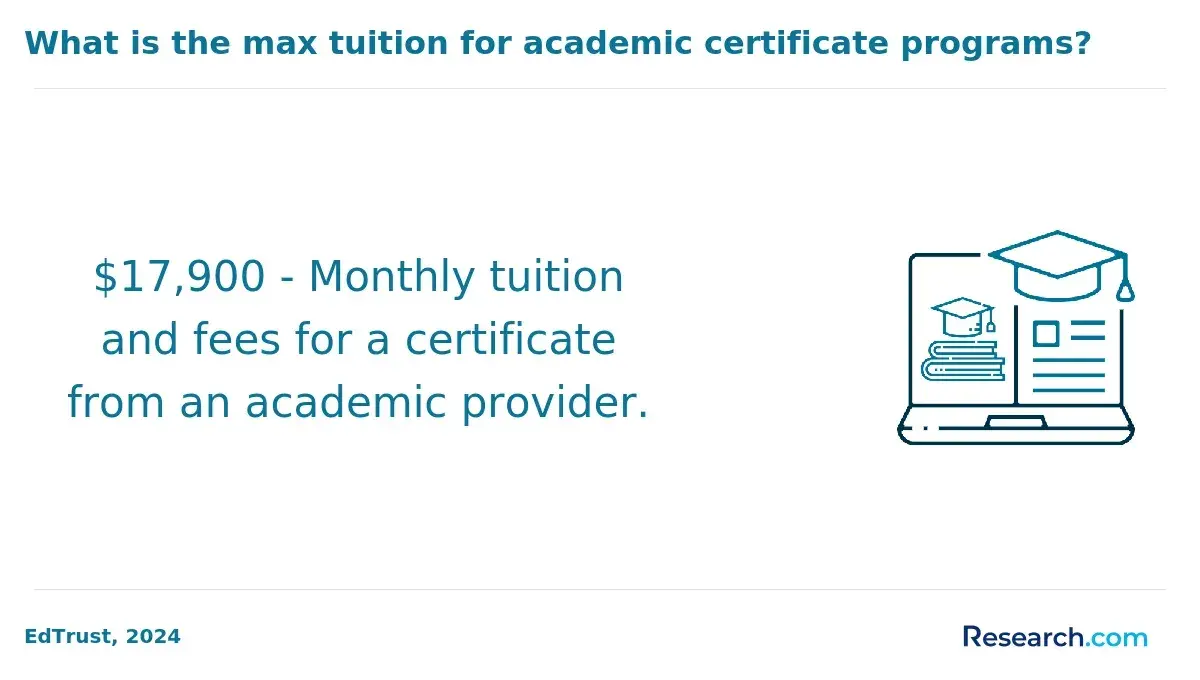
Certifications can help international business graduates stand out when they validate a skill employers already need. Research from Georgetown University's Center on Education and the Workforce highlights that professionals holding certifications are 15% more likely to secure employment early in their careers than those without. The best certification depends on the role you want, not simply on which credential sounds most impressive.
- Certified Global Business Professional (CGBP): This credential covers global trade, marketing, finance, and supply chain management. It can be useful for graduates who want to show broad knowledge of international business beyond a classroom transcript.
- Project Management Professional (PMP) - Entry Level: Project management training can support roles involving coordination across teams, timelines, vendors, and markets. Entry-level project credentials may be more realistic for new graduates than advanced credentials requiring significant experience.
- Certified International Trade Professional (CITP): The CITP is relevant for graduates interested in import-export operations, trade compliance, logistics, and international market development.
- Foreign Language Proficiency Certifications: Credentials such as DELE for Spanish or HSK for Chinese can help prove language ability instead of asking employers to rely only on self-reported fluency.
- Supply Chain Professional Certifications: Certifications like the APICS Certified Supply Chain Professional can strengthen applications for logistics, procurement, supply chain, and operations roles.
Choose certifications strategically. A trade compliance role may benefit more from trade documentation or regulatory training, while a market research role may benefit more from analytics, spreadsheet, or language proof. Certifications are most effective when paired with a resume that shows how you have applied the skill.
One professional with an international business degree said a foreign language certification helped during a competitive job search: “In a very competitive market, being able to prove fluency with a formal certificate gave me a tangible advantage. Employers were impressed that I invested the time to attain it, not just rely on classroom learning.” She also noted that balancing exam preparation with job applications was challenging, but the credential gave her confidence and made her readiness for international work easier to communicate.
How Can Students Prepare for Entry-Level International Business Jobs While in College?
Students can improve their odds of landing an entry-level international business job by building proof of workplace readiness before graduation. In fact, 91% of employers prefer graduates who demonstrate readiness for the workplace. That readiness is built through experience, skill development, networking, and clear career direction.
- Gain Practical Experience: Look for internships, part-time jobs, volunteer roles, campus employment, or project-based work connected to business operations, customer service, logistics, data, marketing, or international programs.
- Develop Key Skills: Strengthen spreadsheet skills, business writing, presentation ability, data analysis, research methods, and cross-cultural communication. These skills make it easier to contribute quickly in entry-level roles.
- Engage in Academic Projects: Treat class projects as portfolio material. Save market research reports, case analyses, financial models, trade policy briefs, and strategic recommendations that demonstrate applied business thinking.
- Leverage Campus Resources: Use career centers, employer events, alumni networks, business clubs, mock interviews, and resume reviews. Many students underuse these resources until late in senior year.
- Explore Global Perspectives: Study abroad, language courses, international student organizations, and globally focused coursework can help develop cultural awareness and adaptability.
Students should also compare the cost and return of different education paths. Those still choosing a program may want to review the most affordable online business administration degree options if affordability and business career flexibility are priorities.
A strong preparation plan starts early. First-year and second-year students can focus on grades, clubs, and skill-building. Juniors should prioritize internships, networking, and targeted projects. Seniors should convert experience into a clear job-search story: the roles they want, the skills they offer, and the evidence that shows they can perform.
How Competitive Is the Entry-Level Job Market for International Business Graduates?
The entry-level job market for international business graduates is moderately competitive, with about 60% of degree holders securing employment within six months after graduation. This suggests there is steady demand, but graduates still need focused applications, relevant experience, and a clear explanation of how their degree fits the role.
Competition varies by job type. General business, marketing, and sales roles may attract large applicant pools because many majors qualify. More specialized roles in trade compliance, supply chain analysis, finance, or data-supported market research may be less crowded, but they often require stronger technical or regulatory knowledge.
Several factors shape competitiveness. International business is a popular major, employers may expect internship or project experience, and many entry-level job descriptions ask for communication, analytical thinking, cultural awareness, and adaptability at the same time. Graduates who apply broadly without tailoring their materials may struggle, even if they are qualified.
To stand out, build a targeted resume for each role type. For analyst jobs, emphasize data, research, and problem-solving. For sales or marketing jobs, emphasize customer insight, communication, and campaign support. For logistics or trade roles, emphasize documentation, accuracy, vendor coordination, and understanding of cross-border processes. Graduates planning longer-term advancement can also explore further education options, including a PhD leadership online.
What Remote Entry-Level Jobs Can You Get With an International Business Degree?
Remote work has expanded options for international business graduates, especially in roles that rely on digital communication, research, documentation, customer support, and coordination across time zones. Remote job listings for early-career candidates have increased by more than 50% in recent years, but remote entry-level roles still require discipline and strong written communication.
- International Sales Coordinator: Supports global sales teams through client communication, order tracking, supplier coordination, meeting scheduling, and follow-up. Remote work often involves CRM updates, email communication, virtual meetings, and sales reporting.
- Market Research Analyst: Collects and interprets information about foreign markets, competitors, consumers, and industry trends. Remote analysts need strong research habits, data organization, and clear reporting skills.
- Export Compliance Specialist: Reviews trade documents, communicates with brokers or internal teams, and helps maintain compliance procedures. This role can be remote when documentation systems and communication channels are digital.
- Supply Chain Assistant: Helps coordinate shipments, update records, communicate with vendors, and monitor delivery timelines. Remote success depends on accuracy, responsiveness, and comfort with supply chain software.
- Customer Success Associate: Supports customers in different countries through onboarding, troubleshooting, renewals, and feedback collection. This role is a good fit for graduates with strong communication and service skills.
Remote roles can offer flexibility, but they are not necessarily easier. Entry-level employees may need to work harder to build relationships, ask questions, and learn company systems without daily in-person contact. Candidates should highlight remote-ready skills such as self-management, written communication, calendar discipline, and comfort with collaboration tools. Graduates interested in adjacent global industries can also explore an online sports management bachelor's degree as another business-related path.
How Quickly Can International Business Graduates Get Promoted?
Promotion speed for international business graduates depends on job performance, employer size, industry, role complexity, and whether the organization has formal promotion cycles. Typically, early-career professionals see their first promotion within two to three years, though timelines can vary significantly. A 2022 study found that around 45% of business graduates earned a promotion within their initial three years.
Graduates tend to advance faster when they can show measurable results. In sales, that may mean revenue, renewals, or qualified leads. In logistics, it may mean fewer shipment issues or better vendor coordination. In analysis, it may mean reports that improve decisions, reduce costs, or identify market opportunities. Managers usually promote employees who are reliable in their current role and already showing readiness for the next level.
Several factors can slow or speed advancement. Large companies may offer structured training and clear titles but slower promotion windows. Smaller companies may provide broader responsibilities sooner but less predictable advancement. Highly regulated areas such as trade compliance may require more time to develop judgment, while fast-growing sales or operations teams may create earlier promotion opportunities.
Graduates coming from an associate degree online or a bachelor’s pathway can improve promotion prospects by documenting achievements, seeking feedback, learning relevant tools, and volunteering for cross-functional work. The goal is to become known not just as a capable entry-level employee, but as someone who can solve larger business problems.
What Graduates Say About Entry-Level Jobs With an International Business Degree
-
: "Landing my first role in international business was a complete game changer, especially since I found the position as a hybrid job that balanced remote and onsite responsibilities. I learned that flexibility in work location matters when applying because it can affect work-life balance. Choosing a role with clear paths for advancement also helped me feel confident about my career trajectory.
—Shmuel"
-
: "Reflecting on my entry-level experience, the most important factor was understanding how the company's global reach aligned with my goals. Onsite roles offered hands-on exposure to international clients, which was invaluable. I would advise new graduates to prioritize companies that value continuous learning and mentorship because that support shaped my growth.
—Shlomo"
-
: "Starting in international business taught me that the application process is a chance to show adaptability, especially for remote positions that require strong self-discipline. I weighed workplace culture heavily when choosing my first job and found that roles with diverse teams bring broader perspectives. Every entry-level position can set the foundation for industry connections and future opportunities.
—Santiago"
Other Things You Should Know About International Business Degrees
Many entry-level positions in international business may involve some travel, especially roles related to sales, marketing, or supply chain management. However, the extent of travel varies widely depending on the employer and specific job responsibilities. Some entry-level roles are primarily office-based with minimal travel requirements.
While not always required, possessing skills in languages such as Mandarin, Spanish, or Arabic can be particularly advantageous for entry-level positions in international business in 2027. These languages are prominent in global markets and can provide a competitive edge in navigating international and multicultural business environments.
While prior work experience can enhance a candidate's prospects, many entry-level international business positions accept recent graduates without extensive professional backgrounds. Internships, part-time jobs, or volunteer experiences related to international business can provide practical skills that strengthen an application.
Entry-level roles for international business graduates can be found in multinational corporations, import/export firms, consulting companies, and financial institutions. Additionally, government agencies and nonprofits with an international focus also recruit graduates for these positions.
References
- Remote Entry Level Business Jobs | Working Nomads https://www.workingnomads.com/remote-entry-level-business-jobs
- Entry-level jobs in competitive markets | career guide https://www.careersandco.com/the-evolution-of-entry-level-opportunities-in-competitive-markets/
- 5 Global Impact Careers After an MSc in International Business - EMLV Business School Paris https://www.emlv.fr/en/5-global-impact-careers-msc-international-business/
- Career prospects after International Business | The Hague University of Applied Sciences https://www.thuas.com/programmes/bachelors/international-business-4-years/career-prospects-after-international-business
- Business English: How to prepare students for an international career | MLA - Move Language Ahead https://mlaworld.com/en/business-english-how-to-prepare-students-for-an-international-career/
- IIBA Business Analysis Certifications | Start Your Journey https://www.iiba.org/business-analysis-certifications/iiba-certifications/
- Top Resources for International Business Students https://aperian.com/blog/resources-students-international-business/
- 7 in-demand certifications in 2025 | edX https://www.edx.org/resources/in-demand-professional-certifications
- MBA Recruiting Timeline - by Nthanda Manduwi https://byntha.com/recruiting-timeline/
- Top International Business Development Skills for Master’s Students https://www.ue-amsterdam.com/blog/top-international-business-development-skills-you-can-gain-with-a-business-management-masters