
2027 Esports Business Degree Levels Explained: Bachelor's vs Master's vs Doctorate

Co-Founder and Chief Data Scientist
The main question for an esports business student is not simply whether the field is growing, but which degree level fits the role they want. A bachelor’s degree can help a new student enter the industry, a master’s degree can support advancement into management and strategy, and a doctorate is usually reserved for research, teaching, consulting, or senior leadership paths.
This distinction matters because esports business roles can look very different from one organization to another. Some jobs focus on live event operations, sponsorships, brand partnerships, community growth, or team logistics. Others require analytics, executive planning, curriculum design, or original research. Employment in the esports industry is booming, with projected global revenues exceeding $2 billion and demand for specialized business professionals rising by 15% annually.
This guide compares bachelor’s, master’s, and doctoral esports business degrees by curriculum, admissions expectations, completion time, cost, financial aid, careers, and salary outcomes. Use it to decide whether you need broad business training, advanced specialization, or doctoral-level expertise before committing time and tuition dollars.
Key Things to Know About Esports Business Degree Levels
- Bachelor's degrees offer foundational knowledge and broad skills, typically leading to entry-level roles in esports management or marketing.
- Master's programs emphasize specialization and strategic leadership, preparing graduates for mid- to senior-level positions often requiring 3-5 years of experience.
- Doctorates demand significant time and financial investment, focusing on research and innovation, with graduates frequently pursuing executive or academic careers in esports business.
How Are Esports Business Degree Levels Structured Academically?
Esports business degrees usually follow the same academic progression as other business programs: broad preparation at the bachelor’s level, specialized leadership training at the master’s level, and independent research or advanced professional inquiry at the doctorate level. The right choice depends on how much experience you already have and whether your goal is entry, promotion, executive influence, or scholarship.
| Degree level | Academic focus | Typical learning outcome | Best fit |
| Bachelor's Degree | Business foundations, esports industry basics, marketing, event management, and operations | Ability to support teams, events, campaigns, and organizational workflows | Students seeking entry-level roles or a base for graduate study |
| Master's Degree | Strategic management, analytics, leadership, sponsorship models, and industry problem-solving | Ability to manage programs, partnerships, data-informed decisions, and growth strategies | Professionals preparing for mid-level or senior roles |
| Doctorate Degree | Research design, theory, independent study, and original contribution to the field | Ability to produce publishable research, teach, consult, or lead at a high strategic level | Students pursuing academia, research, consulting, or executive thought leadership |
- Bachelor's Degree: A bachelor’s program emphasizes foundational business knowledge and practical application. Students typically study marketing, finance basics, communications, event planning, digital media, and esports industry structures. Group projects, case studies, and internships are common because employers often want proof that graduates can work on campaigns, events, and operations in real settings.
- Master's Degree: A master’s program assumes students already understand basic business concepts. Coursework moves into strategy, leadership, advanced analytics, brand partnerships, organizational decision-making, and emerging industry challenges. Capstones, applied consulting projects, and research papers help students connect theory to management problems.
- Doctorate Degree: A doctorate is less about learning standard industry practices and more about creating new knowledge or solving complex organizational problems. Students focus on theory, research methodology, data collection, scholarly writing, and dissertation or doctoral project development. Prospective doctoral students may explore options such as online doctorate of education programs as part of broader academic planning.
The key difference is depth of responsibility. A bachelor’s graduate may help execute a campaign or tournament. A master’s graduate may design the campaign strategy or oversee the tournament portfolio. A doctoral graduate may research industry behavior, advise executives, or teach the next generation of esports business professionals.
What Do You Learn in a Bachelor's Degree in Esports Business?
A bachelor’s degree in esports business gives students the broad business, communication, and industry knowledge needed for entry-level work. It is usually the most practical starting point for students who do not already have a college degree or full-time experience in gaming, sports management, marketing, or media.
- Core Coursework: Students commonly study business principles, digital marketing, event management, media production, consumer behavior, sponsorship basics, and esports industry dynamics. The goal is to understand how esports organizations generate revenue, build audiences, operate events, and manage brands.
- General Education: General education courses strengthen writing, presentation, quantitative reasoning, ethics, and critical thinking. These requirements may feel less specialized, but they matter in roles that require client communication, reporting, proposal writing, and cross-functional teamwork.
- Experiential Learning: Strong programs include internships, campus esports operations, tournament projects, content planning, or collaborations with esports organizations. These experiences are especially valuable because many entry-level candidates compete on passion for gaming; practical evidence of business ability can help separate an applicant from the field.
- Key Skill Development: Students learn to evaluate esports market trends, support sponsorship conversations, manage brand and team logistics, understand streaming and platform monetization, and coordinate events. They also build the professional habits needed in a fast-moving industry, including deadline management, stakeholder communication, and adaptability.
- Career and Graduate Preparation: Graduates are typically prepared for junior roles in marketing, operations, event support, community management, partnerships support, and team administration. The degree can also support later graduate study if the student wants to move into strategy, analytics, or leadership.
Students comparing program value should look beyond the esports label. Review accreditation, faculty experience, internship access, business course quality, alumni outcomes, and total cost. Prospective students interested in combining affordability with specialized education may find it useful to compare budgeting approaches used by the cheapest online engineering degree programs and then apply similar cost-control strategies to esports business studies. Students who want a broader business foundation can also compare online business degree programs accredited before narrowing their search to esports-focused options.
What Specializations Are Available in a Esports Business Master's Degree?
A master’s degree in esports business is most useful when it lets students specialize. At this level, the curriculum should help students move from execution to decision-making: setting strategy, managing partnerships, leading teams, interpreting data, or scaling events and programs.
- Esports Management: This track focuses on organizational leadership, team coordination, league structures, program development, budgeting, and strategic planning. It fits students who want to manage esports departments, collegiate programs, competitive teams, or business units within gaming organizations.
- Marketing and Sponsorship: This specialization emphasizes audience growth, brand partnerships, sponsorship valuation, digital campaigns, influencer relationships, and fan engagement. It is a strong fit for students targeting roles in brand management, sales, account strategy, or partnership development.
- Event Operations: This area covers tournament planning, live production workflows, vendor coordination, venue logistics, risk planning, broadcasting support, and attendee experience. It suits students who want to run competitions, festivals, collegiate tournaments, or large-scale activations.
- Data Analytics: This track teaches students how to use performance data, audience metrics, market research, and business intelligence to guide decisions. It can support roles in performance analysis, consumer insights, strategy consulting, revenue analysis, or competitive intelligence.
How to choose a specialization
Students should choose based on the job function they want, not only on the course title that sounds most interesting. A student who enjoys community building may still need marketing analytics. A student interested in executive leadership may benefit more from management and finance than from a narrow gaming-focused elective. Before enrolling, compare course descriptions, capstone requirements, employer partnerships, and whether the specialization produces portfolio-ready work.
What Types of Doctoral Degrees Exist in Esports Business?
Doctoral study in esports business is a major commitment and should be chosen for a specific purpose. It is generally not required for most entry-level or mid-level industry jobs. It becomes more relevant for students who want to teach, conduct research, advise organizations, lead complex strategy initiatives, or build authority in a specialized area of esports business. This decision deserves careful planning, especially given that only 12% of esports-related doctoral candidates finish their degrees within five years.
- Professional Doctorates: These programs are designed for experienced practitioners who want to solve applied business problems. Coursework and projects may focus on leadership, organizational change, operations, market strategy, or executive decision-making. Graduates often use the degree for senior leadership, consulting, or high-level administrative roles rather than traditional faculty research careers.
- Research-Focused Doctorates: These degrees prioritize original scholarship. Students study research methods, theory, data analysis, and academic writing before completing a dissertation. Possible research topics include esports consumer behavior, sponsorship effectiveness, labor structures, media economics, market dynamics, or organizational strategy. This route is usually best for aspiring professors, researchers, or policy-oriented experts.
- Specialized/Interdisciplinary Tracks: Because esports connects business, technology, media, psychology, education, and entertainment, some doctoral paths combine disciplines. Students might focus on technology management, media studies, organizational leadership, education, analytics, or human performance. This flexibility can be valuable, but applicants should confirm that faculty expertise matches their intended research area.
When discussing the experience of completing a doctorate in esports business, a graduate shared that the journey was both demanding and rewarding. He mentioned, "Balancing rigorous research with industry trends was challenging, but it pushed me to develop a unique perspective." He also noted the emotional ups and downs, emphasizing the importance of clear goals and supportive mentorship throughout the process. "At times, progress felt slow, but focusing on the impact of my work kept me motivated," he added, illustrating the resilience often necessary in this advanced study field.
Before committing to a doctorate, prospective students should ask three questions: Does the degree support the role I want? Is there a faculty mentor aligned with my research interests? Can I sustain the time, cost, and writing demands through completion?
What Are the Admission Requirements for Each Esports Business Degree Level?
Admission requirements become more selective as degree levels rise. Bachelor’s programs usually evaluate college readiness, master’s programs assess academic preparation and professional direction, and doctoral programs look for research potential, writing ability, and a clear scholarly or professional agenda.
Bachelor's
- Academic Credentials: Applicants usually need a high school diploma or equivalent with a GPA around 2.5 to 3.0 to be competitive.
- Test Scores: Some programs require SAT or ACT results, though an increasing number waive these through test-optional policies.
- Prerequisite Courses: Coursework in business, communications, statistics, media, or technology can strengthen an application, although it is not always required.
- Application Materials: Students may need transcripts, a personal statement, and sometimes a resume showing gaming, leadership, volunteer, club, or event experience.
Master's
- Prior Degree: A bachelor's degree from an accredited institution is required, often with a minimum GPA near 3.0 or higher.
- Standardized Exams: GRE scores may be requested depending on the program to assess graduate-level readiness.
- Application Materials: Candidates typically submit letters of recommendation and a statement of purpose explaining their interest in esports business and their professional goals.
- Professional Experience: Relevant experience in esports, gaming, sports management, marketing, events, education, analytics, or media can strengthen the application, especially for practice-oriented programs.
Doctorate
- Educational Background: Admission usually requires a master's degree in a related discipline with strong academic achievements.
- Research Proposal: A detailed research plan or writing sample demonstrating scholarly potential is essential for evaluation.
- Recommendations: Letters from academic mentors who can speak to the applicant's research skills, writing discipline, and readiness for independent study are crucial.
- Research Experience: Evidence of prior research capabilities or publications is often necessary to qualify for doctoral study.
- Faculty Fit: Applicants should identify faculty whose expertise aligns with their topic. A strong doctoral application can fail if no advisor is available for the proposed area.
A common mistake is applying to graduate programs with a general statement about loving esports. Strong applicants connect their experience, academic preparation, and career goals to the program’s curriculum, faculty, and industry opportunities.
How Long Does Each Esports Business Degree Level Take to Complete?
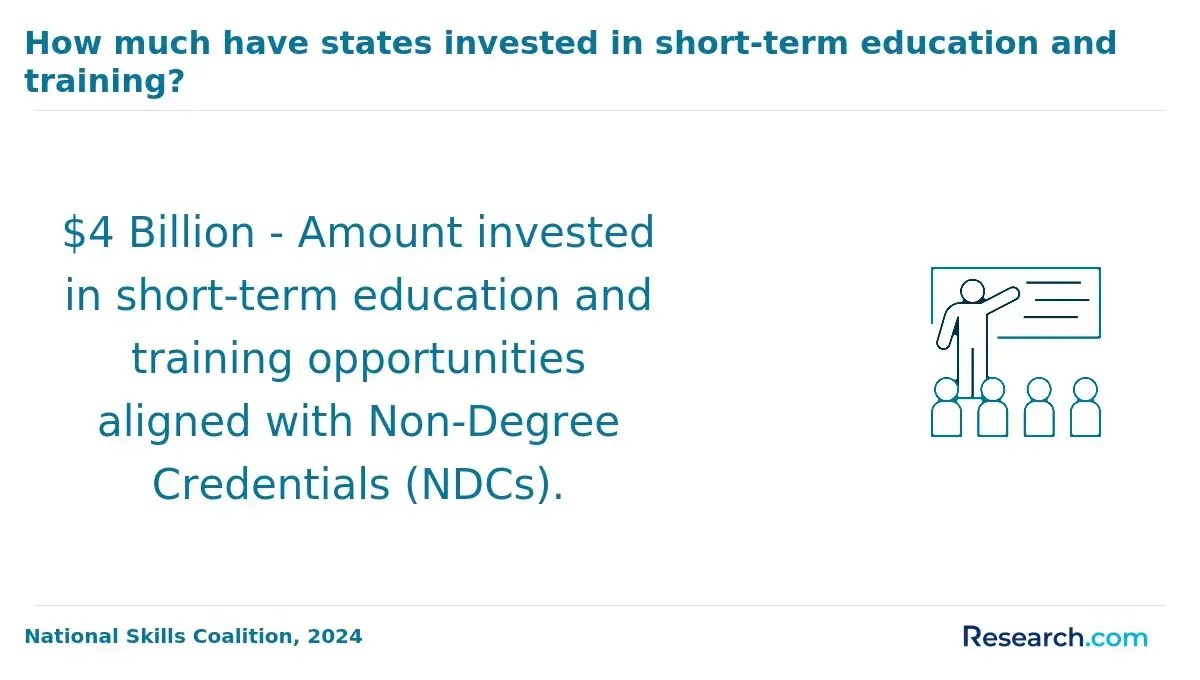
Completion time depends on degree level, enrollment status, transfer credits, research requirements, and how much flexibility the program offers. According to the National Center for Education Statistics, around 60% of bachelor's students finish their degrees within six years, exceeding the classical four-year plan.
| Factor | How it affects completion time |
| Enrollment Status | Full-time students usually progress faster, while part-time students may need longer because they balance school with work, family, or other responsibilities. |
| Credit Transfer | Prior coursework can reduce the number of credits still required, especially for bachelor’s students transferring from another college. |
| Program Format | Online, hybrid, and in-person programs offer different pacing options. Flexible formats can help working students stay enrolled, but they may also encourage slower progress. |
| Prior Experience | Students with business, marketing, event, analytics, or esports experience may adjust more quickly to advanced coursework. |
| Personal Responsibilities | Work schedules, caregiving, travel, and financial constraints can all affect how many courses a student can take at once. |
- Bachelor's Degree: Students should plan carefully for general education, major requirements, electives, and internship opportunities. Transfer policies can make a major difference in total time.
- Master's Degree: Master’s programs are shorter than bachelor’s programs in credit volume, but the workload can be more intensive. Capstones, applied projects, and group assignments may require coordination outside normal class hours.
- Doctorate Degree: Doctoral timelines are the least predictable because the dissertation or doctoral project depends on research design, approvals, data access, writing progress, and faculty review.
A graduate of an online esports business master's program shared her reflections on timing and challenges. She noted that juggling full-time work with coursework required careful scheduling, saying, "It sometimes felt overwhelming, especially during group projects when time zones conflicted." She appreciated the program's flexible deadlines, which "allowed me to catch up without sacrificing work performance." Her research phase extended beyond initial estimates, partly due to a desire to produce original findings rather than rushing. Despite the extended timeline, she viewed the experience positively: "Taking the extra time made my degree more meaningful and aligned well with my career growth." This shows how real-world demands and program structure shape completion time beyond credit hours alone.
How Much Does Each Esports Business Degree Level Cost?
The cost of an esports business degree depends on tuition, fees, program length, delivery format, residency status, and whether the student studies full time or part time. Because esports programs may include technology, production, analytics, event, or media components, students should review the full cost of attendance rather than tuition alone.
- Bachelor's Degree Costs: Tuition is typically charged per credit hour, with bachelor's degrees requiring 120-130 credits. Although tuition per credit tends to be lower than graduate programs, the longer duration can create significant overall expenses. Students should also account for technology fees, student services fees, software, production tools, and possible esports-related equipment.
- Master's Degree Expenses: Master's programs usually have higher tuition per credit but demand fewer credits, around 30-40, creating a concentrated cost structure. Graduate students should ask whether tuition includes access to career services, analytics tools, networking events, or applied project support.
- Doctoral Program Fees: Doctorate costs can be the highest because of extended enrollment, higher tuition rates, research expenses, conference travel, dissertation costs, and possible continuation fees. The final cost can vary greatly depending on how quickly a student completes the research phase.
- Full-time vs. Part-time Enrollment: Full-time students may qualify for more aid options and can finish faster, which may reduce total costs. Part-time study is often easier for working professionals but can extend the timeline and increase cumulative fees.
- Additional Considerations: Students should include books, software subscriptions, professional memberships, travel, event attendance, internet requirements, and lost work time when comparing programs.
For those exploring comparable affordable online options in related fields, reviewing programs like the cheapest psychology degree online can provide useful context on how tuition, fees, and online delivery affect total affordability.
The best-value program is not always the lowest advertised tuition. A more useful comparison includes accreditation, transfer credit acceptance, internship access, career support, faculty expertise, and whether the curriculum matches the roles the student is targeting.
What Financial Aid Options Are Available for Esports Business Degrees?
Financial aid can make an esports business degree more manageable, but students should understand what must be repaid and what does not. About 85% of undergraduate students receive some form of financial aid, with the average aid amount exceeding $14,000 annually.
- Grants and Scholarships: Grants and scholarships are usually the most desirable aid because they do not require repayment. Students may qualify based on financial need, academic performance, leadership, gaming achievements, community involvement, or enrollment in a specific program.
- Federal Loans: Federal loans offer fixed interest rates and repayment options that are generally more predictable than private loans. Students should borrow only what they need and estimate monthly payments before accepting the full amount offered.
- Private Loans: Private loans can fill funding gaps, but they often have higher interest rates, credit requirements, and fewer borrower protections. They should be compared carefully against federal options.
- Work-Study Programs: Work-study can help students earn income while enrolled. Relevant campus roles may include esports lab support, event staffing, marketing assistance, streaming production, athletics operations, or student engagement work.
- Employer Tuition Assistance: Working professionals should ask whether their employer offers tuition reimbursement or direct payment. Some programs require employees to remain with the company for a set period after receiving aid.
- Military Education Benefits: Programs like the GI Bill provide substantial tuition and fee coverage for qualifying service members and veterans pursuing esports business education.
Students should complete required aid applications early, confirm whether the institution is eligible for the aid they plan to use, and ask the financial aid office how enrollment status affects awards. Considering all options is especially important for graduate and doctoral students, who may face different grant and loan limits than undergraduates. Those interested in advanced research or leadership roles may also explore online phd programs in organizational leadership as a related pathway that can complement esports business expertise.
What Careers Are Available at Each Esports Business Degree Level?
Career options in esports business generally expand as students move from bachelor’s to master’s to doctoral study. However, degree level is only one factor. Employers also look for internships, portfolios, event experience, measurable campaign results, analytics skills, professional networks, and evidence that the applicant understands both business fundamentals and esports culture.
Bachelor's Degree
- Marketing Coordinator: Supports brand promotion, social media campaigns, audience engagement, sponsor visibility, and content calendars for esports organizations or gaming-related brands.
- Event Manager: Helps plan and operate tournaments, live events, campus competitions, and community activations. Entry-level professionals may start with coordination responsibilities before managing larger events.
- Team Operations Assistant: Handles scheduling, travel coordination, administrative support, communication, and logistics for players, coaches, creators, or staff.
Master's Degree
- Program Director: Oversees esports initiatives, department growth, educational programming, staffing, budgets, and performance goals in academic, nonprofit, or organizational settings.
- Strategic Partnerships Manager: Develops sponsor relationships, negotiates brand collaborations, manages accounts, and connects organizational goals with partner value.
- Data Analyst: Uses performance data, fan behavior, market trends, and business metrics to support decision-making for teams, leagues, platforms, or consulting firms.
Doctorate Degree
- Esports Business Professor: Teaches courses, conducts research, publishes scholarship, mentors students, and contributes to the academic development of esports business as a field.
- Strategic Consultant: Advises organizations on market positioning, operations, audience strategy, leadership structure, and long-term growth based on advanced expertise.
- Executive Leadership: Holds senior roles such as chief operating officer or chief strategy officer, directing organizational vision, resource allocation, partnerships, and competitive strategy.
Students considering their esports business graduate salary expectations should weigh program cost against likely career outcomes. Reviewing options at online schools that accept fafsa can help students compare affordability while keeping financial aid access in mind.
How Do Salaries Compare Among Bachelor's vs Master's vs Doctorate Esports Business Graduates?
Salary potential often increases with higher education, but esports business earnings also depend on employer size, location, job function, revenue responsibility, experience, and proven results. A degree can help qualify a candidate, but salary growth usually comes from combining education with measurable professional achievements.
- Bachelor's Degree: Graduates usually earn between $45,000 and $65,000 annually. These roles often involve entry-level positions like esports marketing coordinator or assistant event manager, reflecting essential skills and foundational knowledge within the industry.
- Master's Degree: Earnings typically rise to a range of $70,000 to $95,000. This reflects enhanced leadership and strategic capabilities that qualify graduates for mid to senior management roles, such as program director or business development manager within esports organizations.
- Doctorate Degree: Salaries surpass $100,000 on average, corresponding to specialized roles in academia, research, or executive leadership. Though fewer pursue this path, it provides access to high-level positions demanding expert-level knowledge and influence.
| Degree level | Typical salary range or outcome stated | Common role level | Salary strategy |
| Bachelor's Degree | $45,000 and $65,000 annually | Entry-level coordinator, assistant, or operations support | Build a portfolio, complete internships, document campaign or event results, and gain cross-functional experience. |
| Master's Degree | $70,000 to $95,000 | Manager, director, analyst, or partnerships professional | Target roles tied to revenue, strategy, analytics, or leadership responsibility. |
| Doctorate Degree | Salaries surpass $100,000 on average | Professor, consultant, researcher, or executive leader | Develop recognized expertise, publish or present research, and align the doctorate with a clear professional niche. |
Prospective students should treat these figures as planning benchmarks rather than guarantees. Before enrolling, compare tuition against likely job targets, ask programs for graduate outcomes, and review whether the curriculum builds skills employers actually request.
What Graduates Say About Their Esports Business Degree Level
- : "Choosing to pursue a bachelor's degree in esports business was one of the best decisions I've made. Although the average cost of attendance was around $30,000, the investment was worth it given the hands-on experience I gained and the network I built. Since graduating, I've secured a position with a major gaming franchise that I never imagined possible. — Levi"
- : "Reflecting on my master's degree journey in esports business, the $25,000 tuition was a considerable expense, but it allowed me to dive deeper into industry trends and management strategies. The program's focus on practical skills and industry connections has truly shaped my professional path, enabling me to consult for top-tier esports organizations. — Jervis"
- : "Completing a doctorate in esports business was a challenging yet rewarding experience, especially considering the financial commitment of nearly $40,000. This degree significantly enhanced my credibility and opened doors to academic and strategic roles within the industry, solidifying my career as a leader and innovator. — Chris"
These graduate perspectives point to the same lesson: the right degree level depends on the outcome you need. A bachelor’s degree can be worthwhile when it produces hands-on experience and industry contacts. A master’s degree is strongest when it deepens management skill and expands professional credibility. A doctorate should be pursued when advanced research, academic authority, or high-level strategic influence is central to the student’s long-term plan.
Other Things You Should Know About Esports Business Degrees
In 2027, many universities offer esports business degrees online, but the format can vary by degree level. Bachelor's programs might offer hybrid options, while master's and doctoral programs may lean towards more online offerings to accommodate professionals. It's essential to verify the delivery format when considering program options.
Additional certifications can complement esports business degrees by providing specialized skills or in-depth knowledge in specific areas of esports, such as management, marketing, or technology. These certifications can enhance a graduate’s qualifications and improve employability or help in career advancement within the esports industry.
Yes, prior professional experience can significantly impact admission. Programs often value real-world experience, as it enhances learning perspectives. Applicants with related industry experience might have an edge, as they bring practical insights, which can be crucial in esports business education at these advanced levels.
References
- Sports Management - Esports Management | Tiffin University https://www.tiffin.edu/academics/school-of-business/sports-management-esports-management/
- The Business of Esports Specialization https://algomau.ca/academics/faculty-of-business-economics/the-business-of-esports-specialization/
- Game Business & Esports Bachelor's Degree https://www.fullsail.edu/degrees/game-business-esports-bachelor
- Bachelor's vs Master's degree: Key differences and how to choose https://www.edhec.edu/en/news/master/bachelors-vs-masters-degree-differences
- Esports Business, M.S. https://catalog.newhaven.edu/preview_program.php
- 10 Colleges with Esports Degree Programs | Animation Career Review https://www.animationcareerreview.com/articles/10-colleges-esports-degree-programs
- Sport Management Degree BSc (Hons) + Master Esports Business | EN | ISDE https://isde.es/en/degree/sport-management-degree-bsc-hons-master-esports-business/
- A guide to esports degrees: what to expect https://teamliquid.com/articles/world-collegiate-esports
- Bachelor's vs Master's Degree - Which is Right for You? https://gbs.edu.mt/blog/bachelors-vs-masters-degree-which-is-right-for-you/
- Esports Management (MBA) https://www.su.edu/esports/esports-management-mba/


