
2027 How to Become an Electricician in Maryland

Co-Founder and Chief Data Scientist
What does it really take to become an electrician in Maryland? Is a license required, how long does it take to train, and what kind of salary can someone expect in this field? With varying requirements across trades and counties, many aspiring electricians find the process confusing and overwhelming.
In Maryland, electricians earn an average annual salary of $63,020, but getting started isn’t always straightforward. This article breaks down each step of the licensing and training process in clear, simple terms. Prepared by career planning experts, it will guide you through everything you need to know to launch a successful electrician career in Maryland.
Key Things to Know About Becoming an Electrician in Maryland
- Maryland requires electricians to complete a state-approved apprenticeship program with at least 8,000 hours of on-the-job training and 576 hours of classroom instruction.
- The job outlook in Maryland is positive, with demand driven by construction growth and infrastructure upgrades across the state.
- The average salary for electricians in Maryland is about $60,000 per year, reflecting competitive wages compared to the national average.
- What education is required to become an electrician in Maryland?
- How do you get into an electrician apprenticeship program in Maryland?
- How much do electricians make in Maryland?
- What certifications do electricians need in Maryland?
- How long does an electrician apprenticeship take in Maryland?
- How much does electrician training cost in Maryland?
- Can electricians benefit from dual trade certifications in Maryland?
- What license do you need to be an electrician in Maryland?
- How can electricians leverage business education for career advancement in Maryland?
- What additional certifications can bolster an electrician’s career in Maryland?
- Are there opportunities to diversify into complementary technical careers in Maryland?
- How often do you need to renew your electrician license in Maryland?
- What are the essential skills needed to be a successful electrician in Maryland?
- What is the job outlook for electricians over the next 10 years in Maryland?
- What challenges do Maryland electricians face?
What education is required to become an electrician in Maryland?
Aspiring electricians usually start by enrolling in technical schools or community college programs that cover essential subjects such as electrical theory, circuitry, safety protocols, and the National Electrical Code (NEC). Courses often include electrical blueprint reading, residential and commercial wiring, motor controls, and troubleshooting electrical systems. These classes build the critical knowledge needed to navigate the complexities of modern electrical work.
Hands-on training is equally important. Most candidates enter apprenticeship programs combining paid work experience with classroom instruction. Maryland apprenticeships typically span four to five years, requiring at least 8,000 hours of on-the-job training and 576 hours of technical education annually. Sponsored by unions, trade associations, or contractors, these apprenticeships offer a structured path to mastery and licensure, ensuring practical skills match theoretical knowledge.
Among the top electrician programs in Maryland are the Baltimore Electrical JATC Apprenticeship, the Community College of Baltimore County (CCBC) Electrical Technology Program, and the Prince George’s Community College Electrical Systems Technology Program. These institutions are recognized for comprehensive curricula and strong industry ties, increasing graduates’ employment prospects.
Reflecting on the growing demand for electricians in Maryland, thorough education combined with disciplined apprenticeship training remains essential. Those who commit to both study and practice position themselves well for a stable and rewarding career in this expanding field.
How do you get into an electrician apprenticeship program in Maryland?
Getting into an electrician apprenticeship program in Maryland involves meeting specific requirements and choosing from several reputable organizations offering structured training. Notable programs include the Maryland Electrical JATC (Joint Apprenticeship and Training Committee), the Prince George’s County Electrical Apprenticeship Program, and those connected with the International Brotherhood of Electrical Workers (IBEW) Local 26. Typically, applicants must be at least 18 years old, hold a high school diploma or GED, and pass an aptitude test that evaluates math and reading comprehension. These prerequisites ensure candidates are prepared for the demanding nature of the trade and the comprehensive training ahead. Understanding how to apply for electrician apprenticeship Maryland programs means preparing carefully to meet these standards.
Maryland’s unique apprenticeship requirements set it apart from many other states. Apprentices must complete a minimum of 8,000 hours of paid on-the-job training combined with 576 hours of classroom instruction over roughly five years. This blend of hands-on experience and formal education is designed to produce well-rounded electricians ready for the state’s rigorous licensing exams. Maryland also mandates a state-issued license obtained only after finishing an approved apprenticeship and passing the licensing exam, emphasizing the importance of completing every stage with diligence. These requirements highlight the state’s commitment to quality and safety in the electrical profession.
Apprenticeships are invaluable for building both skills and professional networks. Beyond technical competencies, joining a program often means connecting with seasoned electricians, contractors, and suppliers through union affiliations and industry events. This networking can open doors to job opportunities and mentorships that accelerate career growth. For those looking to deepen their knowledge, Maryland offers supplemental resources such as review classes by the Maryland Electrical JATC, seminars on National Electrical Code (NEC) updates, and safety workshops hosted by community colleges. Accessing these resources can be a game-changer for success in an apprenticeship and beyond.
Reflecting on the experience shared by an electrician from Maryland I spoke with, the apprenticeship journey was both challenging and rewarding. They described the initial phase as intense, especially balancing classroom studies with demanding job site hours. However, the hands-on training was invaluable, and the mentorship from journeymen electricians provided insights that books alone couldn’t offer. The electrician recalled attending NEC seminars that clarified complex code changes, which boosted confidence during licensing exams. Networking through union events led to friendships and job offers, making the apprenticeship a gateway to a stable career. This personal account underscores the importance of embracing every learning opportunity and actively seeking guidance to thrive in Maryland’s apprenticeship environment.
Maryland’s electrician apprenticeship program requirements emphasize a comprehensive approach to training, combining education and experience in a way that ensures readiness for a growing market. For those aspiring to enter this field, making use of available educational resources and cultivating professional relationships are essential strategies. With dedication and the right support, the path through apprenticeship can lead to a fulfilling and prosperous career in electrical work within Maryland’s robust construction industry, which continues to expand as noted in the list of the top high demand trades.
How much do electricians make in Maryland?
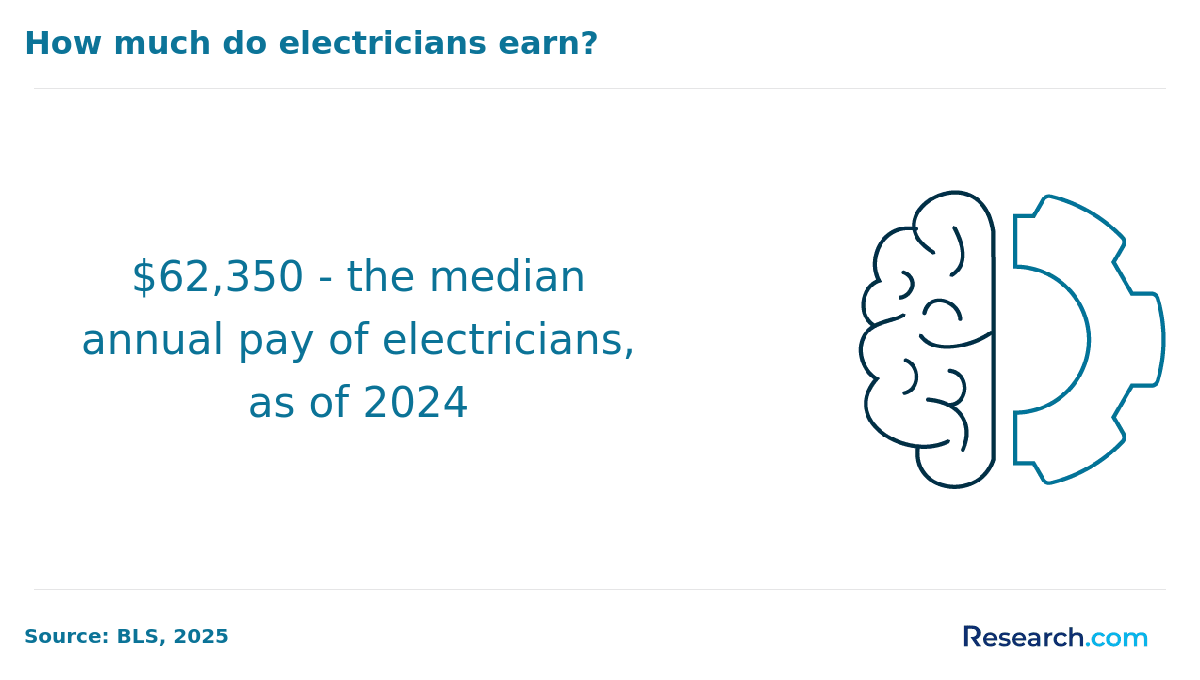
Electricians in Maryland earn competitive salaries that reflect the state's growing demand for skilled tradespeople across diverse sectors. As of 2023, the average annual salary stands around $65,000, equating to roughly $5,400 per month. Entry-level electricians generally start with wages between $35,000 and $45,000 annually, though these figures can vary by region and employer. With experience and certifications, salaries often rise significantly, sometimes reaching $80,000 to $90,000, especially in specialized or supervisory roles. This salary progression is crucial for those committed to advancing their careers in Maryland's dynamic electrical field.
The highest-paying cities for electricians in Maryland include Baltimore, Columbia, and Bethesda, where salaries typically range from $70,000 to $85,000 annually. These urban centers benefit from robust commercial and industrial activity, infrastructure projects, and a steady construction sector, all fostering demand for seasoned electricians. This urban demand creates excellent opportunities for electricians who pursue continuous learning and certifications, particularly in emerging fields such as industrial automation and smart home technology.
Reflecting on a conversation with an electrician from Maryland I recently spoke with, their journey illustrates the unique challenges and rewards of this career. They recalled starting as an apprentice earning about half the journeyman wage but emphasized the value of structured apprenticeship programs that offered both on-the-job training and classroom instruction. Over time, by obtaining additional certifications and joining a local union, they steadily increased their income and job security. The electrician highlighted the personal satisfaction of working on major infrastructure projects while balancing family life, noting how the steady wage increases helped provide stability amid the evolving demands of the trade.
Pursuing advanced credentials, including exploring options like an anchors part-time Ph.D. in economics, can open doors to specialized roles within electrical work or related industries.
What certifications do electricians need in Maryland?
Understanding the certification requirements for electricians in Maryland is crucial for anyone aiming to build a lasting career in this skilled trade. The foundational credential is the Journeyman Electrician License, which requires completing a registered apprenticeship with 8,000 hours of on-the-job training and 576 hours of classroom instruction. This process, regulated by the Maryland Department of Labor, Licensing, and Regulation (DLLR), ensures electricians are well-prepared to work independently and meet state standards.
Progressing beyond the journeyman level, electricians can pursue the Master Electrician License. This advanced certification demands at least two years of journeyman experience and passing a rigorous exam. Holding a master license in Maryland opens doors to designing electrical systems, supervising projects, and running contracting businesses, significantly enhancing career growth and income potential.
Several respected institutions offer programs aligned with Maryland’s electrician license and certification process. Notable examples include the Maryland Apprenticeship and Training Program, the Community College of Baltimore County (CCBC), and the Montgomery College Electrical Apprenticeship Program. These programs blend theoretical knowledge with hands-on experience, aligning well with state requirements and preparing candidates thoroughly for licensing exams.
Beyond state licenses, many electricians enhance their credentials with specialized certifications such as the National Electrical Code (NEC) Certification or qualifications in solar photovoltaic systems. These certifications, often offered through organizations like the National Joint Apprenticeship and Training Committee (NJATC) or the International Brotherhood of Electrical Workers (IBEW), can differentiate candidates in Maryland’s evolving market. Those interested in expanding their skill set might also explore best rated automotive mechanic trade school programs as part of broader technical education pathways.
Focusing on Maryland-specific licenses like the journeyman and master electrician certifications is essential to comply with legal requirements and maximize employment opportunities. Combining these with specialized credentials tailored to local industry trends, such as renewable energy or industrial electrical work, positions electricians for success in Maryland’s growing and competitive job market.
How long does an electrician apprenticeship take in Maryland?
Completing an electrician apprenticeship in Maryland typically spans between 4 to 5 years, which aligns with the national standard for this skilled trade. This period usually includes approximately 8,000 hours of on-the-job training combined with 576 to 900 hours of classroom instruction. However, the exact timeframe depends on various factors such as the sponsoring organization, the apprentice’s aptitude, and whether the program offers an accelerated format. Some unions and trade organizations provide accelerated pathways that can reduce completion time to as little as 3 to 3.5 years, requiring a greater weekly commitment to both work and classroom hours.
Conversely, apprenticeships may extend beyond five years if the apprentice is enrolled part-time, faces interruptions, or has limited access to diverse jobsite experiences. Smaller contractors or non-union programs may have less structured schedules, which can also influence the duration. For those looking to navigate the certification requirements for electricians in Maryland efficiently, understanding these variables is essential.
To make the most of an apprenticeship and potentially accelerate the process, apprentices should choose reputable programs registered with the Maryland Department of Labor. Engaging actively with mentors, maintaining consistent attendance, and supplementing training with independent study or recognized certifications can all contribute to faster progress. Networking within the local electrical community also opens doors to additional training or job opportunities. For guidance on selecting quality education options, consider exploring resources like the best rated electrician trade school.
How much does electrician training cost in Maryland?
The cost to become an electrician in Maryland can vary widely, typically ranging from $5,000 to $25,000 depending on the type of program chosen. Certificate or diploma programs offered by technical schools or community colleges usually fall between $5,000 and $10,000 for one to two years of study. An associate degree in electrical technology, often taking two years to complete, tends to cost between $10,000 and $25,000, with tuition varying based on whether the institution is public or private. Public colleges generally offer more affordable rates, especially for in-state residents.
Several factors influence the electrician training cost in Maryland. Program length is a key consideration—longer programs require more tuition and fees. Additionally, students must budget for necessary tools and equipment, which can add $500 to $1,500 depending on the quality and quantity of items such as multimeters, wire strippers, and conduit benders. These tools are essential for hands-on training and skill development.
Maryland electrician apprenticeship tuition fees are often lower or offset since apprentices earn wages while receiving on-the-job training combined with classroom instruction. This pathway can substantially reduce upfront costs, though apprentices still need to invest in some tools and materials. Urban living expenses in areas like Baltimore may increase overall costs, but workforce development grants and state-sponsored financial aid can help make training more affordable.
Many vocational and community colleges in Maryland participate in federal aid programs, including Pell Grants and student loans. The state also offers targeted grants and scholarships for career and technical education students. Some unions and employer-sponsored apprenticeships provide additional financial support, covering all or part of the training cost. For those exploring options, researching the best online vocational trade school programs can also reveal flexible and cost-effective solutions.
Can electricians benefit from dual trade certifications in Maryland?
Expanding technical expertise through dual trade certifications can enhance career flexibility and marketability. Diversifying skills beyond traditional electrical work, for instance by acquiring training in HVAC systems, enables professionals to handle integrated building projects and address evolving industry demands. This strategic approach not only broadens the range of service opportunities but also offers a competitive advantage in diverse work environments. Consider exploring how to become an HVAC technician in Maryland to further complement your electrical qualifications.
What license do you need to be an electrician in Maryland?
To become a licensed electrician in Maryland, individuals must secure one of several specific licenses, each permitting different levels of responsibility and work scope. The primary licenses include the Master Electrician License, which allows full independent practice and supervision of others; the Journeyman Electrician License, which permits working under master supervision to perform installations and repairs; and various Limited Licenses focused on specialized electrical tasks such as residential or HVAC wiring, often regulated locally.
The path to licensure involves a structured process emphasizing both practical experience and formal education. Key requirements generally include:
- Completing a state-approved apprenticeship or accumulating equivalent on-the-job training, typically around 8,000 hours for journeyman candidates.
- Undertaking related classroom instruction, approximately 576 hours or more depending on the license level.
- Passing a rigorous licensing exam that tests knowledge of the National Electrical Code, Maryland state regulations, and safe electrical practices.
- Submitting a detailed application with proof of experience, education, exam results, and paying applicable fees to the appropriate authority.
What distinguishes Maryland’s licensure process is its dual regulatory framework. The Maryland Department of Labor, Licensing, and Regulation (DLLR) governs statewide licensing, while local jurisdictions such as Baltimore City and Montgomery County impose additional licensing requirements and registration. This layered system means candidates must diligently verify local rules to ensure compliance beyond state mandates.
Renewal of electrician licenses occurs biennially, often necessitating continuing education—especially in local jurisdictions—to maintain current knowledge of electrical codes and safety standards. Keeping meticulous records of work hours and training, preparing thoroughly for exams using the latest National Electrical Code, and engaging early with local licensing boards are practical strategies to navigate this complex landscape.
Aspiring electricians benefit greatly from enrolling in accredited apprenticeship programs that blend classroom instruction with paid field experience, thereby aligning with both state and local expectations and smoothing the path to licensure and renewal.
How can electricians leverage business education for career advancement in Maryland?
In today’s competitive market, electricians expanding their expertise into business management can create new opportunities for growth and independence. Mastering financial planning, strategic marketing, and project management enables professionals to transition from technical roles into entrepreneurship or supervisory positions within larger firms. This advanced business acumen proves beneficial in negotiating contracts, managing teams, and optimizing operational efficiency. For those interested in cultivating these skills, exploring programs offered by top business schools in Maryland can be a valuable step in achieving long-term career success.
What additional certifications can bolster an electrician’s career in Maryland?
Maryland electricians seeking career advancement can benefit from pursuing supplementary certifications beyond the mandatory licensure. Specialized credentials in renewable energy systems, smart home automation, and project management validate expertise and support a transition into leadership or entrepreneurial roles. Targeted coursework from accredited institutions and industry associations offers practical, up-to-date training aligned with emerging market demands. For insights into complementary technical training opportunities, explore our article detailing how to become a radiology technician in Maryland.
Are there opportunities to diversify into complementary technical careers in Maryland?
Electricians aiming to expand their career horizons may benefit from exploring adjacent fields that require a high level of technical proficiency. Leveraging experience in system diagnostics, circuit analysis, and safety protocols can facilitate a smooth transition into industries where precision and technical expertise are paramount. For example, professionals might consider evaluating the requirements and benefits of shifting to specialties in health technology. This approach not only broadens career opportunities but also enhances adaptability in a rapidly evolving job market. To explore such prospects further, review how to become an ultrasound technician in Maryland for insights into an allied technical pathway without completely moving away from hands-on technical work.
How often do you need to renew your electrician license in Maryland?
Renewing an electrician license in Maryland is a structured process managed by the Maryland Department of Labor’s Division of Occupational and Professional Licensing (DOPL). This body ensures that licensed electricians uphold professional standards and remain compliant with evolving industry regulations. Licenses must be renewed every two years to maintain legal authorization to work in the state.
The renewal process involves several essential requirements that every electrician must meet:
- Completion of at least 6 hours of approved continuing education within the two-year renewal cycle, focusing on updates to the National Electrical Code (NEC), safety procedures, and Maryland-specific regulations.
- Submission of a renewal application to DOPL before the current license expires, accompanied by the appropriate renewal fee, which varies by license type.
- Verification that the electrician remains in good standing, free from unresolved disciplinary actions or complaints, as confirmed by the licensing board.
Maryland’s DOPL also provides an online portal, simplifying the renewal process by allowing electricians to submit applications and payments conveniently. This digital approach helps prevent lapses in licensure, which can interrupt an electrician’s ability to work legally.
For those navigating renewal, a key insight is to plan ahead by enrolling in approved continuing education courses well before the renewal deadline. Early completion of these requirements reduces stress and minimizes the risk of missing renewal deadlines. Keeping track of renewal dates and maintaining good standing with DOPL are equally important steps toward uninterrupted licensure.
What are the essential skills needed to be a successful electrician in Maryland?
Electricians in Maryland must cultivate a blend of technical expertise and interpersonal abilities to excel in their careers. The evolving construction landscape demands both hard and soft skills that ensure safety, efficiency, and effective collaboration on job sites.
Key skills essential for Maryland electricians include:
- Technical proficiency: Mastery of electrical systems, wiring, and safety protocols is foundational. Staying current with the National Electrical Code (NEC) and Maryland-specific regulations is critical for compliance and job safety.
- Technology skills: Familiarity with smart home systems, programmable logic controllers, and digital diagnostic tools enhances job quality and efficiency in modern electrical work.
- Problem-solving ability: On-site challenges require quick diagnosis and practical solutions to minimize downtime and keep projects on track.
- Communication skills: Clear interaction with clients, contractors, and team members prevents misunderstandings and improves project coordination.
- Physical dexterity and stamina: Precision and endurance are necessary to perform tasks in diverse environments, ranging from residential to industrial sites.
- Attention to detail: Accurate installation and repair work prevent costly errors and ensure safety.
- Time management: Organizing tasks efficiently and meeting deadlines is vital, especially on large projects with tight schedules.
Aspiring electricians can develop these skills by enrolling in accredited apprenticeship programs or technical schools that combine hands-on training with classroom instruction. Community colleges also offer specialized courses in electrical technology that build a strong foundation.
Soft skills such as communication and problem-solving can be honed through internships, part-time work, and participation in workshops offered by Maryland’s Department of Labor and Licensing. Engaging in team environments and client interactions is invaluable for real-world experience.
Remaining engaged with industry trends and pursuing continuing education improves career advancement opportunities. Joining trade unions or professional organizations, like the International Brotherhood of Electrical Workers Local 26, provides access to networking, certifications, and further training.
What is the job outlook for electricians over the next 10 years in Maryland?
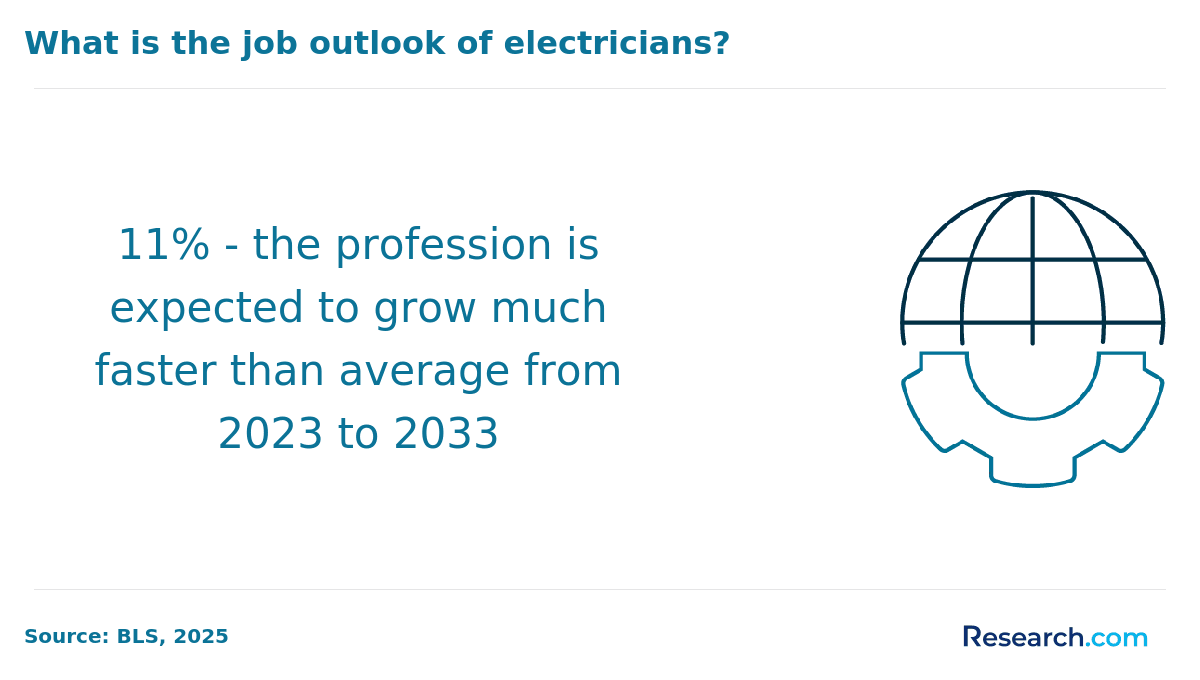
The job outlook for electricians in Maryland over the next decade is steady and promising. According to the Bureau of Labor Statistics (BLS) data from 2023, electrician employment nationwide is expected to grow by about 7% from 2023 to 2033, aligning with the average growth rate for all occupations. Maryland’s robust economy and ongoing infrastructure projects suggest similar growth within the state, making it a practical choice for those considering this career.
Key urban centers like Baltimore, Silver Spring, and Columbia are driving demand, with Baltimore employing the largest number of electricians in Maryland. Montgomery and Prince George’s counties follow closely, fueled by continuous construction and renovation projects. These areas offer abundant opportunities for electricians in both new developments and maintenance work.
Industries with the highest employment for electricians in Maryland include building construction, electrical contracting firms, manufacturing facilities, and utility companies. The utility sector is particularly noteworthy as it adapts to renewable energy integration, creating specialized roles such as solar panel installation and energy-efficient systems maintenance. This trend highlights the importance of gaining certifications and training in emerging technologies to stay competitive.
In 2023, the median annual wage for electricians in Maryland was around $62,000, slightly above the national median of $60,000. While this wage is favorable, it is important to consider Maryland’s higher cost of living, especially in metropolitan areas. Nonetheless, electricians often achieve a living wage and can increase their earnings through overtime, union membership, and specialization.
For aspiring electricians, understanding Maryland’s licensing requirements and apprenticeship programs is crucial. The combination of steady industry growth, decent wages, and strong union presence makes this trade a viable option for long-term career stability. Hands-on individuals seeking a balance of practical work and financial security will find Maryland’s electrician career path to be a well-rounded choice.
What challenges do Maryland electricians face?
Maryland electricians contend with evolving regulatory standards, rigorous safety protocols, and the physical demands inherent in on-site work. They must continuously update their technical proficiency in response to frequent National Electrical Code revisions and technological innovations, all while managing irregular work hours and project deadlines. Additionally, navigating competitive bidding processes and the administrative aspects of self-employment remain significant challenges. Many professionals address these issues by seeking specialized training and complementary career pathways, such as by learning how to become a mechanic in Maryland, to broaden their skill set and enhance job stability.
What Electricians in Maryland Say About Their Careers
Completing my apprenticeship through the Electrical Training Alliance in Baltimore was a game changer for me. The hands-on experience combined with classroom learning gave me the confidence to tackle any job. Maryland’s rich maritime and urban infrastructure means there’s always a demand for skilled electricians, which has made my career incredibly stable. Howard
Attending the University of Maryland’s electrical engineering program opened doors I never expected. Beyond the technical skills, I’ve grown to appreciate how my work directly impacts local communities—especially in underserved areas where reliable power can transform lives. George
Starting out at the Community College of Baltimore County, I was drawn to the practical approach of their trades program. Maryland’s focus on renewable energy sources and smart grid technology has given me unique opportunities to specialize and advance professionally. I’ve found the field constantly evolving, which satisfies my love of learning and keeps me engaged. Luke
Related Articles for Nearby States
- 2027 How to Become an Electrician in Virginia
- 2027 How to Become an Electrician in West Virginia
- 2027 How to Become an Electrician in Pennsylvania
- 2027 How to Become an Electrician in Delaware
- 2027 How to Become an Electrician in New Jersey
- 2027 How to Become an Electrician in New York
- 2027 How to Become an Electrician in Ohio
- 2027 How to Become an Electrician in North Carolina
- 2027 How to Become an Electrician in Kentucky
- 2027 How to Become an Electrician in Connecticut
References:
- Able Skills. (2023). What is the fastest route to get fully qualified as an electrician? Able Skills.
- Brennan Electric. (2023). 5 simple steps to become a licensed electrician. Brennan Electric.
- Field Complete. (2025). What is electrician school cost? A complete breakdown of tuition and fees. Field Complete.
- GetJobber. (2024). How to become an electrician in 8 steps. GetJobber.
- Independent Electrical Contractors (IEC). (2022). How much does it cost to become an electrician? Independent Electrical Contractors (IEC).
Other Things You Should Know About Becoming an Electrician in Maryland
In Maryland, 2027, candidates must complete a state-approved apprenticeship program and gain 8,000 hours of supervised work to apply for a journeyman electrician license. Afterward, they need to pass the Maryland electrician exam. The licensing application can be submitted online with required documentation and fees.
Maryland requires electricians to complete 10 hours of continuing education every two years to renew their license. These courses must include updates on the National Electrical Code and be approved by the Maryland State Board.


