
2027 Forensic Science Degree Careers That Do Not Require Graduate School

Co-Founder and Chief Data Scientist
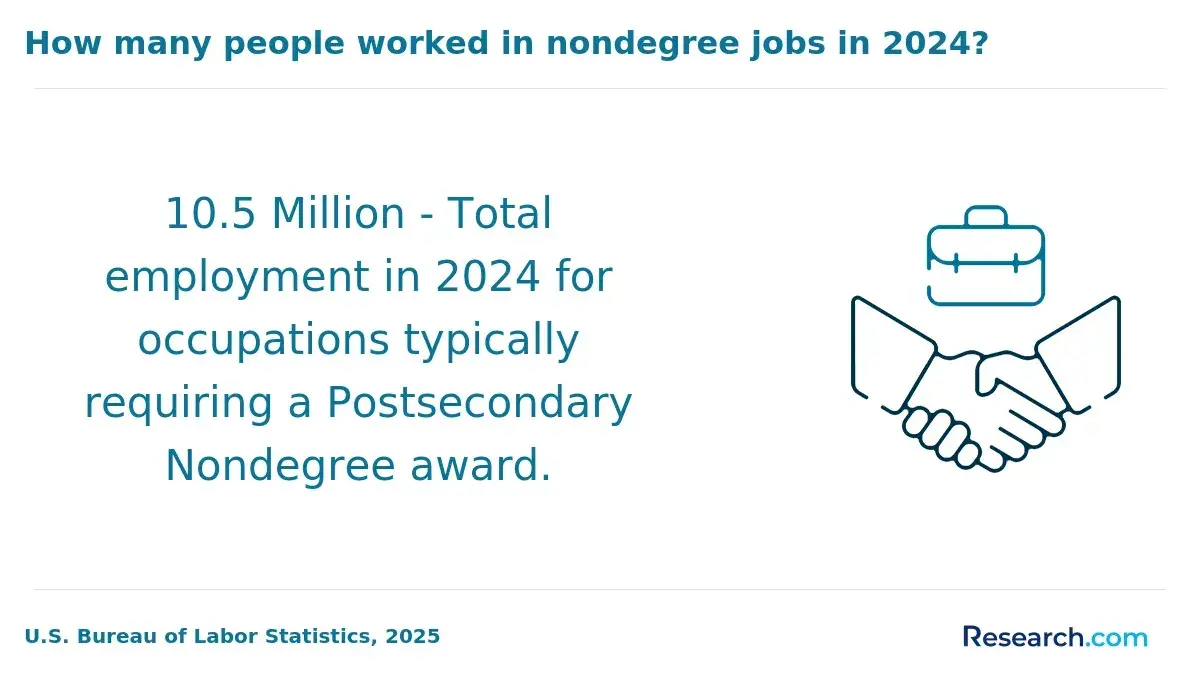
A recent forensic science graduate quickly discovers that while some entry-level roles in the field, such as crime lab technicians or evidence custodians, welcome applicants with a bachelor's degree, other positions demand graduate-level education or specialized certifications. Industry data shows that about 40% of forensic science-related jobs prefer or require advanced degrees, highlighting the educational divide. Understanding which careers allow immediate workforce entry and which require further qualifications is crucial. This article examines forensic science careers that do not require graduate school but still provide strong employment prospects and growth opportunities.
Key Things to Know About the Forensic Science Careers That Do Not Require Graduate School
- Many forensic science careers allow direct entry with only a bachelor's degree, enabling graduates to join the workforce without needing graduate school credentials.
- Employer expectations for entry-level roles emphasize practical skills, certifications, and relevant internships more than advanced academic degrees.
- Hands-on experience and professional development often outweigh graduate education, making certain forensic science positions accessible and offering strong long-term career growth.
What Career Paths Can You Pursue with a Forensic Science Degree Without Graduate School?
Many forensic science degree holders begin their careers immediately after earning a bachelor's degree, entering a variety of roles that value their versatile skills. While opportunities differ depending on the type of role and current industry demand, approximately 60% of graduates secure positions in related fields within two years without pursuing graduate school. This high rate reflects strong entry-level hiring trends in forensic science and related sectors.
Several entry-level forensic science jobs without advanced degree requirements can be a good fit for bachelor's degree holders, including the following options.
- Forensic Laboratory Technician: This role involves conducting chemical, biological, and physical analyses of evidence, relying heavily on the hands-on lab skills developed during undergraduate studies. Laboratories often hire at the bachelor's level to support routine testing and evidence processing.
- Crime Scene Investigator: Bachelor's degree holders can work as crime scene investigators, applying investigative and documentation skills to identify, collect, and preserve evidence. Many agencies recruit individuals with practical training directly from undergraduate forensic science programs.
- Medical Examiner Assistant: Assisting pathologists by preparing specimens and managing case files is accessible with a forensic science degree. The role emphasizes organizational and technical support that aligns well with bachelor's-level knowledge.
- Forensic DNA Analyst: Handling and analyzing DNA evidence requires meticulous attention to detail and basic lab skills, which are cultivated through the undergraduate curriculum. This position is commonly open to those without a graduate degree.
- Quality Assurance Specialist: Ensuring compliance with laboratory standards and procedures involves applying scientific methods learned during the degree program. Many labs hire quality assurance specialists with bachelor's degrees to maintain accuracy and reliability.
Students interested in advancing their credentials might also explore shorter educational paths, such as a 1 year DNP program online, to complement their forensic science background if they choose to broaden their qualifications later.
What Are the Highest-Paying Jobs for Forensic Science Degree Graduates Without a Graduate Degree?
Many of the highest-paying careers for forensic science graduates are accessible with just a bachelor's degree, reflecting employers' strong demand for skilled professionals in this specialized field. Forensic science technicians, crime scene investigators, and forensic chemists all earn competitive salaries without requiring graduate education, with median wages often above $60,000 annually. This reflects the critical impact these roles have within law enforcement and investigative agencies.
The following roles highlight some of the best-paying options for forensic science graduates who do not pursue advanced degrees:
- Forensic Science Technician: These professionals play a pivotal role by collecting and analyzing evidence, which is essential for criminal investigations. The demand for precise laboratory work and technical skill makes this one of the most financially rewarding entry points in the field.
- Crime Scene Investigator: CSIs manage evidence collection and documentation at crime scenes, responsibilities that require attention to detail and the ability to work under pressure. The combination of those demands and the legal importance of their findings contributes to competitive pay.
- Forensic Chemist: Specializing in chemical analysis of evidence, these experts are valuable to both public and private labs. Their technical knowledge enables accurate case resolutions, leading to salaries often exceeding $65,000.
- Forensic DNA Analyst: With a focus on interpreting complex biological data, DNA analysts command higher wages due to the role's precision requirements and its impact on case outcomes.
- Forensic Toxicologist: This role involves specialized knowledge in chemical and biological toxins, with strong compensation stemming from the critical nature of their work in identifying harmful substances.
What Skills Do You Gain from a Forensic Science Degree That Employers Value?
A forensic science degree develops a versatile set of skills highly prized by employers, particularly for jobs that do not require graduate education. Research shows that 82% of employers prefer transferable skills such as critical thinking and effective communication over specialized technical knowledge when hiring those with bachelor's degrees. This highlights the broad applicability of the expertise gained through forensic science studies.
The following are key transferable skills cultivated in forensic science programs that employers often seek:
- Analytical Thinking: Forensic science teaches students to carefully assess evidence and data, honing their ability to identify patterns and make logical decisions. This skill is vital for roles demanding problem-solving and precise evaluation, like laboratory technician or quality analyst positions.
- Attention to Detail: Students learn to document findings accurately and maintain data integrity, which is essential in workplaces that rely on exactness and consistency. This meticulousness supports reliability and trustworthiness in technical roles.
- Communication Skills: The program emphasizes writing clear, detailed reports and presenting information effectively to diverse audiences. This enhances collaboration and helps graduates convey complex scientific concepts with clarity in professional settings.
- Technical Proficiency: Hands-on experience with scientific instruments and software gained during coursework prepares students to quickly adapt in laboratory or field environments, reducing onboarding time for employers.
- Time Management and Organization: Balancing demanding coursework and laboratory work develops strong organizational habits and the ability to meet deadlines, which are critical in many fast-paced jobs.
A forensic science degree graduate shared that their analytical and communication skills were immediately valuable in their first job, helping them navigate complex cases and report findings under tight deadlines. They noted, "The ability to break down detailed evidence and explain it clearly made a big difference in how quickly I adapted to the team and earned trust."
What Entry-Level Jobs Can Forensic Science Graduates Get with No Experience?
Forensic science graduates often gain entry-level jobs quickly after completing their bachelor's degree, even without prior professional experience. Many employers develop positions tailored specifically for recent graduates, allowing them to start their careers without needing graduate school or extensive work history. In fact, about 65% of forensic science bachelor degree holders secure relevant roles within six months of graduation.
Below are several common roles accessible to forensic science graduates with no experience required:
- Crime Laboratory Technician: These positions serve as an initial step, focusing on basic evidence handling and laboratory procedures. Their structured entry-level hiring enables graduates to apply foundational knowledge and develop practical skills.
- Forensic Evidence Clerk: Often emphasizing attention to detail and organizational abilities rather than technical expertise, these roles offer accessible forensic science support roles for new graduates, helping manage and catalog evidence efficiently.
- DNA Analysis Assistant: Graduates support senior analysts in DNA testing units, gaining hands-on experience. This role provides comprehensive training without requiring prior professional background.
- Field Evidence Technician: Involving on-site evidence collection and packaging, these jobs offer practical exposure and are designed for recent graduates eager to build field experience early in their careers.
Entry-level forensic science jobs with no experience necessary are a vital entry point, often found in internships or laboratory assistant roles. Networking and demonstrating eagerness to learn remain crucial strategies for success in this competitive job market. For those interested in expanding healthcare career options, programs to become a nurse practitioner represent an alternative pathway worth exploring.
What Certifications and Short Courses Can Boost Forensic Science Careers Without Graduate School?
Certifications and short courses provide forensic science graduates with specialized skills that enhance employability without the need for graduate school. These focused credentials improve job readiness and support career advancement by equipping candidates with practical expertise valued by employers. In fact, a recent industry survey found that more than 60% of employers in forensic fields prefer candidates who hold relevant certifications or have completed targeted training.
Several certifications and short courses stand out as especially advantageous for forensic science majors:
- Certified Crime Scene Analyst: This credential deepens knowledge of crime scene documentation, evidence handling, and scene reconstruction, strengthening practical investigation abilities for a variety of forensic roles.
- Certified Forensic Computer Examiner: Focused on digital forensics, this certification prepares professionals to recover and analyze electronic evidence, an area experiencing growing demand due to cybercrime prevalence.
- American Board of Criminalistics Certification: Offering specialization options like drug analysis and toxicology, this credential enhances credibility and technical expertise without requiring a graduate degree.
- Short Courses in Forensic Photography or Fingerprint Analysis: These brief, skills-driven trainings provide hands-on experience in specific forensic techniques frequently sought in entry-level positions.
A professional with a forensic science degree shared their experience pursuing the Certified Crime Scene Analyst credential. Though juggling a full-time job, they valued the online format and practical assignments that directly applied to their work. Earning the certification not only boosted their confidence but also opened new opportunities by demonstrating a commitment to specialized skill development. They reflected that these types of credentials can be a game changer for those looking to advance without the time or expense of graduate school.
Which Industries Hire Forensic Science Graduates Without Graduate Degrees?
Forensic science graduates encounter varied opportunities across industries, with some sectors more inclined to hire bachelor's-level candidates due to broad labor demands and operational needs. Approximately 40% of graduates find roles in government or law enforcement, where undergraduate qualifications often suffice. This reflects how certain fields prioritize practical experience and workforce volume over advanced degrees.
Several industries notably welcome forensic science graduates without requiring graduate school credentials:
- Law Enforcement Agencies: These organizations frequently need crime scene investigators and evidence technicians, roles that emphasize field skills and routine tasks, making bachelor's degree holders a common choice for entry-level positions.
- Public Sector Forensic Laboratories: Government labs handle high caseloads and depend on bachelor's level employees to perform standard analyses and support scientists, balancing expertise with budget constraints.
- Medical Examiner and Coroner Offices: These offices hire graduates to assist with evidence processing and laboratory duties, where a bachelor's degree meets the practical demands of managing forensic samples without necessitating further education.
- Private Forensic Consulting Firms: Smaller firms offering specialized testing often recruit undergraduates for technical support roles, combining cost-effective staffing with necessary proficiency.
What Freelance, Remote, and Non-Traditional Careers Are Available for Forensic Science Graduates?
Non-traditional career structures broaden opportunities for forensic science graduates by reducing dependence on formal workplace entry paths and emphasizing flexible, digital, or independent work models. These alternatives expand access by enabling work beyond geographic and institutional constraints. Remote and freelance options create accessible routes for graduates without graduate school degrees.
According to a 2023 report from the Freelancers Union, about 46% of the U.S. workforce freelanced in some capacity, demonstrating the strong rise of location-independent careers, including in forensic science and related STEM fields.
Several remote and freelance work models illustrate how graduates can engage in forensic science outside traditional roles:
- Distributed work systems: Teams collaborate remotely from diverse locations on forensic projects, allowing experts to contribute specialized skills without relocation. This fosters flexible schedules and broadens access beyond local labor markets.
- Digital-first labor markets: Online platforms connect forensic science freelancers with global clients for tasks like digital forensics and case reviews. Graduates can cultivate a portfolio of projects while retaining autonomy over their workload and environment.
- Project-based independent consulting: Contract work with legal firms, private investigators, or insurance companies lets freelancers provide niche forensic expertise without geographic limits, offering adaptable engagement and specialization opportunities.
- Remote technical writing and content creation: Forensic science graduates can produce expert reports, educational materials, or articles remotely. These roles require only a computer and internet access, supporting fully location-independent work with variable hours.
How Can You Build a Career Without Graduate School Using a Forensic Science Degree?
Many forensic science graduates start building their careers without attending graduate school by entering the workforce directly after earning a bachelor's degree. Entry-level forensic science jobs for bachelor's degree holders, such as forensic technician or crime lab assistant roles, provide critical early career momentum through practical experience and workplace exposure. Approximately 60% of forensic science bachelor's degree holders move directly into employment without graduate studies, demonstrating the field's accessibility. This initial phase offers opportunities to develop foundational skills that support long-term career growth.
Career development without graduate school often depends on progressing within organizations by taking on expanded responsibilities and evolving roles over time. Forensic science professionals typically advance through demonstrated expertise and professional development rather than additional formal education. This progression varies across forensic disciplines and operational areas but maintains engagement and career sustainability. For those interested in exploring educational options that fit their schedule, resources like best online self paced colleges can provide valuable guidance.
What Are the Pros and Cons of Skipping Graduate School for Forensic Science Careers?
Skipping graduate school is a common pathway for forensic science majors, allowing earlier entry into the workforce and reduced educational expenses. However, this choice can influence long-term career options depending on the specific sector or role pursued. Research shows that approximately 40% of forensic science professionals work without advanced degrees, but earnings and advancement opportunities often favor those with graduate education.
Consider the following pros and cons of forgoing a master's degree in forensic science careers:
- Early Workforce Entry: Avoiding graduate school lets candidates start their careers sooner, gaining practical experience and income without the additional cost or time of advanced education.
- Opportunity Costs: Graduate programs require considerable investment in time and money, which may not yield immediate benefits in all forensic science roles, especially in sectors valuing hands-on skills over credentials.
- Progression Limitations: Some employers, particularly federal or accredited crime labs, prefer or require advanced degrees for management or specialized positions, potentially limiting growth without graduate education.
- Career Flexibility: Holding only a bachelor's degree allows exploration of diverse forensic science jobs that emphasize certifications and experience, which may be sufficient for many fulfilling careers.
Forensic science graduates interested in expanding their qualifications might explore universities with dual degree programs to combine graduate study with practical training for enhanced career prospects.
What Are the Real-World Career Outcomes and Job Market Trends for Forensic Science Graduates?
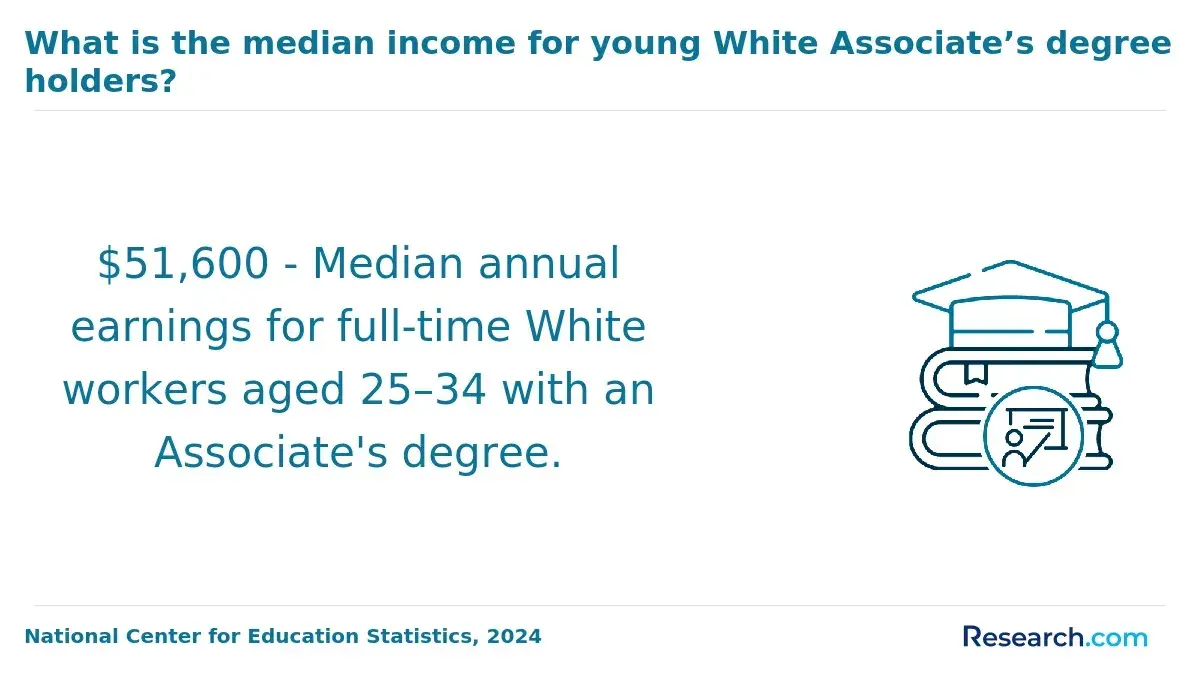
Graduates with a bachelor's degree in forensic science generally enter a job market showing steady demand fueled by law enforcement and legal investigation needs. Employment trends for forensic science bachelor's graduates indicate moderate salary ranges, with many roles accessible through a combination of degree qualifications and on-the-job training. These positions tend to have consistent workforce participation, with salary averages in the mid-$50,000s and variations depending on location and employer type. Such outcomes reflect a labor market where entry-level opportunities are available but advanced credentials can enhance job placement prospects.
Job market demand for forensic science degree holders varies widely across sectors and roles, influenced by regional funding, specialization requirements, and employer needs rather than a uniform trend. Careers in public agencies often feature structured pay scales, while private sector roles may offer a broader salary range tied to operational demands. Prospective students can explore diverse paths with varying job stability and compensation, and detailed insights can be found by reviewing top rated online nursing schools WGU resources for related workforce data.
What Graduates Say About Forensic Science Careers Even Without Pursuing Graduate School
- Tristan: "Graduating with a forensic science degree gave me a solid foundation in analytical techniques and crime scene procedures that employers really value. I was able to step directly into a lab technician role where my practical skills came in handy every day. Looking back, I'm really grateful the program focused so much on hands-on experience-it made the transition into the workforce feel natural and rewarding."
- Jesiah: "Starting my career without pursuing graduate school was a deliberate choice, and my forensic science degree certainly made that possible. The real-world applications and exposure to law enforcement collaborations prepared me well for entry-level positions. As one graduate put it, "It's the real practice behind the theory that opens doors," and I found that to be true in job interviews and on the job itself."
- Christopher: "My professional journey began immediately after earning a forensic science degree, and I can confidently say the program equipped me with both technical knowledge and critical thinking skills essential for early career success. Without the need for further study, I secured a position in evidence analysis quickly, benefiting from the program's emphasis on lab work and data interpretation. It's clear to me that this degree is a strong stepping stone for anyone eager to enter the field directly."
Other Things You Should Know About Forensic Science Degrees
In 2027, proficiency in technology is crucial for forensic science careers. Employers seek candidates with skills in digital forensics, data analysis, and using forensic software. Gaining certifications in relevant technologies can enhance job prospects, even without a graduate degree.
Many forensic science employers offer internships, apprenticeships, or entry-level trainee programs specifically designed for bachelor's degree holders. These programs provide practical experience and mentoring that can be crucial for building a career without attending graduate school. Such opportunities often serve as stepping stones into permanent roles.
While not always mandatory, certifications like the American Board of Criminalistics (ABC) or licensing vary by state and can enhance job prospects in forensic science careers for those entering the field with just a bachelor's degree.
References
- Top Forensic Science Career Guide | Forensic Science Online https://www.forensicscienceonline.org/top-careers/
- Explore Criminal Justice Certificate Programs https://www.criminaljusticedegreeschools.com/degrees/certificate/
- What can you do with a forensic science degree? https://www.wlv.ac.uk/news-and-events/wlv-blog/2023/april-2023/what-can-you-do-with-a-forensic-science-degree.php
- The Most In-Demand Criminal Justice Careers in 2025 https://www.allcriminaljusticeschools.com/blog/most-in-demand-criminal-justice-careers-for-the-next-decade/
- Main navigation https://careersportal.ie/careers/detail.php
- The Forensic Science Jobs You Can Pursue with Qualifications https://www.stonebridge.uk.com/blog/distance-learning/the-forensic-science-jobs-you-can-pursue-with-qualifications/
- Question: How do you get into doing a forensic science job once you have studied? https://archive.imascientist.org.uk/forensicm11-zone/question/how-do-you-get-into-doing-a-forensic-science-job-once-you-have-studied.html
- Top 10 Highest Paid Forensic Science Jobs https://www.careeraddict.com/10-high-paying-careers-for-majors-in-forensic-science
- Blogs https://aifset.com/blogs/career-opportunity-after-enterance-exam.html
- A Student’s Guide to Forensic Science Careers, Jobs, Skills, and Salaries https://criminaljusticeschoolscentral.com/careers/forensic-science-careers-jobs-skills-salaries/


