
2027 Fully Online vs Hybrid Forensic Psychology Degree Master's Programs: Which Is Better?

Co-Founder and Chief Data Scientist
Imagine a working professional aiming to earn a master's in forensic psychology without disrupting their full-time job. Choosing between fully online and hybrid formats poses challenges in balancing flexibility and hands-on experience. Recent data shows that 72% of graduate students enrolled in online forensic psychology programs report higher satisfaction due to accessibility, yet many stress the importance of in-person interactions for developing critical practical skills. This article examines the key differences between fully online and hybrid forensic psychology master's programs to help readers decide which format aligns best with their schedules, learning styles, and career ambitions.
Key Things to Know About Fully Online vs Hybrid Forensic Psychology Degree Master's Programs
- Fully online programs offer maximum flexibility, allowing students to attend classes from any location, which suits those balancing work or family commitments.
- Hybrid programs require periodic in-person sessions, enhancing face-to-face interaction and networking opportunities that fully online formats may lack.
- Students with rigid professional schedules often prefer fully online formats, while hybrid programs benefit those seeking structured engagement and hands-on experiences.
How Do Hybrid and Online Forensic Psychology Master's Programs Differ?
Fully online and hybrid forensic psychology master's programs mainly differ in instructional delivery, student engagement, and learning experience. Approximately 30% of graduate psychology programs now offer hybrid formats, which combine remote learning with some in-person elements. These differences influence how students interact with faculty, pace their studies, and access resources. Here are key distinctions between the formats:
- Learning Format: Fully online programs are either asynchronous or synchronous online-only, enabling students to study from any location. Hybrid programs blend online coursework with scheduled on-campus sessions, requiring a mix of remote and face-to-face learning.
- Residency Expectations: Hybrid programs typically require brief on-campus residencies or intensives, which support hands-on experiences and networking opportunities unavailable in fully online formats.
- Scheduling Structure: Fully online programs offer flexible deadlines and class times, while hybrid programs follow fixed dates for in-person sessions, necessitating travel and advance planning.
- Participation Methods: Online students participate through discussion boards and video meetings, whereas hybrid students benefit from both virtual and in-person collaborative activities.
- Campus Engagement: Hybrid students access campus resources and professional development opportunities during residencies, contrasting with the primarily virtual support available in fully online programs.
Students weighing hybrid forensic psychology master's programs vs fully online formats should consider their personal learning preferences and scheduling needs to select the best fit. Those interested in comparing related graduate options might explore a master's in speech pathology online, which shares similar considerations in program format and delivery.
Which Forensic Psychology Master's Program Format Is More Flexible?
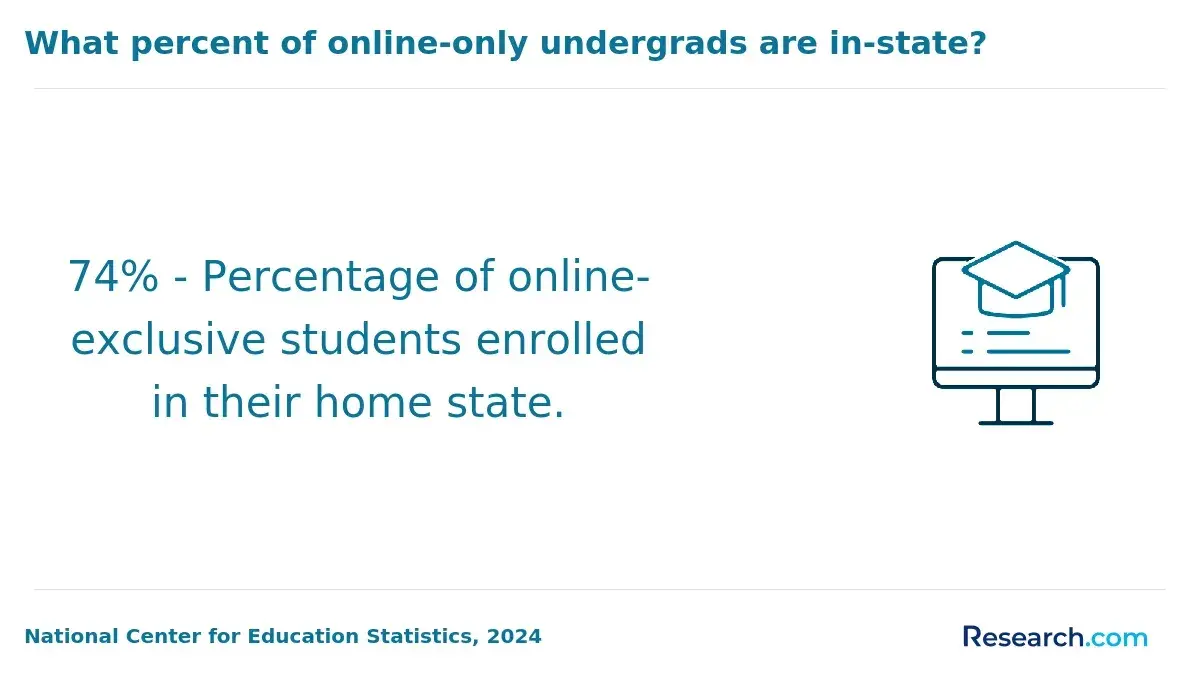
Flexibility is a key concern for students deciding between fully online forensic psychology master's programs and hybrid options. Recent data shows that about 50% of U.S. graduate students enroll in at least one online course, reflecting the rising demand for adaptable learning formats. The following factors highlight important differences in flexibility between fully online and hybrid forensic psychology master's degree schedules.
- Class Schedule: Fully online programs often offer asynchronous classes, allowing students to study at any time convenient to them. Hybrid programs usually feature fixed in-person sessions, which can restrict scheduling freedom for working professionals.
- Location Requirements: Students in fully online forensic psychology master's programs can participate from any location, whereas hybrids require regular travel to campus, which may pose logistical challenges.
- Course Pacing: Online programs frequently provide self-paced or accelerated tracks, which can be especially beneficial for those managing family responsibilities or full-time jobs. Hybrid formats tend to follow a more traditional semester pace.
- Attendance Expectations: Hybrid students must attend physical classes, reducing flexibility compared to online students who attend virtually. This difference significantly affects those balancing personal commitments.
- Travel Commitments: Fully online programs eliminate the need for commuting, while hybrid students must account for travel time and expenses. This can be a deciding factor for students prioritizing convenience and work-life balance.
Students seeking options to complete their degrees faster may want to explore accelerated edd programs online for insights into time-efficient learning paths.
Which Forensic Psychology Master's Program Format Is Cheaper?
Cost plays a major role for students deciding between fully online and hybrid forensic psychology master's programs. Studies show that tuition fees for online graduate programs are typically 10-15% lower than those for hybrid or on-campus formats. Several financial elements come into play when comparing overall affordability, including the following:
- Tuition Structure: Online programs often offer lower per-credit rates or flat tuition fees regardless of residency status, which can significantly reduce expenses compared to hybrid programs that might have varied rates.
- Campus-Related Fees: Hybrid students may face additional charges such as facility use fees or campus service costs, while fully online students usually avoid these extra expenses.
- Commuting or Travel Expenses: Attending in-person sessions requires travel costs for hybrid learners, including fuel, public transportation, or parking fees, increasing the total investment needed for their education.
- Housing Considerations: Some hybrid programs necessitate temporary lodging near campus, adding to the cost burden. Fully online students can often bypass this by studying from home.
- Technology and Learning Platforms: While fully online learners might need to invest more in reliable computers, software, and internet services, these costs generally remain lower compared to travel and housing outlays associated with hybrid options.
When asked about his experience, a graduate student enrolled in an online forensic psychology master's program shared how managing expenses was crucial during his studies. "Balancing work and coursework from home saved me from the monthly commute and extra rent I might have had near campus," he explained. Although he needed to upgrade his laptop to handle intensive research software, the upfront cost was less daunting than ongoing travel costs. He also remarked that online learning provided more flexibility but required discipline to stay motivated-challenges that, in his view, were worth the financial savings.
Does Financial Aid Differ for Online vs Hybrid Forensic Psychology Master's Degrees?
Financial aid options play a significant role for students deciding between fully online and hybrid forensic psychology master's programs. Approximately 85% of graduate students benefit from some form of financial assistance, but the availability and eligibility criteria can differ depending on the program format. Here are five important factors to consider when comparing financial aid in these formats.
- Eligibility Criteria: Fully online programs usually qualify for federal and state aid if offered by accredited institutions. Hybrid programs may require some on-campus participation, which can affect eligibility for certain aid types.
- Types of Aid: Both program formats typically allow access to federal loans, grants, and work-study opportunities. However, some state-sponsored grants might favor students enrolled in hybrid or in-person programs over those fully online.
- Institutional Scholarships: Schools often distribute scholarships equally to students in online and hybrid programs, though certain awards may specifically target on-campus learners.
- Federal or State Funding: Federal aid broadly supports accredited programs regardless of delivery mode, but state aid can depend on residency status and whether students attend in person or online.
- Employer Tuition Assistance: Employers commonly back both online and hybrid formats, yet they may require proof of program accreditation and flexible scheduling, which could influence approval between the two options.
For those exploring financial aid while pursuing a forensic psychology master's degree, comparing tuition assistance in hybrid versus online forensic psychology degrees is essential. Prospective students may also find resources related to a counseling bachelor's degree online helpful for broader financial planning.
Are Admission Requirements Different for Hybrid vs Online Forensic Psychology Master's Programs?
Admissions criteria play a crucial role when comparing hybrid and fully online forensic psychology master's programs. These standards shape who qualifies and how well a program matches an applicant's needs. Below are five important factors to examine when contrasting admission policies for these two formats:
- Academic Prerequisites: Both program types usually require a bachelor's degree from an accredited institution, often favoring backgrounds in psychology or related fields. Hybrid programs, however, may ask for specific coursework or practical experience aligned with their in-person learning elements.
- Professional Experience: Hybrid formats often emphasize relevant work or internship experience more heavily due to direct engagement expectations within classroom or lab settings. Online programs might allow more flexibility with this aspect.
- Letters of Recommendation: Strong endorsements are customary for both paths, reflecting academic skills and future promise. Hybrid options might favor recommendations highlighting interpersonal skills and teamwork suitable for on-site collaboration.
- Standardized Tests: Requirements like the GRE vary widely; many online programs waive these exams to encourage accessibility, whereas hybrid programs sometimes maintain stricter mandates to carefully evaluate smaller applicant pools.
- Application Deadlines: Online programs usually offer rolling or flexible deadlines to support diverse schedules. Hybrid programs tend to have firm cutoffs linked to cohort start dates and scheduled in-person components.
When asked about her experience navigating admission into a hybrid forensic psychology master's program, a professional reflected, "Balancing the need to present both academic credentials and solid interpersonal skills was more involved than I expected." She described the process as requiring thoughtful preparation of recommendations that highlighted face-to-face collaboration abilities, which felt different from her previous online program experiences. "It wasn't just about checking boxes," she noted; "the admissions team seemed keen on understanding how I'd engage on campus." Although challenging, she found this emphasis reassuring, feeling it aligned well with her desire for hands-on learning and peer interaction in a hybrid setting.
Is the Curriculum the Same in Online and Hybrid Forensic Psychology Master's Programs?
When deciding between fully online and hybrid forensic psychology master's programs, it's essential to recognize how the curriculum aligns or differs across these formats. A 2022 American Psychological Association survey found that more than 65% of forensic psychology graduate programs maintain nearly identical core curricula whether delivered online or in hybrid settings. Below are five important points detailing the similarities and variations in curriculum design between these two approaches.
- Core Course Content: Both online and hybrid programs usually cover foundational subjects such as criminal behavior, psychological assessments, and legal processes, ensuring students develop a strong base of knowledge regardless of format.
- Elective Options: Hybrid programs often offer a broader selection of electives by utilizing campus facilities and faculty expertise, whereas fully online programs may restrict electives due to virtual limitations.
- Project-Based Learning: Online students typically engage in digital simulations and virtual case analyses, while hybrid learners might participate in face-to-face group projects that foster collaboration and interpersonal skills.
- Capstone or Thesis: Both formats require comprehensive research projects or theses, but hybrid students generally benefit from more direct, in-person faculty mentorship and feedback opportunities.
- Experiential Components: Hybrid programs usually include mandatory on-site practicums or labs. In contrast, online formats accommodate this requirement through virtual internships or supervised local placements, adapting to remote access constraints.
How Are Exams Conducted in Fully Online vs Hybrid Forensic Psychology Master's Programs?
Prospective students in fully online forensic psychology master's programs should carefully consider exam formats as they impact study habits and scheduling flexibility. A recent survey revealed that over 70% of online programs use online proctoring to ensure exam integrity. The contrasts in exam delivery between fully online and hybrid formats involve several key factors, summarized below.
- Online Proctoring: Fully online programs rely heavily on remote proctoring software that monitors students via webcam and screen sharing during exams. This technology helps uphold academic honesty without requiring physical presence.
- In-Person Exams: Hybrid programs usually mandate exams be completed on campus or at approved testing centers, combining in-person supervision with online coursework for a blended assessment experience.
- Timed Assessments: Both formats implement strict time limits, but fully online exams often provide greater flexibility by allowing students to select testing windows within a specified timeframe.
- Open-Book vs Closed-Book Formats: Open-book exams are more common in fully online settings to accommodate remote testing conditions, while hybrid formats tend to favor closed-book exams conducted in person for enhanced control.
- Integrity Measures: Hybrid programs typically employ a layered approach, using both technological tools and physical proctors to maintain exam standards, whereas fully online programs depend primarily on software-based supervision.
Students enrolled fully online must adjust to continuous digital monitoring, which some find intrusive but essential for fairness. Those in hybrid programs may benefit from immediate support during in-person exams alongside online learning flexibility. Weighing these differences is crucial when selecting the learning environment best suited to your personal and professional goals.
Which Forensic Psychology Master's Program Format Offers Better Networking Opportunities?
Networking opportunities are a critical factor when choosing between fully online and hybrid forensic psychology master's programs. A 2022 survey by the National Association of Colleges and Employers revealed that 70% of job seekers found their most valuable professional connections through on-campus or in-person interactions. The following aspects highlight key differences in networking advantages between these program formats.
- Peer Interaction: Hybrid programs offer dynamic, face-to-face meetings that encourage spontaneous conversations and richer relationship-building. Fully online formats rely on forums and video calls, which can limit the depth and immediacy of peer connections.
- Faculty Engagement: In hybrid settings, students benefit from direct, in-person access to faculty, fostering stronger mentorships and opportunities for professional recommendations. Online students often engage during scheduled virtual office hours, which may reduce casual interactions.
- Alumni Access: Hybrid programs frequently host on-campus alumni events, allowing current students to build rapport with graduates in person. Fully online programs tend to provide virtual networks, which can lack the immediacy found in physical gatherings.
- Industry Events: Local conferences, workshops, and guest lectures are more accessible in hybrid formats, enhancing real-world networking experiences. Online students may miss these unless events are streamed or held virtually.
- Collaborative Projects: Hybrid programs encourage in-person teamwork, making group dynamics and idea exchanges smoother and more engaging. Online collaboration tools exist but may not fully replicate this level of interaction.
Those considering the differences in networking advantages might also explore affordability options when selecting a program. For insight into cost-effective paths in graduate education, prospective students can review the cheapest online masters degree offerings.
Choosing between hybrid forensic psychology degree programs and fully online forensic psychology master's programs depends on individual needs for professional connections, learning style, and career goals.
Are Job Placement Rates Different for Hybrid vs Online Forensic Psychology Programs?
Employment outcomes are a key consideration for prospective students comparing hybrid and fully online forensic psychology master's programs. According to a 2022 National Association of Schools of Psychology survey, approximately 75% of hybrid program graduates secured relevant positions within six months, compared to about 68% of fully online graduates. Several factors contribute to these differences in job placement rates.
- Industry Connections: Hybrid programs often build stronger relationships with local law enforcement and forensic agencies, providing students with valuable networking opportunities that can lead to job offers.
- Internship Access: Students in hybrid formats typically find it easier to participate in in-person internships and practicums, offering hands-on experience highly regarded by employers.
- Alumni Networks: More active and engaged alumni communities often exist within hybrid or on-campus programs, helping graduates discover job leads and receive mentorship.
- Career Services Support: Hybrid programs generally offer more personalized career counseling and tailored job placement assistance compared to fully online options.
- Regional Employment Opportunities: Studying near urban centers or forensic hubs benefits hybrid students by placing them in closer proximity to a dense job market specific to forensic psychology careers.
When comparing career outcomes for online and hybrid forensic psychology master's graduates, it is important to consider these experiential and networking advantages found in hybrid programs. Fully online programs offer flexibility, but those seeking enhanced job placement support may find hybrid formats more beneficial. Prospective students should also explore resources such as online psyd clinical psychology programs for additional insights on clinical psychology graduate education.
Does Program Format Affect Salary After Earning a Forensic Psychology Master's?
Salary potential plays a significant role for students choosing between fully online and hybrid forensic psychology master's programs. Data indicates hybrid program graduates tend to start with average salaries near $58,000, which is somewhat higher than the approximately $53,000 typical for fully online alumni. Several factors contribute to this salary variation:
- Networking Opportunities: Hybrid programs often provide more chances for face-to-face interactions, leading to stronger professional connections and job referrals that can boost earnings.
- Industry Connections: Participation in campus events and internships commonly associated with hybrid formats helps students build relationships with key employers, enhancing job prospects and salary offers.
- Program Prestige: Many hybrid programs are linked to well-established universities, and this reputation can positively influence employer impressions and compensation decisions.
- Experiential Learning: Access to in-person practicums and labs offers hands-on skills valued by employers, often reflected in higher starting wages.
- Geographic Flexibility: Fully online graduates may work in diverse regions with varying pay scales, while hybrid students might cluster in areas with higher salaries near their campuses.
What Graduates Say About Fully Online vs Hybrid Forensic Psychology Degree Master's Programs
- Marielle: "I chose a fully online forensic psychology master's program because I needed the flexibility to balance work and study without relocating. The cost was noticeably lower than similar hybrid options, which made it an economically smart choice for me. Since graduating, I've seen a clear advancement in my career opportunities, with employers valuing the specialized expertise I gained remotely."
- Alexis: "Opting for a hybrid forensic psychology degree allowed me to experience hands-on learning while still enjoying some online convenience. Although the tuition was slightly higher than fully online programs, the chance to engage directly with professors and peers was worth the investment. Reflecting on my journey, this program greatly enhanced my practical skills and boosted my confidence when working with forensic cases."
- Jude: "Pursuing my forensic psychology master's fully online was initially a practical decision driven by my busy schedule and family commitments. Cost savings compared to hybrid programs were a pleasant surprise and helped me avoid student debt. Professionally, the degree opened doors to advanced roles in forensic settings, proving that an online education can be just as impactful as in-person learning."
Other Things You Should Know About Forensic Psychology Degrees
Fully online Forensic Psychology master's programs can offer comprehensive theoretical knowledge, but hybrid programs often provide better fieldwork preparation through in-person, hands-on experiences. Hybrid students benefit from direct mentorship and networking opportunities crucial for fieldwork skills.
Both fully online and hybrid forensic psychology master's programs must meet the same accreditation standards established by regional and discipline-specific bodies. Accreditation ensures the quality and rigor of the curriculum regardless of delivery mode. Students should verify that their chosen program holds proper accreditation to guarantee credential recognition and eligibility for professional licensure or certification.
Hybrid programs often provide more frequent face-to-face interaction with faculty during on-campus sessions, which some students find beneficial. Fully online programs usually rely on email, discussion boards, and video conferencing to facilitate faculty communication. Response times and the nature of support can vary, so students should consider their preference for direct contact when choosing between formats.
References
- Online Master's Degrees in Forensic Psychology - No GRE Required https://www.forensicscolleges.com/blog/resources/no-gre-online-masters-in-forensic-psychology
- Online MSc Forensic Psychology (BPS) - Derby University https://www.staffordglobal.org/online-msc/forensic-psychology-masters-online/
- A Guide to On-Campus Vs. Online Forensic Psychology Programs https://www.thechicagoschool.edu/insight/career-development/online-m-a-forensic-psychology-programs-guide/
- Forensic Psychology Master’s Programs Online: Compare Schools https://www.onlinemastersdegrees.org/best-programs/psychology/forensic-psychology/
- Best Online Master’s In Psychology Programs For 2025 https://www.psychology.org/degrees/masters/
- Earning Your Forensic Psychology Degree Online | All Psychology Schools https://www.allpsychologyschools.com/online-degrees/forensic-psychology/
- Online Master's in Forensic Psychology for 2025 https://www.onlinepsychologydegrees.com/specialty/forensic-psychology/online-masters-degree/
- Forensic Psychology Master's Program (Degree Guide) https://www.allcriminaljusticeschools.com/forensic-psychology/forensic-psychology-master-degree/
- Master's Degree in Forensic Psychology https://www.monroeu.edu/academics/king-graduate-school/masters-forensic-psychology
- Earn Your Master’s in Forensic Psychology Online in One of These Best Programs https://www.onlinecolleges.me/psychology-degrees/masters/forensic-psychology/


