2027 Graphic Design Degree Programs You Can Start Without Meeting All Requirements

Co-Founder and Chief Data Scientist
Many prospective students face obstacles entering graphic design degree programs due to unmet requirements-such as insufficient GPA, incomplete prerequisites, or gaps in professional experience. These barriers can delay or prevent enrollment despite strong creative potential and career ambitions. Notably, the U. S. Bureau of Labor Statistics reports that graphic designers earn a median annual wage of $53,380, underscoring the career's financial viability when entry is secured.
This article explores legitimate pathways for early admission, including conditional acceptance policies, bridge courses, alternative credential evaluations, and institutional supports. It offers a detailed guide to navigating flexible admission and meeting ongoing academic standards.
Key Things to Know About Graphic Design Degree Programs You Can Start Without Meeting All Requirements
- Conditional admission often allows students with lower GPAs to enroll provisionally-requiring completion of specific courses or maintaining minimum grades within their first semester.
- Bridge and foundational courses provide essential skill-building for transfer students lacking prerequisite experience-facilitating smoother transitions into advanced graphic design curricula.
- Institutions may evaluate alternative credentials-such as portfolios or professional work experience-to grant early enrollment, recognizing diverse backgrounds beyond traditional academic records.
What Is the Minimum GPA Requirement for a Graphic Design Degree Program?
The minimum GPA requirement for a graphic design degree program varies widely by institution-ranging typically from 2.0 to 3.5 depending on the school's selectivity. Selective programs often require a GPA near 3.0 to 3.5, reflecting strong academic standards and competitive enrollment. Moderately competitive schools usually set minimum GPA thresholds between 2.5 and 3.0, balancing academic achievement with accessibility. Open-admission institutions may accept GPAs as low as 2.0, emphasizing portfolio strength and potential over strict GPA standards. These variations illustrate the typical GPA standards for conditional graphic design admission and highlight diverse entry pathways.
Admissions committees also evaluate grade trends, course rigor, and sometimes apply grade replacement policies, which can allow recent higher grades to substitute for earlier lower marks. This holistic evaluation provides opportunities for applicants improving over time or who have challenged themselves with advanced art or digital media classes.
Students with GPAs below posted thresholds should not presume automatic denial; it is advisable to:
- Consult: Speak with an admissions counselor to understand program-specific requirements and possible exceptions.
- Request: Ask for a holistic review that factors in portfolios, experience, and academic history alongside GPA.
- Explore: Inquire about conditional admission options, which may involve bridge courses or performance criteria before full acceptance.
These steps help many prospective students start their graphic design degree programs without meeting all requirements upfront. For those interested in alternative degree pathways, particularly adult learners or career changers, reviewing easiest EdD programs offers insight into flexible academic entry options in other fields.
Which Graphic Design Programs Accept Applicants on Academic Probation or With Academic Deficiencies?
Applicants with academic probation records or transcript deficiencies still have legitimate options for enrollment in graphic design degree programs accepting students with academic probation-though admission usually involves conditional or provisional acceptance based on specific academic benchmarks. Several regionally accredited colleges offer clear policies enabling students to start coursework while proving their ability to meet GPA and credit requirements.
- Midwestern State University (Regional Accreditation): This public institution admits undergraduate graphic design applicants on probation through a conditional track requiring a minimum 2.0 GPA by the end of the first term, which is limited to 12 credit hours. Advisor oversight includes biweekly meetings to monitor progress and provide support.
- Eastern Arts College (Regional Accreditation): Offering both undergraduate and graduate programs, this private college admits students on probation who must maintain a 2.5 GPA during a probationary semester capped at 9 credits. Academic counselors meet monthly with students to refine study plans and address challenges.
- Pacific Creative Institute (Regional Accreditation): For transfer students with transcript gaps, this institute provides a foundational bridge program before full admission. Conditional enrollment requires completing 6 credit hours with at least a 2.75 GPA, along with regular advisor check-ins focused on academic skill development.
- Southern Design University (Regional Accreditation): Graduate graphic design applicants may receive provisional acceptance following a rigorous review of professional history plus academic performance. Students must complete at least 3 credit hours with a minimum 3.0 GPA and participate in weekly advisor sessions balancing coursework and professional obligations.
- Northeastern Visual Arts College (Regional Accreditation): This college extends conditional undergraduate admission to students with incomplete prerequisites, permitting enrollment in up to 15 credit hours. A minimum 2.2 GPA is required, with quarterly academic reviews and personalized tutoring available.
Typically, these admission pathways involve strict GPA thresholds-ranging from 2.0 to 3.0-and credit limits designed to prevent students from becoming overwhelmed during their probationary term. Advisor involvement is vital, often requiring frequent progress reports or meetings to address difficulties early.
Applying for graphic design degree programs accepting students with academic deficiencies does not guarantee rejection. Thoughtfully framing your personal statement to highlight growth and determination-coupled with strong references-can be decisive factors for acceptance under these conditional tracks.
For those interested in alternative credential options or faster completion timelines, reputable associates degree online programs offer flexible routes that may complement traditional admission pathways.
How Do Conditional Admission and Provisional Enrollment Work for Graphic Design Degree Seekers?
Conditional admission and provisional enrollment offer distinct routes for students seeking a graphic design degree before fully meeting standard requirements. Conditional admission usually demands academic conditions-like completing prerequisite courses or maintaining a minimum GPA, often between 2.0 and 2.5, within one or two semesters. Failure to meet these standards can lead to probation or dismissal. For instance, a student might be asked to submit missing test scores during their first semester and earn at least a B-average in specified foundation courses to advance into the full program.
Provisional enrollment, by contrast, is generally a temporary, unclassified status granted when students need to complete administrative tasks such as submitting official transcripts or diploma verification. It typically carries fewer immediate academic demands but does not guarantee access to specialized graphic design classes until all documents are approved. Students usually have a semester to fulfill these requirements before their status is reevaluated for full admission. Prospective students should inquire about which conditions apply, the duration of the review period, and who oversees final admission decisions to navigate these pathways effectively.
A professional who completed his graphic design program shared that conditional admission felt challenging at first: "I had to juggle foundation classes alongside figuring out missing paperwork. The clear expectations actually kept me focused-my advisor was upfront about what I'd need to accomplish within the first semester. When I passed those initial courses with a solid GPA, the transition to full admission felt rewarding rather than punitive." He emphasized that early support and transparent communication were key in transforming a potentially stressful start into a success story.
What Alternative Admission Pathways Are Available for Graphic Design Programs When Prerequisites Are Not Met?
Students exploring conditional entry pathways for graphic design students without prerequisites should reach out proactively to department chairs or program directors. These alternative admission options may not be widely publicized online but often exist to support diverse applicants. Direct contact helps clarify specific expectations, required materials, and timelines-ensuring smoother navigation than relying solely on general admissions offices.
Portfolio Review: Many accredited institutions offer an alternative admission option through portfolio evaluation-an ideal route for programs such as Bachelor of Fine Arts (BFA), associate degrees, and certificate courses in graphic design. Applicants present a carefully chosen collection of original design projects that highlight creativity, technical skills, and conceptual depth. This process is overseen by dedicated faculty or admissions committees and may include interviews or presentations to assess artistic potential thoroughly.
- Types of programs: Bachelor of Fine Arts, associate degrees, certificate courses
- Documentation required: Curated portfolio showcasing original work
- Institutional support: Faculty panels or admission committees with interviews
Demonstrated Professional Experience: Applicants with relevant work experience in graphic design or allied fields often gain entry without meeting all academic prerequisites. This approach is common in professional continuing education and flexible degree tracks. Candidates must submit detailed resumes, recommendation letters, and samples from real-world projects. Departments typically collaborate with admissions to evaluate these credentials case-by-case, sometimes requiring supplementary materials or interviews.
- Types of programs: Professional and continuing education, flexible degree tracks
- Documentation required: Resumes, letters of recommendation, real project samples
- Institutional support: Personalized portfolio review and testimonial assessment
Prior Learning Assessment Credit: Some colleges provide academic credit through formal evaluations of prior informal learning or non-collegiate training in graphic design. Community colleges and universities with credit-for-experience policies recognize portfolios, course syllabi from outside programs, or certifications. Prior learning offices coordinate these assessments and credit awards under defined rubrics, allowing students to bypass standard prerequisites.
- Types of programs: Community colleges, universities with credit-for-experience policies
- Documentation required: Portfolios, non-collegiate course descriptions, certifications
- Institutional support: Prior learning assessment offices with structured evaluation processes
Placement Testing: Placement exams can replace prerequisite courses by demonstrating proficiency in design fundamentals or software tools. Degree and certificate programs with strict prerequisites may permit applicants who pass such tests to enroll directly in advanced classes. Testing centers and academic advising teams administer these exams and help students navigate suitable class placements.
- Types of programs: Degree and certificate programs with prerequisites
- Documentation required: Passing scores on design fundamentals or software proficiency tests
- Institutional support: Testing centers, academic advisors for exam administration and course guidance
For those needing the easiest associate degree to get, this outreach approach can reveal flexible opportunities not otherwise visible.
Which Graphic Design Programs Allow Students to Begin While Completing Remaining Prerequisites Concurrently?
Concurrent or co-requisite enrollment enables students to start degree-level graphic design courses while still completing required prerequisites-a distinction from conditional admission, which typically hinges on placing students on probationary status pending early academic progress. This option often benefits those who need to work through foundational subjects such as introductory statistics or research methods alongside initial graphic design studio or digital media classes.
Students selecting this pathway should anticipate a more demanding academic load, as they juggle both prerequisite and core coursework simultaneously. Success requires strong discipline, effective time management, and readiness to handle overlapping deadlines and increased study hours.
Determining if a specific graphic design program offers concurrent enrollment involves a few proactive steps: reviewing the official course catalog for policy statements, consulting academic advisors for tailored guidance, and securing a degree audit to clearly understand remaining course obligations before registering.
- Admissions Distinction: Concurrent enrollment permits simultaneous registration in prerequisite and core courses, while conditional admission monitors initial performance to confirm continued eligibility.
- Common Course Pairings: Prerequisites like statistics, research methods, or basic art theory are frequently paired with first-semester graphic design classes to expedite degree progress.
- Workload Impact: Balancing core content and foundational requirements increases academic intensity-preparing for longer hours and heightened focus is essential.
- Program Research: Consulting catalogs, advisors, and degree audits helps identify programs with flexible co-requisite policies.
- Time Management Strategies: Effective scheduling, prioritization of assignments, and use of campus resources such as tutoring or counseling support help students manage competing responsibilities.
A professional who built her career following a graphic design degree shared that managing concurrent enrollment was initially daunting-"Balancing a design studio alongside stats was a heavy lift, especially since each demanded creativity and analytical thinking." She emphasized that early communication with advisors and setting a structured weekly plan "made it possible to meet deadlines without burnout." Her experience highlights that programs allowing this flexible approach can be instrumental in helping motivated students progress even when prerequisites remain unfinished.
How Do Community College Partnerships Help Students Enter Graphic Design Programs Without Full Qualifications?
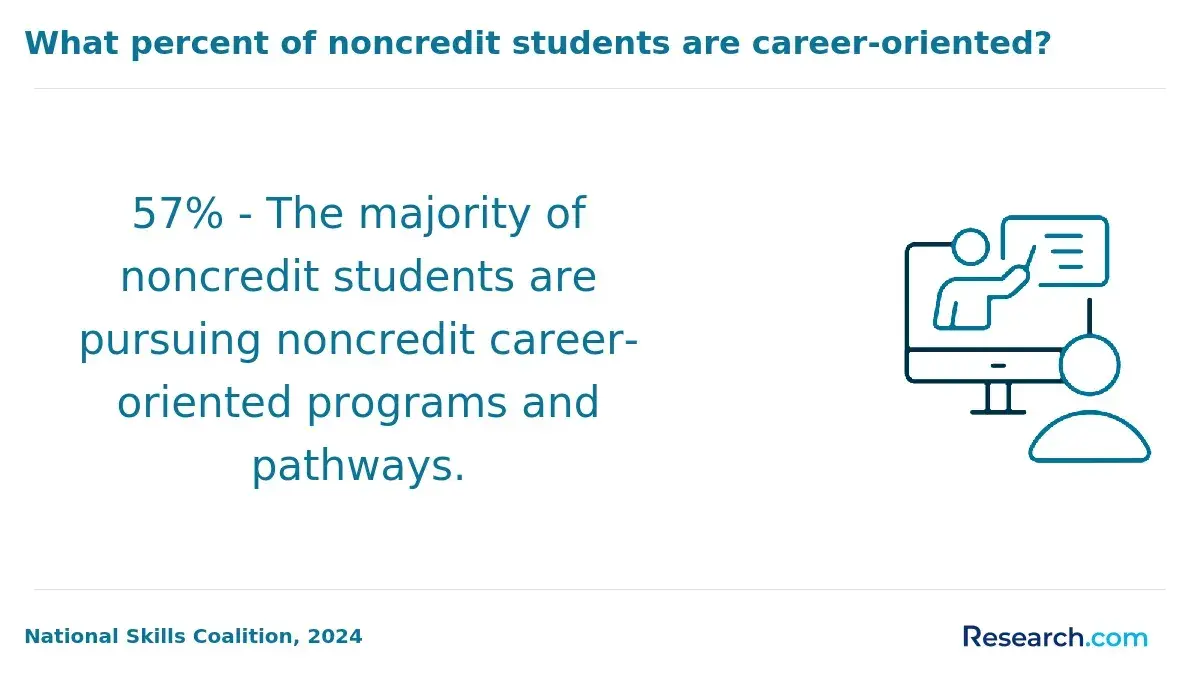
2+2 articulation agreements, dual-enrollment options, and community college pathway programs create important opportunities for students who have not yet met full admission criteria to begin relevant coursework in graphic design at a two-year institution. These structured agreements detail which community college courses fulfill bachelor's degree requirements-ensuring a smooth transfer into a four-year graphic design program without losing credit.
Such programs enable adult learners, career changers, and students rebuilding their academic record to develop critical skills early. Admissions committees look favorably upon community college work that reflects ability in foundational topics and shows academic improvement.
- Prerequisite Completion: Classes covering essential areas like drawing, color theory, and foundational digital graphics prepare students for more advanced study in design.
- GPA Rebuilding: Retaking courses or taking transferable general education classes helps improve academic standing and shows dedication.
- Skill Development: Training focused on software proficiency, portfolio creation, and creative problem-solving demonstrates readiness for program demands.
Prospective students should verify whether their desired graphic design program holds formal articulation agreements with local community colleges-details often found on institutional websites or through admissions counselors. If no formal agreement exists, many schools still offer individualized transfer evaluations or conditional admission based on coursework and portfolio review.
Transfer admission evaluations generally allow more flexibility than freshman admissions-factoring in growth and college-level success. Notably, a 2023 National Student Clearinghouse report found that nearly 45% of undergraduate transfers utilized community college credits toward their degrees, highlighting these pathways' expanding role in accessing graphic design education.
What Role Do Personal Statements and Letters of Recommendation Play in Gaining Graphic Design Program Access Without Meeting All Requirements?
When academic metrics like GPA or prerequisite courses don't fully meet admission standards for graphic design programs, personal statements and letters of recommendation become essential tools for applicants to showcase their potential. These elements provide a nuanced view of readiness-going beyond numbers to illustrate motivation and growth.
A compelling personal statement for conditional admission should offer an honest yet hopeful narrative of past academic challenges. It is crucial to acknowledge setbacks while focusing on lessons learned and personal development. Applicants should explain how previous experiences-whether professional projects, creative endeavors, or informal learning-have prepared them for the demanding nature of graphic design studies. Furthermore, describing why the chosen program aligns with their artistic goals and values strengthens their case, providing admissions committees with reason to trust their fit and commitment.
Recommendation letters carry significant influence when they come from supervisors or mentors with firsthand knowledge of the applicant's skills and intellectual abilities. These letters should avoid generic praise and instead include concrete examples showcasing work ethic, creativity, and growth potential relevant to graphic design. Admissions officers prioritize testimonials that affirm an applicant's ability to thrive despite incomplete academic records or gaps.
Which Graphic Design Programs Offer Bridge or Foundational Courses That Replace Unmet Admission Requirements?
Prospective students who fall short of admission prerequisites for graphic design degree programs often benefit from a range of bridge and foundational course options designed to replace or defer standard criteria. These pathways help students build necessary skills while maintaining progress toward full degree enrollment. Understanding these options is especially important for high school graduates below a specific GPA threshold, community college transfer students completing prerequisite coursework, adult learners re-entering education, and career changers with incomplete transcripts.
- Non-Credit Boot Camps: Usually offered by community colleges and some art schools, these short-term, intensive courses focus on foundational design skills without awarding academic credit. Completion is marked by a certificate of participation rather than formal transcript entry. Typically lasting weeks to a few months, boot camps provide an affordable way to quickly gain skills but require later enrollment in credit courses for degree progress.
- Post-Baccalaureate Preparatory Sequences: Found mainly at universities, these credit-bearing courses target adult learners or career changers who already hold a degree but lack key prerequisites. They appear on official transcripts and count toward degree requirements once completed. These sequences extend study by one or two semesters and involve tuition fees aligned with standard rates.
- Certificate-Level Prerequisite Bundles: Offered primarily by art institutes and some four-year colleges, these bundled courses compile several prerequisites into a formal certificate program recorded on the academic transcript. Typically lasting a semester or more, this option suits students needing extensive background work across multiple subjects and follows regular tuition pricing and academic calendars.
- Self-Paced Online Remediation Modules: Available through universities and hybrid institutions, these modules allow students to remediate specific skills flexibly online. They may be for credit or non-credit, with credited modules appearing officially on transcripts. Costs range from minimal fees to full tuition, supporting learners balancing education with other commitments.
Bridge programs for unmet requirements in graphic design are often not prominently displayed in marketing or program materials. Students should proactively inquire about foundational enrollment options and conditional admission policies when speaking with admissions offices. These discussions can clarify academic expectations, timeline impacts, and financial considerations, helping develop a clear path to full degree admission.
For students seeking flexible admission pathways-particularly those interested in programs like an online BA business administration-it's vital to explore all foundational courses and bridge structures offered by institutions before committing.
How Does Work Experience or Professional Background Substitute for Academic Requirements in Graphic Design Programs?
Many graphic design programs consider professional background as a substitute for academic requirements through holistic admission reviews. This approach benefits applicants who may fall short of GPA thresholds or lack some coursework but possess relevant work experience credit options for graphic design degree admission. Such programs recognize work directly related to graphic design as evidence of readiness and potential.
- Industry Certifications: Certifications from respected organizations in graphic design software or methodologies validate specialized skills and knowledge applicable to degree admission.
- Field-Specific Employment: Years of professional experience in graphic design roles provide practical expertise that offsets academic gaps.
- Leadership Roles: Positions involving project management or creative direction demonstrate maturity and critical thinking needed for advanced study.
- Published or Presented Work: Portfolios showcasing published designs, exhibitions, or presentations at industry events highlight tangible accomplishments.
- Volunteer Experience: Relevant freelance or community service projects reflect versatility and commitment within the graphic design field.
Applicants should prepare a professional resume tailored for academic audiences emphasizing responsibilities, outcomes, and relevant skills. Admissions committees often request supporting materials such as portfolios, letters of recommendation, or certification proof. References are most effective when they come from supervisors or clients who attest specifically to professional competence rather than academic performance.
A crucial caution: students must confirm their target program formally reviews non-academic credentials before dedicating effort to this evidence. Doing so ensures professional experience genuinely contributes to admission decisions without wasted effort. This verification is especially important for adult learners re-entering higher education or career changers with strong work histories but incomplete transcripts.
For additional guidance on flexible admission pathways in related fields, prospective students may explore ASHA approved online speech pathology programs, which illustrate how professional experience can complement academic prerequisites.
What Financial Aid and Scholarship Options Are Available to Conditionally Admitted Graphic Design Students?
Conditionally admitted graphic design students who enroll at least half-time can typically qualify for federal financial aid by submitting the FAFSA. Maintaining eligibility requires continual satisfactory academic progress-meeting GPA thresholds and course completion rates during conditional periods is essential to keep receiving this support.
Institutional Assistance: Many colleges offer scholarships and grants specifically aimed at students in provisional admission status. These awards help bridge gaps caused by unfinished prerequisite courses or academic shortfalls. Financial aid offices often provide tailored counseling to clarify how conditional enrollment influences aid packaging and restrictions.
Private Scholarships: Various foundations and organizations recognize non-traditional graphic design students-such as adult learners, career changers, or those with interrupted academic histories-with scholarships based on criteria beyond standard grades. These funds ease financial burdens while students complete foundational coursework and build their portfolios.
Support for Non-Traditional Students: Scholarship programs focused on life experience, demonstrated design commitment, and creative potential broaden access for those with incomplete transcripts or prior academic struggles. These initiatives prioritize portfolio strength and dedication over prior academic performance.
Advising Prior to Enrollment: Prospective students should consult both financial aid and academic advisors before enrolling conditionally. The interplay between aid packages and enrollment status can result in unexpected out-of-pocket costs if not carefully managed, making early planning key to a smooth transition into the program.
How Do Online Graphic Design Programs Compare to Campus-Based Programs in Admission Flexibility?
Online graphic design programs-especially those offered by large public university systems or for-profit colleges-often provide more accessible entry options than traditional campus programs. These include prerequisite waivers, conditional enrollment, and bridge courses, permitting students who haven't met all standard requirements to start coursework while completing necessary academics concurrently.
Many online programs allow initiation of foundational classes without all prerequisites completed, typically requiring successful completion within the first year. Continuation depends on meeting grade standards and academic progress benchmarks, ensuring students remain on track.
Conditioned students should assess available services carefully. Academic advising plays a crucial role in guiding course selection and maintaining enrollment eligibility. Though tutoring and supplemental instruction are traditionally more accessible on campus, online schools are increasingly investing in these supports. Disability accommodations and mental health resources also vary widely, making early inquiries essential for students requiring additional assistance.
Flexible admission policies do not imply reduced academic rigor. Both online and campus-based programs undergo regional accreditation reviews to ensure comparable degree outcomes and uphold academic standards. Prospective students should confirm a program's accreditation status before enrolling. Examining graduation rates and job placement data provides insight into program effectiveness, helping avoid choices based solely on admission ease.
What Graduates Say About Graphic Design Degree Programs You Can Start Without Meeting All Requirements
- Amanda: "Starting the graphic design degree without meeting every requirement felt daunting-but the program's clear performance benchmarks and academic expectations quickly helped me stay on track. The flexible timeline accommodated my busy schedule, and knowing exactly what I needed to achieve each semester kept me motivated and focused. I'm thrilled I took the chance-it truly prepared me for a creative career while holding me accountable throughout."
- Russell: "Reflecting on my journey, the conditional admission process was surprisingly encouraging. The academic obligations felt rigorous yet fair, giving me a clear roadmap to meet standards without feeling overwhelmed. The timeline was reasonable-I never felt rushed, but the steady pace pushed me to consistently improve my skills, which made the whole experience incredibly rewarding."
- Christian: "The structured approach to maintaining good standing in the graphic design program really appealed to me from a professional standpoint. The program sets precise performance benchmarks-which, once understood, provide an objective measure of progress and help manage expectations. The conditional start allowed me to demonstrate my commitment early on-the combination of timeline clarity and academic rigor ensured I remained focused and accountable throughout."
Other Things You Should Know About Graphic Design Degrees
Prospective students can strengthen their applications for early admission by submitting portfolios that demonstrate practical artistic skills-even if academic prerequisites are incomplete. Letters of recommendation from professionals or instructors familiar with the applicant's creative abilities also help. Some institutions accept standardized test scores or alternative credential assessments to compensate for missing coursework, allowing candidates to show readiness for program challenges despite gaps in formal education.
Programs often provide conditional admit students with tailored support, such as foundational or bridge courses that cover key knowledge areas before advancing to major classes. Academic advising and tutoring services help students stay on track and meet necessary performance benchmarks. Some schools also offer peer mentoring and access to workshops focused on design software proficiency and portfolio development, supporting students as they transition into full program status.
Transfer students entering a graphic design program from another discipline usually undergo a credit evaluation to determine which previous courses apply toward degree requirements. They may be required to complete additional foundational classes to close knowledge gaps. Conditional admission is common during this transition, giving students a clear timeline to fulfill prerequisites while beginning core design studies without delay.
References
- Online Design Courses vs Campus Design Education https://strate.in/online-design-courses-vs-campus-design-education/
- Didn't Get Into University? 5 High-Value Alternatives for 2026 https://www.oakfieldscollege.co.za/blog/what-to-do-if-you-didnt-get-into-university
- A Community College’s Guide to Building Strong Partnerships - Education Design Lab https://eddesignlab.org/resources/a-community-colleges-guide-to-building-strong-partnerships/
- Satisfactory Academic Progress Policy https://www.mcad.edu/policies/satisfactory-academic-progress
- Definition of HOW https://www.merriam-webster.com/dictionary/how
- Grading Policies https://www.artcenter.edu/about/get-to-know-artcenter/policies-and-disclosures/grading-policies.html
- Creativity in Practice https://en.akademiaslaska.pl/news/creativity_in_practice_what_opportunities_does_studying_graphic_design_offer
- Graphic Design Pathway Program Online | Open Colleges https://www.opencolleges.edu.au/products/graphic-design-pathway-program
- A Community College’s Guide to Building Strong Partnerships – Education Design Lab | Learn & Work Ecosystem Library https://learnworkecosystemlibrary.com/initiatives/a-community-colleges-guide-to-building-strong-partnerships-education-design-lab/
- Best Graphic Design Summer Programs for College Students in NYC or Live Online https://www.nobledesktop.com/topics/best-graphic-design-summer-programs-for-college-students