
2027 Hardest and Easiest Courses in a Health Sciences Degree Program

Co-Founder and Chief Data Scientist
Many students entering health sciences degree programs struggle to allocate their study time effectively, often overwhelmed by the variety of course demands. According to a National Center for Education Statistics report, nearly 40% of health sciences undergraduates consider course difficulty a major factor in their academic stress. This stress can hinder performance and delay graduation.
Understanding which courses tend to be the hardest or easiest can help students prioritize and manage their workload more efficiently. This article explores the relative difficulty of key health sciences courses, providing insights to support better academic planning and success.
Key Things to Know About the Hardest and Easiest Courses in a Health Sciences Degree Program
- Courses like anatomy and physiology are often hardest due to dense, technical content and high memorization demands exceeding 40% of Health Sciences students' reports.
- Public health and ethics courses typically rank easiest, benefiting from discussion-based assessments and less technical prerequisites, appealing to diverse student backgrounds.
- Workload intensity and exam formats greatly influence difficulty; practical labs challenge kinesthetic learners, while purely online courses may ease time management issues.
What Are the Hardest Core Courses in a Health Sciences Degree Program?
Certain core courses in health sciences degree programs stand out as more challenging due to their technical complexity, intensive workloads, and strict accreditation standards. These factors demand strong analytical skills, extensive memorization, and practical application.
Below is a list of some of the most challenging health sciences classes for students, which often require balancing multiple disciplines and rigorous assessments.
- Human Anatomy and Physiology: This course involves memorizing detailed body systems and understanding their functions, combined with practical lab work that tests application skills, making it notably demanding.
- Biochemistry: Students face advanced chemical theory and complex quantitative analysis, which requires a solid foundation in science and strong problem-solving abilities.
- Pathophysiology: It integrates anatomy, physiology, and biochemistry knowledge to explain how diseases alter normal body functions, demanding synthesis and critical thinking.
- Statistics for Health Sciences: Mastery of quantitative methods for analyzing health data is required, posing a significant challenge for those less confident in mathematics.
- Healthcare Ethics and Law: Students must navigate complex legal frameworks and ethical dilemmas, emphasizing thorough reading and case study analysis.
Students preparing for a health sciences degree should be aware of these hurdles to manage their academic workload effectively. For those considering further specialization, exploring options for an affordable pharmacist degree can also be a strategic step in their educational plan.
What Are the Easiest Required Courses in a Health Sciences Degree Program?
"Easiest" required courses in a health sciences degree program are those students tend to find more manageable due to their applied content, practical assessment styles, or alignment with prior knowledge, rather than due to a lower academic standard. Surveys indicate that about 65% of students in health sciences degree programs report better pass rates and higher engagement in courses with hands-on learning components.
This trend highlights how the easiest required courses in health sciences degree programs often balance academic rigor with practical relevance. Below are some commonly considered easier core classes.
- Introduction to Public Health: This course includes broad concepts and real-world case studies, making the material relatable and easier to digest for many students.
- Health Communication: With a focus on interpersonal skills and presentations, this class relies more on practical assignments than high-stakes exams.
- Nutrition Basics: Covering fundamental concepts connected to daily life, this course avoids heavy technical jargon, providing a straightforward learning experience.
- Healthcare Ethics: This class often involves discussion-based assessments rather than formal tests, making it more accessible to those who prefer interactive learning.
Students interested in accelerated paths may explore options like a medical assistant degree online 6 weeks, which can complement the easiest required courses in health sciences degree curricula by offering focused, rapid training. These choices help prospective and current students optimize their academic workload and progress efficiently.

What Are the Hardest Elective Courses in a Health Sciences Degree?
The hardest electives in health sciences programs are those widely recognized for their advanced technical material, substantial workloads, and comprehensive evaluations. "Hardest" here signifies courses that demand a deeper level of understanding, complex problem-solving, or extensive independent work.
Several electives stand out as particularly demanding for students pursuing health sciences degrees:
- Advanced Human Anatomy and Physiology: This course requires mastering detailed knowledge of body systems beyond introductory levels, including memorizing intricate structures and comprehending physiological interactions in depth.
- Biostatistics: Challenging due to its reliance on mathematical concepts, this course asks students to apply statistical techniques specifically within medical research contexts, demanding strong analytical and interpretive skills.
- Research Methods in Health Sciences: Students must design, execute, and analyze their own research projects, which involves critical thinking, rigorous methodology, and independent scholarly effort.
- Healthcare Ethics and Policy: This class tests students' ability to dissect complex ethical dilemmas and policy issues, requiring nuanced reasoning and well-supported argumentative writing.
- Pathophysiology: Integrating biology, chemistry, and physiology, this course challenges students to understand disease processes through detailed case studies and laboratory analysis.
These electives often push students to manage intensive content and refine analytical capabilities, making them highly challenging components of a health sciences curriculum.
What Are the Easiest Electives in a Health Sciences Degree Program?
"Easiest" electives in health sciences programs usually refer to courses with lighter demands, more practical or familiar content, and assessments that offer flexibility, making them less intense than core science classes.
Below are some electives students often find approachable and manageable.
- Introduction to Nutrition: This course emphasizes fundamental principles of healthy eating and dietary habits. Its content is relatable and less technical, focusing on everyday concepts rather than complex science.
- Medical Terminology: Centered on learning and memorizing common healthcare vocabulary, this course typically involves straightforward quizzes without heavy analytical requirements.
- Health Communication: Students develop skills to clearly convey health information, often assessed through projects or presentations, providing a break from traditional exams.
- Community Health: This elective offers insight into public health issues using case studies and group activities, making learning interactive and practical instead of overly theoretical.
- First Aid and CPR Certification: Hands-on training and certification replace written tests, shifting the focus from academic rigor to practical skill mastery.
One graduate of a health sciences program shared his experience: "When I took my electives, I appreciated that some courses allowed me to engage more actively rather than just memorize or write essays late into the night.
The hands-on certifications, especially, felt rewarding because I could directly apply what I learned. However, balancing group projects sometimes tested my scheduling skills more than the difficulty of the material itself.
Overall, picking electives that matched my strengths helped keep my workload manageable and reduced stress during busy semesters."
Which Health Sciences Classes Require the Most Technical Skills?
Some health sciences classes require advanced technical skills because of the complexity involved in both their theoretical content and hands-on applications. A survey found that about 65% of students in health sciences programs reported needing expertise in specialized software and laboratory techniques, highlighting the rising significance of technical skill requirements in health sciences classes.
Several courses demand the highest levels of technical proficiency, including:
- Medical Laboratory Techniques: This course emphasizes practical lab work, requiring students to operate microscopes, manage biological samples, and use diagnostic equipment accurately.
- Biostatistics: Students analyze complex health datasets using statistical software such as SPSS or R, calling for strong quantitative and computational skills.
- Health Informatics: This class centers on electronic medical records and health information systems, requiring familiarity with specialized databases, software, and applied problem-solving.
These demanding classes blend theoretical knowledge with practical experience, including simulations and technical troubleshooting, essential for success in evolving healthcare roles. Prospective students should note these technical skill requirements in health sciences classes when planning their academic paths.
Those interested in programs emphasizing healthcare management can explore options focused on administration, such as a health administration degree online.
Are Writing-Intensive Health Sciences Courses Easier or Harder?
Writing-intensive courses in health sciences often affect how students perceive course difficulty, with nearly 60% of students reporting that managing extensive research and writing tasks is the most challenging part of their studies. This workload can influence overall performance and requires a blend of skills that goes beyond memorizing content.
Several factors contribute to whether these courses feel easier or harder for students:
- Integration of skills: Students must combine complex scientific knowledge with advanced writing proficiency. This synthesis can be difficult, especially for those new to academic writing, as it demands clear, coherent, and well-organized presentations of technical material.
- Research demands: Extensive research is required to support assignments, involving finding credible sources, analyzing data, and proper citation. These tasks add significant complexity to health sciences writing assignments compared to traditional coursework.
- Time management: Balancing the dual workload of mastering content and producing quality writing requires effective planning. Students who struggle to allocate sufficient time to both areas may find these courses particularly demanding.
- Assessment style: Emphasis on essays and reports rather than exams can benefit students who prefer continuous evaluation. This style may reduce pressure from high-stakes testing and reward steady effort and improvement.
- Prior experience: Those with strong writing backgrounds or previous research practice often find these courses more manageable. Developing effective study and writing strategies can mitigate the perceived difficulty significantly.
Students exploring an online nursing program or similar health sciences fields should be prepared to meet these challenges. Understanding the unique demands of writing-intensive courses in health sciences can help set realistic expectations and improve academic success.
Are Online Health Sciences Courses Harder Than On-Campus Classes?
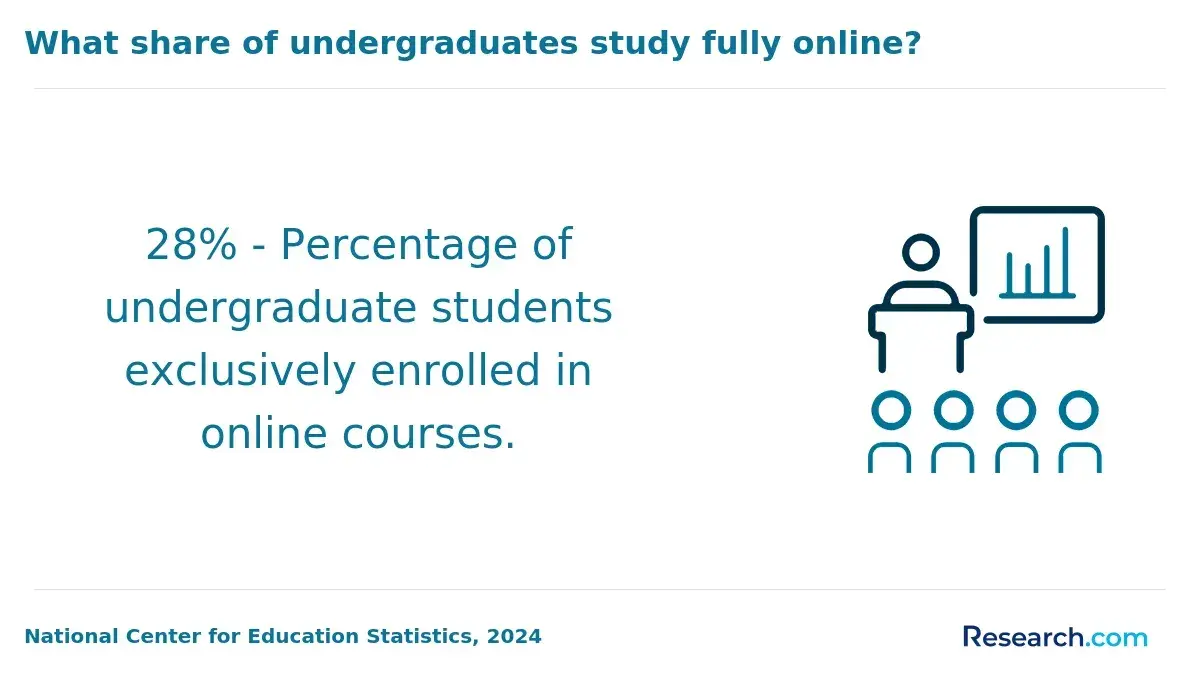
The format of health sciences courses significantly impacts how students perceive their difficulty. Around 65% of students report similar satisfaction between online and in-person courses, indicating varied experiences depending on individual circumstances. Several factors contribute to these differing perceptions.
Consider these key elements that influence the challenge of online versus campus-based health sciences programs:
- Self-discipline: Online learners need more personal motivation and time management skills. Without a structured classroom environment, staying on track can become a major obstacle for some students.
- Instructor interaction: The immediacy of in-person support is often missing online, making it harder to clarify complex topics quickly. Delayed feedback can slow down comprehension and progress.
- Resource availability: On-campus courses usually offer better access to labs and hands-on training essential for health sciences. Although some online programs use virtual simulations, these may not fully replace physical experiences.
- Flexibility: Studying online allows students to craft schedules around work and personal responsibilities. This adaptability can reduce stress and make balancing commitments easier.
- Assessment styles: Online courses often use open-book exams, essays, or projects rather than timed tests. These differing formats require distinct skills and may be easier or harder depending on the learner's strengths.
When asked about her experience, a graduate of an online health sciences program described the journey as both demanding and rewarding. She recalled, "Maintaining motivation was tough without face-to-face classes, especially during hectic weeks. Managing deadlines alongside family life required constant effort."
She valued the flexibility, noting it "allowed me to keep working while earning my degree," but also admitted, "I sometimes wished for more immediate interaction with professors." Her story underscores that while online health sciences courses can be challenging, they offer opportunities to develop independence and time management skills useful beyond academics.
How Many Hours Per Week Do Students Spend on Health Sciences Courses?
Weekly time commitment plays a crucial role in academic planning for health sciences students, who often dedicate between 15 to 20 hours per week to coursework. Surveys indicate that students typically spend about two to three hours outside of class for each credit hour, reflecting general credit-hour guidelines used across many higher education programs.
Several factors shape how students allocate this time during their studies.
- Course level: Higher-level courses usually demand more study hours due to advanced topics and greater expectations. These classes often require deeper understanding and more thorough preparation.
- Technical intensity: Classes that include lab work or clinical practice add practical components, increasing time spent outside of lectures for hands-on experience and skill development.
- Writing requirements: Assignments such as essays, reports, and research papers add significantly to weekly workload, especially in theory-focused classes that emphasize critical analysis and communication skills.
- Learning format: Online and hybrid courses often require students to manage their study time more independently. This flexibility can lead to variations in time commitment compared to traditional in-person classes.
- Student background: Prior knowledge in science or related fields can reduce the amount of time needed to grasp new concepts, while students new to the subject may spend more time reviewing foundational material.
Recognizing these factors helps students set practical expectations and create effective study schedules tailored to their individual challenges and course demands.
Do Harder Health Sciences Courses Affect GPA Significantly?
Course difficulty and GPA are closely linked concerns for students in health sciences programs, as harder courses can significantly lower academic performance. Research shows that average GPAs tend to drop by about 0.3 to 0.5 points in advanced health sciences classes compared to introductory courses.
This decline raises important questions, especially for students wondering if taking difficult health sciences classes lowers GPA.
Several key factors contribute to how more challenging health sciences courses impact GPA outcomes:
- Grading rigor: Advanced courses often implement stricter grading standards, requiring a deeper level of understanding and mastery of material to earn high marks, which can depress overall GPA.
- Assessment structure: These courses emphasize comprehensive exams, practical skills tests, and research projects, demanding broader competencies beyond simple memorization and multiple-choice tests.
- Course sequencing: Completing prerequisites and mastering cumulative content increase difficulty, as gaps in prior knowledge can negatively affect grades in higher-level courses.
- Student preparation: Effective study habits and time management are crucial; insufficient preparation can lead to poor outcomes, a common challenge reflected in discussions about the hardest health sciences courses and GPA impact.
- GPA weighting policies: Some institutions apply different weighting for higher-level courses, which may either amplify or buffer the effect of difficult classes on the overall GPA.
For students aiming to balance workload and academic success, exploring the cheapest DNP program online can offer options that fit various study commitments.
Do Harder Health Sciences Courses Lead to Better Job Opportunities?
Students frequently believe that more demanding health sciences courses improve their job prospects because employers tend to value candidates who demonstrate determination and advanced knowledge. A survey of healthcare employers found that 67% prefer applicants who have completed challenging academic programs, associating this with stronger problem-solving abilities and resilience in stressful settings.
Several reasons explain why pursuing tougher health sciences courses can affect employment opportunities:
- Skill development: More difficult courses require mastering intricate material and practical application, which helps students enhance critical thinking and technical abilities necessary for healthcare roles.
- Employer perception: Completing rigorous coursework signals to recruiters that a candidate is motivated and capable of managing the high-pressure conditions typical in healthcare environments.
- Internship and project exposure: Harder classes commonly incorporate labs, research, or hands-on projects that provide valuable real-world experience, increasing a candidate's appeal during hiring.
- Specialization signaling: Choosing advanced electives or focused topics highlights a student's dedication to a specific health sciences field, making them stand out in specialized job markets.
- Long-term career growth: The knowledge and perseverance built from challenging classes better equip graduates for continuous professional development and advancement opportunities.
Although challenging coursework alone does not guarantee employment, it plays a significant role in preparing graduates for the demands of the health sciences workforce and boosting employer confidence.
What Graduates Say About the Hardest and Easiest Courses in a Health Sciences Degree Program
- Robin: "Balancing challenging and straightforward courses in my online health sciences degree was a rewarding experience. While some classes demanded intense focus, the more manageable ones helped maintain my motivation throughout the program. Considering the average course cost was reasonable, the investment really paid off by opening new doors in my healthcare career. "
- Laurel: "The mix of rigorous and easier courses in my health sciences program taught me discipline and time management, especially since I was studying online while working full-time. The cost was a concern initially, but the value I gained, particularly in professional growth and job readiness, made it worthwhile. Reflecting on my journey, I feel well-prepared and confident in my field today. "
- Maren: "Completing an online health sciences degree meant navigating both demanding and simpler courses, which balanced well to keep the workload manageable. The course fees were competitive, which helped reduce financial stress. This degree has been instrumental in advancing my career, providing me with both knowledge and credibility in healthcare settings. "
Other Things You Should Know About Health Sciences Degrees
Several factors contribute to the difficulty of health sciences courses in 2027, including the complexity of the subject matter, course pace, and instructional methods. Topics requiring extensive memorization or understanding of intricate systems, such as advanced anatomy or biostatistics, are often considered harder. Additionally, courses demanding practical lab skills can add to the challenge.
Study groups can be instrumental in tackling challenging health sciences courses. They provide diverse perspectives, facilitate knowledge sharing, and enhance understanding through group discussions. By working collaboratively, students can tackle difficult concepts more effectively, thereby potentially improving their academic performance in 2027's toughest courses.
Time management is essential for success across all health sciences courses but becomes especially critical for more demanding ones. Harder courses typically require additional hours for reading, labs, and assignments. Students who plan their schedules carefully and allocate sufficient study time are better positioned to meet course requirements and reduce stress.
References
- What to Expect as a Health Science Major https://www.grace.edu/what-to-expect-as-a-health-science-major/
- The Toughest Courses in Medical School | AUA https://www.auamed.org/blog/difficult-courses-medical-school/
- Harder Course Level or Better GPA? https://talk.collegeconfidential.com/t/harder-course-level-or-better-gpa/1708700
- Is Health Science a Hard Major? https://www.northcentralcollege.edu/news/2022/08/19/health-science-hard-major
- 15 Hardest Degrees in the World | Oxford Summer Courses https://oxfordsummercourses.com/articles/hardest-degrees-in-the-world
- What Are the 5 Health Science Career Pathways? https://www.icevonline.com/blog/health-science-career-pathways
- Easiest and Hardest Science Majors (2025 Edition) https://empowerly.com/majors/easiest-and-hardest-science-majors-2/
- What do you learn in a bachelor's in health science? | edX https://www.edx.org/resources/what-do-you-learn-in-a-bachelors-in-health-science
- Why trust GlobalHealth Education? https://globalhealtheducation.com/au/resources/online-vs-on-campus-courses


