
2027 Weekly Start Online Degrees vs Self-Paced Accelerated Health Sciences Degree Programs

Co-Founder and Chief Data Scientist
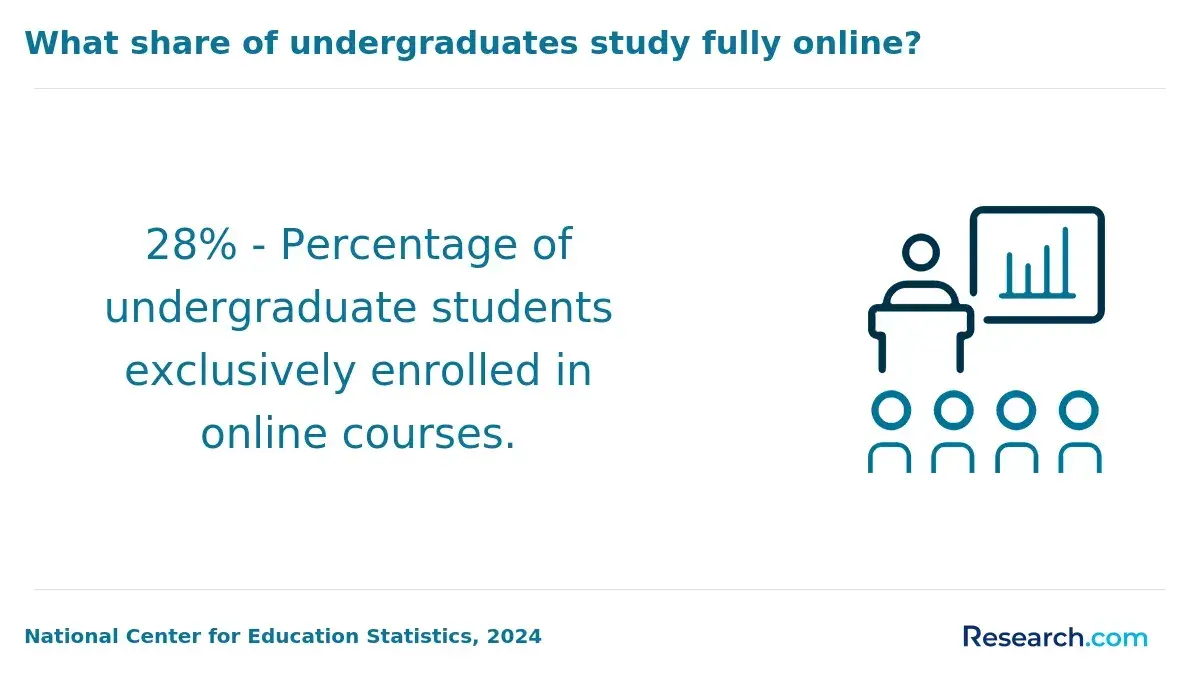
Many prospective students struggle to choose between weekly start online degrees and self-paced accelerated health sciences degree programs. According to the National Center for Education Statistics, over 30% of online bachelor's degree students enroll in accelerated or alternative scheduling formats, reflecting growing demand for flexible learning.
This article clarifies key distinctions in pacing, structure, and completion timelines between the two formats. It will also explore how these options impact career readiness and academic outcomes, helping readers make informed choices aligned with their professional goals.
Key Benefits of Weekly Start Online Degrees vs Self-Paced Accelerated Health Sciences Degree Programs
- Weekly start online degrees offer greater enrollment flexibility, allowing students to begin their health sciences education almost anytime, accommodating diverse schedules and accelerating program entry.
- Self-paced accelerated health sciences programs reduce overall tuition costs by shortening completion time, often leading to earlier workforce entry and increased lifetime earning potential.
- Both formats enhance student success rates by enabling personalized learning paces and minimizing scheduling conflicts, critical factors improving retention in rigorous health sciences curricula.
How Are Weekly Start Online Degrees and Self-Paced Accelerated Health Sciences Programs Structured?
Weekly start online degree programs offer a more structured approach with frequent enrollment options, while self-paced accelerated health sciences curriculum provides flexibility for learners who prefer to set their own pace.
The following comparison highlights key aspects of each format.
Weekly Start Online Degrees
- Course pacing: Time-structured and cohort-based, with students moving through material together on a set schedule.
- Term length: Typically runs 4-7 weeks, promoting focused, accelerated learning intervals.
- Assignment schedules: Weekly due dates ensure consistent engagement and accountability.
- Assessment methods: Regular quizzes and assignments are distributed evenly, avoiding high-stakes exams.
- Time commitments: Expect 15 to 20 hours weekly per course to keep pace with scheduled work.
Self-Paced Accelerated Degrees
- Course pacing: Flexible and individualized, allowing students to progress based on personal availability.
- Term length: Varies widely depending on learner speed, often with maximum completion windows of six to twelve months.
- Assignment schedules: Learners complete assignments on their own timeline, supporting varied personal schedules.
- Assessment methods: Flexible completion timing without fixed exam dates, emphasizing mastery over deadlines.
- Time commitments: Variable weekly hours tailored to student preferences and life circumstances.
These distinctions between weekly start online degree programs structure and self-paced accelerated health sciences curriculum shape how students engage with their studies.
Prospective students interested in specialized options might explore online DNP programs that often leverage these formats for health sciences education.
Are Weekly Start Online Health Sciences Programs Easier to Get Into vs Self-Paced Accelerated Programs?
Admissions ease is a key factor for students choosing between weekly start online health sciences programs and self-paced accelerated formats. While weekly start programs offer frequent enrollment opportunities, this does not always translate to easier acceptance.
Below are some common admission differences between these two program types:
- GPA Requirements: Both formats typically require a cumulative GPA between 2.5 and 3.0, ensuring academic readiness is consistent regardless of pacing.
- Prerequisite Coursework: Standard prerequisites like biology or anatomy are expected for all applicants, whether enrolling in weekly start online health sciences admissions or self-paced accelerated options.
- Standardized Tests: These are less commonly mandated but may play a role in holistic admissions evaluations, particularly for more competitive programs.
- Program Demands: Self-paced accelerated health sciences entry requirements often include demonstrating strong time-management skills and prior relevant experience due to the intensive course load.
Prospective students might also explore options for medical billing and coding financial aid to support their education within these online health sciences pathways.
How Long Does a Weekly Start Online Degree Take to Complete vs Self-Paced Accelerated Health Sciences Degree?
Completion time plays a critical role in shaping students' academic plans, financial commitments, and career advancement opportunities. Nearly 40% of online learners express interest in programs that allow flexible pacing to hasten graduation, highlighting a growing demand for adaptable options.
Comparing weekly start online degrees with self-paced accelerated health sciences degrees reveals distinct differences in scheduling and pace that affect duration.
- Term Length: Weekly start programs generally run on fixed 8- to 16-week terms aligned with traditional academic calendars, setting clear start and end points. Self-paced programs offer variable timelines, enabling students to spend more or less time on coursework depending on personal circumstances.
- Pacing Control: In weekly start models, courses follow predetermined schedules requiring students to keep pace with deadlines. Self-paced accelerated degrees give learners the autonomy to progress faster or slower, relying heavily on individual motivation.
- Credit Load: Full-time enrollment in weekly start programs reduces overall duration but can increase stress from a heavier course load. Self-paced options allow students to adjust credit loads dynamically, often balancing speed with manageable workload.
- Transfer Credits: Both formats accept transfer credits to shorten the path to graduation, but the impact depends on program policies and how quickly those credits are evaluated and applied.
- Enrollment Flexibility: Weekly start degrees feature frequent entry points throughout the year, enabling planned starts. Conversely, self-paced programs often permit immediate enrollment and continuous progression without waiting for fixed start dates.
When asked about his experience, a recent graduate of a self-paced accelerated online health sciences program shared that while the freedom to set his own pace was empowering, it also required intense personal discipline.
"There were moments I felt overwhelmed juggling work and study, especially without the structure of scheduled classes," he noted.
He described the process as both liberating and challenging, emphasizing how the ability to accelerate his studies depended on staying motivated and consistently managing deadlines independently rather than relying on a cohort's rhythm.
How Flexible Are Weekly Start Online Degrees vs Self-Paced Accelerated Health Sciences Programs?
Weekly start online degrees open enrollment on a frequent basis with structured timelines, whereas self-paced accelerated health sciences programs offer learners control over their study speed and timing. Comparing these models highlights how each supports different scheduling needs.
- Scheduling control: Weekly start programs have fixed deadlines and require adherence to a set schedule, limiting students' ability to adjust pacing. In contrast, self-paced programs allow learners to determine when and how quickly to complete coursework, providing full control over their study calendar.
- Pacing speed: Weekly start courses maintain a uniform pace, which can help establish routine but may feel restrictive. Self-paced formats enable faster completion or slower progress depending on personal circumstances.
- Start dates: Students in weekly start degrees can begin new courses frequently, typically every week. Self-paced programs accept enrollment year-round with no defined start times, offering greater entry flexibility.
- Assignment deadlines: Weekly start degrees enforce consistent deadlines creating structure and predictability. Self-paced learners often face flexible or open-ended deadlines, reducing pressure but requiring strong self-discipline.
- Instructor interaction: Weekly start formats usually include scheduled instructor engagement and cohort-based activities to foster interaction. Self-paced students may experience limited real-time contact and fewer collaborative opportunities.
- Progress flexibility: Self-paced accelerated programs let students pause or speed up as needed without penalty, accommodating fluctuating commitments. Weekly start degrees rarely provide options to alter progression once coursework begins.
Are Self-Paced Accelerated Health Sciences Degrees Harder Than Weekly Start Online Programs?
Students often weigh perceived difficulty heavily when selecting between self-paced accelerated health sciences degrees and weekly start online programs. This perception influences how well they believe they can manage academic challenges alongside life and work demands.
Comparing these formats highlights distinct factors shaping their relative difficulty.
- Workload intensity: Accelerated programs pack content into a shorter time, escalating pressure as students move quickly through material. Weekly start programs spread assignments more evenly over a longer period, which can ease the feeling of being overwhelmed.
- Pacing expectations: Self-paced learners control timing but must proactively stay on track, demanding strong time management. Weekly start courses have fixed deadlines and a steady rhythm, offering clearer structure but less scheduling flexibility.
- Self-discipline: Success in accelerated, self-paced courses hinges on consistent motivation and focus, as students drive their own progress. In weekly start programs, scheduled checkpoints encourage accountability, benefiting those who thrive with external pacing.
- Assessment structure: Accelerated formats often feature fewer, larger assignments concentrated near the end of terms, requiring sustained effort. Weekly start courses typically incorporate regular, smaller assessments, which can help monitor understanding but require ongoing preparation.
- Instructor interaction: Weekly start students usually experience more frequent contact with instructors and peers, supporting engagement and clarifying expectations. Self-paced students might encounter limited interaction, which can increase isolation and the challenge of independently resolving questions.
When asked about her experience, a graduate of a weekly start online health sciences degree reflected on the steady pacing as both a challenge and a benefit.
She explained, "Keeping up with weekly deadlines felt demanding at times, especially juggling family and work, but it pushed me to stay organized and never procrastinate."
The routine helped her maintain momentum without the intense bursts of cramming common in accelerated formats. She noted that frequent instructor feedback was reassuring, making the learning process feel less isolating.
Overall, she described her journey as challenging but manageable, emphasizing that the structure helped her succeed where self-paced might have required more self-drive than she had at the time.
How Does Grading Differ Between Weekly Start Online vs Self-Paced Accelerated Health Sciences Programs?
Grading methods significantly influence students' perceptions of workload, academic pressure, and expected progress in their health sciences studies. These elements are critical for managing time effectively and maintaining motivation, especially for adult learners juggling multiple responsibilities.
Comparing grading approaches between weekly start online programs and self-paced accelerated programs reveals distinct differences in structure and delivery.
- Assessment frequency: Weekly start programs feature frequent evaluations such as weekly quizzes and assignments to ensure constant engagement, while self-paced accelerated programs consolidate assessments into larger module-end projects, reducing the number of grading events.
- Mastery requirements: Weekly start students must demonstrate understanding on a weekly basis to proceed, promoting continuous learning, whereas self-paced learners show cumulative mastery across broader content blocks, enabling flexible pacing.
- Pacing of evaluations: Fixed deadlines in weekly start formats create a steady rhythm and consistency, in contrast to self-paced accelerated programs where deadlines can be adjusted, allowing students to speed up or slow down based on personal schedules.
- Feedback timing: Weekly start students typically receive quick and regular feedback to help improve subsequent work, whereas feedback in self-paced programs may come less frequently, reflecting the less predictable submission patterns.
- Grading flexibility: Structured and rigid pacing characterizes weekly start programs, requiring adherence to set timelines. Conversely, self-paced accelerated programs offer greater adaptability, supporting varied progress rates without penalty.
Each grading style fits different learner preferences, making it essential for students to assess how these factors align with their own study habits and life commitments before selecting a health sciences program format.
How Does Tuition Compare Between Weekly Start Online and Self-Paced Accelerated Health Sciences Programs?
Tuition models play a significant role in shaping students' financial planning and affordability when selecting online degree programs. Understanding how different structures impact costs can help students make informed decisions that align with their schedules and budgets.
- Pricing Structure: Weekly start programs typically charge tuition per credit hour or course, allowing payment in smaller increments. In contrast, self-paced accelerated formats often use a flat fee for a subscription period, such as six or twelve months.
- Time-to-Completion: Self-paced accelerated programs encourage faster completion by providing nonstop access during subscription periods. Weekly start formats offer more flexible pacing but may extend overall program duration.
- Cost Predictability: Weekly start models offer predictable expenses by spreading tuition across frequent enrollments. Self-paced options may require payment for full subscription periods regardless of course load.
- Course Intensity: Self-paced accelerated formats demand steady, intensive progress, while weekly start programs accommodate lighter, staggered course loads.
- Additional Fees: Both models may include technology or administrative fees that vary by institution, adding to overall costs.
- Transfer Credits and Prior Learning: Both pathways often accept transfer credits and prior learning assessments, which can shorten program length and reduce tuition.
Do Weekly Start Online Health Sciences Degrees Offer More Instructor Support Than Self-Paced Accelerated Programs?
Instructor support and academic guidance greatly influence student success, engagement, and retention in online health sciences degree programs. Students who perceive a strong instructor presence generally report higher satisfaction and better performance.
Below is a comparison focusing on key aspects of instructor support in both formats.
- Instructor Availability: Weekly start online health sciences instructor support typically involves more consistent and predictable access to instructors, who manage cohorts progressing together. In contrast, self-paced accelerated health sciences program guidance tends to offer less frequent live contact, with communication often occurring via asynchronous channels.
- Response Times: Weekly start programs usually provide faster responses to questions and assignment feedback, often within 24 to 48 hours, while self-paced programs may require several days due to flexible schedules.
- Structured Interaction: Weekly start formats emphasize structured interaction through scheduled lectures and office hours, fostering a regular rhythm of engagement. Self-paced programs offer greater autonomy with less formal interaction opportunities.
- Live Communication Opportunities: In weekly start programs, live sessions such as real-time lectures and discussions are common, supporting synchronous learning. Self-paced formats rely more on recorded materials and delayed instructor responses.
- Academic Advising Touchpoints: Advising in weekly start degrees is typically periodic and aligned with the cohort's progress, helping guide students systematically. For self-paced programs, advising is often provided on an as-needed basis and may be more limited.
- Student Independence Expectations: Self-paced accelerated formats expect students to manage their own pacing and reach out proactively for support, whereas weekly start programs offer more direct oversight and structure.
Students interested in exploring flexible options can consider programs like the healthcare administration degree online, which may present a variety of scheduling and support models suitable for differing needs.
Do Employers Prefer Weekly Start Online or Self-Paced Accelerated Health Sciences Degrees?
Employer perception of online health sciences degree programs plays a crucial role in shaping career outcomes. How a program is viewed can influence hiring decisions and job readiness assessments, making it important for prospective students to understand these preferences.
- Perceived Rigor: Weekly start online health sciences degrees often signal structured rigor through regular assessments and cohort pacing, which employers may see as indicative of consistent effort and discipline.
- Completion Timelines: Self-paced accelerated programs highlight the ability to manage and expedite deadlines, appealing to employers seeking candidates who adapt quickly in dynamic healthcare environments.
- Time Management Skills: Structured weekly start formats emphasize steady progress and discipline, whereas self-paced programs demonstrate autonomy and self-motivation in managing one's own schedule.
- Adaptability: Employers may favor accelerated, self-paced formats for showcasing flexibility and rapid knowledge acquisition, traits valuable in fast-moving health sciences roles.
- Collaboration Experience: Weekly start programs often incorporate cohort interactions and group projects, giving evidence of teamwork skills, while self-paced formats might lack these structured collaborative opportunities.
- Alignment with Workforce Needs: Both formats must clearly communicate how they prepare students for real-world health sciences demands; employers value online degrees that align with industry requirements and demonstrate readiness for job responsibilities.
For students exploring options, programs like the cheapest online healthcare administration degree provide affordable pathways while maintaining relevant skill development aligned with workforce expectations.
Is There a Salary Difference Between Weekly Start Online vs Self-Paced Accelerated Health Sciences Degrees?
Research shows that health sciences graduates from various online program formats often achieve comparable starting salaries, but career earnings accelerated health sciences online programs may influence long-term income trajectories.
- Employer Perception: Weekly start online degrees typically follow structured academic calendars resembling traditional programs. Employers may view this as a sign of steady progress, potentially enhancing early career opportunities. Self-paced accelerated programs, however, require strong self-discipline, and employers may scrutinize these graduates more carefully when assessing readiness.
- Time-to-Completion: Accelerated programs enable students to finish their degrees faster, often reducing education expenses and allowing quicker entry into the workforce. Completing a degree sooner can lead to earlier salary increases and a faster return on investment compared to weekly start formats.
- Skills and Competencies: The depth and applicability of skills gained in the program affect salary growth. While weekly start programs offer consistent pacing, self-paced learners must independently master material, which can showcase initiative but may also cause gaps if not managed effectively.
- Career Advancement Opportunities: Employer recognition of program type influences promotions and salary growth. Graduates from both formats can advance, but those from accelerated paths who demonstrate continuous skill development may experience faster salary increases.
- Return on Investment: One study indicated that graduates of accelerated health sciences programs reported up to a 10% faster salary increase within five years versus peers from traditional paced formats. This highlights how the choice between weekly start online versus self-paced formats can impact financial outcomes over time.
Prospective students interested in further academic advancement might explore the most affordable BSN to DNP programs online, which can complement their chosen pathway and potentially enhance earning potential.
What Graduates Say About Their Weekly Start Online Degrees vs Self-Paced Accelerated Health Sciences Degrees
- Nahid: "Choosing the weekly start online health sciences degree program was a game-changer for me. The flexibility of starting any week allowed me to balance work and study without losing momentum. Although the average cost of attendance can be daunting, I leveraged employer tuition assistance and manageable monthly payments, which made the investment worthwhile. Since graduating, I've moved into a coordinator role, thanks to the practical skills and timely coursework."
- Devin: "I opted for the self-paced accelerated health sciences degree program because I wanted to finish as quickly as possible without compromising quality. The upfront cost was high compared to some other options, but I saw it as an investment in my future. Reflecting back, that ability to progress at my own speed was crucial, and it directly contributed to my promotion within six months of completion. The program truly prepared me for real-world challenges."
- Rana: "With a busy family life, the weekly start online health sciences degree was ideal-it meant I didn't have to wait months to begin and could fit studies around my schedule. I carefully budgeted to cover tuition, exploring scholarships and financial aid options to ease the burden. The steady pace helped me retain information better, and securing a new role in healthcare administration confirmed that the program accelerated my career path professionally."
Other Things You Should Know About Health Sciences Degrees
Weekly start online degree programs often follow standard tuition schedules similar to traditional courses. In contrast, self-paced accelerated programs may allow for quicker course completion, potentially reducing overall costs by requiring fewer semesters. However, both program types might include varying fees for resources, technology, or examinations, impacting the total expense.
Weekly start online degrees typically follow a structured schedule with set weekly deadlines, fostering consistent engagement and interaction. Self-paced accelerated health sciences programs, however, offer flexibility, allowing students to progress at their own pace, which may lead to varied levels of engagement depending on individual motivation and time management skills.
References
- Online Accelerated Hub - Grad Programs - EWU - The Region's Polytechnic https://www.ewu.edu/grad/online-accelerated/
- STU | Realistic Fast-Track RN-BSN Programs for Aspiring Nurses https://online.stu.edu/degrees/healthcare/rn-to-bsn/6-month-versus-12-month-programs/
- Online Accelerated College Degrees https://www.affordablecollegesonline.org/college-resource-center/accelerated-degrees/
- Inside Accelerated Health Science Degrees Online https://www.edumed.org/online-schools/health-science-degrees/accelerated/
- Science Prerequisites for Health Professions https://online.une.edu/science-prerequisites/
- Accredited Self-Paced Online College, Online Self-Paced College | MSU Denver https://www.msudenver.edu/innovative-lifelong-learning/self-paced-online-courses/
- Self-Paced Online Degree Programs https://www.umassglobal.edu/why-umassglobal/flexible-ways-to-learn/self-paced
- Getting Ahead: Advantages of an Accelerated Semester | American College of Healthcare Sciences https://achs.edu/blog/getting-ahead-advantages-of-an-accelerated-semester/
- Accelerated Sciences | Quality Education at an Accelerated Pace https://acceleratedsciences.scuhs.edu/
- Guide to Online Accelerated Degree Programs https://www.onlineu.com/resources/accelerated-degrees


