
2027 Return on Investment (ROI) of a Health Sciences Degree Program

Co-Founder and Chief Data Scientist
Choosing to pursue a health sciences degree can pose a dilemma for many due to the significant financial and time investment involved. For example, despite steady job growth, the average student loan debt for health sciences graduates in the U.S. reached over $38,000 in recent years, raising concerns about return on investment.
The healthcare industry is evolving rapidly, with varying demand across specializations, complicating career decisions. This article explores the ROI of health sciences degree programs by analyzing employment trends, salary prospects, and education costs to guide prospective students and professionals in making informed choices about their education and career paths.
Key Things to Know About Health Sciences Degree ROI
- Graduates with a health sciences degree earn a median annual salary 20% higher than those without a degree, reflecting substantial earning potential early in their careers.
- The degree opens pathways to diverse roles in healthcare, research, and administration, enhancing career advancement opportunities and long-term job security.
- Health sciences professionals experience steady salary growth, averaging 3-5% annually, supported by industry demand and flexibility across multiple sectors.
How Is ROI Calculated for a Health Sciences Degree Program?
Return on investment in higher education measures the financial benefits a student gains from completing a degree compared to the total costs and time invested. It helps students weigh a program's expenses and duration against potential career and salary outcomes to determine if pursuing the degree makes economic sense.
Several key factors are used when calculating return on investment for health sciences degrees to assess program value clearly:
- Tuition and Fees: This encompasses all direct educational expenses including tuition, textbooks, supplies, and additional fees. These upfront costs serve as the baseline investment evaluated against future earnings.
- Opportunity Cost: The income a student misses while attending school instead of working full-time. This lost wage during the program is essential for understanding the true financial trade-off of the degree.
- Time to Completion: Longer programs increase opportunity costs and delay income growth. Efficient completion can improve the overall return by shortening the time before earning potential begins.
- Post-Graduation Salary: Average starting salaries and long-term salary growth for graduates affect ROI by projecting the financial returns after finishing the program, making earnings a major consideration in health sciences degree program cost versus earnings.
- Career Advancement: Potential promotions, specialized roles, and increased earning opportunities over time elevate the long-term value beyond initial salaries, influencing the overall lifetime financial benefit.
For prospective students exploring options, access to affordable programs such as an online pharmacy school can also influence the investment calculus by reducing upfront costs while maintaining career prospects.
How Much Does a Health Sciences Degree Program Cost?
Calculating the full expense of a health sciences degree program is vital for assessing its return on investment, especially as graduate tuition continues to rise by about 3% annually. With student debt levels increasing, knowing what costs lie ahead helps students make informed financial decisions.
Below are key cost factors that shape the overall investment and potential payoff.
- Tuition and fees: This is typically the most significant cost, covering instruction and administrative expenses. Prices vary considerably based on whether the program is public or private and its geographic location.
- Books and materials: Specialized textbooks, lab supplies, and equipment essential for coursework contribute to the total cost and often require frequent updates.
- Living and relocation expenses: Housing, transportation, and daily living costs, as well as any moves required for attendance, can substantially increase the financial commitment.
- Opportunity cost: Forgone wages or reduced work hours while studying full-time affect financial returns and must be weighed along with direct expenses.
- Hidden or indirect costs: Additional charges such as licensing exam fees, technology requirements, and certification expenses can accumulate unexpectedly.
A health sciences degree graduate I spoke with described the financial strain as a balancing act. "Managing tuition alongside daily expenses was stressful," he recalled, "especially since I needed to cut back on work hours to keep up with my coursework."
He also mentioned surprise costs, like buying specific software and paying for certifications that weren't clear upfront. Despite these challenges, he felt the investment was worthwhile but emphasized the importance of detailed budgeting before enrolling.

What Financial Aid Is Available for Health Sciences Degree Programs?
Financial aid reduces initial expenses for students pursuing a health sciences degree, enhancing long-term return on investment by lowering debt and out-of-pocket payments. Studies show that approximately 85% of graduate students in the U.S. receive some form of financial aid, underscoring its role in education financing.
Several types of financial assistance are commonly available to health sciences students, each influencing affordability and ROI differently:
- Scholarships: These awards do not require repayment, directly decreasing overall education costs, which helps students avoid excessive borrowing and improves financial outcomes after graduation.
- Grants: Often based on financial need, grants reduce loan dependency and total debt by offsetting tuition expenses, thereby increasing the net benefits of the degree investment.
- Fellowships: Offering stipends in exchange for research or teaching, fellowships support living costs and reduce the need for loans, which can lead to quicker debt repayment.
- Employer Tuition Assistance: Some employers provide tuition reimbursement, lessening educational expenses and shortening the time needed to pay off debts while working.
- Federal Loans: Though repayment is required, federal loans typically feature lower interest rates and flexible plans, aiding in manageable post-graduation debt and safeguarding long-term financial health.
How Long Does It Take to Complete a Health Sciences Degree?
The length of time required to finish a health sciences degree significantly influences its ROI by affecting opportunity costs, the timing of earning potential, and overall expenses. Completing the degree sooner allows for earlier entry into the workforce, increasing lifetime income, and offsetting educational costs.
Conversely, extended programs can delay income and elevate total costs, diminishing financial gains. Several factors shape how long it typically takes to complete a health sciences degree and thereby impact ROI:
- Enrollment status: Full-time students generally complete their studies faster but face heavier workloads, which may limit opportunities to work part-time, increasing opportunity costs. Part-time study extends degree length but allows for income during studies.
- Program format: Online and accelerated options can shorten program duration by offering increased flexibility and condensed coursework, supporting faster graduation and reducing total expenses.
- Transfer credits: Prior coursework or relevant certifications can reduce required classes, shortening the degree timeline and saving both time and money.
- Practical requirements: Internships, clinical placements, or thesis projects often extend completion time but provide valuable hands-on experience that can enhance employability and future earning potential.
- Scheduling flexibility: Evening or weekend classes accommodate working students but may lengthen the program, postponing financial returns.
When asked about how long it took to finish her health sciences degree, a recent graduate reflected on the balancing act between study and work. "I initially planned to go full-time but switched to part-time after realizing I needed to maintain my job," she explained. "It stretched my timeline beyond four years, which was stressful, but the income helped cover living expenses and tuition."
She also noted that completing a required internship delayed graduation but was invaluable in building confidence and connections. "It wasn't easy managing everything, but in hindsight, taking extra time paid off by preparing me better for my career." This experience highlights how individual circumstances shape the timeline and ultimate ROI of earning a health sciences degree.
Is ROI Higher for Online or On-Campus Health Sciences Programs?
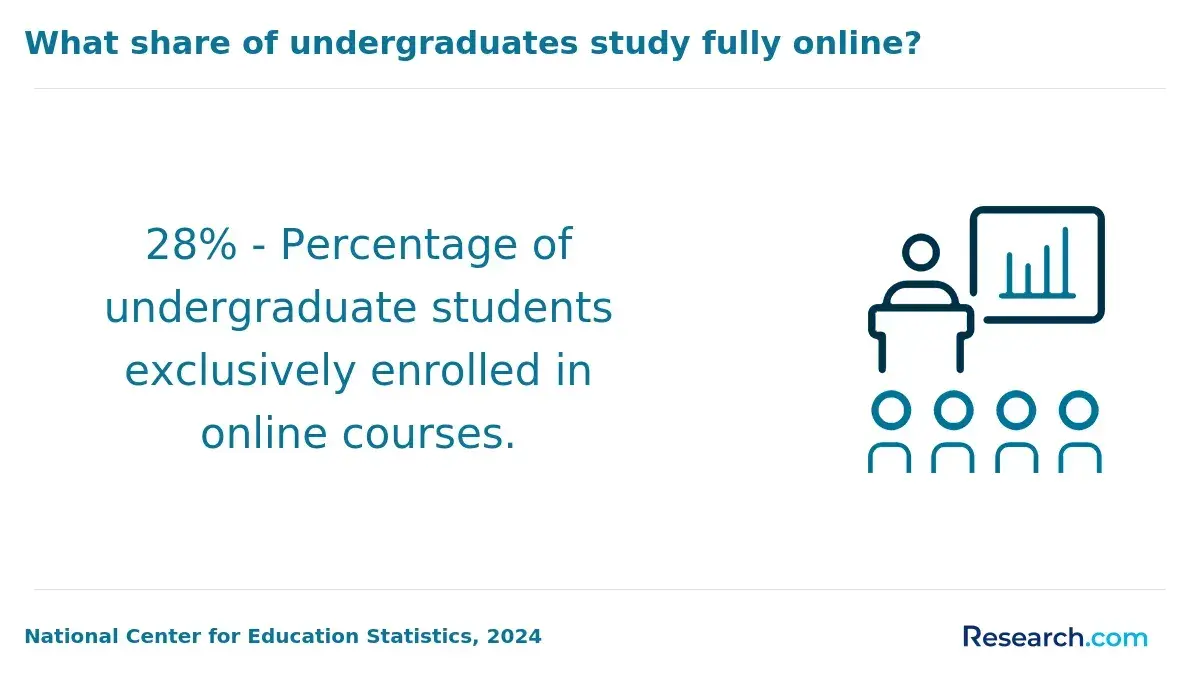
The return on investment for health sciences programs can significantly differ depending on whether the program is online or on-campus due to variations in cost, flexibility, and career outcomes. In fact, a National Center for Education Statistics report found that 40% of postsecondary students were enrolled in some form of distance education, highlighting the growing acceptance of online learning.
Several key factors influence the comparative ROI of online versus on-campus health sciences degrees. Consider these points when evaluating accredited programs:
- Tuition and fees: Online programs generally have lower tuition and fees, and they eliminate relocation or commuting expenses, reducing overall financial burden.
- Opportunity cost: Flexibility available in online programs allows students to maintain employment while studying, lowering opportunity costs and potentially increasing ROI.
- Time to completion: This varies by program but is often similar between online and on-campus options.
- Networking and career services: On-campus programs typically offer stronger networking opportunities and direct access to career services, which can influence future earning potential.
- Employer perception: While mixed, employer acceptance of online degrees is increasing, which may impact long-term ROI.
Students seeking financial support to boost their return on their health sciences education can find valuable resources by exploring medical billing and coding online schools financial aid. This can be an important consideration when comparing the return on investment for accredited health sciences programs.
What Is the Average Salary After Earning a Health Sciences Degree?
Post-graduation salary is a critical factor in determining the return on investment of a health sciences degree, as it directly affects how quickly graduates can repay educational expenses and achieve financial security. On average, health sciences graduates in the U.S. earn between $50,000 and $85,000 annually, varying by several key influences.
The main factors impacting average salary health sciences graduates earn-and therefore the degree's overall ROI-are:
- Industry: Salaries differ widely depending on the sector, with healthcare delivery and research roles generally offering higher compensation than administrative positions.
- Geographic location: Urban areas and regions with a strong demand for healthcare professionals often provide greater earning potential, though living costs may also be higher.
- Prior experience: Hands-on experience such as internships or related jobs can boost starting salaries and accelerate career progression.
- Specialization: Graduates focusing on in-demand fields like epidemiology or health informatics usually command higher wages than those in broader, less specialized roles.
- Career level: Entry-level roles tend to offer lower pay, while advancing into leadership or management can substantially raise income over time.
Students exploring their options may also consider related fields, such as nursing, and can find useful guidance on nursing schools with high acceptance rates to maximize opportunities for career advancement.
Does a Health Sciences Degree Lead to Promotions?
Promotions are a crucial factor in calculating a health sciences degree's return on investment (ROI) because they typically bring higher salaries, expanded responsibilities, and increased career mobility. These advancements not only improve financial outcomes but also enhance long-term professional growth for degree holders.
One significant workforce trend is the growing emphasis on credential-based promotions across health-related fields. Employers increasingly require formal education, such as a health sciences degree, to move into supervisory or specialized roles.
Key ways a health sciences degree can influence promotion opportunities and ROI include:
- Credential Requirements: Many organizations mandate formal degrees to qualify for leadership or specialized positions, making the degree essential for career advancement.
- Leadership Preparation: Programs often embed management and supervisory skills, equipping graduates to handle broader responsibilities and excel in higher-level roles.
- Internal Promotion Policies: Companies frequently prioritize employees with relevant degrees in promotion decisions, thereby increasing eligibility for advancement.
- Tuition Support: Employers offering tuition assistance often link this benefit to career development goals, indirectly encouraging degree attainment for better promotion prospects.
- Experience Synergy: Combining hands-on experience with a formal education strengthens applications, as many employers value the blend of practical skills and academic knowledge.
Advancement often depends on balancing real-world experience with educational credentials. While experience remains valuable, the emphasis on formal degrees continues to rise, particularly for roles demanding advanced skills.
Many working professionals pursuing a nursing degree online or similar health sciences programs recognize the career benefits tied to promotions with health sciences degree credentials, making these degrees a strategic investment in their future.
Which Industries Offer the Best ROI for Health Sciences Graduates?
Return on investment (ROI) for health sciences graduates varies significantly across industries due to differences in salary levels, career progression opportunities, and demand for specialized skills. Industries with strong job stability and long-term demand typically yield higher financial returns, as do those where graduates can quickly move into higher-paying roles.
Several industries offer particularly strong ROI for health sciences graduates, making them some of the top industries for health sciences graduates ROI:
- Pharmaceuticals and Biotechnology: These sectors offer high starting salaries and excellent advancement possibilities in research, development, and regulatory roles. Specialized expertise in clinical trials and drug development commands competitive compensation and supports sustained career growth.
- Healthcare Administration: Working in hospital or healthcare system management provides steady demand and leadership positions with salary increases tied to experience and organizational scale, offering a stable and financially rewarding pathway.
- Public Health and Government Agencies: These careers provide strong job security and the opportunity to make a meaningful impact. Salaries typically increase with expertise and seniority, and public health specialists with analytical skills are increasingly valued.
- Health Informatics and Technology: Integrating health sciences knowledge with technology skills leads to above-average earnings and rapid career progression in roles involving data analytics and electronic health record management due to growing market demand.
- Consulting and Policy Analysis: Graduates leveraging their health sciences expertise to advise on healthcare decisions often receive high compensation alongside diverse professional opportunities.
For those considering the financial outcomes of various healthcare careers, pairing degree choices with the best ROI healthcare careers in the US is essential. Exploring affordable educational paths such as the cheapest RN to BSN online programs can further enhance return on investment by reducing upfront costs while enabling entry into these promising fields.
Does Accreditation Affect ROI for a Health Sciences Degree?
Accreditation in health sciences degree programs signifies that the curriculum and instruction meet rigorous standards set by independent organizations. This validation assures students and employers that the education provided is reputable and relevant to industry requirements.
A key workforce trend is the growing emphasis employers place on accredited credentials when assessing candidate qualifications, reflecting a stronger link between accreditation and job readiness. Additionally, many professional licensure exams require graduation from an accredited program, underscoring its importance for career entry and advancement.
The long-term return on investment of a health sciences degree is often enhanced by accreditation due to several practical benefits. Graduates from accredited programs frequently gain greater employer trust, which can translate into better job opportunities and higher earnings.
Accreditation also opens access to federal financial aid, helping students manage education costs more effectively, and facilitates the transfer of credits between institutions, reducing time and expense for continued education. Furthermore, as licensure eligibility hinges on accreditation, this directly supports career mobility and sustained professional growth over time.
Is a Health Sciences Degree Worth It?
The return on investment for a health sciences degree depends on several financial and career-related factors. Tuition and other education expenses, along with the program's duration (typically two to four years), impact both upfront costs and potential lost income during study.
Graduates generally benefit from higher earning potential, with many health sciences careers offering median salaries above $50,000, reflecting the field's competitive pay. Employment prospects are strong, as healthcare roles are expected to grow 13% from 2021 to 2031, outpacing many other sectors and enhancing long-term career advancement opportunities.
Whether pursuing a health sciences degree is worthwhile varies based on personal and market considerations. Programs that offer part-time or online study options enable students to maintain employment, easing financial burdens and improving ROI. Access to scholarships or grants can significantly reduce debt, making education more affordable.
Additionally, candidates aiming for advanced positions may need further education but can expect higher compensation, while regional healthcare demands can greatly affect job availability and salary potential. Evaluating these factors alongside career goals helps determine if the investment aligns with one's professional aspirations.
What Graduates Say About The ROI of Their Health Sciences Degree
- Megan: "Choosing to pursue a health sciences degree as a traditional student was one of the best investments I've made. Despite the average cost of attendance being quite significant, the long-term ROI is undeniable-my degree opened doors to advanced roles and better salary prospects. It's truly worth every penny, considering the career impact it's had on me. "
- Alissa: "As an online student, I weighed the cost of a health sciences program carefully since tuition could add up quickly. However, knowing that the average earnings for grads far outweigh those costs helped me commit. Completing the degree online allowed me to keep working and has substantially advanced my position in healthcare administration. "
- Sasha: "Balancing part-time study and work was challenging, but the health sciences degree was a strategic move for my future. The cost was a concern, especially stretching payments over time, yet the skills and qualifications I gained have greatly enhanced my professional credibility and career growth. The ROI over time makes it absolutely worthwhile. "
Other Things You Should Know About Health Sciences Degrees
Internships can significantly enhance the ROI of a health sciences degree by providing practical experience, improving employability, and potentially leading to job offers. This hands-on training helps bridge the gap between academic knowledge and real-world application, increasing graduates' competitiveness in the job market.
Yes, geographic location plays a role in ROI. Salaries and job availability for health sciences professionals vary widely across regions in the U.S. Areas with a higher demand for healthcare services or a greater concentration of medical facilities often offer better earning opportunities. Cost of living should also be considered when evaluating ROI by location.
References
- Faculty of Health Sciences https://www.wits.ac.za/undergraduate/academic-programmes/faculty-of-health-sciences/
- Financial Aid | University of Health Sciences and Pharmacy in St. Louis https://www.uhsp.edu/admissions/financial-aid/
- Federal Financial Aid - Institute of Health Sciences https://iohs.edu/financial-services/financial-aid/
- Bachelor of Science in Health Sciences (BS Degree) https://www.nextstudent.com/accelerated-degrees/bachelor-of-science-in-health-sciences/
- 8 Jobs You Can Get with a Health Science Degree https://www.coursera.org/articles/what-can-you-do-with-a-health-science-degree
- How to pay for medical education programs | University of Idaho https://www.uidaho.edu/newsroom/how-to-pay-for-medical-programs
- How Accreditation Impacts Student Success and Employability https://ukeducationbridge.co.uk/how-accreditation-impacts-student-success-and-employability/
- Online Health Science Degrees with Financial Aid https://www.edumed.org/online-schools/health-science-degrees/financial-aid/
- Is it Worth to Invest in Hospital Accreditation? https://www.heraldopenaccess.us/openaccess/is-it-worth-to-invest-in-hospital-accreditation
- High-Paying Healthcare Careers You Can Pursue with a Bachelor's Degree in 2025 https://goelective.com/blogs/high-paying-healthcare-careers-with-a-bachelors-degree


