2027 Health Sciences Degree Completion Programs for Working Adults

Co-Founder and Chief Data Scientist
Many working adults face barriers when trying to complete a health sciences degree, balancing full-time jobs, family, and financial constraints while navigating complex academic requirements. Nearly 68% of health sciences graduates report higher salaries within two years, underscoring the career value of completing such degrees.
However, the quality of programs varies widely; factors like robust credit transfer policies, regional accreditation, flexible scheduling, and clear pathways to licensure significantly affect outcomes.
This article examines the essential criteria that differentiate reputable health sciences degree completion programs from generic alternatives, guiding prospective students to make informed choices aligned with their professional ambitions, budgets, and life commitments.
Key Things to Know About Health Sciences Degree Completion Programs for Working Adults
- Maximizing credit for prior learning, such as military training or professional certifications, can reduce time to degree by up to 30%, benefiting working adults balancing jobs and studies.
- Choosing programs recognized by employers and licensing boards ensures credentials meet industry standards, enhancing job prospects and eligibility for advanced certifications.
- Accessing financial aid through employer tuition assistance, federal grants, and scholarships designed for adult learners helps manage costs while maintaining work and family commitments.
What Are Health Sciences Degree Completion Programs, and Who Are They Designed For?
Health sciences degree completion programs provide flexible academic pathways that enable adults with some prior college credits to finish their undergraduate degrees, distinct from traditional four-year or graduate programs.
These programs target working adults by accelerating degree progress through recognizing prior learning and offering accommodating schedules.
- Accelerated Pacing: Many programs feature condensed coursework, allowing students to complete remaining requirements efficiently without compromising quality.
- Credit-for-Prior-Learning Policies: Institutions award credit for past college coursework, military training, or industry certifications, shortening time to degree completion and lowering costs.
- Flexible Scheduling Formats: Evening, weekend, and online health sciences degree completion options support adult learners balancing work and family responsibilities.
The primary audiences include adults who paused college without finishing, military veterans with ACE-credited service training, mid-career professionals seeking credential-gated promotions, and those changing careers requiring a recognized credential in health sciences. These programs are tailored to help these groups re-enter education and advance professionally.
Research from the National Student Clearinghouse, the American Association of State Colleges and Universities (AASCU), and the Lumina Foundation validates that these completion programs offer credible, efficient alternatives to traditional degrees.
Key factors involve accredited programs recognized by employers and licensure boards, optimized financial aid access for working adults, and strategic credit maximization.
Adults interested in advanced practice nursing can explore the online DNP pathways, which complement health sciences degree completion programs by offering further advancement opportunities.
How Do Health Sciences Degree Completion Programs Differ From Traditional On-Campus Degree Programs?
Health sciences degree completion programs for working adults are distinctly structured to meet unique professional and personal demands-offering flexibility without sacrificing academic quality.
These programs stand apart from traditional on-campus degrees through several important features.
- Scheduling Formats: Completion programs often provide evening, weekend, hybrid, and fully online classes, accommodating diverse work schedules. Traditional programs generally require daytime, in-person attendance bound to a semester calendar.
- Pacing Options: Options include self-paced enrollment or accelerated cohort models that enable quicker completion, whereas traditional degrees follow fixed, full-time semester schedules.
- Residency Requirements: Completion pathways reduce or eliminate on-campus time to suit students juggling work and family, unlike the substantial campus presence required by traditional programs.
- Asynchronous Coursework: Most requirements can be met through asynchronous learning, allowing study at flexible times; traditional formats impose more synchronous sessions.
- Structural Accommodations: Features such as rolling or multiple start dates annually, streamlined advising focused on transfer credits, and flexible credit policies-including military and prior learning credits-are hallmarks of completion programs.
National Center for Education Statistics (NCES) and IPEDS data reveal steady enrollment growth in degree completion formats, reflecting increasing demand among adults who seek to earn credentials aligned with career and life obligations.
While the awarded degree, whether a Bachelor of Science or Bachelor of Arts in Health Sciences, is equivalent to that from traditional pathways, the completion model offers a markedly different student experience tailored to minimize professional and personal disruption.
- Credit Transfer and Prior Learning: These programs maximize credit for previous coursework, military training, and certifications, accelerating degree progress for adult learners.
- Accreditation and Quality: Completion programs maintain the same rigorous accreditation standards as traditional degrees, ensuring employer recognition and licensure eligibility.
- Financial Aid Access: Working adults often access federal and state aid, employer tuition reimbursement, and flexible payment plans suited to their lives.
- Career Outcomes: Designed to enhance career trajectories, completions prepare graduates for credential-gated roles or promotions in healthcare without full campus returns.
Those exploring program choices should weigh factors like credit maximization, accreditation, and financial aid availability. For example, researching the cheapest RN to BSN options can be a valuable step in assessing cost-effective pathways aligned with career goals.
What Prior Credits and Experiences Count Toward a Health Sciences Degree Completion Program?
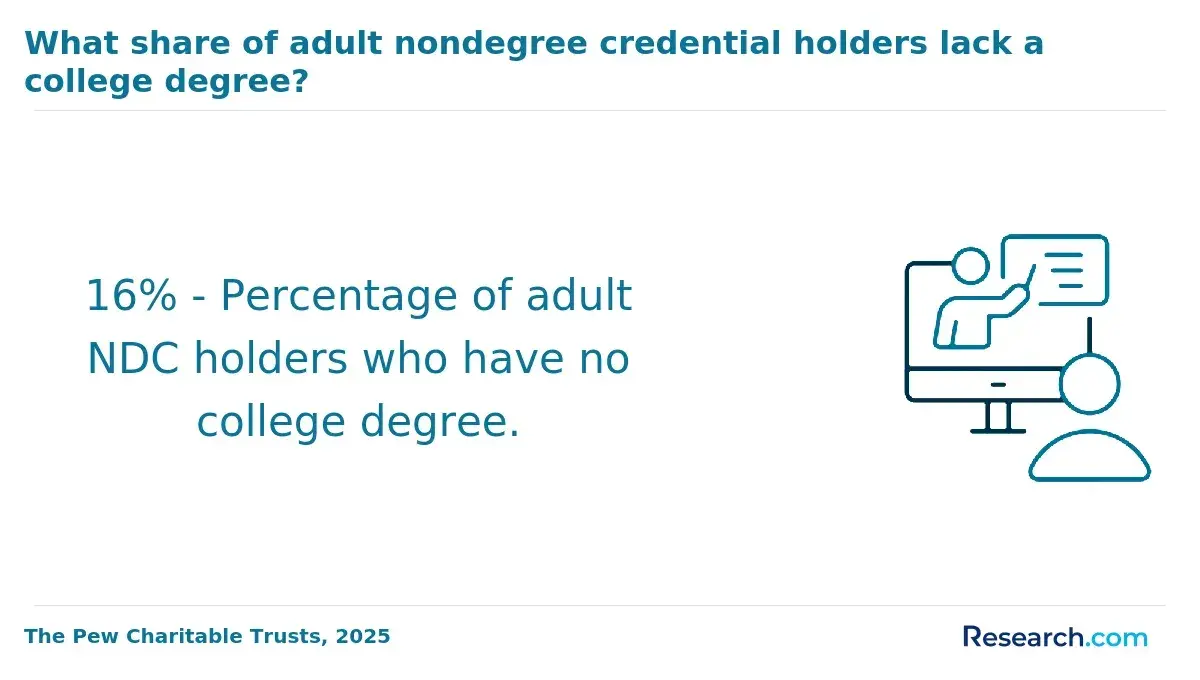
health sciences degree completion programs often recognize various forms of prior learning to accelerate graduation for working adults. Accepted credits typically include transfer credits from regionally accredited schools, though the number accepted and grade requirements differ by institution depending on accreditation and academic standards.
- Military Training Credits: Evaluated through the American Council on Education (ACE), these credits credit training and coursework completed during military service. Veterans benefit from substantial prior learning recognized through this process.
- Professional Certifications: Industry credentials like CPR, medical coding, or health information management may translate into academic credit, reflecting real-world expertise relevant to health sciences.
- Prior Learning Assessment (PLA): Students can submit portfolios documenting workplace learning, independent study, or military experience. Trained evaluators assess these portfolios, often substantially reducing time and tuition costs for degree completion.
- Credit-by-Examination: Programs often accept standardized exams such as CLEP and DSST, allowing students to demonstrate mastery and earn credit without additional coursework.
Because transfer rules vary widely, students should obtain official transcripts and pursue a credit evaluation before enrolling. This proactive step clarifies accepted prior credits and remaining degree requirements.
Research from the Council for Adult and Experiential Learning (CAEL) shows that students earning credit through PLA graduate up to 35% faster, underscoring the real-world advantage of prior learning recognition for those balancing education, work, and family.
Caution is advised against programs that reject ACE-recommended military credits or impose arbitrary credit limits lacking sound academic rationale. The American Association of Collegiate Registrars and Admissions Officers (AACRAO) guidelines are a reliable benchmark for fairness and transparency in transfer credit policies.
One professional who recently completed a health sciences degree shared his experience navigating these options. "I was initially overwhelmed by the paperwork, requesting transcripts, assembling my PLA portfolio, and waiting for credit approvals took patience," he said.
"But once my military training and certifications were accepted, I realized how much time I'd save. It felt like the program truly respected my background instead of making me start from scratch. That recognition made all the difference in staying motivated and finishing."
What Is the Minimum GPA Requirement for Health Sciences Degree Completion Programs?
Minimum GPA standards for undergraduate health sciences completion programs commonly range between 2.0 and 2.5 on a 4.0 scale, reflecting academic readiness for upper-division coursework.
However, many programs accommodate diverse learner profiles by offering conditional admission for students whose GPAs fall below these thresholds-often requiring participation in tutoring or developmental classes to enhance success.
Some institutions implement open admission policies that waive strict GPA requirements for applicants providing documented professional experience relevant to the health sciences field. This approach acknowledges the value of practical skills alongside academics.
Admissions decisions frequently employ a holistic review process, considering GPA alongside letters of recommendation, personal statements, and years of applicable work experience-especially within programs accredited by regional bodies such as the Higher Learning Commission (HLC).
Returning adults with previously low GPAs may benefit from academic forgiveness or fresh-start policies that recalculate GPAs after defined non-enrollment periods, improving eligibility. Prospective students are strongly advised to request formal pre-admission academic evaluations from each program to realistically assess their standings and avoid unnecessary applications.
This tailored approach helps navigate the competing demands of academic criteria and professional background, important for those seeking to complete a degree while balancing career or military credentials.
For those exploring flexible pathways, consider programs highlighted in curated lists of self paced bachelor's degree options designed for adult learners.
How Are Health Sciences Degree Completion Programs Structured Around Full-Time Work Schedules?
Health sciences degree completion programs frequently offer flexible formats, such as evening cohorts, weekend intensives, fully asynchronous online courses, or hybrid models mixing in-person and digital learning, to fit the demands of students working 40 or more hours weekly.
Programs generally suggest a manageable credit load of 6 to 9 credits per term, enabling students to progress steadily without overload.
Many programs employ a cohort system, where students advance through courses as a consistent group. This approach fosters accountability and peer encouragement, helping participants stay engaged and motivated. It also ensures schedule stability, allowing learners to coordinate studies well ahead of time around work and family duties.
Data from the National Student Clearinghouse Research Center reveals higher persistence and graduation rates among students in cohort-based health sciences programs compared to those in self-paced formats. The structured cohort model mitigates dropout risk and strengthens overall completion success.
When assessing programs, candidates should inquire about key policies: course cancellations, options for making up missed classes due to work conflicts, and whether a dedicated student success advisor is available to assist with schedule navigation and academic progress.
A professional who built his career after graduating from a health sciences degree shared that balancing coursework and a full-time job was initially daunting. He recounted how the cohort model helped create a strong support network and motivated him to keep up with assignments.
He valued the program's flexible scheduling and the proactive guidance from a student advisor who intervened whenever unexpected work demands threatened to derail his progress. This personal experience highlights how structure and support can transform a challenging journey into a rewarding achievement.
Is Online or Hybrid Delivery Available for Health Sciences Degree Completion Programs?
Completion programs in health sciences offer varied delivery modes to accommodate employed adults balancing multiple commitments. Fully online formats predominantly utilize asynchronous lectures-letting students learn on their own schedules, combined in some cases with live video sessions for real-time engagement.
Data from the NCES Integrated Postsecondary Education Data System and the Online Learning Consortium indicates that about 62% of adult learners in 2023 opt for fully online programs, demonstrating a significant trend toward remote education.
Hybrid models integrate online coursework with on-site requirements like clinical practicums or skills labs, blending flexibility with necessary hands-on training. Nearly 28% of adults select this format, especially those near campuses or affiliated clinical sites.
COVID-19 notably accelerated the development and acceptance of robust online completion offerings, focusing institutional resources on accreditation, qualified faculty, and enhanced student support.
When comparing online health sciences completion programs, key quality indicators include verifying that the program's accreditation matches that of on-campus counterparts, assessing faculty expertise, and examining student-to-faculty ratios to ensure meaningful interaction.
Equally important is confirming availability of virtual tutoring, academic advising, and clear processes for clinical placements.
Deciding between fully online, hybrid, or in-person formats depends on individual learning preferences, geographic constraints, and professional schedules.
Prospective students should ask about flexibility options, the nature of hands-on experiences required, and opportunities for networking with peers and professionals while consulting enrollment advisors.
- Format Flexibility: Options span fully asynchronous online to blended hybrid with on-site clinicals.
- Enrollment Trends: 62% of adult learners enroll fully online; 28% choose hybrid formats as of 2023.
- Pandemic Influence: COVID-19 spurred rapid enhancement of online program quality and access.
- Quality Standards: Institutional accreditation parity, faculty credentials, and student-to-faculty ratios are crucial.
- Student Services: Virtual tutoring, advising, and clinical placement support must be accessible.
- Decision Factors: Evaluate program format, hands-on training, flexibility, and networking resources before enrolling.
How Long Does It Take to Complete a Health Sciences Degree Completion Program?
The time needed to complete a health sciences degree completion program varies widely depending on prior credits, enrollment pace, and specific program requirements. Students entering with around 60 prior credits often require two to three years of full-time study to graduate.
Those with 90 prior credits may finish in as little as one to two years. Individuals with substantial prior learning, such as military training or professional certifications assessed through prior learning assessment (PLA), can sometimes shorten this timeline further if many credits are awarded. However, actual time-to-degree often differs from published minimums.
Credit Transfer and PLA: The volume of credit accepted significantly reduces required coursework. Formal assessments and detailed documentation maximize prior learning credits.
Enrollment Intensity: Accelerated or full-time course loads enable faster graduation, while part-time status-common among working adults-extends program duration.
Fixed-Duration Components: Mandatory internships, capstones, or field experiences typically have firm minimum time commitments that cannot be compressed, placing limits on how quickly students can finish.
Program Structure: Factors such as online versus on-campus delivery, course availability, and quality of academic advising influence pacing potential.
Financially, faster completion lowers total tuition, reduces lost income due to prolonged schooling, and accelerates entry into higher post-degree salaries. This makes accelerated pathways critical beyond convenience-they significantly impact lifetime earnings and the return on educational investment.
Prospective students should request in writing each program's average time to degree for individuals with their credit profile instead of relying on idealized minimums designed for transfer-heavy, full-time enrollees. Realistic timelines support informed planning and decision-making for adults balancing education with career and life obligations.
What Accreditation Should a Health Sciences Degree Completion Program Hold?
Accreditation is an important factor when choosing a health sciences degree completion program because it ensures the school meets recognized academic and professional standards. Attending an accredited program can also affect credit transferability, financial aid eligibility, and future career or graduate school opportunities.
Regional Accreditation: Remains the gold standard for health sciences degree completion programs, awarded by agencies like the Higher Learning Commission (HLC), the Middle States Commission on Higher Education, and the Southern Association of Colleges and Schools Commission on Colleges (SACSCOC).
National Accreditation: Granted by bodies such as the Distance Education Accrediting Commission (DEAC)-generally carries less prestige and can restrict credit transfer to regionally accredited institutions. Many employers and graduate programs may not accept degrees from nationally accredited schools, limiting educational and career mobility.
Programmatic Accreditation: Focuses on specific degree programs and is crucial in health sciences. For instance, accreditation from the Commission on Social Work Education (CSWE) enhances licensure eligibility and hiring outcomes. Such specialized endorsements-similar to ABET for engineering and ACBSP or AACSB for business-signal quality and often determine acceptance by licensing boards and graduate schools.
Caution is warranted as an increasing number of degree completion options come from institutions accredited solely by national or unrecognized agencies. These credentials pose reputational risks and may disqualify candidates from federal aid, employer recognition, and licensing opportunities.
Verification of accreditation status is critical. Use the U.S. Department of Education's Database of Accredited Postsecondary Institutions and Programs (DAPIP) to confirm any program's legitimacy rather than relying on marketing claims.
For working adults exploring degree options, including those considering an online PharmD, understanding these distinctions safeguards time and financial investment in accredited programs.
How Much Do Health Sciences Degree Completion Programs Cost, and What Financial Aid Is Available?
The cost of a health sciences degree completion program can vary based on the school, program format, and length of study. Many students can reduce expenses through financial aid options such as scholarships, grants, employer tuition assistance, and federal student aid programs.
Tuition Costs: Health sciences degree completion programs charge tuition per credit hour, with rates varying by institution type-public regional universities typically range from $250 to $450, private nonprofit colleges between $500 and $900, and for-profit institutions often exceed $600.
Financial Aid: Working adults have several financial aid options tailored to health sciences degree completion program costs. Pell Grants are now more accessible to part-time learners, providing valuable support. Employer tuition reimbursement programs cover part or all of tuition for relevant degrees.
Tax Benefits: Out-of-pocket payers should consider tax credits like the Lifetime Learning Credit to offset costs. Additionally, employer educational assistance up to $5,250 per year is excluded from taxable income under IRS Section 127. Consultation with a tax professional is advisable to understand how these benefits apply based on individual circumstances.
Comparing Total Costs: Sticker price rarely reflects actual expenses. Key factors include credit transfer policies, which may reduce required coursework substantially, eligibility for employer reimbursement, and net tuition after financial aid. Constructing a clear cost comparison across two or three programs helps align enrollment decisions with career goals and life obligations.
For those exploring advanced pathways, RN to NP programs offer specialized options worth evaluating within health sciences degree completion program costs.
What Career Outcomes Can Working Adults Expect After Completing a Health Sciences Degree?
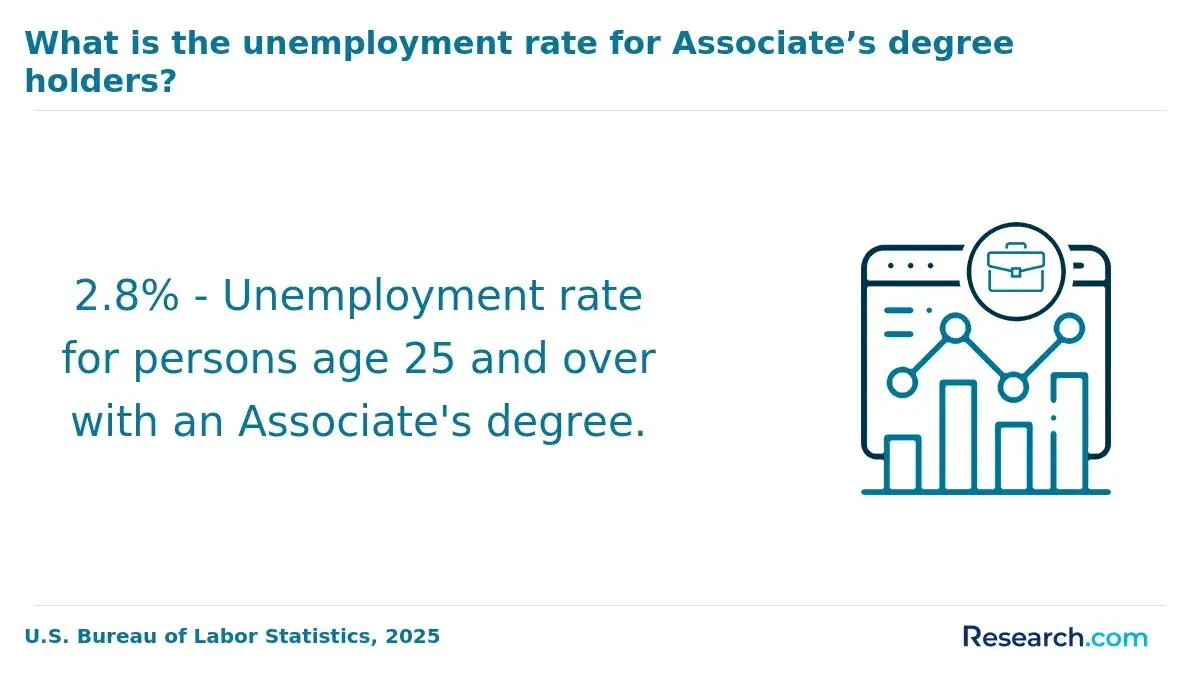
Completing a bachelor's degree in health sciences often leads to higher earnings-typically 15% to 30% more than those with some college but no degree, according to data from the U.S. Department of Education's College Scorecard and the Georgetown University Center on Education and the Workforce.
Working adults who finish these programs commonly report several career benefits:
- Promotion Eligibility: A completed bachelor's degree is frequently required to qualify for supervisory or management positions within healthcare organizations.
- Credential-Gated Roles: Licensure or specialized positions-such as health services managers or clinical research coordinators-usually demand a bachelor's credential, unlocking opportunities that partial college credit cannot.
- Salary Premium: Degree holders often secure pay increases, reflecting the market value of the credential and enhanced negotiation leverage.
Unlike traditional graduates entering the workforce with limited experience, working adults leverage their professional backgrounds to pursue senior roles right after degree completion. This practical expertise offsets time spent finishing coursework and can accelerate advancement.
Prospective students should carefully investigate the specific credential requirements for their targeted positions, whether related to licensure, management, or graduate study, to ensure the program chosen is accredited and recognized by employers and licensing bodies.
Maximizing credit for prior learning, confirming transfer policies, understanding financial aid options, and comparing program quality metrics are essential steps in selecting an effective degree completion pathway that aligns with career ambitions and life responsibilities.
How Do Employers View a Health Sciences Degree Completed Through a Completion Program?
Many employers prioritize the accreditation and quality of the institution awarding a health sciences degree over the specific route students took-whether through traditional study or completion programs incorporating prior learning assessments (PLA).
Surveys by organizations such as the Society for Human Resource Management (SHRM) and the National Association of Colleges and Employers (NACE) confirm this focus on institutional and programmatic recognition rather than enrollment path.
Diplomas from accredited schools in health sciences typically do not specify if the degree was earned via completion programs or traditional coursework. This allows graduates to present their degrees on resumes just like conventional bachelor's degrees.
When discussing education in interviews, mentioning the program's accelerated or adult-oriented design can highlight valuable attributes like dedication and effective time management without emphasizing the method of completion.
- Accreditation: Degrees from regionally or nationally accredited institutions-and those with relevant program approvals-remain highly respected by employers.
- Presentation: Job candidates should list their degree normally and may frame the completion format as a strength demonstrating self-discipline.
- Employer Scrutiny: Certain federal jobs covered by OPM standards, or professions requiring state licensing, might demand verification of how the degree was earned; applicants should confirm acceptability with licensing bodies or HR beforehand.
- Professional Experience: In most private-sector health sciences roles, practical experience, skills, and references tend to outweigh concerns about enrollment details.
- Credential Value: Completion degrees are legitimate credentials that expand career opportunities and are not viewed as inferior alternatives to traditional degrees.
What Graduates Say About Health Sciences Degree Completion Programs for Working Adults
- Arden: "Completing the health sciences degree as a working adult was made far easier thanks to the flexible scheduling formats-it allowed me to balance work, family, and study without feeling overwhelmed. The program's strong accreditation standards gave me confidence that my degree would be respected by employers, which has made a tangible difference in my career advancement. Cost considerations were also clear from the start, helping me budget effectively without surprises or unnecessary debt."
- Santos: "Reflecting on my experience, the transfer credit policies were a standout feature-being able to apply previous coursework towards the degree saved me months of study and thousands of dollars. The structural features of the program-such as smaller class sizes and personalized academic support-truly distinguished it from generic programs. It's reassuring to know that these thoughtful design elements translate into better career outcomes for graduates like myself."
- Leonardo: "From a professional standpoint, the program's emphasis on career outcomes sets it apart-graduates are well-prepared for real-world challenges and there's solid evidence of strong job placement rates. The modular scheduling formats gave me control over pacing, which was essential alongside a demanding job. Also, the accreditation held by the school ensures the degree meets rigorous standards, which helped me gain employer trust immediately after graduation."
Other Things You Should Know About Health Sciences Degrees
Health sciences degree completion programs often provide tailored support services for working adults-these include academic advising, career counseling, and tutoring designed around busy schedules. Many programs also offer online resources, flexible office hours, and technology help to accommodate students balancing work and family responsibilities.
Yes, many accredited health sciences degree completion programs allow credits to transfer toward graduate programs such as public health or healthcare administration. It is important to check articulation agreements or speak with advisors to confirm which credits meet graduate school requirements to ensure a smooth transition.
Networking is crucial in health sciences programs, especially for working adults seeking career advancement or changes. Programs often facilitate connections with faculty, industry professionals, and alumni through virtual events and discussion boards-helping students access job opportunities and professional mentorship.
References
- Eligibility and Admission Requirements https://www.kumc.edu/school-of-health-professions/academics/departments/health-information-management/academics/health-information-management/online-bachelors-degree-completion-program-(rhit-to-rhia)/eligibility-and-admission-requirements.html
- What Can I Do with a Health Sciences Degree? https://www.nec.edu/news/what-can-i-do-with-a-health-sciences-degree
- How long does it take to earn a health sciences degree? https://www.herzing.edu/faq/how-long-take-health-sciences-degree
- How Long Does It Take https://www.stonehill.edu/programs/health-science/how-long-does-it-take/
- MHCDS Online Hybrid Learning Model https://mhcds.dartmouth.edu/mhcds-advantage/learning-model/
- Hyflex Delivery: Hybrid & Flexible Learning - Roseman University https://www.roseman.edu/academic-programs/college-of-graduate-studies/hyflex-delivery/
- Is an Online Degree the Same as a Traditional Degree | Online Degree https://www.cambridgehealth.edu/online-degrees/get-an-online-degree/is-an-online-degree-the-same-as-a-traditional-degree/
- Guide to a Health Science Degree | Caduceus https://cipcourses.com/blog/guide-to-a-health-science-degree/
- What is Accreditation and Who Are The Primary Accreditations Sources for Healthcare Management Degree Programs? - Healthcare Management Degree Guide https://www.healthcare-management-degree.net/faq/what-is-accreditation-and-who-are-the-primary-accreditations-sources-for-healthcare-management-degree-programs/