
2027 Part-Time vs. Full-Time Health Sciences Degree Programs

Co-Founder and Chief Data Scientist
Choosing between part-time and full-time health sciences degree programs presents a challenge for many students balancing work, finances, and academic goals. Recent data shows that approximately 40% of health sciences students enroll in part-time programs, reflecting a growing demand for flexible learning options that accommodate busy lifestyles and varied responsibilities.
This article clarifies key differences in workload, duration, and outcomes for health sciences students, helping readers determine which study format aligns best with their unique circumstances and career ambitions. Understanding these distinctions is crucial for making an informed educational decision tailored to individual needs.
Key Benefits of Part-Time vs. Full-Time Health Sciences Degree Programs
- Part-time programs allow students to maintain employment, supporting a consistent income and practical experience in health sciences, which can enhance career prospects and networking opportunities.
- Flexible scheduling in part-time study helps balance family and personal commitments, reducing stress and increasing retention rates compared to full-time programs.
- Part-time enrollment often reduces immediate financial burden by spreading tuition costs over a longer period, aiding in more manageable budgeting without sacrificing academic progress.
How Are Part-Time Health Sciences Programs Structured Compared to Full-Time Programs?
Choosing between part-time and full-time health sciences programs requires understanding how each format's structure impacts your learning pace and academic experience. Differences in scheduling, course load, and flexibility can significantly affect how students balance education with other responsibilities.
Part-Time Program
- Course Load: Students typically enroll in 6 to 9 credits per semester, reducing overall weekly academic demands.
- Weekly Time Commitment: Approximately 10 to 15 hours are spent on classes and study each week, accommodating work or family obligations.
- Scheduling Flexibility: Many programs offer evening, weekend, or fully online classes to fit diverse schedules.
- Online and Hybrid Availability: Nearly 60% of part-time health sciences students take advantage of online or hybrid course options.
Full-Time Program
- Course Load: Enrollees usually take between 12 and 15 credits per semester, demanding a more intense study schedule.
- Weekly Time Commitment: Students spend 30 or more hours weekly on classes and study, reflecting a full-time focus.
- Scheduling Style: Classes typically follow a traditional weekday, daytime on-campus schedule with limited flexibility.
- Attendance Expectations: Full-time programs often require daily in-person attendance, limiting options for working professionals.
For prospective students exploring various college majors, insight into program formats is essential; resources such as college majors provide helpful guidance on aligning academic choices with career objectives.
How Long Does It Take to Earn a Part-Time vs Full-Time Health Sciences Degree?
Understanding the duration of health sciences degree programs is crucial for students planning their academic and career timelines. The time to complete full-time health sciences degree programs typically spans about four years, as students usually enroll in approximately 15 credit hours per semester. This allows them to progress steadily toward graduation with a heavier course load.
In contrast, the duration of part-time health sciences degree programs usually ranges from five to seven years. Part-time students take fewer credits per semester, which extends their overall completion time.
Program structure, availability of evening or weekend classes, and transfer credits can influence this timeline. Some institutions offer accelerated or summer courses that help reduce the duration even for part-time learners.
Other pertinent factors affecting completion times include:
- Credit Load: Full-time students take more courses each semester, shortening their time to graduate, while part-time students spread credits over a longer period.
- Program Flexibility: Online options and scheduling accommodations can help manage study alongside work commitments.
- Accelerated Options: Summer sessions and intensive courses enable faster progress.
- Transfer Credits: Previous coursework or related experience can reduce required credit hours.
For those curious about advanced academic options and wondering what is the easiest PhD degree to get, exploring program duration and structure can provide helpful insights into aligning studies with personal goals.

Are Admission Requirements Different for Part-Time vs Full-Time Health Sciences Programs?
Generally, they share several core criteria but differ in aspects tailored to the student's status and availability. Both formats commonly expect a minimum GPA of 2.5 to 3.0 on a 4.0 scale, though more competitive programs may require higher academic standing.
Below are more key facts:
- Prerequisite Coursework: Full-time health sciences program entry requirements typically include completing specific science and math courses before admission, such as biology and statistics. Part-time programs often provide more flexibility, allowing students to pursue prerequisite courses concurrently or through continuing education.
- Professional Experience: Admission criteria for part-time health sciences programs usually require relevant healthcare work experience, reflecting candidates' status as working professionals. In contrast, full-time applicants, often recent high school graduates, generally are not held to this experience requirement.
- Standardized Tests: Many full-time programs require entrance exams like the GRE. Meanwhile, part-time pathways frequently waive these tests or accept alternative assessments, accommodating students balancing employment with study commitments.
- Supporting Documents: Both formats mandate letters of recommendation and personal statements. However, part-time programs may place greater emphasis on career goals and practical experience to evaluate readiness and commitment.
For prospective students weighing these differences, understanding how admission requirements affect their eligibility is crucial. Those interested in flexible options might also explore an affordable online PhD as a pathway that balances professional experience and academic advancement.
How Do Tuition Fees Differ for Part-Time vs Full-Time Health Sciences Programs?
Tuition costs differ notably between part-time and full-time health sciences students due to variations in per-credit charges and total financial commitments.
Full-time enrollment often includes discounted or fixed tuition rates, which can lower the average cost per credit. Conversely, part-time study typically involves paying for each credit individually, potentially increasing expenses over time as the program extends.
Here are some key cost-related facts regarding the two formats:
- Per-Credit Tuition Rates: Full-time students generally benefit from reduced costs per credit through bundled tuition, while part-time learners face higher per-credit prices because of lack of discounts and additional fees.
- Total Program Costs: Because part-time students spread courses over a longer period, cumulative tuition and administrative fees tend to add up, sometimes exceeding the full-time financial burden.
- Financial Aid Access: Full-time status often qualifies students for more grant and scholarship options, whereas part-time attendees may find fewer financial aid opportunities available.
- Additional Fees: Charges such as technology, lab, and service fees may apply each semester, disproportionately affecting part-time students due to extended enrollment duration.
When discussing with a graduate of a part-time health sciences degree program, she reflected that managing tuition expenses was a constant source of stress.
"Paying per credit meant I had to carefully budget every semester," she shared. "It wasn't just tuition—I had to account for fees that popped up each term, which sometimes felt unpredictable."
Despite these challenges, she appreciated the flexibility of part-time study alongside work, emphasizing, "While it took longer and cost more overall, the ability to balance life and school made it worth it."
Her experience highlights how tuition structure impacts both financial planning and personal circumstances for part-time students.
Which Health Sciences Degree Program Format Offers More Online or Hybrid Course Options?
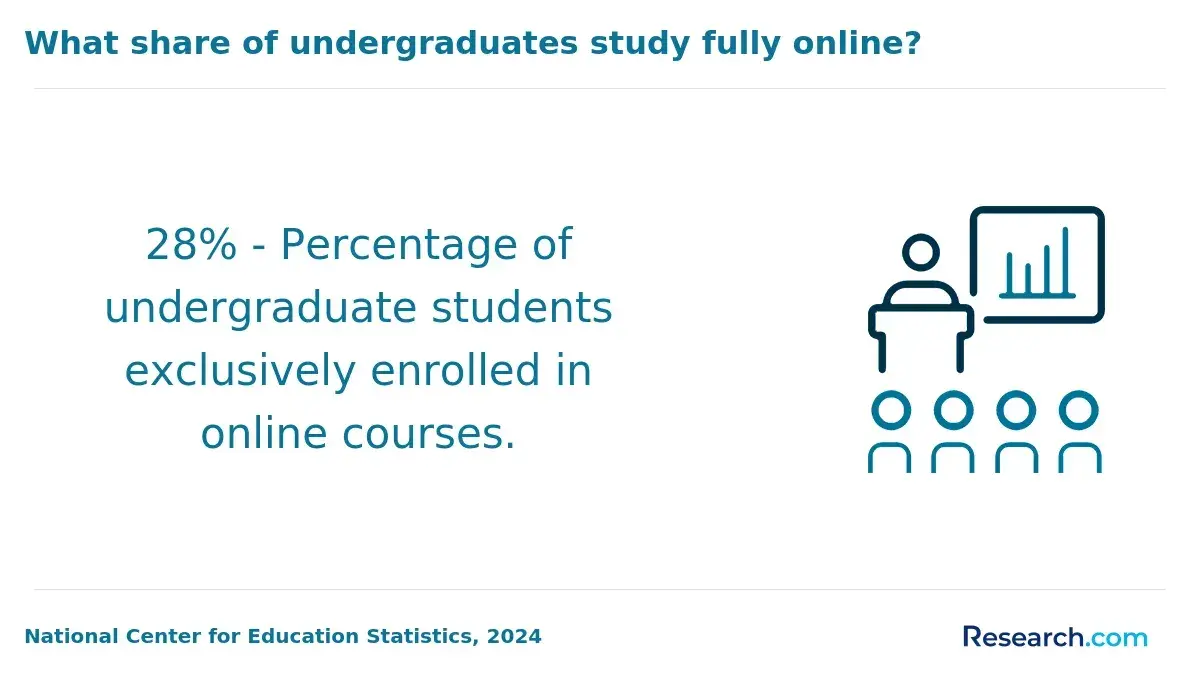
Part-time health sciences degree programs offer more online and hybrid course options than full-time programs. This flexibility supports working adults balancing education with other responsibilities. Below are key factors that shape how each format delivers course options:
- Program design: Part-time curricula prioritize flexible pacing, often relying on asynchronous online courses or hybrid schedules that mix occasional in-person sessions with digital content to accommodate diverse lifestyles.
- Institutional policies: Schools create part-time pathways that cater to employed students, enabling access to coursework outside traditional hours, while full-time programs generally expect regular campus attendance.
- Student demographics: Part-time learners tend to be older and employed, necessitating formats that allow for managing work and study; full-time students are often younger and able to engage in more structured, on-site learning.
- Access and engagement: Full-time programs emphasize immersive, face-to-face labs and clinical practicums to foster collaboration and in-depth training, which are less prevalent in part-time options.
Can Health Sciences Students Switch Between Part-Time and Full-Time Enrollment?
Most students in health sciences programs can switch between part-time and full-time enrollment, as colleges generally permit such changes within set policies. This process usually requires students to maintain good academic standing and get approval from an academic advisor or program coordinator.
Institutions implement these steps to ensure students understand how changing their enrollment status may affect their progression and graduation dates.
Several common conditions influence the ability to switch enrollment status. Approval from advising staff is essential, as they verify the student's preparedness for the adjustment. Financial aid eligibility often changes, since grants and loans typically depend on enrollment intensity. Course offerings may restrict options, with certain classes available only to full-time students or during specific terms.
Additionally, switching between part-time and full-time can alter graduation timelines, which requires careful planning to meet both academic and career objectives.
When I spoke with a health sciences graduate who transitioned from part-time to full-time, he shared that "it wasn't an easy switch at first." Balancing work and study as a part-time student had its challenges, but moving to full-time allowed faster progress and deeper immersion in coursework.
He recalled needing "clear guidance from advisors" to navigate the new schedule and financial implications. Despite initial stress, he found the change rewarding because it aligned better with his goal to enter the workforce sooner.
His experience highlighted the importance of personalized planning when shifting enrollment status.
How Do Online, Hybrid, and Campus Health Sciences Program Delivery Formats Affect Part-time vs. full-time learning?
Choosing between part-time and full-time study largely depends on the delivery format of health sciences programs, which significantly shapes the student's overall experience. Flexibility varies widely between online, hybrid, and campus options, affecting scheduling, workload, and support differently for each learner.
- Online Format Flexibility: Online health sciences programs offer the greatest scheduling freedom, allowing part-time students to balance work and family commitments efficiently. Full-time learners can also accelerate their studies thanks to flexible pacing. This flexibility supports diverse schedules and is a key factor in the popularity of online hybrid health sciences programs.
- Hybrid Format Balance: Hybrid programs blend online lectures with on-campus sessions, reducing the commuting demands often challenging for part-time students. Full-time students benefit from increased structure and more frequent in-person support, maintaining engagement without compromising the ability to work part-time.
- Campus Format Structure: Traditional campus programs provide fixed schedules and immersive networking, which often suits full-time students seeking comprehensive access to resources. However, part-time students may find the rigid timing and on-campus presence more difficult to manage, highlighting campus versus online health sciences learning differences.
- Workload and Student Support: Part-time students in online and hybrid formats can often spread assignments over longer periods, while full-time learners face accelerated courses requiring focused study. On-campus full-time students generally receive more immediate tutoring and advising, impacting retention and success rates directly.
Students seeking affordable options can explore online degree programs cheap offerings to find suitable pathways that match their study preferences and budget constraints.
Do Employers Prefer Full-Time Health Sciences Degrees Over Part-Time Degrees?
Employers often evaluate full-time and part-time health sciences degrees differently based on several factors.
Many perceive full-time degrees as more rigorous due to the intensive coursework and shorter completion timelines. This perceived rigor can signal a candidate's ability to handle sustained academic pressure, a valuable trait in demanding healthcare roles.
However, part-time students frequently develop strong time-management skills while balancing work and study, which is another quality employers appreciate.
Industry-specific preferences also influence the value placed on each study format. Hospitals and clinical settings, for example, may prioritize candidates who have gained relevant work experience alongside education, often favoring part-time degree holders.
Conversely, academic and research employers might lean toward full-time graduates who have completed uninterrupted, comprehensive studies. Current trends reveal growing appreciation for part-time degrees, especially as healthcare becomes more interdisciplinary and experience-driven.
For those interested in careers for introverts, choosing the right format can align with both professional goals and personal circumstances.
Is a Part-Time or Full-Time Health Sciences Degree More Worth It for ROI?
Return on investment (ROI) is a critical factor for students weighing part-time versus full-time health sciences degree paths. It encompasses tuition fees, program length, potential lost earnings while studying, and the future income impact of obtaining a degree.
Full-time studies usually demand higher upfront tuition but finish sooner, often within 2 to 4 years, allowing graduates to enter the workforce or advance more quickly, minimizing opportunity costs.
On the other hand, part-time programs spread tuition payments over several years and enable students to continue earning income during study. However, because they can take 5 to 7 years to complete, career advancement and salary increases may be postponed, which affects the timing of financial returns on the investment.
- Full-time: requires larger immediate expenses but offers quicker completion, leading to earlier earnings increases and faster career progression.
- Part-time: lowers short-term financial strain by allowing steady income flow but generally delays the benefits of degree completion and associated salary growth.
How Do You Decide Between a Part-Time and Full-Time Health Sciences Degree Program?
Selecting the right format for your health sciences degree is essential to align academic progress with career ambitions and personal responsibilities. Making an informed choice helps optimize your education experience without overwhelming your schedule.
- Time availability: Full-time study requires committing around 40 hours weekly, often involving 12 to 18 credit hours per semester. Part-time study allows spreading coursework over a longer period, accommodating work or family needs.
- Financial resources: Full-time enrollment may reduce your ability to work, but it shortens program length and overall costs. Part-time options ease immediate expenses but might increase total education costs due to extended duration.
- Career goals: If you aim to enter the workforce quickly, full-time study supports faster graduation. For those seeking gradual advancement or career changes, part-time study offers flexibility without sacrificing current job commitments.
- Learning style and flexibility: Intensive, immersive learning suits full-time students, while steady pacing benefits those who prefer gradual progression. Part-time programs often provide evening or online classes for added convenience.
- Program duration: Full-time degrees typically finish within 2 to 4 years, whereas part-time study can extend to 5 or more years, depending on course load and scheduling.
What Graduates Say About Their Part-Time vs. Full-Time Health Sciences Degree
- Billy: "Pursuing a part-time health sciences degree allowed me to balance work and study without sacrificing my income. Although the total cost was around $25,000, the flexible schedule and comprehensive curriculum made it worthwhile. This program truly opened doors for my career advancement in healthcare management. "
- Regina: "The full-time health sciences program was intense, but the immersive experience was invaluable. Despite the higher cost-approximately $40,000-the practical skills and networking opportunities significantly boosted my confidence and job prospects. Reflecting on this journey, I am grateful for how it reshaped my professional path. "
- Maria: "The decision to study health sciences part-time was driven by financial considerations; with tuition averaging $20,000, it felt more manageable. The learning process was steady and enriching, allowing me to absorb knowledge deeply while maintaining family commitments. This degree has not only enhanced my expertise but also enriched my personal growth in meaningful ways. "
Other Things You Should Know About Health Sciences Degrees
Yes, part-time health sciences students typically have access to the same academic resources as full-time students, including libraries, tutoring services, and career counseling. However, availability may vary based on the institution's policies, and some services might have limited hours that align better with full-time schedules. It is important for students to check with their specific programs to understand resource access.
In 2027, students should weigh factors such as schedule flexibility, duration of the program, financial implications, and potential impact on networking and career opportunities when choosing between part-time and full-time health sciences programs.
In 2027, part-time health sciences students may find different internship or practicum requirements compared to full-time students. These differences can include varied scheduling flexibility, duration, and availability. It's essential for part-time students to coordinate with program advisors to ensure they meet all necessary experiential learning requirements while accommodating their schedules.
References
- Bachelor of Science in Health Science https://www.kpu.ca/science/health-science
- Health Science Tuition and fees https://online.missouri.edu/degrees-programs/mu/health-sciences/health-science/bhs/financial
- Comparing the impact of online and in-person active learning in preclinical medical education https://pmc.ncbi.nlm.nih.gov/articles/PMC11877840/
- 6 Things to Look For In a Health Science Program| University of Bridgeport https://www.bridgeport.edu/news/what-to-look-for-in-a-bachelors-in-health-science-program/
- 5 Benefits of Completing an Undergraduate Health Sciences Degree - Healthcare Administration Degree Programs https://www.healthcare-administration-degree.net/lists/5-benefits-of-completing-an-undergraduate-health-sciences-degree/
- How do I change from studying full-time to part-time and vice versa? https://www.curtin.edu.au/study/help-support/app/answers/detail/a-id/3284/how-do-i-change-from-studying-full-time-to-part-time-and-vice-versa-/
- Full-time, part-time, online - which study mode is right for you? https://www.studentspace.pl/en/blog/post/studia-stacjonarne-zaoczne-wieczorowe---ktory-tryb-wybrac
- MHA Frequently Asked Questions - Seton Hall University https://www.shu.edu/interprofessional-health-sciences-administration/mha-faq.html
- Faculty of Health Sciences https://al.edu.pl/en/faculties/faculty-of-health-sciences
- Bachelor of Health Online | UC Online | UC Online https://uconline.ac.nz/courses/bachelor-of-health


