2027 Online vs On-Campus Media Arts Degree Programs: Pros & Cons

Co-Founder and Chief Data Scientist
Online media arts degree programs have surged in popularity, reflecting a broader trend in higher education. According to the National Center for Education Statistics, over 40% of U.S. college students enrolled in at least one online course in 2023. This growth highlights the need to assess how online options compare with traditional on-campus programs. This article provides a clear analysis of the benefits and challenges of both formats, focusing on flexibility, cost, learning experience, and career prospects. The goal is to help prospective students make informed decisions based on expert insight and current educational trends.
Key Benefits of Online vs On-Campus Media Arts Degrees
- Online media arts degree programs offer flexible scheduling, allowing students to balance work and study, which is crucial as 65% of online learners are working adults managing multiple responsibilities.
- Students can access a broader range of courses and specialized instructors through online platforms, with 70% of surveyed students reporting increased diversity in course availability compared to their local campuses.
- On-campus media arts programs provide hands-on experience with industry-standard equipment and immediate collaboration opportunities, which 80% of employers say is vital for job readiness in creative fields.
Are Online vs. On-Campus Media Arts Programs Structured the Same Way?
Online and on-campus media arts degree programs differ notably in their structural design, impacting how students engage with content and instructors. These differences influence scheduling flexibility, course delivery methods, and modes of collaboration.
Below is a comparison of key structural elements that set online and on-campus media arts programs apart.
- Course Delivery: Online programs primarily use learning management systems to provide video lectures, multimedia assignments, and virtual labs, allowing students to study anytime and anywhere. On-campus programs rely on in-person lectures and studio workshops, offering immediate hands-on experiences and direct instructor feedback.
- Class Schedules: Online courses are often asynchronous, giving students the freedom to complete work around their personal and professional lives. Conversely, on-campus programs have fixed class times that create a predictable routine but offer less scheduling flexibility.
- Interaction and Collaboration: Online students engage through digital discussion boards and remote group projects, which suits those comfortable with virtual communication but may limit spontaneous networking. On-campus students benefit from face-to-face interactions, fostering stronger personal connections and dynamic group work.
- Access to Facilities and Equipment: On-campus students have direct access to studios and specialized equipment essential for technical skill development. Online learners may use virtual labs but often need their own equipment for practical assignments.
- Faculty Engagement: Online learners communicate with faculty via email, video calls, and scheduled virtual office hours, requiring proactive outreach. On-campus students interact more organically with instructors through classroom participation and campus events, enhancing mentorship opportunities.
Are Admission Requirements the Same for Online vs On-Campus Media Arts Degree Programs?
Colleges and universities typically maintain consistent academic standards for both online and on-campus media arts degree programs, ensuring that all graduates achieve the same educational benchmarks. However, the assessment of an applicant's readiness for online learning or in-person study can differ to accommodate the unique demands of each learning environment.
Below is a comparison of the most common admission requirements for online and on-campus media arts programs, highlighting key similarities and differences to help prospective students understand what to expect when evaluating differences in admission requirements for online vs on-campus media arts degrees.
- Academic Qualifications: Both online and on-campus programs generally require a high school diploma or equivalent, along with minimum GPA thresholds often around 2.0 to 2.5 for undergraduate admission. Foundational courses like English or introductory media arts classes may also be required before full admission to the major, regardless of delivery format.
- Portfolio Submission: Creative portfolios are commonly required for applicants to both types of programs, particularly in Bachelor of Fine Arts (BFA) tracks. Online students can usually submit digital portfolios, while on-campus applicants might participate in in-person or virtual portfolio reviews.
- Application Materials: Standard documents such as transcripts, personal statements, and letters of recommendation are necessary for both online and on-campus applicants. Online programs may place extra emphasis on motivation and time management skills in application essays, reflecting the self-directed nature of online study.
- Work Experience and Prior Learning Credit: Online media arts degree online program admission criteria often include options to earn credit for relevant work or life experience, which can accelerate program completion and reduce tuition costs. On-campus programs less frequently assess prior learning, focusing more on traditional coursework.
- Technical Readiness: Applicants to online programs may need to demonstrate technical proficiency or confirm access to required hardware and software. Many schools offer orientation or skill assessments to ensure success in a digital setting, a step typically not required for on-campus students.
For students seeking flexible pacing options, exploring a fast associate degree online could provide an efficient pathway within the media arts field.
Do Online Media Arts Students Receive the Same Academic Support as On-Campus Students?
Universities have significantly expanded their academic support systems to ensure that online media arts students receive resources and assistance comparable to those offered to on-campus peers. This development reflects growing demand for flexible learning options without compromising student success.
Below is a comparison of the main academic support services typically available to both online and on-campus media arts students, highlighting how each format delivers these supports to meet student needs:
- Tutoring Services: Online students often engage with virtual tutoring platforms featuring live chat or video sessions, while on-campus students have access to in-person tutoring. Both methods help clarify complex media arts concepts and enhance academic performance.
- Career Counseling: Career counseling is available to all students through various formats; online students attend virtual appointments and webinars, whereas on-campus students benefit from face-to-face meetings and in-person career fairs. Each provides resume reviews, interview preparation, and networking opportunities.
- Library Access: Digital libraries with e-books, research databases, and streaming media are accessible 24/7 to online learners. On-campus students additionally can use physical collections and study spaces, ensuring equitable research support for coursework and projects.
- Faculty Interaction: Online programs facilitate faculty contact via discussion boards, email, and live video, while on-campus students gain from in-person office hours and spontaneous academic conversations. Both support mentorship, though personal connection often feels stronger face-to-face.
How Long Does It Take to Complete an Online vs an On-Campus Media Arts Degree?
The length of time it takes to complete a media arts degree varies widely depending on whether students enroll in online or on-campus programs, as well as their individual pace and scheduling preferences. These factors play a crucial role in shaping how quickly students can finish their degree requirements and enter their chosen fields.
Here is a comparison of the average completion time and scheduling flexibility between online and on-campus media arts degree programs:
- Online media arts degree: These programs often provide maximum scheduling flexibility, allowing students to work at their own pace and balance other commitments. While full-time online students may complete their bachelor's degree in three to four years, highly motivated learners can finish in as little as two and a half years through accelerated or self-paced tracks. Part-time students juggling work or family responsibilities might take up to six years, but year-round formats without extended summer breaks help reduce total completion time compared to traditional schedules.
- On-campus media arts degree: Traditional campus programs usually follow a fixed academic calendar with fall and spring semesters and optional summer sessions. Full-time students typically graduate in four years, whereas part-time students often need additional time due to limited course availability and mandatory in-person class attendance. The structured timeframe can restrict quicker advancement since students must adhere strictly to course offerings each semester.
Are Online Media Arts Programs Cheaper Than On-Campus Ones?
Online media arts programs are generally more affordable than their on-campus counterparts, primarily due to differences in tuition, fees, and additional expenses. These cost savings make online learning an appealing option for many students seeking flexibility without the financial burden typical of traditional campus programs.
Several key factors contribute to the overall cost difference between formats; below is a breakdown of these cost components highlighting how they affect the total price of a media arts online degree vs on-campus tuition.
- Tuition and Fees: Online media arts degrees average around $37,984 for a four-year program, significantly less than the $109,267 charged by traditional in-person programs. Public in-state on-campus programs average $45,040, while private institutions can exceed $166,000, making online study a much cheaper option in most cases.
- Living Expenses: On-campus students typically pay substantial room and board fees, around $11,677 yearly at public colleges and $13,113 at private ones. Online students often save over $10,000 annually by living at home or avoiding campus housing costs.
- Commuting and Other Indirect Costs: Expenses such as transportation, parking, campus meals, and childcare add up for on-campus learners but are mostly eliminated for online students, further lowering the overall price of attendance.
- Technology Costs: Online students may incur costs for reliable computers and internet access; however, these expenses are usually lower than ongoing campus-related fees. Additionally, digital course materials often replace costly printed textbooks.
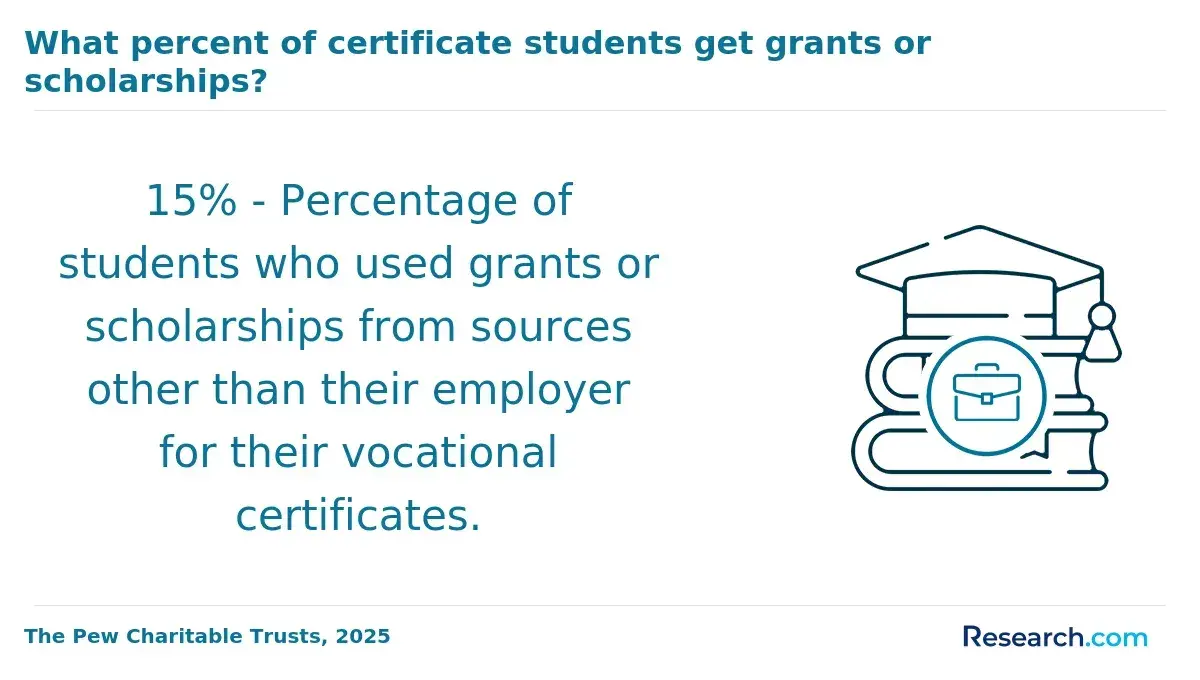
- Financial Aid Availability: Both online and in-person students can access federal aid, though on-campus programs may offer more institutional scholarships. However, many online programs accept transfer credits and prior learning assessments, potentially reducing total tuition and duration.
For students exploring affordable advanced education options, considering the easiest masters to get may also be helpful when planning next steps.
What Are the Financial Aid Options for Online vs On-Campus Media Arts Programs?
Students pursuing media arts degrees, whether online or on-campus, may qualify for a variety of financial aid options. However, eligibility and accessibility can vary depending on program format and institutional policies.
Below is an outline and comparison of the main financial aid choices available for both online and on-campus media arts students, highlighting key differences in access and eligibility.
- Federal Student Aid: Both online and on-campus students at accredited institutions can access federal aid such as Pell Grants, Stafford Loans, and Federal Work-Study. Online students must typically enroll at least half-time to qualify for most federal loans, and part-time status-more common among online learners-may reduce aid eligibility or award amounts.
- State Aid: Many states provide grants or scholarships to residents attending in-state schools, available to both online and campus-based students when programs are offered by qualifying institutions. However, some state programs require full-time enrollment or residency, which can limit access for online or part-time students.
- Scholarships and Grants for On-Campus Media Arts Students: Institutional scholarships and grants often favor traditional on-campus students, with many requiring full-time enrollment or on-campus attendance. Online students may receive a much smaller share of these funds despite their growing numbers, making this a notable difference in aid distribution.
- Employer Tuition Reimbursement: Both online and on-campus learners may benefit from employer-sponsored tuition assistance, especially if the program aligns with professional goals. Online media arts programs often offer flexible scheduling that can increase opportunities for working professionals to receive employer support.
- Private Student Loans: Private loans are accessible to students in both formats, as long as the institution is accredited and lender requirements are met. Enrollment status can still influence borrowing limits and loan terms, but mode of attendance generally does not affect eligibility.
Online media arts students might also save significantly compared to on-campus peers, given that annual online tuition and fees average $12,216 versus $18,981 on-campus, excluding additional savings on housing and transportation.
For prospective students evaluating their options, understanding these financial aid differences alongside the cost of online associate's degree can be essential in planning their educational investment.
Are Online Media Arts Programs as Credible as On-Campus Ones?
Accreditation, faculty qualifications, and curriculum standards are fundamental to establishing the credibility of both online and on-campus media arts programs. Accredited programs must adhere to strict criteria set by recognized bodies, ensuring consistent quality in instruction and curriculum design regardless of delivery format. Many respected universities now offer online media arts degrees with the same faculty credentials and academic rigor as their on-campus versions, reflecting substantial parity.
Faculty in online programs often possess equivalent qualifications and participate in regular course reviews to keep pace with industry trends and technological advances. This alignment assures students that their education meets professional benchmarks, influencing eligibility for federal aid, licensure, and credit transfer.
Perceptions of online media arts degrees among employers, academic institutions, and licensing bodies have evolved significantly. While traditional on-campus degrees were once preferred, growing acceptance of accredited online credentials is evident, especially as virtual learning technologies improve and assessment methods become more robust.
Studies, such as those by Arizona State University, highlight higher retention and graduation rates for online learners, reinforcing program effectiveness. Furthermore, collaborations between educational programs and industry partners provide online students opportunities to build portfolios and acquire job-ready skills. These innovations, coupled with endorsements from leading institutions, contribute to narrowing the credibility gap between online and on-campus media arts education.
Do Employers Prefer Online vs On-Campus Media Arts Degrees?
Employer attitudes toward online versus on-campus media arts degrees have evolved notably over the past decade, with many employers now viewing online credentials more favorably. Surveys indicate that 76% of hiring managers feel positively about candidates who hold a four-year degree earned online, and 92% say they would consider hiring someone with such a background.
Nonetheless, the preference is not strictly about the format of the degree; factors like the university's reputation, program accreditation, and the candidate's demonstrated skills strongly influence hiring decisions. Degrees from well-known and accredited institutions, regardless of being online or on-campus, tend to carry comparable weight. Conversely, degrees from lesser-known or unaccredited online providers may still face skepticism among some recruiters.
The rise of remote and hybrid workplaces has further shaped how employers perceive online education, especially in digital fields like media arts that value collaboration and self-motivation. Employers increasingly recognize that online programs often cultivate critical skills such as time management, digital communication, and technical proficiency, which align closely with industry demands.
While some still note benefits of on-campus programs-particularly for hands-on learning and networking-the overall trend leans toward valuing what graduates can do rather than how or where they earned their degree. Recent research highlights that 96% of online program graduates report a positive employment return on investment, underscoring the growing legitimacy of online education in media arts career advancement.
Do Online vs On-Campus Media Arts Program Graduates Earn the Same Salaries?
Salary comparisons between online and on-campus media arts graduates are increasingly shaped by various factors beyond the learning format itself. Factors such as individual skill level, employer attitudes, and job market demand now play a more significant role than whether the degree was earned online or on campus. Below are key salary trends and influences that help clarify whether do employers pay online Media Arts degree holders the same as on-campus graduates.
The following points outline the main factors shaping salary outcomes for online vs on-campus media arts graduates:
- Employer Perception and Accreditation: Many employers now recognize online media arts degrees from accredited institutions as comparable to traditional degrees, reducing wage gaps. Nonetheless, some sectors still show a slight preference for on-campus graduates, which can affect initial salary offers in certain competitive fields.
- Program Reputation and Network Access: The prestige of the institution significantly impacts starting salaries regardless of delivery format. While on-campus students benefit from face-to-face networking and internships, online programs affiliated with reputable schools offer strong virtual career services and access to alumni networks that help close this gap.
- Skill Proficiency and Portfolio Quality: Practical skills and the quality of a candidate's portfolio consistently outweigh degree format when employers determine pay. Graduates demonstrating strong creative work and technical expertise often command salaries at or above average salary for media arts graduates in the United States.
- Geographic Location and Job Market Demand: Salaries vary widely by region, with major metropolitan areas usually offering higher pay due to demand for digital content. Both online and on-campus graduates are equally affected; however, those with online degrees may have greater flexibility pursuing remote roles.
- Cost and Schedule Flexibility: Online programs often reduce tuition costs and allow flexible study schedules, enabling graduates to enter the workforce sooner or with less debt. This advantage can lead to improved long-term financial outcomes even if it does not directly raise starting salaries.
For those comparing pathways, exploring options at accredited online non profit universities can offer valuable insights into credible programs that support competitive salary potential.
How Do You Decide Whether an Online vs On-Campus Media Arts Program Is Right for You?
Choosing between online and on-campus media arts programs depends largely on your personal learning preferences, lifestyle, and long-term professional goals. Each format offers distinct advantages that align differently with these factors, making it important to carefully evaluate your priorities before committing.
To help you compare on-campus vs online media arts degrees, consider the following key factors that will influence your decision:
- Learning style: If you learn best through direct interaction, hands-on projects, and live discussions, an on-campus program may serve you better. Online media arts degrees tend to favor self-motivated students who thrive on independent study and can manage their own pace using digital platforms.
- Flexibility needs: Online programs offer significant flexibility, ideal for those balancing work, family, or other commitments, with asynchronous classes accessible anytime. In contrast, on-campus study requires adherence to scheduled class times and physical attendance, which may limit your daily availability.
- Budget: Cost differences are often substantial, with online programs typically less expensive due to lower tuition and no commuting or relocation expenses. According to recent data, tuition for online study can be thousands of dollars less per year, making it a practical option for budget-conscious students pursuing the best online media arts degree programs in the US.
- Networking opportunities: Campus programs allow for richer in-person connections through events, group collaborations, and easy access to faculty, which can be crucial in creative fields. While online students can network via forums and virtual meetups, these connections may not fully replicate the depth of on-campus relationships.
- Access to campus resources: Students attending classes on-campus benefit from immediate use of specialized studios, labs, and technical support vital for media arts practice. Online learners usually rely on virtual resources and remote assistance, which might limit hands-on experience with advanced equipment.
When assessing accredited programs, exploring a nationally accredited university can ensure quality education and help align your choice with respected career outcomes.
Here's What Graduates of Online vs On-Campus Media Arts Programs Have to Say About Their Degree
- Jalen: "Completing my media arts degree entirely online allowed me the flexibility to balance work, family, and school without sacrificing quality. The program's digital collaboration tools connected me with peers from diverse backgrounds, enriching my creative perspective and expanding my network. Starting my career remotely was seamless because I had already developed strong virtual communication skills and technical proficiency. The online format truly prepared me for today's evolving media landscape while fostering my confidence as a storyteller. I'm proud to be part of a growing community that values innovation and accessibility."
- Cenara: "Attending the on-campus media arts program was a transformative experience that immersed me in a vibrant creative community. The direct access to state-of-the-art studios and face-to-face mentorship helped sharpen my craft and pushed me to excel. Graduating from the campus program opened doors to local internships and networking events that jump-started my career in visual media production. Beyond skills, being physically present allowed me to form deep friendships and collaborations that continue to inspire my work. Reflecting on this journey, I'm grateful for the rich opportunities that came from being fully engaged on campus."
- Kai: "Choosing the hybrid media arts program gave me the perfect blend of hands-on experience and flexible learning. Attending in-person workshops enhanced my technical skills while virtual lectures allowed me to learn at my own pace and revisit complex topics. This balance helped me stay disciplined and self-motivated, qualities that employers highly value. My hybrid degree positioned me well to adapt in a fast-changing industry, and I'm now working confidently in multimedia design with a unique mix of independence and collaboration skills. The hybrid format truly bridged the best of both worlds for my personal and professional growth."
Other Things You Should Know About Online & On-Campus Media Arts Degree Programs
In 2027, students in online media arts programs often encounter technological challenges, including unreliable internet access and the need for high-powered software. These can hinder their ability to participate in classes and complete assignments effectively.
Online media arts programs can effectively teach theory, software proficiency, and design principles through virtual labs and interactive modules. However, developing practical skills requiring physical equipment may be limited. Students need strong self-discipline and often supplement learning by setting up personal workspaces or attending hybrid workshops.
In 2027, on-campus media arts programs generally offer better networking opportunities due to physical interactions and industry events. However, online programs are increasingly integrating virtual networking sessions and industry collaborations, making the gap narrower.
References
- On-campus vs online university degree: pros and cons https://www.idp.com/malaysia/blog/university-online-vs-on-campus/
- Cost of Online Education vs. Traditional Education [2025]: Comparison https://educationdata.org/cost-of-online-education-vs-traditional-education
- Do Online Degrees Lead to Jobs as Reliably as Traditional Ones? - EdSurge News https://www.edsurge.com/news/2022-10-19-do-online-degrees-lead-to-jobs-as-reliably-as-traditional-ones
- Digital Media Arts Program - Valparaiso University https://www.valpo.edu/programs/digital-media-arts/
- Media Arts Cultures | Application Requirements https://www.mediaartscultures.eu/mediaac/application/requirements/
- Funding and Financial Aid / Media University https://www.media-university.de/en/study/funding-options/funding-and-financial-aid/
- Pink Orange Media | Blog: The digital debate: On-campus or online learning? https://www.pink-orange.co.uk/blog/the-digital-debate-on-campus-or-online-learning
- How much does a graduate earn in 2025 | Handshake https://joinhandshake.co.uk/blog/students/how-much-does-a-graduate-earn
- Online vs Traditional Degrees: Similarities and Differences https://www.aiu.edu/blog/online-vs-traditional-degrees/
- Are online degrees respected by employers? https://onlineprograms.uic.edu/news-stories/are-online-degrees-respected-by-employers/