2027 Highest-Paying Jobs with a Public Administration Master's Degree

Co-Founder and Chief Data Scientist
Professionals with a master's degree in public administration often face uncertainty about which career paths offer the highest financial rewards. Despite skills in policy-making and organizational leadership, many struggle to identify roles that align with their expertise and maximize earnings. According to the U. S. Bureau of Labor Statistics, the median annual wage for top-tier public administration managers surpasses $120,000, reflecting growing demand in government and nonprofit sectors. This article explores the highest-paying jobs available to master's graduates in public administration, guiding readers to make informed decisions that enhance both career satisfaction and compensation.
Key Benefits of the Highest-Paying Jobs with a Public Administration Master's Degree
- Graduates from top-paying public administration master's programs can expect a 20% higher starting salary compared to generalist degrees, maximizing immediate earning potential in competitive sectors.
- Specialized curricula and leadership training accelerate promotion paths, enabling quicker access to executive-level roles with compensation increases averaging 30% within five years.
- High demand for skilled public administration professionals ensures job stability and consistent salary growth, with median wages projected to rise 10% over the next decade.
What Are the Highest-Paying Jobs With a Public Administration Master's Degree?
Earning a master's degree in public administration opens doors to senior-level and high-earning roles that require sophisticated policy, management, and leadership skills. According to the Bureau of Labor Statistics, certain managerial positions in government and related sectors offer median salaries exceeding $100,000 annually. For those seeking the highest paying jobs with a master's in public administration in the US, here are five top roles to consider:
- City Manager: Oversees all municipal operations, including budget development and policy implementation. This position demands high-level leadership across multiple departments and strong community engagement, contributing to its substantial salary.
- Policy Director: Leads policy formulation, evaluates legislative impacts, and advises elected officials. The role requires balancing deep technical expertise with political acumen, supporting its top-tier compensation.
- Healthcare Administrator: Responsible for managing healthcare facility operations, staff, and regulatory compliance. The complexity of ensuring efficient and compliant service delivery accounts for the high pay in this critical sector.
- Nonprofit Executive Director: Guides nonprofit strategy, fundraising efforts, and daily operations. The leadership depth and financial oversight involved result in competitive earnings within the nonprofit realm.
- Budget Analyst: Develops financial plans, tracks public spending, and recommends improvements for economic efficiency. This technically demanding role influences fiscal policy, justifying its premium salary.
Mid-career professionals aiming to maximize returns on their education may also explore the most affordable online MBA options to complement their credentials. This strategy can broaden career opportunities and increase earnings in top earning careers for public administration master's degree holders.
Which Industries Offer the Highest Salaries for Public Administration Master's Graduates?
Salary potential for public administration master's graduates varies significantly by industry, influenced by market demand, organizational revenue, and operational complexity. Recent studies show professionals in certain sectors can earn up to 25% more than the median salary for public administration graduates. The industries that offer the highest salaries often require advanced management skills to handle complex regulatory and operational environments. Below are some of the top-paying industries for public administration master's degree holders.
- Government Agencies: These agencies provide robust compensation due to the vital role of managing public resources and ensuring compliance with extensive regulatory frameworks. The scale and impact of government operations contribute to higher salary potential in this sector.
- Healthcare Administration: With ongoing demand for efficient healthcare delivery and stringent regulatory oversight, this sector rewards public administration professionals well. The complexity of managing healthcare systems drives competitive salaries.
- Finance and Insurance: Firms in this industry value expertise in risk management and policy implementation, which are core to public administration skills. This focus results in attractive remuneration packages.
- Consulting Services: By leveraging their expertise to optimize organizational performance across diverse clients, public administration graduates can command high salaries in consulting roles aligned with strategic advisory functions.
- Energy: Managing large-scale projects and addressing environmental and policy challenges elevate the demand for skilled public administration professionals, leading to strong compensation.
For mid-career professionals seeking to maximize their return on investment, targeting the highest salaries for public administration master's graduates within these sectors can be a strategic move. To further enhance one's qualifications, exploring online certification programs can complement advanced degrees and open additional career opportunities.
What Is the Starting Salary with a Public Administration Master's Degree?
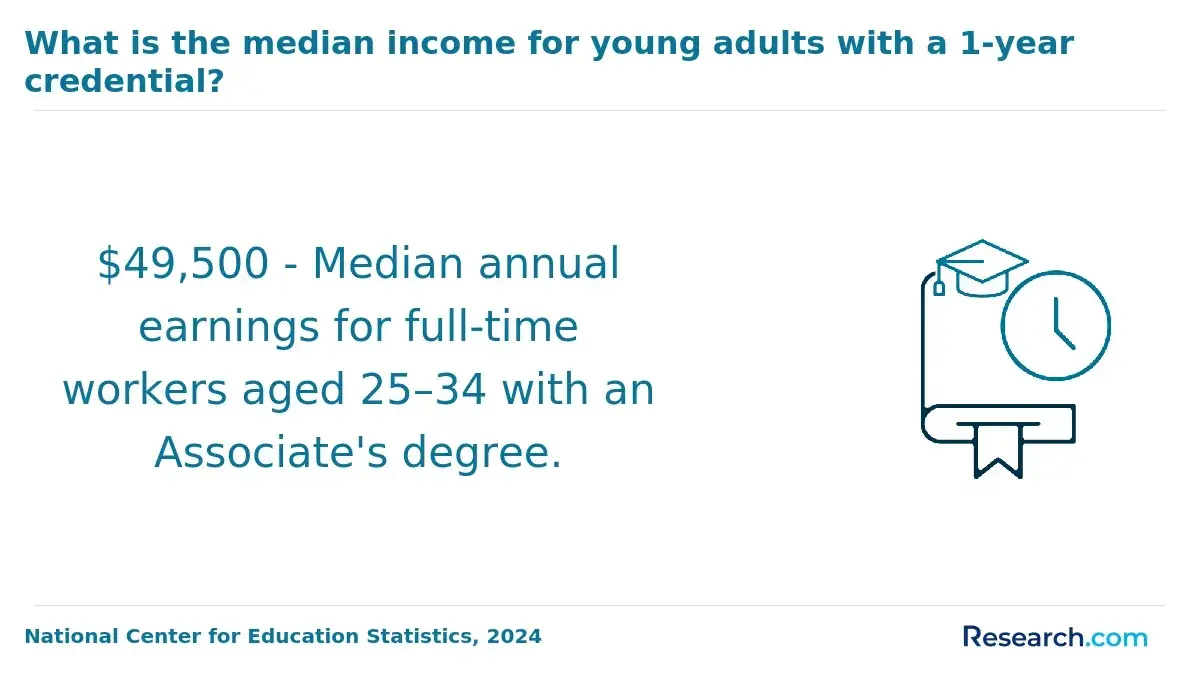
Starting salaries for graduates with a master's degree in public administration vary widely depending on role, experience, and market conditions. Entry-level salaries typically range from $50,000 to $65,000 annually, reflecting differences across sectors and job functions. Several factors play a critical role in determining these initial compensation levels:
- Role and Sector: Government, nonprofit, and private settings offer divergent salary frameworks, with government jobs often providing steady but comparatively modest pay. Understanding the nuances within each sector helps graduates target roles that align with their financial expectations.
- Prior Experience: Internships, fellowships, or related work experience can boost starting salaries by demonstrating job readiness and practical skills. New graduates are advised to pursue relevant opportunities during their studies to enhance their initial pay.
- Networking and Connections: Active engagement with professional networks or mentorship programs often opens doors to better job prospects and salary offers. Establishing strong connections can significantly influence entry-level salaries in public administration careers.
- Skill Specialization: Expertise in areas like budget analysis, policy evaluation, or project management increases a candidate's appeal to employers, often leading to higher starting pay. Graduates should focus on developing specialized skills that meet market demand.
- Negotiation Ability: Effective negotiation during the hiring process can improve compensation packages, even when initial offers are modest. Developing confidence and strategies in salary negotiations is essential for maximizing starting salaries.
Early-career professionals in public administration are expected to show adaptability and eagerness to learn, which can foster salary growth over time. Graduates aiming for the most lucrative starting roles may also consider exploring affordable online executive MBA programs to further enhance their qualifications and marketability.
Which States Pay the Highest Salaries for Public Administration Master's Degree Holders?
Compensation for public administration master's degree holders differs noticeably across the U.S., influenced by factors such as cost of living, the need for advanced skills, and concentration of relevant industries. Recent reports indicate that the salary gap between states with the highest and lowest earnings for these professionals can reach up to 25%. The states listed below are recognized for offering some of the most attractive salary packages for public administration graduates.
- California: This state's elevated cost of living is balanced by a high demand from government bodies and nonprofit organizations, which creates competitive compensation for skilled professionals.
- New York: Dense urban centers and a strong presence of state agencies boost the need for experienced public administration experts, resulting in higher wages.
- Washington: As the base for numerous federal agencies and nonprofits, Washington benefits from premium salary offerings to attract and retain talent.
- Massachusetts: The robust public sector combined with a concentration of academic institutions generates steady demand and competitive pay scales.
- Virginia: Its location near Washington, D.C., ensures access to federal government job markets, contributing to enhanced earnings for master's degree holders.
When asked about salary variations across states, a public administration master's graduate shared that relocating to a higher-paying state was both a strategic and emotional decision. "It wasn't just about the money," he explained. "I had to weigh the challenges of uprooting my family and adapting to a new environment." He also noted the importance of networking in these regions, saying, "Knowing the right people in states with dense government or nonprofit sectors made a significant difference in securing a well-compensated role." This firsthand experience highlights that while salary is crucial, factors like community support and cost-of-living trade-offs often play equally important roles in career choices.
Which Public Administration Master's Specializations Lead to the Highest Salaries?
Specializations within a public administration master's program significantly affect earning potential by addressing the demand for specialized skills in complex organizational environments. Research from 2023 highlights that these focused areas can provide up to a 20% wage premium compared to general public administration degrees. The following specializations tend to offer the highest salaries:
- Health Policy and Management: This specialization commands premium pay due to the urgent need for professionals adept at navigating healthcare regulations and managing intricate funding systems. Employers value their ability to ensure compliance and optimize health service delivery.
- Public Financial Management: Specialists in this area fill critical roles in overseeing budgets and fiscal policies. Their expertise in financial accountability and strategic resource allocation is essential for government and nonprofit entities, boosting their compensation.
- Emergency and Disaster Management: Expertise in crisis preparedness and response is increasingly vital, leading to higher salaries. Professionals in this field help organizations mitigate risks and manage emergency operations effectively.
- Urban Planning and Development: This specialization offers strong salary potential because of its role in shaping sustainable city growth and infrastructure. Skilled planners who integrate policy and development needs are highly sought after.
- Information Technology Management: As governments accelerate digital transformation, this area grows in importance. Professionals who manage technology initiatives enhance operational efficiency, resulting in increased earning opportunities.
What Skills Can Increase the Salary of a Public Administration Master's Degree Graduate?
Obtaining a master's degree in public administration can improve earning potential, but the specific skills graduates develop often play a more decisive role in their salaries. Research shows employers increasingly seek candidates adept in leadership and technical abilities; for instance, graduates with strong data analysis and management skills may receive up to 20% higher pay. Highlighted below are five essential skills that can significantly boost salary prospects for public administration master's degree holders.
- Leadership and Strategic Management: These skills empower graduates to guide large teams and oversee complex initiatives. Higher compensation reflects the added responsibility of making strategic decisions that impact organizational success.
- Data Analysis and Performance Measurement: Mastery of data-driven approaches enables evidence-based policymaking and operational improvements. Employers highly value these competencies for enhancing efficiency and justifying budget allocations.
- Financial Management and Budgeting: Expertise in managing financial resources is crucial for maximizing funding and ensuring fiscal accountability. Graduates with this skill are often entrusted with senior roles involving budget oversight.
- Policy Analysis and Program Evaluation: The ability to critically assess programs and policies supports continuous improvement and informed legislative recommendations, tasks associated with higher salary tiers.
- Communication and Stakeholder Engagement: Effective interaction with diverse groups facilitates collaboration and consensus-building, which are key for leadership positions that command better compensation.
When discussing these skills with a working professional currently enrolled in a public administration master's degree program, she reflected on how mastering strategic communication has transformed her approach to stakeholder interactions. "It wasn't just about knowing the theory," she explained, "but applying practical techniques to navigate complex discussions and drive positive outcomes." She admitted it was challenging to balance coursework with a full-time job, yet she found that refining these interpersonal abilities increased her confidence in managing projects. "This ongoing process convinced me that developing such skills directly contributes to career advancement and salary growth," she added thoughtfully.
Is There a Salary Difference Between Online and On-Campus Public Administration Master's Graduates?
Many prospective master's students in public administration often wonder whether choosing an online versus an on-campus format impacts their post-graduation salary. It is well documented that holders of master's degrees generally enjoy a wage premium of 20% to 30% compared to those with only a bachelor's degree. This raises a natural question about how degree format influences earnings potential for public administration graduates.
Research shows that measurable salary differences between online and on-campus public administration graduates are minimal when factors like prior work experience and the institution's reputation are accounted for. Employer perceptions have shifted, with many now viewing online degrees from reputable schools as credible, though networking opportunities and internships available through on-campus programs can still provide an advantage in some cases. Ultimately, compensation tends to reflect the applicant's skills, certifications, and professional experience more than the program delivery mode itself.
Current hiring trends increasingly emphasize skills and outcomes rather than degree format, which benefits mid-career professionals pursuing master's degrees online. Employers prioritize demonstrated abilities and relevant work history, often making the difference between candidates with similar educational backgrounds. As acceptance of online programs continues to grow, the earnings potential for online public administration graduates aligns closely with that of their on-campus counterparts.
Are Public Administration Master's Graduates More Competitive for Executive Positions?
Many professionals pursue a public administration master's degree to strengthen their qualifications for senior leadership roles, enhancing their ability to compete for executive positions in competitive job markets. These degrees are especially valuable for mid-career professionals seeking to maximize return on investment and advance into more strategic roles. Several factors contribute to the executive career competitiveness of public administration master's graduates:
- Leadership Preparation: Coursework and hands-on experiences cultivate essential leadership skills, enabling graduates to manage diverse teams and address complex organizational challenges effectively.
- Decision-Making Authority: Knowledge of policy analysis and resource allocation empowers graduates to assume roles with significant responsibility for operational control and strategic decisions.
- Organizational Impact: Graduates learn to design and implement programs that enhance public service delivery, showcasing their ability to drive meaningful change within institutions.
- Strategic Capability: Training in long-term planning and crisis management equips graduates to navigate dynamic environments and lead organizations through uncertainty.
- Professional Credibility: The degree signals a commitment to ethics, governance, and continuous improvement, fostering trust with stakeholders and boards, which is critical for senior leadership positions.
These elements make public administration master's graduates highly competitive for executive roles that demand more than technical expertise. In a landscape where leadership readiness is key, such graduates demonstrate the advantages of a public administration master's for senior leadership roles across public and nonprofit sectors. For professionals considering advancing their careers, exploring options like an online degree in psychology can also complement leadership skills with a broader understanding of organizational behavior and human factors.
What Is the ROI of a Public Administration Master's Degree?
Return on investment (ROI) is a key consideration for prospective public administration master's students evaluating tuition costs against long-term career benefits. Research shows that individuals with a master's degree in public administration can earn roughly 20% more over their lifetimes compared to those holding only a bachelor's degree. Several factors contribute to the overall financial and career value of this advanced degree.
- Tuition Costs: Lower tuition fees reduce accumulated debt, allowing graduates to reach break-even points sooner and enhancing net financial gain over time.
- Salary Growth: Advanced degrees typically lead to higher starting salaries and faster wage increases, significantly impacting lifetime earnings and the overall return on investment of a public administration master's degree.
- Opportunity Cost: Time spent pursuing the degree may delay income generation; therefore, shorter programs or part-time and online options can positively affect ROI by minimizing lost wages.
- Career Mobility: A master's degree expands eligibility for leadership roles and opens new job opportunities, increasing potential income and professional growth.
- Networking Value: Graduate programs offer access to valuable professional networks, which can accelerate career advancement and enhance job stability in an increasingly competitive job market.
These elements interplay to shape the financial benefits of earning a public administration master's degree, making it a strategic asset for mid-career professionals. For those evaluating flexible formats to maximize ROI, exploring an MFT program provides insight into accelerated pathways that may align with personal and financial goals.
What Is the Job Outlook for Public Administration Master's Degree Holders?
Prospective master's students in public administration must consider the long-term career stability and growth prospects within the field. The U.S. Bureau of Labor Statistics predicts a 10% increase in employment for administrative services managers from 2022 to 2032, outpacing the average growth rate across all professions. Several factors contribute to this promising outlook.
- Long-Term Demand: Expanding needs in both public and nonprofit sectors drive sustained opportunities for graduates who provide efficient organizational oversight and enhanced service delivery.
- Evolving Skill Sets: Employers increasingly seek expertise in data analytics, policy evaluation, and strategic planning to navigate complex societal challenges and improve outcomes.
- Technological Advancement: Growing reliance on digital tools for transparency and resource management creates positions demanding technological proficiency.
- Leadership Development: Organizations emphasize succession planning, often preferring candidates with graduate education for leadership roles.
- Economic Resilience: Professionals adept at managing fiscal constraints and economic fluctuations remain vital to organizational continuity and growth.
What Graduates Say About the Highest-Paying Jobs with a Public Administration Master's Degree
- Otis: "Choosing a master's degree in public administration was one of the best decisions of my career. The knowledge I gained about government budgeting and policy analysis directly contributed to landing a high-paying role in city management. Despite the tuition costs, the return on investment became clear within the first year of my new job."
- Ronan: "Reflecting on my experience, pursuing a master's in public administration opened doors I never expected, especially in nonprofit leadership roles with top salaries. Although the program wasn't inexpensive, the financial impact has been profound, with increased earnings allowing me to comfortably support my family. For anyone weighing options, it's an investment worth considering carefully."
- Brooks: "From a professional standpoint, earning my public administration master's enhanced my qualifications for senior executive government positions that offer some of the highest salaries in the sector. Balancing the program's cost against the substantial salary boost I received made the decision clear. I'm grateful for the career advancement and financial stability it has brought me."
Other Things You Should Know About Public Administration Degrees
Yes, a Master's degree in Public Administration can lead to leadership roles. Graduates often find opportunities in government, non-profits, and private sectors, working as city managers, policy analysts, or executive directors, where leadership and strategic decision-making are critical.
Many public administration master's programs encourage or require internships or practical work experience to complement academic study. These opportunities provide essential hands-on experience in real-world public sector environments, enhancing employability and practical understanding of public administration challenges.
In 2027, top-paying jobs for those with a Public Administration Master's Degree include positions like City Manager, Public Affairs Director, and Chief Administrative Officer. These roles offer competitive salaries due to their critical impact on governance and policy implementation.
References
- Is Grad School Worth It? A Comprehensive Return on Investment Analysis - FREOPP https://freopp.org/whitepapers/is-grad-school-worth-it-a-comprehensive-return-on-investment-analysis/
- MPA Careers and Salaries https://teach.com/online-ed/government-degrees/online-masters-public-administration/mpa-careers/
- Online MPA Careers Guide https://online.aurora.edu/mpa-careers-guide/
- Master of Public Administration (MPA): Careers and Requirements https://www.investopedia.com/terms/m/master-of-public-administration.asp
- Ranking of the Best Masters, MS & MBA 2025 https://www.best-masters.com/master-public-administration-management-ranking.html
- 5 High-Paying Public Administration Jobs | TUW https://www.tuw.edu/school-news/5-top-paying-public-administration-jobs/
- Career Opportunities in Public Administration after a Masterâs Programme https://www.sciencespo.fr/ecole-affaires-publiques/en/careers/actions-opportunities/career-opportunities-public-administration/
- 25 Best Master of Public Administration (MPA) Programs 2020 https://www.gradreports.com/best-graduate-schools/public-administration
- 24 careers for MPA graduates https://www.cmich.edu/blog/all-things-higher-ed/24-careers-for-mpa-graduates
- Career Opportunities With a Master’s in Public Policy - Top Salaries & Positions https://publicpolicy.pepperdine.edu/blog/posts/career-opportunities-with-a-masters-in-public-policy.htm