2027 Public Administration Degree Master's Programs You Can Get Into Right Now (Eligibility-Based Matches)

Co-Founder and Chief Data Scientist
Professionals seeking to transition into public administration often face hurdles related to stringent program prerequisites and time constraints. Many find it challenging to identify master's programs that accept diverse academic backgrounds while offering the flexibility vital for working adults. Recent data shows that 48% of online public administration students are career changers balancing studies with employment, highlighting the demand for accessible options.
This article identifies current master's programs matched by eligibility, focusing on those designed for applicants from unrelated fields. It provides clear guidance on enrollment opportunities, helping prospective students swiftly navigate their path into public administration careers.
Key Benefits of Eligibility-Based Public Administration Degree Master's Programs
- Eligibility-based master's programs offer flexible scheduling and part-time options, catering specifically to working professionals balancing career and study commitments.
- Accelerated curricula enable students to acquire crucial skills in 12-18 months, supporting faster transitions into leadership roles within public sector organizations.
- Many programs provide access to global alumni networks and virtual events, broadening professional connections and career opportunities across diverse regions.
What Is the Minimum GPA Requirement for Public Administration Master's Programs?
Prospective public administration master's degree students often face varying minimum GPA requirements that impact their eligibility. These standards help applicants gauge which programs align with their academic profile. Below are several key points to consider when reviewing public administration master's program GPA eligibility criteria.
- Range of Minimum GPA Requirements: Many programs set minimum GPA thresholds between 2.75 and 3.0 for admission consideration, with some highly ranked schools enforcing a strict 3.0 cutoff.
- Hard Minimum vs. Competitive Average: Schools often list hard minimum GPAs required for eligibility, but admitted students usually have higher averages, frequently above 3.3 in competitive programs.
- Holistic Admissions Practices: Applicants with GPAs at or slightly above 2.75 may strengthen their application through recommendation letters, relevant work experience, or other supplemental materials, as some programs adopt a holistic admissions approach.
- Representative Examples: For instance, Indiana University allows a 2.75 GPA with supplemental materials, while the University of Southern California requires a strict 3.0 minimum GPA for eligibility.
- Recent Trend: Approximately 42% of U.S. public administration master's programs have moved toward holistic review processes, relaxing strict GPA cutoffs to expand accessibility.
Using this GPA range as an initial filter helps applicants build a realistically balanced school list, avoiding programs where their minimum gpa required for public administration master's programs falls significantly short. Understanding these eligibility distinctions aids in targeting fitting programs rather than relying solely on aspirational rankings.
Prospective students should also consider whether programs waive GRE requirements or accept prerequisite coursework. Exploring financial aid options and accreditation standards further supports program selection. For those interested in advanced study options, information about online doctoral programs can provide additional educational pathways.
Which Public Administration Master's Programs Accept Students Without Direct Field Experience?
Applicants to public administration master's programs come from diverse backgrounds, including career changers, recent graduates, and professionals in related fields. Because of this variety, experience requirements differ widely across programs. Some explicitly welcome candidates without direct field experience by implementing supportive mechanisms outlined below.
- Flexible Admissions Policies: Many programs, such as those at the University of Southern California and Syracuse University, clarify on their admissions pages that prior professional experience in public administration is not mandatory. Instead, they emphasize academic potential and commitment, facilitating access for newcomers.
- Bridge or Foundation Courses: Institutions like the University of North Carolina at Chapel Hill and Indiana University Bloomington provide foundation or bridging courses designed to equip students with essential concepts, ensuring academic success alongside peers with field experience.
- Prerequisite Waivers or Provisional Admission: Programs such as the University of Washington's Evans School of Public Policy and Governance offer options to waive prerequisites or admit students provisionally, contingent on completing preparatory coursework to fill knowledge gaps.
- Holistic Application Review: Admissions committees increasingly consider leadership potential, volunteer activities, and academic achievements beyond work experience, broadening access for motivated applicants without traditional backgrounds.
- Support Services and Mentorship: Many programs pair students lacking field experience with faculty mentors or workshops to develop skills and professional networks vital during the degree journey.
When applying to public administration master's programs without experience requirements, highlight transferable skills, volunteer roles, and academic accomplishments in personal statements. Express enthusiasm for public service and provide concrete examples of problem-solving.
Approximately 40% of newly admitted master's students across public policy and administration fields lacked direct professional experience, reflecting a growing inclusivity trend. Prospective applicants can explore an easy masters degree as part of a strategic approach to identifying programs that match their backgrounds and goals.
Are There Public Administration Master's Programs That Do Not Require the GRE or GMAT?
Graduate programs nationwide are increasingly shifting toward test-optional policies, a change accelerated by the COVID-19 pandemic. Public Administration master's programs have followed this trend, offering alternatives to traditional GRE or GMAT requirements. Below are essential distinctions applicants should consider related to these evolving admissions policies.
- Full Waivers: Certain programs have entirely removed the GRE or GMAT from their admissions criteria, prioritizing academic records and relevant experience instead. Institutions like Syracuse University and the University of North Carolina exemplify this permanent policy shift.
- Optional Submission Policies: Some schools allow applicants to decide whether to submit standardized test scores. Strong GRE or GMAT results may bolster applications, but candidates lacking competitive scores can rely on GPA and professional background. Vanderbilt University and George Washington University use this model to provide flexible entry options.
- Conditional Waivers Based on Academic or Work Criteria: A number of programs waive test requirements if applicants meet specific benchmarks such as a minimum GPA (commonly around 3.0) or possess significant public sector experience. For instance, the University of Southern California's Price School offers waivers contingent upon these factors.
- Temporary Suspensions vs. Permanent Policy Changes: Many schools initially suspended test mandates during the pandemic but may have since reinstated them. Prospective students must check current admissions guidelines directly to confirm up-to-date policies.
- Voluntary Score Submission Decisions: When tests are optional, candidates should assess how their scores compare to program averages. Submitting above-average scores can strengthen applications, while lower scores might be left out strategically to avoid detracting from the overall profile.
Reflecting on whether public administration master's programs that waive GRE or GMAT requirements genuinely simplify admissions, a professional who recently pursued such a degree shared that navigating these optional policies was initially confusing. "I wasn't sure if skipping the GRE would hurt my chances or if sending a mediocre score might lower my odds," he explained.
He spent considerable time researching each program's current stance and ultimately chose schools offering full waivers, which alleviated stress and allowed him to focus on highlighting his work experience and academic achievements. "Knowing which options existed and how flexible programs were helped me strategize better and feel more confident about my applications," he noted.
How Many Letters of Recommendation Do Public Administration Master's Programs Typically Require?
Letters of recommendation play a vital role in public administration master's admissions, offering evaluators deeper insights than transcripts or test scores alone. Applicants should be aware of the typical letter expectations and how to approach the request process. Here are some essential points to keep in mind:
- Typical Number Required: Most programs ask for two to three letters, balancing sufficient perspective with application manageability. Some exceptions may request more or fewer, so confirm each program's specific requirements.
- Academic vs. Professional Recommenders: A combination is usually preferred; academic letters focus on research abilities and analytical skills, while professional letters emphasize leadership, collaboration, and practical public service experience.
- What Admissions Seek: Strong recommendations highlight problem-solving aptitude, dedication to public service, and readiness for graduate-level challenges, supported by concrete examples and achievements.
- Timing and Preparation: Contact recommenders at least 4 to 6 weeks ahead of deadlines, providing your résumé, personal statement, and relevant accomplishments to help them write detailed letters.
- Submission Guidelines: Some programs require secure portal submissions or specific formatting-always review instructions carefully to ensure letters arrive properly and punctually.
For candidates weighing options, also consider financial factors like the availability of aid and program affordability by researching options such as the online executive MBA. Such insights help craft a balanced application strategy aligned with your strengths.
What Are the Typical Application Deadlines for Public Administration Master's Programs?
For prospective public administration master's degree students, knowing the various application deadline types and their timelines is essential for maximizing admission chances and financial aid opportunities. Below are important points to help you navigate this process:
- Early Decision and Priority Deadlines: These usually occur from November to early December for fall start dates. Meeting these deadlines often improves admission odds and access to merit scholarships but may require binding commitments or early preparation.
- Regular Deadlines: Most programs set deadlines between December and February, offering a typical application timeframe. While chances of acceptance remain strong, some financial aid options might be reduced once priority deadlines pass.
- Rolling Admissions: Many schools accept applications year-round until spots fill. Applying early is advantageous since seats and financial aid are distributed on a first-come, first-served basis.
- Distinguishing Document and Application Deadlines: It's common to confuse final document submission deadlines (like transcripts or letters) with the application deadline itself. Submitting all requirements early helps prevent delays or missing out.
- Personal Deadline Tracker: Creating a customized tracker listing each program's deadline types, due dates, required materials, and notification dates aids organization and timely completion.
A professional who earned an online public administration master's degree recalled how managing multiple deadlines was challenging but critical. "I often felt overwhelmed coordinating transcript submissions and recommendation letters alongside application due dates. Having a detailed calendar was a game-changer," she reflected. Her experience showed that staying proactive and organized not only reduced stress but also ensured she met all requirements on time, positioning her competitively for admission and funding.
Which Public Administration Master's Programs Offer Part-Time or Online Enrollment Options?
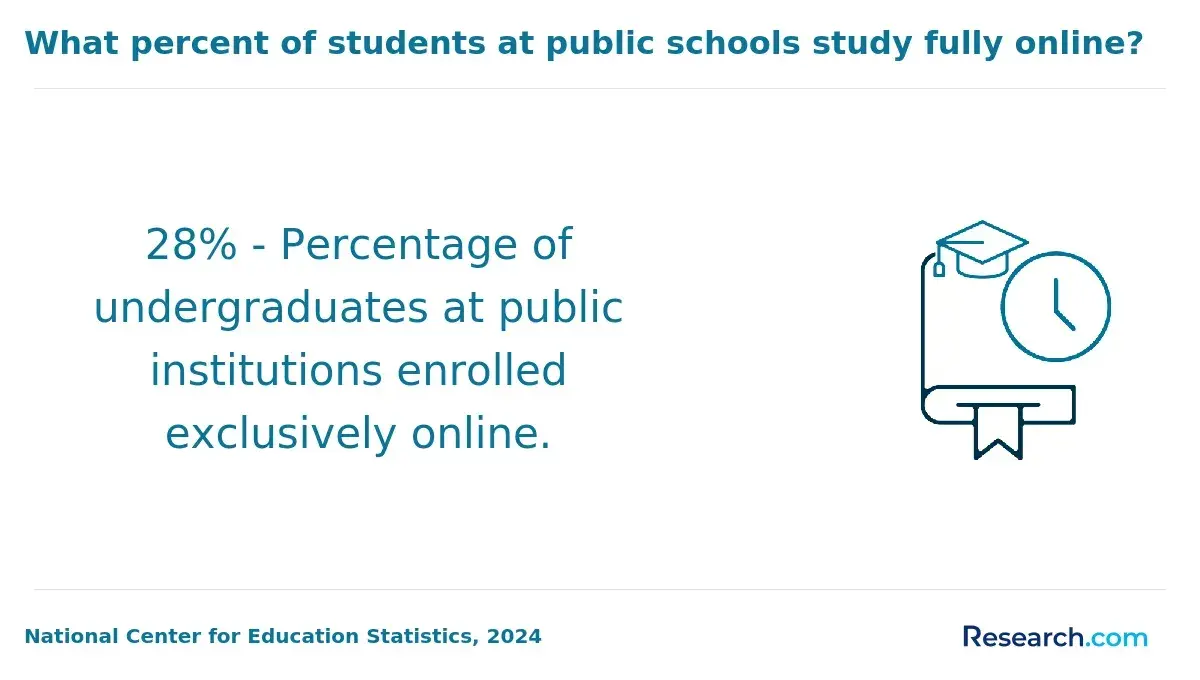
Flexible delivery formats for public administration master's degrees are increasingly important for students juggling careers and other commitments. These options vary in structure and learning style, each offering distinct advantages and considerations. Key factors to weigh include program design, credential recognition, and career implications. Below is a summary of crucial aspects to help guide your choice:
- Delivery Formats and Considerations: Programs may be fully online, hybrid (a mix of online and occasional in-person sessions), or part-time cohorts scheduled during evenings or weekends. More structured schedules often mean some on-campus presence, while fully online options maximize convenience but reduce face-to-face interaction.
- Accreditation and Degree Value: Leading universities confirm that online and part-time degrees carry the same accredited status and credential weight as traditional on-campus programs, ensuring equal recognition by employers and professional organizations.
- Employer Attitudes: Surveys indicate public administration employers generally treat degrees earned online and in-person equivalently when from accredited institutions. However, in-person formats may provide better networking crucial for career development.
- Decision Factors: Selecting a delivery mode depends on your need for schedule flexibility, access to networking opportunities, residency or attendance requirements, and total costs. Fully online programs offer maximum flexibility but may limit personal engagement with peers and faculty.
- Notable Program Examples: Institutions such as Syracuse University, the University of Southern California, and the University of North Carolina at Chapel Hill offer accredited online or hybrid public administration master's degrees designed for part-time learners without compromising educational quality.
Weighing these elements carefully can help you find a program format that aligns well with your professional aspirations and lifestyle demands.
What Prerequisite Courses Are Required for Admission Into Public Administration Master's Programs?
Prospective students aiming for a public administration master's degree often need to meet certain undergraduate prerequisites that prepare them for advanced coursework. Identifying these requirements early helps avoid surprises during admission and supports a smoother transition into graduate studies. Below are key points to guide you through common prerequisite expectations and options.
- Core Foundational Coursework: Most programs require prior completion of courses in research methods, statistics, or fundamental public administration theory. These provide essential skills for graduate-level policy analysis and decision-making.
- Hard vs. Soft Prerequisites: Hard prerequisites must be completed before enrollment, while soft prerequisites may be taken alongside initial graduate courses. Confirm these details with each program's admissions office to plan effectively.
- Remediation Options: If you lack prerequisites, community college classes, accredited MOOCs, or certificate programs offer flexible ways to fill knowledge gaps within a practical timeframe that aligns with your master's start date.
- Waivers Based on Experience or Coursework: Relevant professional experience or equivalent academic credits can sometimes waive prerequisite requirements. Directly consulting graduate advisors provides clarity on this possibility.
- Customized Advising: Graduate admissions teams can help you understand specific program requirements and recommend tailored pathways to meet all prerequisites efficiently.
What Financial Aid, Scholarships, or Assistantships Are Available for Public Administration Master's Students?
Prospective public administration master's students should carefully evaluate available financial aid options to identify affordable pathways for graduate study. Exploring funding opportunities early can help secure scholarships, assistantships, and external awards suited to individual eligibility. Below are key funding categories and considerations for navigating financial aid effectively:
- Institutional Scholarships: Awarded by universities based on merit, financial need, or both, these scholarships often have application deadlines that precede general admissions. Many public administration programs maintain dedicated scholarship funds, so early inquiry is critical for timely submission.
- Departmental Fellowships: These competitive awards, offered by academic departments, require applications highlighting strong academic records or relevant experience. Fellowships may cover full or partial tuition and sometimes include study stipends.
- Teaching and Research Assistantships: Providing stipends and tuition reductions, assistantships involve teaching or research responsibilities. Because assistantship applications usually have earlier deadlines than admissions, candidates should prepare materials in advance to maximize their chances.
- External Awards from Professional Associations: Organizations such as the American Society for Public Administration (ASPA), the Network of Schools of Public Policy, Affairs, and Administration (NASPAA), and the Public Administration Scholarship Database offer discipline-specific scholarships and grants. These awards often require merit-based or project-specific proposals and follow unique timelines.
- Calculating Net Cost and Comparing Packages: Determining the total cost of attendance after accounting for all awarded aid gives a clearer picture of affordability. Comparing financial aid packages across programs is as essential as reviewing admissions criteria to build a well-balanced school list.
Recent data reveals that nearly 60% of public administration graduate students benefit from some form of financial aid. Navigating scholarships and assistantships for public administration graduate students can substantially ease funding concerns, especially for recent graduates and career changers. For students seeking related affordable programs, options such as marriage and family therapy online programs accredited may also present valuable financial aid pathways.
How Do I Write a Strong Statement of Purpose for Public Administration Master's Programs?
For prospective public administration master's degree students, crafting an effective statement of purpose (SOP) is essential for successful admission. A strategic SOP clearly communicates your intellectual interests, relevant experience, and program fit. Below are key structural and rhetorical elements that help applicants write a compelling statement. Consider these points carefully as you prepare your essay:
- Compelling Opening: Start with an engaging introduction that highlights your motivation for pursuing public administration. A strong opening sets your essay apart from generic submissions.
- Clear Articulation of Research or Professional Focus: Specify your interests within public administration, such as policy analysis, nonprofit management, or urban planning. Admissions committees seek applicants with well-defined intellectual or career goals.
- Evidence of Preparation: Showcase your academic background, relevant work experience, or specific skills. Providing concrete examples bolsters your credibility and demonstrates your readiness.
- Program Fit and Specificity: Instead of vague praise, name particular faculty members, research centers, or resources that align with your goals. This detailed approach signals genuine interest and thorough program research.
- Writing Quality and Revision Process: Use clear, confident, and active language. Eliminate vague phrases and clichés. Seek feedback through peer reviews, writing centers, or mentors, and plan on at least three drafts to refine your statement.
Admissions readers in public administration evaluate your intellectual focus, writing skills, self-awareness, and how well your goals align with the program's strengths. Writing strategically rather than generally helps you stand out as a thoughtful, prepared candidate. For applicants seeking advice on effective statement of purpose tips for public administration graduate applications, this guidance equips you well.
When comparing programs, also consider eligibility criteria like GPA thresholds and GRE waivers, as well as financial aid options and career outcomes. For example, students interested in related fields might explore construction management degree online programs that also offer accelerated options.
What Are the Career Outcomes for Graduates of Public Administration Master's Programs?
Career outcome data offers vital insight for prospective public administration master's students comparing programs based on real-world results. Knowing where to find accurate reports and understanding the metrics to prioritize can shape informed decisions. Below are critical points to help you navigate and assess available data.
- Sources of Outcome Data: Reliable information often comes from first-destination surveys, graduate school outcome reports, and LinkedIn alumni filtering tools. Each source varies in transparency and methodology, so focus on those that clearly state how and when data was gathered as well as sample sizes.
- Employment and Salary Indicators: The employment rate within six months of graduation and median starting salary provide essential benchmarks for program effectiveness and graduate marketability. These metrics reveal how quickly alumni find relevant positions and their earning potential.
- Job Titles and Industry Sectors: Typical roles for public administration graduates include policy analysts, nonprofit leaders, government officials, and consultants. Understanding sector distribution enhances insight into the program's practical application and networking opportunities.
- Program-Specific Variations: Career outcomes can fluctuate based on specialization areas, geographic region, and whether the curriculum emphasizes thesis research or coursework. These factors influence job prospects and should guide program comparisons.
- Alumni Outreach: Direct contact with alumni through LinkedIn yields candid perspectives on career paths, skill relevance, and workplace experiences beyond formal reports, enriching your overall understanding.
How Can You Use Eligibility-Based Matching Tools to Find the Right Public Administration Master's Program?
Eligibility-based matching offers a targeted approach to finding public administration master's programs tailored to your academic background and experience, rather than relying solely on traditional rankings. This method evaluates factors like GPA, test scores, relevant work history, and program compatibility, generating a realistic list of schools where your admission chances are stronger.
Top platforms for eligibility-focused searches include Peterson's, which compiles admission criteria and lets you filter by GPA and GRE requirements, creating a data-driven overview. Niche adds student reviews and campus atmosphere insights, although it provides limited admissions detail.
GradCafe offers firsthand applicant reports on interview invitations and acceptances, but its anecdotal nature limits comprehensive accuracy. Professional association directories list accredited programs with baseline admission standards, helping ensure programs meet recognized quality benchmarks.
Every tool relies on different data sources and has inherent limitations. They may not account for recent changes such as test waivers, holistic review shifts, or updated prerequisites. For this reason, cross-referencing match results with official program websites and published admissions data is essential to confirm current requirements.
While these tools help streamline your search, they represent only the initial step. Direct communication with admissions offices is critical to verify up-to-date eligibility standards and priorities, empowering you to assemble an application list based on accurate, current insights rather than outdated or incomplete information.
What Graduates Say About Eligibility-Based Public Administration Degree Master's Programs
- Ella: "Choosing to pursue a master's in public administration was a strategic move for me to transition into leadership roles within local government. The affordable cost of the eligibility-based program made it possible without overwhelming financial strain. This degree truly empowered me to align my career with my passion for community development and effective governance."
- Madison: "Reflecting on my journey, enrolling in an eligibility-based public administration master's program was a practical decision that balanced career advancement with personal commitments. The cost-effectiveness of the program allowed me to invest in my future without sacrificing quality. Ultimately, this degree broadened my perspective and helped me achieve long-term life goals centered on public service impact."
- Macy: "My decision to pursue a master's degree in public administration was fueled by a desire to deepen my expertise and credibility in the public sector. The eligibility-based program's manageable tuition fees were a major factor in enabling me to return to school without financial hesitation. This experience dramatically reshaped my professional path and enhanced my ability to contribute meaningfully to policy and administration."
Other Things You Should Know About Public Administration Degrees
The average time to complete a public administration master's program is typically 1.5 to 2 years based on full-time enrollment. Some programs, like part-time or online options, may allow more flexibility and can take longer depending on the student's pace.
Yes, several institutions offer accelerated or combined bachelor's-to-master's degree options in public administration. These pathways allow students to complete both degrees in a shortened timeframe, often five years instead of the usual six or more. Admission to these programs usually requires maintaining a minimum GPA and early planning during undergraduate studies.
When choosing a 2027 public administration master's program, consider accreditation status, faculty expertise, curriculum relevance to current industry needs, internship opportunities, and alumni success rates. These features ensure a comprehensive education aligning with professional standards.
References
- 7 Great Statement of Purpose Examples for Grad School + Analysis 2056/2026 https://www.collegeessayguy.com/blog/statement-of-purpose-examples
- Top 10 Public Administration Scholarships - https://www.bestmastersprograms.org https://www.bestmastersprograms.org/top-10-public-administration-scholarships/
- Masters Match – Find your Perfect Match — Unimy Masters https://www.unimymasters.com/
- Full Tuition MPP and MPA Fellowships and Scholarships | ProFellow https://www.profellow.com/fellowships/full-tuition-mpp-and-mpa-fellowships-and-scholarships/
- Why get an MPA degree? Six reasons to study a Master of Public Administration https://www.study.eu/article/why-get-an-mpa-degree-six-reasons-to-study-a-master-of-public-administration
- Master of Public Administration - Graduate School of Public Policy https://www.schoolofpublicpolicy.sk.ca/programs/masters-programs/master-of-public-administration.php
- Application Deadlines https://www.csudh.edu/mpa/mpa-admissions/application-deadlines/
- Online MPA Programs No GRE Required – Master of Public Administration https://www.onlinempaprograms.com/faqs/online-mpa-programs-no-gre-required
- Why Get a Master of Public Administration Degree? https://sopa.tulane.edu/blog/why-get-master-public-administration-degree
- Scholarships for Master's in Public Administration and Policy https://www.liverpool.ac.uk/study/fees-and-funding/scholarships-and-bursaries/masters/public-administration-and-policy/