2027 Highest-Paying Jobs with a Respiratory Care Therapy Master's Degree

Co-Founder and Chief Data Scientist
Mid-career professionals with a master's degree in respiratory care therapy often face uncertainty about which specialized roles offer the highest compensation. Despite the growing demand for advanced respiratory care practitioners, many struggle to identify positions that match their qualifications with maximum financial return.
According to the U.S. Bureau of Labor Statistics, respiratory therapists with advanced degrees can expect a median wage approximately 25% higher than those with only a bachelor's. This article examines the most lucrative career paths for master's-level respiratory care therapy graduates, helping readers strategically target roles that optimize both earning potential and professional growth.
Key Benefits of the Highest-Paying Jobs with a Respiratory Care Therapy Master's Degree
- Graduates with a master's in respiratory care therapy typically see a 20% higher starting salary versus bachelor's holders, maximizing immediate earning potential in a competitive healthcare market.
- Advanced degrees accelerate career advancement into executive roles such as director or administrator, unlocking compensation packages often exceeding six figures within five years.
- The sector's projected 19% job growth through 2032 provides long-term financial stability, as demand for skilled respiratory care therapy professionals outpaces supply nationwide.
What are the highest-paying jobs with a respiratory care therapy master's degree?
Holding a master's degree in respiratory care therapy opens doors to senior-level and high-earning roles, with professionals often seeing salary increases of up to 20% compared to those with associate's or bachelor's degrees. This boost reflects the advanced expertise and leadership skills gained through graduate studies, which prepare individuals for increased responsibility and technical challenges. Below are some of the top respiratory care therapy careers by salary that highlight these opportunities.
- Respiratory Care Director: Manages respiratory services within healthcare facilities, overseeing staff, budgets, and operational workflows. This role requires strong leadership and strategic planning skills, directly influencing patient care quality and organizational efficiency.
- Clinical Manager: Leads respiratory therapist teams to ensure compliance with clinical protocols and quality standards. Combining clinical knowledge with administrative oversight, this role enhances service delivery and team performance.
- Respiratory Therapist Specialist: Applies advanced therapeutic techniques for complex patient cases, demanding technical expertise and continuous engagement with emerging research. Specialists often contribute to clinical innovation and improved patient outcomes.
- Healthcare Consultant: Advises healthcare organizations on developing and optimizing respiratory care programs. With a strategic focus, consultants impact policy formulation and operational improvements, which command high compensation.
- Academic Faculty or Educator: Develops curricula, teaches future respiratory therapists, and conducts research to advance the field. This role requires deep clinical knowledge and educational skills, influencing the profession's next generation.
For mid-career professionals considering further education, it is worth exploring pathways such as RN to BSN no clinical hours programs to expand qualifications efficiently. Each of these career paths represents some of the highest-paying respiratory care therapy jobs due to their strategic importance and specialized expertise.
Which industries offer the highest salaries for respiratory care therapy master's graduates?
Salary potential for respiratory care therapy master's graduates varies significantly by industry, shaped by differences in market demand, operational complexity, and revenue scale. Industry data indicates that health services involving critical and specialized care typically provide salaries about 15-20% above the national average for this profession. Identifying the highest paying industries can help professionals pursue opportunities that maximize their earning power.
Industries known for offering top salary sectors for respiratory care therapy master's degree holders include:
- Hospitals and Healthcare Systems: These settings offer premium compensation due to high patient acuity and the need for specialized respiratory procedures. The complex environment demands advanced clinical skills and readiness for urgent care situations, driving salary premiums.
- Home Healthcare Services: With an aging population requiring ongoing respiratory management and technical support, home healthcare provides steady demand and competitive salaries. This sector's growth reflects increasing preferences for in-home treatment and technology integration.
- Pharmaceutical and Medical Device Companies: Expertise in respiratory care is critical for product development, clinical trials, and technical consulting, contributing to higher compensation. These industries benefit from innovation-driven revenue that supports generous pay scales.
- Government and Military Healthcare Facilities: Offering comprehensive benefits and working within critical care environments, these employers provide stable and lucrative salary packages. Their focus on readiness and specialized care elevates earning potential for respiratory care therapy graduates.
Mid-career professionals seeking to enhance their credentials might also explore related paths such as medical billing and coding classes, which can complement respiratory care expertise with administrative skills valuable in healthcare settings.
What is the starting salary with a respiratory care therapy master's degree?
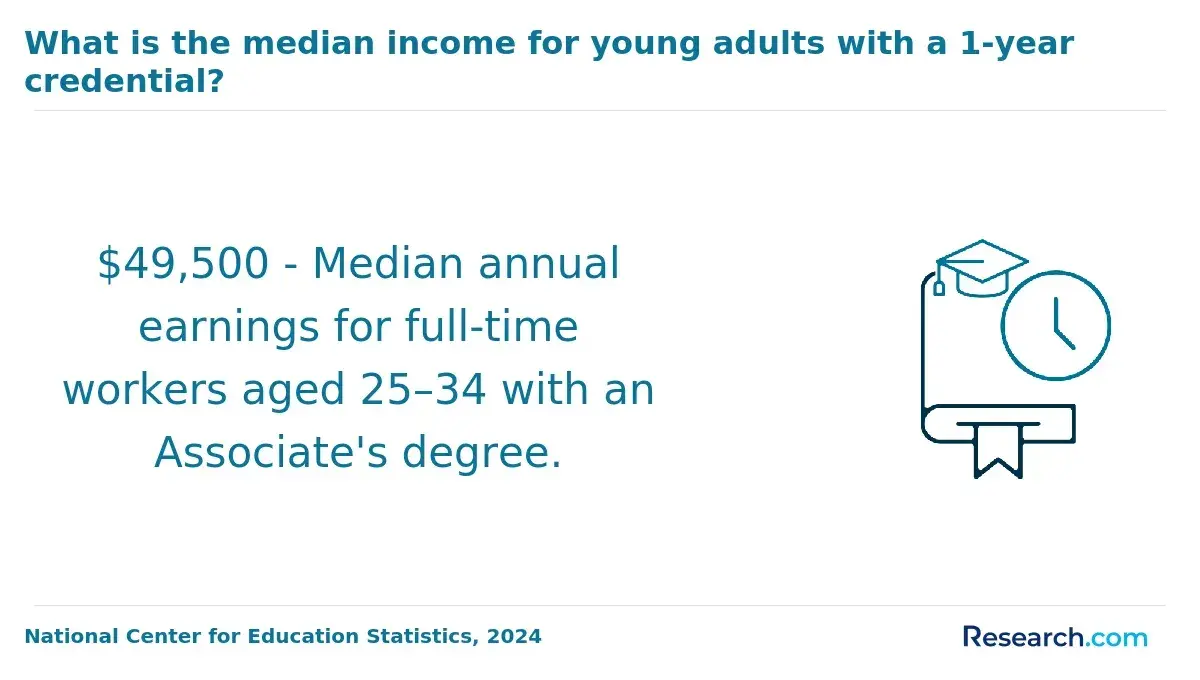
Starting salaries for respiratory care therapy master's degree graduates typically range based on role, clinical experience, and local market demand. According to data from the U.S. Bureau of Labor Statistics, the median annual wage for respiratory therapists is approximately $62,000, with those holding a master's degree often earning near the upper end of entry-level salaries. Several critical factors influence these initial compensation levels.
- Role and Responsibilities: Specialized or leadership roles command higher starting pay due to the advanced skills and decision-making involved. Graduates should seek opportunities that allow for differentiated clinical duties to maximize salary offers early in their careers.
- Experience and Clinical Exposure: Hands-on internships and relevant prior healthcare work can significantly boost negotiating power for new graduates. Demonstrating aptitude in clinical settings is essential for securing a stronger entry-level salary for respiratory care therapy graduates.
- Certifications and Licenses: Additional credentials beyond the master's degree, such as specialty certifications, signal expertise to employers. This often results in better compensation offers and can set candidates apart in competitive hiring markets.
- Employer Type: Compensation differs among hospitals, outpatient facilities, and private clinics, reflecting budget priorities and patient volume. Understanding employer expectations helps graduates target organizations that value advanced respiratory care therapy credentials.
- Market Demand: Areas experiencing shortages in respiratory care professionals tend to offer more competitive starting salaries. Prospective students might also explore related fields or consider pathways like MSN to DNP programs online for further advancement opportunities.
Which states pay the highest salaries for respiratory care therapy master's degree holders?
Compensation for respiratory care therapy master's degree holders varies widely across the U.S., influenced by factors such as regional cost of living, demand for specialized expertise, and the density of healthcare facilities. On average, professionals in some states earn up to 20% more than the national median salary, reflecting localized wage premiums. Below are five states known for providing exceptional pay to advanced respiratory care practitioners.
- California: High living expenses combined with an extensive healthcare system help drive salaries upward. Employers compete fiercely to attract and retain respiratory care professionals in this state.
- Texas: Rapid population growth and expanding medical infrastructure fuel demand for skilled respiratory therapists. This escalating need results in wage increases to meet market competition.
- New York: Large urban populations with complex healthcare needs require expert respiratory care providers. Competitive remuneration is often necessary to retain talent within these concentrated metropolitan areas.
- Florida: The state's aging demographic creates sustained demand for respiratory services. A competitive healthcare job market supports favorable compensation packages for master's degree holders.
- Washington: Metropolitan industry hubs paired with cost-of-living adjustments contribute to lucrative salary offers. High employment density in healthcare sectors bolsters wage levels in this region.
When discussing which states offer the highest earnings for respiratory care therapy master's graduates, a recent graduate shared his experience navigating job offers. "I had to weigh the cost of moving against salary differences-it wasn't just about the paycheck but the quality of life," he explained. He also described how negotiating benefits and understanding local market demands were crucial steps he hadn't fully anticipated.
His reflection highlights that while statewide salary data is instrumental, personal circumstances and market nuances play a big role in decision-making for many graduates pursuing the best financial outcomes.
Which respiratory care therapy master's specializations lead to the highest salaries?
Specializations within a respiratory care therapy master's degree can significantly impact salary outcomes, with experts in certain niches earning up to 20% more due to the specialized skills they bring to clinical settings. This premium reflects the complexity of their roles and the increasing need for advanced respiratory expertise. Below are some of the highest-paying specializations in this field:
- Cardiopulmonary Diagnostics: Specialists in this area receive higher pay because they expertly manage and diagnose intricate heart and lung disorders using advanced testing technologies. Their ability to interpret complex diagnostic data is critical to patient outcomes.
- Pulmonary Rehabilitation: These professionals lead recovery initiatives for patients suffering from chronic respiratory ailments. As the population with lung disease grows, their role in designing and implementing effective rehabilitation programs becomes increasingly valuable.
- Critical Care Medicine: Focused on acute respiratory intervention, practitioners in this specialization work primarily in intensive care environments where timely, precise actions can save lives. Their advanced knowledge of life-support therapies justifies higher compensation.
- Neonatal and Pediatric Respiratory Care: Experts in this field address respiratory conditions unique to newborns and children, requiring specialized developmental knowledge. Their focus on vulnerable populations demands a higher level of skill and responsibility.
- Sleep Medicine: Sleep disorder specialists, such as those treating sleep apnea, are growing in demand as awareness of sleep-related respiratory issues expands. Their expertise in diagnostic and therapeutic intervention commands increased salaries.
What skills can increase the salary of a respiratory care therapy master's degree graduate?
While earning a master's degree in respiratory care therapy can improve earning potential, the level of salary growth often hinges on acquiring targeted technical and leadership abilities. Industry research indicates that professionals skilled in advanced competencies typically earn up to 15% more than their peers lacking these qualifications. Below are five essential skills that contribute to increased compensation for respiratory care therapy master's graduates.
- Advanced Clinical Assessment: Expertise in evaluating complex patient conditions enables therapists to make independent, high-stakes decisions, which enhances their value in critical care settings and leads to higher pay due to demonstrated clinical judgment.
- Technology Proficiency: Mastery of respiratory equipment and familiarity with new medical technologies streamline patient care and reduce treatment errors, qualities that employers reward with salary premiums given their impact on operational efficiency.
- Leadership and Management: Strong leadership skills prepare graduates for supervisory positions, entailing increased responsibilities such as guiding teams and managing workflows, which are typically compensated at higher wage levels.
- Patient Communication: The ability to educate and communicate effectively with patients improves adherence to treatment plans and health outcomes, making the therapist an integral member of interdisciplinary healthcare teams valued by employers.
- Data Analysis and Quality Improvement: Skills in interpreting clinical data and implementing evidence-based improvements align with organizational goals for better healthcare delivery, positioning practitioners for enhanced remuneration tied to measurable performance gains.
I spoke with a respiratory care therapy professional currently enrolled in a master's program who described the ongoing challenge of juggling study commitments with a full-time job. She noted how developing leadership skills through team projects and learning to interpret patient data has already enriched her clinical approach. "Understanding how to analyze quality metrics and lead small teams has given me confidence to seek advanced roles," she shared. Her experience highlights how blending clinical acumen with managerial abilities not only deepens her engagement with patient care but also opens doors to better compensation opportunities.
Is there a salary difference between online and on-campus respiratory care therapy master's graduates?
Prospective master's students often question whether the format of their respiratory care therapy master's program influences their post-graduation earnings. Employer surveys highlight a slight preference for on-campus degrees due to better networking opportunities and perceived rigor, while overall wage premiums for master's holders in healthcare typically range from 20% to 35% above bachelor's-level roles. This raises the question of whether salary differences truly exist between online and on-campus graduates.
Available evidence suggests no significant difference in starting salaries between graduates of online and on-campus respiratory care therapy master's programs. Instead, factors such as employer perceptions of program quality and accreditation, relevant healthcare work experience, and the reputation of the institution have a stronger impact on compensation.
Networking and clinical placement opportunities, often linked to on-campus study, may provide advantages but are increasingly supplemented by virtual connections. As remote education gains wider acceptance, hiring trends reflect growing recognition of online degrees, enabling graduates from both formats to achieve comparable earnings when combined with professional credentials and experience.
In sum, while some employers historically favored traditional on-campus programs, the evolving landscape of education and workforce demands has narrowed any salary gaps. Graduates' ability to leverage their experience and credentials alongside their respiratory care therapy master's degree remains the dominant factor influencing earning potential across learning formats.
Are respiratory care therapy master's graduates more competitive for executive positions?
Many professionals pursue a respiratory care therapy master's degree to strengthen their qualifications for senior leadership roles within healthcare organizations. Graduates with this advanced degree often develop competencies that extend beyond clinical skills, giving them a competitive edge in securing executive positions. Several factors contribute to their enhanced competitiveness, including the following key areas:
- Leadership Preparation: Graduate programs routinely embed management training, equipping graduates with the ability to lead multidisciplinary teams and align them with an organization's vision and goals.
- Decision-Making Authority: Advanced education sharpens critical thinking and problem-solving skills, empowering graduates to make confident, high-stakes decisions that impact patient care and operational efficiency.
- Organizational Impact: In-depth knowledge of healthcare systems, policy, and administration enables graduates to drive innovations that improve workflow effectiveness and patient outcomes.
- Professional Credibility: Holding a master's degree signals commitment and expertise, which elevates a candidate's stature among peers, administrators, and stakeholders, fostering trust and leadership influence.
- Strategic Capability: Coursework covering finance, ethics, and health administration prepares graduates to navigate complex challenges and lead initiatives that enhance organizational success.
Each of these factors plays a critical role in enhancing a respiratory care therapy master's degree graduate's readiness for executive leadership. Their combined skill set not only strengthens promotion potential but also positions them favorably for advancement opportunities for respiratory care therapy master's degree holders in senior roles, where strategic vision and leadership are paramount.
For those exploring educational options, even accelerated pathways, such as a 6 month LPN program, can provide foundational knowledge before advancing to leadership-oriented studies in respiratory care therapy.
What is the ROI of a respiratory care therapy master's degree?
Return on investment (ROI) is a key consideration for prospective respiratory care therapy master's students evaluating tuition costs against long-term career benefits. Studies indicate that master's degree holders in health-related fields can earn approximately 20% more annually than those with only a bachelor's degree, reflecting significant financial benefits of respiratory care therapy master's degrees. Several factors shape this return on investment, as outlined below.
- Tuition Costs: Lower tuition directly enhances ROI by minimizing student debt and easing repayment. Comparing programs with affordable fees or financial aid options can substantially reduce the initial financial burden.
- Salary Growth: Graduates with a respiratory care therapy master's degree often experience faster salary increases and higher peak earnings, which contribute to a stronger lifetime financial trajectory.
- Opportunity Cost: The time dedicated to completing the degree may temporarily reduce current income. Opting for accelerated or part-time programs helps lessen income interruption and improves overall financial outcomes.
- Career Mobility: Advanced credentials open doors to specialized roles and leadership positions unavailable to those holding only bachelor's degrees, thereby expanding earning potential and career advancement opportunities.
- Networking Value and Job Stability: Graduate programs enhance professional connections and credentials, leading to greater job security and access to higher-paying respiratory care therapy roles in competitive markets.
For those exploring educational options, reviewing accredited medical billing and coding schools with financial aid can also provide complementary credentials to boost career flexibility and income. Finding the right program with strong ROI involves balancing these factors against personal and professional goals to maximize long-term benefits.
What is the job outlook for respiratory care therapy master's degree holders?
Evaluating the job outlook is vital for prospective respiratory care therapy master's students seeking long-term career growth and security. The U.S. Bureau of Labor Statistics forecasts a 16% rise in employment for respiratory therapists between 2021 and 2031, outpacing average occupational growth. This promising trend often benefits those with advanced degrees, who frequently access specialized and leadership roles. Several key factors shape these opportunities:
- Long-Term Demand Trends: The aging U.S. population and rising chronic respiratory conditions drive sustained need for respiratory care professionals, boosting demand for master's degree holders.
- Evolving Skill Needs: Graduate education equips therapists with advanced clinical, research, and teaching capabilities, positioning them to support innovative treatment methods and train the next workforce generation.
- Technological Change: Rapid advancements in respiratory devices, diagnostics, and telehealth services increase reliance on clinicians with in-depth technical knowledge typically gained through master's programs.
- Leadership Pipelines: Those with master's credentials are prime candidates for administrative and managerial positions, filling crucial roles in healthcare systems focused on optimizing respiratory care delivery.
- Economic Resilience: Healthcare tends to maintain relative stability during economic downturns, offering respiratory care therapy professionals with higher qualifications stronger job security.
What Graduates Say About the Highest-Paying Jobs with a Respiratory Care Therapy Master's Degree
- Annette: "Choosing a master's degree in respiratory care therapy was a game-changer for me. The specialized skills I gained opened doors to some of the highest-paying positions in healthcare, far outweighing the initial cost of the program. Looking back, the investment was definitely worth the financial security and career satisfaction I now enjoy."
- Clara: "Reflecting on my journey through a respiratory care therapy master's program, I realize how crucial it was to balance educational expenses with potential earnings. Despite the substantial tuition, the degree significantly boosted my salary and advanced my career opportunities. It's been a thoughtful investment that continues to pay dividends, both professionally and personally."
- Cindy: "My master's in respiratory care therapy not only equipped me with advanced knowledge but also positioned me for leadership roles in the field that offer impressive compensation. The cost of the degree was reasonable considering the substantial financial impact it had on my career growth and long-term stability. I'm proud to have taken this step, and it's made all the difference."
Other Things You Should Know About Respiratory Care Therapy Degrees
In 2027, some of the highest-paying roles for those with a master's degree in respiratory care therapy include Respiratory Care Manager, Critical Care Respiratory Therapist, and Clinical Specialist. These positions typically offer salaries above $80,000, reflecting the specialized skills and advanced knowledge required.
In 2027, respiratory care therapists with a master's degree can pursue high-paying roles such as Respiratory Therapy Manager, Clinical Director of Respiratory Care, or Pulmonary Rehabilitation Specialist, with salaries often exceeding $80,000 annually, depending on geographic location and institution.
Yes, many graduates with a master's in respiratory care therapy move into research or academia. These roles often involve conducting clinical studies, teaching future therapists, or developing healthcare protocols. A master's degree provides a solid foundation for these career paths, sometimes requiring additional doctoral studies for tenure-track positions.
References
- Respiratory Therapist (RT) Salary (February 2026) | AARC https://jobs.aarc.org/salary/respiratory-therapist-rt
- Guide to Online Respiratory Therapy Programs https://www.edumed.org/online-schools/respiratory-therapy-programs/
- Master of Science (MS) in Respiratory Care https://www.rushu.rush.edu/college-health-sciences/academic-programs/master-science-respiratory-care
- Career Advancement for RCPs | Respiratory Therapy https://respiratory-therapy.com/disorders-diseases/chronic-pulmonary-disorders/asthma/career-advancement-for-rcps/
- Reasons You Should Pursue a Masters Degree in Respiratory Care https://www.rush.edu/news/reasons-to-pursue-masters-degree-respiratory-care
- Respiratory Therapist Salary Guide https://www.carerev.com/blog/respiratory-therapist-salaries-what-you-need-to-know
- Highest Paying States for Occupational Therapists, Physical Therapists, and Respiratory Therapists | Aequor https://www.aequor.com/resources/highest-paying-states-for-occupational-therapists-physical-therapists-and-respiratory-therapists/
- The Job Benefits RTs Want Most and Why - AARC https://www.aarc.org/your-rt-career/career-advice/job-search-advice/the-job-benefits-rts-want-most-and-why/
- Which Respiratory Therapy Degree is Right For You? | NMC https://blog.methodistcollege.edu/associate-vs-bachelors-choosing-a-respiratory-degree
- Careers in Respiratory Therapy https://uthscsa.edu/health-professions/programs/respiratory-care-ms/careers