
2027 How to Become a Victim Advocate: Education, Salary, and Job Outlook

Co-Founder and Chief Data Scientist
Victim advocates help people affected by crime, violence, abuse, or trauma understand their rights, access services, and move through systems that can feel confusing or intimidating. The work can include crisis response, safety planning, court accompaniment, resource referrals, documentation, and coordination with law enforcement, healthcare providers, prosecutors, shelters, and social service agencies.
This career is best suited for people who can combine compassion with strong boundaries, clear communication, and practical problem-solving. It is not only “helping work”; it also requires knowledge of victim rights, confidentiality, trauma-informed practice, case management, and the limits of what an advocate can legally or ethically promise.
This guide explains the credentials, skills, career paths, salary expectations, internships, workplaces, challenges, and decision factors to consider before becoming a victim advocate.
What are the benefits of becoming a victim advocate?
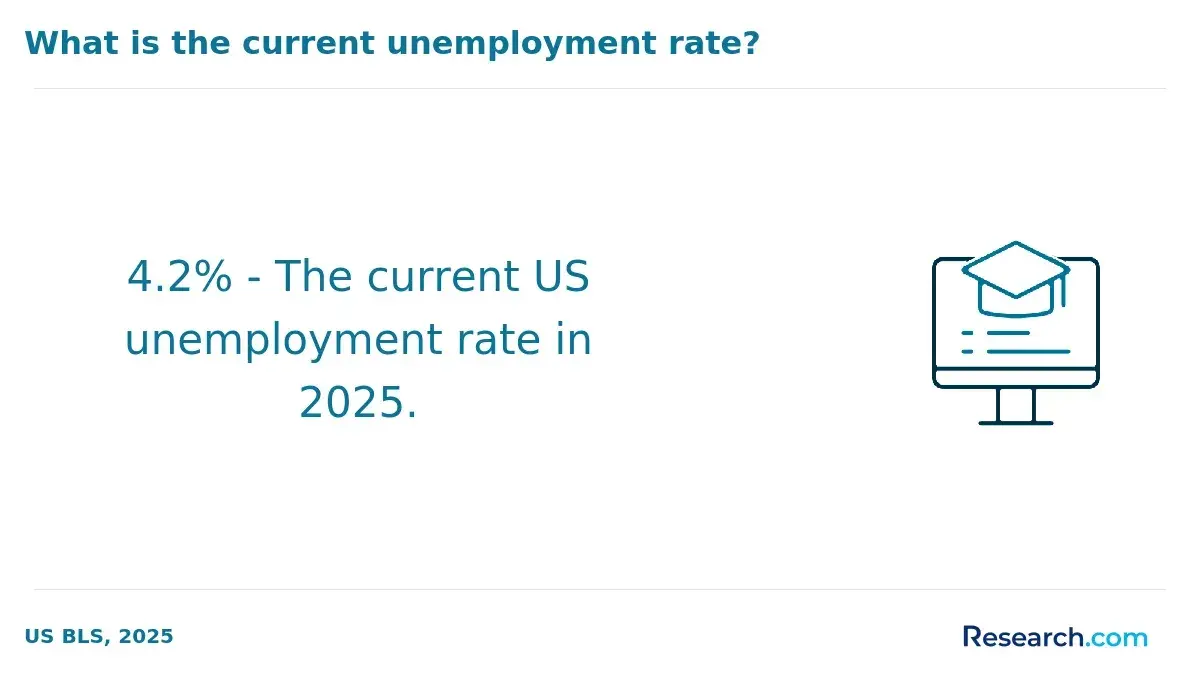
- The job outlook for victim advocates is strong, with a projected growth of 10% from 2023 to 2033, exceeding the average for all occupations.
- Average annual salaries range from $40,000 to $60,000, depending on experience and location, offering competitive compensation within social services.
- This career provides meaningful work supporting victims, with opportunities for specialization and advancement in legal, social, and mental health fields.
What credentials do you need to become a victim advocate?
Victim advocate requirements vary by employer, funding source, state, and the type of population served. In general, employers look for a mix of relevant education, supervised experience, background clearance, and training in victim services. Some roles are open to candidates with an associate degree or certificate, but many full-time positions prefer or require a bachelor’s degree.
Common education and credential pathways
- Bachelor's degree: Many employers prefer candidates with a bachelor’s degree in criminal justice, psychology, social work, sociology, or a related field. This pathway is often the strongest option for candidates who want broader job access, advancement potential, and eligibility for roles in government agencies, courts, hospitals, or larger nonprofits.
- Associate degree or certificate: Some entry-level roles, crisis center positions, and community-based advocacy jobs may accept an associate degree or a certificate in victim advocacy, especially when paired with volunteer work, hotline experience, or internship hours.
- National Advocate Credentialing Program (NACP): Offered by the National Organization for Victim Assistance (NOVA), this credential requires pre-approved advocacy training, a certificate of completion, and continuing education, including ethics coursework.
- Advanced certifications: Advocates who want to specialize may pursue credentials related to sexual assault advocacy, domestic violence advocacy, homicide advocacy, child abuse response, or other focused areas of victim services.
- State and employer-specific requirements: Some employers, including federal agencies such as the FBI, may require higher education levels, specialized training, background checks, security screening, or other eligibility steps. Requirements can also vary for advocates working with children, survivors of sexual violence, or clients in healthcare settings.
- Continuing education and experience: Because laws, trauma-informed practices, and service systems change, advocates usually need ongoing training. Volunteer work, internships, supervised field experience, and, for some leadership roles, a master’s degree can strengthen long-term employability.
How to choose the right education route
If you are new to the field, start by reviewing job postings in your target city or state. Look for repeated requirements: degree level, preferred major, crisis intervention training, bilingual ability, court experience, or certification. This helps you avoid paying for a program that does not match the roles you want.
Students who already know they need a bachelor’s degree but want a faster route can compare flexible options such as the best accelerated bachelor's degree programs.
What skills do you need to have as a victim advocate?
Victim advocates need more than compassion. They must support people in crisis while keeping accurate records, respecting confidentiality, coordinating with multiple agencies, and explaining options without pressuring clients. The strongest advocates combine trauma-informed communication with practical case management.
- Communication skills: Explain rights, court steps, safety options, and available services in plain language. Advocates also need to communicate clearly with attorneys, law enforcement, healthcare providers, shelter staff, and social workers.
- Interpersonal skills: Build trust with clients from different backgrounds, cultures, ages, and life circumstances. This includes respecting client choices, even when those choices differ from what others might recommend.
- Listening skills: Listen carefully to sensitive information, identify immediate needs, and avoid interrupting or leading the client’s story. Active listening is essential in trauma-informed advocacy.
- Organizational skills: Track appointments, court dates, referrals, documents, compensation claims, safety plans, and follow-up tasks across multiple cases.
- Advocacy skills: Understand victim rights, basic legal procedures, service eligibility, and agency protocols so you can help clients navigate systems more effectively.
- Crisis intervention skills: Respond calmly to urgent situations, assess immediate safety concerns, connect clients to emergency resources, and know when to involve supervisors or emergency responders.
- Case management skills: Coordinate services from intake through referral, follow-up, and case closure while documenting work accurately and ethically.
- Empathy and compassion: Offer support without judgment, blame, or unrealistic promises. Empathy must be paired with professional boundaries to prevent burnout.
Skills that often separate strong candidates
- Cultural humility: The ability to serve clients without assumptions and to recognize how culture, language, disability, immigration concerns, poverty, or prior system involvement may affect trust.
- Confidentiality judgment: Knowing what information can be shared, what requires consent, and when mandatory reporting rules may apply.
- Boundary setting: Staying supportive while avoiding overinvolvement, rescuing behavior, or promises outside the advocate’s role.
- Documentation accuracy: Writing clear, factual case notes that protect clients and support continuity of care.
What is the typical career progression for a victim advocate?
Victim advocacy careers usually progress from direct service and intake roles into senior advocacy, specialization, program management, training, or policy work. Advancement depends on experience, education, funding, certifications, and the type of employer.
- Entry-level roles: Many advocates begin as a Victim Service Coordinator, Intake Specialist, hotline advocate, shelter advocate, or victim assistance assistant. These roles often involve explaining legal processes, making referrals, providing emotional support, and documenting client needs. A bachelor’s degree in social work, psychology, criminal justice, or a related field is commonly required, and internships or volunteer experience can be highly valuable.
- Mid-level roles: After gaining 2 to 5 years of experience, advocates may move into positions such as Senior Victim Advocate or Case Manager. These roles often involve more complex cases, coordination with multiple agencies, mentoring newer staff, and participating in multidisciplinary teams.
- Leadership roles: With 5 to 10 years in the field, and often a master’s degree, professionals may qualify for roles such as Program Manager or Director of Victim Services. These positions focus on supervision, grant compliance, program design, strategic planning, community partnerships, and policy development.
- Specialized advocacy: Some professionals focus on domestic violence, sexual assault, child abuse, elder abuse, homicide, trafficking, campus advocacy, or hospital-based advocacy. Specialization can improve expertise and may open roles with agencies that serve specific populations.
- Lateral career moves: Victim advocates may also transition into crisis counseling, restorative justice programs, legal services coordination, prevention education, training, grant management, or policy advocacy.
What helps you move up faster
- Document measurable experience, such as hotline work, court accompaniment, safety planning, outreach, training delivery, or case coordination.
- Build relationships with prosecutors’ offices, shelters, hospitals, law enforcement victim services units, and community organizations.
- Pursue certifications that match your target specialty rather than collecting unrelated credentials.
- Ask for supervised exposure to complex cases before applying for senior roles.
How much can you earn as a victim advocate?
Victim advocate pay varies by employer, location, funding source, education level, experience, and case complexity. Government agencies and well-funded organizations may offer stronger compensation and benefits, while smaller nonprofits may provide lower salaries but broader hands-on experience.
Victim advocates typically earn between $47,000 and $72,000 annually, although some sources report full-time salaries ranging from $40,000 to $54,000. Hourly wages commonly fall between $19.45 and $26.05. Entry-level positions may start near $17.58 per hour, increasing to about $18.73 per hour for those with 1-4 years of experience.
Factors that affect victim advocate salary
- Location: Pay is often higher in urban areas and regions with a higher cost of living. However, higher pay may come with heavier caseloads or more complex service environments.
- Employer type: Government agencies, courts, hospitals, and larger nonprofits may offer more structured pay scales and benefits than smaller community organizations.
- Education: A bachelor’s degree in social work, psychology, criminal justice, or a related field can improve competitiveness for full-time and higher-paying roles.
- Certification and specialty training: Specialized training in areas such as domestic violence, sexual assault, child advocacy, or homicide response can strengthen qualifications for advanced positions.
- Experience level: Advocates who manage complex cases, supervise staff, train teams, or coordinate programs may qualify for higher compensation.
Experienced professionals in government agencies and well-funded nonprofits may reach approximately $68,500 to $82,950. These figures should be treated as ranges rather than guarantees because funding, location, and employer policies can significantly affect pay.
If you need an undergraduate credential to qualify for better roles, you can compare flexible options such as the easiest online bachelor's degree programs, while still checking whether each program fits your target employer’s requirements.
What internships can you apply for to gain experience as a victim advocate?
Internships are one of the best ways to test whether victim advocacy fits you before committing to the field. They also help you build supervised experience, learn confidentiality rules, understand court and agency procedures, and develop references for entry-level jobs.
Common internship settings
- Government agencies: District attorneys’ offices, including the Riverside County and San Francisco District Attorney's Offices, may offer internships in victim services. Interns can assist with victim assistance, witness coordination, court preparation, resource referrals, and administrative support tied to legal proceedings.
- Nonprofits and advocacy organizations: Organizations such as Safe Alliance and the National Center for Victims of Crime may offer internships in hotline advocacy, crisis response, court advocacy, outreach, or client support. These settings are useful for learning trauma-informed service delivery and community-based advocacy.
- Healthcare providers and community services: Victim Assistance Programs, including the Summit County, Ohio program, may offer direct service and administrative internships. Duties can include crisis intervention, victim advocacy, outreach support, data entry, program assistance, and grant-related work.
- Local universities and community centers: University partnerships can connect students with criminal justice agencies, law enforcement units, shelters, legal aid programs, and nonprofit service providers.
What to look for in a strong internship
- Supervision from an experienced advocate or program manager.
- Training in confidentiality, mandated reporting, trauma-informed care, and safety planning.
- Clear limits on what interns may do independently.
- Exposure to real case processes without being placed in unsafe or unsupported situations.
- Opportunities to observe court advocacy, hotline work, intake, referrals, or multidisciplinary meetings.
These crime victim services internship opportunities can help you build skills in case management, community outreach, documentation, and client-centered advocacy. For professionals considering advanced academic options alongside practical experience, a phd that does not require a dissertation may be worth reviewing, though most entry-level victim advocate roles do not require doctoral study.
How can you advance your career as a victim advocate?
Career advancement in victim advocacy usually comes from combining field experience with targeted training, reliable performance, ethical judgment, and strong professional relationships. The goal is not simply to collect credentials, but to become trusted with more complex cases, supervision, program development, or policy responsibilities.
- Continuing education and certification: Pursue relevant training and credentials through organizations such as the National Organization for Victim Assistance (NOVA). Prioritize certifications that match your work setting, such as domestic violence, sexual assault, child advocacy, homicide response, or general victim assistance.
- Workshops and training sessions: Attend training on trauma-informed care, safety planning, cultural responsiveness, victim compensation, court processes, confidentiality, ethics, and crisis intervention. These topics directly affect service quality.
- Networking: Use professional platforms such as LinkedIn, local coalitions, victim services conferences, multidisciplinary teams, and community task forces to identify job openings and understand agency needs.
- Mentorship: Seek guidance from experienced advocates, supervisors, attorneys, clinicians, or program directors. A strong mentor can help you handle difficult cases, avoid ethical mistakes, and plan advancement realistically.
- Building leadership experience: Volunteer to train new staff, coordinate outreach, improve referral systems, assist with grant reporting, or represent your agency in community meetings. These experiences can prepare you for supervisory or managerial roles.
Practical steps for moving into senior roles
- Choose a specialty area based on your strengths and the needs in your region.
- Track your professional accomplishments, including trainings completed, caseload responsibilities, outreach events, and programs supported.
- Ask supervisors what competencies are required for promotion before applying externally.
- Strengthen writing skills, since senior advocates often prepare reports, policies, grants, training materials, and case summaries.
- Maintain current certifications and ethics training so your qualifications do not lapse.
Where can you work as a victim advocate?
Victim advocates work in public agencies, nonprofit organizations, healthcare settings, shelters, courts, and community programs. The right workplace depends on the population you want to serve, the level of crisis response you can handle, and whether you prefer legal, social service, healthcare, or community-based work.
- Criminal justice system: Local and state government agencies, including district attorneys' offices, courts, and law enforcement departments, employ advocates to support victims and witnesses during investigations and legal proceedings. Examples include the Victim Services Division in San Francisco and the Irvine Police Department in California.
- Nonprofit organizations: Organizations such as the National Organization for Victims Advocacy (NOVA) and Victims Support Services provide crisis intervention, emotional support, hotline services, referrals, court support, and virtual or in-person assistance.
- Healthcare sector: Hospitals and medical centers may hire advocates to assist patients after violence or trauma, coordinate medical care, provide referrals, and support safety planning.
- Shelters: Domestic violence and homeless shelters employ advocates to provide immediate support, safety planning, housing referrals, crisis counseling connections, and practical resource coordination.
- Social service agencies: These agencies may help victims access counseling, public benefits, emergency assistance, transportation, compensation programs, and services such as those managed by the California Victim Compensation Board (CalVCB).
How to target your job search
Start with the agencies most likely to hire advocates in your area: county courts, prosecutor offices, police departments, domestic violence programs, rape crisis centers, hospitals, child advocacy centers, and statewide victim assistance programs. Review job descriptions carefully because titles vary. Similar roles may be listed as victim services specialist, victim witness advocate, crisis advocate, survivor advocate, family advocate, or case manager.
If you are planning your education path, researching the cheapest online universities can help you compare lower-cost options for earning credentials needed for victim advocate jobs in California and beyond.
What challenges will you encounter as a victim advocate?
Victim advocacy is meaningful work, but it can be emotionally demanding and operationally difficult. New advocates should understand the challenges before entering the field so they can build resilience, choose supportive employers, and avoid burnout.
- Managing heavy caseloads with limited resources: Many organizations operate with constrained funding, fewer staff, and high client need. Advocates may have to prioritize urgent safety issues while still maintaining documentation and follow-up.
- Handling emotional strain: Frequent exposure to trauma, including domestic violence, sexual assault, homicide, human trafficking, and child abuse, can contribute to compassion fatigue and burnout. Supervision, peer consultation, mental health support, and realistic boundaries are essential.
- Navigating regulatory and policy changes: Policy shifts, including rules around immigration status verification, can affect whether vulnerable people feel safe seeking services. Advocates must stay current, follow agency protocols, and consult legal experts when appropriate.
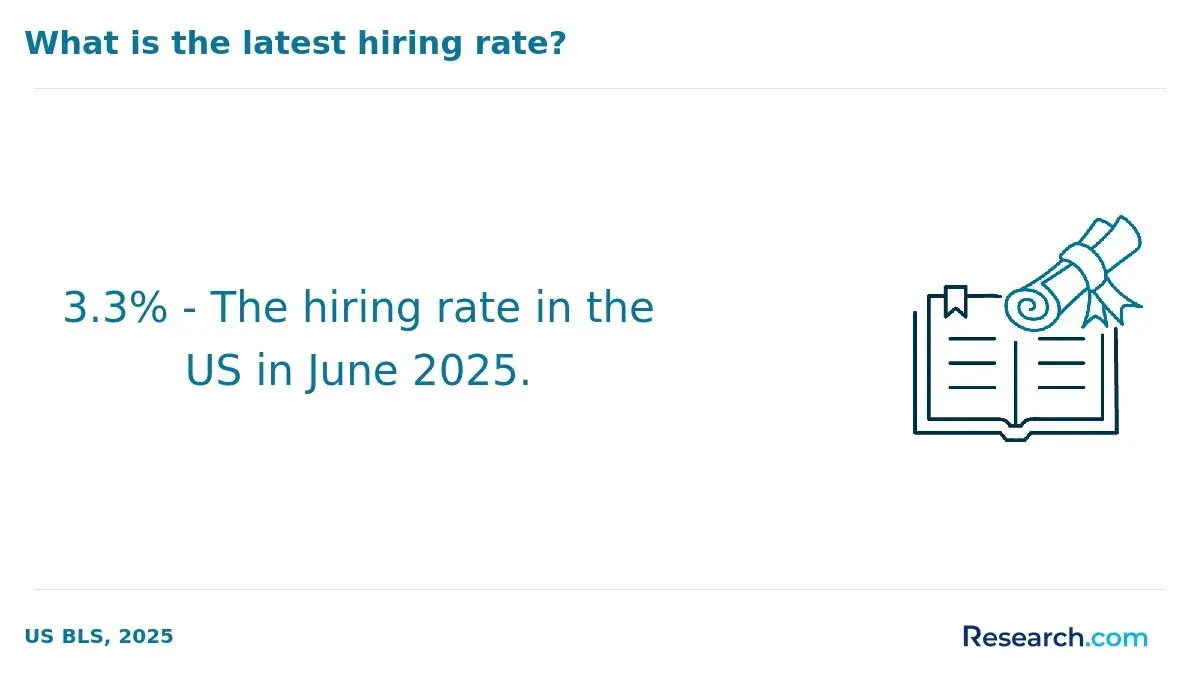
- Facing competitive job markets: Funding cuts in some areas can reduce openings or limit advancement. Specialized training, volunteer experience, internships, and professional networking can improve competitiveness.
- Balancing client autonomy and safety concerns: Advocates often support clients who are making difficult decisions under pressure. The role is to provide options and information, not to control the client’s choices.
- Working irregular hours: Some roles involve evenings, weekends, crisis calls, court schedules, or on-call rotations. This can affect work-life balance.
How to reduce burnout risk
- Ask potential employers about supervision, caseload expectations, debriefing procedures, and safety protocols.
- Use vacation time and mental health resources before burnout becomes severe.
- Maintain professional boundaries with clients, colleagues, and partner agencies.
- Develop a support network outside work that does not require you to retell client trauma.
What tips do you need to know to excel as a victim advocate?
Excelling as a victim advocate requires consistency: clients need reliable information, agencies need accurate documentation, and partner organizations need advocates who communicate clearly and ethically. The best advocates are compassionate, prepared, and disciplined under pressure.
- Communicate clearly: Use plain language when explaining rights, court steps, safety options, compensation programs, and referrals. Avoid legal jargon unless you explain it.
- Practice trauma-informed empathy: Believe clients’ experiences, avoid blame, and recognize that trauma can affect memory, decision-making, and trust.
- Listen before solving: Do not rush into advice. First identify what the client wants, what is urgent, and what barriers may prevent follow-through.
- Stay organized: Track deadlines, court dates, releases of information, referrals, case notes, and follow-up tasks. Disorganization can harm clients and weaken professional credibility.
- Keep learning: Use continuing education and specialized courses such as Victim Assistance Training Online to stay current and earn professional credits.
- Pursue relevant certifications: Credentials such as those from the National Advocate Credentialing Program can validate training and commitment, especially when aligned with your role.
- Build a multidisciplinary network: Develop professional relationships with law enforcement, healthcare providers, legal aid, prosecutors, shelters, counselors, and community organizations.
- Protect confidentiality: Understand consent forms, information-sharing limits, case note standards, and mandatory reporting obligations. When unsure, consult a supervisor before sharing information.
- Seek mentorship: Learn from experienced advocates who can help you navigate complex cases, ethical questions, and career decisions.
- Know your limits: You can support, inform, and connect clients to resources, but you cannot guarantee outcomes in court, housing, safety, or recovery.
Common mistakes to avoid
- Promising that a specific legal outcome will happen.
- Sharing client details without proper consent or legal authority.
- Assuming every client wants the same solution.
- Taking on crisis work without supervision or debriefing.
- Neglecting documentation because the emotional work feels more urgent.
How do you know if becoming a victim advocate is the right career choice for you?
Victim advocacy may be a strong fit if you are motivated by service, comfortable discussing sensitive topics, able to stay calm in crisis, and willing to work within complex systems. It may not be the right fit if you need predictable emotional distance every day, dislike documentation, or struggle to maintain boundaries when people are in distress.
- Empathy and resilience: You need compassion, patience, and the ability to recover after difficult interactions. Empathy alone is not enough; resilience helps you remain effective over time.
- Communication skills: You must listen well, explain options clearly, and adapt your approach to clients from diverse backgrounds.
- Passion for helping others: A strong desire to support people through crisis is important, especially when outcomes are slow, uncertain, or outside your control.
- Experience in social services: Volunteering, internships, hotline work, or part-time roles in advocacy can show you what the work feels like before you commit to it.
- Career stability: The increasing need for victim advocates in law enforcement, healthcare, and nonprofit sectors suggests steady demand and job security.
- Work-life considerations: Some jobs include evenings, on-call shifts, emergency response, or emotionally intense caseloads. Consider whether that fits your life and support system.
- Emotional boundaries: Successful advocates care deeply while recognizing that clients make their own decisions and systems may not always respond as hoped.
Questions to ask yourself before choosing this career
- Can I remain calm when someone is angry, afraid, grieving, or distrustful?
- Can I support a client’s decision even when I would choose differently?
- Am I willing to complete detailed paperwork and follow agency procedures?
- Can I handle work where progress may be difficult to measure?
- Do I have healthy ways to process stress outside work?
If you are still comparing career directions, reviewing broader options such as career ideas for introverts may help you evaluate whether victim advocacy matches your strengths, energy level, and preferred work environment.
What Professionals Who Work as a Victim Advocate Say About Their Careers
- : "Pursuing a career as a victim advocate has given me incredible job stability and a rewarding salary, especially as demand grows in hospitals and government agencies. The role allows me to make a tangible difference every day while enjoying solid financial support. — Ameer"
- : "Working as a victim advocate presents unique challenges that require empathy and resilience, but it also opens doors to specialized training and diverse workplace environments like nonprofit organizations and law enforcement. This dynamic aspect keeps my career engaging and meaningful. — Cash"
- : "The professional development opportunities in victim advocacy are impressive, from advanced certifications to leadership roles within social services. I've found continuous growth to be a key part of this field, which motivates me to push further professionally. — Hendrix"
Other Things You Should Know About Becoming a Victim Advocate
In 2027, the job outlook for victim advocates is expected to remain positive due to increased awareness of victims' rights and expanded services. With a steady demand for advocacy roles in various settings, those entering the field can anticipate robust job opportunities.
Yes, ongoing training is essential in this career to stay current with laws, counseling methods, and trauma-informed care. Many employers provide periodic workshops or require continuing education credits. Staying updated helps advocates offer the best support and navigate changes in victim services policies.
Yes, in 2027, victim advocates can specialize in areas such as domestic violence, child advocacy, or human trafficking. These specializations often require targeted training and collaboration with professionals in fields like law enforcement and social work to better serve specific groups.
To start a career as a victim advocate in 2027, one typically needs a bachelor's degree in social work, psychology, or criminal justice. Additional certifications or a master's degree could be beneficial. Practical experience through internships or volunteer work is often required to enhance understanding and skills.
References
- How to become a victim advocate - CareerExplorer https://www.careerexplorer.com/careers/victim-advocate/how-to-become/
- Resources | NOVA https://trynova.org/resources/
- Day in the Life of a Victim Advocate | MASC https://www.masc.sc/uptown/12-2018/day-life-victim-advocate
- Understanding the Common Challenges Faced by Crime Survivors - Three Hills Victim Services https://threehillsvictimservices.ca/understanding-the-common-challenges-faced-by-crime-survivors/
- Victim Services Internship – San Francisco District Attorney https://sfdistrictattorney.org/home/careers/victim-services-internship/
- Victim Advocate Certification & Info - Colorado Organization for Victim Assistance https://www.coloradocrimevictims.org/victim-advocate-info-certification/
- How to Become a Victim Advocate | Goodwin University https://www.goodwin.edu/enews/how-to-become-victims-advocate/
- What is a Victim Advocate? - Victim Support Services https://victimsupportservices.org/help-for-victims/what-is-a-victim-advocate/
- How to Become a Victim Advocate: 6 Steps to Supporting Survivors | Rasmussen University https://www.rasmussen.edu/degrees/justice-studies/blog/how-to-become-a-victim-advocate/
- Top 12 Victim Advocate Skills to Put on Your Resume https://resumecat.com/career/victim-advocate/skills


