
2027 Human Resource Management Degree vs Bootcamp vs Certificate: Which Path Leads to Better Career Outcomes?

Co-Founder and Chief Data Scientist
Choosing between a human resource management degree, bootcamp, or certificate-each promising distinct career advantages-poses a common dilemma for aspiring professionals. The decision affects salary potential, employer recognition, job placement rates, and networking opportunities. For example, graduates with a degree report an average 20% higher starting salary than bootcamp completers, yet bootcamps often accelerate entry into the workforce. Certificates offer a flexible path but may lack long-term growth potential compared to degrees. This article evaluates these pathways systematically-based on verified data-helping readers understand which option aligns best with their career goals and learning preferences.
Key Things to Know About Which Path Leads to Better Career Outcomes: Human Resource Management Degree, Bootcamp, or Certificate
- Degree holders in Human Resource Management typically earn 20% higher salaries than bootcamp or certificate completers-reflecting strong employer preference for formal academic credentials in HR leadership roles.
- Bootcamps offer faster job placement rates-often within three months-and suit career changers seeking rapid entry, but they may lack the comprehensive networking opportunities a degree provides.
- Certificates deliver excellent return on investment for working professionals balancing part-time study-yet they generally support short-term skill upgrades rather than long-term career growth or senior management advancement.
How Does Human Resource Management Degree Compare to Bootcamps and Certificates in Total Program Cost and Time to Completion?
Prospective human resource management students face a defining choice-investing multiple years and significant finances in a traditional degree or opting for faster, more affordable alternatives like bootcamps or professional certificates. Each path serves distinct learner needs and career objectives, and neither is universally superior. A human resource management bachelor's or associate's degree typically requires two to four years of full-time study, with bachelor's programs averaging around $40,000 in total tuition costs for in-state students at public universities, based on data from the National Center for Education Statistics and the Integrated Postsecondary Education Data System (IPEDS). Part-time options exist but extend completion timelines.
Bootcamps condense targeted training into 8-26 weeks of intensive learning, often full-time, though some part-time formats are available. Cost averages, collated from SwitchUp and Course Report, range between $5,000 and $15,000 depending on the program and location. These programs are popular among individuals seeking rapid workforce entry without the broader academic scope of degrees.
Professional certificates-offered by platforms like Coursera, Google, and industry organizations-vary widely in duration and format, usually spanning a few weeks to several months and delivering flexible, self-paced or instructor-led options. Prices range from under $500 to about $3,000. Certificates appeal especially to working professionals aiming for targeted skill upgrades without pursuing a full degree or bootcamp.
- Time To Completion: Degrees require 2 to 4 years; bootcamps typically last weeks to a few months; certificates may overlap in duration with bootcamps depending on learner pace, reflecting the time to complete human resource management bootcamps versus certificates.
- Total Cost: Degree programs represent the highest financial challenge; bootcamps are moderately priced; certificates offer the most affordable entry.
- Study Flexibility: Degrees commonly support part-time study; bootcamps are mostly full-time and intensive; certificates provide the greatest scheduling flexibility.
Beyond cost and duration, prospective students should weigh salary outcomes, employer credential preferences, job placement rates, and long-term career growth. Those seeking budget-conscious options may also explore the cheapest MBA programs as a related path. This comprehensive comparison aims to clarify these trade-offs for students and professionals considering human resource management degree cost and duration comparison alongside modern alternatives.
What Career Outcomes Can Human Resource Management Degree Graduates Expect Compared to Bootcamp and Certificate Completers?
Graduates with a Human Resource Management degree generally experience stronger initial career outcomes compared to those completing bootcamps or certificate programs, according to labor market data from the Bureau of Labor Statistics (BLS), the NACE Early Career Salary Survey, and Course Report's bootcamp outcome reports. The comparison of HR management bootcamp and certificate career results reveals a complex landscape shaped by several factors beyond credentials alone.
- Employment Rate Within Six Months: Degree holders typically enjoy employment rates exceeding 85%, benefiting from wider employer recognition and robust campus recruiting. Bootcamp and certificate completers report variable employment rates-often between 70% and 80%-though much of this data is self-reported and may not capture the full industry picture.
- Median Starting Salary: Degree graduates command median starting salaries generally ranging from $50,000 to $60,000, while bootcamp completers earn slightly less initially, often between $40,000 and $50,000. Certificate holders' salaries vary significantly depending on program prestige and location.
- Job Title Level at First Placement: Degree holders commonly start as HR specialists, coordinators, or recruiters with defined advancement paths. Bootcamp and certificate graduates frequently enter entry-level support roles or specialized niches such as talent acquisition technology and HR analytics, reflecting employers' growing emphasis on specific skills.
- Outcome Gaps and Employer Trends: Although traditional degrees still offer a clear edge in competitive hiring-especially for leadership-track roles-skill-focused sectors show narrowing gaps. Increasingly, employers prioritize demonstrated competencies, granting more opportunities to bootcamp and certificate graduates.
- Data Reliability: Prospective students should approach bootcamp and certificate outcome data with caution since it is often self-reported and may suffer from survivorship bias or selective reporting. Programs accredited by or reporting through the Council on Integrity in Results Reporting (CIRR) offer more reliable statistics.
- Additional Influencing Factors: Career outcomes depend not only on credentials but also on portfolio quality, networking, geographic market conditions, and industry demand. These elements interact with educational pathways to shape real-world success, urging students to consider their unique context rather than rely solely on headline data. For working adults seeking flexible options, researching the most affordable online colleges for working adults can provide valuable pathways that align with career goals.
Which Human Resource Management Pathway - Degree, Bootcamp, or Certificate - Offers the Highest Starting Salary for Graduates?
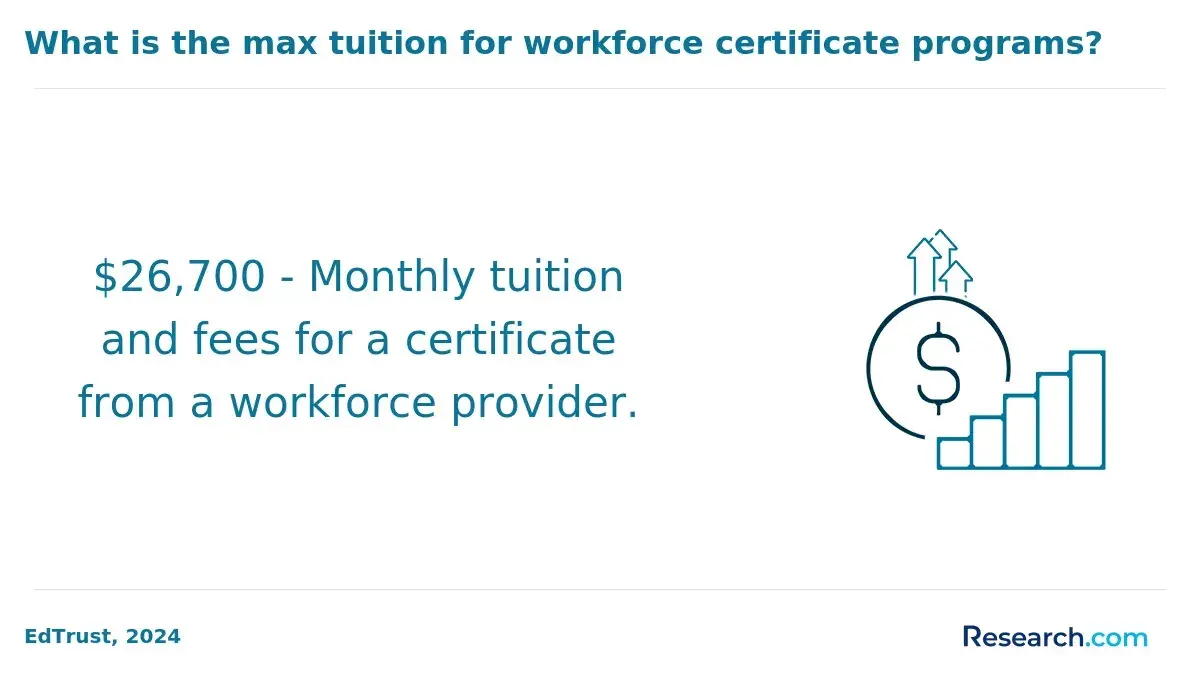
Entry-level salaries for human resource management roles vary noticeably depending on educational backgrounds, according to data from the Bureau of Labor Statistics, LinkedIn Salary Insights, Glassdoor, and NACE. Graduates with bachelor's degrees commonly report starting salaries between $55,000 and $60,000, often progressing to early mid-career wages of $75,000 to $85,000. This reflects greater access to management positions and specialized HR functions that require formal credentials.
- Bootcamp Graduates: Those completing bootcamps enter with practical skills but typically see starting salaries around $45,000 to $52,000. Their earnings frequently align with certificate holders, although they remain below degree holders-especially in larger companies where formal education is valued more highly.
- Certificate Holders: Professionals holding certificates like SHRM-CP or PHR report entry salaries near $45,000. Their pay overlaps with bootcamp completers but can improve with relevant work experience or roles in industries such as healthcare and tech startups.
- Employer Type: Larger enterprises tend to favor degree candidates for roles demanding in-depth knowledge and offer higher pay and advancement. Startups and smaller firms may prioritize practical skills from bootcamps or certificates, though with generally lower compensation initially.
- Industry and Location: Finance, technology, and healthcare sectors reward degree holders with salary premiums, while non-profits and small businesses show more credential flexibility. Urban areas with higher living costs often provide greater pay for degree holders reflecting local market demands.
Salary growth over time favors degree holders, as leadership and specialized HR roles often require formal qualifications, enabling faster progression to better-paying positions. Bootcamp and certificate graduates-starting near similar salaries-may experience slower salary increases unless they gain additional experience or credentials.
Salaries reported are median figures and individual earnings vary widely based on prior work history, networking, geographic factors, and program reputation. For a detailed cost-adjusted analysis, reviewing the ROI section is recommended.
Reflecting on these distinctions, a professional who earned a human resource management degree shared insights from his journey. He described initial uncertainty balancing coursework with part-time work, emphasizing how the structured curriculum deepened both theory and practical understanding. He valued networking opportunities that opened doors to internships, ultimately leading to a salary offer above the typical starting range. While challenging, he noted the degree's credibility was instrumental in gaining trust from employers and accelerated his move into leadership roles-a trajectory he views as worth the investment over shorter-term alternatives.
How Do Employers Actually Evaluate Human Resource Management Credentials: Does a Degree Still Outrank a Bootcamp or Certificate?
Employers in the human resource management sector often assess credentials through frameworks shaped by industry norms, company size, and regulatory demands. Surveys from LinkedIn Talent Insights and SHRM reveal a continuing preference for formal degrees-especially bachelor's or master's-as primary credentials for jobs in large corporations, government agencies, and highly regulated industries like healthcare and finance. In these environments, degrees serve as important filters, reflecting compliance and traditional hiring norms rather than purely skill-based evaluations. This credential emphasis influences salary potential and advancement pathways within such organizations.
- Degree Preference: Established enterprises and consulting firms commonly use degrees to demonstrate comprehensive knowledge and professionalism, connecting educational attainment directly to promotions and pay scales.
- Emerging Skills Focus: Startups and tech-focused firms are increasingly valuing practical skills and real-world portfolios over formal education, supported by initiatives from tech giants and governmental bodies championing skills-first hiring.
- Certificate and Bootcamp Viability: Certificates and bootcamps provide competitive opportunities mostly in less regulated sectors or roles targeting specialized areas like talent acquisition or HR analytics.
- Implementation Disparity: Despite growing policy support for skills-based hiring, real-world outcomes show degrees still predominate, with non-degree holders often needing extensive experience or networking to compete.
- Sector-Specific Expectations: Employer demand varies-government and large enterprise roles prioritize degrees, whereas startups emphasize agility and demonstrable project experience.
This nuanced understanding of human resource management credential evaluation by employers can guide learners to choose pathways aligned with their target industries. Some may benefit from a traditional degree, while others might consider enhancing their credentials with certificates or bootcamps. Those exploring advanced degrees might find value in programs such as a master of data science online to complement HR expertise and boost marketability in data-driven environments.
What Are the Admission Requirements and Academic Barriers for Human Resource Management Degree Programs Versus Bootcamps and Certificates?
- Academic Qualifications: Accredited human resource management degree programs usually require a high school diploma or equivalent with a minimum GPA near 3.0. Some programs expect applicants to have completed foundational courses in areas like business or communications. Bootcamps and certificate options typically forgo formal academic prerequisites, welcoming students from diverse educational backgrounds.
- Standardized Tests: Many degree paths ask for SAT, ACT, or GRE scores, especially at four-year and graduate levels. Bootcamp and certificate programs rarely demand such testing, easing access for those hesitant about standardized exams.
- Letters of Recommendation and Essays: Degree applicants often submit personal statements and recommendations to demonstrate motivation and preparedness. These elements heighten selectivity and act as signals of quality to employers. Bootcamps and certificates generally do not require these materials, instead establishing credibility through instructor expertise, curriculum quality, and job placement data.
- Application Timelines and Selectivity: Degree programs adhere to strict admission deadlines and competitive cycles, which can delay enrollment for some. Conversely, bootcamps and certificates tend to offer rolling admissions or multiple start dates per year, improving flexibility for working adults and career changers.
- Barrier and Signal Effects: Selective degree admissions serve as both a gatekeeper-filtering candidates-and a quality marker trusted by employers. Programs with open enrollment lack this filter and must emphasize outcomes, accreditation, and instructor qualifications to convey value.
Access and Equity Considerations: The lower entry barriers of bootcamps and certificate programs provide vital opportunities for non-traditional learners-such as career changers, working professionals, and those facing geographic or family constraints-who might find degree routes too costly or restrictive.
A professional who built her career after completing a human resource management bootcamp shared her experience of navigating choices under tight time and financial pressure. She recounted, "Applying for degree programs felt overwhelming-I didn't meet the GPA requirements and worried about test scores. The bootcamp's rolling enrollment let me start quickly, and the practical curriculum helped me land an HR role faster than I expected." Her story highlights how, for some, flexible, lower-barrier pathways become crucial stepping stones toward career advancement.
How Does Curriculum Depth Differ Between a Human Resource Management Degree, a Bootcamp, and a Certificate Program?
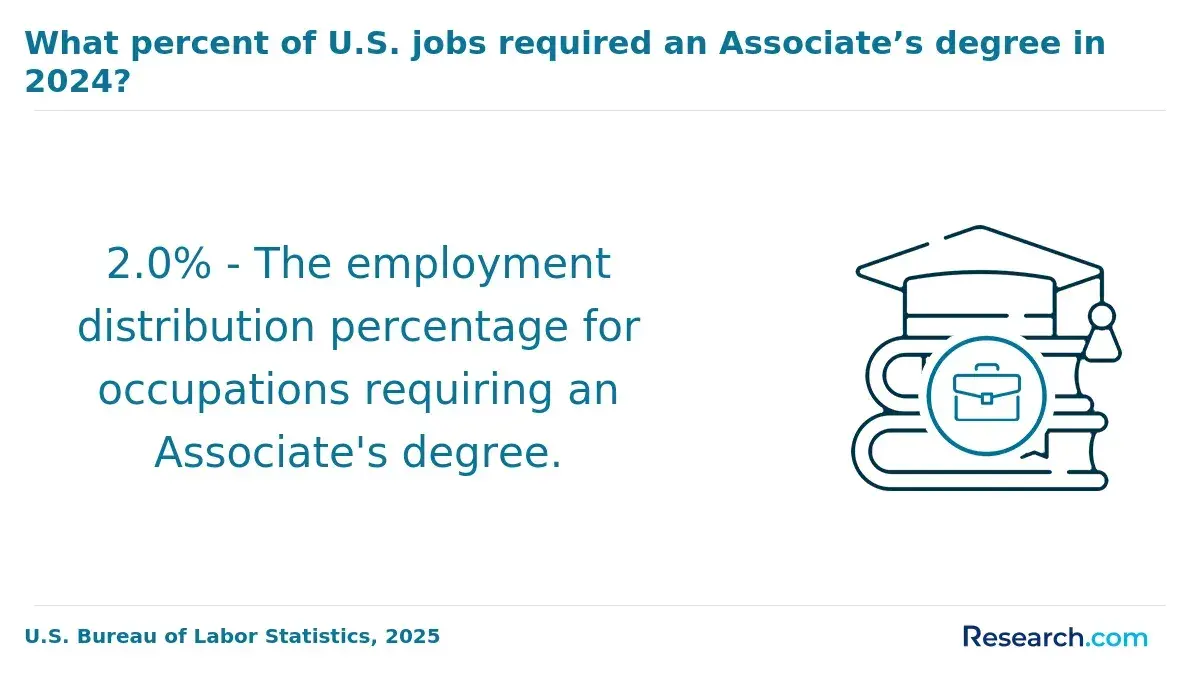
The curriculum of human resource management degree programs covers a wide range of subjects-beginning with general education courses that develop critical thinking and communication skills, followed by core topics such as labor law, organizational behavior, talent acquisition, and employee relations. Electives offer opportunities for specialization, including areas like diversity management or HR analytics. Many programs require a research project or thesis, helping students build analytical and theoretical expertise. This comprehensive approach fosters transferable skills and long-term career flexibility, though it typically results in a longer path to entering the workforce compared to other formats.
- Degree Programs: Emphasize broad knowledge and research-based learning with a balance between theory and practice; provide foundational skills that support career advancement over time but entail extended study periods.
- Bootcamps: Feature a condensed, intensive curriculum focusing on practical skills through project-based experiences, such as crafting recruitment strategies and ensuring compliance. Designed to quickly prepare learners for specific job functions, they often omit deeper subjects like organizational psychology and labor policies found in degree programs, which can limit strategic insight.
- Certificate Programs: Vary greatly by level and purpose:
- Entry-level certificates-offered by providers like Google or Coursera-introduce foundational HR concepts and basic tools for newcomers or professionals sharpening their skills, enhancing eligibility for support roles without extensive depth.
- Advanced professional certifications-issued by industry organizations-focus on specialized knowledge, such as talent management or compliance, validating expertise for experienced HR professionals and influencing hiring decisions based on role and prior experience.
Which Human Resource Management Path Produces the Fastest Return on Investment: Degree, Bootcamp, or Certificate?
Return on investment (ROI) in human resource management pathways is shaped by total costs-tuition, fees, materials-and the opportunity cost of foregone income during enrollment. Opportunity cost is crucial: pursuing a two- or four-year degree means not only paying tuition but also missing out on wages that could have been earned. This hidden cost notably shifts ROI comparisons, especially versus shorter pathways like bootcamps or certificates.
- Recent High School Graduate: With no salary to forego, opportunity cost is limited to program expenses. Over five to ten years, a bachelor's degree generally offers the highest cumulative salary premium despite upfront costs. Bootcamps and certificates allow faster workforce entry at lower cost but tend to yield smaller earnings gains, resulting in a lower long-term ROI.
- Mid-Career Professional Leaving a $50,000 Job: Opportunity cost is significant here. Bootcamps-often weeks or months long-minimize salary loss, producing the fastest five-year ROI if followed by rapid job placement or promotion. Degree programs entail years of lost wages, suppressing short-term ROI even if eventual earnings increase substantially.
- Part-Time Learner Working Concurrently: Maintaining employment while studying lowers opportunity cost, improving degree program ROI. Certificates may still offer quicker credentialing but usually with smaller salary boosts. ROI in this case hinges on program flexibility and the learner's capacity to balance work and study.
These ROI calculations integrate NCES program cost data, NACE salary benchmarks, and bootcamp outcome reports for a standardized financial perspective. Still, ROI is only part of the decision. Degrees provide comprehensive knowledge, essential for specialized roles and preferred by many employers, whereas certificates and bootcamps address immediate skill gaps and job market demands. Selecting a pathway requires balancing financial outcomes with career goals and credential requirements.
How Do Human Resource Management Bootcamps and Certificate Programs Compare to Degree Programs on Job Placement Rates?
- Reporting Standards: Job placement rates for human resource management bootcamp job placement rates and degree programs vary significantly due to differing sources and methodologies. Degree programs typically rely on data from IPEDS graduate outcomes surveys or institutional career services, which provide standardized definitions and independent oversight. In contrast, bootcamps often present self-reported statistics or results audited under the CIRR standard; however, smaller bootcamps may lack such external validation, making comparisons challenging.
- Definition of Placement: What counts as "placement" changes depending on the pathway. Many bootcamps include employment in broadly related fields-such as administrative or general business roles-as successful placement, even if these jobs are not specifically in human resource management. Degree programs generally track employment narrowly within HR roles or closely aligned fields, providing a more precise measure of relevant career outcomes.
- Career Services Influence: The quality and breadth of career services are crucial factors influencing job placement success across all human resource management pathways. Comprehensive supports-like employer partnerships, resume coaching, mock interviews, and alumni networks-can significantly improve placement rates. Evaluating the strength of such services is essential when comparing programs.
- Transparency and Data Detail: To critically assess placement claims, prospective students should request detailed data beyond headline percentages. Important considerations include job role distinctions, salary ranges, and average time-to-placement. Without this granularity, aggregate statistics risk obscuring the true value and relevance of employment outcomes.
- Degrees: Moderate to high placement rates within relevant HR fields, but require longer completion times and higher costs.
- Bootcamps: CIRR-audited programs show promising yet variable rates, often quicker time-to-placement, but broader definitions of success.
- Certificate Programs: Tend to report lower placement data and usually serve as supplemental qualifications rather than primary career pathways.For learners examining certificate programs versus degree job placement in human resource management, understanding these distinctions is vital. Those interested in exploring foundational online study options may also benefit from consulting the best online business degree resources available, which often include specialized HR concentrations.
What Role Does Networking and Alumni Access Play in Human Resource Management Degree Programs Versus Bootcamps and Certificates?
Networking and alumni access often prove more valuable than formal coursework for advancing careers in human resource management-especially in senior roles. Each educational pathway offers distinct advantages shaped by its networking benefits and community engagement.
- Degree Programs: Degree programs typically deliver the most extensive networking infrastructure. Graduates benefit from established alumni associations, career fairs, and strong faculty connections. Many institutions support Greek or specialized HR organizations that foster peer and mentor relationships. Institutional ties to employers facilitate internships and job pipelines. Notably, the prestige and geographic scope of the school influence the breadth and influence of the network-elite or regionally significant schools open gateways to diverse markets, enhancing long-term career growth. This networking strength aligns closely with observed outcomes in networking benefits in human resource management degree programs.
- Bootcamps: Bootcamp networks are smaller but highly engaged due to cohort models promoting close-knit communities. Established bootcamps have cultivated active alumni referral cultures and developed employer partnerships-especially in technology-adjacent HR fields-supporting direct hiring opportunities. While less expansive than degree networks, these connections provide practical, immediate support for career shifts or entry-level advancement.
- Certificate Programs: Certificate provider networks vary but can create valuable professional communities. Well-known certificate platforms-such as Google Career Certificates-feature digital forums, mentorship programs, and some access to hiring managers. However, these networks often lack the depth and personal engagement of degree or bootcamp cohorts. Sustained networking benefits hinge on active participation, as credentials alone rarely yield long-term career support. This reflects typical alumni access advantages in human resource management bootcamps and certificates.
For learners evaluating pathways aligned to their goals, understanding these networking dynamics complements considerations of salary outcomes, employer preferences, and job placement rates. Working professionals especially may enhance growth potential through programs with strong network communities. Adult learners seeking flexibility can explore tailored options including bootcamps or certifications, though they should weigh the trade-offs compared to degree-level networks.
Those interested in investigating flexible and accessible routes may consider exploring options such as a masters in human services to understand how networking varies across online and short-duration degree offerings.
How Does Geographic Location Affect Which Human Resource Management Pathway - Degree, Bootcamp, or Certificate - Leads to Better Outcomes?
Geographic factors significantly influence the effectiveness of different human resource management education pathways-degree programs, bootcamps, and certificates-on career success. Metropolitan hubs like New York, San Francisco, and Chicago, known for dense employer networks, tend to reward degree holders due to traditional hiring biases and strong alumni connections. However, these cities also host numerous bootcamp offerings tailored to human resource management, which draw recruiters familiar with non-degree credentials, providing graduates with enhanced placement opportunities within these local ecosystems.
- Employer Density: Large urban centers support more robust hiring for bootcamp graduates, while relocating to regions with fewer employers often results in lower job placement rates for those holding bootcamp or certificate credentials. Employers in smaller or rural markets typically prioritize degrees, which remain more universally recognized, giving traditional academic paths an advantage in these areas.
- Credential Recognition: While bootcamps and certifications may offer practical, cost-effective alternatives, their acceptance can be limited outside major markets, impacting both salary prospects and job availability.
- Remote Work: The rise of remote employment opportunities for human resource management professionals has begun to balance regional disparities, enabling all credential types to access higher-paying roles tied to metropolitan salary standards. This broader competition means candidates must demonstrate strong, verifiable skills to stand out nationwide.
- Pathway Strategy: Prospective students should consider employer concentration, remote job frequency, and local attitudes toward different credentials before committing to a pathway. Success with a bootcamp or certificate in one city may not transfer equally elsewhere, emphasizing the need for localized market research.
Data from Course Report in 2023 highlights that over 70% of bootcamp graduates in major metropolitan areas find employment within six months, compared to under 50% in less populated markets.
What Do Human Resource Management Industry Professionals and Hiring Managers Actually Prefer When Reviewing Resumes?
- Degree Preference in Large Employers: Large corporations and government bodies tend to use degree credentials as a primary filter when hiring. They associate degrees from accredited institutions with essential foundational knowledge, adherence to regulations, and professional standards. Despite many of these employers removing strict degree requirements from job postings since 2020, recent hires within these settings still predominantly hold formal degrees.
- Skills-Focused Hiring in Smaller Firms: Startups, agencies, and companies valuing agility often emphasize demonstrated competencies over formal qualifications. Graduates of bootcamps and certificate programs who present strong portfolios, practical project success, and technical certifications frequently compete effectively with degree holders. This trend underscores a broader shift toward valuing applied skills and measurable results in talent acquisition.
- Evolution Since 2020: Although major employers announced the removal of degree mandates, real-world hiring trends have adjusted slowly. Degree holders continue to dominate many Human Resource Management roles, while non-degree credentials gain traction mainly where firms promote flexible hiring and ongoing learning.
Research Strategies for Candidates: Job seekers are advised not to rely solely on job descriptions or employer statements. Instead, they should conduct informational interviews with hiring managers and study LinkedIn profiles of recent hires in their target organizations. This approach reveals the actual credential mix valued in practice and helps candidates tailor their educational choices to specific company cultures and hiring behaviors.
What Graduates Say About Which Path Leads to Better Career Outcomes: Human Resource Management Degree, Bootcamp, or Certificate
- Vance: "Choosing a human resource management degree was a game changer for me-I observed that employers overwhelmingly favored candidates with a formal degree for leadership roles, which directly impacted my salary trajectory. The network I built during my studies has proven invaluable for career advancement and long-term growth. If you're aiming for a comprehensive foundation with strong recognition in the industry, this path offers the best return on investment."
- Marvin: "After completing a human resource management bootcamp, I noticed how quickly I could enter the job market with skills employers actively sought-job placement rates for bootcamp graduates were impressive, and the focused curriculum allowed me to pivot careers without extensive time commitment. While salary outcomes may start lower than degree holders, the practical, hands-on approach suited my learning style perfectly and set me up well for steady progression."
- Parker: "Opting for a certificate in human resource management was the right decision for me as a working professional seeking targeted knowledge without the time or financial burden of a full degree. Employers often recognize certificates as valid credentials for specialized roles, and the cost-to-benefit ratio made this an efficient choice. This path fits well if you want to enhance your existing career with flexibility and direct skills application."
Other Things You Should Know About Human Resource Management Degrees
Human resource management degree holders generally experience more stable and accelerated long-term career growth compared to bootcamp or certificate completers. Degrees offer a comprehensive foundation-covering theory, labor laws, and strategic management-that employers value for leadership roles. Bootcamps and certificates often emphasize practical skills, which may lead to quicker entry-level job placements but typically lack the breadth required for higher-level advancement.
In 2027, a Human Resource Management degree typically offers the broadest opportunities for career progression due to its comprehensive curriculum and industry recognition. However, bootcamps and certificates can provide specialized skills that quickly adapt to specific roles, though they may limit upward mobility in traditional HR careers.
During economic downturns, degree holders often retain an advantage because employers prioritize candidates with thorough academic training and formal credentials. Bootcamps and certificates may help candidates gain skills rapidly, but their shorter duration and narrower focus can be perceived as less reliable, potentially limiting opportunities when competition intensifies in a tight labor market.
Degrees from accredited universities carry significant weight due to rigorous academic standards and recognized credentials. Bootcamps vary widely in quality and accreditation, often lacking formal recognition, which can affect employer trust. Certificates-especially those from professional associations like SHRM-offer focused validation but do not replace the comprehensive legitimacy and recognition of a degree.
References
- CourseCareers https://coursecareers.com/blog-posts/human-resources-credentials-compared
- 7 Things Recruiters Look for on Your Resume https://www.scoperecruiting.com/blog/what-recruiters-look-for-on-your-resume
- Should I Get an HR Certificate Before a Degree in Human Resources? https://www.snhu.edu/about-us/newsroom/business/what-is-a-human-resource-degree-and-certificate
- What Hiring Managers Really Want to See on Your Resume - Per Sé Group https://www.persegroup.com/what-hiring-managers-really-want-to-see-on-your-resume/
- HR Certificate vs. Degree: Which Is Best for Your Career? https://hrcertification.com/blog/hr-certificate-vs-degree-biid1000168
- What hiring managers look for in a great resume https://troymedia.com/career-human-resource-information/what-hiring-managers-look-for-in-a-great-resume/
- New Report Examines How U.S. Workers and Employers View Alternative Credentials https://www.higheredtoday.org/2022/05/23/new-report-examines-how-u-s-workers-and-employers-view-alternative-credentials/
- International HR Management: Challenges, Solutions & Strategy https://www.aihr.com/blog/international-hr-management/
- HR MATTERS: What Employers are Really Looking at When They Review Your Resume — The Spark Mill - we make change possible. https://www.thesparkmill.com/blog-posts/2019/5/21/aq3ddopl4xybvesksur5mxxmdd2cyx
- How to Maximize the Impact of Alumni Networks https://www.careeros.com/resources/how-to-maximize-the-impact-of-alumni-networks


