2027 Industries Hiring Graduates With a Respiratory Care Therapy Degree

Co-Founder and Chief Data Scientist
Where can respiratory care therapy degree holders find meaningful employment beyond traditional hospital roles? With the healthcare landscape evolving, many industries actively seek professionals with respiratory expertise. According to the U.S. Bureau of Labor Statistics, employment for respiratory therapists is projected to grow 12% through 2032, highlighting increasing job opportunities.
Respiratory care therapy graduates possess versatile skills applicable to critical care, outpatient clinics, home health services, and emerging telehealth sectors. This article explores key industries hiring respiratory care therapy graduates, offering insights into career opportunities and guiding students and professionals toward informed job choices in a competitive market.
Key Benefits of Industries Hiring Graduates With a Respiratory Care Therapy Degree
- Industries hiring respiratory care therapy graduates offer diverse career paths, enhancing employment flexibility across healthcare, home care, and medical equipment sectors.
- Rising industry demand for respiratory care therapy skills supports sustained career growth and long-term professional stability amid healthcare workforce shortages.
- Working across varied industries helps graduates acquire transferable skills, broadening their expertise and increasing adaptability in evolving healthcare environments.
What industries have the highest demand for respiratory care therapy majors?
Employer demand for respiratory care therapy majors spans several industries, each with unique workforce needs driven by respiratory health challenges. The healthcare sector alone is projected to see a 19% increase in respiratory therapist roles from 2022 to 2032, highlighting strong hiring trends across clinical environments.
Below are key industries actively recruiting respiratory care therapy graduates and applying their specialized skills.
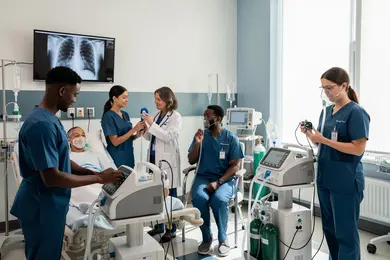
- Healthcare Facilities: Hospitals, outpatient clinics, and rehabilitation centers are primary employers of respiratory care therapy graduates. These institutions rely on respiratory therapists to support intensive care units, emergency departments, and pulmonary rehabilitation programs, addressing acute and chronic respiratory conditions.
- Long-Term Care: Nursing homes and long-term care facilities demand respiratory therapists to provide ongoing management of chronic respiratory diseases like COPD and asthma. Professionals in these settings focus on ventilator management and improving patients' quality of life through specialized respiratory support.
- Home Healthcare: The shift toward outpatient and home-based care fuels growth in this industry, where respiratory care therapists manage oxygen therapy equipment and deliver patient education. This sector's expansion reflects patient and insurer preferences for cost-effective, personalized treatment outside hospital settings.
- Medical Equipment and Device: Companies producing ventilators, inhalers, and monitoring tools employ respiratory care therapy experts in product development, clinical education, and technical support. Their clinical knowledge helps improve device functionality and train healthcare providers effectively.
- Public Health and Research: Institutions focused on respiratory disease prevention, clinical trials, and community health programs also seek respiratory care professionals. They contribute expertise essential for developing interventions and advancing respiratory health initiatives nationwide.
Prospective students interested in respiratory care therapy may also explore advancing their education through DNP online programs, which can further enhance career prospects across these high-demand industries.
Which industries have the strongest job outlook for respiratory care therapy graduates?
Job outlook for respiratory care therapy graduates is influenced by industry growth, workforce demand, and projected hiring needs, reflecting shifts in healthcare delivery and technology. The U.S. Bureau of Labor Statistics projects employment of respiratory therapists to grow 23% from 2022 to 2032, indicating strong expansion well above average.
This growth is driven by factors such as an aging population and advances in respiratory care equipment. Below are key industries with significant demand for respiratory care therapy professionals.
- Hospitals and Acute Care Facilities: Hospitals lead employment due to an aging population needing respiratory support for chronic illnesses like COPD and cardiovascular issues. Technological innovations in ventilators and patient monitoring systems also increase demand for specialized therapists.
- Long-Term Care and Nursing Homes: As longevity rises, respiratory care therapy is essential in long-term care settings to manage chronic respiratory diseases in elderly patients. These facilities increasingly require skilled professionals for ongoing respiratory management and rehabilitation.
- Home Healthcare Providers: The growth of outpatient and home-based respiratory treatments boosts opportunities for respiratory care graduates to deliver care via portable equipment. Home healthcare services support patients requiring oxygen therapy and ventilator management outside institutional settings.
- Outpatient Pulmonary and Sleep Disorder Clinics: Rising awareness and diagnosis of sleep apnea and other respiratory disorders drive employment growth in specialized clinics focused on pulmonary rehab and sleep therapy, where respiratory care professionals play key roles.
What entry-level jobs are available for respiratory care therapy graduates?
Entry-level roles offer respiratory care therapy graduates vital opportunities to apply academic knowledge in clinical settings, developing practical skills essential for their careers. According to the U.S. Bureau of Labor Statistics, close to 70% of graduates enter such positions within six months of completing their programs.
Below are some typical entry-level jobs available in the field.
- Respiratory Therapist: These beginners assist patients with breathing difficulties by delivering oxygen therapy, managing ventilator settings, and performing lung function tests like spirometry. This role introduces hands-on patient care and the use of advanced respiratory equipment.
- Pulmonary Function Technician: Professionals in this role conduct respiratory diagnostic tests and aid physicians by interpreting preliminary results. It helps build expertise in clinical assessments and patient communication.
- Respiratory Therapy Technician: Entry-level technicians support respiratory therapists by preparing medical devices, replenishing supplies, and tracking patient progress. This position teaches operational workflows and teamwork within healthcare environments.
- Rehabilitation Assistant: Working in pulmonary rehab programs, these assistants help patients recover lung function through therapeutic exercises and education. This job strengthens skills in patient support and rehabilitation techniques.
A respiratory care therapy degree graduate shared their experience navigating entry-level opportunities, emphasizing the learning curve involved. They recalled feeling overwhelmed initially but found that "being hands-on with patients and equipment made the theory from school real."
The graduate noted the importance of patience and communication, explaining, "I had to quickly adapt to different situations while ensuring patients felt comfortable." Their journey highlighted how early roles demand both technical skills and empathy, serving as a cornerstone for future professional growth.
What industries are easiest to enter after graduation?
Industries with high entry-level hiring volumes, broad acceptance of relevant degrees, and fewer specialized credential requirements tend to be easier for graduates to enter. For example, healthcare roles overall are anticipated to grow by about 16% between 2020 and 2030, highlighting strong demand for new professionals.
Below are some industries where respiratory care therapy graduates often find accessible opportunities.
- Hospitals and Outpatient Clinics: These facilities consistently recruit recent graduates to meet ongoing patient care needs. High turnover and constant demand for support staff make these settings more welcoming to entry-level respiratory care therapy professionals.
- Home Healthcare Services: Providing care in patients' homes requires respiratory care skills that are easily transferable for managing chronic conditions. The direct one-on-one nature of this work encourages hiring new graduates who can build patient rapport.
- Long-Term Care Facilities: Nursing homes and similar institutions need respiratory care therapy staff to assist aging or chronically ill residents. The rising demand linked to an aging population creates openings for adaptable newcomers.
- Pulmonary Rehabilitation Centers: Specialized outpatient programs focused on lung disease management actively seek respiratory care therapy graduates. These niches favor candidates with relevant clinical training ready to contribute to patient recovery support.
Starting salaries for respiratory care therapy graduates differ widely across various industries, influenced by factors such as specialized skill demand, funding availability, and workforce shortages. The U.S. Bureau of Labor Statistics notes that the median annual wage for respiratory therapists recently hovered around $61,000, with certain sectors surpassing this benchmark for entry-level roles.
Below are key industries known for offering some of the best industries for respiratory care therapy starting salaries.
- Hospitals and Acute Care typically provide starting salaries between $55,000 and $65,000 due to the complex nature of critical patient care and high technical demands, making these roles among the highest paying respiratory care therapy jobs by sector.
- Specialized Pulmonary Clinics often pay from $60,000 to $70,000 for entry-level therapists, reflecting the advanced expertise required to manage sleep and chronic respiratory disorders.
- Home Healthcare Services are growing rapidly, with starting wages ranging from $50,000 to $60,000, driven by increased demand for in-home respiratory treatments.
- Medical Device Manufacturers hire respiratory therapists for clinical education and technical roles, frequently offering salaries above $65,000 due to the integration of clinical and technical skills in product development and support.
- Government and Military Healthcare facilities provide stable pay comparable to hospitals, typically $55,000 to $65,000, often accompanied by comprehensive benefits.
Respiratory care therapy graduates seeking detailed education pathways might explore the best DNP programs online for advanced opportunities and increased earning potential.
Which skills do industries expect from respiratory care therapy graduates?
Industries hiring graduates with a respiratory care therapy degree often seek a diverse range of skills to meet the demands of patient care and healthcare team dynamics. While requirements may vary, employers consistently prioritize a mix of technical expertise and interpersonal abilities.
A 2023 study by the American Association for Respiratory Care found that over 85% of hiring managers rank clinical skills, communication, and critical thinking as top hiring factors. Below are the key skills industries expect.
- Clinical Competency: Mastery of respiratory devices, diagnostic procedures, and treatment delivery is essential. Graduates must reliably perform these tasks to improve patient safety and outcomes in environments like hospitals and outpatient centers.
- Effective Communication: Clearly conveying treatment plans and educating patients and families strengthens trust and compliance. It also enhances teamwork by fostering clear exchanges between respiratory therapists, doctors, and nursing staff.
- Critical Thinking: The ability to rapidly assess respiratory status and adapt interventions is vital. This skill supports swift decision-making in high-pressure settings such as emergency rooms and intensive care units.
- Empathy and Patient-Centered Care: Understanding patients' emotions and needs promotes a supportive atmosphere. Compassion helps reduce anxiety and encourages adherence to prescribed therapies.
- Attention to Detail: Accurate monitoring, medication administration, and documentation ensure quality care and regulatory compliance. This skill underpins reliable records vital for ongoing treatment consistency.
When speaking with a professional holding a respiratory care therapy degree, she shared how challenging yet rewarding it is to integrate these skills daily. She recalled a situation where her attentiveness and calm communication helped ease a patient's fear during a critical procedure, ultimately improving cooperation and recovery speed.
Reflecting on her journey, she emphasized that balancing technical precision with compassionate patient interaction is what truly defines effectiveness in this field. "It's not just about knowing the machines or protocols," she noted, "but about connecting with people when they're most vulnerable and needing support." This blend of skills, she explained, is what employers value most and what makes the role so fulfilling.
Which industries require certifications for respiratory care therapy graduates?
Many industries require respiratory care therapy graduates to obtain certifications beyond their academic degrees to ensure compliance with regulatory standards and technical competency. For example, workforce surveys indicate that over 70% of employers in healthcare prioritize candidates with additional professional credentials.
These certifications help verify that professionals meet evolving clinical and safety requirements. Below are key industries where certifications are particularly valued.
- Healthcare Institutions: Hospitals and specialized medical clinics demand certifications that demonstrate proficiency in patient respiratory management and emergency care. Professional credentials in advanced life support and pediatric or neonatal respiratory care align with strict clinical standards and support quality patient outcomes.
- Long-Term Care Facilities: Rehabilitation centers and nursing homes prioritize certifications focusing on chronic respiratory disease and ventilator management. Licensing authorities enforce rigorous credentialing to maintain consistent care quality and patient safety, making credentials critical for employment.
- Home Healthcare: The home care sector requires certifications related to respiratory equipment operation and patient education. Caregivers depend on certified professionals to provide training and ensure safe usage of medical devices in home environments, emphasizing practical skills and compliance.
- Emergency Services: Ambulance and urgent care providers seek respiratory care therapists with certifications that validate competence in life-saving interventions. Certification requirements in this fast-paced sector reflect the need for readiness in critical respiratory support situations.
Which industries offer remote, hybrid, or flexible careers for respiratory care therapy graduates?
Workplace flexibility has expanded significantly across many industries, driven by digital tools and changing workforce expectations. Recent studies indicate that over 30% of professional roles offer remote or hybrid options, reflecting a broader shift toward adaptable work environments.
For respiratory care therapy graduates, this trend opens diverse opportunities in sectors that value flexible scheduling and location independence.
- Telehealth: This sector leverages digital platforms to monitor respiratory conditions, conduct virtual consultations, and provide patient education. Telehealth's remote-friendly workflows enable respiratory care therapy professionals to interact with patients and analyze data from any location, supporting a flexible work-life balance.
- Medical Device Companies: Firms involved in respiratory equipment manufacturing and support often blend on-site visits with remote tasks such as clinical support and virtual training. Project-based operations and digital collaboration tools make hybrid roles common in this industry.
- Health Insurance Organizations: Roles in case management, utilization review, and policy analysis are document-driven and rely on digital communication. These factors allow respiratory care therapy graduates to work remotely while managing patient care plans and related processes efficiently.
- Educational Institutions: Online training providers and schools hire respiratory care therapy professionals as instructors and curriculum developers. Using video conferencing and learning management systems, these roles accommodate fully remote or mixed schedules aligned with collaborative projects.
- Public Health Agencies: Combining data analysis, community education, and program coordination, these agencies use hybrid models to balance fieldwork with remote administrative duties. This industry's reliance on digital databases and virtual meetings enhances flexibility for respiratory care graduates.
Graduates interested in exploring related flexible healthcare careers might also consider medical billing and coding programs as complementary pathways.
What industries have the strongest promotion opportunities?
Promotion opportunities for respiratory care therapy graduates often align with industry growth, organizational structures, and demand for experienced professionals. Studies show that companies with structured internal promotion programs see up to 71% higher employee retention, highlighting the value of clear advancement pathways.
Below are some industries with the highest promotion opportunities for respiratory care therapy graduates.
- Hospitals: Large healthcare systems maintain established leadership pipelines, offering respiratory therapy professionals chances to progress into supervisory and managerial roles. Ongoing training programs foster skill development crucial for upward mobility within these organizations.
- Long-Term Care Facilities: As these centers expand to meet aging populations' needs, the demand for respiratory care leaders increases. Advancement often involves assuming roles in clinical coordination and quality assurance, enhancing responsibilities beyond direct patient care.
- Home Healthcare Services: Growing demand for at-home respiratory support drives organizational expansion, creating leadership roles focused on program development and operations management. Therapists can advance to positions overseeing broader geographic service areas as agencies scale.
- Educational Institutions: Graduates with a passion for teaching can advance into curriculum development and program administration roles. This sector values clinical expertise combined with leadership in academic settings, contributing to training future respiratory care professionals.
- Pharmaceutical and Medical Device Companies: Career ladders exist for clinical specialists moving into sales management, training, or regulatory affairs. These pathways represent corporate advancement opportunities aligned with industry innovation.
For students exploring the best educational routes to enter these fields, reviewing reputable radiology tech programs can provide useful insights into healthcare education trends. Understanding career advancement pathways in respiratory care therapy sectors enables graduates to target industries with the most promising long-term growth potential.
How do you choose the best industry with a respiratory care therapy degree?
Choosing the best industry with a respiratory care therapy degree begins with assessing career interests and preferred work environments, as these significantly impact job satisfaction. Graduates should reflect on whether they excel in fast-paced settings or more controlled, outpatient environments, aligning their strengths accordingly.
Considering long-term growth potential is vital; for instance, healthcare industries are projected to grow by 23% from 2022 to 2032, indicating robust demand. This approach helps students target industries that match their goals and sustain rewarding careers in respiratory care therapy.
Graduates can compare industries by examining advancement opportunities, industry stability, workplace flexibility, and availability of professional development, including continuing education and mentorship. Researching each industry's expectations-such as certification requirements and patient demographics-is essential to ensure a good fit with personal career objectives.
Taking time to evaluate these factors supports informed decisions about how to select the right industry for respiratory care therapy careers. Exploring additional educational pathways, like the fastest RN to BSN program online, can also enhance professional prospects within these chosen industries.
What Graduates Say About Industries Hiring Graduates With a Respiratory Care Therapy Degree
- Briar: "Starting my career in respiratory care therapy gave me invaluable insight into the diverse industries actively seeking new graduates. I learned that hospitals and outpatient clinics offer dynamic environments where quick thinking and adaptability are essential. This experience helped me develop strong problem-solving skills and confidence in patient care early on."
- Jesse: "Reflecting on my journey, respiratory care therapy taught me how crucial effective communication is within healthcare teams and with patients. Beginning in home healthcare allowed me not only to build essential clinical skills but also to understand the broader impact of respiratory support beyond the hospital setting. It's rewarding to know my work directly contributes to improving patients' quality of life."
- Josiah: "Professionally, a degree in respiratory care therapy opened doors to specialized fields like critical care and pulmonary rehabilitation. The rigorous training I received helped me master technical skills while fostering a compassionate approach to patient treatment. This balance has been key in advancing my career and making a meaningful difference in every role I take on."
Other Things You Should Know About Respiratory Care Therapy Degrees
Graduates with a respiratory care therapy degree often find employment in a variety of healthcare settings beyond hospitals. These include long-term care facilities, rehabilitation centers, home healthcare services, and outpatient clinics. Each setting offers opportunities to work with different patient populations, such as those requiring chronic respiratory management or post-acute care.
Certain industries may present unique challenges, such as high-stress environments in critical care units or managing long-term therapy plans in outpatient settings. Graduates should be prepared for variable work hours and exposure to patients with complex respiratory conditions. Adaptability and resilience are important traits for success across these industries.
Yes, some industries, particularly medical device companies and research institutions, employ respiratory care therapy graduates in roles focused on product development and clinical research. These positions involve testing new respiratory equipment, developing treatment protocols, and contributing to advancements in respiratory care technology. Such roles leverage their clinical expertise alongside scientific inquiry.
References
- A profession in motion: Shifting numbers and growing roles in respiratory therapy - CHEST Physician https://www.chestphysician.org/a-profession-in-motion-shifting-numbers-and-growing-roles-in-respiratory-therapy/
- Career Advancement for RCPs | Respiratory Therapy https://respiratory-therapy.com/disorders-diseases/chronic-pulmonary-disorders/asthma/career-advancement-for-rcps/
- Pros and Cons of a Respiratory Therapy Career https://www.staugustine.edu/2023/01/26/pros-and-cons-of-a-respiratory-therapy-career/
- Respiratory Therapy Jobs | Respiratory Jobs | Aya Healthcare https://www.ayahealthcare.com/allied-professionals/respiratory-therapy/
- What to Look For When Hiring a Respiratory Therapist https://concentrichealthcare.com/what-to-look-for-when-hiring-a-respiratory-therapist/
- Respiratory Therapy Growth | Key Trends and Impacts https://blog.methodistcollege.edu/7-reasons-respiratory-therapy-is-lifting-off
- Respiratory Therapist - Explore Healthcare Careers - Mayo Clinic College of Medicine & Science https://college.mayo.edu/academics/explore-health-care-careers/careers-a-z/respiratory-therapist/
- rtNOW Employment https://rtnow.net/rtnow-application-for-employment/
- Essential Skills Respiratory Therapists Should Possess https://slchc.edu/wiki/essential-skills-respiratory-therapists-should-possess/
- Choosing a Career in Respiratory Therapy - Respiratory Therapist Campaign https://morerts.com/choosing-a-career-in-respiratory-therapy/