2027 Industry Demand for Environmental Science Master's Graduates: Job Outlook & Hiring Trends

Co-Founder and Chief Data Scientist
The landscape for environmental science master's graduates increasingly reflects employers' needs for specialized expertise in risk assessment, regulatory compliance, and geospatial data analysis. Roles such as environmental consultant, remediation specialist, and sustainability coordinator now often require credentials paired with demonstrable technical skills and leadership capabilities. Flexible online programs catering to working adults and career changers address these evolving demands by integrating applied projects, certification preparation, and industry-standard software training.
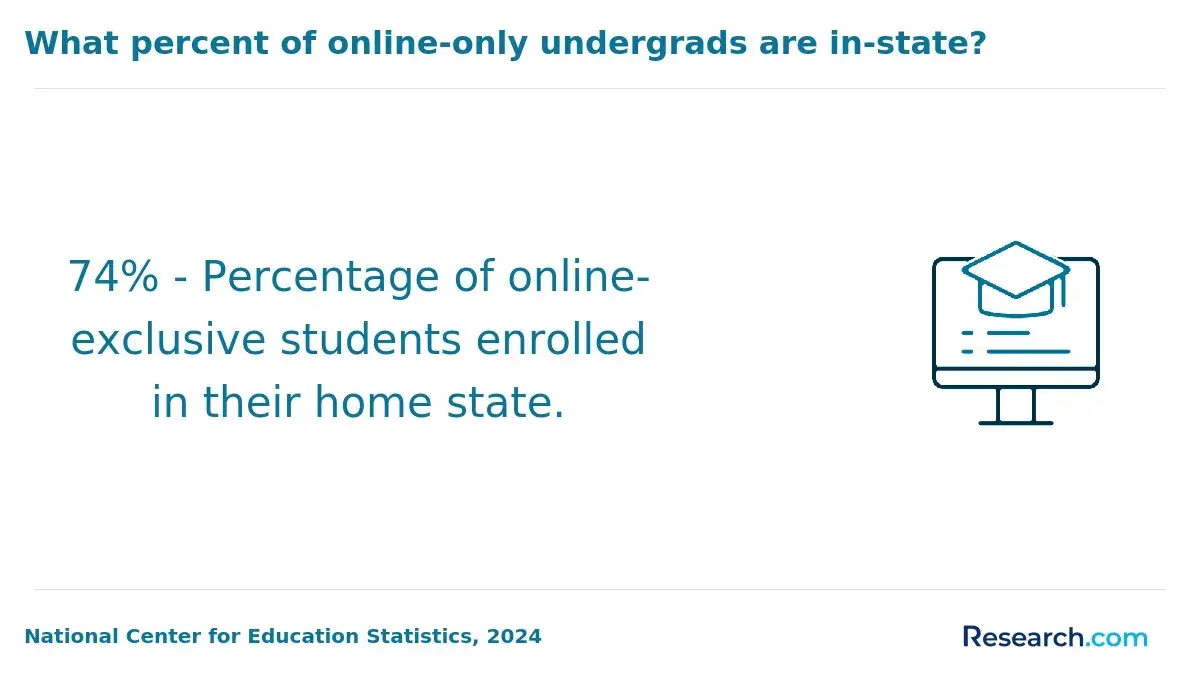
According to the National Center for Education Statistics, enrollment of adult learners in graduate online programs grew by over 12% in recent years, highlighting a shift toward accessible, career-aligned education. This article examines hiring trends, credential expectations, and the role of advanced study to help readers assess whether pursuing a master's degree fits their career trajectory, financial considerations, and target sectors.
Key Things to Know About Industry Demand for Environmental Science Master's Graduates
- Employers increasingly prefer candidates with specialized environmental science master's degrees reflecting sector-specific skills, which limits opportunities for those with generalized credentials and urges targeted curriculum choices.
- Growing emphasis on practical experience means job applicants benefit more from programs incorporating internships or project-based work, as workforce demand favors applied expertise over theoretical knowledge alone.
- According to the National Center for Education Statistics 2024 data, rising enrollments of adult learners in online environmental science master's courses highlight a cost-access tradeoff: flexible pacing reduces opportunity costs but extends total degree completion time.
What is the current job outlook for environmental science master's graduates?
The current job outlook for environmental science master's graduates in the United States reveals a labor market that favors candidates with specialized expertise and adaptable skill sets, rather than those relying solely on broad academic credentials. Employers increasingly prioritize practical experience and certifications that align with evolving industry regulations and technological integration.
This landscape shapes competitive positioning, salary trajectories, and advancement opportunities in distinct ways.
- Industry Demand: Environmental consulting firms, government agencies, and renewable energy sectors represent the primary employers actively seeking master's-level talent. Demand tends to concentrate in roles involving sustainability consulting, regulatory compliance, and environmental impact assessment, reflecting the interplay of policy enforcement and corporate responsibility.
- Specialization Value: Graduates demonstrating proficiency in geographic information systems (GIS), data modeling, and environmental remediation routinely gain an advantage. This technical specialization drives higher starting salaries and access to complex projects that influence long-term employability and career progression.
- Geographic Variation: Hiring trends vary markedly by region, with coastal states emphasizing climate adaptation and water quality roles, while midwestern areas prioritize soil and natural resource management. Remote and hybrid work options remain limited in certain technical positions, influencing geographic flexibility for graduates.
- Credential Impact: Industry-recognized certifications such as the Certified Environmental Scientist (CES) are often non-negotiable, supplementing the master's degree and signaling a candidate's readiness to meet regulatory and project management demands. These credentials enhance job security and open pathways toward leadership roles.
- Technology Adoption: Employers expect advanced competency in environmental software tools, reflecting a workforce gap where graduates lacking technological fluency may struggle to secure or retain positions. This trend underscores the necessity for ongoing upskilling aligned with the sector's digital transformation.
- Career-Transition Relevance: For adult learners and career changers, programs offering experiential learning and industry partnerships tend to improve hiring outcomes. Understanding the realistic entry points and advancement steps-often from technical analyst roles to strategic policy advisors-helps align expectations with actual labor-market dynamics and salary progression.
Such nuances in the environmental science master's degree employment trends and hiring demand emphasize the importance of choosing programs that balance affordability, flexibility, and practical preparation, particularly for budget-conscious students pursuing online education. For those comparing online options, consulting resources on the easiest graduate degrees can help identify paths that align educational investment with realistic industry needs.
Which industries hire the most environmental science master's graduates?
Demand for Environmental Science master's graduates concentrates in industries where regulatory complexity, scientific rigor, and technical specialization intersect. These sectors rely on graduate-level training to meet compliance mandates, implement sophisticated analyses, and develop sustainable practices tailored to specific operational contexts.
- Government Agencies: Federal and state bodies prioritize master's graduates for roles involving regulatory enforcement, risk management, and program oversight. Their expertise in navigating statutes like the Clean Air Act supports multi-agency collaboration and evolving policy requirements, often tied to fluctuating public budgets and legislative cycles.
- Environmental Consulting: Firms engaged in impact assessments and remediation favor graduates who bring advanced skills in GIS, toxicology, and environmental modeling. This sector's growth reflects escalating corporate environmental accountability and demands problem-solving that blends science with practical compliance guidance.
- Energy & Natural Resources: Employers in renewable energy, mining, and resource extraction seek candidates capable of balancing ecological stewardship with technical project feasibility. Master's-level credentials enable roles focused on sustainable operations and regulatory adherence amid shifting environmental standards.
- Academic & Nonprofit Research: Although doctorate holders dominate research leadership, master's graduates contribute significantly as coordinators and policy analysts. Proficiency in grant writing and interdisciplinary work is crucial, given funding volatility and project-specific hiring common in this sector.
This pattern underscores how advanced education equips graduates to navigate the interface of science, regulation, and industry-specific challenges rather than providing generic qualifications. Professionals who align their studies with industry demand-particularly in affordable, accredited, and flexible online environmental science master's programs-can optimize employment outcomes by focusing on sectors that actively require graduate-level expertise and adaptability.
What are the most common job titles for environmental science master's degree holders?
Job titles for master's degree holders in environmental science reveal how employers differentiate candidates by their technical skills, leadership potential, and regulatory expertise. These distinctions signal how organizations match graduate competencies with operational needs, shaping expectations around autonomy, certifications, and interdisciplinary fluency.
Employers often segment roles to reflect both the depth of scientific knowledge and the scope of decision-making responsibility, affecting salary tiers, advancement trajectories, and job flexibility such as remote or hybrid options.
- Environmental Specialist: Frequently an entry-level designation, this role focuses on implementing monitoring programs and ensuring compliance with regulations. It serves as a practical introduction to fieldwork and data collection, suitable for graduates seeking hands-on experience before advancing into strategic or consulting positions.
- Environmental Analyst: This title emphasizes data-driven evaluation, including GIS and statistical modeling, aligning with master's-level analytical training. Employers expect these professionals to translate complex datasets into actionable insights, often influencing project design or regulatory reporting.
- Environmental Consultant: Positioned more toward mid-level roles, consultants provide expert advice to clients on sustainability, compliance, and remediation. This title often requires industry certifications and advanced communication skills, bridging technical expertise with client-facing responsibilities.
- Environmental Manager: Reflecting leadership readiness, this role involves oversight of environmental programs and teams, balancing operational goals with regulatory frameworks. Employers regard this position as a stepping stone toward senior management, demanding both technical mastery and organizational acumen.
- Senior Environmental Scientist: Reserved for experienced specialists, this title highlights advanced research capabilities, project leadership, and mentorship duties. Individuals in this role typically influence innovation and policy within organizations, carrying significant responsibility for technical direction.
One graduate recalled navigating varied titles when researching career options after completing an environmental science master's. Initially uncertain whether their skills matched "environmental analyst" or "consultant" roles, they found job descriptions often blurred between data analysis and advisory duties.
Exploring adjacent titles like "regulatory affairs specialist" revealed pathways requiring specific certifications they hadn't anticipated pursuing but offered clearer progression. This helped clarify which roles aligned most realistically with their interests and credentials, underscoring how employers' nuanced title categorizations inform both job search strategy and professional development choices.
How does the salary for environmental science master's graduates compare to other advanced degrees?
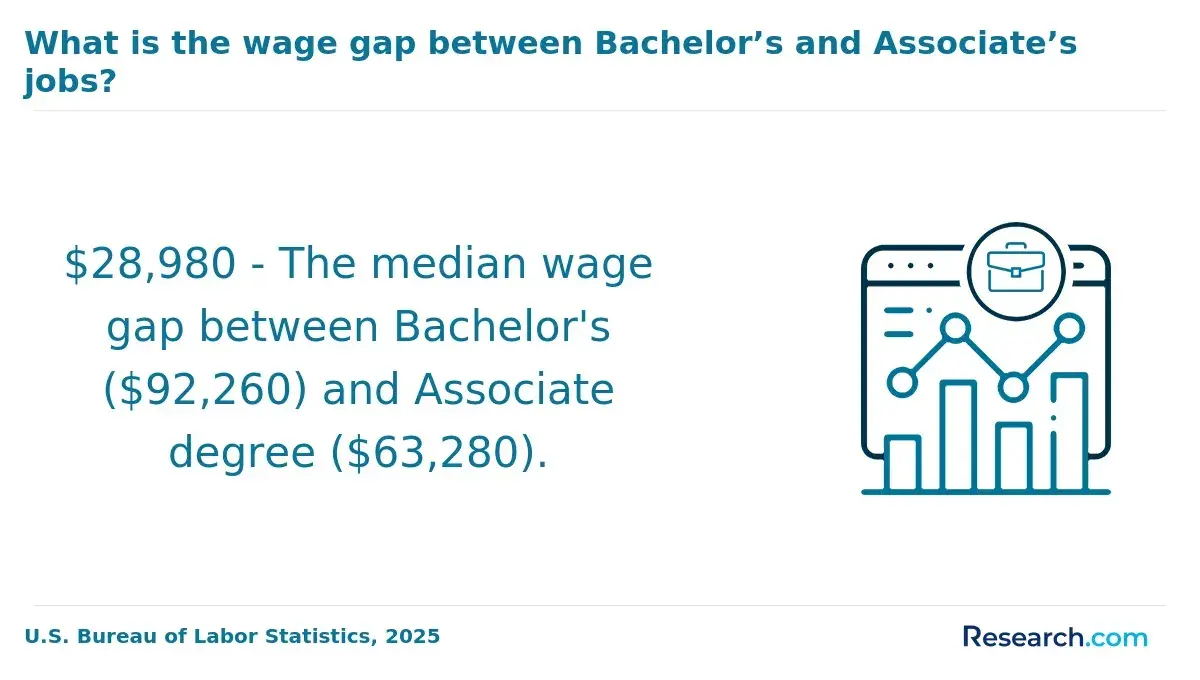
Salary comparisons reveal that master's graduates in environmental science often balance meaningful work against modest financial gains, especially compared to peers in more lucrative advanced degree fields. Unlike business or engineering degrees, environmental science salaries generally start lower and grow steadily but typically plateau below STEM or finance benchmarks.
For career-oriented students and professionals considering affordable, flexible graduate pathways, understanding these nuances clarifies the practical return on investment.
- Industry Premium: Environmental science roles in private consulting and industry tend to command higher salaries than nonprofit or governmental positions, reflecting market-driven pay scales. This contrasts with some advanced degrees where entry-level compensation is more uniformly lucrative across sectors.
- Role Specialization: Salary growth hinges heavily on the specific responsibilities assumed; roles demanding technical expertise or project management skills usually outperform broader environmental analyst positions in pay. This underscores a key ROI factor when comparing degrees that emphasize specialized versus generalist training.
- Credential Signaling: Professional certifications such as Certified Environmental Professional (CEP) or Project Management Professional (PMP) serve as important salary multipliers, signaling technical competence and leadership potential. Such credentialing often differentiates environmental science graduates from those without specialized licenses, affecting employer valuation.
- Geographic & Sector Variation: Compensation differs substantially by location, with urban centers featuring dense environmental regulations and corporate hubs offering better pay. This variability highlights how local labor markets can shape earnings, unlike some nationwide-standardized advanced degree remunerations.
- Advancement Ceiling: Many environmental science careers are constrained by public sector or nonprofit budget limits, suppressing top-end salaries relative to comparable graduate degree holders in fields like engineering or data science. This creates a pragmatic consideration for those prioritizing long-term financial growth.
- ROI Tradeoff: The salary growth and earning potential for environmental science master's graduates versus other graduate degrees reflect a tradeoff between passion-driven employment and peak earnings. For students prioritizing fiscal outcomes, exploring alternatives like the best online MSW programs may sometimes yield faster salary progression.
What hiring trends are shaping demand for environmental science master's talent?
The demand for environmental science master's graduates increasingly hinges on practical technical fluency combined with leadership and regulatory navigation skills. Hiring managers prioritize candidates who not only hold advanced degrees but who demonstrate applied expertise in specialized software, data analytics, and cross-sector collaboration to address complex environmental challenges.
Master's credentials serve as a baseline, but demonstrated problem-solving agility and sector-specific certifications often differentiate successful applicants.
- Technical Specialization: Employers now expect proficiency with GIS, remote sensing, and environmental modeling tools, favoring candidates who can translate theoretical knowledge into actionable data insights supporting regulatory compliance and sustainability efforts.
- Regulatory Acumen: Navigating local and international environmental policies is essential, as businesses seek hires who anticipate policy shifts and manage compliance risks, reflecting the growing intricacy of environmental governance.
- Interdisciplinary Integration: Graduates capable of linking environmental science with economics, engineering, or public health enhance project effectiveness, aligning scientific data with practical decision-making across diverse stakeholder groups.
- Leadership Readiness: Master's graduates who exhibit capacity to manage multi-disciplinary teams and stakeholder interests gain an advantage, as strategic thinking and project management skills increasingly accompany technical roles.
Ultimately, employers' emphasis on demonstrated experience and certifications beyond degree holding means the most competitive environmental science graduates are those who combine technical mastery with soft skills and regulatory awareness.
Adult learners and career changers should prioritize programs providing hands-on projects and flexible curricula designed to build this integrative skill set, positioning themselves for diverse roles in an evolving job market.
What skills and specializations are most in demand for environmental science master's roles?
Employers increasingly demand that environmental science master's graduates bring specialized, actionable expertise rather than broad generalist knowledge. Hiring managers focus on advanced competencies that directly address the complexity of current environmental challenges, particularly those related to regulatory compliance, data-driven impact assessment, and sustainability initiatives.
Candidates lacking these targeted skills often face difficulty advancing beyond entry-level roles or differentiating themselves in competitive applicant pools.
- Geographic Information Systems (GIS): Mastery of GIS tools is essential for spatial data analysis and environmental modeling. Roles requiring GIS proficiency often involve strategic land-use planning and resource management, where accurate geographic data interpretation informs regulatory decisions and project outcomes.
- Environmental Policy Expertise: Deep knowledge of environmental laws and regulatory frameworks is critical. Graduates skilled in policy interpretation and compliance are preferred in consulting, government, and NGO roles where shaping or navigating governance structures impacts project success and career trajectory.
- Statistical Data Analysis: Proficiency in platforms like R and Python to model environmental data enables risk assessment and predictive insights. Analytical rigor in quantitative methods is a decisive factor in research and consultancy jobs focused on delivering evidence-based solutions.
- Sustainability and Renewable Energy: Specializations addressing decarbonization and green infrastructure align with industry trends. Employers seek graduates who integrate technical knowledge with economic and social impact evaluation in innovation-focused and policy advisory positions.
Environmental science master's advanced competencies and certifications increasingly define employability and long-term value. In practice, candidates who combine these skills with practical experience better navigate complex hiring criteria and capitalize on emerging interdisciplinary opportunities.
For budget-conscious adult learners and career changers seeking flexible and affordable online options with strong ROI, comparing program outcomes against these in-demand areas is crucial. Those exploring pathways that don't require additional standardized tests might consider an online MBA with no GMAT to complement environmental expertise with strategic management skills relevant to leadership roles.
How do employers describe the value of environmental science master's graduates?
Employers in environmental fields consistently highlight how master's graduates provide value that extends beyond basic qualifications. These candidates are expected to bring technical depth, managerial aptitude, and applied experience that directly correspond to complex environmental challenges and organizational needs.
- Technical Expertise: Employers prioritize candidates who demonstrate advanced skills in tools like GIS, remote sensing, and environmental modeling. This technical proficiency is essential for handling data-intensive projects and navigating regulatory requirements, which often surpass what bachelor's-level training covers.
- Leadership and Communication: Hiring managers look for readiness to lead initiatives and engage with diverse stakeholders, including public agencies and private sector partners. Master's graduates are often perceived as better prepared to translate scientific findings into strategic decisions and oversee multidisciplinary teams.
- Practical Experience: A track record of internships, research projects, or applied collaborations signals immediate workplace impact. Employers use such portfolios to assess how well candidates can address real-world problems amidst regulatory complexity and evolving environmental policies.
- Credentialing as Gatekeeper: Many mid-level positions explicitly require a master's degree, valuing the degree as a baseline indicator of analytic rigor and specialized knowledge. However, employers also weigh the program's relevance and tangible contributions rather than viewing the degree as a mere formality.
These employer insights shape recruitment by emphasizing candidates who integrate technical mastery, hands-on skills, and leadership capacity. For working professionals balancing time and cost constraints, understanding these expectations can guide the selection of programs that align closely with industry demands rather than generic academic prestige.
One graduate recalled a mid-tier environmental consulting firm's recruitment cycle in early 2024, where interviewers focused heavily on the scope and outcomes of her capstone project involving ecosystem modeling. She noted that beyond verifying her technical skills, the hiring team probed how she communicated findings to non-technical stakeholders and managed project timelines under regulatory constraints.
While the firm valued her master's credential as a necessary screening tool, they also expressed concern about candidates lacking breadth in applied problem-solving. This experience highlighted for her the nuanced balance employers seek between specialized expertise and practical adaptability in environmental roles.
What ROI do environmental science master's graduates typically see from their degree investment?
Return on investment for master's graduates in environmental science is shaped by more than salary increases; it hinges on balancing tuition costs, time spent studying, and career trajectory shifts against measurable professional gains. Employers often signal value through support mechanisms like tuition reimbursement, reflecting the practical worth of advanced credentials in workforce planning.
For example, a working professional transitioning to environmental consulting may leverage an online master's to maintain income while acquiring necessary certifications, accelerating credential payoff.
- Earnings Growth: In environmental science, salary gains often result from roles requiring specialized certifications or licenses. These requirements limit access to higher-paying positions, so the ROI depends on how quickly graduates secure and leverage these credentials.
- Promotion Access: Advanced degrees may facilitate movement into supervisory or strategic roles, but only where employers recognize formal credentials as prerequisites. Without this alignment, tenure or practical experience may retain more weight.
- Career-Change Leverage: Flexible, part-time master's programs with reasonable tuition allow working adults to pivot fields while minimizing lost income, crucial for risk-averse learners targeting sectors like sustainability or regulatory compliance.
- Credential Requirements: Many environmental science occupations necessitate licenses or certifications that extend the timeline before ROI materializes. Programs closely tied to these are more likely to deliver faster returns.
- Opportunity Cost: Full-time programs without employer support impose significant income sacrifice, diminishing net ROI. Online and part-time formats mitigate this by enabling concurrent employment.
- Debt Sensitivity: Graduates who avoid excessive borrowing through affordable program choices generally face healthier financial outcomes, especially given uneven salary growth in certain environmental sectors.
- Market Resilience: Aligning study to sectors with active hiring-such as climate adaptation or environmental risk assessment-improves job stability and accelerates credential monetization amid fluctuating industry demand.
What job search and hiring strategies work best for environmental science master's candidates?
Job search strategy is especially critical for environmental science master's candidates due to the specialized nature of available roles and the increasing reliance on automated candidate screening by employers. Candidates who generalize their qualifications often get filtered out before human review, as many environmental science master's candidate job search strategies now require precision in aligning skills with employer needs.
For example, an applicant with expertise in GIS mapping who fails to highlight this clearly may lose out to someone who explicitly tailors their résumé for such technical roles. The labor market favours those who can demonstrate immediate relevance and practical impact rather than broad academic knowledge alone.
- Targeted Job Search: Focus your job search on roles that require specific environmental science competencies like data analysis, regulatory compliance, or fieldwork. This approach helps bypass generic filters and matches your skills to employer needs.
- Credential Positioning: Highlight specialized coursework, certifications, or hands-on projects directly related to the job. Emphasizing these elements aligns with how many employers use keyword scanning in applicant tracking systems.
- Portfolio Evidence: Present concrete deliverables such as environmental impact assessments, GIS projects, or sustainability program case studies to prove applied skills rather than theoretical knowledge.
- Interview Preparation: Go beyond rehearsed answers by preparing to discuss real-world environmental challenges relevant to the employer's projects. This demonstrates problem-solving ability and practical understanding.
- Strategic Networking: Engage purposefully with environmental science professional networks and attend industry conferences to discover opportunities not publicly advertised and gain insights into employer priorities.
- Timing Applications: Align your job applications with project funding cycles or seasonal demands common in this sector to increase chances of timely hiring consideration.
Such strategies show how intentional job targeting improves outcomes in an environmental science master's candidate job search. Integrating these tactics helps candidates translate graduate training into recognized workplace contributions, ensuring their applications reflect realistic career-change or advancement goals.
Those balancing affordability, flexible schedules, and online learning options should also consider programs with strong industry connections and ROI. For example, some candidates explore related pathways such as speech language pathology bridge programs online as a model for bridging disciplines with tailored credentialing, adapted similarly in environmental science fields for career pivots.
How will future trends like AI and automation affect hiring for environmental science master's graduates?
AI and automation are reshaping hiring demand for environmental science master's graduates by supplementing rather than replacing human roles. Employers increasingly expect graduates to apply technical fluency alongside contextual judgment, ensuring that automated tools enhance rather than obscure decision-making. In practical terms, a candidate adept at interpreting AI-driven environmental assessments will better meet evolving job demands than one relying solely on traditional field methods.
- Technical Fluency Required: Familiarity with AI-assisted modeling, geospatial platforms, and data analytics has become essential. Environmental science graduates must navigate complex datasets and use automated insights to support compliance and monitoring efforts effectively.
- Judgment-Centered Roles: Automation handles routine data tasks, but employers rely on professionals to validate AI outputs, ensuring decisions consider ethical and societal context. This responsibility underscores a shift towards roles emphasizing critical evaluation over repetitive processing.
- Cross-Functional Collaboration: Employers value graduates who can bridge communication gaps between technical experts and environmental specialists. Leading interdisciplinary teams using digital workflows requires adaptability and strong interpersonal skills.
- Regulatory Oversight: Critical evaluation skills are increasingly prioritized to audit automated environmental assessments, ensuring transparency and adherence to compliance standards in a digitized workflow.
- Continuous Learning Priority: Rapid tech evolution demands graduates proactively engage with emerging technologies and ongoing professional development to maintain relevance and advance.
These trends reflect the future impact of AI and automation on environmental science master's hiring, where advancing beyond foundational knowledge is key to employer alignment. For budget-conscious learners seeking flexibility and ROI, understanding how these technological shifts influence practical skill requirements informs better program choices. Those interested can explore online electrical engineering degree programs for veterans as a comparative example of how technical graduate education adapts to digital transformations.
What Do Graduates Say About Industry Demand for Environmental Science Master's Graduates?
- Mordechai: "Balancing a part-time job while completing my master's in environmental science was definitely challenging, but I chose a program with strong internship opportunities to get practical experience. Though I had limited time, securing a summer placement at a local consultancy helped build my portfolio, which turned out to be more valuable than formal licensure when I applied for entry-level roles. The reality is, employers here prioritized hands-on projects and recommendations over certifications."
- Casen: "After deciding to switch careers, affordability was my biggest constraint, so I picked an accelerated environmental science master's program that allowed me to enter the workforce faster. While the workload was intense, it forced me to focus on key skills like GIS and data analysis that employers wanted. I landed a remote position with a nonprofit, but I quickly learned that without specialized certifications, salary growth could be limited, requiring me to plan longer-term professional development."
- Walker: "Choosing a program with a flexible schedule was key for me since I had family commitments and couldn't do a traditional full-time course. The trade-off was fewer in-person networking chances, but I made up for it by targeting online internships and building a solid digital portfolio emphasizing my research skills. In the current job market, I realized many roles prefer candidates with demonstrable experience over just degrees, so that portfolio has been crucial to standing out despite stiff competition."
Other Things You Should Know About Environmental Science Degrees
Students must balance flexible scheduling often found in online or part-time programs with the need for specialized, industry-relevant coursework that employers prioritize. While flexible formats support working professionals, programs lacking rigorous, applied training in environmental regulations, data analysis, or field methods may leave graduates less competitive. Prioritize programs that integrate practical experiences and elective tracks aligned with targeted sectors, even if they require more upfront time commitment.
Environmental science work is often shaped by regional legislation and ecological conditions, meaning graduates unfamiliar with local regulatory frameworks may encounter a skills mismatch. This regional specialization can narrow job prospects if not intentionally addressed during the master's program. Students should consider curricula covering multi-jurisdictional policies or pursue certifications relevant to the areas where they intend to work to increase versatility.
Degrees from abroad or lesser-known schools can offer cost advantages but may face employer skepticism unless they have clear accreditation and industry recognition. Graduates should assess whether these programs include robust industry connections, internships, and alumni networks to offset potential deficits in reputation. For budget-conscious learners, focusing on accredited programs with demonstrated graduate employment success often yields better long-term ROI despite higher tuition.
References
- How to Hire an Environmental Scientist: The 2026 Hiring Guide https://ehscareers.com/employer-blog/how-to-hire-an-environmental-scientist-2026-guide/
- Environmental Job Market Trends | ECO Canada https://eco.ca/research-and-resources/environmental-job-market-trends/
- Environmental Science Jobs https://unity.edu/careers/environmental-science-jobs/
- View of Artificial Intelligence And The Future Of Graduate Employment: Risks And Opportunities https://theaspd.com/index.php/ijes/article/view/5781/4183
- What Skills Do I Need for Environmental Science? https://cypressei.com/landscape-design/what-skills-do-i-need-for-environmental-science/
- These 4 charts show the key trends in environmental jobs https://www.weforum.org/stories/2022/10/climate-change-environmental-jobs/
- Artificial intelligence and the future of work: Disruptions and opportunities https://unric.org/en/ai-and-the-future-of-work-disruptions-and-opportunitie/
- 4 careers you can pursue with a master's in environmental science https://graduateguide.com/4-careers-you-can-pursue-with-a-masters-in-environmental-science/
- 20 Highest-Paying Environmental Science Jobs in 2025 https://internshala.com/blog/highest-paying-environmental-science-jobs/
- Graduates pivot careers due to AI and job automation https://ise.org.uk/knowledge/insights/431/graduates_pivot_careers_due_to_ai_and_job_automation/