
2027 Can You Get Licensed With an Online Environmental Science Degree? Requirements, Rules, and What to Know

Co-Founder and Chief Data Scientist
Prospective students pursuing an online environmental science degree often question whether they can qualify for professional licensure through remote study. This concern arises as many states require specific accredited coursework and supervised field experience. According to the U. S. Bureau of Labor Statistics, employment for environmental scientists is projected to grow 5% from 2022 to 2032, highlighting increasing demand for qualified professionals. However, licensure rules vary widely across states, complicating students' pathways to certification. This article clarifies these requirements, explains how online degrees are evaluated for licensure, and guides readers through steps to achieve professional credentials in environmental science.
Key Benefits of Getting Licensed with an Online Environmental Science Degree
- Licensure with an online environmental science degree enhances career eligibility, ensuring professional credibility recognized by employers and regulatory bodies in environmental consulting and management sectors.
- Licensed professionals access broader employment opportunities, including government agencies and private firms, while enjoying greater geographic job mobility across states with reciprocity agreements.
- Holding a license correlates with higher long-term earning potential, supporting advancement into senior technical or managerial roles, with licensed experts earning up to 15% more than non-licensed peers.
Can You Get Licensed With an Online Environmental Science Degree?
Obtaining licensure with an online environmental science degree is achievable when the program meets proper accreditation and curriculum standards. Such programs cover essential coursework in core scientific principles, environmental laws, and applied practices, adequately preparing graduates for professional responsibilities. Most licensure processes also require hands-on experience, often fulfilled through internships or practicum components integrated into reputable online degrees. This practical training, combined with passing standardized exams from state or national regulatory bodies, helps graduates meet the online environmental science degree licensure requirements to advance in their careers.
Licensed professionals benefit from expanded career opportunities, including roles in regulated fields like environmental consultancy or government agencies. Holding a license typically authorizes individuals to take on advanced responsibilities such as project management and compliance enforcement, which can lead to enhanced salary potential compared to non-licensed peers. It is essential to select regionally accredited online programs that are recognized by licensing authorities, enabling graduates to pursue credentials like Certified Environmental Professional (CEP) or Professional Environmental Scientist (PES). For those exploring related options, reputable online msw programs can offer insight into accredited distance learning models. Understanding the licensing process for environmental science graduates ensures informed decisions toward professional credentialing and career growth.
Do Licensing Requirements for Environmental Science Vary by State?
Licensing rules for environmental science professionals exist to ensure practitioners have the necessary competence and ethics to protect public safety and environmental standards. Approximately 40% of U.S. states require a professional license or certification, though the specific criteria can vary widely.
Key areas where state-specific environmental science licensure rules may differ include:
- Examinations: Some states mandate passing a specialized licensing exam tailored to environmental science, while others emphasize documented supervised work experience over formal testing.
- Continuing Education: Requirements to maintain licensure can range from annual coursework in certain states to more lenient renewal processes every few years without strict educational updates, affecting how professionals stay current.
- Scope of Practice: States may vary on which tasks licensed environmental scientists are permitted to perform, influencing job responsibilities and potential career development opportunities.
- Renewal Policies: The frequency and conditions for renewing licenses differ, impacting long-term career planning, especially for those considering relocating or pursuing remote work.
Prospective students targeting a career in environmental science should thoroughly research licensing requirements by state early in their education to ensure alignment with their professional goals. Pursuing an online environmental science degree can support flexibility but verifying how online credentials satisfy state licensure criteria is essential. Those interested in complementary educational pathways might explore programs like an accelerated psychology degree to broaden interdisciplinary skills relevant to environmental fields.
Are Online Environmental Science Programs Different From Campus Programs for Licensure?
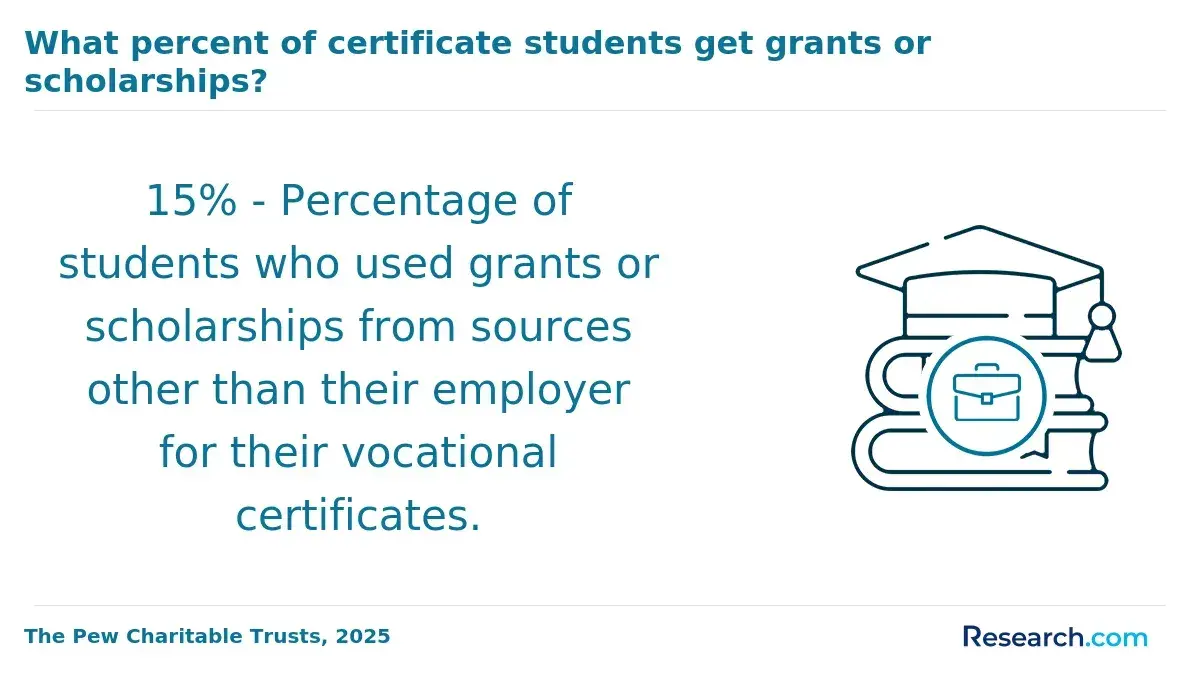
The format of an environmental science program-online versus on-campus-does not inherently affect eligibility for professional licensure. Accreditation and meeting established educational standards are the critical factors for licensure approval. Recent data shows that enrollment in accredited online science programs rose by over 20% from 2018 to 2023, indicating increasing acceptance by licensing authorities and employers.
- Curriculum Coverage-Both online and campus programs must deliver comprehensive coursework in biology, chemistry, and environmental policy to satisfy licensure requirements, ensuring comparable educational content.
- Practical Components-While on-campus programs typically offer in-person labs and fieldwork, online programs often provide local internships or supervised field experiences tailored to meet hands-on training mandates.
- Assessment Methods-Online students usually complete proctored exams or virtual simulations, whereas campus students take in-person assessments; however, licensing boards focus more on the rigor of evaluations than their delivery format.
- Skill Development and Employer Perceptions-Employers increasingly prioritize demonstrated abilities and practical experience over the mode of study, but verifying a program's accreditation and practical training remains essential for professional credibility.
A licensed professional who earned his environmental science degree online shared that selecting elective classes allowed him to tailor his education toward emerging environmental technologies, which proved beneficial during licensure. He mentioned facing initial doubts about networking opportunities but found that engaging through online forums and local field internships compensated well. "The flexibility to balance work and study was crucial," he noted, "and the practical experience arranged locally gave me confidence that my education was just as valid as that of my peers on campus."
Does an Online Environmental Science Degree Require Clinical or Practicum Hours?
Clinical or practicum hours are a vital part of environmental science programs, designed to equip students with practical skills needed for professional practice and eligibility for licensure. These hands-on experiences bridge classroom learning with real-world applications essential for regulatory compliance and career readiness.
- Typical Hour Requirements. Practicum or clinical hours generally range from 100 to 300, depending on the specific program and state licensing regulations. Completing these hours is often mandatory for certification or licensure in environmental science fields.
- Placement Opportunities. Students typically complete their practicum at environmental agencies, research organizations, consulting firms, or government bodies. These placements provide exposure to industry-standard practices and professional environments.
- Supervision and Evaluation. Experienced professionals oversee practicum students to ensure that they meet performance standards relevant to environmental science careers. Continuous evaluation helps maintain quality and relevance of the experience.
- Skills Development. Essential skills gained include environmental sampling, scientific equipment usage, report preparation, and understanding of regulatory compliance measures. Such expertise improves exam readiness and employability.
- Facilitating In-Person Experience for Online Students. Online environmental science degree clinical hours are often arranged through partnerships with local organizations near the student's location. This flexible approach allows students to balance work commitments while fulfilling hands-on requirements crucial for licensure eligibility.
Prospective students interested in combining work and study might also explore related professional degrees such as an executive mba online to complement their environmental science education.
What Licensing Exam Is Required After Earning an Online Environmental Science Degree?
Licensing exams validate the expertise and readiness of environmental professionals to work within regulatory frameworks, ensuring adherence to safety and environmental standards. Passing these exams is crucial for career eligibility, with about 75% of candidates succeeding on their initial try nationwide. Below are key details about the licensing exam required after earning an online environmental science degree.
- Exam Name and Purpose: The Environmental Professional (EP) exam or equivalent certification tests assess candidates' competency in environmental science and regulatory compliance, serving as a standard credential for professional practice.
- Core Content Areas: Topics typically include environmental chemistry, ecology, governmental policies, risk analysis, and resource management. These areas reflect the broad knowledge base necessary for effective environmental stewardship.
- Exam Format: Most exams utilize multiple-choice questions and scenario-based problems designed to evaluate both theoretical understanding and practical application skills.
- Preparation Strategies: Successful candidates often combine reviewing coursework, utilizing focused study guides, and completing practice examinations tailored to test content, which enhances familiarity and confidence.
- Retake Policies: Candidates who do not pass may retake the exam after a designated waiting period, allowing time for further study and improved readiness for subsequent attempts.
- Accreditation and Eligibility for Online Graduates: It is essential that online degrees are obtained from accredited institutions recognized by licensing authorities to qualify for exam eligibility and ensure the education meets required standards.
When I spoke with a licensed professional who completed her environmental science degree fully online, she described the exam process as challenging but manageable with disciplined study. "Balancing work and study wasn't easy, especially preparing for the practical exam scenarios," she explained. She emphasized the importance of selecting an accredited program to avoid any surprises regarding eligibility. After failing her first attempt, she dedicated extra time to practice questions and reviewing weak areas, which helped her pass confidently on the second try. Her experience highlights that while the path may be demanding, thorough preparation and persistence can lead to successful certification and new career opportunities.
Is Supervised Work Experience Required After an Online Environmental Science Degree?
Yes, supervised work experience is typically required after earning an online environmental science degree to qualify for professional licensure or certification. This practical training bridges academic knowledge and real-world application, helping graduates sharpen essential skills and prepare for the demands of the profession. Recent data show that around 70% of environmental science graduates complete supervised work experience before full credentialing.
Key elements of this requirement include:
- Duration: Most certification programs mandate one to three years of supervised experience, ensuring sufficient time to apply theoretical concepts.
- Work Settings: Common placements include environmental consulting firms, government agencies, and nonprofits focused on conservation and sustainability.
- Mentorship: Guided oversight by experienced professionals provides constructive feedback, aiding skill refinement and judgment development.
- Skill Development: Hands-on experience emphasizes field sampling, data analysis, regulatory compliance, and project management essential for environmental assessments.
- Career Impact: Completing supervised experience enhances professional readiness, meets licensure criteria, and builds confidence in handling complex environmental challenges.
Does Licensure Reciprocity Apply to Online Environmental Science Graduates?
Licensure reciprocity allows professionals licensed in one state to obtain a license in another state without repeating all initial requirements. This flexibility is crucial for environmental science graduates, as environmental work often extends across state lines, making mobility key to career advancement. Several factors influence how licensure reciprocity applies, especially for those with online degrees.
- Eligibility criteria: Reciprocity depends on meeting specific requirements like degree type, coursework, and professional experience. States vary widely in their rules for recognizing licenses, so graduates must confirm their qualifications align with the target state's standards.
- Program requirements: The educational program must meet licensing bodies' standards, which can be stricter for online degrees. Some states require degrees from accredited institutions with curricula similar to traditional in-person programs, affecting licensure reciprocity for online environmental science graduates.
- State reciprocity rules for environmental science licensing: Agreements between states may facilitate license transfer but often differ greatly. Understanding each state's environmental or professional licensing board policies is essential for planning interstate practice.
- Application process: Reciprocity often involves submitting detailed documentation, including proof that online education is equivalent to on-campus programs. Additional exams or verifications may be required, potentially extending the time needed to obtain licensure in a new state.
- Potential limitations: Some states impose extra verification steps or restrict full reciprocity for degrees earned fully online. However, these barriers are decreasing as the quality and acceptance of online education improve.
For those interested in accelerated learning options, reviewing accelerated online degrees can provide pathways that align with licensure requirements while supporting faster career entry and mobility.
What Are the Pros and Cons of Online Environmental Science Programs for Licensure?
Enrollment in fully online environmental science programs has surged by more than 30% recently, driven by the flexibility and accessibility they offer. Prospective students often prioritize how these programs impact licensure eligibility and career advancement when selecting their studies. Below are key advantages and drawbacks to consider.
Pros
- Flexibility: Allows students to complete coursework on their own time, accommodating work and personal obligations essential for balancing study and life.
- Accessibility: Provides access to accredited programs for those in remote or underserved locations without traditional campus options.
Cons
- Limited practical experience: Licensure usually requires supervised fieldwork or labs, which can be difficult to fully replicate online, possibly affecting hands-on training quality.
- Networking challenges: Reduced in-person interaction may limit opportunities to build professional relationships and mentorships vital for career growth.
- Employer and board perception: Some licensing agencies and employers may view online degrees as less credible compared to traditional or hybrid programs, influencing job prospects.
Does Getting Licensed With an Online Environmental Science Degree Affect Salary?
Licensure plays a significant role in boosting the earning potential of professionals with an online environmental science degree. Industry data shows that licensed environmental scientists and engineers can earn 10% to 20% more than their non-licensed peers, underscoring the financial benefits tied to professional certification. This increase reflects employers' recognition of verified expertise and the responsibilities licensed professionals can assume. Below are key ways licensure impacts salary and career opportunities.
- Eligibility for Leadership Roles: Holding a license often qualifies professionals for senior and managerial positions that offer higher compensation, reflecting greater trust and responsibility within organizations.
- Access to Specialized Projects: Licensure enables entry into projects that require regulatory compliance and risk assessment expertise, which typically come with increased pay and professional development.
- Improved Job Security: Licensed environmental scientists tend to have stronger job stability, as employers value proven credentials in competitive job markets, helping maintain sustained income levels.
- Opportunities for Consulting and Contracting: The credibility a license provides helps professionals pursue independent consulting or contract work, often resulting in higher hourly rates and flexible income streams.
Graduates of online environmental science programs who meet licensure eligibility often demonstrate comparable competence to those from traditional programs, which safeguards salary benefits associated with certification. The impact of online environmental science licensure on salary can therefore be substantial when coursework aligns with state requirements and accreditation standards. For those seeking to expand their credentials post-degree, exploring certificate programs online related to environmental fields can also enhance professional qualifications and earning potential.
Considering the salary benefits of licensed environmental scientists with online degrees highlights why obtaining licensure remains a valuable investment in career advancement and long-term financial reward.
What Jobs Can You Get With or Without a License as an Online Environmental Science Degree Holder?
Licensure can significantly broaden career paths for graduates with an online environmental science degree by granting access to roles that require formal certification. Many professionals choose to start in positions not needing a license while pursuing credentials to increase their job prospects and earning potential. On average, licensed environmental science professionals earn 15-25% more than their non-licensed peers, reflecting the added responsibilities and authority these qualifications confer. The following outlines typical jobs available with and without licensure.
Jobs With a License
- Environmental Engineer: These licensed professionals design and oversee projects that protect environmental quality, often requiring state certification such as a Professional Engineer (PE) license for compliance and safety approvals.
- Professional Geologist: Licensed geologists conduct critical assessments related to soil and groundwater, needing a Professional Geologist (PG) certification to authenticate environmental impact evaluations and regulatory reporting.
- Soil Scientist: With licensure, soil scientists assess land conditions for development or conservation, guiding policy and remediation strategies while holding responsibility for official documentation and compliance.
Jobs Without a License
- Environmental Scientist: These roles involve data gathering, analysis, and environmental monitoring, contributing to research and regulatory support without requiring professional licensure.
- Field Technician: Technicians assist in on-site sampling and equipment maintenance, supporting licensed specialists and gaining essential practical experience in environmental investigations.
- Laboratory Analyst: Analysts work with environmental samples to provide accurate testing results, playing a vital role in research and pollution control efforts without needing formal licenses.
What Graduates Say About Getting Licensed with an Online Environmental Science Degree
- Riley: "The online environmental science degree I completed was surprisingly affordable, especially considering the quality of education and flexibility it offered. Balancing work and study was manageable, and the program's focus on real-world applications made getting licensed a smooth transition. My career has thrived since, opening doors to consulting roles I hadn't imagined. "
- Eden: "Reflecting on my journey, the cost of the online environmental science program was reasonable and definitely an investment worth making for my professional licensure. The coursework was rigorous yet engaging, allowing me to absorb important concepts at my own pace. This degree not only helped me pass licensing exams but gave me the confidence to tackle complex environmental challenges at work."
- Dominic: "The cost of the online environmental science degree, combined with licensure expenses, was an important consideration for me, but the flexible format justified every dollar spent. The curriculum's depth and the practical approach helped me develop skills that are now essential in my everyday job. Since becoming a licensed professional, my credibility and career opportunities have notably expanded. "
Other Things You Should Know About Environmental Science Degrees
In 2027, common challenges include meeting state-specific educational requirements, gaining relevant field experience, and navigating varying state board regulations. Online graduates may need to ensure their program is accredited and recognize any limitations on fieldwork opportunities, which could delay licensure.
In 2027, obtaining licensure with an online environmental science degree generally requires graduating from an accredited program, completing any state-specific exams or requirements, and gaining relevant work experience. It's crucial to check with the licensing board in the specific state where you wish to practice, as requirements vary.
Yes, certifications such as those from the Ecological Society of America can be viable alternatives, providing recognition of expertise and enhancing credibility. They offer flexibility and may appeal to employers who value specialization in specific environmental science domains.
References
- Environmental Science (BSc Program) https://www.unbc.ca/calendar/undergraduate/environmental-science
- CES - Certified Environmental Scientist https://www.nrep.org/certifications/certified-environmental-scientist-ces
- Online Environmental Science Undergraduate Tutors Spires | Is a degree in Environmental Science worth it? https://spires.co/online-environmental-science-tutors/undergraduate/is-a-degree-in-environmental-science-worth-it
- Best of 2025: Environmental Science Online Master’s Programs https://www.onlinemastersdegrees.org/best-programs/environmental-science/
- How to Become an Environmental Scientist | University of Phoenix https://www.phoenix.edu/articles/environmental-science/how-to-become-an-environmental-scientist.html
- Internship Guide https://www.gvsu.edu/ens/internship-guide-30.htm
- 2025 Most Affordable Online Environmental Science Degrees https://www.onlineu.com/most-affordable-colleges/environmental-science-degrees
- Home | One UN Climate Change Learning Partnership https://unccelearn.org/
- What to Do with an Environmental Science Degree https://bootcampgis.com/what-to-do-with-an-environmental-science-degree/
- QEP Public Home - Board for Global EHS Credentialing https://gobgc.org/qep/


