
2027 Is a Fine Arts Degree Better Than Experience Alone? Salary, Hiring, and Career Growth Compared

Co-Founder and Chief Data Scientist
Many emerging artists face a crossroads: Should they invest in a fine arts degree or rely solely on experience and self-teaching? Recent data from 2025 reveals degree holders earn an average of 18% more within the first five years of employment compared to non-degree peers, highlighting clear financial advantages. However, hiring managers sometimes prioritize portfolios and practical skills over formal credentials. In some fine arts fields, entry without a degree is possible but may limit access to lucrative opportunities and career advancement.
This article explores salary comparisons, hiring trends, and growth prospects to help readers decide the best path forward.
Key Points About Having Fine Arts Degrees vs Experience Alone
- Fine Arts degree holders generally access a broader range of job opportunities, as many employers require formal credentials for entry-level creative roles.
- Salary data shows degree holders earn on average 15% more than non-degree professionals with equivalent experience in fine arts-related positions.
- Career advancement and leadership roles favor candidates with degrees, given the emphasis on academic training for project management and institutional positions.
What technical proficiencies can you gain from having Fine Arts degrees vs self-teaching?
Professionals who pursue fine arts degrees acquire foundational principles and practical applications through structured curricula, whereas those relying solely on job experience might learn skills through trial and error without comprehensive guidance. Both paths can develop abilities, but the technical skills gained from fine arts degrees often benefit from formal instruction and critique. Below are key proficiencies comparing formal education to self-taught expertise:
- Color Theory: A fine arts degree offers an in-depth study of hue, value, and saturation within both theory and studio practice, enabling nuanced understanding. Self-taught artists may grasp this through experimentation, but lack the structured progression and feedback that deepen skill.
- Composition Techniques: Degree programs rigorously explore spatial arrangement and form to convey meaning, with instructor-led critique sharpening skills. Learning these techniques on the job can be more fragmented and less systematic.
- Traditional Media Mastery: Oils, acrylics, and sculpture materials are practiced extensively in degree settings with tactile experimentation and expert feedback, accelerating proficiency. Experience alone can develop skill but often less efficiently and with fewer corrective inputs.
- Digital Tools: Formal programs introduce professional software like Adobe Creative Suite and 3D modeling with comprehensive project-based instruction. Self-study may yield partial knowledge but usually lacks cohesive integration of these complex tools.
- Art History and Conceptual Development: Degree curricula emphasize critical thinking and cultural context, enhancing the artist's conceptual framework. This theoretical foundation is harder to attain thoroughly without formal education.
While self-taught methods and on-the-job experience provide valuable learning opportunities, the comprehensive technical skills gained from fine arts degrees present a more holistic and structured approach. This combination of theoretical and hands-on knowledge often leads to better problem-solving and conceptual abilities, as supported by a survey where 68% of creative industry employers favored formal training for technically complex roles. Students considering the best route to broaden their artistic proficiency may explore options like an easiest master degree to formalize their education and expand their skills.
Are there certifications or licenses that only Fine Arts degree holders can obtain?
Continuing education and additional credentials are valuable for career growth, especially as more employers incorporate skills-based hiring. Certain certifications and licenses exclusive to fine arts degree holders can open doors that experience alone may not.
Below are some examples of such credentials requiring a fine arts degree for eligibility:
- Certified Art Therapist (ATR): This credential requires a master's degree in art therapy or a related fine arts discipline along with supervised clinical experience. It qualifies professionals to work in therapeutic settings, enhancing opportunities in healthcare and counseling fields.
- Certified Museum Professional (CMP): Often requiring a bachelor's or master's degree in fine arts or museum studies, the CMP credential supports careers in curatorial and museum management roles by demonstrating specialized knowledge beyond practical experience.
- State Teaching Licenses in Art Education: These licenses typically mandate at least a bachelor's degree in fine arts education. Such certification is essential for public school teaching positions and often leads to higher salaries and advancement within educational institutions.
- Professional Photographers of America (PPA) Certification: Although not strictly limited to degree holders, it is far more accessible and credible for those with a formal fine arts background. The certification demands comprehensive understanding of photography techniques, ethics, and business.
- Fine Arts Appraiser Certification: Available in some regions, this certification usually requires a fine arts degree and enables professionals to specialize in artwork valuation for insurance, resale, or estate planning, often leading to higher income brackets.
Employers often prioritize candidates with formal credentials, as 68% of arts employers prefer candidates with formal fine arts education for certification-based roles. While hands-on experience is valuable, certifications exclusive to fine arts degree holders provide tangible career advantages that self-teaching alone may not offer.
For those weighing the choice between experience and formal education, pursuing a fine arts degree can be complemented by exploring related credentials and continuing education. Students interested in cross-disciplinary knowledge might also consider programs such as the accelerated psychology degree to enhance their qualifications and expand career opportunities.
Will a degree in Fine Arts make you more employable?
The outlook for jobs in fine arts varies depending on whether candidates hold a formal degree. Employers in galleries, museums, and educational institutions generally prefer applicants with a bachelor's degree, valuing the structured learning and theoretical foundation it provides. In contrast, roles in commercial and digital art sectors increasingly emphasize hands-on experience and portfolio strength over academic credentials, reflecting a shift toward practical skills-first hiring.
This divide stems from the nature of the work involved. Institutional positions often require knowledge of art history, theory, and technical training, which formal education offers. Meanwhile, commercial fields like animation, design, and multimedia prioritize creativity showcased through real-world projects and professional networks. Both educational background and demonstrable ability influence hireability, with candidates blending strong portfolios and degrees usually finding broader opportunities.
Ultimately, the decision to pursue a fine arts degree depends on individual career goals. For those aiming at institutional roles, the diploma may be critical. Meanwhile, artists focused on freelance or digital paths might rely more on experience and self-directed learning. Each route can lead to success, but understanding the demands of your target sector is essential.
When asked about employability, a professional who completed an online fine arts bachelor's program shared that the degree helped open doors but was not a guarantee. He recalled the struggle of balancing coursework with building a portfolio and seeking internships, mentioning, "The degree validated my skills to galleries, but I had to keep proving myself through tangible work." He emphasized how the program's flexibility allowed him to gain practical experience simultaneously, combining education with real-world application-a balance he considers vital in this field.
What careers are available to Fine Arts degree holders?
Certain careers in fine arts prefer candidates with formal degrees, while others prioritize skills and hands-on experience. This distinction influences job availability and advancement opportunities for fine arts graduates compared to those relying solely on experience. Some of the main roles reflecting this variation include:
- Graphic Designers: These professionals create visual concepts for advertisements, websites, and packaging, requiring strong knowledge of design principles and software tools typically gained through a degree program. Although talented self-taught designers exist, about 65% of graphic design jobs in the United States still prefer or require a bachelor's degree due to competitive hiring standards.
- Art Directors: Responsible for overseeing visual styles in advertising and media, art directors often depend on academic training combined with leadership skills to manage projects and teams. Exceptional portfolios and relevant experience might sometimes replace formal credentials, but a degree remains a common expectation.
- Art Educators: Teaching fine arts at the K-12 level generally mandates both a degree and certification, enabling educators to develop curriculum and nurture creativity effectively. Some community programs may accept experienced artists without formal teaching degrees, yet this is less common in established school systems.
- Museum Curators: Curatorial roles mix art historical knowledge and administrative skills usually gained through degree programs, often at the graduate level. Entry-level curator assistants may be accessible to those with strong portfolios and volunteer experience, but advanced roles prioritize higher education.
Jobs for fine arts graduates in the United States span these creative industries and highlight how education shapes opportunities. A 2025 labor market report shows degree holders earn on average 18% more over their careers than those relying on experience alone, underscoring the impact of formal education for career growth.
For students uncertain about investing in a degree, exploring related fields may also be beneficial. For example, pursuing a masters in human resources can complement creative careers by opening additional pathways in arts administration and organizational roles.
Does having Fine Arts degrees have an effect on professional networking?
Holders of fine arts degrees often benefit from structured networking opportunities that are harder to access through self-teaching alone. Degree programs connect students with peers, faculty, alumni, and industry professionals, creating referral systems that frequently lead to exhibitions, commissions, and gallery representation. These programs also offer mentorship, portfolio critiques, and internships that help students build meaningful contacts early in their careers.
In contrast, non-degree artists typically rely on social media platforms or personal networks to gain visibility and make connections. While platforms like Instagram or TikTok can foster direct engagement with audiences and other creatives, they usually require considerable effort in self-promotion and lack the guided support provided by formal institutions. Many self-taught artists depend more on immediate circles such as local communities or collaborations within specific projects.
Key networking resources for degree holders include alumni databases, faculty referrals, curated exhibitions, and professional associations, providing a foundation that students and graduates can leverage. Non-degree professionals, meanwhile, often tap into informal networks tied to their current collaborators or company affiliations. Overall, the fine arts field strongly values these connections, with many artists finding that formal networks significantly enhance career growth and opportunities, though some succeed through independent paths as well.
How do Fine Arts degrees impact promotion opportunities?
A fine arts degree can enhance eligibility for leadership and management roles by signaling a foundation of relevant knowledge and skills. This formal education often opens additional professional doors, supporting career advancement. Key reasons a degree may influence promotion opportunities include:
- Credibility and Skills: Having a degree reflects mastery of critical thinking and art theory, which employers frequently consider essential for strategic positions within creative fields.
- Networking Advantages: Academic programs provide access to internships, mentorships, and alumni connections, helping build valuable relationships that can lead to new opportunities and faster career growth.
- Structured Learning: The disciplined study involved enhances communication and analytical abilities, equipping graduates with tools that complement practical experience and appeal to employers seeking well-rounded candidates.
That said, self-taught artists with strong portfolios and proven results also find pathways to promotion by showcasing exceptional work and leadership potential. Companies sometimes prioritize demonstrated ability over formal credentials, emphasizing consistent quality and innovation.
Do Fine Arts degrees affect a professional's income outlook?
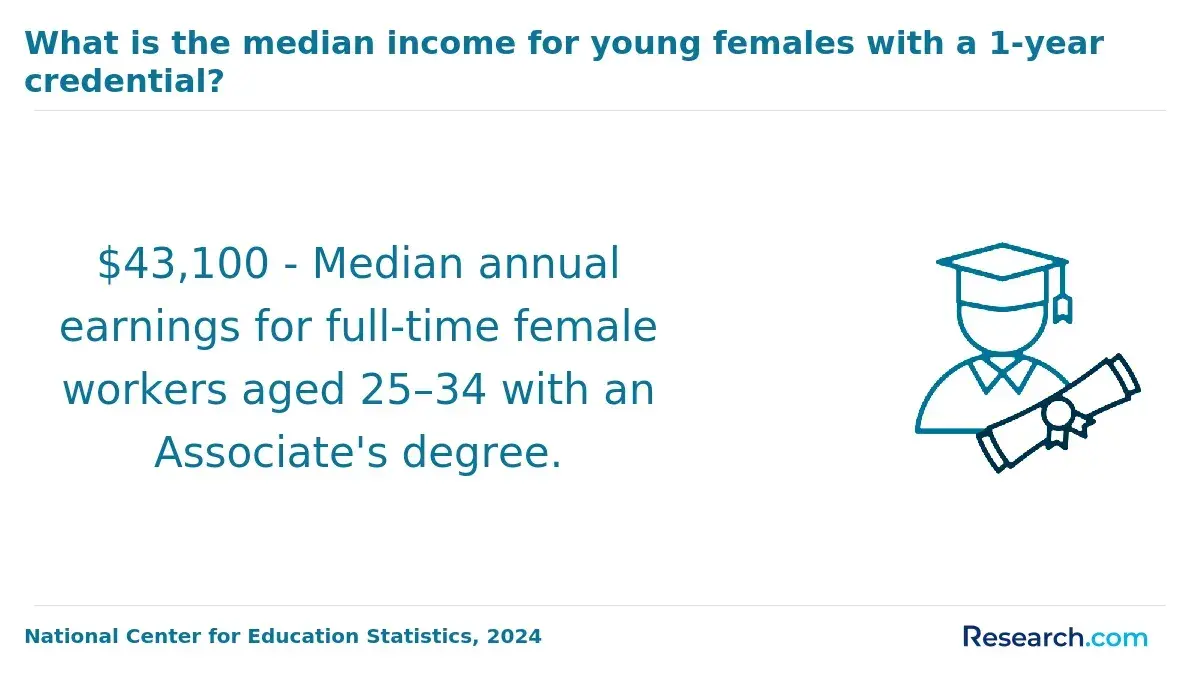
Professionals with a fine arts degree tend to start their careers earning about 15% more than those who rely solely on experience or self-teaching. For instance, entry-level graphic designers holding a fine arts degree typically earn around $48,000 annually, compared to $41,000 for their non-degree counterparts. That initial income gap often decreases over time as experienced artists build strong portfolios and industry networks, which can elevate their earning potential. However, data suggests there can still be an income ceiling for those without formal education, as degrees often open doors to higher-paying opportunities and professional recognition.
Non-degree holders can improve their income outlook by continuously enhancing their skill set to compete effectively.
For those still exploring educational paths, options like cyber security degrees show how specialized training in adjacent fields can also offer new career directions and potentially higher salaries.
How long would it take for Fine Arts degree holders to get an ROI on their education?
The average tuition for a fine arts degree typically ranges from $20,000 to $40,000 per year, depending on the school. Graduates generally recover their educational investment within 7 to 10 years through higher earnings compared to those relying only on experience and self-teaching. This return on investment (ROI) timeline varies by factors such as geographic location, area of specialization, and individual career choices.
Financial aid like scholarships and grants specifically for fine arts students can significantly reduce upfront costs and improve the ROI. Additionally, selecting accelerated programs enables earlier entry into the workforce without compromising educational quality. Gaining practical experience through internships and apprenticeships also boosts employability and can shorten the time required to see financial benefits.
In this competitive field, these strategies help bridge the gap between formal education and real-world skills, enhancing early income potential and career growth. For those weighing whether a fine arts degree is worth the cost, combining financial assistance with practical opportunities is essential to maximize long-term returns from their education.
Are Fine Arts degree holders less likely to be displaced by automation and economic downturns?
The adoption of AI and automation in creative industries primarily targets routine and repetitive tasks, such as basic design production. Jobs requiring conceptual thinking, unique creativity, and critical analysis remain less vulnerable to automation. Economic fluctuations add volatility to fine arts careers, but those with formal degrees tend to possess a wider range of adaptable skills that make them more resilient during downturns.
Fine arts graduates often develop a comprehensive skill set through their education, including digital proficiency, interdisciplinary collaboration, and deep theoretical knowledge. This versatility helps protect their roles from replacement by machines or layoffs during recessions. In contrast, individuals relying solely on experience or self-teaching may face increased job insecurity since they might lack structured exposure to emerging technologies and broader creative strategies, reducing their competitive edge when industries shift.
When asked about his experiences, a professional who completed an online fine arts bachelor's program shared that navigating career uncertainties was challenging at first. He noted, "Having a structured education gave me confidence to adapt when automation started impacting entry-level jobs." He described feeling reassured by the theory and digital skills integrated into his studies, which allowed him to pivot towards collaborative and concept-driven projects less likely to be replaced. "Without that background, I think I'd have struggled more to find steady work in a changing market," he added, reflecting on the stability his degree contributed during economic changes.
Will a degree in Fine Arts make it easier to pivot into related industries?
Holders of a fine arts degree generally find it easier to pivot into related creative industries than those relying solely on experience, thanks to structured training and formal credentials. Both degree holders and experienced professionals bring valuable transferable skills to new roles, but degree holders often exhibit stronger technical proficiency and a broader conceptual framework. This career flexibility with a fine arts degree in the US is especially apparent when moving across sectors. Key transferable skills enabling such shifts include:
- Graphic Design: Graduates can transition into graphic design roles within advertising or branding agencies, leveraging their advanced technical skills in art software and understanding of visual communication to create compelling brand imagery.
- Animation and Multimedia: The knowledge of art theory combined with technical proficiency allows entry into animation studios or multimedia production companies as animators or visual storytellers skilled in engaging audiences.
- Fashion Industry: Fine arts graduates can work in fashion design or marketing, applying creative problem-solving abilities and artistic insight to trend forecasting and product visualization roles.
- UX/UI Design: The degree prepares individuals for user experience and interface design positions in tech firms, combining project management skills with visual storytelling to enhance digital products.
- Art Education and Curation: Formal education supports careers in teaching or curatorial positions at museums and galleries, where a deep understanding of art history and theory is essential.
Employers in creative sectors often prioritize candidates with formal education due to their adaptability and foundational knowledge, which can lead to higher salary potential and career growth. For those considering a switch from arts to technology, supplementing creative skills with computer science degrees online may further enhance their prospects compared to relying on experiential learning alone.
What Graduates Say About Their Fine Arts Degrees
- Connor: "Graduating with a fine arts degree definitely gave me a unique advantage in the creative industry. The hands-on experience and critical thinking skills developed during my studies made me job-ready and competitive from day one. I've seen a direct impact on my career growth, with promotions and salary increases reflecting the value of my formal education."
- Jeremy: "Looking back, my fine arts degree was more than just an academic credential; it was a foundation for continuous learning and adaptation. It equipped me with technical expertise and conceptual depth that employers truly appreciate. This background has opened doors to projects and positions that pushed my professional boundaries and enhanced my earning potential."
- Timothy: "My career in the arts wouldn't be where it is today without my fine arts education. The curriculum was challenging but crucial in helping me sharpen my artistic voice and practical skills. This degree gave me confidence and credibility, which translated into better job offers and faster promotions throughout my career."
Other Things You Should Know About Fine Arts Degrees
Employers often appreciate the structured curriculum of a fine arts degree because it ensures foundational skills and theory are covered comprehensively. Degree programs usually provide a formal evaluation process, portfolios, and critiques that demonstrate a candidate's abilities more clearly than a self-taught background. However, some creative industries may prioritize the uniqueness and practical experience self-taught artists bring.
Fine arts degree students benefit from regular, structured critiques and mentorship from experienced professors and peers, which helps refine their work and artistic voice systematically. This environment encourages ongoing development and networking within the art community. Self-taught artists often must seek feedback through informal channels, which can be less consistent or targeted.
Fine arts degree curricula often include exposure to historical and contemporary art movements, encouraging adaptability and experimentation with various styles. This academic context can prepare graduates to evolve alongside industry trends and artistic innovations. Self-taught artists might develop adaptability through personal exploration, but may lack the comprehensive historical and critical framework offered in degree programs.
References
- All Talent Blog. https://www.alltalent.com/article/the-importance-of-networking-for-artists-and-creatives-1
- The Advantages of Fine Arts Education: Nurturing Creative Excellence https://www.chitkara.edu.in/blogs/the-advantages-of-fine-arts-education-nurturing-creative-excellence/
- Certificate in Fine Arts — PCA https://www.paris.edu/programs/certificate_programs/certificate-fine-arts/
- No, College Degrees Aren't Losing Their Value https://washingtonmonthly.com/2025/11/02/no-college-degrees-arent-losing-their-value/
- Understanding Art Jobs Without a Degree: Opportunities and Skills - Techneeds https://www.techneeds.com/2025/07/18/understanding-art-jobs-without-a-degree-opportunities-and-skills/
- The rise of artificial intelligence can make college degrees 'out of date': Upskill in AI or fall behind, says expert https://www.cnbc.com/2025/06/11/report-the-rise-of-ai-can-make-college-degrees-out-of-date.html
- Building Bridges in the Art World: Unlocking Success Through Networking https://serenademagazine.art/building-bridges-in-the-art-world-unlocking-success-through-networking/
- Should students only major in Art if they want to be a professional artist? https://www.unigo.com/admissions-advice/should-students-only-major-in-art-if-they-want-to-be-a-professional-artist
- I Didn’t Use AI in my Art Degree, Here’s Why You Shouldn’t Either | Massive Magazine https://www.massivemagazine.org.nz/articles/r1jh4561ipl3llpjf4idq9bpbncba2
- Arts and Design Alumni Employment and Perspectives on Their Work and⦠https://snaaparts.org/findings/reports/arts-and-design-alumni-employment-and-perspectives-on-their-work-and-careers


