
2027 Is a Photography Online Degree Worth It?

Co-Founder and Chief Data Scientist
Online education continues to expand rapidly, with over 40% of college students in the US participating in some form of distance learning. Photography programs have followed this trend, offering flexible online degrees that appeal to creative individuals balancing work and life commitments. This rise in accessibility makes it important to evaluate whether an online photography degree meets both educational and professional needs.
This article aims to guide prospective students through key considerations such as cost, program flexibility, accreditation, job market outlook, and how employers view online credentials. Understanding these factors can help determine if investing time and money into an online photography degree aligns with one's career goals and industry expectations.
Key Benefits of Online Photography Degree
- Online photography degrees often offer flexible schedules and diverse course formats, accommodating working adults and self-paced learners without compromising essential hands-on skill development.
- Programs emphasize industry-relevant skills like digital editing, portfolio building, and business strategies, which enhance employability in competitive photography fields.
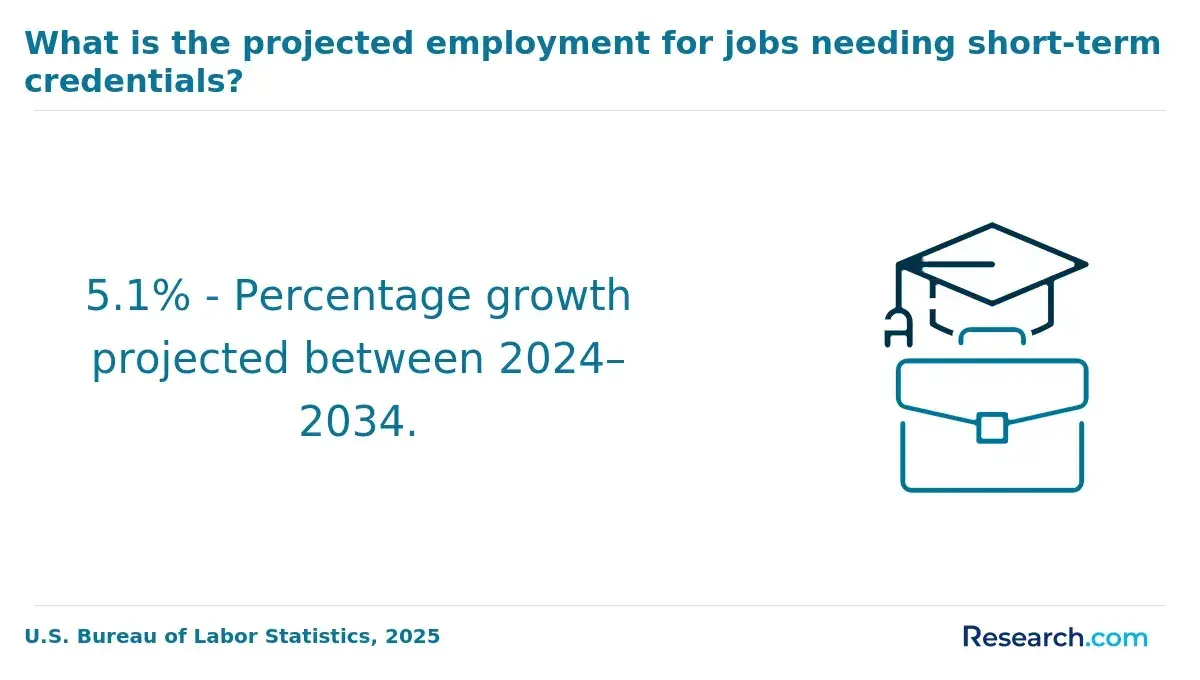
- Graduates typically report higher long-term earnings and career growth potential, with the U.S. Bureau of Labor Statistics projecting a 17% job growth in photography-related professions by 2030.
Who Should Choose an Online Photography Degree Program?
Online learning offers a flexible and accessible option for many students, allowing them to integrate education seamlessly with their lifestyles. This model suits individuals balancing varied personal and professional demands, making it a practical alternative to traditional classroom settings. Below are the primary groups who find an online photography degree particularly advantageous.
- Working Professionals: These learners require schedules that accommodate their job commitments, enabling them to enhance skills or pivot careers without sacrificing employment. The flexibility of asynchronous courses fits well with their busy lives.
- Career Changers: Individuals aiming to transition into the photography field or cultivate creative expertise benefit from being able to study while managing other responsibilities, facilitating a smoother shift in their professional path.
- Geographically Remote Students: Those living far from campus-based programs gain access to high-quality education and an international network, broadening their artistic viewpoints and collaborative opportunities.
- Self-Motivated Learners: People who excel in independent study and enjoy exploring their craft at their own pace thrive in online environments that offer peer feedback and professional critique.
- Diverse Network Seekers: Online programs connect students with a global community of peers and instructors, enriching their cultural insights and creative approaches.
What Are the Pros and Cons of an Online Photography Degree?
Online photography programs have surged in popularity among students and professionals who value flexibility while pursuing career growth. These programs blend accessibility with evolving creative demands, making them attractive alternatives to traditional campus degrees.
Pros of an Online Photography Degree
- Flexible Scheduling: Students can access coursework anytime, accommodating busy lives that may include jobs or family. This flexibility enables learners to advance their skills without pausing their careers, a key benefit highlighted in discussions about online photography degree pros and cons.
- Affordability: Tuition tends to be lower than for on-campus programs, and costs such as commuting and housing are eliminated. Many students find online degrees offer more economical options compared to the $30,000-$166,000 range often seen in traditional photography education.
- Wide Access to Specialized Training: Online students can explore niche areas like drone imaging or social media content creation, regardless of location. This breadth of specialization supports skill sets that stand out in the competitive photography industry.
- Self-Paced Learning: Programs typically cater to different learning styles, allowing motivated students to progress quickly or revisit complex topics, enhancing mastery over time.
Cons of an Online Photography Degree
- Limited Hands-On Experience: Online formats may lack access to professional studios and equipment, which are essential for practical photography skills. This drawback is a significant consideration in evaluating online photography degree benefits drawbacks.
- Reduced Networking Opportunities: Building industry connections can be harder remotely, as face-to-face interaction with peers and mentors is limited. Such networking is often vital for internship and job prospects.
- Less Immediate Feedback: Online students may miss real-time critiques and collaborative learning that foster creative growth, making skill improvement slower and less dynamic.
- Requires High Self-Motivation: Success depends heavily on personal discipline, as less structure and support exist than in traditional classroom environments.
For those comparing photography programs and other creative degrees, exploring the best one-year masters programs online can also provide insights into flexible, accelerated options that fit diverse career goals.
How Do AI-Enhanced Virtual Classrooms Work in Online Photography Programs?
AI technologies have become central to modern online education by making learning more interactive and personalized, particularly for students in photography degree programs. These advancements improve engagement and skill development by providing tailored support and instant feedback. The following points explain key features of AI-powered virtual learning environments used in online photography programs.
- AI-Driven Feedback: AI tools analyze student-submitted images and offer instant suggestions on composition, lighting, and exposure, helping learners refine their technical skills efficiently and encouraging creative experimentation.
- Adaptive Learning Tools: The system customizes lessons based on each student's progress, ensuring that beginners and advanced students receive appropriate challenges and support to enhance their growth.
- Collaborative Platforms: AI-powered discussion boards and peer review match students with similar interests, fostering a community where learners share work and give constructive feedback.
- Automated Assessment: AI automates routine grading tasks, allowing instructors to focus on personalized critiques that deepen student understanding and artistry.
- 24/7 Academic Support: AI chatbots and virtual assistants provide round-the-clock answers and resources, ensuring continuous assistance throughout coursework.
These innovations significantly enrich the experience of pursuing an online photography degree. Prospective students interested in online colleges with open enrollment can especially benefit from these AI-enhanced virtual classrooms designed to support diverse learning needs.
What Technology Do You Need for an Online Photography Degree?
Having the right technology setup is essential for success in modern online photography programs because coursework relies heavily on hands-on image creation, digital editing, and collaboration. Without dependable tools and updated software, students may find it difficult to complete assignments and participate effectively in critiques. Below is a list of the specific tools, equipment, and software students should prepare before enrolling in an online photography program.
- Interchangeable-lens digital camera (DSLR or mirrorless): This camera type is crucial for mastering manual controls like ISO, shutter speed, and aperture while shooting in RAW format, which preserves maximum image data for editing. Most programs exclude smartphone cameras due to their limited technical features such as hot shoe compatibility with external flash units.
- Lenses: At least one versatile lens, like a standard zoom or prime, is needed to cover a wide range of assignments, from portraits to landscapes. Additional lenses broaden creative options and help develop technical skills.
- Tripod: A stable tripod is essential for low-light or long-exposure shoots, enabling professional-quality photos and meeting specific project requirements such as HDR or composite images.
- Lighting kit: This includes portable flashes, reflectors, and modifiers. Control of light is fundamental in photography, and these tools let students practice various creative and technical lighting scenarios remotely.
- Wireless camera remote: A remote shutter release helps avoid camera shake during self-portraits, long exposures, or delicate shooting techniques.
- Memory cards (SD, CF): Reliable, ample storage supports shooting in RAW and managing large image files efficiently throughout the program.
- External hard drive or SSD: Backup and fast access to large photo libraries are vital for protecting work and maintaining an efficient editing workflow.
- Computer with high-performance specifications: Meeting the computer and software requirements for online photography courses means having a modern processor (such as Intel Core i7 or AMD Ryzen 7), 16GB or more RAM, and a dedicated graphics card. This setup ensures smooth editing, multitasking, and rendering in software like Adobe Photoshop and Lightroom.
- Display with accurate color calibration: A color-calibrated monitor is necessary for precise editing and print preparation, which impacts portfolio quality and professional output.
- Adobe Creative Cloud (Photoshop, Lightroom): Industry-standard photo editing software is required for nearly all coursework. Student discounts are often available, and proficiency with these tools prepares students for both academic and career success.
Preparing this required photography equipment for online degree programs enables students to engage fully with course material and collaborate virtually to develop competitive, professional portfolios. For those exploring affordable educational pathways, options like most affordable online associate degrees can offer good entry points into creative fields with solid technology support.
How Long Does It Take to Finish an Online Photography in 2027?
Program length is a key consideration for students weighing online photography degrees, as it directly impacts how quickly they can enter the workforce or balance education with other commitments. Completion timelines vary widely depending on program format, transfer credits, and individual pacing. Below is an overview of typical durations for online photography programs to help students understand their options.
- Full-Time Online Track: Most bachelor's degrees require about 120 credit hours and are designed to be completed in four years of full-time study. Some institutions offer accelerated options enabling completion in as few as two years by leveraging transfer credits or intensive course loads.
- Associate Degree Programs: Typically requiring around 72 credits, associate degrees often take two years to complete full-time but can be shortened with prior credits or lengthened if taken part-time.
- Flexible Scheduling: Many online programs provide asynchronous courses and multiple start dates, allowing students to tailor their pace to personal and professional obligations. Options for part-time enrollment or accelerated pathways offer added adaptability.
- Individualized Timelines: Updated online learning structures foster personalized progress, meaning students might finish sooner or later depending on their availability and educational goals.
Can You Work Full-Time While Completing an Online Photography Degree?
Many prospective students worry about balancing a full-time job with an online photography degree, as managing these simultaneous commitments can be quite challenging. Understanding key factors that affect this balance helps in making an informed decision about pursuing the degree while working.
The ability to work full-time while studying often depends on several crucial aspects:
- Program Pacing: Enrolling part-time can reduce pressure and allow steady progress, whereas accelerated programs may compress deadlines, making a full-time job tougher to maintain.
- Course Format: Asynchronous courses offer flexibility for completing work anytime, but synchronous sessions, like live critiques, require fixed attendance that can conflict with work hours.
- Workload: Weekly assignments and projects demand consistent time investment, and some courses might include occasional in-person activities that need prior planning.
- Employer Support: Jobs with flexible schedules, remote options, or educational leave provide valuable breathing room to focus on studies without sacrificing income.
- Time Management: Successful students block dedicated study times, minimize distractions, and establish clear boundaries to juggle photography practice and work effectively.
When asked about her experience, a student who balanced a full-time job with an online photography program shared that it was "intense but rewarding." She emphasized how late evenings and weekends became essential for catching up on assignments and practicing shoots. Though exhaustion was frequent, she found that building a firm routine and communicating her schedule with her employer made a big difference. "It wasn't easy, but seeing my growth in both work and craft felt worth every challenge," she reflected, highlighting that with determination and strategic planning, juggling full-time employment and online studies is achievable.
How Do Online Photography Degree Programs Help with Internships?
Internships are vital for gaining practical experience and building a strong foundation for careers in photography. They offer hands-on learning and valuable mentorship that help students transition from academic study to professional work. Online photography degree programs use a variety of methods to support students in securing and thriving during internships.
- Partnership Networks: Many programs collaborate with studios, agencies, and creative organizations nationwide to offer diverse internship options, ensuring access regardless of a student's location.
- Virtual Internship Opportunities: Students can engage remotely with professional photographers or media teams, gaining experience in editing, social media, and project coordination without geographic constraints.
- Career Services Support: Dedicated internship coordinators and career advisors provide guidance, helping students identify suitable placements and prepare application materials effectively.
- Online Tracking and Resources: Internship databases tailored to photography connect students with openings, while platforms facilitate networking events and portfolio reviews to enhance professional relationships.
- Academic Integration: Some programs offer course credit for internships, allowing students to combine work experience with degree requirements, maintaining balance between study and practical engagement.
What Is the Average Tuition Cost of an Online Photography Program?
Knowing the average tuition cost of an online photography program helps students plan their finances carefully and weigh the investment against potential career benefits. Tuition often represents the biggest expense, so understanding these costs is crucial before enrolling. Below is a breakdown of key tuition factors to consider when exploring online photography degrees.
- Average Tuition Per Credit or Year: Associate degrees in photography generally range from $2,700 to above $30,000 total, with in-state tuition rates as low as $31 per credit and out-of-state rates climbing to $364 per credit at public colleges. Bachelor's programs typically cost around $11,205 annually for in-state students but can exceed $36,000 for out-of-state, with some private institutions charging up to $72,000 yearly.
- Public vs. Private Institutions: Public colleges offer more affordable options, especially for residents, with average four-year totals near $30,151. Private colleges are substantially higher, often averaging $166,102 for a bachelor's degree.
- In-State vs. Out-of-State Rates: In-state students benefit from significantly lower tuition, as out-of-state rates are frequently three to four times higher, impacting total educational costs drastically.
- Additional Fees: Beyond tuition, students must budget for equipment like cameras and lenses, software subscriptions such as Adobe Creative Cloud, and potential technology or lab fees imposed by programs.
When speaking with a student enrolled in an online photography degree, he shared how navigating tuition expenses was a major consideration. He recalled, "I carefully compared the cost per credit and weighed public versus private schools before deciding." The student said budgeting for extra gear and software licenses was unexpected but manageable with planning. Despite the financial challenges, he expressed that the flexibility and quality of the online program made the investment worthwhile, stating, "Balancing expenses and coursework has been tough but rewarding." His experience highlights the importance of thorough research on tuition and related costs before committing to an online photography degree.
What Is the Average Salary for Someone with an Online Photography Degree in 2027?
Understanding potential earnings is crucial when evaluating the value of an online photography degree. Knowing salary expectations helps prospective students make informed decisions about their education investment. The following points highlight key salary insights for graduates considering this field.
- Average Entry-Level Salary: Graduates typically earn between $42,000 and $57,000 annually at entry to mid-career levels, closely reflecting the average salary for online photography degree graduates in the US. These figures indicate a solid starting point for those entering the profession.
- Median Salary Benchmarks: The 2025 photographer median annual earnings according to BLS is $42,520 per year, capturing a broad and national perspective of the market. Entry-level roles generally cluster near this median, although location and specialization heavily influence exact incomes.
- Salary by Industry and Region: Geographic location greatly affects earning potential. Photographers in metropolitan areas like Rochester, MN, may see median annual salaries as high as $78,870, while more rural or competitive regions stick closer to the national median. Specialized roles such as film developers and models can command salaries up to $94,983 and $93,419, respectively, reflecting the premium on niche skills and industry connections.
- Impact of Education Quality: Graduates from programs such as Arizona State University Online report median earnings of $57,315 four years after graduation, placing them in the top 28% of earners in this field. This underscores how a well-respected degree and a strong portfolio can enhance career earnings.
- Financial Planning Resources: For students looking to balance cost and career prospects, exploring the best cheap online schools that accept fafsa can be helpful in managing education expenses.
Overall, while flexibility and creativity are key advantages of photography careers, the wide salary range reveals the importance of continual skill development, networking, and industry specialization to maximize income potential with an online photography degree.
Which Industries Hire Graduates From Online Photography Programs?
An online photography degree offers versatility and prepares graduates for numerous professional fields by equipping them with both technical skills and creative expertise. This flexibility allows graduates to pursue diverse career paths across various industries. Below is an overview of key sectors actively hiring photography graduates.
- E-commerce: E-commerce companies frequently seek photographers to create high-quality product images for online stores. Graduates work as product photographers or content creators with hourly rates ranging from $15 to $52, depending on experience and location.
- Fashion and Apparel: Fashion brands hire photography graduates for editorial shoots, lookbooks, and social media campaigns. The degree's emphasis on visual storytelling is highly valued for enhancing brand identity and marketing efforts.
- Food and Beverage: Food photography specialists are in demand to capture appetizing images for advertising and menus. These roles often require skills in both photography and styling, with editing abilities to finalize images.
- Real Estate and Travel: Photographers contribute to marketing materials including websites and promotional advertising for these sectors. The demand for high-quality visuals supports sales and branding efforts, making the degree valuable.
- Media and Creative Agencies: Graduates often work in agencies supporting marketing and branding through photography and content creation. Proficiency in tools like Adobe Lightroom and Photoshop is essential and typically taught in online programs.
Remote and freelance opportunities in photography are growing, with platforms listing hundreds of jobs monthly. Graduates may also pursue roles in education, teaching photography or editing online courses. Considering these varied options, an online photography degree jobs outlook is encouraging across industries hiring photography graduates.
For those seeking tailored career advice related to visual fields or technical roles, exploring the top jobs for introverts can provide additional insight into compatible career paths.
What Graduates of Online Photography Programs Say About Their Degree
- Callen: "Pursuing an online photography degree allowed me to learn at my own pace while balancing a full-time job. The program was affordable compared to traditional options, which made it a great investment in my creative future. The knowledge and skills I gained have already helped me land freelance projects that I'm truly passionate about. "
- Koen: "The flexibility of an online photography degree was crucial for me. It provided in-depth coursework and hands-on assignments that felt just as rigorous as in-person classes. Considering the lower overall cost than many on-campus programs, I feel it was a smart decision that advanced both my career and personal artistry. "
- Owen: "My decision to enroll in an online photography degree was driven by the cost savings and the ability to customize my learning schedule. This approach gave me the tools to improve technically and artistically without interrupting my professional commitments. It's remarkable how much I've grown as a photographer in a relatively short time. "
Other Things You Should Know About Photography Degrees
In 2027, online photography degrees often include practical components through virtual workshops and assignments. However, the depth of hands-on experience may vary by institution, so it's crucial to verify individual program offerings to ensure they align with your hands-on learning expectations.
An online photography degree can enhance career prospects by providing formal education, technical expertise, and a professional portfolio. It may open doors to freelance opportunities and specialized roles such as commercial, editorial, or fine art photography. However, ongoing networking and practical experience remain essential for advancement.
References
- Top 5 reasons to study a photography degree online https://www.falmouth.ac.uk/news/top-5-reasons-study-photography-degree-online
- AI in Photography 2026: Tools, Techniques & Careers https://www.pearlacademy.com/blog/film/ai-in-photography-tools-techniques
- Revolutionizing the way students learn photographic arts through experiential education using AI and AR systems - Scientific Reports https://www.nature.com/articles/s41598-025-24415-8
- Integrating AI into instructional design: A case study on digital photography education in higher education https://www.cedtech.net/article/integrating-ai-into-instructional-design-a-case-study-on-digital-photography-education-in-higher-16433
- Learn Photography Online: Benefits, Pathways and Satisfied Students https://www.baph.co.uk/blog/learn-photography-online--benefits--pathways-and-satisfied-students
- Jobs you can get with a photography degree - NCC Blog https://www.ncchomelearning.co.uk/blog/jobs-with-photography-degree/
- Photography School, Degree, and Career Guide | All Art Schools https://www.allartschools.com/photography/
- How to Balance Working Full Time with Online School https://www.pennfoster.edu/blog/how-to-balance-working-full-time-with-online-school
- Digital Photographic Technology https://catalogs.nmsu.edu/alamogordo/degrees-certificates/photographic-technology/
- The Role of AI in Modern Photography: Insights from PRO EDU - Revolutionizing Image Creation and Editing https://proedu.com/blogs/photography-fundamentals/the-role-of-ai-in-modern-photography-insights-from-pro-edu-revolutionizing-image-creation-and-editing


